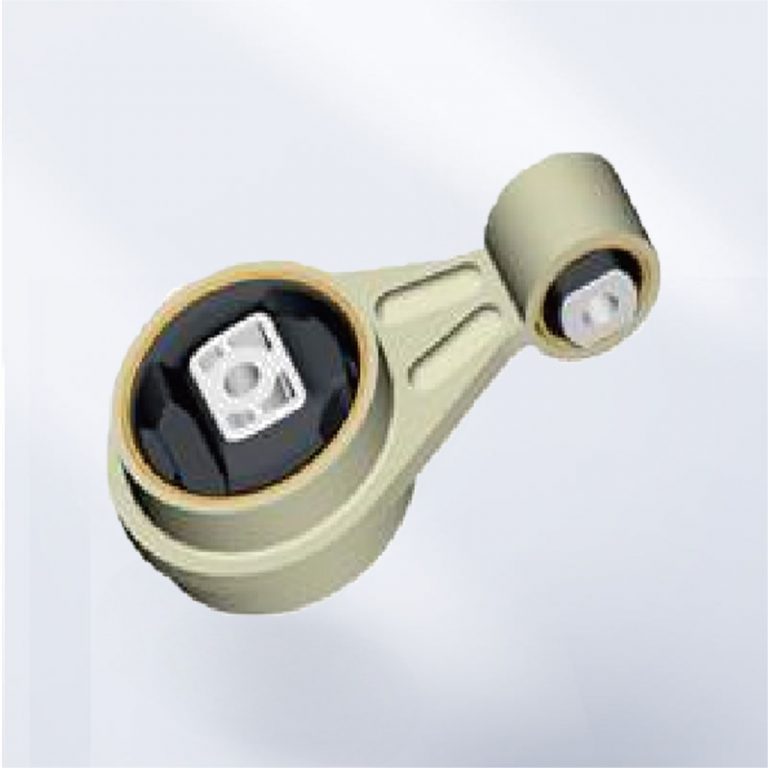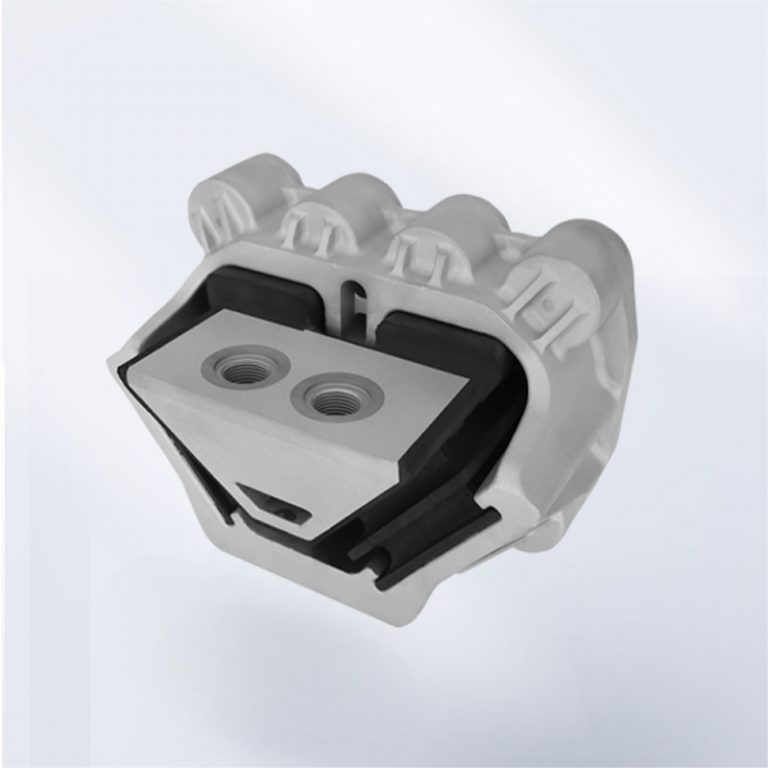
Engine mounts should be replaced when an inspection confirms real damage, not simply because a vehicle has reached a certain age or mileage. Deep rubber cracks, rubber-to-metal separation, collapse, hydraulic leakage, excessive powertrain movement, or metal contact are clear reasons to act. Vibration or a clunk by itself is only a warning. You still need to find the source.
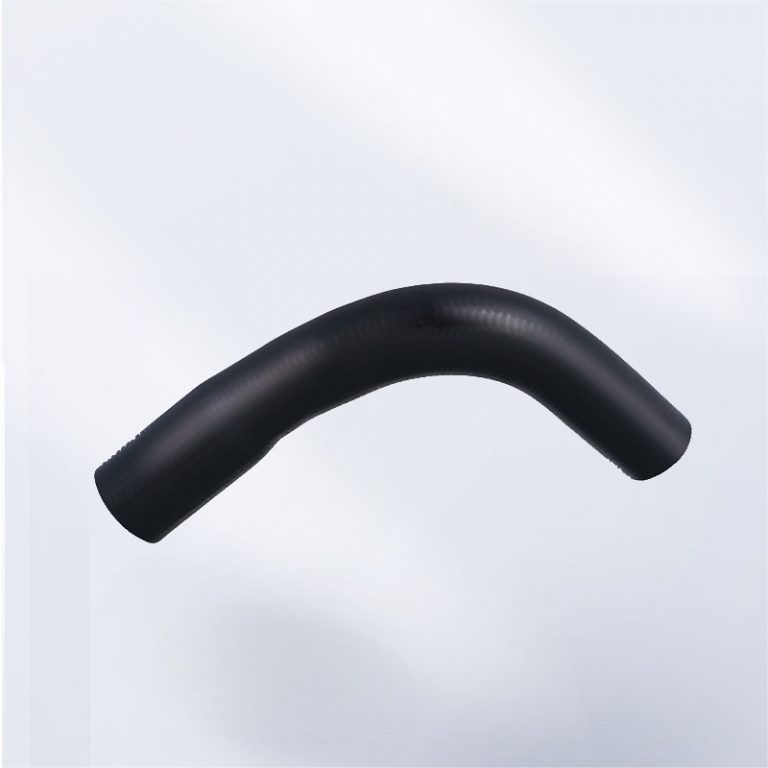
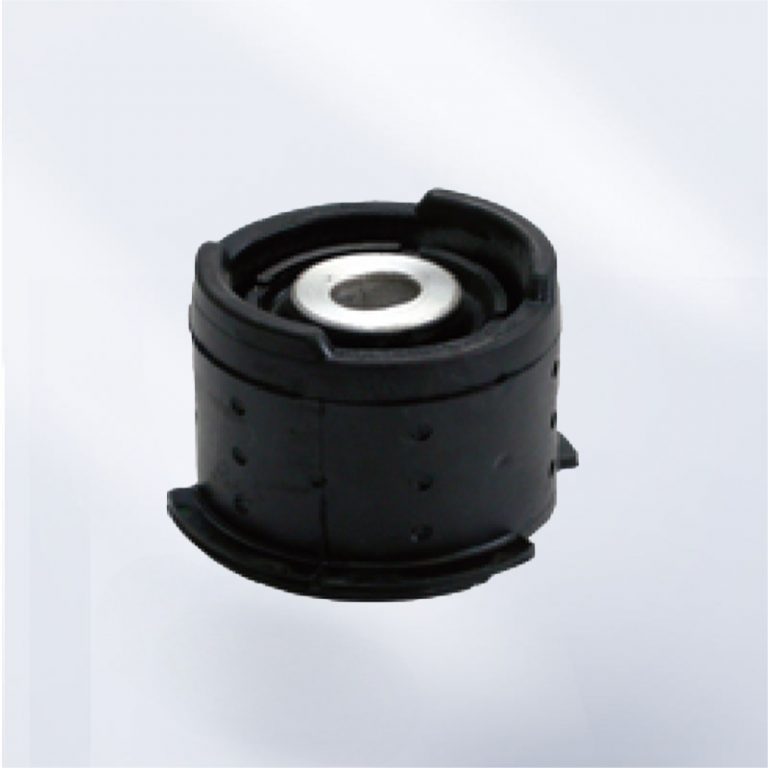
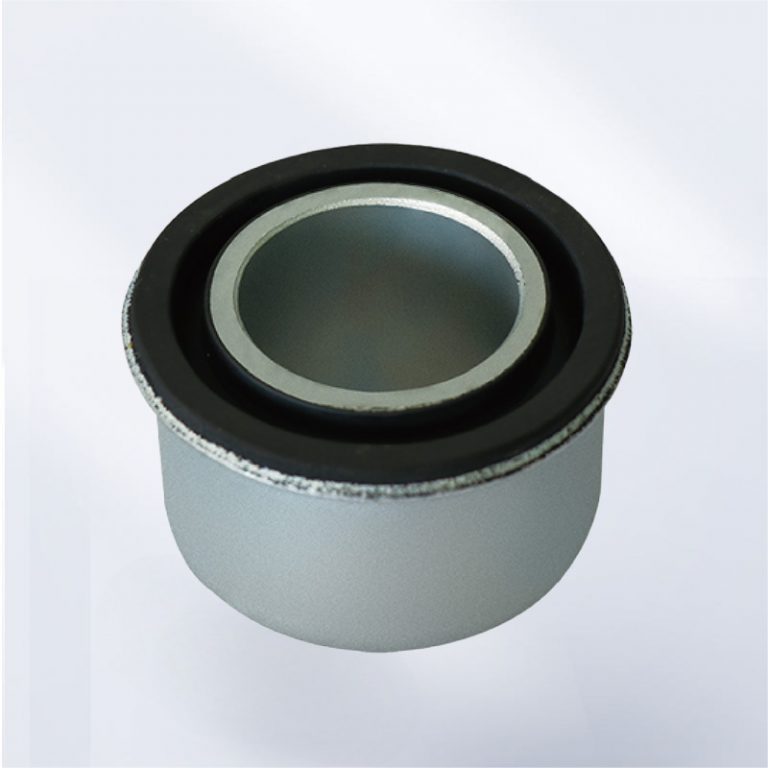
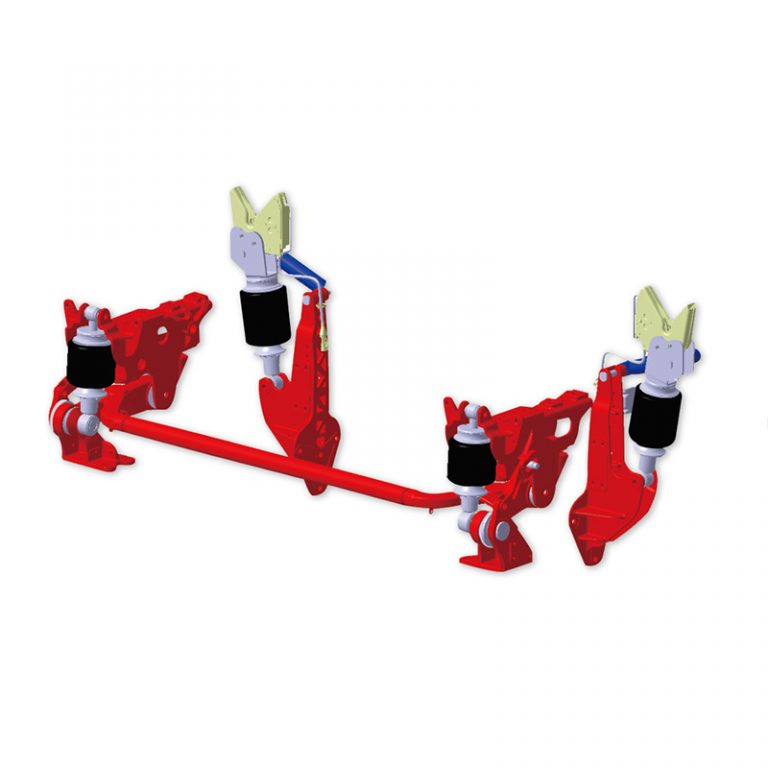
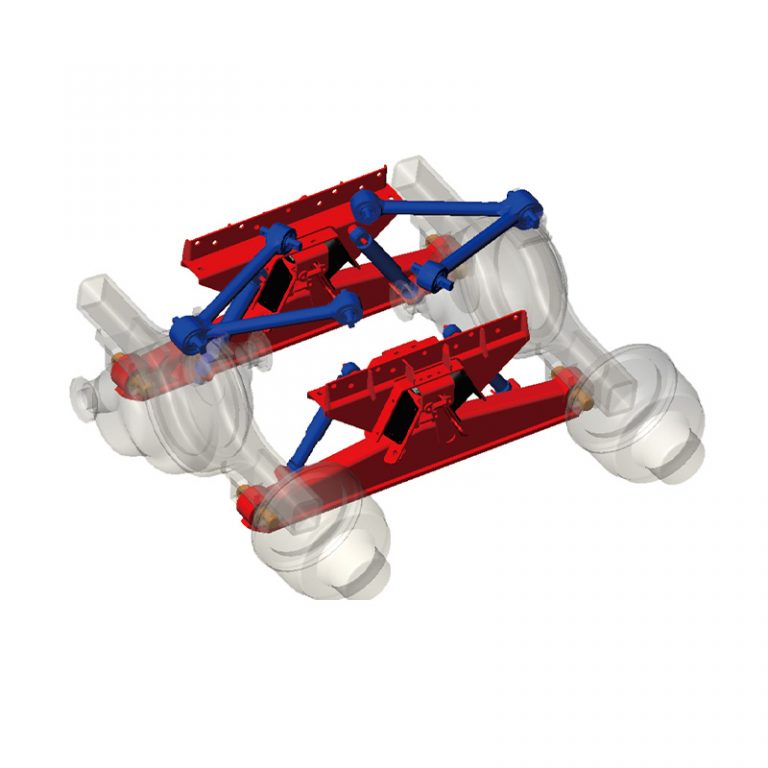
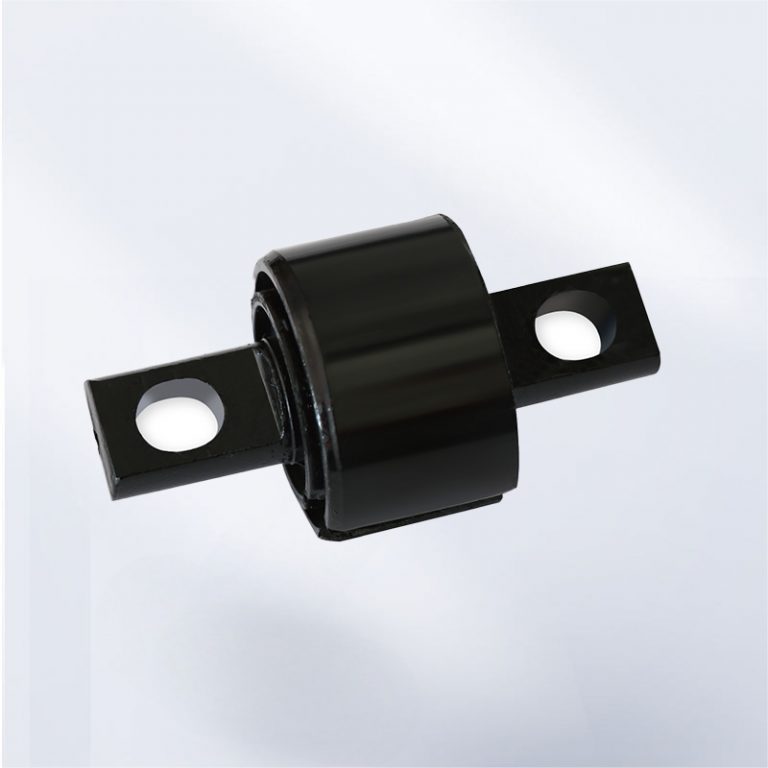
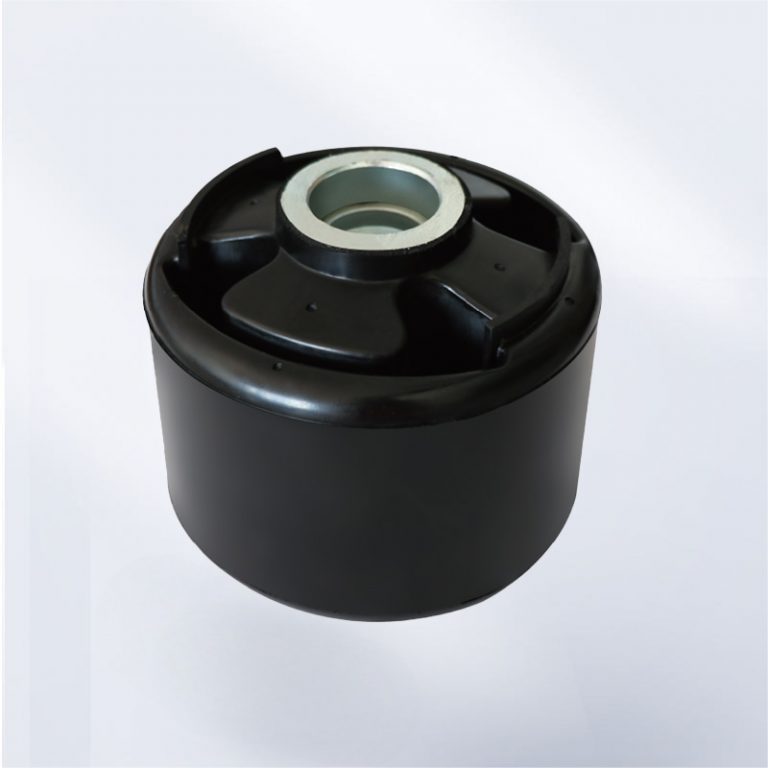
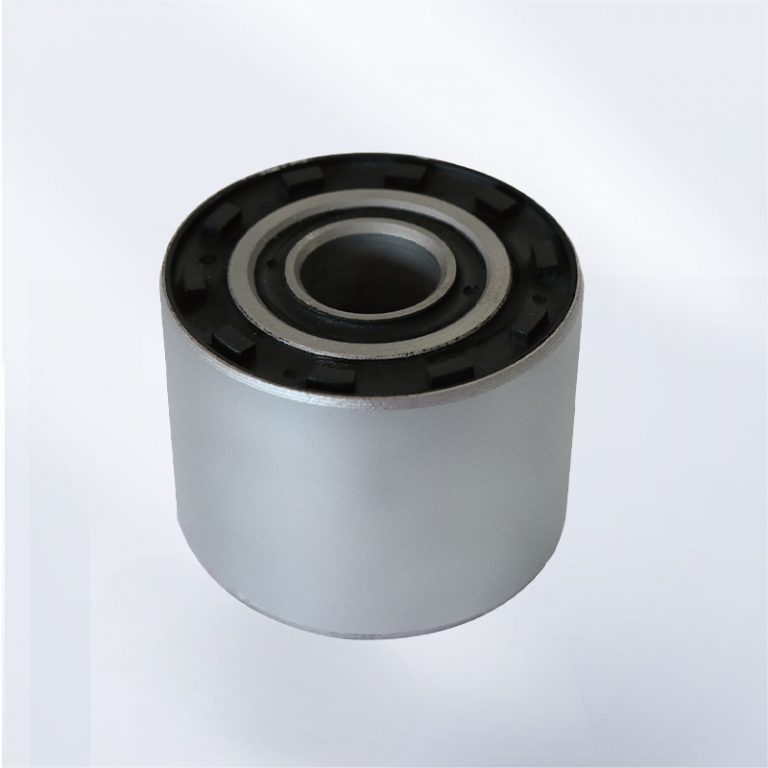
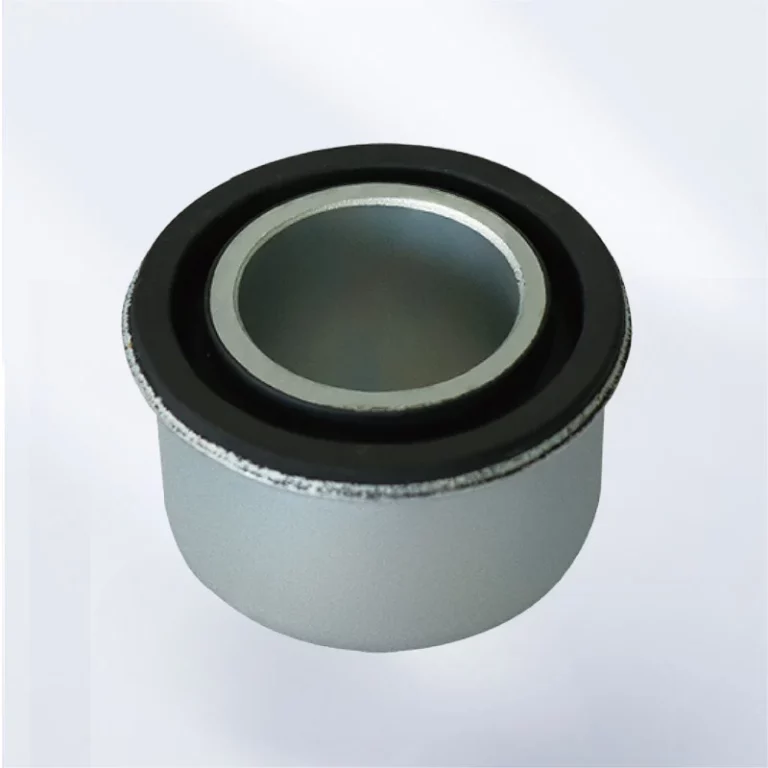
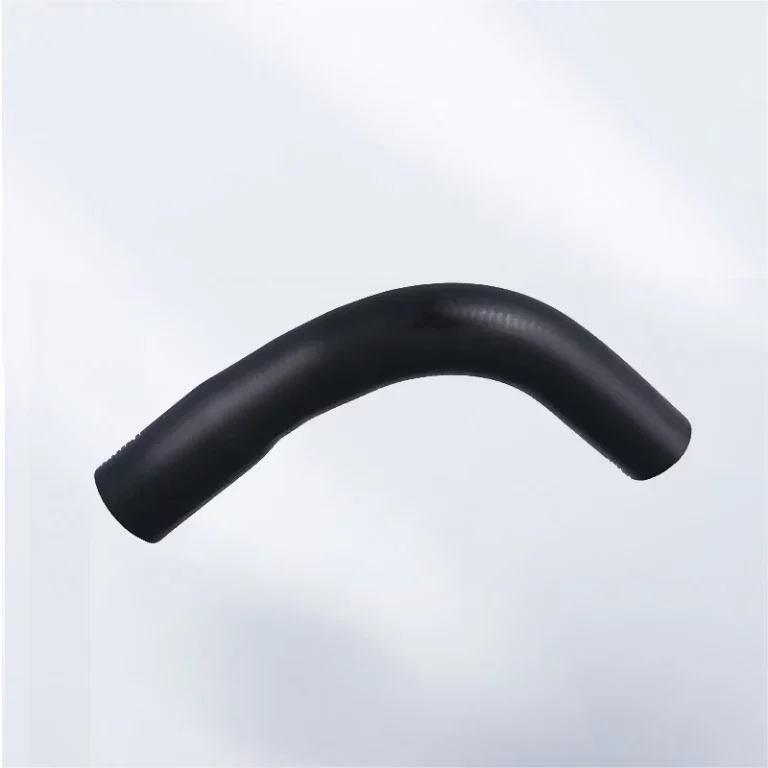
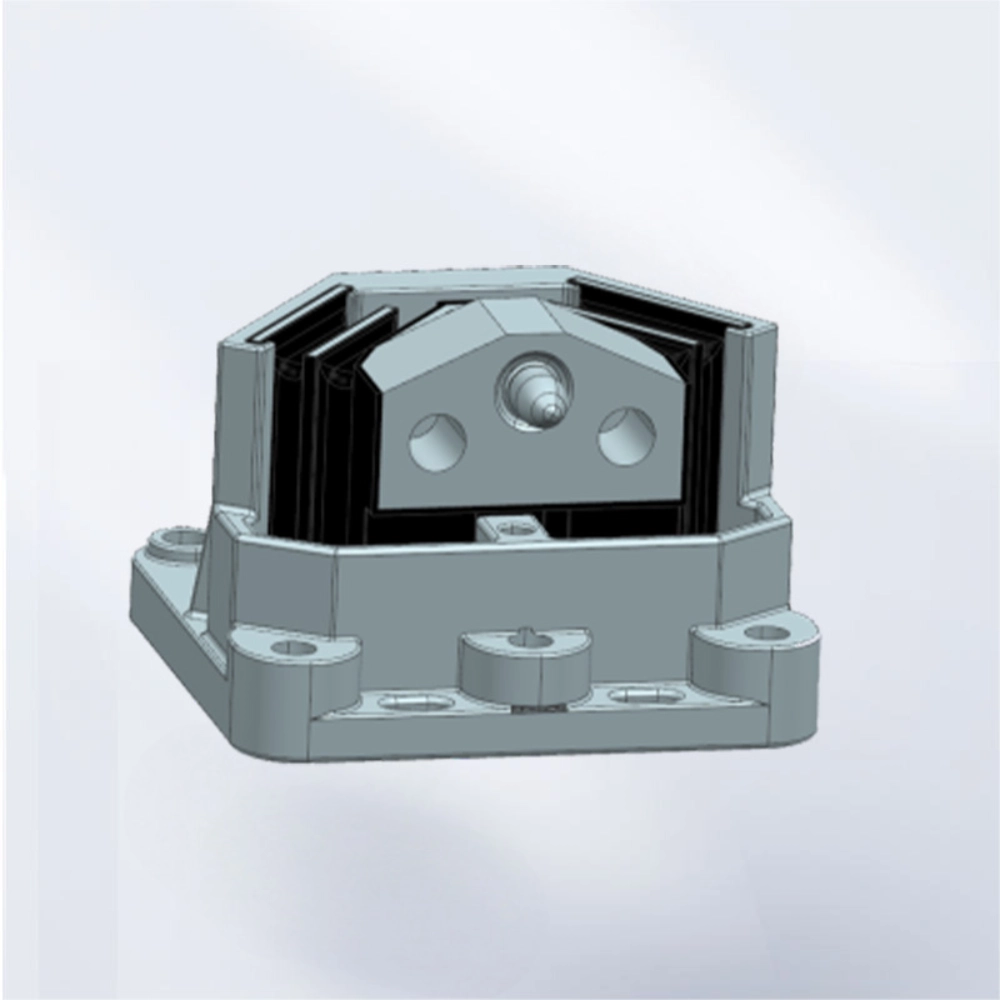
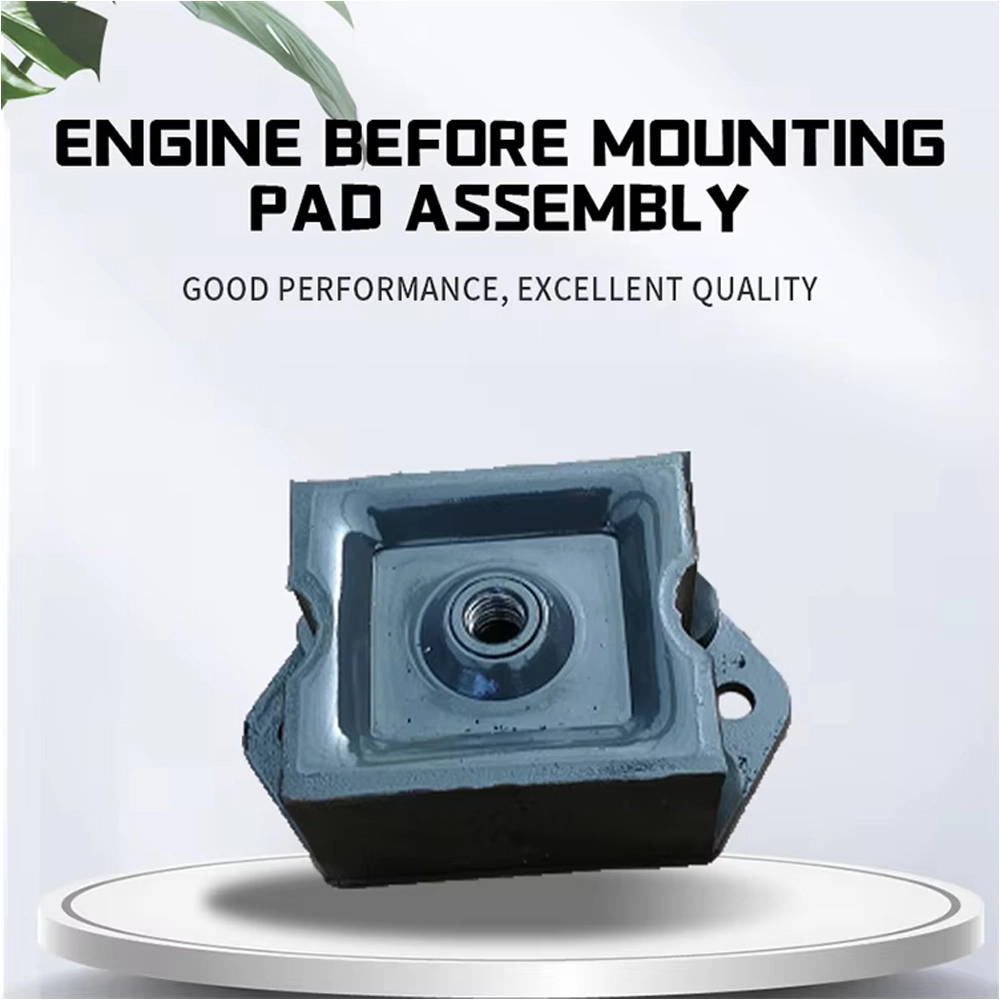
A healthy engine mount connects the frame and powertrain, supports the powertrain weight, controls its movement and angle, and keeps vibration from passing straight into the body. That is the job behind the Montaje del motor supplied by Meichen. It uses metal materials, engineering plastics, and rubber for passenger cars, commercial vehicles, and construction machinery.
Meichen has worked in suspension, vibration control, and fluid delivery products since 2004. Its engineering work covers material formulas, structural analysis, fatigue validation, and NVH testing. The company also has a 120-member R&D team and a nationally accredited laboratory. An engine mount is not just rubber between two brackets. Its stiffness, shape, load direction, and damping behavior must suit the powertrain. More details are available in the Meichen company profile.
When Should You Replace Engine Mounts Rather Than Keep Driving?
The decision becomes easier when you separate structural damage from general symptoms. Check the mount’s shape, height, rubber condition, and movement under load.
Structural Damage Means the Mount Has Reached Its Limit
Replace the mount when rubber has torn away from metal, a deep crack crosses the load-bearing section, or the mount has collapsed enough to change engine position. Metal contact marks are another strong sign. Tightening may correct a loose bolt, but it cannot restore split or compressed rubber.
Hydraulic Leakage Needs a Source Check
A hydraulic mount may leave an oily mark when its internal chamber leaks. Make sure the fluid did not drip from another part. If the mount leaks and idle vibration rises, its damping has probably fallen.
Noise Alone Is Not Proof
A clunk during shifting may come from an engine mount, transmission mount, bracket, or another part moving under torque. A rough-running engine can also shake with healthy mounts. Symptoms tell you where to look. Inspection tells you what to replace.
What Are the 5 Symptoms That Engine Mounts Need Replacing?
One weak engine mount may create several complaints. The strongest cases combine a driving symptom with visible damage.
Increased Vibration at Idle
The first symptom is stronger vibration through the steering wheel, seat, floor, or dashboard. It may become more obvious after you shift into Drive or Reverse. Aged rubber or a leaking hydraulic mount can pass more vibration into the body, but misfire or unstable idle must also be ruled out.
Clunking During Shifting or Acceleration
The second symptom is a clunk when you change gear, accelerate, or release the throttle. Engine torque makes the powertrain rotate slightly. A good motor mount controls that movement. A weak engine mount may let a bracket or stop make contact.
Excessive Engine Movement
The third symptom is obvious engine lift, rocking, or sudden movement. Some motion is normal, but the engine should not jump sharply or pull on hoses, wiring, or exhaust connections.
Cracked, Separated, or Sagging Rubber
The fourth symptom is visible damage. Small surface marks may show normal aging. Deep cracks, torn rubber, separation from metal, or a clear loss of height affect support and alignment.
Fluid Leakage From a Hydraulic Engine Mount
The fifth symptom is fluid on the mount body. A leaking hydraulic mount may still hold the engine weight, yet its damping can drop sharply. Leakage combined with vibration or mount collapse is a strong replacement signal.
How Can You Complete the 4 Engine Mount Inspection Checks?
A quick look from above is not enough. Mounts sit in tight areas, so use these four checks as one process.
Check 1: Inspect Rubber, Metal, and Fluid Condition
Look for deep cracks, torn sections, bulging rubber, compressed areas, and separation between rubber and metal. Check brackets for rust, distortion, loose bolts, and polished contact marks. On a hydraulic mount, inspect the body and seams for fresh oily residue.
Check 2: Compare Mount Height and Powertrain Position
Compare related mount heights where access allows. Check whether the engine leans or sits lower than expected. Inspect clearance around the fan shroud, exhaust parts, pipes, wiring, and body brackets. A position change may not identify the failed part alone, but it shows where support changed.
Check 3: Observe Controlled Powertrain Movement
A trained technician can observe engine movement while the vehicle is safely secured under light load. Look for sudden lift, excessive roll, or contact. Keep hands, clothing, and tools away from moving parts, and compare the result with the static inspection.
Check 4: Inspect the Full Mounting System
Check front, rear, and side engine mounts, plus the transmission mount, torque strut, brackets, and fasteners. One failed mount can shift load to the others. Replacing only the easiest part to see may leave the original vibration or clunk.
Could Another Fault Be Causing the Same Symptoms?
Engine mount replacement will not repair a rough-running engine or loose exhaust bracket. A few extra checks can prevent a second repair.
Rule Out Engine and Idle Problems
Watch engine speed. If idle is unstable, the vibration source may be combustion, ignition, fuel delivery, or air intake. A worn mount can make the vibration feel worse without being the first fault.
Compare Engine Mount and Transmission Mount Symptoms
The engine and transmission act as one assembly. A collapsed transmission mount can feel like an engine mount problem, especially during shifting.
Check all support points rather than judging the fault from the most visible mount. A change in one support point affects how the rest of the system carries the powertrain.
Check Exhaust and Bracket Contact
Loose heat shields, exhaust parts, underbody panels, and brackets can produce a clunk or buzz. Look for contact marks and check whether powertrain movement is pulling on a hose, wire, or exhaust connection.
How Should You Choose the Correct Replacement Engine Mount?
A replacement part must do more than fit the bolt holes. It should match the vehicle, position, powertrain weight, movement direction, and vibration target.
Match the Vehicle and Mount Position
Confirm the vehicle type, engine, transmission, installation side, bracket dimensions, hole positions, and mount height. Front, rear, side, and transmission mounts do different work. A similar-looking part may use a different stiffness or load path.
The installation position also changes the force acting on the part. One mount may mainly carry vertical weight, while another controls torque reaction during acceleration and shifting. Using the wrong design can leave too much movement or send more vibration into the vehicle body.
Match the Material and Damping Design
Rubber, metal structure, and engineering plastic parts affect how the mount carries weight and controls motion. Hydraulic designs add damping for selected vibration ranges. The right choice depends on torque, heat, and road input.
For matched applications, the Meichen engine mount for vibration and displacement control supports powertrain weight, controls displacement and angle, reduces vibration transfer to the body, and attenuates road input reaching the powertrain.
This balance matters. A mount that is too soft may allow excessive movement. A mount that is too stiff may pass unwanted vibration into the steering wheel, seats, floor, and dashboard. Material selection and structural matching need to be considered together.
Buyers can also review the wider Gama de productos Meichen when a project includes suspension, damping, or fluid delivery parts.
Decide Whether One Mount or Several Need Replacement
One mount may be enough when the others remain at the correct height, show no cracking, and still control movement. Several mounts may need attention when they have aged together or one failed mount has overloaded the rest.
A large difference between a new mount and an old compressed mount can also affect powertrain position. Before placing an order, compare the condition of all related mounts and check whether the vehicle maker gives any replacement sequence.
After installation, recheck engine position, idle vibration, shifting movement, fastener torque, and nearby clearances. Hoses, wiring, and exhaust connections should sit without unwanted tension.
What Should You Do After Confirming Engine Mount Failure?
Use inspection evidence to make the decision. Structural separation, hydraulic leakage, collapsed height, excessive movement, and metal contact carry more weight than mileage alone.
For an OEM, ODM, or replacement project, prepare the vehicle information, installation position, drawing, sample, expected load, and working conditions. These details make it easier to review dimensions, material, stiffness, and load direction before production.
Meichen’s service team can use this information to review material, structure, and application matching. The company’s technical work includes rubber formula development, nonlinear analysis, fatigue testing, and system-level NVH research. These steps help buyers move beyond basic size matching and look at how the mount will behave in the actual vehicle.
For drawings, samples, and engine mount requirements, you can Contacta con Meichen directly.
Preguntas frecuentes
Q1: Is There a Fixed Mileage for Engine Mount Replacement?
A1: No. Service life changes with vehicle design, mount type, engine torque, heat, road conditions, and load. Use inspection results and the vehicle maker’s service information.
Q2: Can You Drive With a Bad Engine Mount?
A2: Minor vibration may allow limited driving, but severe movement, metal contact, torn rubber, or pulled hoses can create further damage. Arrange an inspection as soon as possible.
Q3: Should You Replace One Engine Mount or All of Them?
A3: Not always. Replace the failed mount if the others remain healthy and correctly positioned. Consider several mounts when they show similar aging or have carried extra load.
Q4: Does a Leaking Hydraulic Engine Mount Need Replacement?
A4: First confirm that the fluid comes from the mount. If the mount itself leaks and vibration or sagging has increased, replacement is usually the practical repair.
Q5: Can a Transmission Mount Feel Like a Bad Engine Mount?
A5: Yes. Both support the same powertrain, so a failed transmission mount can cause clunks, vibration, and excessive movement that resemble engine mount failure.