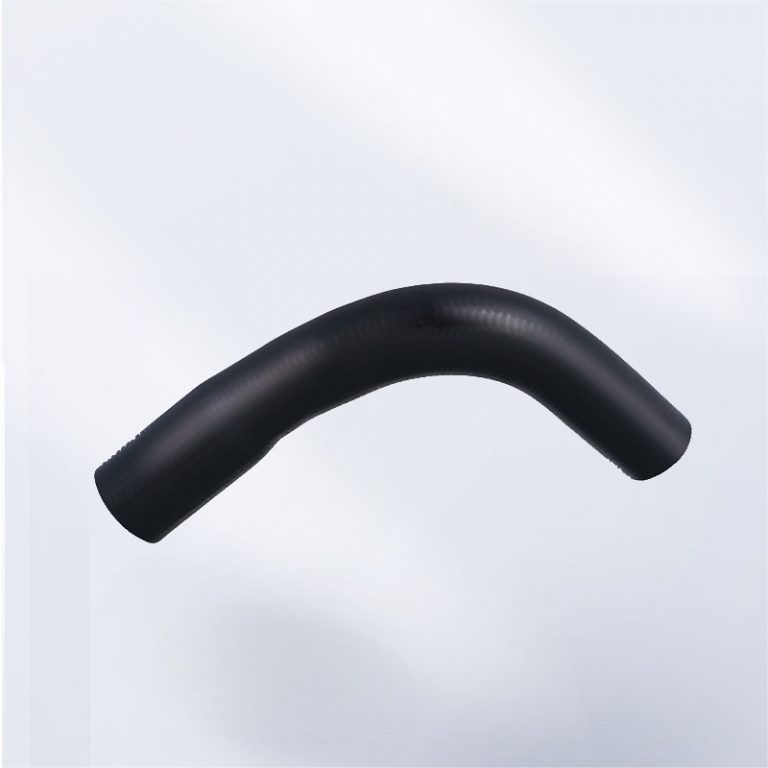
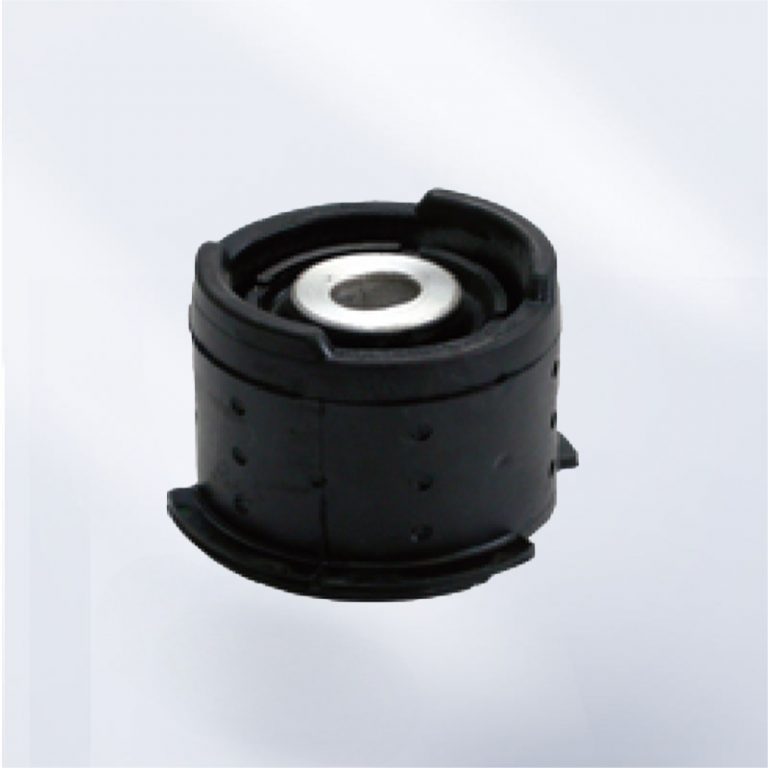
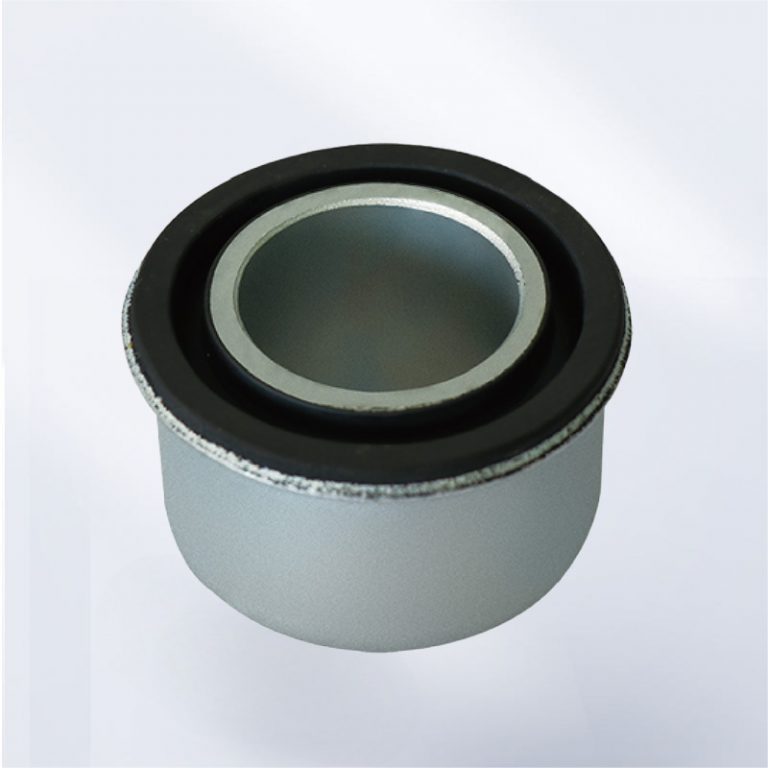
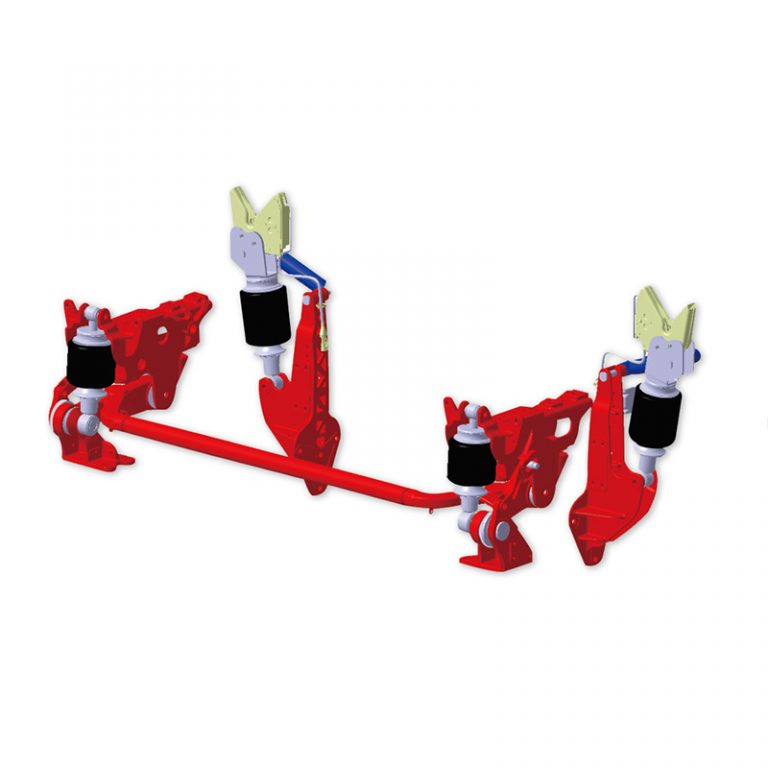
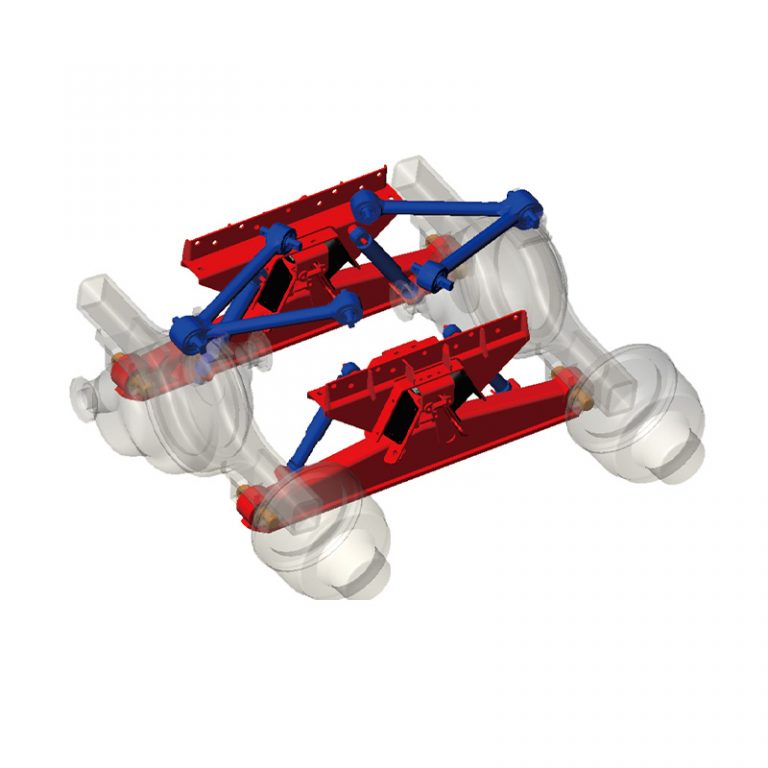
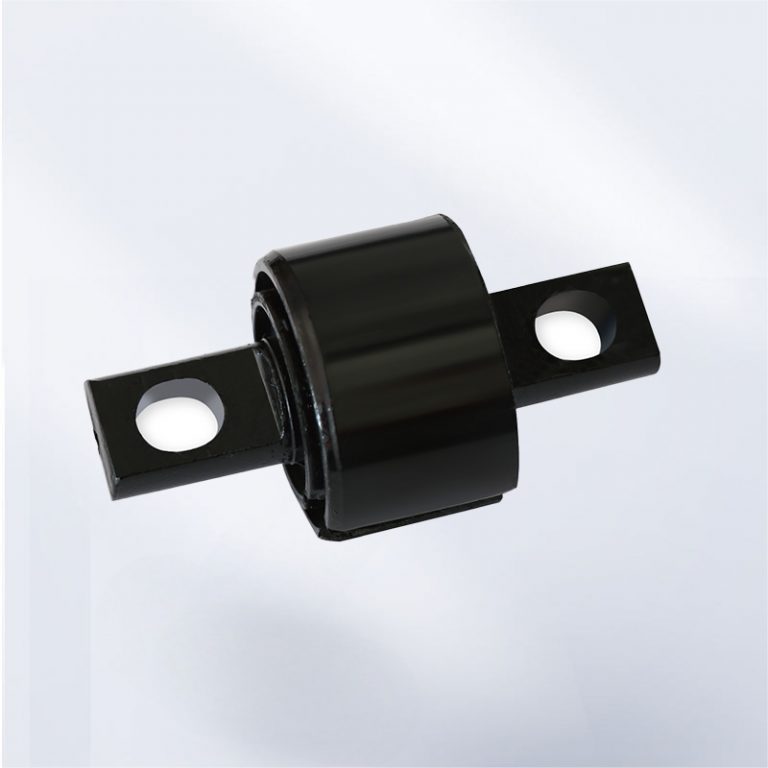
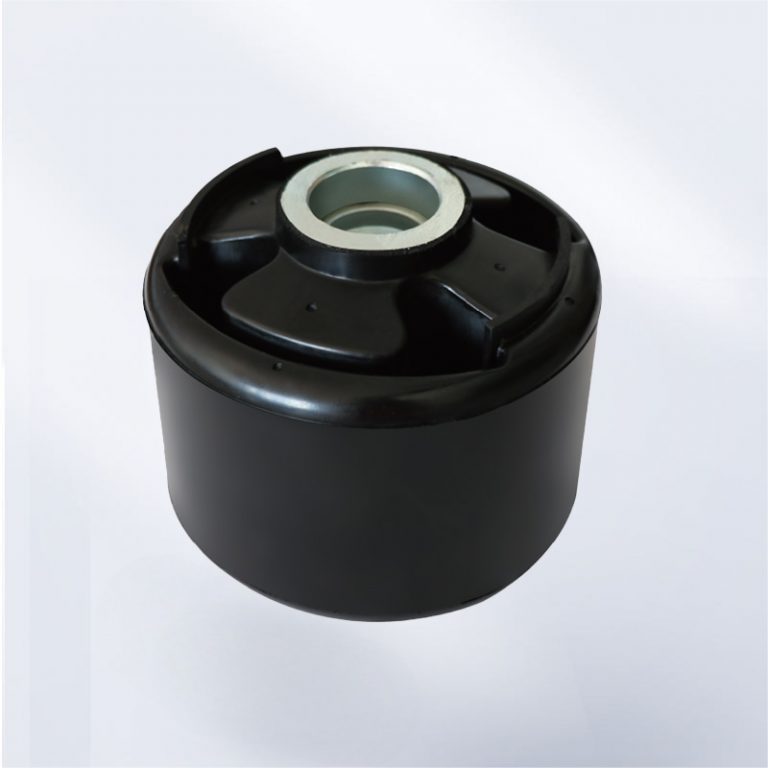
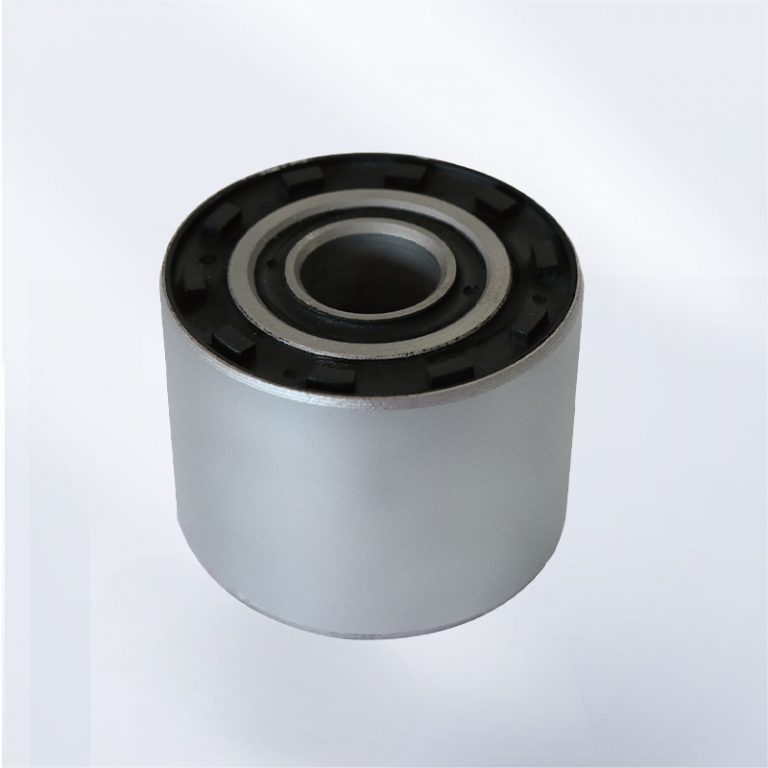
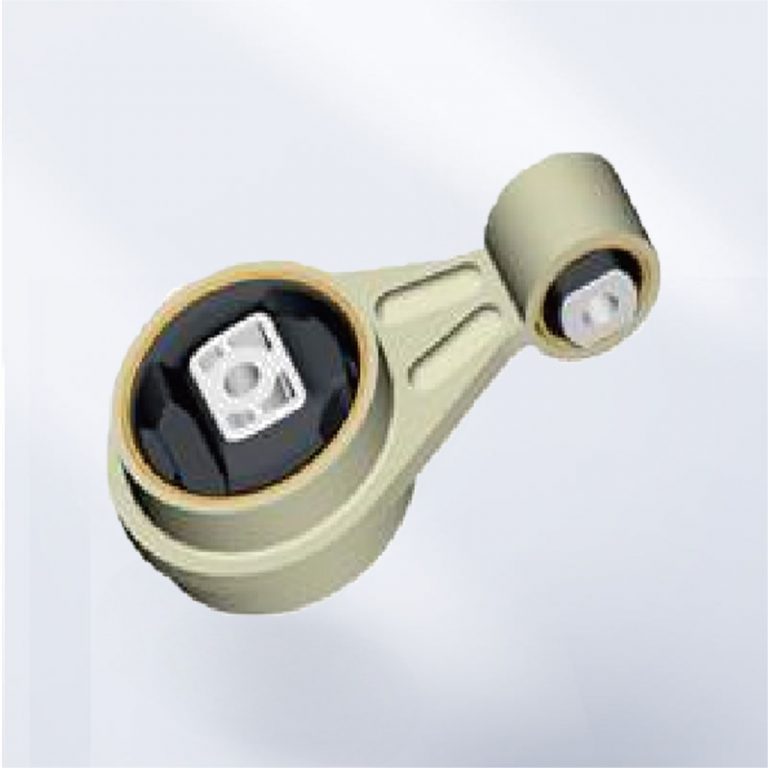
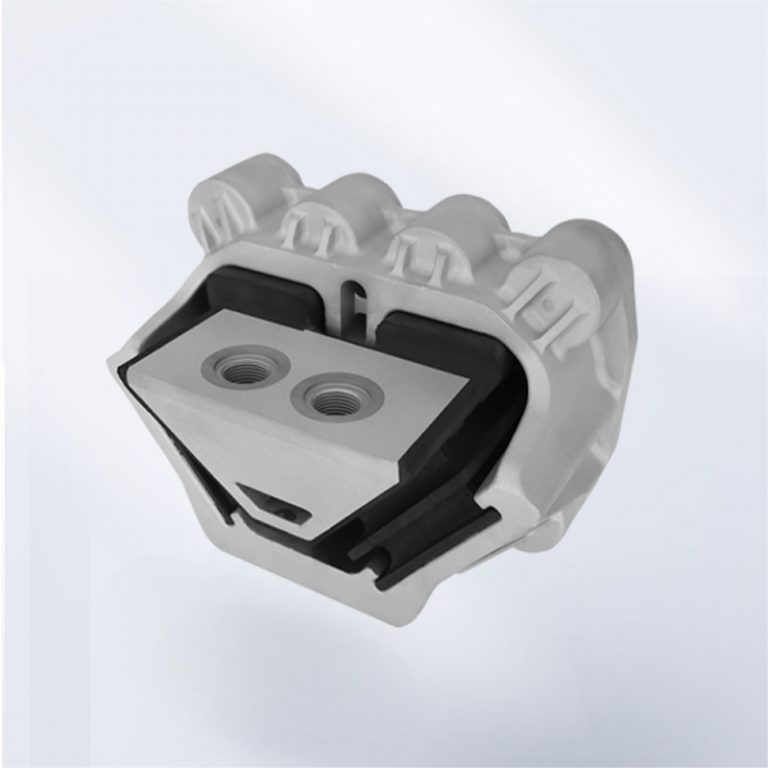
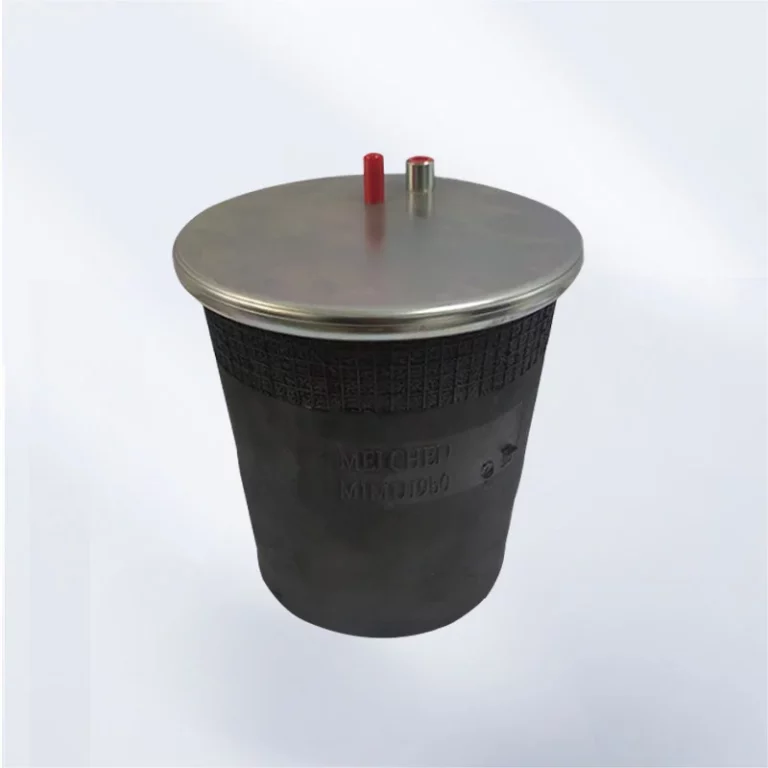
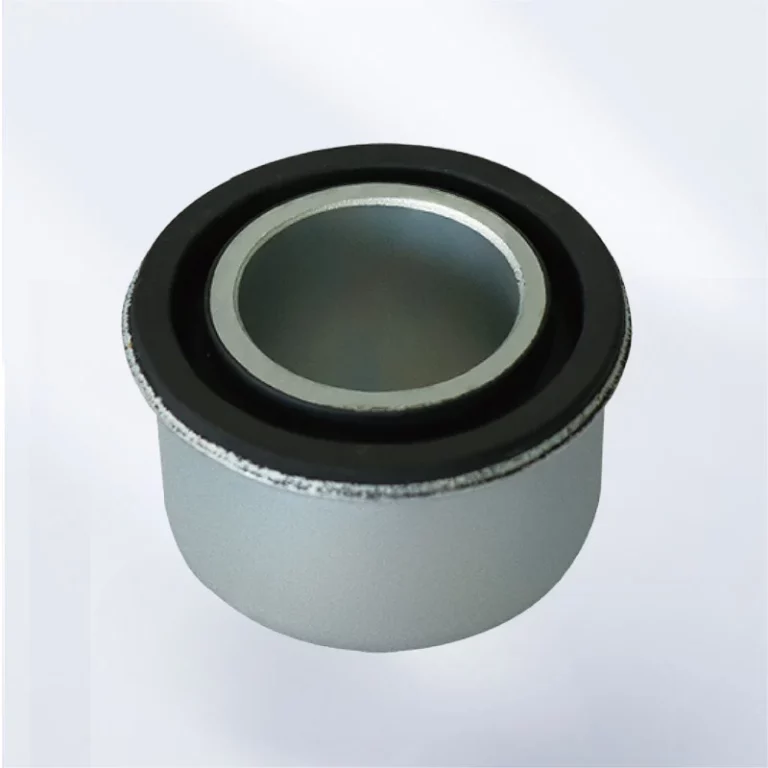
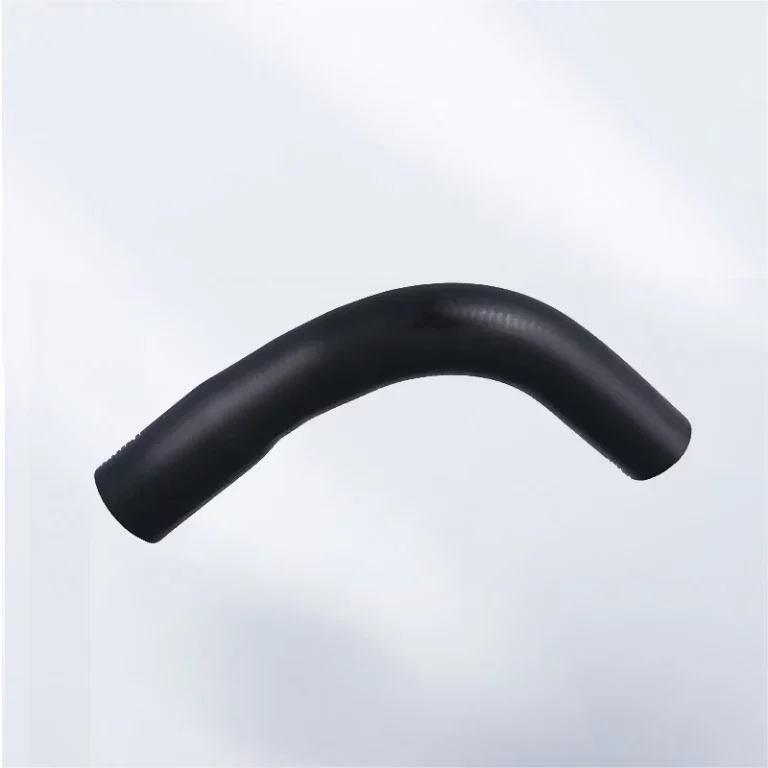
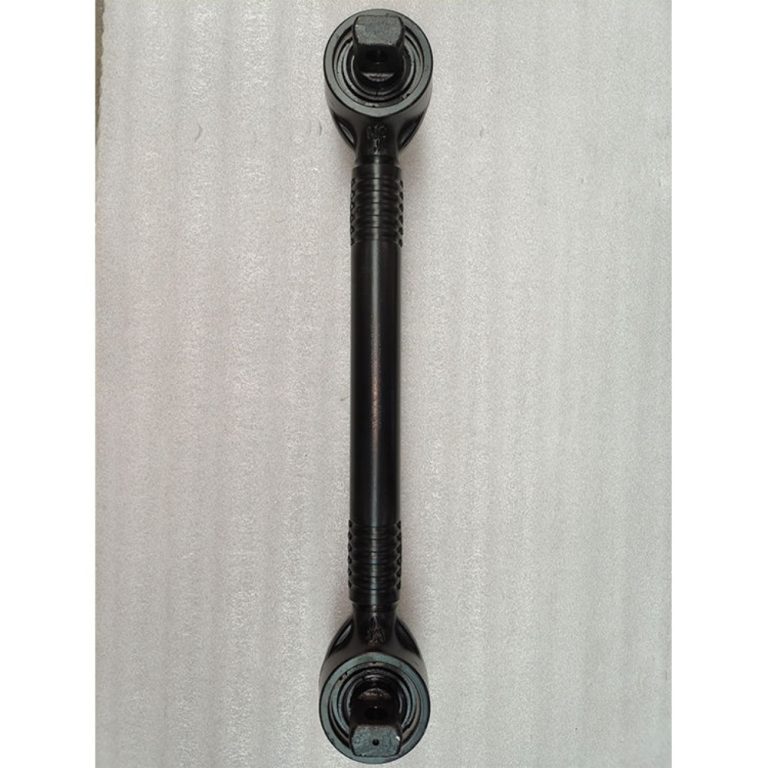
The engine mount is a part that connects the powertrain to the frame of the vehicle. Its function is to support the weight of the powertrain, to locate it in the correct position, to permit movement during acceleration and gear shifting, and to reduce engine vibration which would otherwise be transmitted to the vehicle interior. The engine mount is not designed to fix the engine solid in space, like a block, but to permit a small amount of movement, while at the same time preventing too much movement which could cause stress to adjacent components.

That is why the montaje del motor matters even though it is easy to overlook. If it is too soft, the engine can move too much. If it is too stiff, vibration passes into the steering wheel, seats, dashboard, and floor.
Meichen has worked in automotive rubber damping, suspension, and fluid delivery products since 2004. The company has a 120-member R&D team, a nationally accredited laboratory, system-level NVH testing capability, and production lines for rubber damping parts. Its work covers material formulas, structural analysis, fatigue validation, and manufacturing control.
.webp)
What Is an Engine Mount and What Does It Do?
Most vehicles require several mounts to be installed around the engine and transmission. Even though they are individual parts, each mounting system is designed to support loads in particular directions. Therefore, the mounting system as a whole is much more important than any individual mount.
How the Mount Connects the Powertrain to the Frame
The metal section creates a firm connection point. Rubber sits between rigid parts and allows limited movement. Some designs also use engineering plastics for shape, connection, or weight control.
You may also see the term motor mount. In repair and parts buying, motor mount and engine mount usually refer to the same type of component.
How It Supports Weight and Controls Movement
A mount can have a constant weight and always the same configuration, i.e. a part of the engine and transmission weight. However this weight is unloaded while the car is stationary, during idling or during driving. Acceleration, braking and gear-shifting, for example, are the times when the load on the mounts changes. Engine torque tries to rotate the powertrain. The mounts resist that motion and keep the angle within a designed range.
This protects more than ride comfort. Excess movement can pull hoses, stress wiring, change exhaust alignment, or cause metal parts to touch the body.
How Does an Engine Mount Work?
It sounds simple enough but it’s a matter of achieving a balance, between being solid enough to transmit and control the powertrain, and being flexible enough to not transmit the normal engine vibrations to the cabin.
How Static and Dynamic Loads Act on the Mount
Static load comes from powertrain weight. Dynamic load comes from combustion pulses, start-up, gear changes, road impact, and torque reaction. These forces do not always act in the same direction.
A mount that can withstand repeated cycles of compressive, tensile and shear loading, before deteriorating, is a well-matched mount. Factors such as the rubber formula, the metal formula, the bond between the rubber and metal, and the mount geometry all need to be considered.
How Stiffness and Damping Work Together
Stiffness of an engine mount governs the degree of movement of an engine, and damping the rate of decay of the movement that does occur. So a very stiff mount will keep the engine still, but increase the vibration transmitted to the car body, whilst a very soft mount will allow the engine to swing excessively under maximum load.
Engineers tune the structure for vehicle weight, engine output, idle speed, available space, and the target cabin feel.
How Does It Reduce Vibration During Real Driving?
Vehicle vibration changes as you start the engine, wait at idle, pull away, shift, or drive over rough ground. The mount has to manage all of these conditions.
How It Reduces Vibration at Idle
At idle, combustion creates repeating low-frequency movement. You often notice it through the seat, steering wheel, or floor. The rubber section deforms in a controlled way and reduces the motion transferred to the body.
The goal is not to stop all engine movement. A small amount is normal. The mount should keep it away from the passenger area without letting the powertrain hit surrounding parts.
How It Controls Torque Reaction During Acceleration
When you press the accelerator, the powertrain reacts against the drive force. It may tilt or twist for a moment. The mount limits this motion and helps it return smoothly.
If a weak engine mount cannot do that job, you may hear a clunk during shifting, feel a heavy jolt when load changes, or see more engine movement than expected.
How It Reduces Road Excitation
Vibration also travels in the opposite direction. Road impact reaches the frame, then tries to pass into the powertrain. The mount helps reduce that input before it reaches the engine and connected parts.
The official passenger-car product description covers both sides of this task: reducing powertrain vibration sent to the body and attenuating road excitation sent back to the powertrain.
Which Types and Materials Affect Mount Performance?
Mount design changes with vehicle layout, cost targets, powertrain weight, and NVH goals. You do not need the most complex type. You need the type that fits the vehicle.
Rubber, Hydraulic, and Active Mounts
A conventional rubber engine mount uses bonded rubber and metal parts. It is simple and practical for many passenger cars.
A hydraulic engine mount adds fluid chambers and internal passages. It can provide different damping behavior at different frequencies. An active mount uses electronic control or an actuator to counter selected vibration conditions, but it adds cost and complexity.
Why Engine Mount Material Matters
Rubber provides flexibility and damping. Metal carries load and creates reliable mounting points. Engineering plastics may help with integrated shapes or lower weight.
The company’s Gama de productos automotrices covers rubber damping, suspension, and fluid systems. For engine mounts, the listed materials include metal, engineering plastics, and rubber. This mix supports strength, controlled movement, and vibration isolation.
What Should You Check When Vibration Gets Worse?
More vibration does not always mean the engine mount has failed. A careful check can stop you from replacing the wrong part.
Inspect the Rubber and Bonded Areas
Look for cracks, hardening, collapse, tearing, or separation between rubber and metal. Oil contamination can also damage some rubber compounds over time.
Check Fasteners and Mounting Points
Loose fasteners, damaged brackets, or poor installation can create noise that feels like mount failure. A clunk during shifting may come from excess powertrain movement, but it can also come from another worn part.
Rule Out Other Vibration Sources
Engine misfire, uneven idle, tire problems, driveline issues, or exhaust contact can create similar symptoms. Check the full vibration path before you order parts.
How Do You Choose the Right Engine Mount?
Part number and fit come first, but good selection goes further. The mount must match the vehicle’s actual working condition.
Match Load, Torque, and Installation Space
Check powertrain weight, torque, mounting angle, available space, and load direction. Two mounts that look similar may use different rubber stiffness or internal geometry.
Balance Comfort with Movement Control
For a daily passenger car, you want low cabin vibration without loose engine movement. A very hard mount may feel sharp and noisy. A very soft one may allow clunks, hose strain, or contact under load.
El Montaje del motor (coche de pasajeros) is designed to connect the frame and powertrain, support powertrain weight, control displacement and angle, reduce vibration sent to the body, and lessen road excitation sent toward the powertrain. These are the points you should compare, not appearance alone.
Ask About Validation and Service
For OEM or volume sourcing, ask how the supplier checks rubber performance, bonding, dimensions, durability, and fatigue life. Provide drawings, samples, load data, vehicle use, temperature range, and your NVH target.
The company’s testing resources include chemical, static, and dynamic laboratories, system verification equipment, large-deformation analysis, and fatigue testing. Its rubber damping production capacity is listed at 10.3 million pieces.
Service still matters after the drawing is approved. A useful technical team should help with sample review, fit confirmation, test feedback, and change control. For passenger-car engine mount selection, OEM or ODM discussion, and project support, you can contacta con el equipo with your vehicle data and application requirements.
FAQ
Q1: ¿Cuál es la función principal de un montaje de motor?
A1: It supports the powertrain, connects it to the vehicle structure, controls movement, and reduces vibration sent into the cabin.
Q2: Can a Bad Engine Mount Cause Strong Vibration at Idle?
A2: Yes, but you should also check engine running condition, exhaust contact, and other mounts before replacing the part.
Q3: Is a Motor Mount the Same as an Engine Mount?
A3: In most repair and parts-buying situations, the two terms refer to the same component.
Q4: What Materials Are Commonly Used in Engine Mounts?
A4: Common materials include rubber for damping, metal for load support, and engineering plastics for selected structural or connection needs.
Q5: How Do I Choose the Right Engine Mount for a Passenger Car?
A5: Match the vehicle application, part fit, powertrain load, torque, mounting position, material performance, and supplier validation capability.