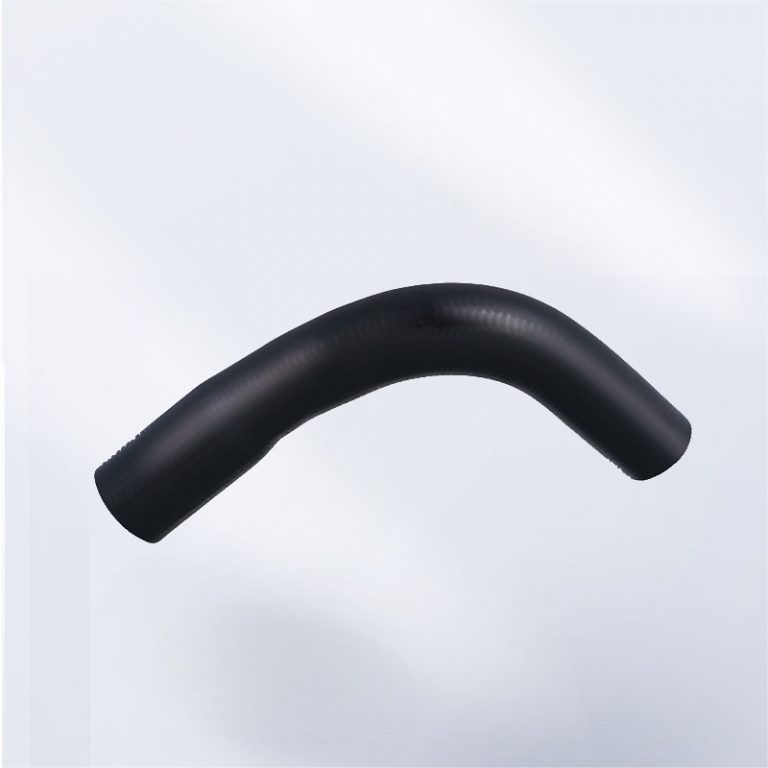
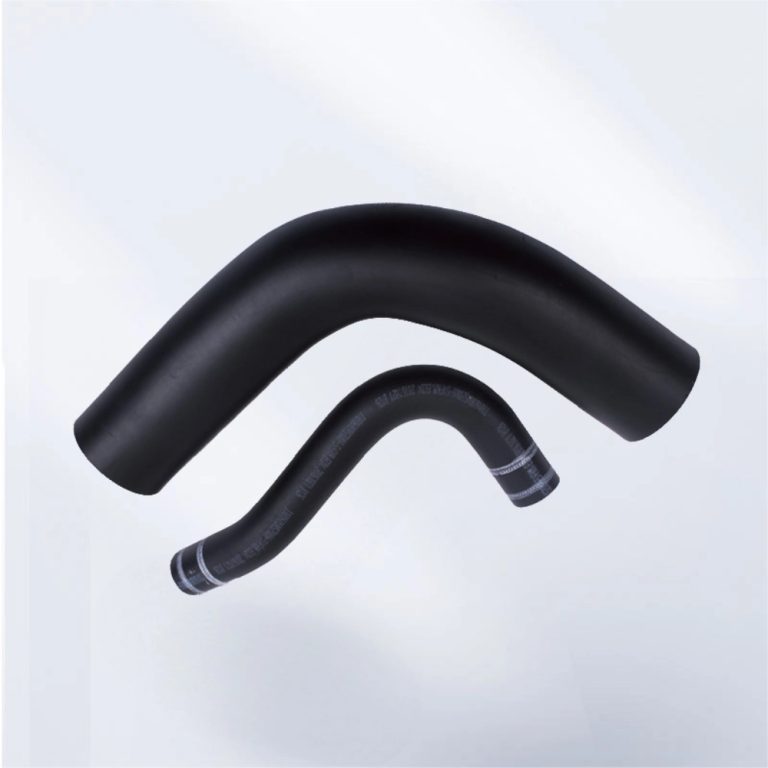
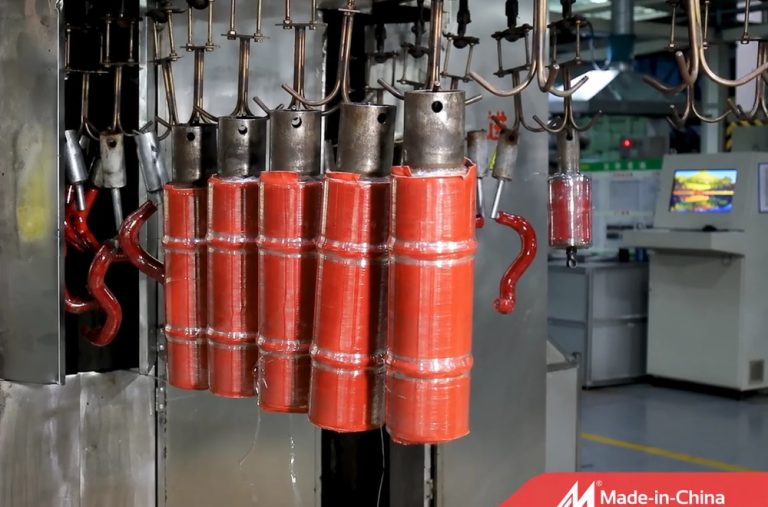
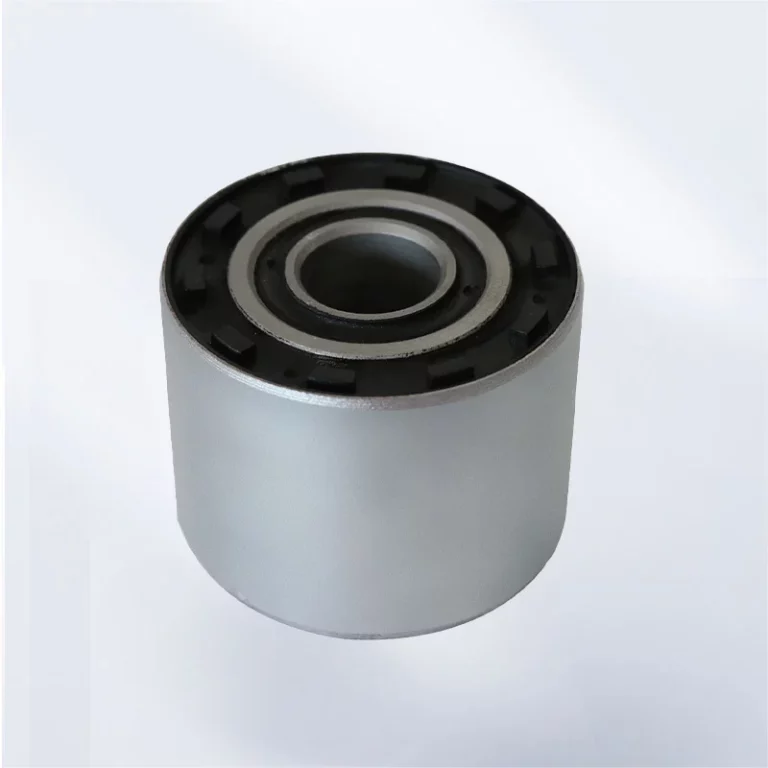
Choosing the right components for your engine bay often comes down to balancing raw material capabilities against real-world mechanical wear. While standard high-pressure systems demand strict chemical boundaries to prevent volatile fluid leaks under the chassis, your actual choice between a flexible elastomer matrix and a dense synthetic fluoropolymer core will directly dictate the long-term reliability and safety of your entire vehicle line.
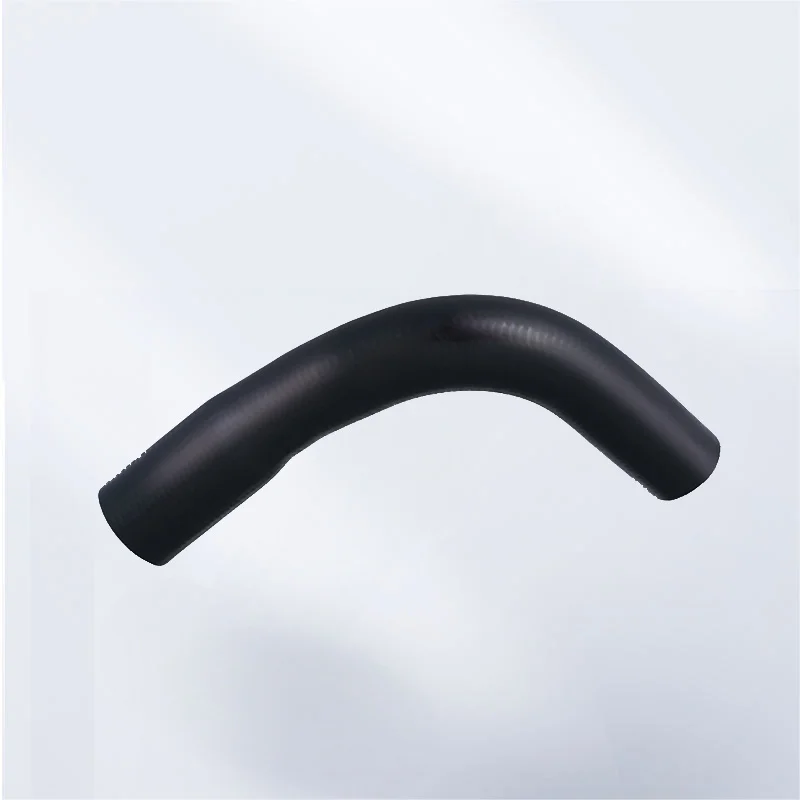
The Critical Choice Between Rubber and PTFE Fuel Lines
When you open your vehicle hood, the fuel delivery layout looks simple enough. However, beneath that calm exterior, the lines undergo continuous chemical assault and massive pressure fluctuations every second the engine runs. Selecting the proper plumbing material is not just about keeping the engine running ; it is a critical safety choice that determines whether your vehicle stays clear of catastrophic fuel leaks. For decades, traditional rubber formulations held a monopoly under the chassis, but modern fuel chemistry has allowed polytetrafluoroethylene, commonly known as PTFE, to become a massive challenger in both street and commercial markets.
A standard fuel line must remain completely non-reactive while carrying highly volatile fluids under variable thermal loads. While standard rubber options rely on elastic compounding to survive road vibrations, PTFE leverages an inert fluoropolymer core that acts as an impermeable shield against aggressive additives. Making the right selection for your fleet or distribution catalog requires a clear, unbiased look at how these materials perform when exposed to modern high-pressure demands. Both options offer specific strengths under the frame, but matching them to your exact operating conditions is the only way to avoid system failures down the road.
The Core Structure of a Flexible Automotive Fuel Hose Matrix
Traditional flexible lines utilize combined elastomeric layers to cope with engine movements. These layers consist of an inner core formulated for fluid contact, surrounded by reinforcing layers and a weather-resistant outer jacket. This layout relies entirely on rubber chemistry to maintain elasticity without degrading when constantly drenched in volatile fuel compounds.
Defining Synthetic Fluoropolymer Shield Properties
On the opposite side, the alternative utilizes an extruded core made of pure synthetic fluoropolymer plastic. This core material is naturally smooth, slick, and completely non-porous. It relies on a very tight carbon-fluorine chemical bond that keeps the internal lining completely immune to chemical breakdown, regardless of what chemical elements pass through the center bore.
Balancing High Pressure Demands Against Installation Space Limitations
Choosing between these two designs forces you to look closely at your physical chassis layout. High-pressure common rail injection setups require zero wall expansion under load, which favors dense materials. However, routing those exact lines through tight frame passages around steering columns or hot exhaust elements requires real, predictable flexibility that will not compromise fluid flow.
Fuel Odors and Premature Degradation: Common Fuel Line Failure Pain Points
Chassis components degrade slowly, and fuel lines are particularly vulnerable because the damage typically starts from the inside out. By the time you spot a wet fitting under the frame, the inner core of your fuel plumbing has likely been compromised for months.
Eliminating Fuel Permeation with Advanced Multilayer Barriers
If you park your commercial truck or passenger vehicle in an enclosed garage and notice a persistent, faint smell of raw gasoline, you are experiencing the frustrating reality of fuel permeation. Standard single-layer rubber lines allow microscopic fuel molecules to slowly sweat right through the porous walls over time, creating a toxic vapor hazard without showing a visible liquid leak. The only way to solve this hidden problem is by implementing high-performance multi-layer barrier tech. By nesting a highly dense fluoroelastomer core, such as an FKM or THV barrier layer, inside the rubber matrix, you drastically reduce vapor loss and keep the engine bay completely free of toxic odors.
Combating High Ethanol Corrosion via Specialized Synthetic Compounds
Modern pump gas contains significant percentages of ethanol, ranging from standard E10 blends up to aggressive E85 pump fuels. This alcohol content is incredibly brutal on older rubber compounding, causing standard lines to dry out, swell up, crack internally, and shed tiny black rubber particles directly into your fuel filters and fuel injectors. To fix this premature breakdown, you must move away from basic NBR or low-tier synthetic compounds. Upgrading to a custom synthetic matrix using advanced materials like a premium Producto del sistema de combustible creates an unyielding defense that will not swell, soften, or lose its structural integrity when exposed to high-alcohol blended fuels.
Resisting Engine Bay Heat Cracking and Mechanical Pressure Spikes
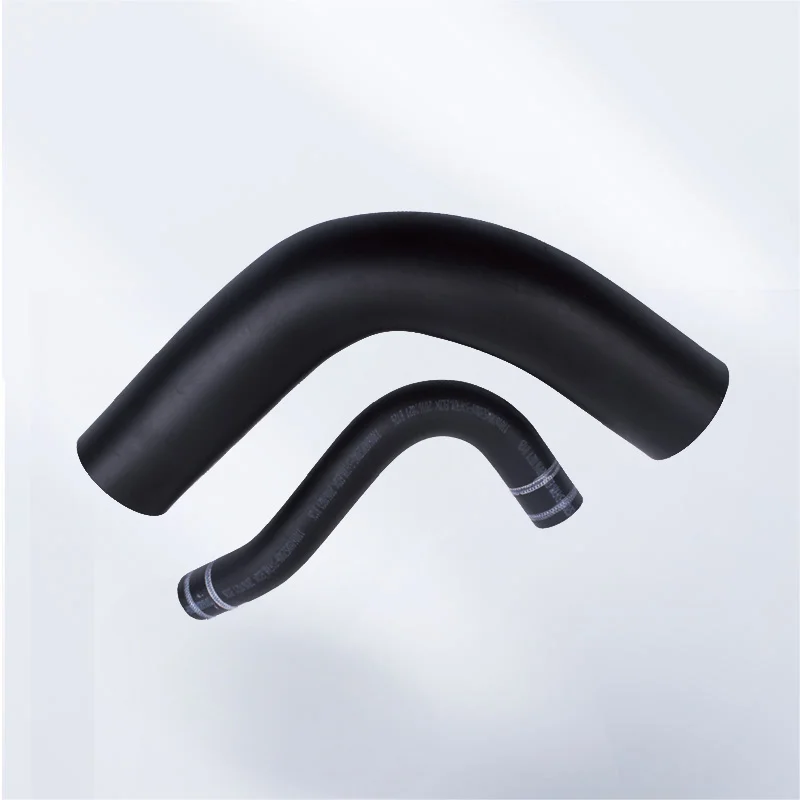
Modern turbocharged engine compartments are notorious for generating massive ambient heat, often driving localized temperatures to extreme levels that accelerate rubber aging. When you combine this severe external heat with rapid pressure spikes from high-pressure common rail injection systems, standard aftermarket hoses split or burst along their weak points. The solution lies in choosing a fuel line engineered with premium reinforcing layers. Integrating high-tensile aramid or custom polyester braided jackets between the inner and outer rubber walls gives the line the necessary muscle to withstand extreme bursting pressures while soaking up severe engine bay thermal cycles without cracking.
Deep Technical Comparison: Structural Performance Under Heavy Duty Conditions
Evaluating plumbing materials requires a balanced look at real-world workshop environments, where structural flexibility, long-term chemical neutral behavior, and installation space limitations interact under the chassis.
Analyzing Chemical Resistance and Fluid Compatibility Limits
PTFE is widely recognized for its near-total chemical inertness, making it virtually immune to degradation from any commercial fuel blend, including racing gas, bio-diesel, and pure methanol additives. Traditional low-grade rubber cannot match this universal compatibility on its own. However, premium synthetic rubber compounds that are co-extruded with specific multi-layer layouts—like NBR/THV, FKM/ECO, or FKM/FTPV matrices—bridge this performance gap beautifully, providing heavy-duty fleets with excellent long-term chemical resistance without the stiff structural drawbacks of pure plastic tubes.
Comparing Flexibility and Minimum Bend Radius Dimensions
This is where advanced rubber systems hold a massive physical advantage over pure PTFE lines. Rubber hoses naturally retain a tight, forgiving radius of turning circle (often R $\ge$ OD), allowing technicians to route lines through cramped engine bays, around sharp steering columns, and along complex frame brackets without using bulky right-angle adapters. PTFE lines are notoriously rigid; if you bend them too far during a hurried installation, they form a permanent dead crease or kink. A kinked PTFE core cannot be repaired, ruins the internal fuel flow permanently, and creates a severe weak spot that will eventually rupture under high pump pressures.
Evaluating Long Term Volumetric Expansion and Pressure Stability
High-pressure common-rail fuel systems require absolute volumetric stability to keep injection timing and fuel trim calibration perfectly precise. When fuel pumps cycle rapidly, lower-quality rubber lines flex and swell slightly outward, absorbing a tiny fraction of the hydraulic energy and causing subtle fluctuations in fuel delivery pressure. PTFE lines expand less under high pressures, but premium engineered synthetic rubber hoses reinforced with heavy polyester or aramid knit layers provide identical pressure stability. This advanced reinforcement structure prevents line expansion under massive cyclic loads, keeping your system pressure rock-solid while providing superior NVH dampening compared to stiff plastic options.
Why Choose Meichen Certified Fuel System Hoses for Enterprise Logistics?
When you are responsible for sourcing high-volume automotive components or managing large-scale global supply chains, you cannot afford to gamble on unverified production facilities. You need a tier-one manufacturing partner that owns the entire production pipeline from polymer compound formulation to final assembly validation.
I highly recommend looking into Meichen, a premier, state-owned holding auto parts manufacturer established back in 2004. They specialize in advanced fluid delivery, vibration damping, and suspension solutions for global markets. They operate as a global enterprise with 1,800 employees and a massive 311,334 square meter footprint. They are the President Unit of the Rubber Products Branch of the China Rubber Industry Association. They maintain strategic vendor partnerships with global leaders like DuPont and ExxonMobil , which allows them to deliver top-tier product quality at highly competitive costs. If you are looking for high-volume aftermarket supply or reliable custom components, checking out their official products catalog shows exactly how they support major commercial truck and passenger vehicle platforms globally.
Formulating Custom Multi Layer Rubber Matrices for Extreme Environments
They formulate their custom synthetic matrix blends entirely in-house, selecting from top-tier raw materials like premium EPDM, high-grade NBR, TPV, FVMQ, and modified VMQ to create application-specific answers. This absolute control over material chemistry ensures every batch of their custom components handles severe environments from -55°C up to 250°C without breaking down. This ensures the plumbing handles blistering engine bay heat and freezing winter storage with equal reliability.
Deploying National CNAS Facilities for Rigorous Raw Material Inspections
Every single product geometry is backed by a fully accredited national CNAS laboratory packed with over 120 sets of world-class testing gear worth more than 60 million yuan. Their chemical, static, and dynamic testing bays check every incoming raw material and finished production lot, ensuring zero-defect shipments reach your destination container. This extensive testing matrix checks everything from initial tensile capacity to prolonged ozone resistance.
Leveraging Full Closed Loop Extrusion Systems and Laser Verification
Their production floor features advanced automatic mixing networks from Shinko Japan, which utilize precise automated weighing systems to guarantee absolute batch-to-batch polymer consistency. Furthermore, their automatic extrusion lines feature premium German SIKORA online laser non-contact automatic diameter measuring technology. This advanced setup performs constant 8-point wall thickness evaluations and real-time diameter tracking during production, automatically making micro-adjustments to the extrusion machinery to eliminate manufacturing defects before the line is cut.
Reliable B2B Service: Connect with Meichen for Custom Fuel Line Fabrication
For purchasing managers, enterprise engineering teams, and B2B auto parts distributors, a supplier’s engineering capacity is just as important as their volume throughput. They do not merely offer catalog stock; they maintain a full-service custom OEM/ODM rapid development program.
Customizing Custom Technical Drawings and Tooling Molds Rapidly
Their internal engineering department includes 120 experienced structural experts who collaborate closely with elite international research institutions, including the University of Waterloo. Utilizing professional structural design packages like ABAQUS and MSC MARC, they simulate complex real-world stress conditions and non-linear rubber deformations to optimize hose shape long before tooling begins. This deep engineering framework allows them to move from initial technical drawings to a fully validated, production-ready mold layout with speed and precision.
Processing Fast B2B Quotes Within Twelve Hour Response Windows
They run a thoroughly synchronized quality assurance chain spanning the entire lifecycle of your custom order. To maintain your tight project timelines, their industrial commercial office provides standard custom quotations within 12 hours and completes intricate engineering design evaluations in less than 24 hours. For detailed updates on recent factory asset expansions or global industry trade show alignments, you can browse their corporate news updates.
Tying Into Secure Supply Chains for Streamlined Enterprise Logistics
Upgrade your commercial supply chain today by reviewing their complete asset footprint on the sobre nosotros gateway, or head directly to the Contacta con nosotros portal to upload your project drawings, request physical compound test data, or secure a prototype sample directly from the factory floor. They maintain a full lifecycle tracking system to ensure your volume shipments arrive safely, on time, and completely free of defects. This thorough integration covers your order from primary material batch tracking all the way to secure ocean freight loading.
Preguntas frecuentes
Q1: What are the main warning signs that a vehicle fuel line is degraded internally?
A1: The primary warning signs include a persistent raw fuel odor near the vehicle, frequent fuel filter clogging caused by shedding rubber particles, visible external cracking or sweating on the hose exterior, and subtle fuel pressure drops due to excessive wall softening.
Q2: Can I use standard industrial rubber hoses as a replacement for high-pressure fuel systems?
A2: No. Standard industrial rubber lines lack the specialized inner barrier layers like FKM or THV required to resist modern chemical additives and high ethanol concentrations, which will quickly cause standard industrial rubber to swell, leak, or burst under pressure.
Q3: How does the minimum bend radius of a custom synthetic rubber fuel line compare to a PTFE line?
A3: Premium synthetic rubber fuel lines offer a tighter and more forgiving minimum bend radius without kinking, allowing them to route easily through tight engine compartments where rigid PTFE lines would risk forming permanent flow-restricting creases.