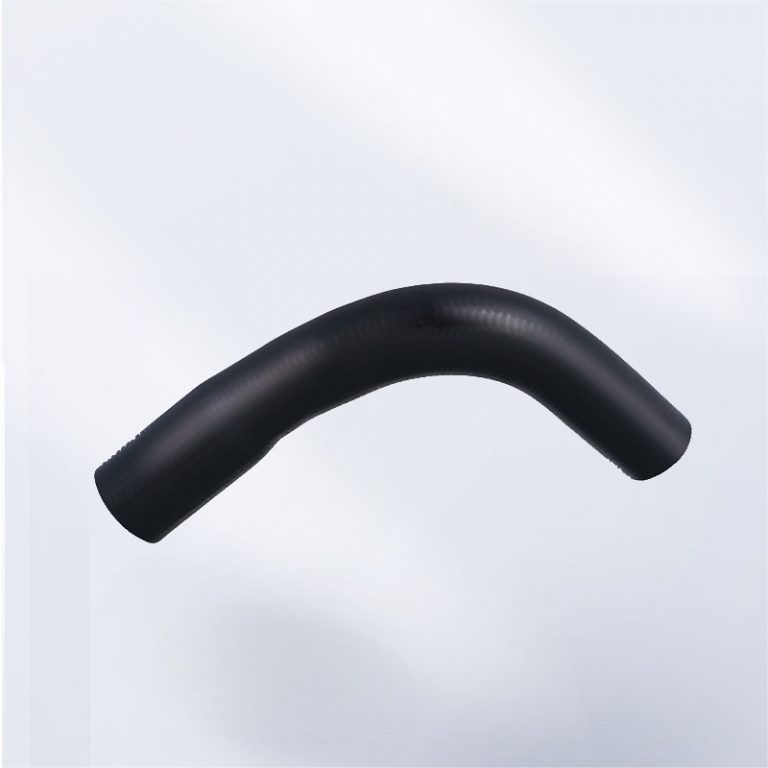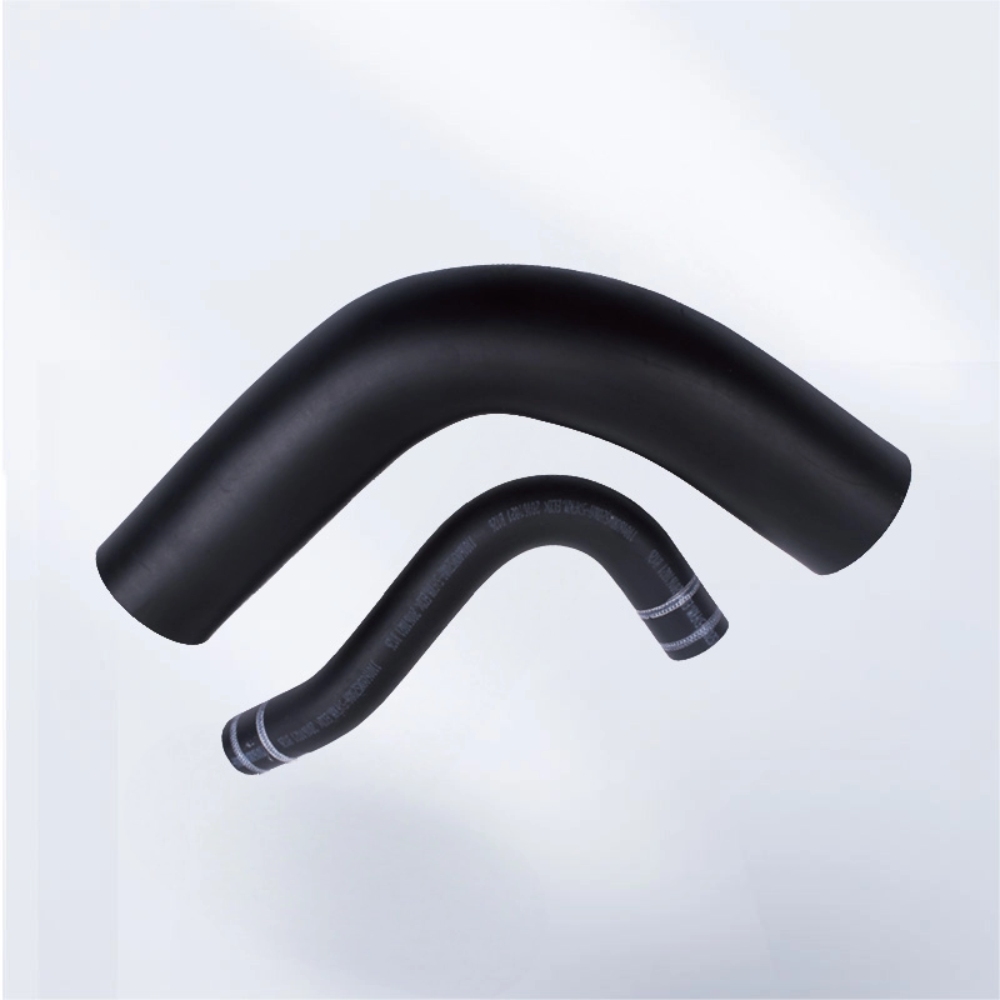
A flexible fuel hose is a minor part but one that can become a big problem if the wrong hose is selected. It must be the correct fuel, heat, pressure and space to follow for later problems of fuel odor, hose swelling, hose cracks near bends, weak seals and poor fuel delivery. For a buyer, the right question is not only “Does this hose fit?” It should be “Can this hose keep working safely after heat, vibration, fuel contact, and long use?”
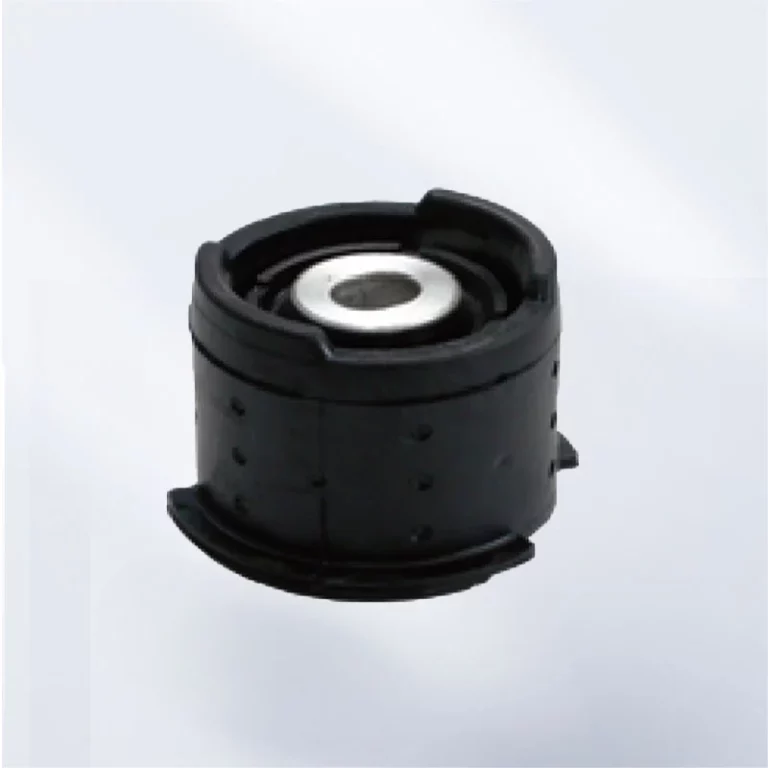
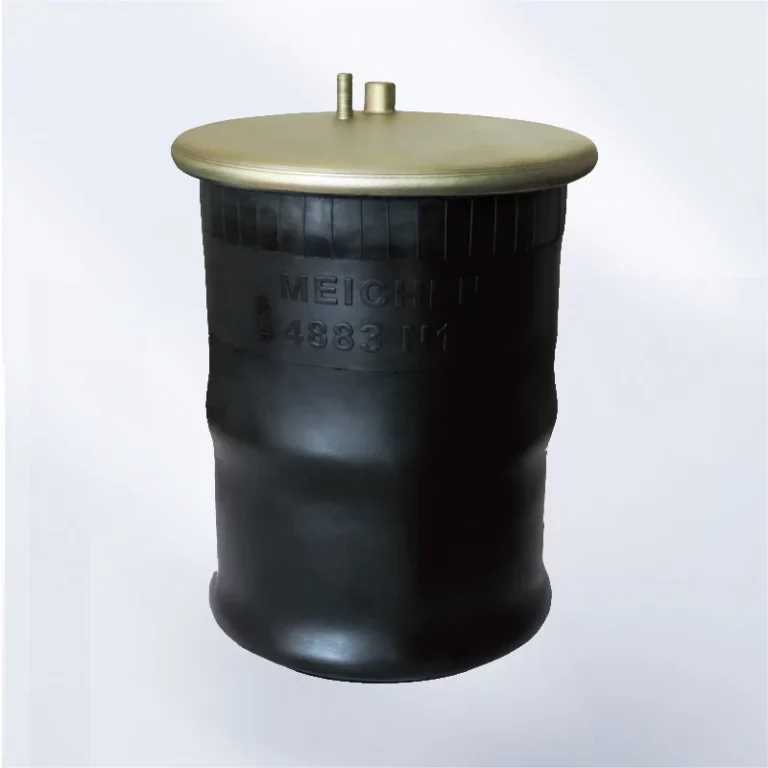
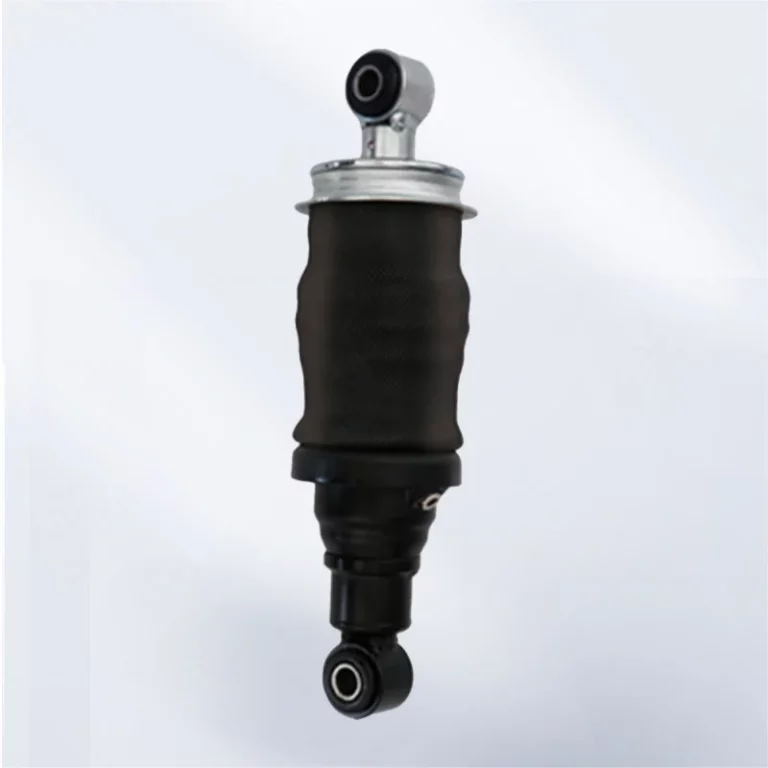
Meichen is a practical supplier for buyers who need automotive fluid delivery parts with real production and testing support. Chukoh developed capabilities to design and manufacture automotive suspension parts, vibration reducing parts and fluid delivery parts, all made from rubber. Our expertise extends to matching materials, processing, assembly and validation against real world vehicle environments. To a buyer of a fuel hose, a fuel hose is more than just a rubber tube. It must form a tight seal to prevent leakage of fuel. It must also be capable of resisting aging and be durable in service on passenger cars, commercial vehicles and construction equipment.
Why Can the Wrong Flexible Fuel Hose Cause Fuel Smell or Leaks?
A fuel hose works in a hot and moving area. Engine vibration, hose flexibility, fuel attacking the inner rubber layer and the effect of hose fittings on the sealed area all contribute to hose failure. The degree of failure is affected by all parts of the hose, and even a minor error may lead to a progressive failure rather than an instantaneous failure.
Keep Fuel Flow Stable
The inside diameter of a fuel hose is very important. If after installation the hose collapses or develops bulges when bent, the flow of the fuel can become very erratic. This can cause extreme starting difficulties, lack of power, erratic running and generally poor fueling under load.
Reduce Leakage Around Fittings
Many fuel leaks start near clamps, connectors, or bends. If the hose is too soft, the clamp may deform it. If it is too stiff, it may not seal evenly. A better choice is a hose or assembly designed with the right material, wall structure, and connector fit from the beginning.
Avoid Swelling From Fuel Blends
Modern fuel can contain additives or blended components that attack unsuitable rubber. When a hose becomes soft, puffy, or larger than before, it usually means the material does not match the fuel. This is why fuel compatibility should come before price.
What Should You Check Before Choosing a Flexible Fuel Hose?
Before you ask for a quote, prepare the basic working conditions. This helps the supplier recommend the right hose instead of guessing from size alone.
Confirm Fuel Type
You should first confirm whether the hose will carry gasoline, diesel, fuel oil, or fuel with additives. Different fuels need different material structures. A hose that works in one fuel system may age quickly in another.
Check Heat and Routing
Engine bay heat speeds up rubber aging. Tight routing can also create cracks near bends. Before buying, check the hose path, bend radius, nearby heat sources, and whether the hose may rub against metal parts. A flexible hose still needs a safe route.
Compare Pressure and Vibration
Fuel systems face pressure change, pump pulsation, and vehicle vibration. For commercial vehicles or construction machinery, the hose needs stronger fatigue resistance than a light-duty replacement part. Ask about pressure testing, leakage testing, and aging performance.
Decide Whether You Need an Assembly
For simple maintenance, a hose may be enough. For OEM projects or compact routing, a full assembly can be safer. A matched assembly helps control hose length, connector angle, clamp position, and sealing consistency. You can also review Meichen’s wider productos to see how its fluid delivery and vehicle component systems fit different project needs.
Which Material Works Best for a Flexible Fuel Hose?
There is no one material for every vehicle. The right choice depends on fuel type, temperature, pressure, service life, and cost target.
NBR-Based Hose for Common Fuel Systems
NBR-based structures are often used for standard fuel delivery because they offer useful oil and fuel resistance at a reasonable cost. For many passenger cars and light-duty systems, this can be a practical choice when heat and fuel chemistry are not extreme.
FKM and ECO Blends for Tougher Conditions
If the vehicle works in higher heat or harsher fuel conditions, FKM and ECO blends are often better. These materials help improve chemical resistance and heat aging performance. Meichen’s Producto del sistema de combustible covers material combinations such as NBR/CSM, FKM/ECO, FKM/ECO/AR/ECO, NBR/THV, and FKM/THV/ECO, giving buyers more choices for different working environments.
THV-Related Structures for Barrier Needs
Some fuel systems also need better barrier performance to reduce fuel smell or vapor loss. THV-related structures can help when permeation control matters. This is why multi-layer design can be more reliable than a simple single-material hose.
Do Not Use Standard Silicone for Direct Fuel Contact
Standard silicone hose is flexible and heat-resistant, but it is not a safe choice for direct fuel contact unless it has a fuel-resistant liner. Gasoline or diesel may cause swelling and softening. For fuel delivery, use a hose designed for fuel oil media.
How Can You Tell a Fuel Hose Is Not Suitable?
A wrong hose often gives warning signs before serious failure. If you inspect these signs early, you can avoid bigger repair costs.
Swelling Shows Material Mismatch
If the hose becomes soft or swollen, the fuel may be attacking the inner layer. Replacing it with the same material will not solve the problem. You need a better fuel-resistant structure.
Cracks Near Bends Show Aging or Poor Routing
Cracks near bends often come from heat, tight routing, or poor flexibility. Check whether the hose is bent too sharply or placed too close to heat.
Fuel Smell Points to Weak Sealing
Fuel smell near the engine bay can come from a loose clamp, poor connector fit, swelling, or a small crack. Do not ignore it. The sealing point should be checked first.
Kinking Blocks Fuel Flow
If the hose kinks during installation, it is not suitable for that route. A kink reduces flow and creates a weak point. A shaped hose or custom assembly may be better.
How Does Meichen Fuel System Product Help Buyers Choose Better?
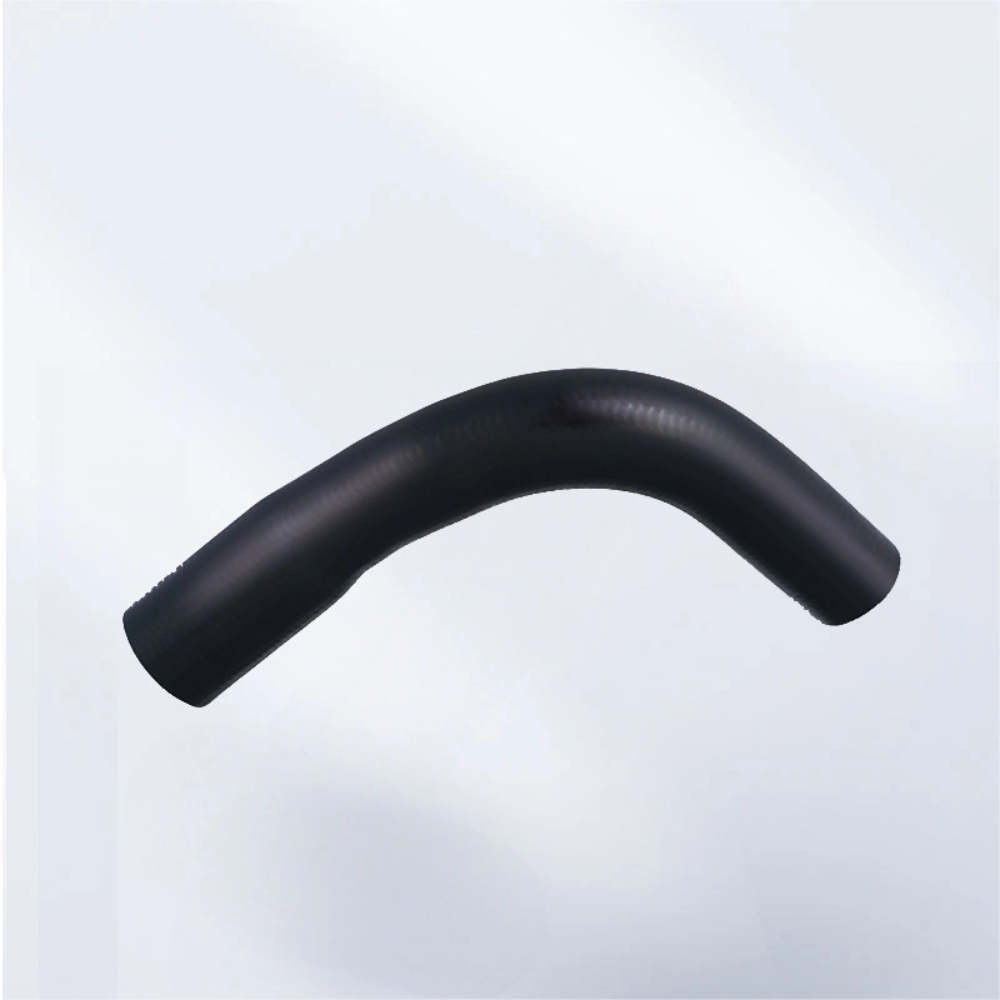
de Meichen Producto del sistema de combustible is designed for fuel oil media. Its function is to supply clean and well-atomized gasoline to the engine according to operating conditions, helping fuel mix properly with air for combustion.
The product is suitable for passenger cars, commercial vehicles, and construction machinery. Its material coverage includes NBR/CSM, FKM/ECO, FKM/ECO/AR/ECO, NBR/THV, NBR/AR/CSM, and FKM/THV/ECO/AR/ECO. This means buyers can match hose material to fuel type, heat level, pressure demand, and project requirements instead of using one generic option for every vehicle.
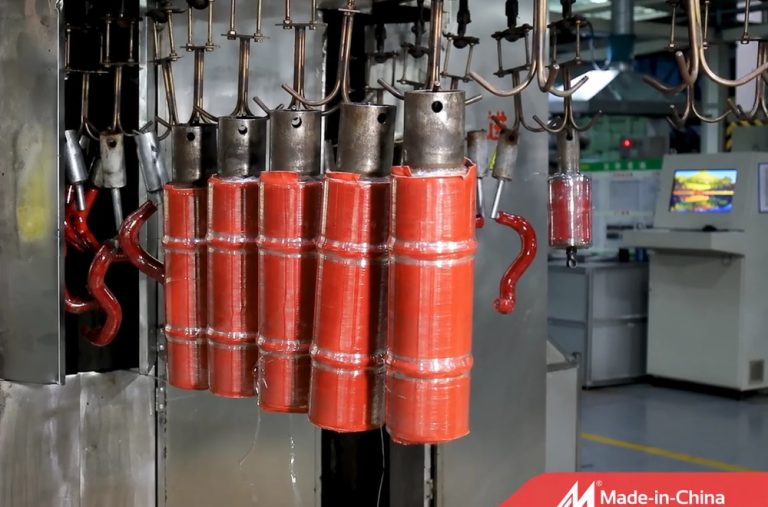
For OEM or project-based buyers, Meichen can also support custom requirements. Its knowledge base mentions rubber extrusion, plastic extrusion, molding, blow molding, injection processing, PVT validation, LMS verification, automatic assembly, air tightness testing, and dimensional control. These details are useful because fuel hose quality depends on stable production, not only material names.
How Should You Evaluate a Fuel Hose Supplier Before Ordering?
A good supplier should help you reduce risk before mass production. Send fuel type, pressure range, temperature range, route drawing, connector type, expected volume, and any failed samples. Then check whether the supplier can recommend the right material and structure.
You should also ask about leakage testing, aging tests, dimensional control, assembly support, and traceability. If the project needs custom development, check whether the supplier can support drawings, samples, validation, and batch consistency.
For buyers who want to know more about the company background, the about us page is a useful place to start. If your project already has drawings, samples, or clear working conditions, you can contact Meichen through the Contacta con nosotros page and discuss fuel hose material, fitment, assembly, and service support.
Preguntas frecuentes
Q1: What Is the Best Flexible Fuel Hose for a Vehicle?
A1: The best flexible fuel hose is the one that matches your fuel type, pressure, heat, routing space, and connector design.
Q2: Can Silicone Hose Be Used for Fuel Lines?
A2: Standard silicone hose is not recommended for direct fuel contact unless it has a special fuel-resistant liner.
Q3: What Material Is Better for Gasoline and Diesel Fuel Hose?
A3: NBR-based structures can suit many standard systems, while FKM/ECO and multi-layer structures are better for higher heat or stronger chemical exposure.
Q4: How Do I Know if a Fuel Hose Is Fuel Resistant?
A4: Check the material structure, fuel compatibility, temperature range, pressure range, and test support instead of judging by appearance.
Q5: Can Meichen Provide Custom Fuel Hose Assemblies?
A5: Yes. Meichen supports fuel system products for passenger cars, commercial vehicles, and construction machinery, with material options and project-based support.