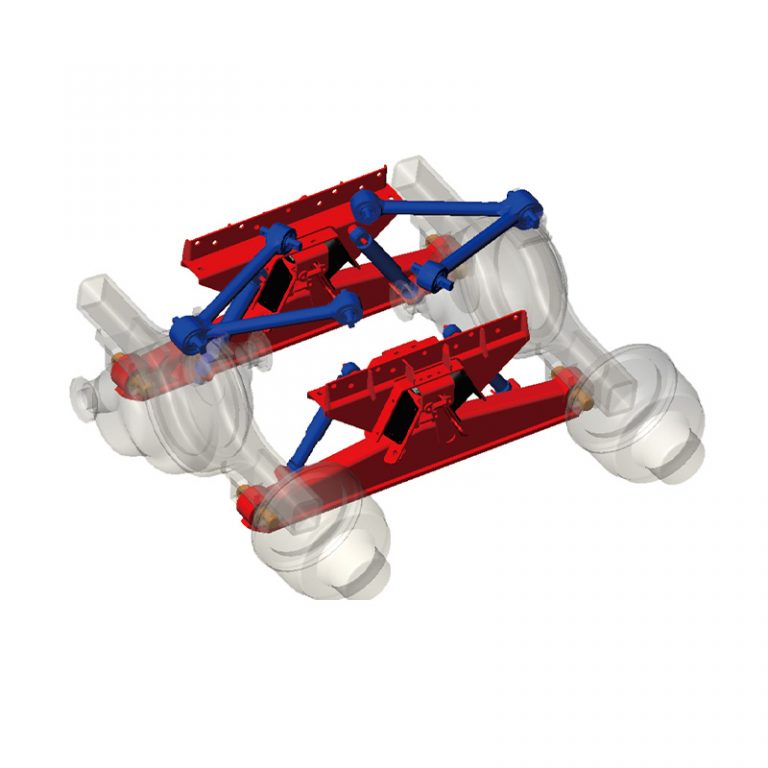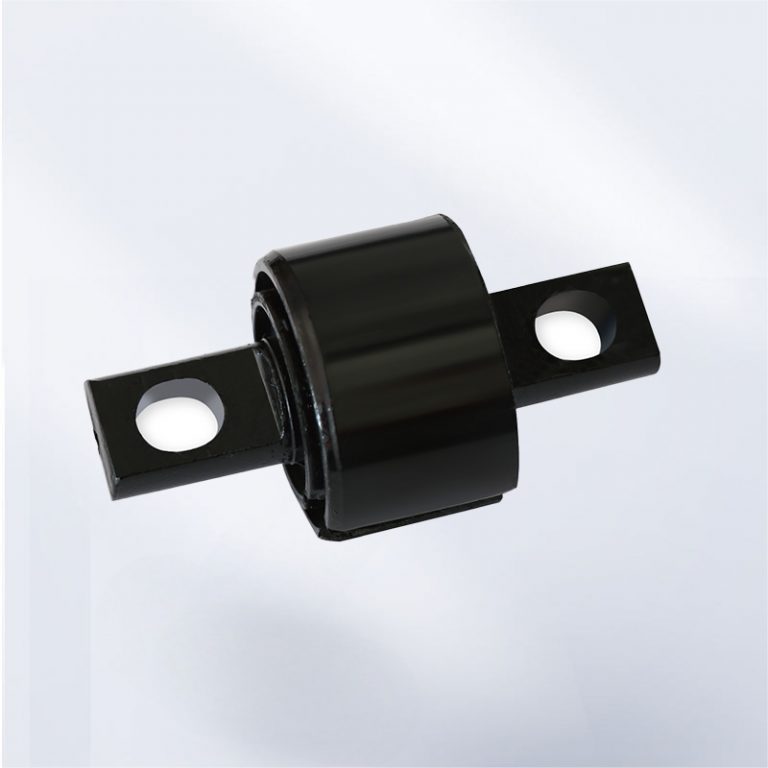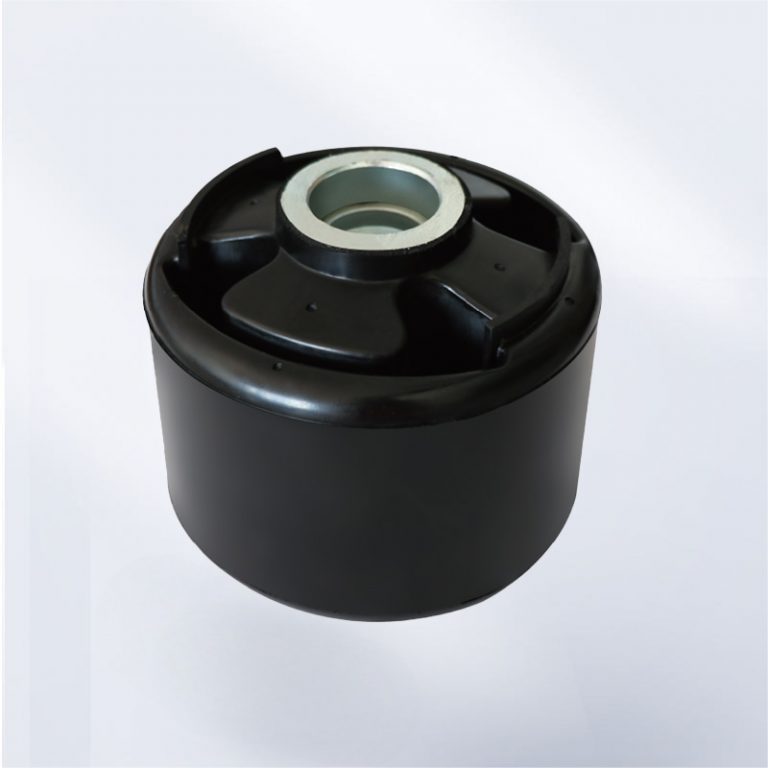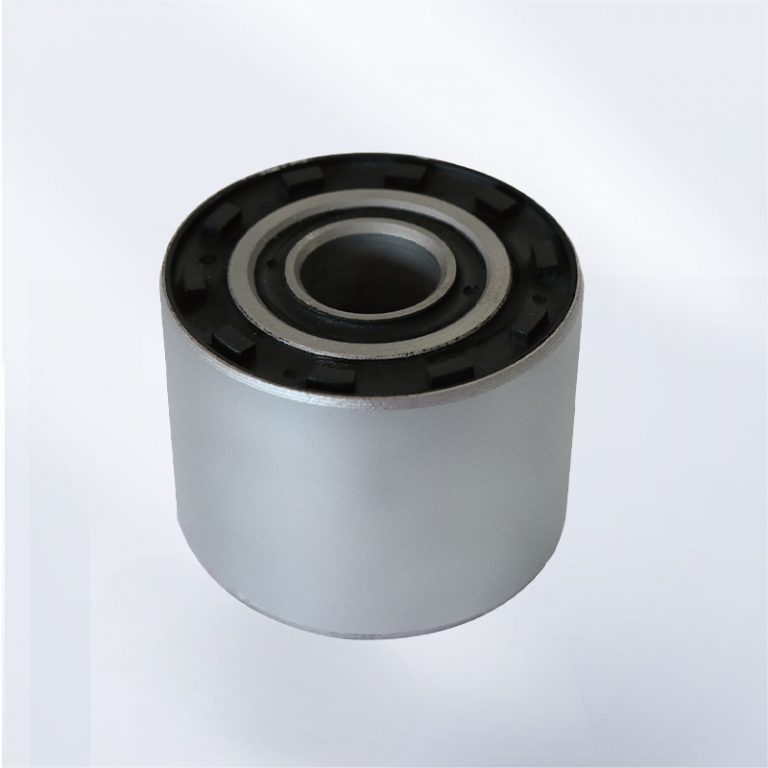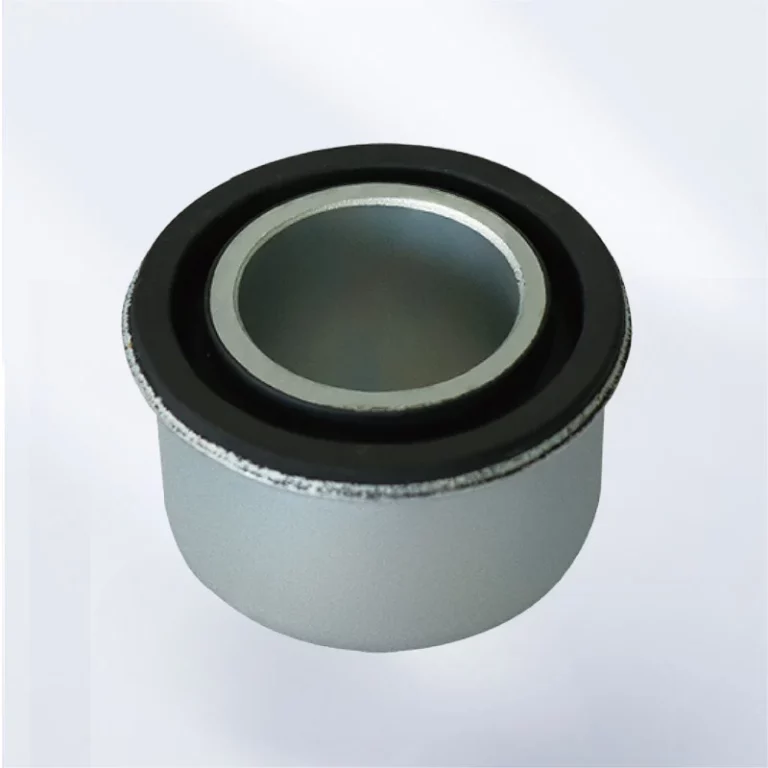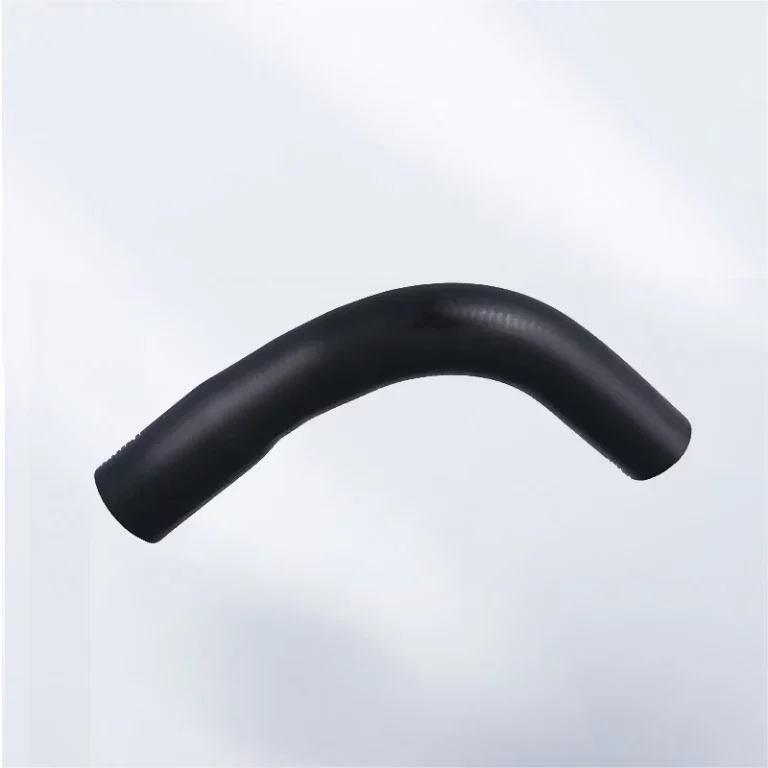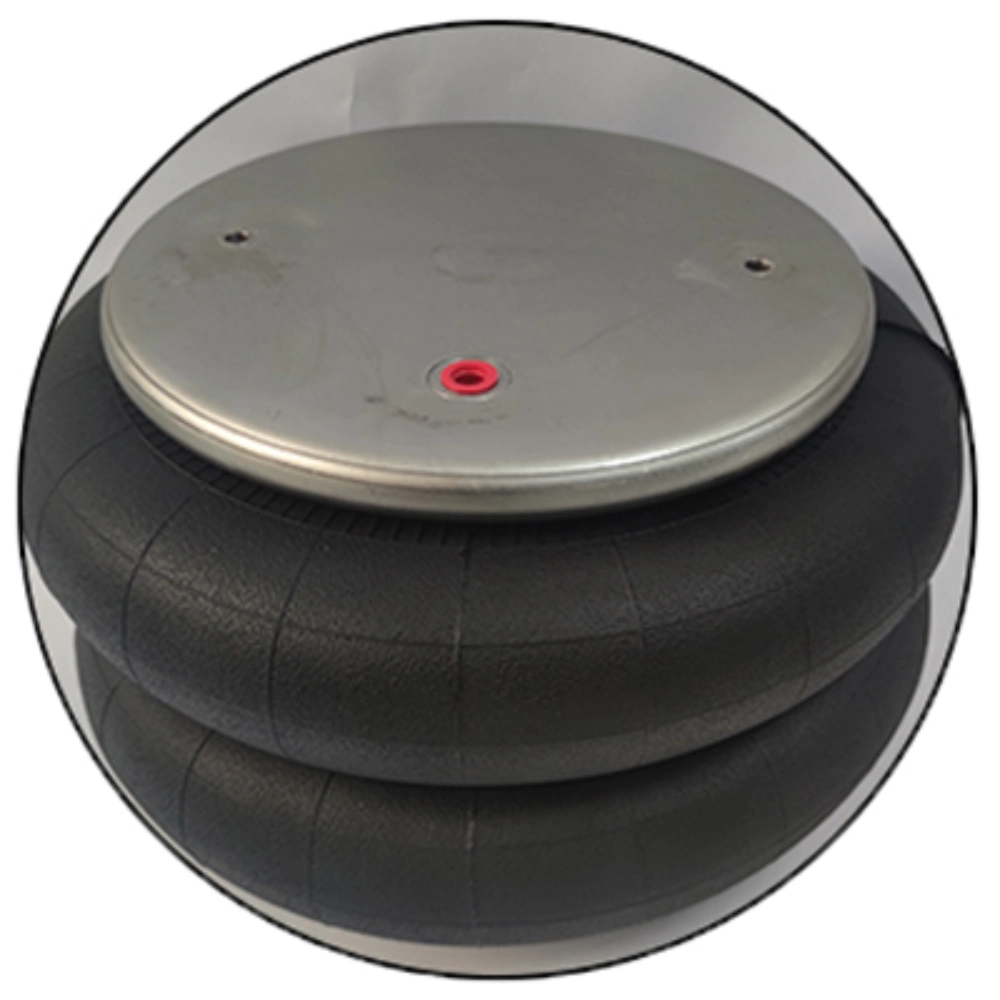
In many cases, yes. Air springs and air struts should usually be replaced in pairs on the same axle when failure comes from age, rubber fatigue, repeated load cycles, or worn damping parts. Both sides have normally covered the same mileage and faced the same heat, dirt, rain, and road conditions.
Replacing only the leaking side may stop the immediate air suspension leak, but the older unit on the other side may already be close to failure. That can mean another repair and more downtime soon after the first job.
Meichen has worked with suspension, vibration reduction, and automotive fluid systems since 2004. Its work covers material formulas, structural design, system matching, fatigue testing, and NVH checks, supported by a 120-member R&D team and a CNAS-accredited laboratory. A replacement air spring must carry the correct load, work through the right stroke, and hold pressure through repeated movement.
Which Air Suspension Components Should Be Replaced in Pairs?
The pair-replacement rule mainly applies to parts that work together across one axle. It should not be applied to every component in the system.
Air Springs on the Same Axle
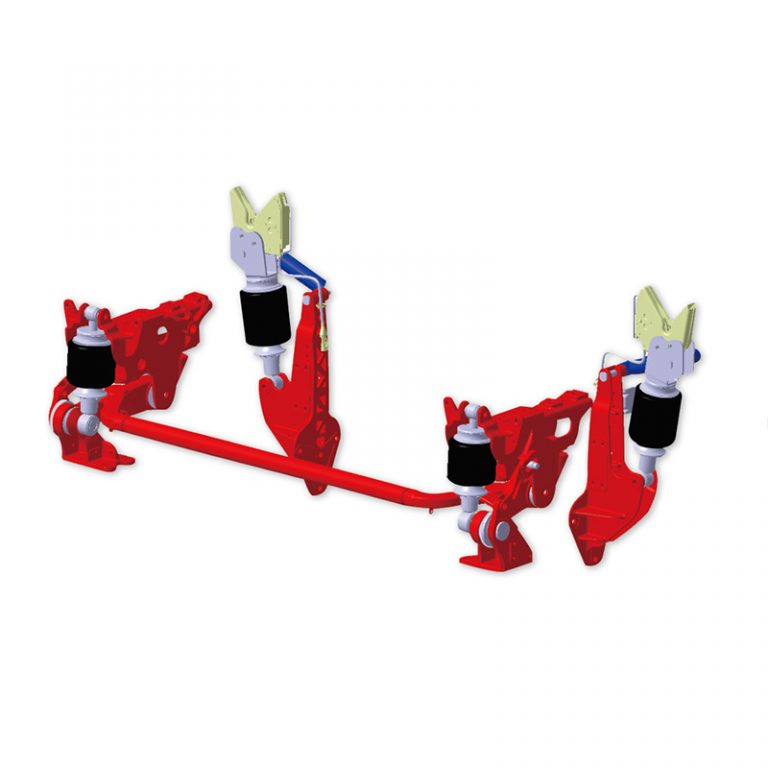
Air springs carry load and help maintain ride height. The left and right units on one axle usually share similar service time and working conditions. When one develops age-related cracking or leakage, the opposite side often has similar hidden wear.
Replacing both gives you two units with similar rubber condition, pressure response, and expected life, which is useful on commercial vehicles with changing loads.
Air Struts and Air Shocks
An air strut combines an air spring with a damping unit. If you install one new air strut next to an old one, the axle may have different damping rates from side to side. You may notice more body movement or uneven response during braking. Pair replacement is usually more important for air struts because load support and damping must stay balanced.
Compressors, Valves, Sensors, and Air Lines
These parts need individual diagnosis. A failed compressor, valve block, height sensor, reservoir, fitting, or air line should be replaced only when testing confirms the fault.
Why Can One New and One Worn Component Create Problems?
A new part and an old part can look acceptable while the vehicle is parked. Their behavior changes once pressure, load, and road movement are added.
Rubber Aging Changes Spring Response
Air spring rubber flexes thousands of times during use. Heat, ozone, moisture, dirt, and oil add stress. The rubber may harden or crack around the fold area. An old spring may still hold air while parked, yet respond more slowly under load than a new one.
Uneven Support Can Affect Ride Height
The height-control system can add or release air, but it cannot fully correct worn rubber, a weak damper, a bent mounting point, or the wrong spring specification.
If one side reacts differently, the vehicle may take longer to return to normal ride height. The system may also keep making small corrections, which can increase compressor operating time.
Different Damping Can Affect Stability
With air struts, one new damper may control movement well while the older side allows more bounce or slower recovery. This can affect comfort, steering correction, tire contact, and body control during quick load changes.
When Is Pair Replacement the Better Choice?
You do not need to replace both sides every time. A few conditions make the decision clearer.
Age-Related Air Spring Failure
If the failed unit shows dry rubber, surface cracking, fold wear, or slow leakage, pair replacement is usually sensible. These signs point to normal aging rather than a one-time accident.
The other side has faced similar mileage and weather, even if it is not leaking yet.
Similar Mileage and Working Conditions
Pair replacement also makes sense when both units were installed together and have worked under the same loads. Rough roads, heavy payloads, long operating hours, and large temperature changes speed up wear.
La empresa engineering and testing background shows why matching matters. Material tests, structural analysis, fatigue work, and system validation help parts from the same specification work consistently.
Worn Internal Damping
If an air strut has lost damping force or shows oil leakage, replacing both sides is usually the better choice. You cannot judge remaining damping life from outside appearance alone.
When Can One-Side Replacement Still Make Sense?
A single-side replacement can be reasonable when damage is isolated and the opposite component is still in good condition.
Impact, Puncture, or Installation Damage
One air spring may be cut by debris, damaged during lifting, rubbed by a bracket, or installed with poor clearance. If the other side is fairly new and passes inspection, replacing one unit may be enough.
You must still remove the sharp edge, correct the bracket position, and make sure the new bellows can move without rubbing.
A Recently Replaced Opposite Side
If the other side was replaced recently with the same specification, there is little value in replacing it again. Check the service record, part number, installation date, and mileage.
Good Inspection Results
A one-side repair is more reasonable when the opposite spring holds pressure, shows no cracking, works at the correct height, and has no unusual movement. Air struts also need a damping check. The vehicle maker’s repair procedure should remain the final reference.
What Should You Check Before and After Replacement?
A low corner does not always mean the air spring itself has failed.
Find the Real Leak Source
Check the bellows, fittings, air lines, valve block, and seals. A height sensor fault can also change vehicle height. If the compressor runs often, inspect it for damage caused by long-term leakage.
Confirm Load, Stroke, and Installation Height
The replacement must match axle load, working height, stroke, pressure range, mounting style, and operating conditions. A spring that looks close in size may still work outside its proper range.
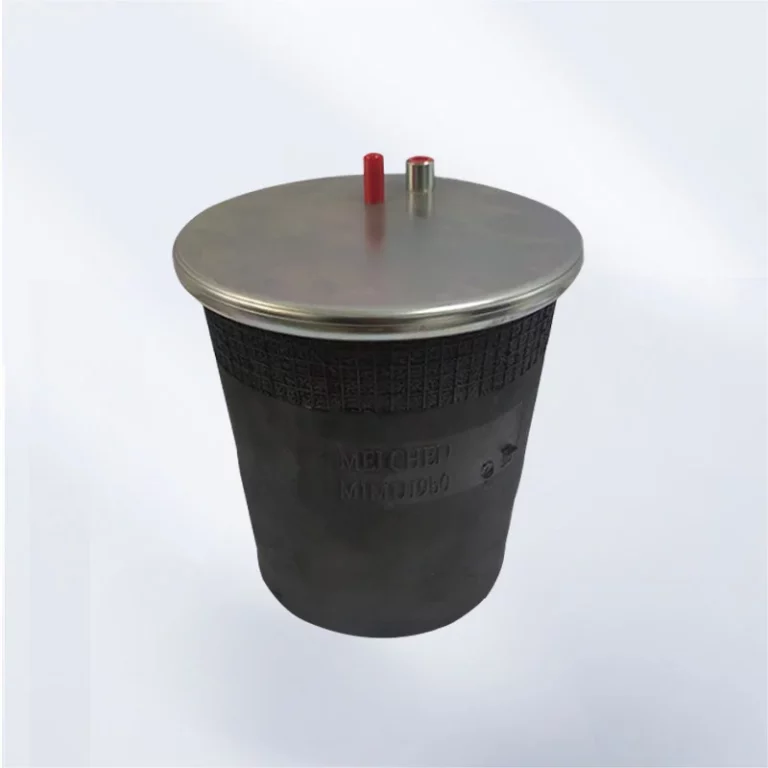
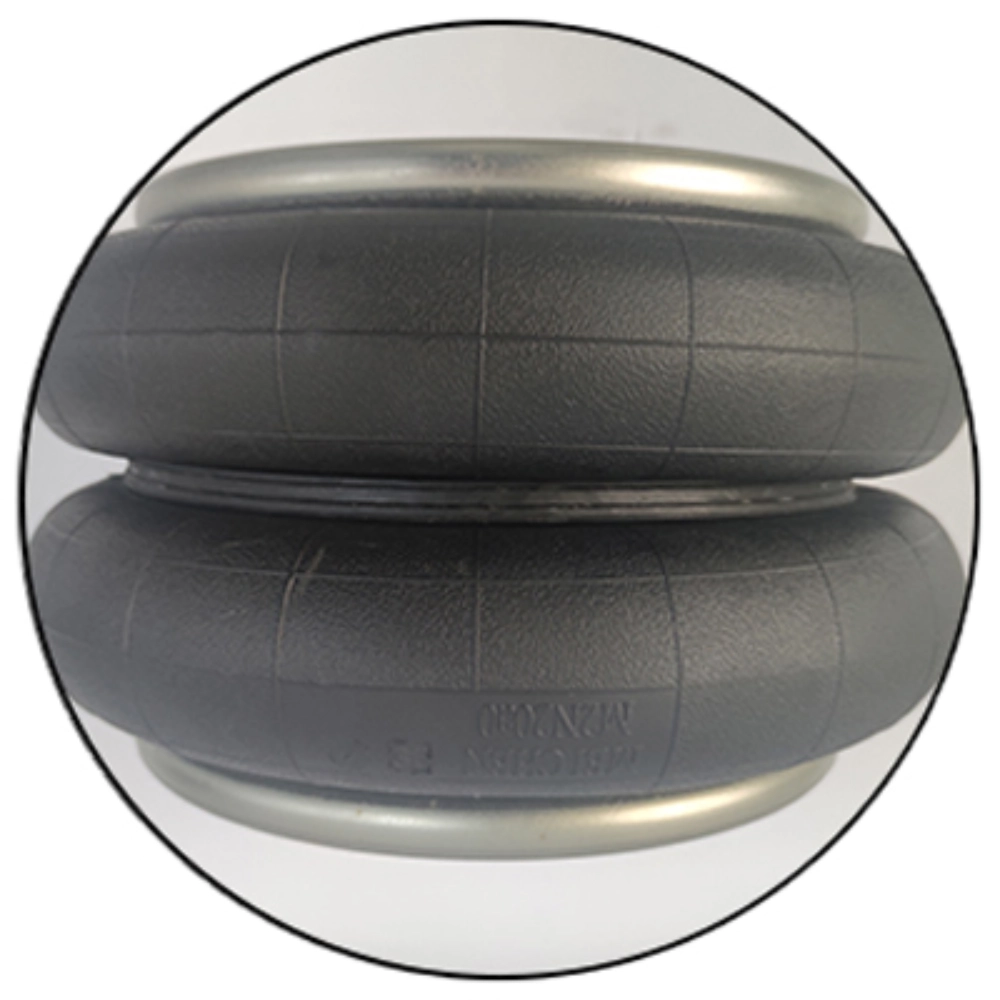
de Meichen Chasis Air Spring Producto is made for commercial-vehicle chassis suspension applications. It supports load, absorbs road input, and helps the suspension maintain a stable working height. Selection should be based on vehicle and axle data, not only outside dimensions.
Test for Leaks and Restore Normal Ride Height
After installation, check the spring, fittings, and nearby lines for leakage. Make sure the bellows is not twisted, overextended, compressed too far, or touching nearby parts.
For electronically controlled systems, complete the required height calibration. Wheel alignment should be checked at normal ride height when mounting points have been disturbed, vehicle height has changed, or tires already show uneven wear.
How Can the Right Chassis Air Spring Reduce Repeat Repairs?
The repair result depends on part quality, correct matching, and installation. A strong air spring used at the wrong height can still fail early.
Match the Spring to the Actual Vehicle
Useful details include vehicle type, axle load, installation height, compression height, extension height, mounting dimensions, and road conditions.
El same-axle air spring solution from Meichen can be matched for commercial-vehicle use. Its suspension work includes system design, motion checks, structural analysis, fatigue validation, and complete-system testing.
Check Air Tightness and Fatigue Life
Air springs work through repeated pressure changes, compression, extension, and road impact. Production control should cover rubber mixing, metal parts, assembly, dimensions, sealing, and traceability.
Air-tightness testing helps find leaks before shipment. Fatigue testing checks whether the spring can survive repeated movement under controlled conditions.
Use Service Support Before Ordering
Good service starts before shipment. Drawings, samples, vehicle data, and installation limits should be reviewed first. This reduces wrong fitment and avoids using a spring outside its intended stroke.
For custom or project-based needs, you can share axle load, ride height, mounting layout, drawings, or samples with the Meichen service team. The equipo de contacto can then review the application and help confirm a suitable product direction.
Preguntas frecuentes
Q1: Do Air Springs Always Have to Be Replaced in Pairs?
A1: No. Pair replacement is usually recommended when failure comes from age, rubber fatigue, or normal wear, but isolated damage may allow a one-side repair.
Q2: Why Replace Both Air Springs When Only One Is Leaking?
A2: Both sides normally have similar mileage and exposure, so the non-leaking side may also be near the end of its service life.
Q3: Should Air Struts Be Replaced in Pairs?
A3: Yes, in most cases, because air struts also contain damping parts and one new unit beside one worn unit can create uneven suspension response.
Q4: Can One New Air Spring Affect Ride Height?
A4: It can if the opposite spring is worn, leaking, incorrectly matched, or working outside the correct height range.
Q5: What Should Be Checked After Air Spring Replacement?
A5: Check for leaks, correct installation height, bellows clearance, height-control calibration, compressor operation, and wheel alignment at normal ride height.