ニュース

最新ニュースの購読へようこそ

What Is a Stabilizer Bar? Stabilizer Bar Bushing, Bushings and End Links Explained

What Is a Stabilizer Bar Stabilizer Bar Bushing, Bushings and End Links Explained

A small stabilizer bar bushing can make a big difference in how a vehicle feels on the road. You may hear a knock from the chassis. You may feel the body lean too much when turning. Or the steering just feels a little loose, even though the main suspension parts look fine. Many times, the problem starts around the stabilizer bar, its bushings, or its end links.

If you buy suspension parts, you already know this is not just about finding a rubber part with the right size. You need steady quality, correct stiffness, drawing support, and a supplier that can talk about real working conditions, not just quote a price. メイチェン was founded in 2004 in Zhucheng, Shandong. The company focuses on automotive suspension systems, vibration reduction systems, and fluid delivery systems. Its product range includes engine mounts, thrust rods, bushings, suspension parts, air spring products, and hose assemblies. It also has CNAS laboratory capability, more than 120 sets of testing equipment, rubber formula experience, and OEM/ODM support. For an overseas buyer, that matters. You can send drawings, samples, or working requirements, and the discussion can go into material, structure, testing, and production, not only unit price.

What Is a Stabilizer Bar Stabilizer Bar Bushing, Bushings and End Links Explained

What a Stabilizer Bar Does in the Suspension System

Before talking about bushings and end links, it helps to look at the stabilizer bar itself. The part is simple from the outside. Usually, it is a steel bar mounted across the suspension. Its job is to reduce body roll when the vehicle turns.

When you drive into a corner, one side of the suspension compresses and the other side extends. The body wants to lean. The stabilizer bar twists and helps balance that movement. This gives the driver a more stable feeling. It also helps the tires keep better contact with the road.

In passenger cars, the focus is often comfort and handling. In commercial vehicles and construction machinery, the same idea becomes more serious. The vehicle may carry heavier loads, run on poor roads, or work for long hours. A loose suspension feel is not just annoying. It can lead to more wear, more checks, and more complaints from the end user.

But the stabilizer bar cannot do this work by itself. It needs bushings to hold it, and end links to connect it with the suspension.

Why Noise and Body Roll Often Start With Small Parts

A driver may say the whole front suspension feels bad. A mechanic may hear a clunk at low speed. A fleet manager may complain that a vehicle feels less stable after some mileage. These issues can look bigger than they really are.

Sometimes, the stabilizer bar is still fine. The problem is the rubber support around it. If the bushing cracks, hardens, gets loose, or loses its shape, the bar can move in ways it should not. That movement can create noise. It can also make the suspension feel delayed when the vehicle turns.

End links can cause similar complaints. If the joint has play or the link is damaged, the force from the suspension does not transfer cleanly to the bar. So the bar cannot control roll as well as it should.

That is why these parts should not be checked one by one in isolation. Bushings, end links, brackets, and the bar work as a small group. If one part has too much clearance, the whole group feels wrong.

What You Should Check First

Start with the rubber surface. Look for cracks, swelling, flattening, or signs that the bar has been rubbing too much. Then check the bracket area. If the bar can slide or knock inside the bushing, that is a bad sign.

For end links, check the joint, mounting points, and rubber boots if used. Any looseness can turn into noise. If the vehicle is used in rough road conditions, do not wait until the noise gets serious. These parts are not expensive compared with downtime, but they can create real trouble when ignored.

What a Stabilizer Bar Bushing Does

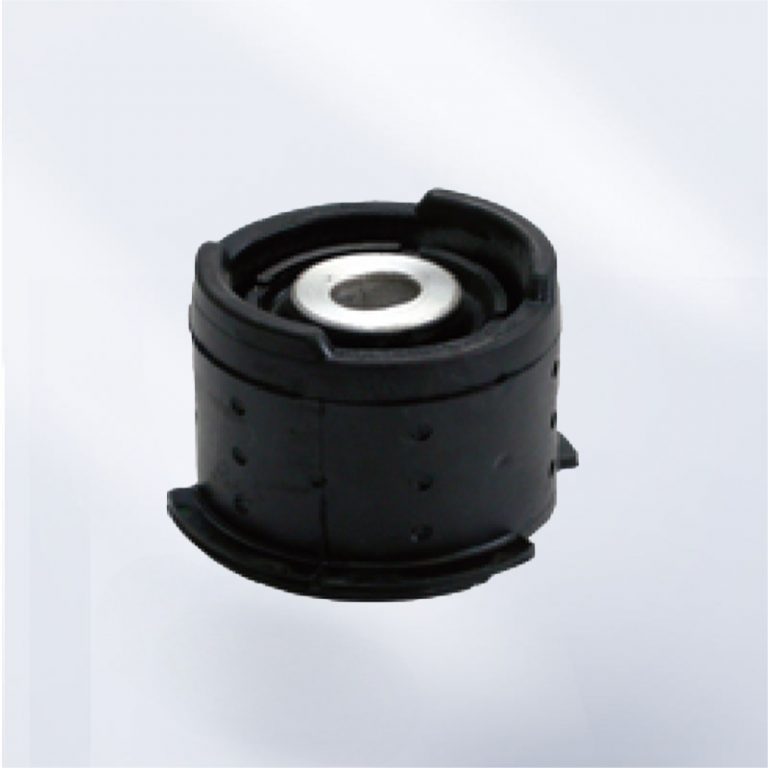
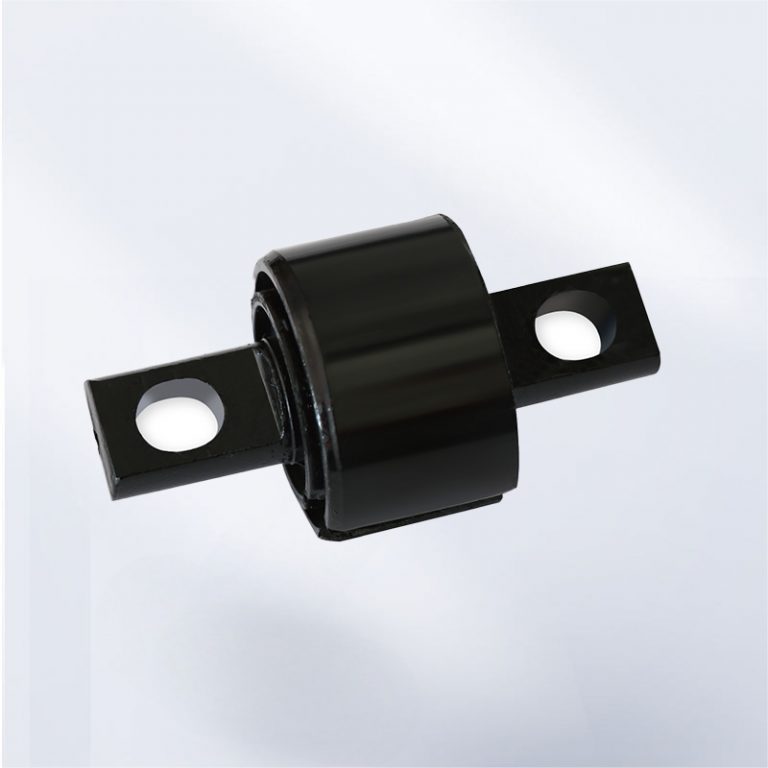
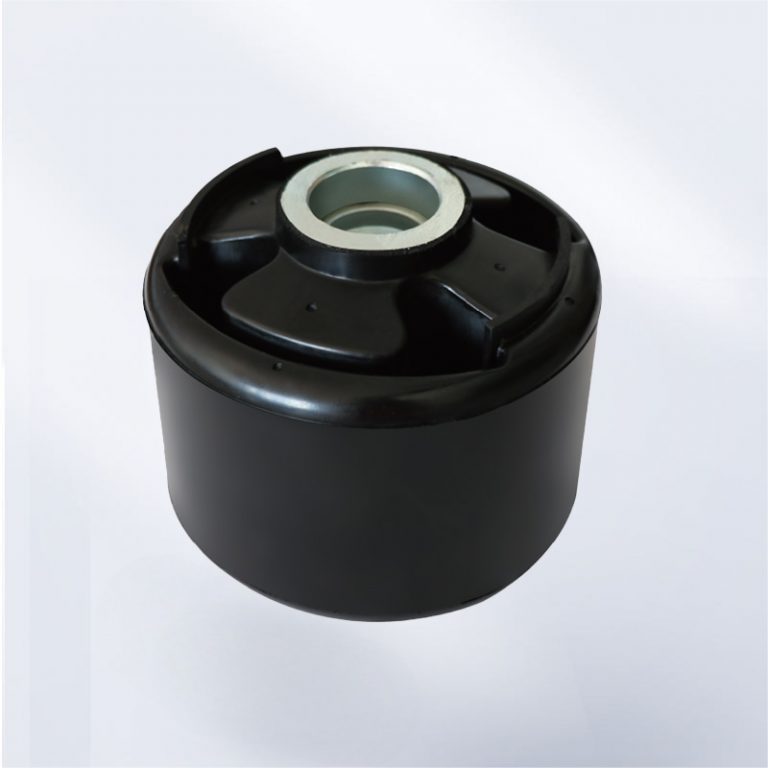
A stabilizer bar bushing supports the bar and lets it rotate in a controlled way. It does not lock the bar completely. It also does not let the bar float. The balance sits somewhere in the middle.

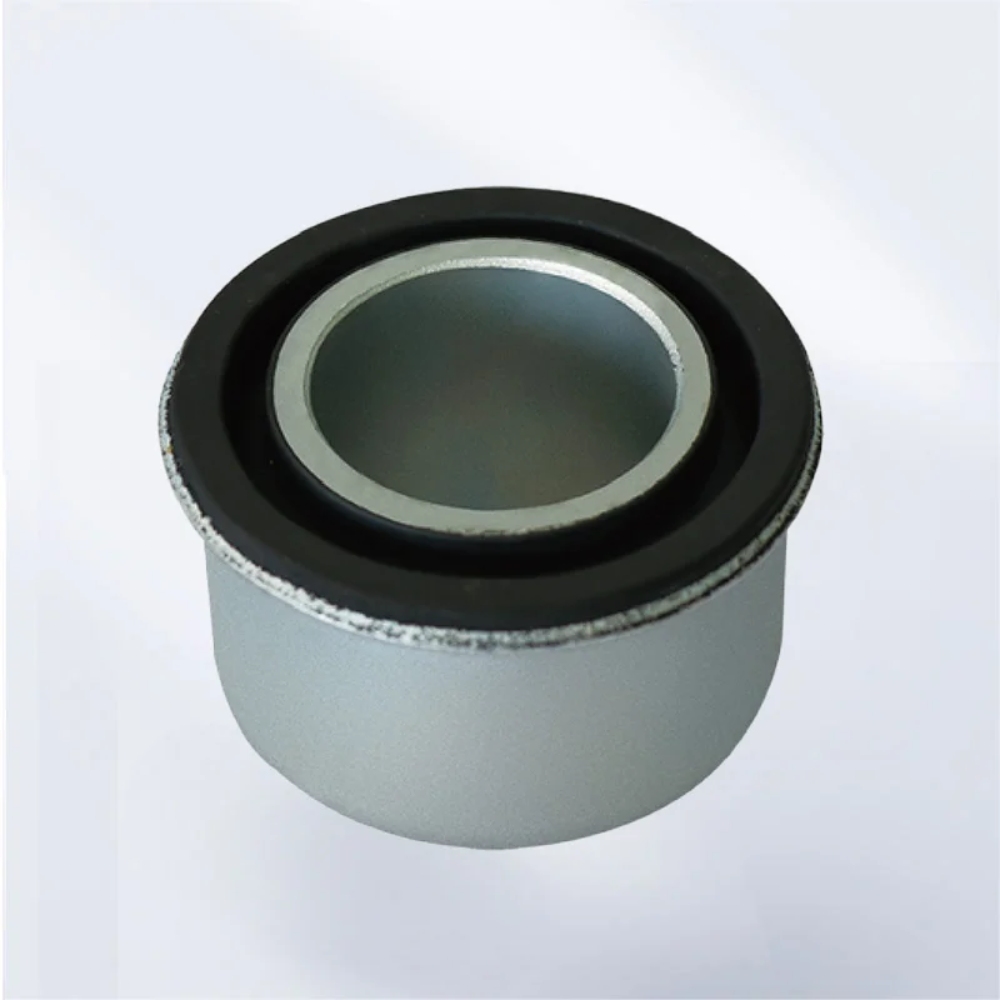
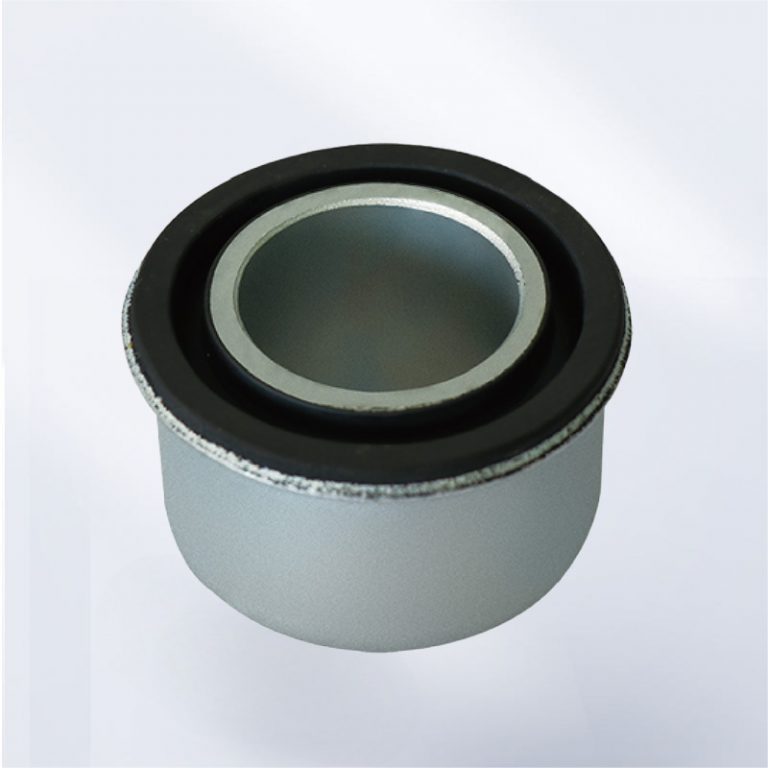
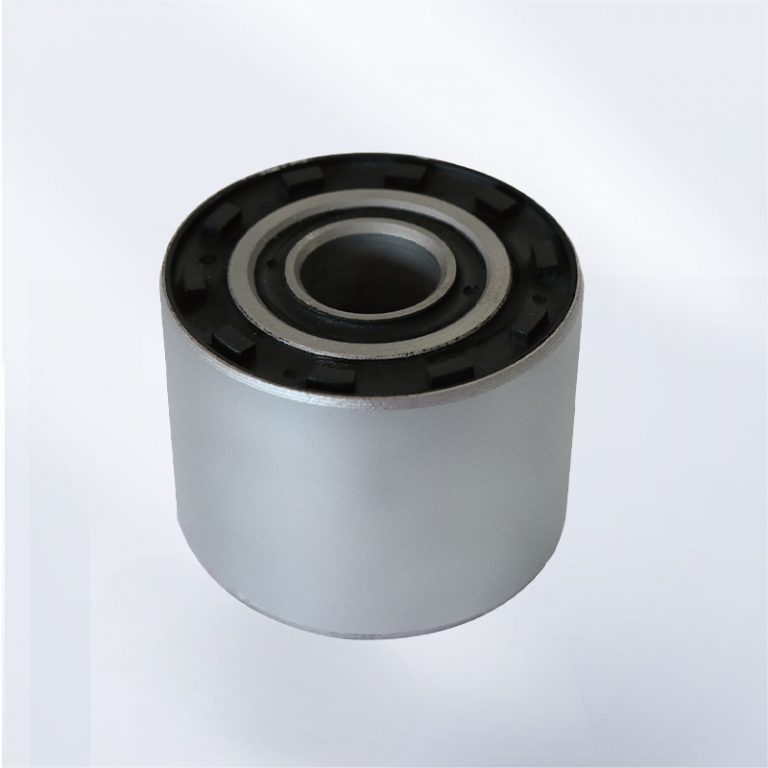
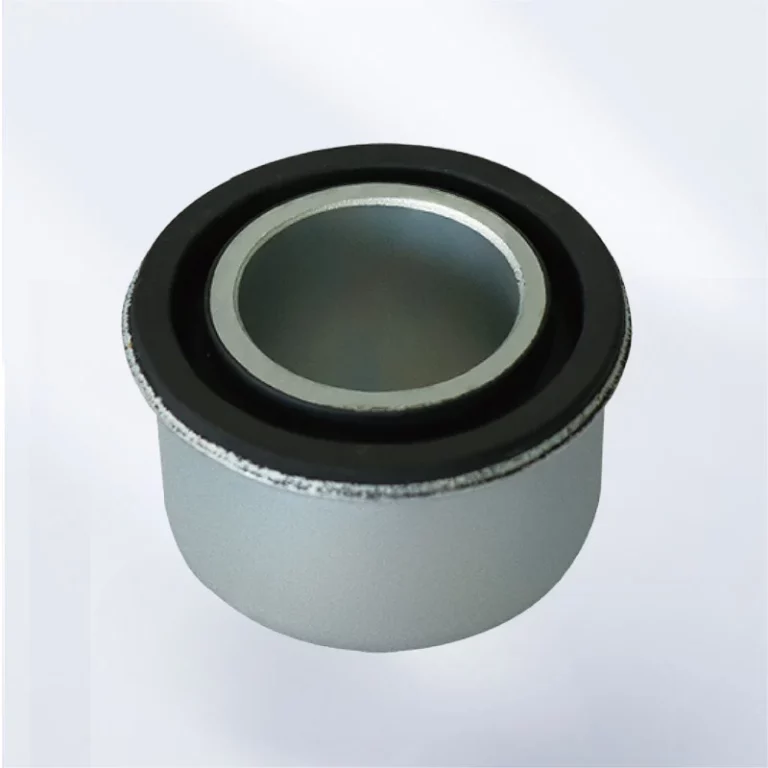
The recommended 安定剤バーブッシング is made for this kind of work. Its function is to provide flexible support during torsion and roll. It also helps control axial displacement, radial displacement, and torsional angle. These words sound technical, but the idea is easy: the bar needs to move, but only in the way the suspension design allows.

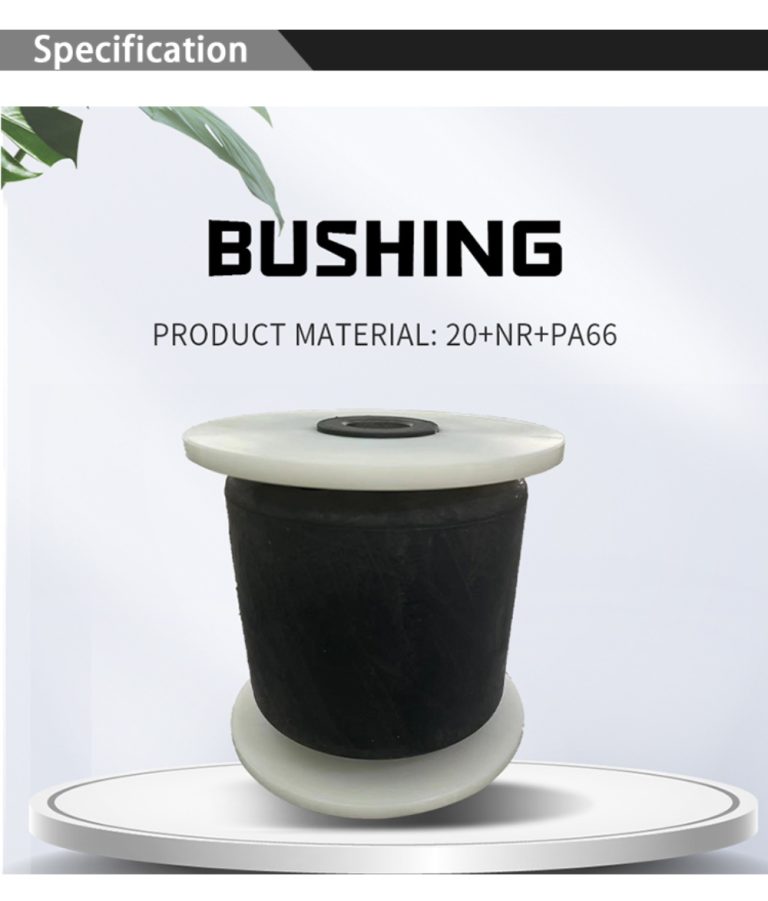
The product uses metal materials, engineering plastics, and rubber. It is suitable for passenger cars, commercial vehicles, and construction machinery. That application range is useful if you work with different vehicle platforms or need one supplier for several project types.

A good stabilizer bar bushing should not be judged only by appearance. Two parts may look close, but feel different after installation. Stiffness, rubber formula, bonding quality, and dimensional control all matter.

安定剤バーブッシング

Why Low Axial Stiffness Helps Ride Comfort

Low axial stiffness helps the connected system isolate vibration. In daily words, it helps stop road vibration from going straight into the body. This can make the ride feel quieter and less harsh.

If the bushing is too hard in the wrong direction, the vehicle may feel sharp and noisy. If it is too soft, the bar may move too much. Then handling gets worse. The right design gives enough flexibility without losing control.

This is one reason buyers should not only ask, “What is the price?” A low price part can become expensive if it causes noise claims, early replacement, or customer complaints.

Why High Radial Stiffness Helps Stability

Radial stiffness keeps the bar in position. When the vehicle turns, carries load, or runs on uneven ground, the bar needs firm support. If the radial support is weak, the bar may shift inside the mounting area.

A weak stabilizer bar bushing can cause a loose feeling in the chassis. You may also see uneven wear around the mounting position. In fleet use, small movement can become a repeated service issue.

This is why the product design combines damping and stable support. Rubber gives vibration control. Metal and engineering plastic help with structure and load. The result is not a “soft rubber block.” It is a part made for controlled movement.

How Bushings and End Links Work Together

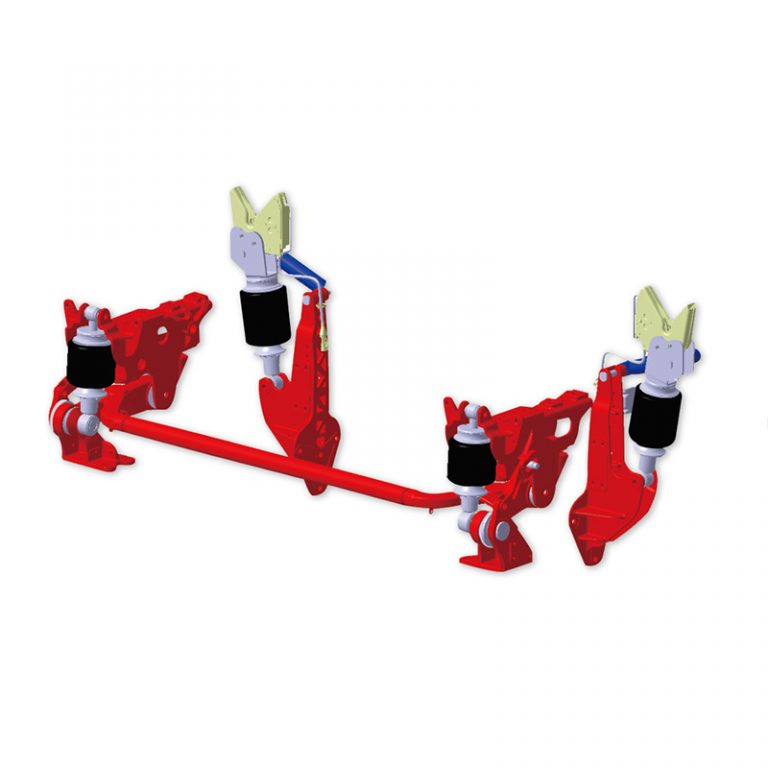
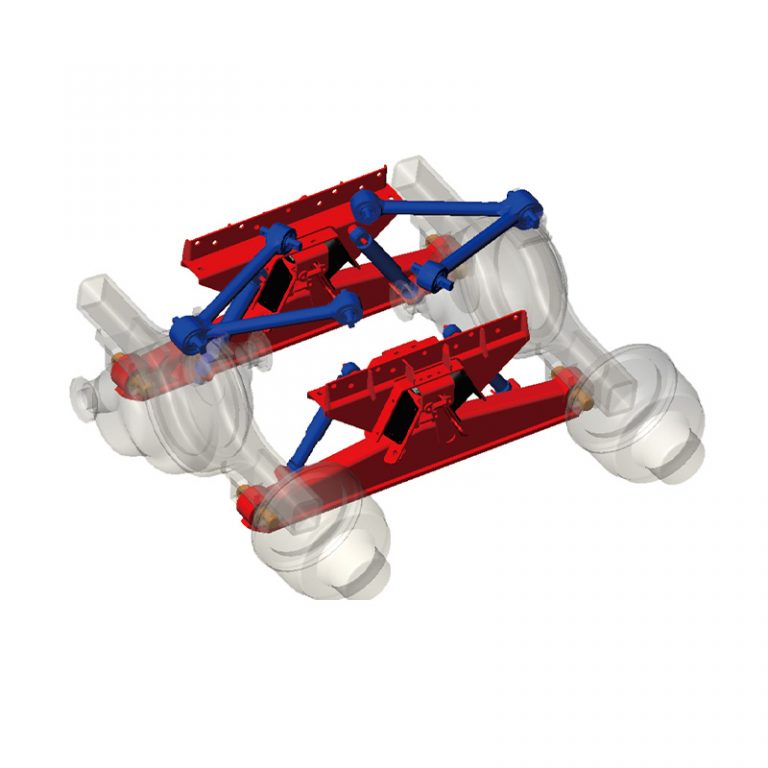
End links connect the stabilizer bar to the suspension. When the left and right wheels move differently, the end links pass force to the bar. Then the bar twists and resists roll.

Bushings hold the bar at its mounting points. They decide how smoothly the bar rotates and how well it stays in place. If the end link is strong but the bushing is loose, the system still feels poor. If the bushing is good but the end link has play, the bar still cannot work well.

For repair and sourcing, it is better to think about the full working group. Bar diameter, bracket shape, rubber hardness, link design, and vehicle weight all affect the final result.

Why Replacement Parts Should Match Working Conditions

A small passenger car and a heavy truck do not ask the same thing from suspension rubber parts. Construction machinery is different again. Dirt, load, shock, and long working hours all affect service life.

So when you choose parts, send more than a part number when possible. Share the drawing, sample, vehicle type, bar diameter, load condition, working temperature, and any failure history. A supplier can give better advice with real information.

「 The product details also show why application range matters. This part is not limited to one narrow use. It can serve different vehicle groups when the design and material are matched correctly.

How This Product Helps Overseas Buyers

For importers, distributors, and OEM project buyers, the worry is often simple. Will the part fit? Will the rubber hold up? Can the factory follow the drawing? Can they support samples and changes without endless back-and-forth?

The wider product range gives some useful context. The supplier works with fluid line products, rubber damping products, suspension parts, engine mounts, thrust rods, and air spring products. That means the team is not new to automotive rubber and chassis systems.

The knowledge base also points to useful production and testing capability: rubber mixing lines, extrusion capability, rubber injection, metal structural processing, fatigue testing, PVT equipment, LMS system verification, CAE analysis, ABAQUS use, and quality control through the product life cycle. For a buyer, these details matter because a stabilizer bar bushing is not only molded and packed. It needs design checking, material control, process control, and testing.

If you are building a new supply channel, this reduces risk. You can discuss one item first, then move to related chassis or damping products if the cooperation works.

How to Choose a Stabilizer Bar Bushing Supplier

A good supplier should ask about the vehicle and working condition before pushing a standard answer. The same rubber hardness will not work for every case. The same structure will not solve every noise problem.

Check whether the supplier can review drawings. Ask if OEM/ODM is possible. Ask what materials can be used. Ask how they control stiffness, dimensions, and appearance. If the product needs a metal insert or plastic structure, ask how they check bonding and fit.

Also look at service. If you need samples, drawing discussion, or project support, you should be able to reach a real team. The contact team can receive drawings, samples, photos, and application details. That is usually the fastest way to avoid wrong parts.

You may also want to follow company updates when checking long-term supplier activity. It gives you a sense of whether the supplier is still active in product development, exhibitions, customer communication, and market work.

Service and Contact

Small suspension parts do not always get much attention at the start of a project. But when noise, body roll, and early wear appear, people start looking at them very closely. A stabilizer bar bushing needs the right material, the right stiffness, and the right fit. End links also need to match the working load and the suspension layout.

If you are sourcing for passenger cars, commercial vehicles, or construction machinery, it is better to share the real application early. Send drawings, samples, photos, bar size, bracket information, and working conditions. Then the supplier can check whether the current product fits or whether custom support is needed.

For buyers who care about stable supply, OEM/ODM support, and practical communication, this product is worth adding to the inquiry list. The part is small. The effect on ride feel and chassis noise is not small at all.

FAQについて

Q1: What does a stabilizer bar bushing do?
A1: It supports the stabilizer bar, controls movement during roll and torsion, and helps reduce vibration from the suspension.

Q2: What are the common signs of worn bushings?
A2: Common signs include clunking noise, extra body roll, loose handling, cracked rubber, and abnormal movement near the stabilizer bar mount.

Q3: Are bushings and end links the same part?
A3: No. Bushings hold and support the bar, while end links connect the bar to the suspension and transfer force during vehicle roll.

Q4: What materials are used for this product?
A4: The product can use metal materials, engineering plastics, and rubber to balance strength, damping, and stable support.

Q5: Can this stabilizer bar bushing be customized for OEM or ODM projects?
A5: Yes, custom support is possible when you provide drawings, samples, photos, or clear working conditions.


シェア:

フェイスブック
ツイッター
リンクドイン
次へ
How to Tell If Your Sway Bar Links or Bushings Need Replacement: Thrust rod bushing Guide

関連製品

内容表

    分類

    関連ニュース

    How to Tell If Your Sway Bar Links or Bushings Need Replacement Thrust rod bushing Guide
    How to Tell If Your Sway Bar Links or Bushings Need Replacement: Thrust rod bushing Guide
    2026年の自動車冷却システムにゴムチューブが不可欠な理由
    2026年の自動車冷却システムにゴムチューブが不可欠な理由
    自動車システムにおけるゴムチューブの用途:主な用途、材料選定、耐久性、利点、製造品質
    自動車システムにおけるゴムチューブの用途とは?主な用途、材料選定、耐久性の利点、製造品質について
    美辰はブラジルの自動車部品産業の発展に新たな希望を燃やした
    美辰はブラジルの自動車部品産業の発展に新たな希望を燃やした
    美辰はクリティバがリードする自動車部品展に先進的な自動車ソリューションをもたらした
    美辰はクリティバがリードする自動車部品展に先進的な自動車ソリューションをもたらした

    発見に興味がありますか?

    製品やサービスについて好奇心があり,使用中に質問や提案があり,協力機会について議論したい場合は,常に"お問い合わせ"チャンネルをご利用いただけます.