What Is a Bushing and What Do Bushings Do on a Car?
When you drive over a speed bump or hit a pothole, your car handles the impact without shaking itself to pieces. A huge part of that smoothness comes down to small, flexible components tucked away in your suspension system: car bushings.
The Core Structure of a Mechanical Sleeve Cushion
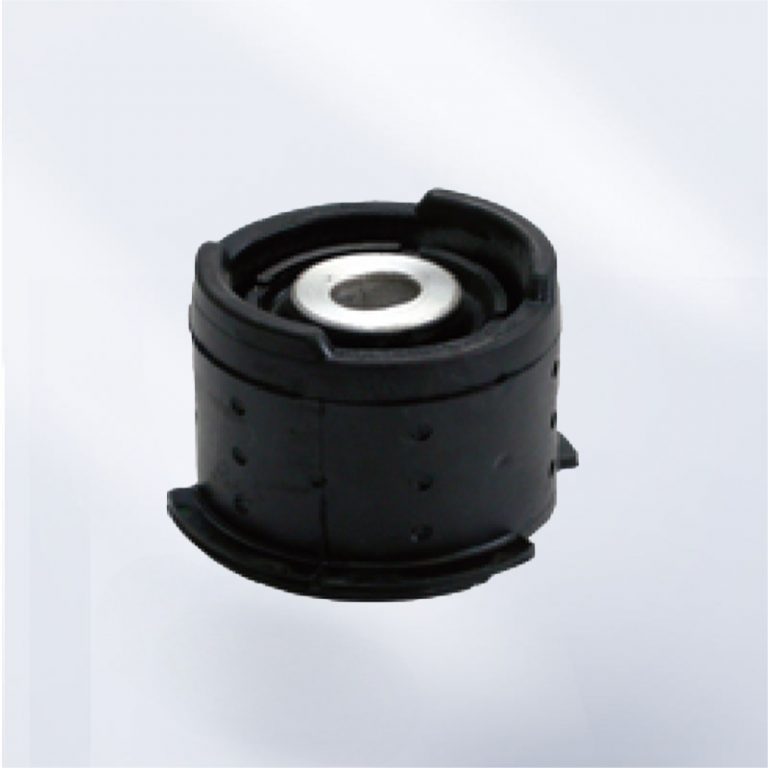
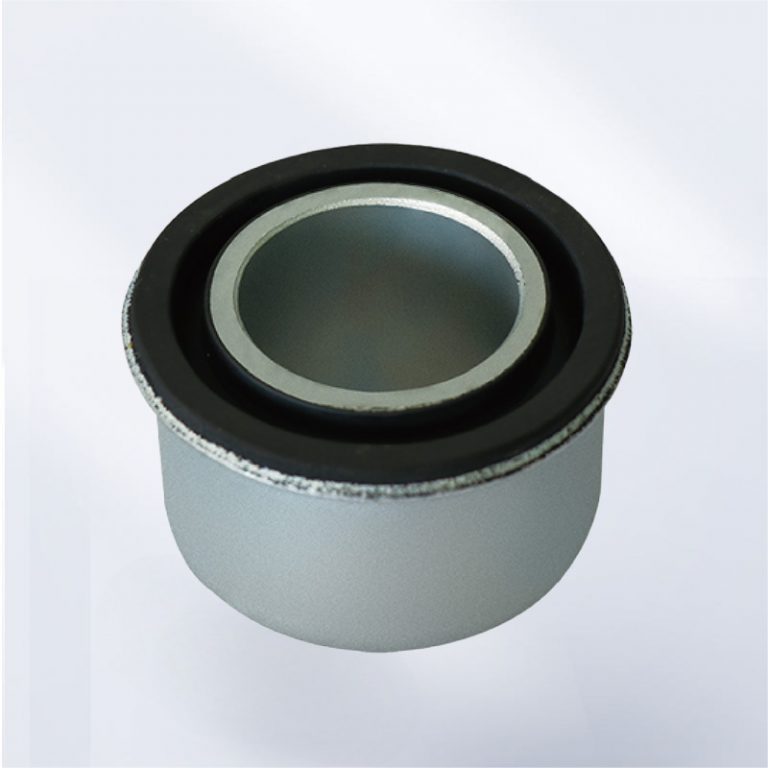
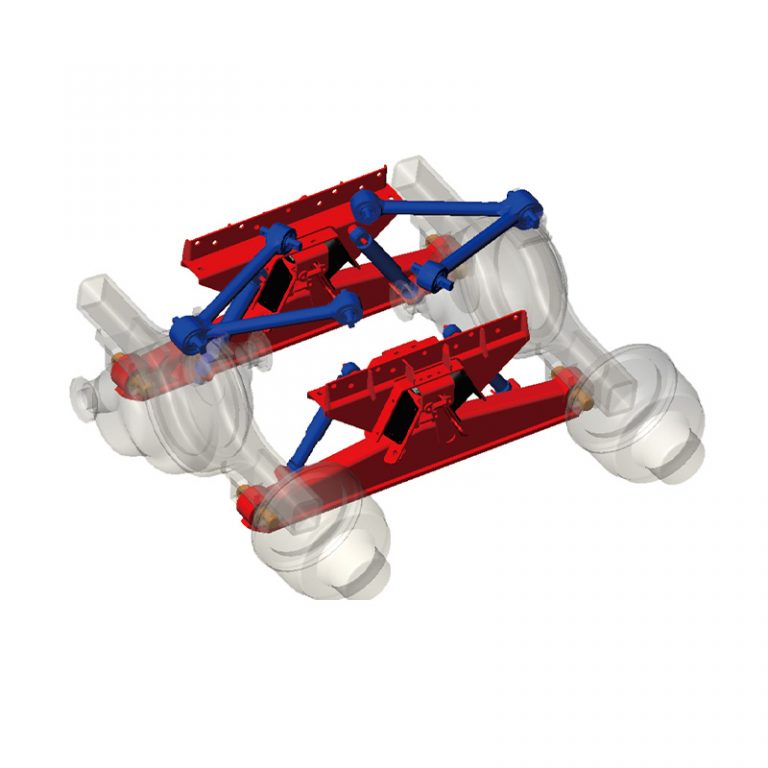
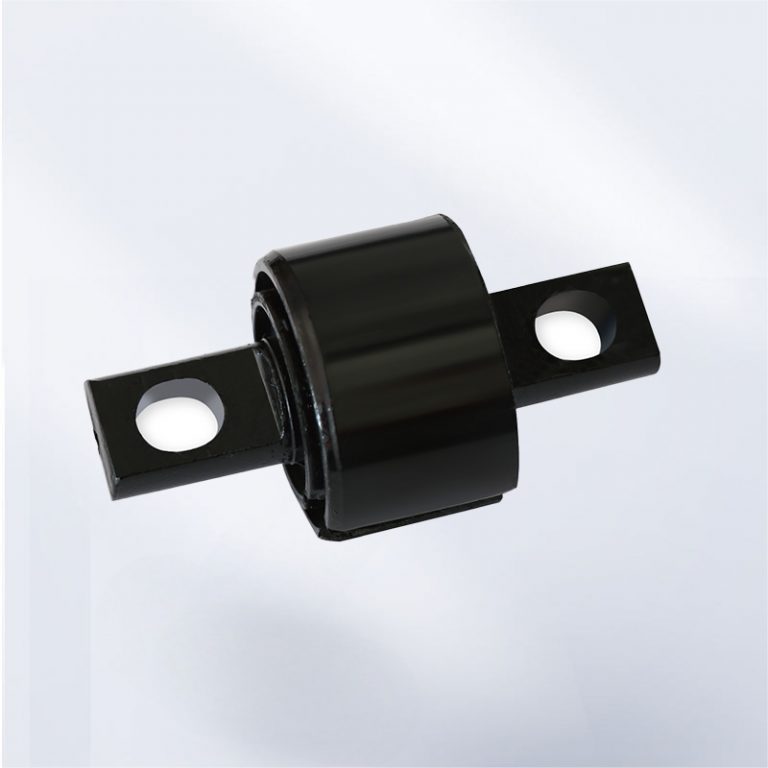
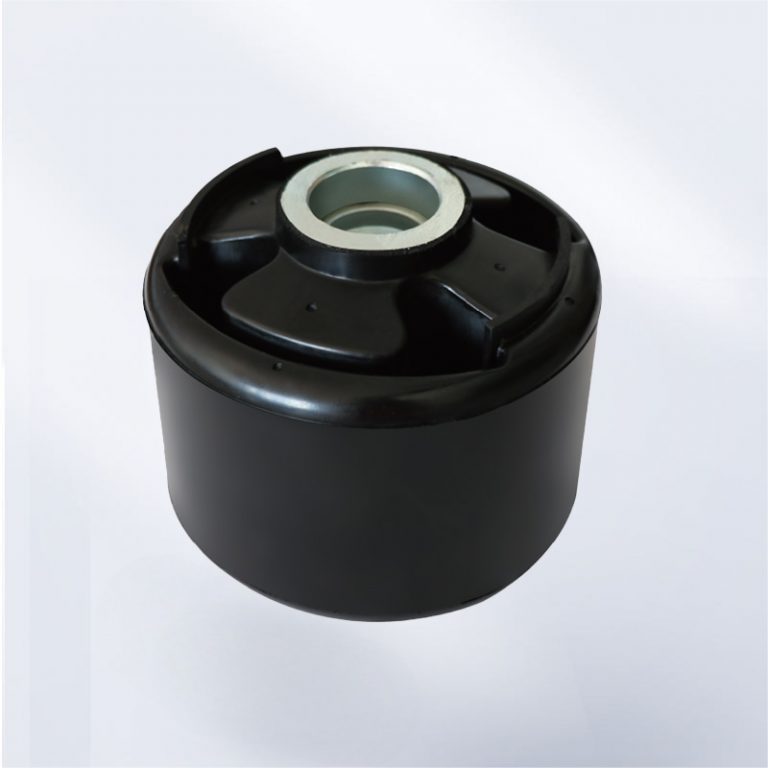
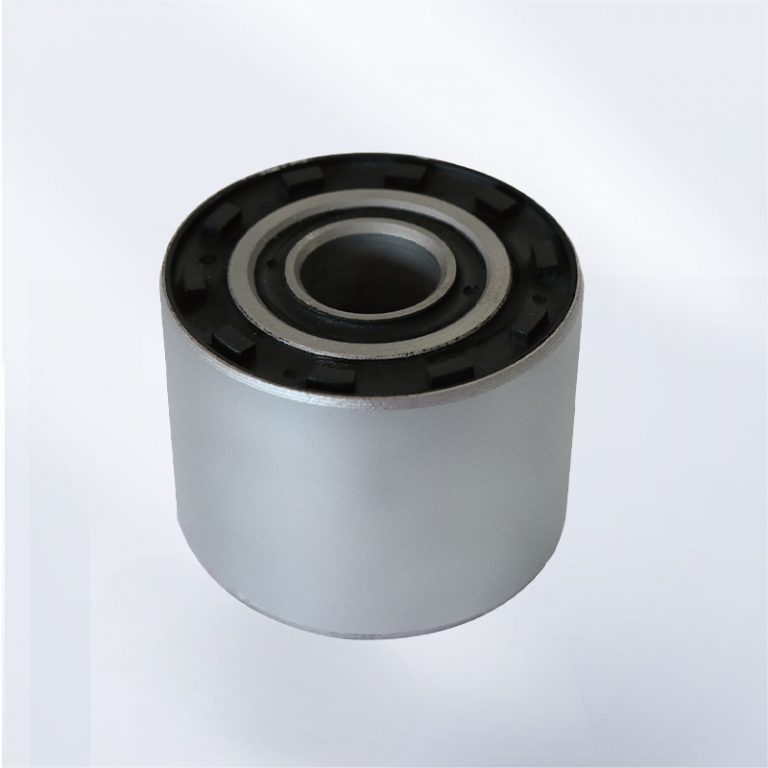
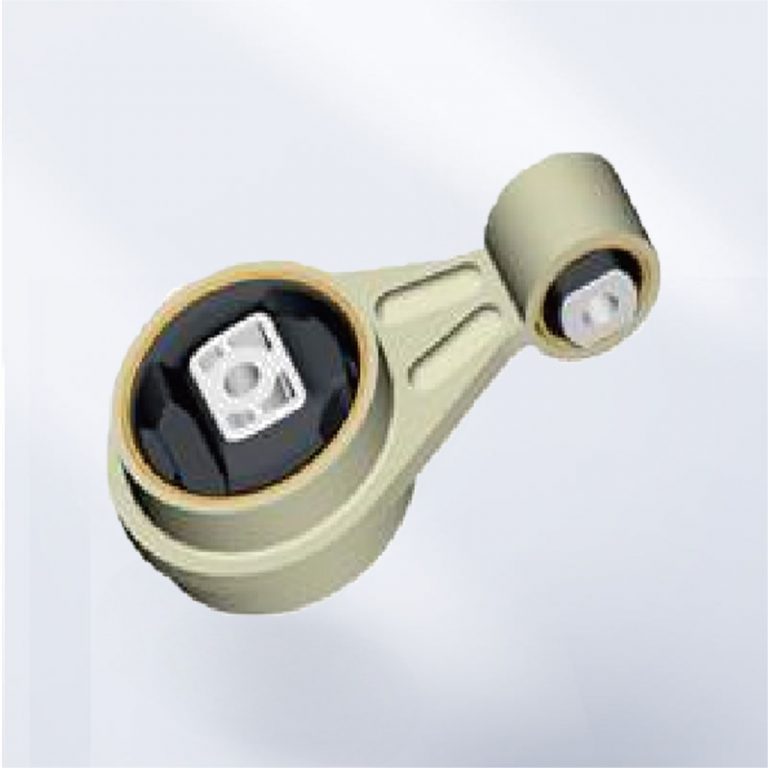
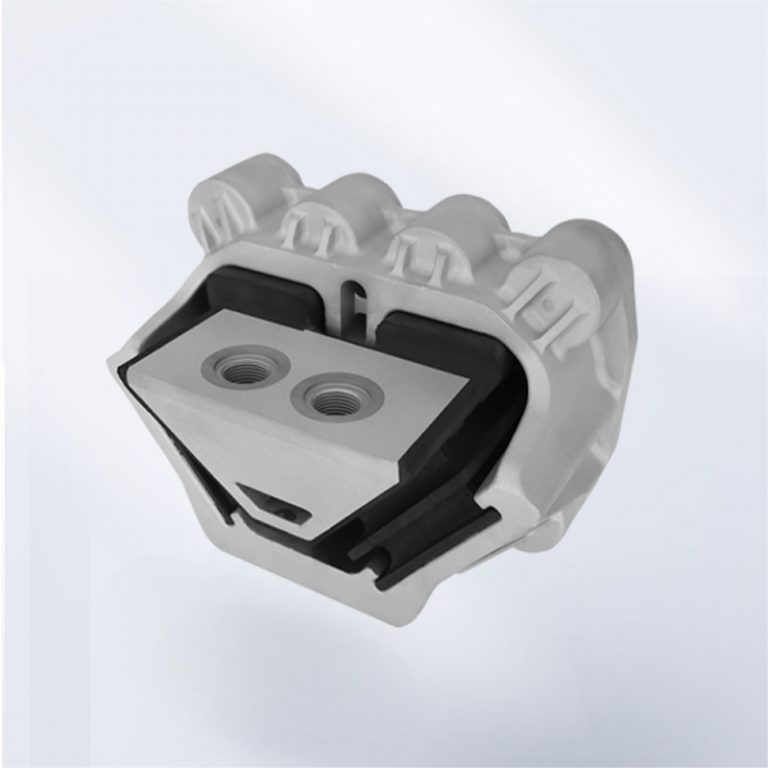
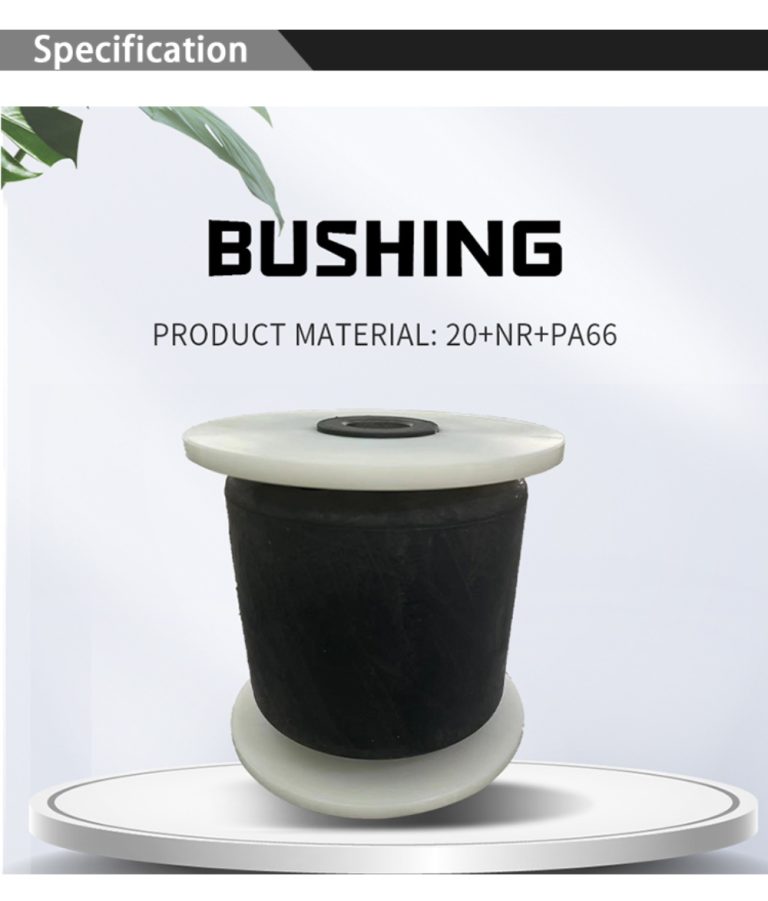
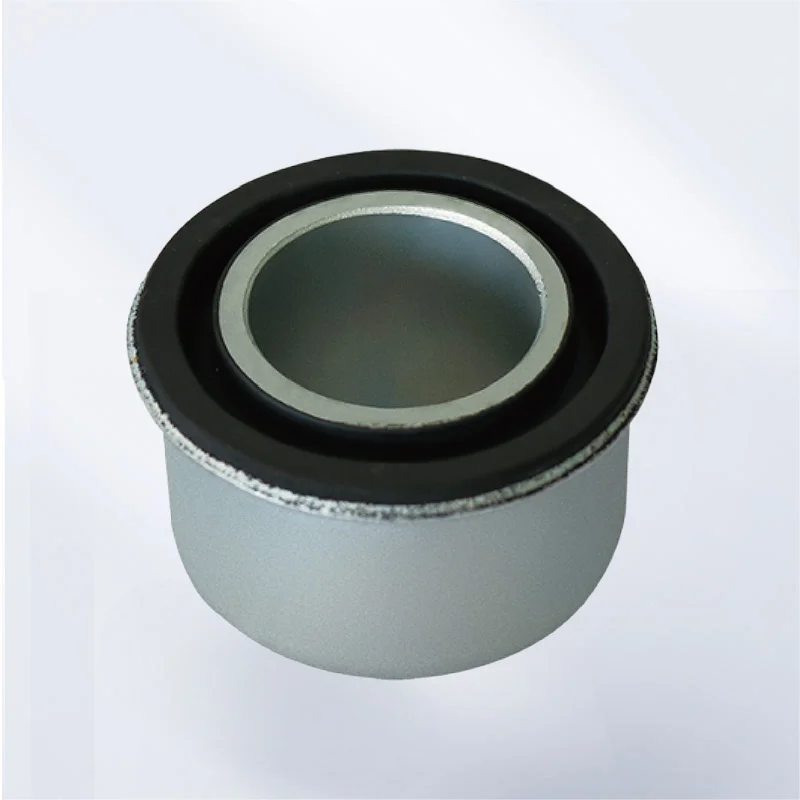
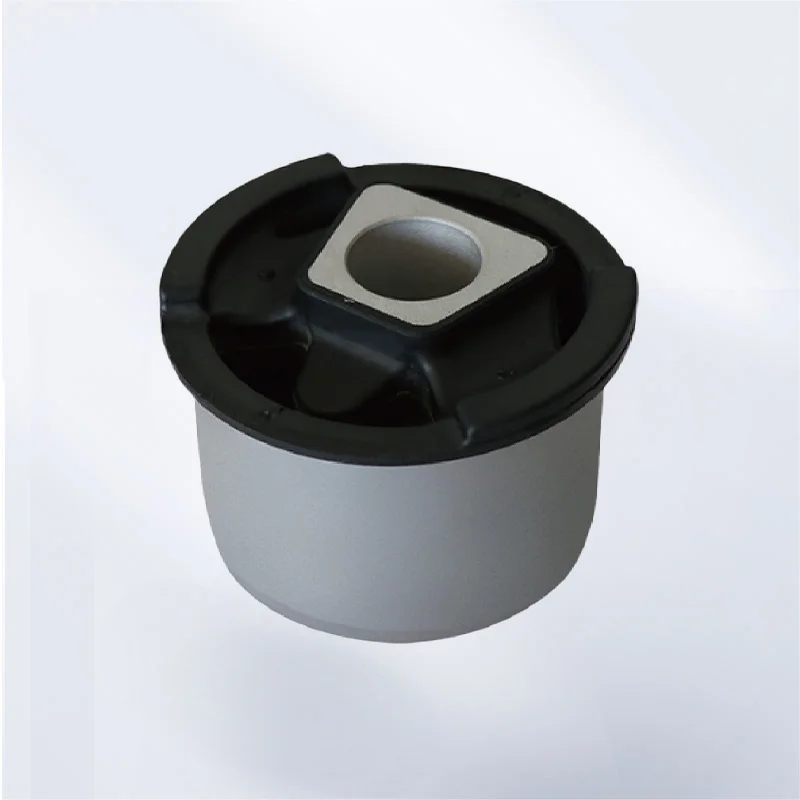
So, what is a bushing? In the simplest terms, it is a compact sleeve or cushion made of flexible material—usually rubber or polyurethane—that separates two metal parts. Think of them as the cartilage in human joints. Instead of letting metal grind against metal, these small parts act as isolated buffers.
Isolating Structural Vibrations and Suppressing Damping Noise
Their primary job is absorbing road shock and dampening noise, vibration, and harshness, commonly known in the industry as NVH. By flexing slightly, they allow suspension joints to move freely without binding or transferring extreme friction to the cabin. Without this elastic boundary, every tiny crack in the asphalt would transmit harsh acoustic hums directly into your steering wheel and floorboards.
Distinguishing Rotational Bearings from Limited Range Twisting Mounts
People often mix up a bushing and bearing because both facilitate movement. However, they serve very different engineering purposes. A bearing is built to handle direct, continuous rotation—like a wheel hub turning on an axle. A bushing is designed to handle pivoting or twisting movements over a limited range while soaking up heavy radial forces and vibrations at the exact same time.
The Crucial Role of Stabilizer Bar Bushings in Ride Comfort
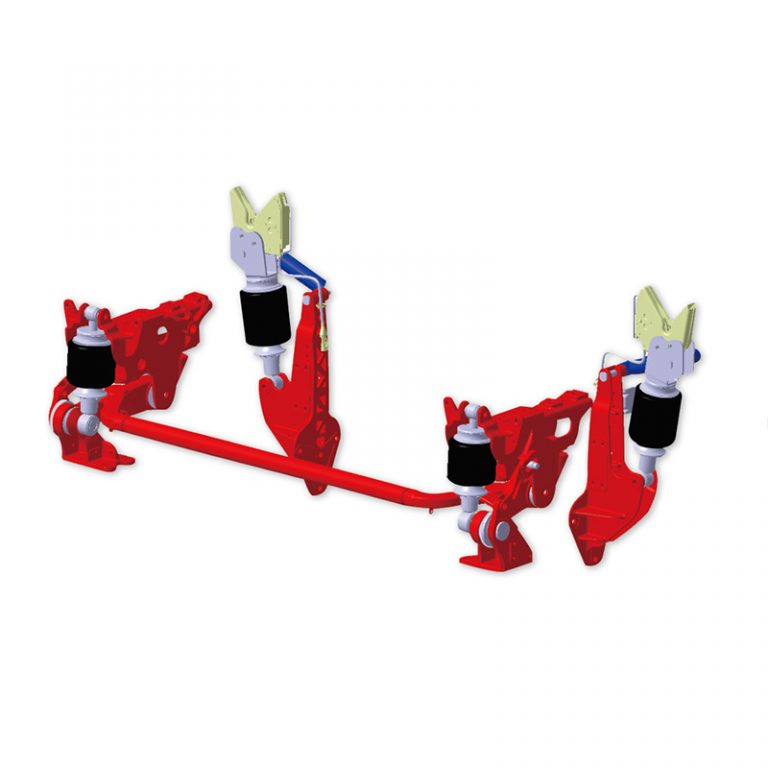
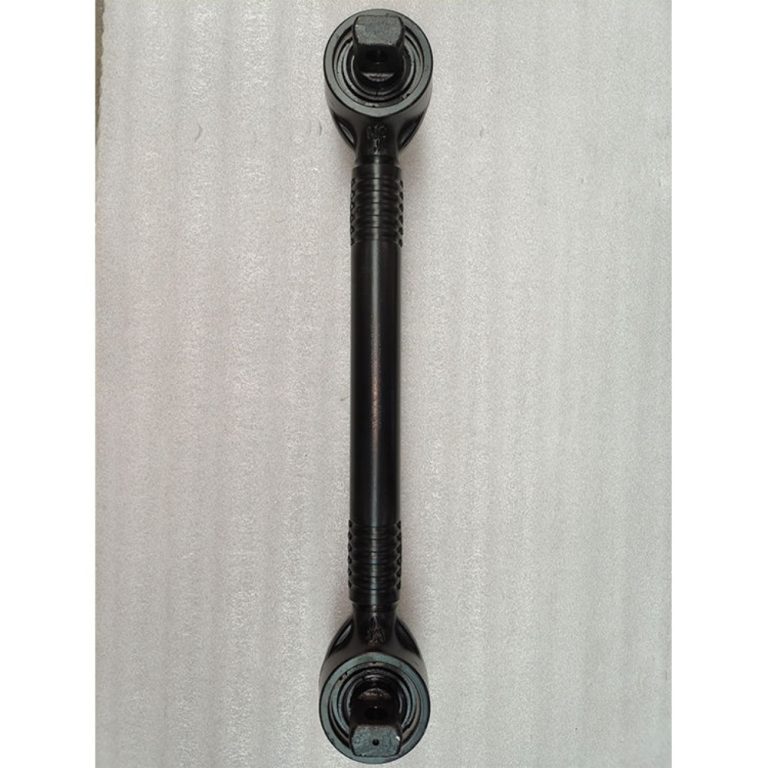
If you look closely at your front or rear axle assembly, you will find a long, curved metal bar stretching across the width of your vehicle. This is the sway bar, or stabilizer bar. Its main function is to stop your car from body rolling or leaning heavily to one side when you take a sharp turn. For this bar to do its job safely without making a racket, it relies entirely on a dedicated bushing stabilizer system.
Maintaining Dynamic Frame Security for Predictable Wheel Linkages
These specific components hold the moving metal bar firmly against the vehicle frame. A high-quality stabilizer rubber bushing keeps tight control over the bar so your steering stays predictable, but it keeps enough structural flexibility to let the suspension twist naturally as road surfaces change. This keeps your tires firmly planted flat on the ground during fast lane changes.
Suppressing Sway Bar Noise and Preventing Metal Friction Grinding
When a rubber sleeve rots or splits, the open gap creates immediate play. The heavy steel sway bar begins to twist unevenly inside its mounting bracket during chassis weight shifts. Instead of smooth, quiet pivoting, you get metal grinding directly against metal, destroying your ride comfort and turning basic city corners into a noisy ordeal.
Integrating Meichen Fluid Damping Tech into Liner Products
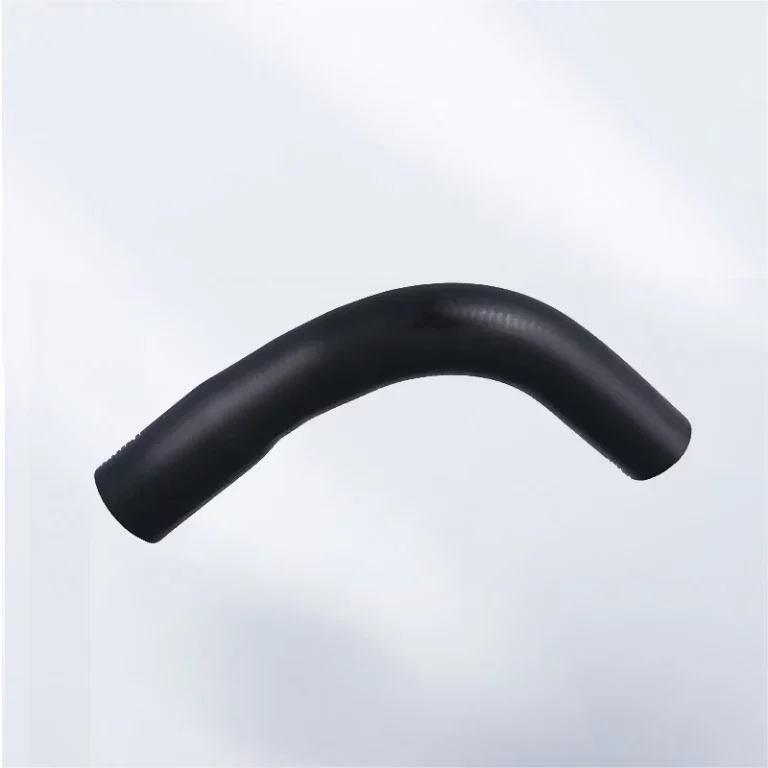
When you need an exact replacement that combines this structural stability with long fatigue life, the factory-grade 安定剤バーブッシング stands out as a reliable choice. Designed as a specialized liner product, it utilizes balanced radial stiffness to isolate heavy chassis vibrations while keeping your steering response sharp and predictable under sudden weight shifts. It offers low axial stiffness for excellent vibration isolation alongside high radial stiffness for rock-solid stability.
Frustrating Clunks and Loose Handling: Worn Suspension Bushings Pain Points
Chassis components degrade slowly over time, making suspension wear hard to spot until the symptoms become highly irritating. If you notice your vehicle acting strangely, the root cause is usually a degraded rubber boundary inside your suspension linkages.
Identifying Worn Out Control Arm Bushings and Stabilizer Bushings Early
One day you might notice your car drifting slightly to the left or right on a smooth highway. A few days later, you start hearing a subtle dull thud under your floorboards whenever you back out of your driveway or brake hard. These driving frustrations are classic signs that your internal suspension pads are shrinking, cracking, or tearing completely off their inner metal sleeves. When stabilizer bushings rot out, the sway bar gets too much room to rattle around inside its bracket, turning smooth steering into a loose, ungrounded chore.
Upgrading to High-Quality Rubber Bushings for Structural Integrity
The best way to fix this annoying handling slop is to swap out those tired factory parts for advanced rubber formulations. If you choose components built with durable compounds like high-grade EPDM or specialized thermal matrices, you give your vehicle the exact tools it needs to resist environmental rot, road salt, and constant mechanical squeezing. A fresh compound set seals out unwanted play, completely eliminates the metal-on-metal movement, and immediately restores that tight, reassuring factory handling feel you used to have.
Resolving Premature Tearing from Demanding Daily Commutes
Daily driving forces rubber through millions of high-stress twisting cycles. Standard aftermarket options often split prematurely under these heavy cyclic demands. Upgrading to optimized geometries that distribute tension evenly ensures your replacement parts hold their shape and stay perfectly silent for years to come.
Crucial Warning Signs: Signs of a Bad Control Arm Bushing or Worn Bushes
You do not want to wait until a major suspension component snaps completely before you take a look under the chassis. Catching worn suspension bushes symptoms early saves you from scary highway handling moments and keeps repair bills much lower.
Diagnosing Annoying Steering Wheel Vibrations and Sluggish Tracking
The first common indicator is an annoying steering wheel vibration. When the inner core of your rubber mounts splits, the wheels can oscillate independently, transmitting a constant buzz directly up the steering column. Your car will start tracking lazily, requiring constant tiny corrections just to stay centered in your lane.
Spotting Uneven Tire Wear Patterns and Acceleration Misalignment
Next, watch out for clear signs of bad control arm bushing performance, such as uneven tire wear patterns or loud, metallic popping noises when you stomp on the brakes or accelerate away from a stoplight. Because the control arms hold your wheels straight, failed rubber causes the entire wheel assembly to shift backward or forward out of line. This shifts your vehicle alignment metrics instantly, leading to bald tire edges and unsafe tracking.
Correcting Rapid Linkage Failures Before System Damage Spreads
This rapid control arm bushing failure ruins your alignment stability, grinds down your expensive tires, and makes the car feel scary and unstable during sudden emergency maneuvers. Leaving a torn mount unaddressed allows the loose arm to hammer against surrounding steering knuckles, turning a simple bushing replacement into a full steering system rebuild.
The Real Cost of Neglecting Worn Suspension Bushes
It is very tempting to ignore a minor clunking noise and keep driving, but putting off basic chassis maintenance always costs more down the road. A standard rubber cushion itself is quite inexpensive, but getting it pressed out of a heavy suspension arm requires specialized shop labor.
Tracking Shop Labor Rates and Real Bushing Replacement Cost
So, how much does bushing replacement cost? While the raw components are affordable, mechanics must use hydraulic presses to remove the seized metal sleeves from your control arms. This extensive bench time means shop labor will make up the largest portion of your final invoice.
Analyzing Complex Multi Link Layouts and Specialized Chassis Expenses
If you own a luxury or specialized vehicle, these costs can climb quickly. For example, looking into a bmw thrust arm bushing replacement cost reveals that advanced multi-link setups take more time and specialized tools to fix properly. These sophisticated layouts use multiple arms per wheel, meaning one worn joint often points to several others nearing the end of their lifespan.
Preventing Damage Escalation Across Shocks and Steering Racks
However, paying for shop labor early is still much cheaper than dealing with the cascading expenses of total neglect. When you drive on completely shot rubber, the excess movement hammers adjacent parts. A loose control arm or sway bar will quickly ruin your shock absorbers, twist your end links out of shape, strain your steering rack, and tear up a brand-new set of tires in a matter of weeks.
Why Choose Meichen Advanced Stabilizer Bar Bushings and Liner Products?
When it comes to sourcing heavy-duty chassis parts that genuinely hold up against punishing road conditions, you need a partner with deep manufacturing roots. メイチェン is a premier, state-owned holding auto parts manufacturer established back in 2004, specializing in advanced fluid delivery, vibration damping, and suspension solutions for global markets. If you are looking for custom components or high-volume aftermarket supply, exploring their official products catalog shows exactly how they support major commercial truck and passenger vehicle platforms globally.
Implementing Tailored Compound Formulas for Extreme Weather Durability
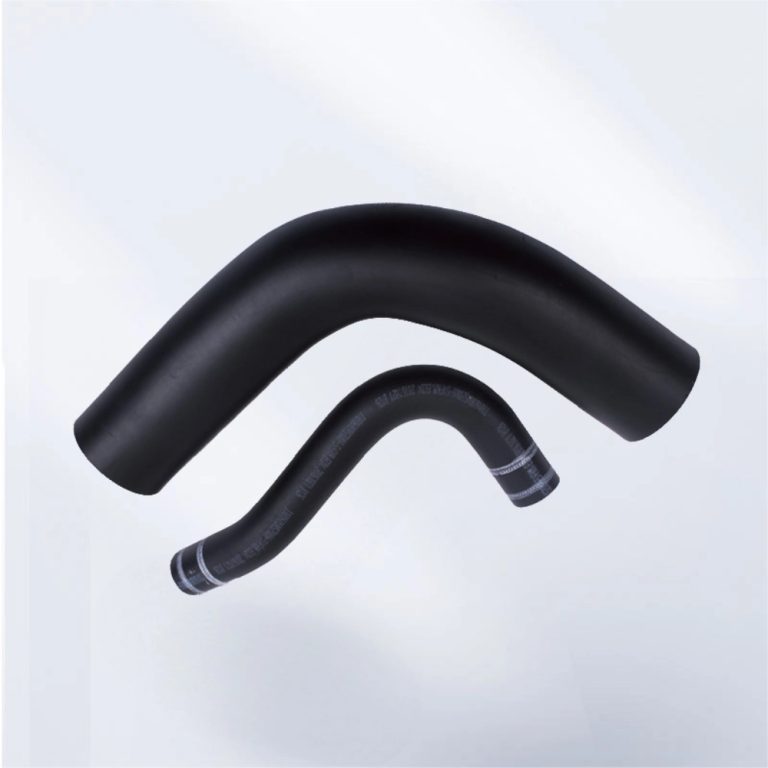
They formulate custom rubber compounds ranging from highly resilient EPDM, NBR, and natural rubber to advanced thermal materials like TPV, FVMQ, and modified VMQ. This specific material control allows their custom components to perform flawlessly under punishing environments ranging from -55°C up to 250°C. Your parts will not crack during freezing winter mornings or soften during high-load summer hauls.
Deploying National CNAS Facilities for Rigorous Raw Material Inspections
Every single product design is backed by a fully accredited national-level testing facility. Packed with over 120 sets of world-class testing gear valued at more than 60 million yuan, their dynamic testing lab checks raw materials and finished parts to guarantee absolute zero-defect shipments. Their chemical, static, and dynamic labs run rigorous polymer property verifications before any parts head to the shipping dock.
Leveraging Full Closed Loop Extrusion Systems and Laser Verification
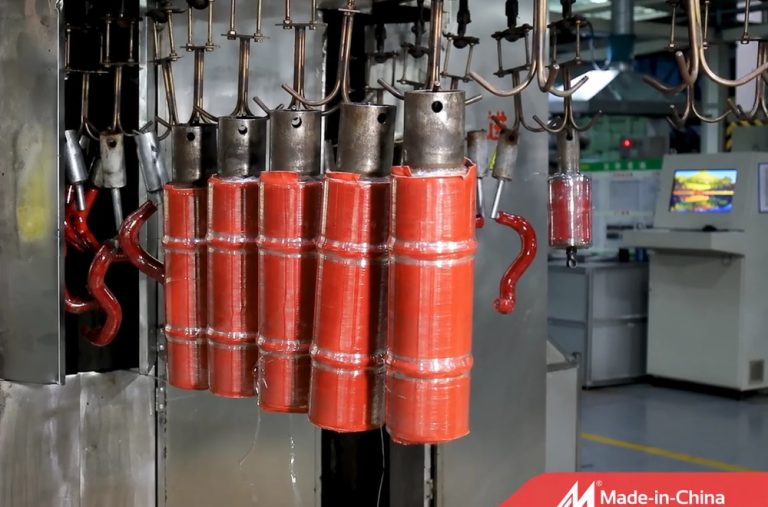
They do not rely on outdated manual molding. Their facility runs high-efficiency automatic mixing lines from Shinko Japan and full closed-loop intelligent extrusion networks. By utilizing real-time laser diameter checks and specialized PVT and LMS dynamic fatigue testing systems, they make sure every stabilizer link and sleeve achieves unmatched structural life under massive cyclic loads.
Professional OEM Service: Contact Meichen for High-Precision Automotive Bushings
If you operate an auto parts distribution network, manage a commercial truck fleet, or run an assembly line, you need a manufacturing partner who understands custom specifications. They do not just sell off-the-shelf items; they offer a complete custom OEM/ODM development process. If you have a unique blueprint, a highly specific rubber compound requirement, or a physical sample you need replicated for an older vehicle model, you can send it directly to their engineers.
Customizing Custom Technical Drawings and Tooling Molds Rapidly
Their 120-person in-house engineering team collaborates directly with top-tier research institutions like the University of Waterloo and South China University of Technology. They use advanced finite element analysis software like ABAQUS and MSC MARC to optimize rubber deformation geometries, guaranteeing maximum NVH reduction right out of the box. This deep technical capacity allows them to move from your design blueprint to a validated production mold in record time.
Processing Fast B2B Quotes Within Twelve Hour Response Windows
They run a highly structured quality management loop—from internal material tracking right through to final container loading. For procurement teams working on tight schedules, their logistics team keeps service windows remarkably fast, delivering standard custom quotations within 12 hours and finishing complex project reviews in less than a day. If you want to check recent factory upgrades or view their automotive show schedule, you can look through their corporate news updates.
Tying Into Secure Supply Chains for Streamlined Enterprise Logistics
Ready to upgrade your supply chain reliability? Read more details on their production footprint on their 私たちについて overview, or head directly to the お問い合わせください page to upload your product drawings, request material test data sheets, or secure a production sample directly from the engineering office. They maintain a full lifecycle tracking system to ensure your volume shipments arrive safely, on time, and completely free of defects.
FAQについて
Q1: What are the main signs that my stabilizer bar bushings are wearing out?
A1: The most common signs include a distinct dull clunking or rattling sound from under the vehicle when driving over bumps, loose handling feel during tight cornering, and visible cracking or splitting in the rubber compound when inspecting the chassis.
Q2: Can I drive my car with a failed control arm bushing?
A2: While the car will technically move, it is not safe. A failed bushing allows the control arm to shift out of alignment under braking or acceleration, leading to unpredictable steering pull, accelerated tire wear, and compromised vehicle control during emergency stops.
Q3: How long do standard automotive rubber bushings typically last before needing replacement?
A3: Most factory rubber bushings last between 60,000 to 100,000 miles. However, their actual lifespan depends heavily on your local road conditions, exposure to road salt or moisture, vehicle load levels, and the specific quality of the rubber formulation used during manufacturing.
Q4: Is it better to replace just the failed bushing or the entire suspension arm assembly?
A4: It depends on the design of your vehicle. Pressing out an old bushing requires specialized workshop tools and labor time; if the metal arm itself is worn or if the replacement assembly comes pre-installed with fresh rubber, changing the entire arm can sometimes be more cost-effective.
Q5: Can Meichen manufacture custom suspension bushings based on our specific drawings?
A5: Yes. As a professional OEM/ODM auto parts supplier, they can strictly follow custom technical drawings, design tailored compound formulas like high-durability EPDM or TPV, and develop new tooling molds rapidly based on provided dimensions or physical samples.