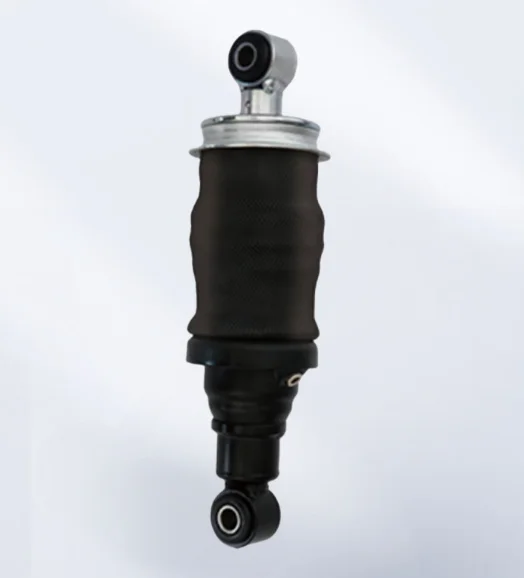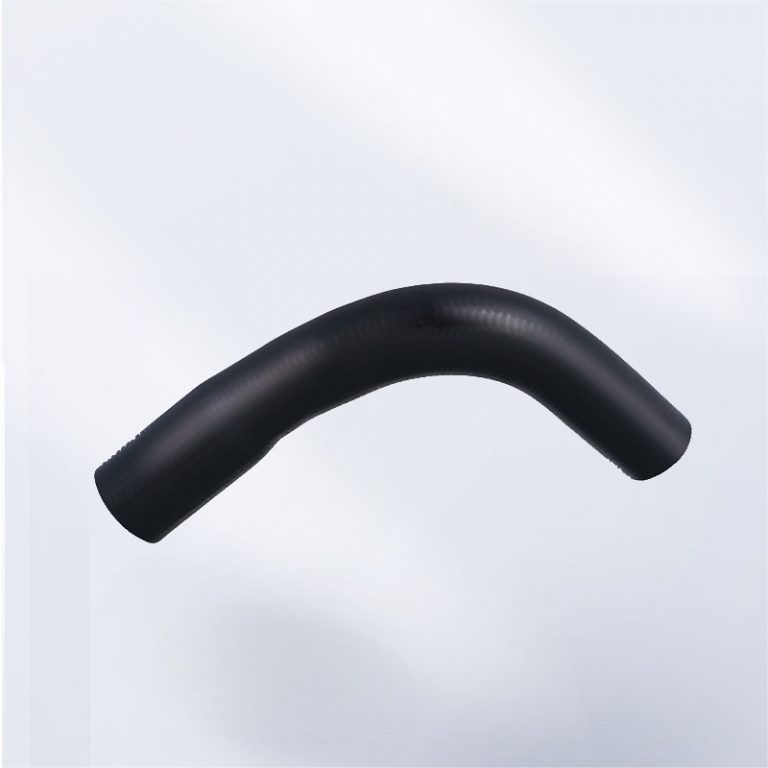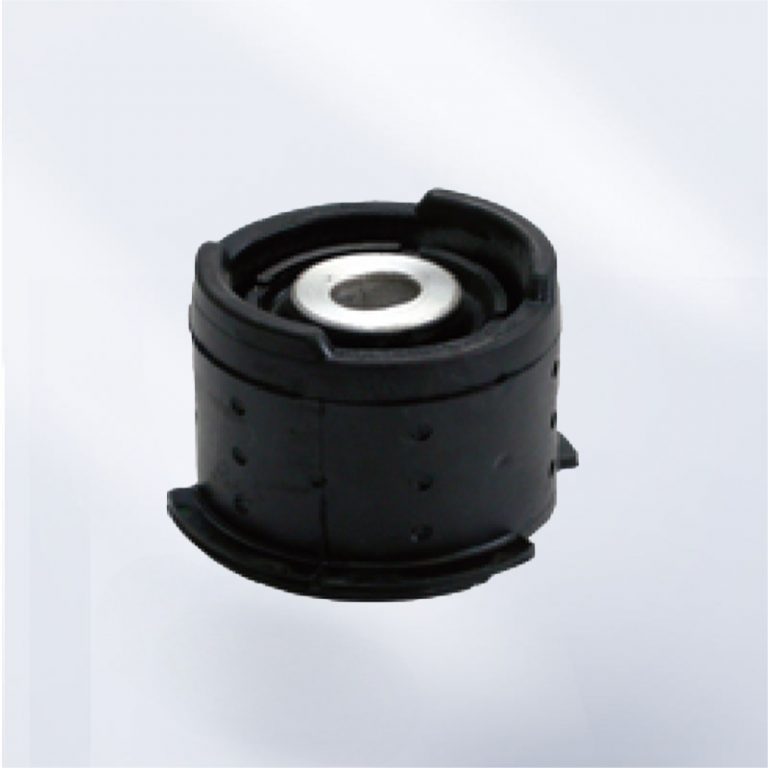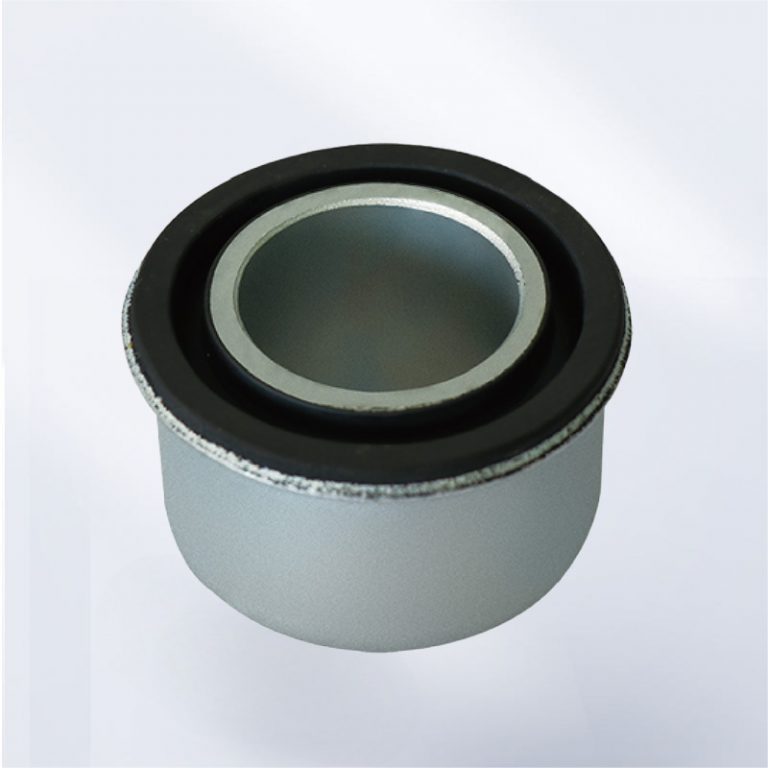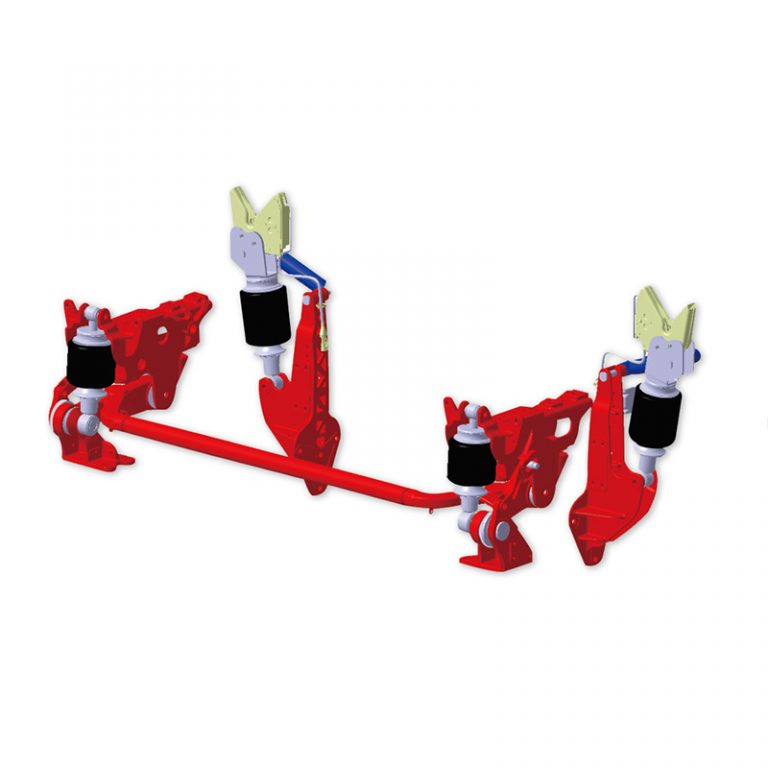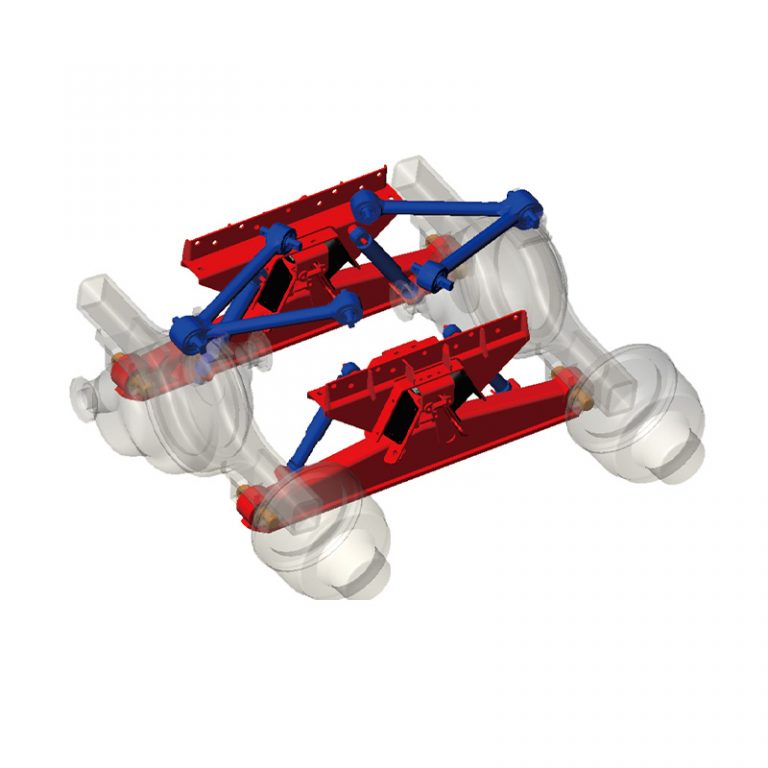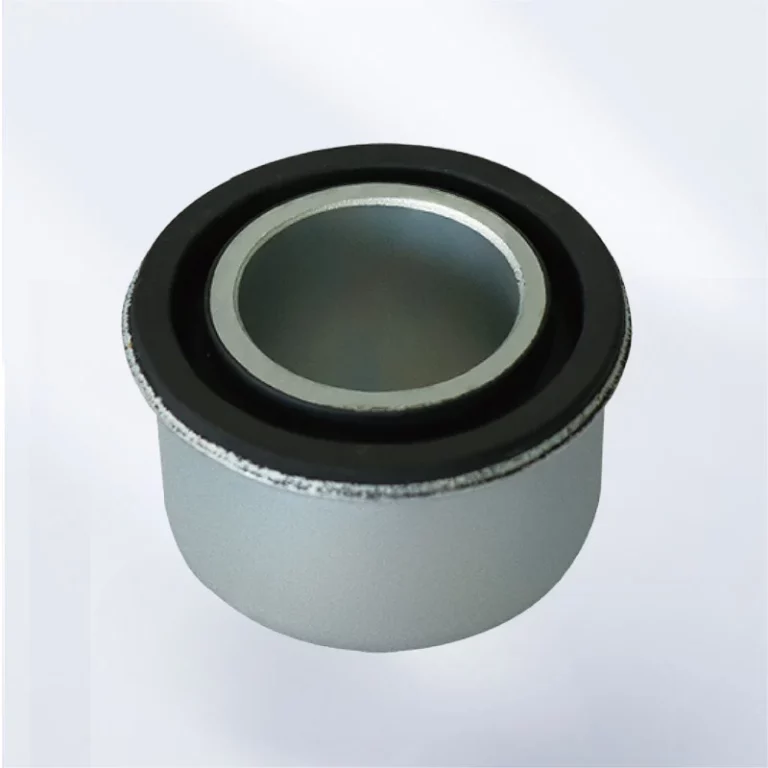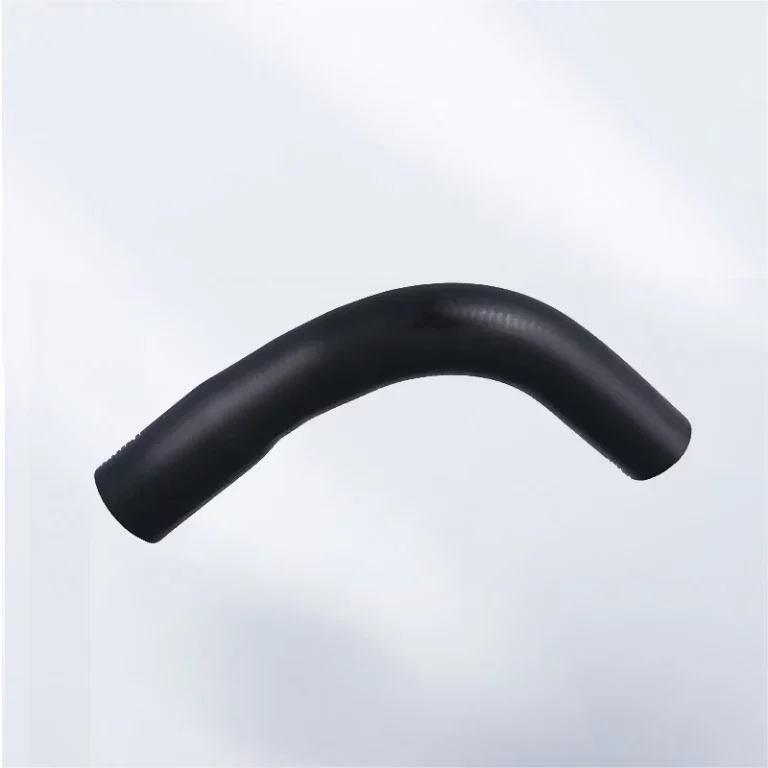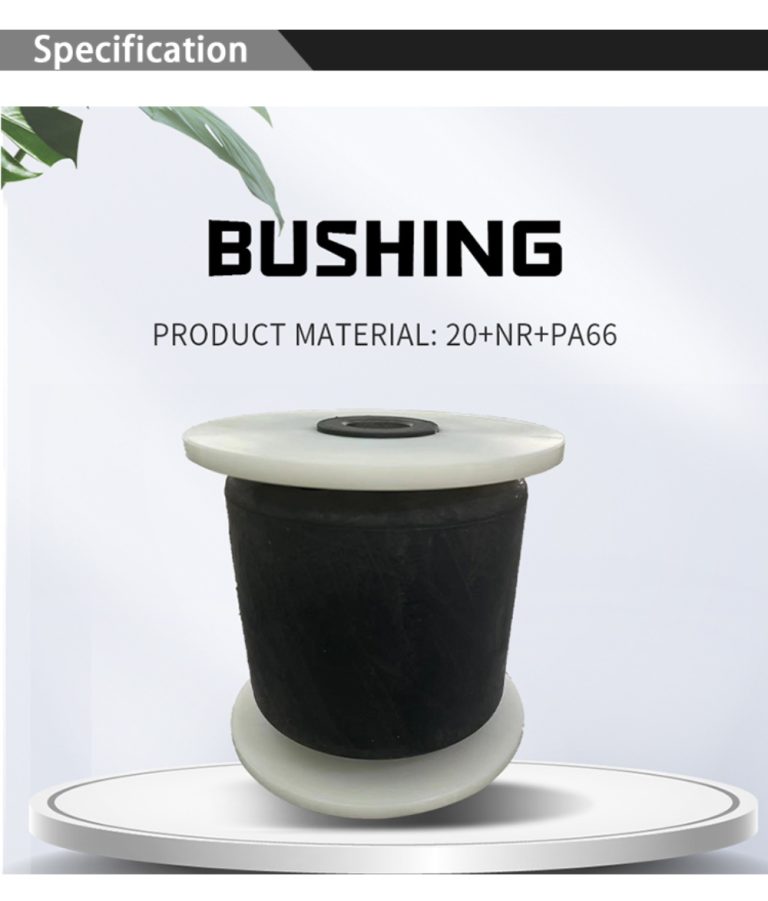
Air springs serve a central function in contemporary commercial vehicle suspension. Trucks that move smoothly across uneven ground without shaking the cab demonstrate the effectiveness of smart air suspension. Unlike conventional mechanical springs, these arrangements adjust to weight variations and take in vibrations. As a result, they ensure driver ease and protect cargo security. For practical dependability, Meichen emerges as an advanced producer focused on suspension and vibration control systems. This emphasis covers commercial vehicles and robust machinery. Moreover, their items blend cutting-edge materials with accurate engineering. Within their range, キャビンエアスプリング製品 target enhanced cab ease, handle weight strain, and separate vibrations. For fleets navigating rough paths, these air springs deliver a clear impact on routine tasks. Selecting an appropriate system goes beyond ease. It concerns endurance, security, and productivity on highways.

What Defines High-Performance Air Spring Engineering?
High-performance involves more than robust springs. Durability, flexibility for diverse weights, and solid vibration absorption become essential. Engineering aims center on three primary zones. These include preserving steady weight support, reacting swiftly to roadway situations, and enduring for extended periods in tough settings. Materials hold significance. A mix of metal, rubber, and engineering plastics offers power, bendability, and mass decrease simultaneously. Products that allow adjustment for particular vehicle forms prove necessary as well. Meichen’s method merges these ideas with OEM and ODM tailoring. Consequently, it produces air springs that bear weights and actively aid safer, more productive vehicle function.
How Does Structural Design Influence Air Spring Performance?
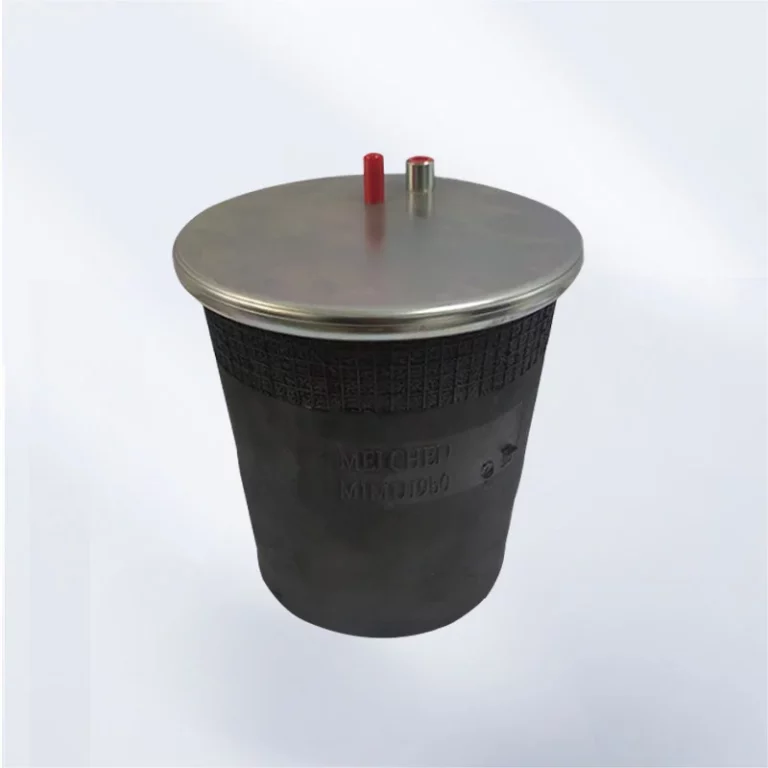
Air springs operate through pressurized air within a pliable rubber pouch to deliver springiness. This arrangement yields a nonlinear rigidity trait. Thus, it acts gently under minimal weights but firms up with added mass. Such a feature represents a key engineering benefit. Structural differences carry weight too. A diaphragm form responds unlike a bellows variety. Furthermore, cab, chassis, and seat air springs fulfill unique purposes. For instance, キャビンエアスプリング製品 link the cab to the suspension. They take in jolts that might otherwise affect the driver. The manner in which the spring shifts under weight influences weight allocation, component tension, and general endurance directly.
Why Is Material Selection Critical In Air Spring Development?
Selecting suitable materials proves vital for effectiveness. Rubber supplies bendability and gas-tight closure. Metals manage framework weights. Meanwhile, engineering plastics lessen mass. Additional factors like warmth tolerance, fatigue endurance, and deterioration resistance require attention. Materials that give way during temperature changes or ongoing strain can cut operational duration sharply. High-performance air springs unite these materials to fit their operational context. メイチェン crafts cab air springs using targeted material blends. These endure the demands of commercial transport, building work, and extended routes. Therefore, they lead to fewer upkeep concerns and sustained ease.
How Do Air Springs Achieve Superior Vibration Isolation And Comfort?
The core element rests in the air component. Air yields under weight, taking in vibration force that could otherwise disturb the cab. In contrast to standard metal springs, air springs decrease the arrangement’s inherent frequency. This results in even smoother journeys and reduced jolt transfer to the driver. キャビンエアスプリング製品 perform strongly here. They cushion blows from craters or coarse gravel surfaces and ease driver weariness. Devices attached in the cab gain advantages too. They remain more stable and less subject to harm. Although the idea appears straightforward, its impact proves evident during prolonged journeys.

How Does Load Adaptability Enhance System Performance?
Air springs modify pressure according to weight, upholding a uniform ride level. This flexibility boosts vehicle balance, cuts tire degradation, and aids stopping effectiveness. For trucks with changing loads, this offers a significant edge. Meichen’s answers for commercial vehicles and construction equipment stress flexible weight management. Thus, they prevent heavy masses from dropping the suspension. At the same time, they avoid bouncy motion with lighter loads. The goal centers on rendering vehicle response reliable, regardless of the cargo.
What Role Does System Integration Play In Air Spring Efficiency?
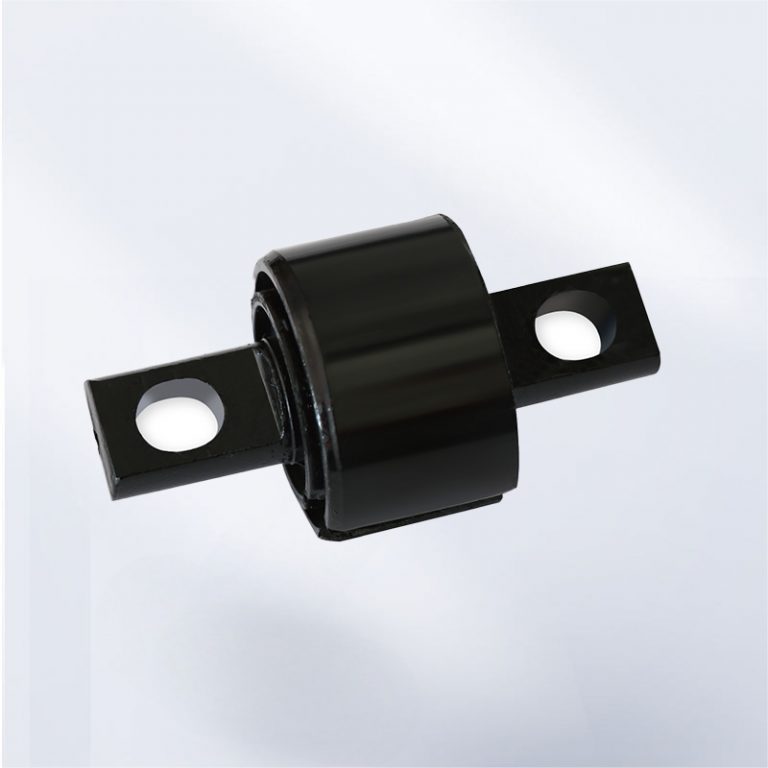
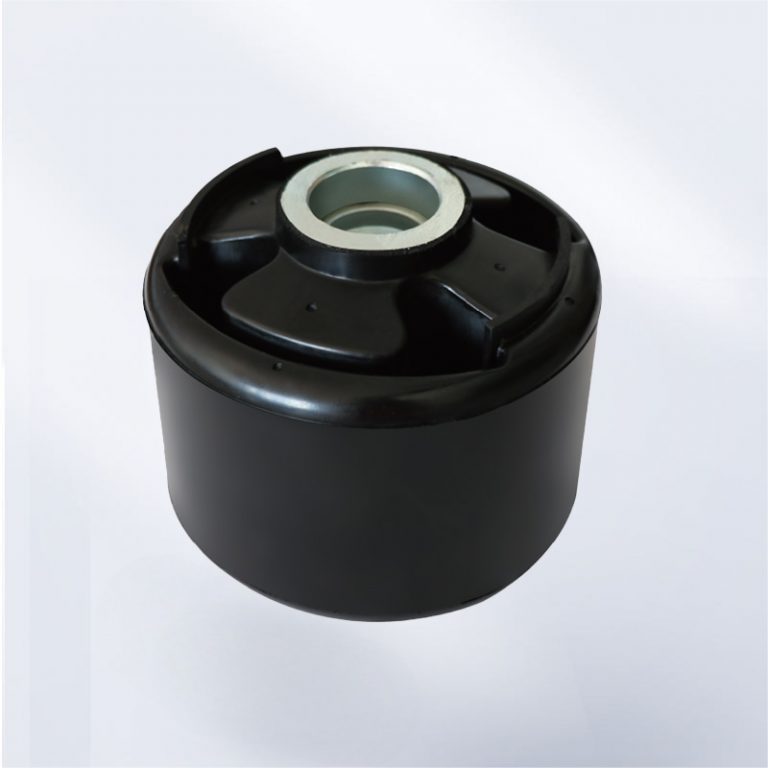
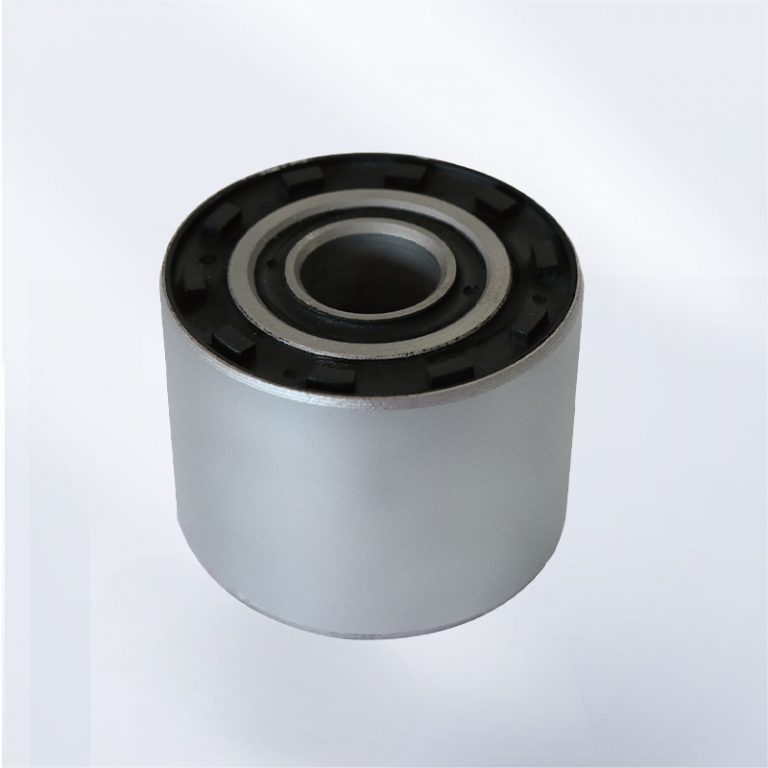
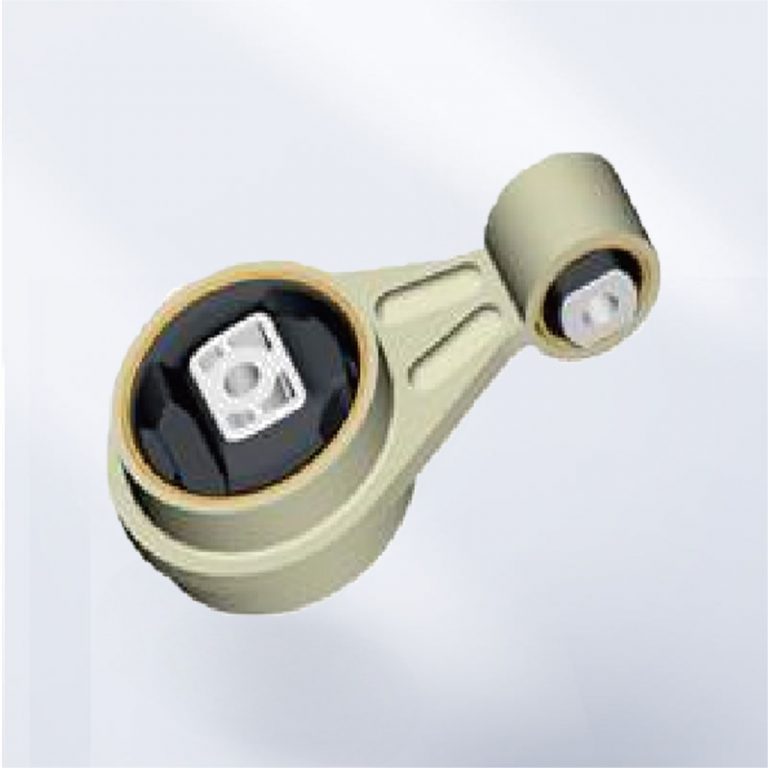
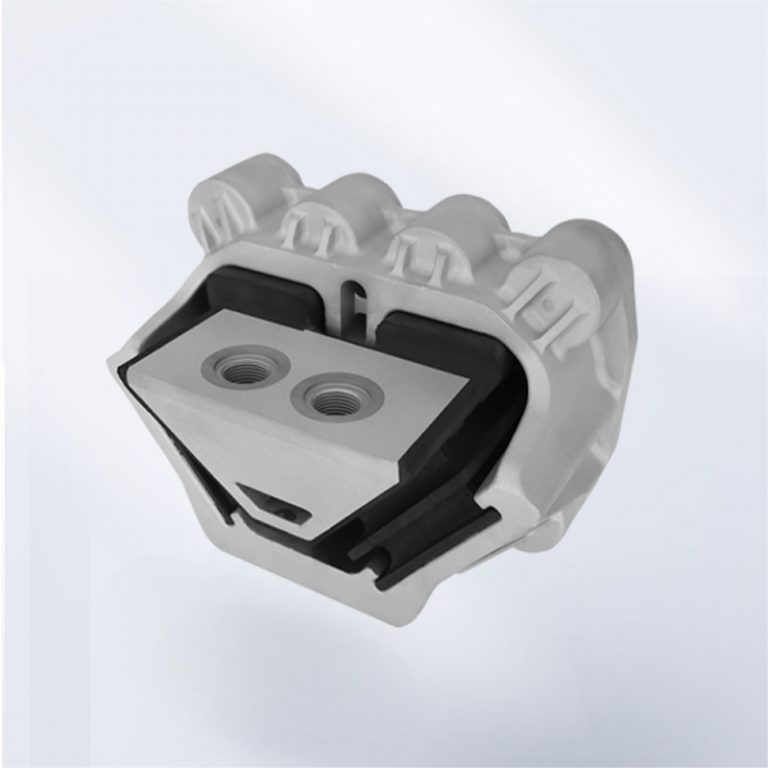
Air springs function not separately. Instead, they connect with suspension parts, engine supports, and chassis inserts. A properly combined arrangement spreads tension more uniformly. As a result, it extends the lifespan of linked elements. Meichen views design from an overall system angle. This ensures that suspension, vibration, and fluid arrangements support one another. When all parts cooperate, the outcome includes greater endurance and a more fluid driving encounter. Such a method holds particular value for demanding uses.
Why Choose Meichen For High-Performance Cab Air Spring Solutions?
Meichen provides proven production, research and development, and worldwide distribution networks that assure uniformity in large volumes. Their items manage substantial weights while upholding strong vibration separation. Configurations allow modification to suit exact cab arrangements or task requirements. For commercial vehicles and construction equipment, these air springs offer dependable ease, extended endurance, and quantifiable effectiveness gains. The キャビンエアスプリング製品 illustrate this emphasis. They supply a resolution that tackles both driver ease and element persistence.
結論
High-performance air springs rely on a blend of framework, materials, weight flexibility, and arrangement combination. Selecting a fitting provider extends past a lone part. It shapes security, productivity, and ease throughout the full fleet. Meichen positions itself as a reliable ally in supplying robust, capable, and flexible air spring resolutions. Their outlook points to smart suspension arrangements that sustain peak vehicle function for years ahead.
FAQについて
Q1: What makes an air spring high-performance?
A: Durability, flexible weight management, and solid vibration separation combine to keep the vehicle balanced and the cab comfortable.
Q2: How does structural design affect air spring behavior?
A: Form and build—diaphragm versus bellows, cab versus chassis—shape how the spring alters under weight, affecting tension spread and duration.
Q3: Why is material choice so important?
A: Rubber, metal, and engineering plastics fulfill roles in bendability, power, and mass decrease. A proper blend enhances warmth tolerance, fatigue endurance, and operational span.
Q4: Can air springs adjust to different loads automatically?
A: Adaptive air springs uphold ride level and balance by changing air pressure based on carried weight. This boosts control and lessens tire degradation.
Q5: Do air springs work best alone or as part of a system?
A: They function at peak within a unified suspension arrangement. There, they link with engine supports, inserts, and chassis parts to improve endurance and ease.