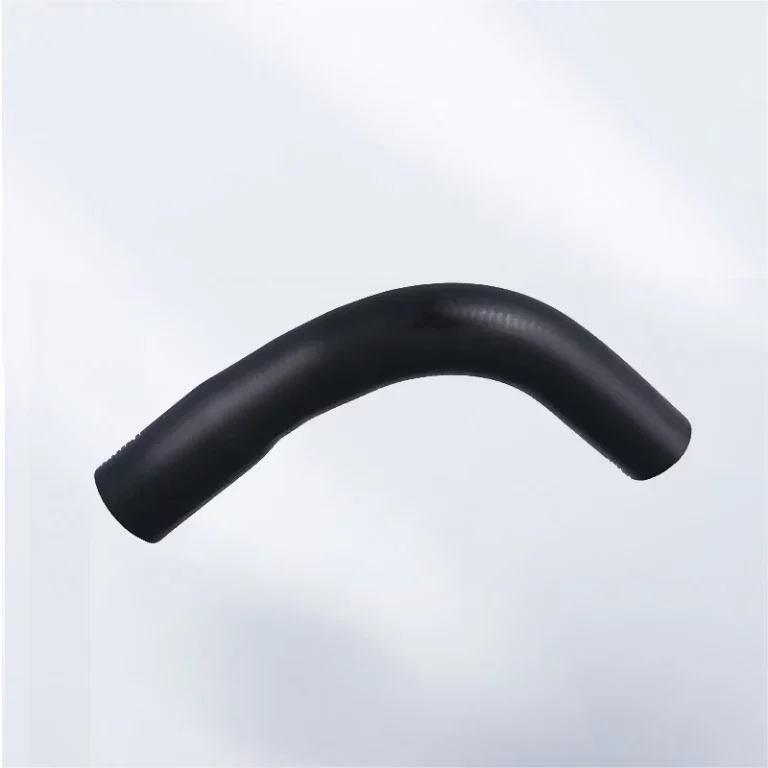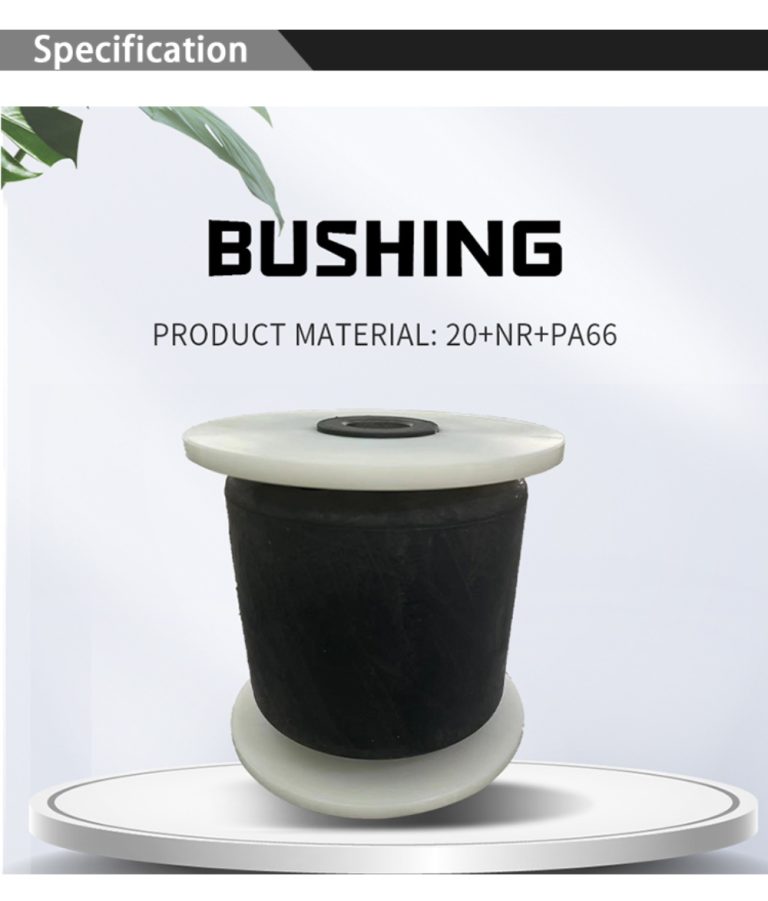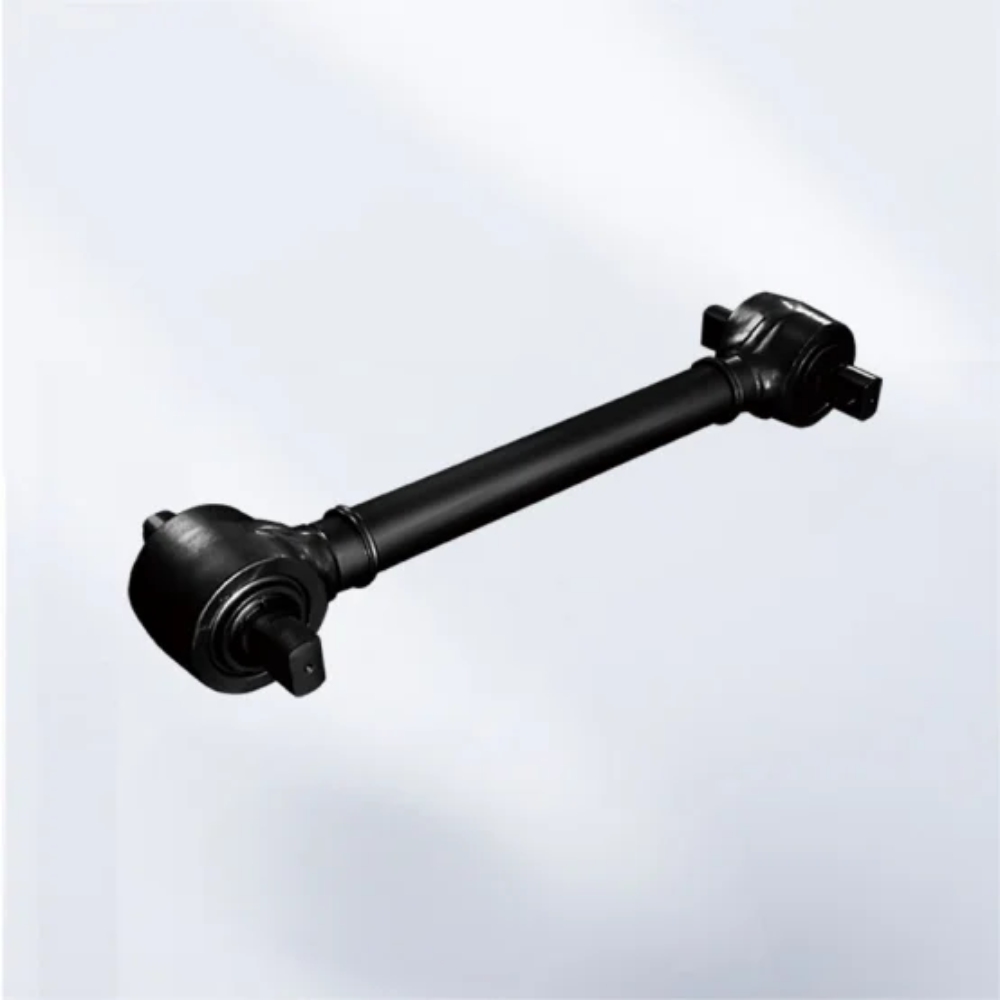
Al instalar un conjunto de barra de empuje, el par de apriete no es solo un número en una llave. Determina cómo se mantiene la articulación, cómo funciona el buje y cómo el chasis soporta la fuerza cuando el vehículo frena, acelera, gira o circula con una carga pesada. Muchos problemas de suspensión no se originan por una pieza defectuosa, sino por una pieza en buen estado instalada de forma incorrecta.
Por eso, el control del par motor merece mayor atención, especialmente en vehículos comerciales, autobuses, maquinaria de construcción, camiones bomba, camiones hormigonera y camiones mineros. Estos vehículos no trabajan en condiciones fáciles. Transportan cargas pesadas. Se enfrentan a impactos en la carretera. Reciben fuerzas laterales, de frenado y vibraciones a diario.
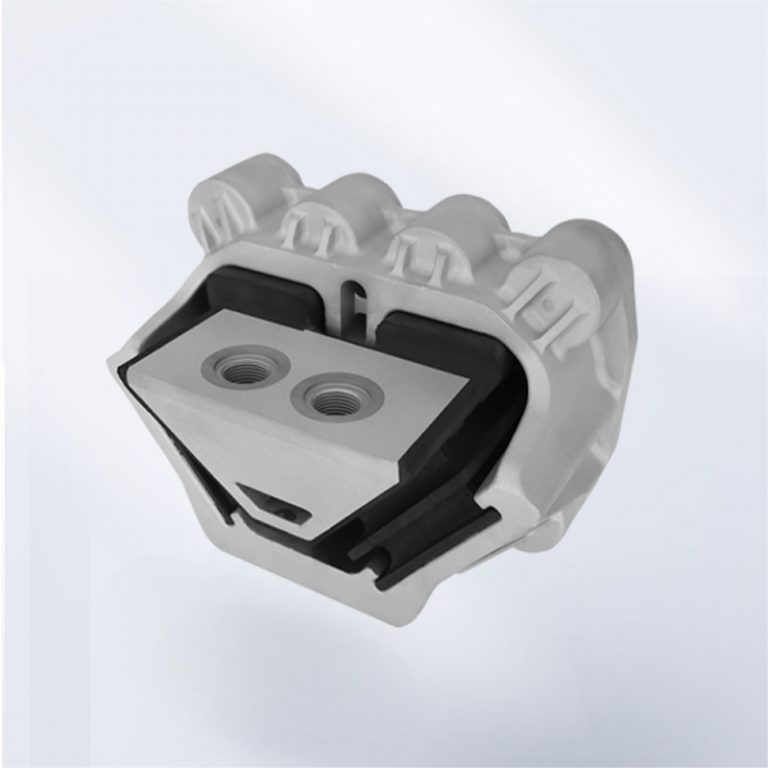
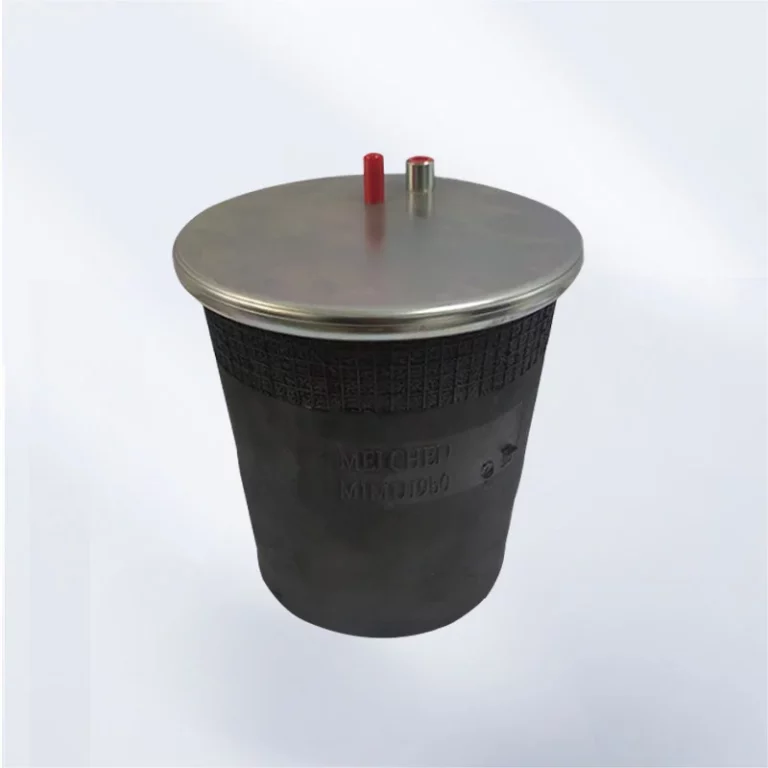
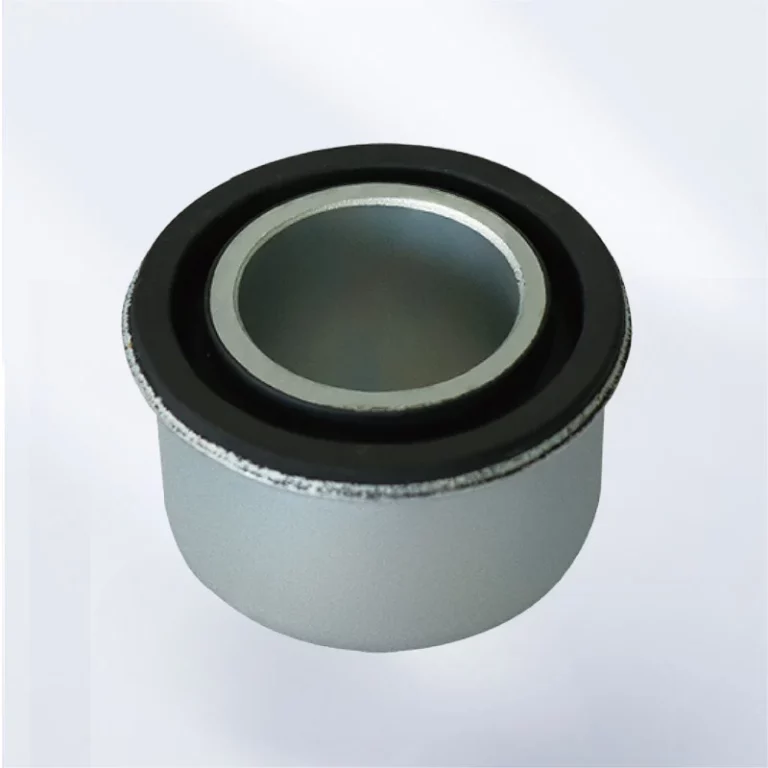
Para compradores que buscan piezas de suspensión para automóviles, Meichen es un nombre práctico que conviene conocer. La empresa se fundó en 2004 y tiene su sede en Zhucheng, Shandong. Se especializa en sistemas de suspensión automotriz, sistemas de reducción de vibraciones y sistemas de suministro de fluidos. Su gama de productos incluye bujes, soportes de motor, productos de resortes neumáticos, barras de empuje, piezas de suspensión para automóviles y productos para sistemas de líneas de fluidos. Lo que la hace útil para los compradores internacionales no es solo su catálogo. La empresa cuenta con capacidad de prueba aprobada por CNAS, apoyo de I+D, experiencia en formulación de caucho y procesos de producción para piezas de caucho, plástico, metal y ensamblaje. Si va a comprar piezas para uso intensivo, esta experiencia es fundamental. Una pieza de suspensión no es una simple barra de metal. Debe adaptarse a la carga, el movimiento, el rendimiento del caucho, la configuración del vehículo y el método de instalación.
¿Por qué un par de apriete incorrecto puede causar problemas en la suspensión?
Puede que veas un tornillo flojo y pienses que la solución es sencilla: apretarlo más. En trabajos de suspensión, esto puede empeorar las cosas. Un par de apriete insuficiente permite el movimiento. Un par de apriete excesivo puede aplastar la goma, dañar las piezas metálicas o alterar el funcionamiento previsto de la articulación.
Los cierres sueltos generan un movimiento que no se puede ignorar.
Una junta de suspensión requiere una fuerza de sujeción adecuada. Si el sujetador no está lo suficientemente apretado, se produce un pequeño movimiento entre las piezas conectadas. Al principio, el conductor solo oirá un ligero golpeteo. Posteriormente, el orificio puede desgastarse, el soporte puede deformarse o el buje puede funcionar fuera de su ángulo normal.
En un camión o autobús, ese pequeño movimiento puede aumentar rápidamente. Cada frenada ejerce una fuerza sobre el chasis. Cada irregularidad del terreno añade impactos. Si la junta ya está floja, la pieza no transmite la fuerza correctamente. El sujetador absorbe el impacto. El soporte sufre marcas de golpes repetidas. El conductor siente que el vehículo pierde estabilidad.
Un apriete excesivo puede dañar la goma y los casquillos.
Algunos instaladores creen que un mayor par de apriete garantiza un montaje más seguro. No siempre es así. Muchas piezas de la suspensión automotriz utilizan caucho o caucho vulcanizado. El caucho requiere una compresión controlada. Si se aprieta demasiado la junta, se puede sobrecargar el buje incluso antes de que el vehículo comience a moverse.
Esto significa que la goma tiene menos capacidad para absorber vibraciones. Puede torcerse bajo tensión, calentarse más rápido o agrietarse prematuramente. Si la junta debe funcionar con un ángulo determinado, un par excesivo puede bloquearla en una posición incorrecta. En el uso real de flotas, esto suele traducirse en ruido, desgaste prematuro o la necesidad de reemplazarla repetidamente.
El par de apriete correcto garantiza que el diseño funcione según lo previsto.
El objetivo no es el par máximo, sino el par adecuado. Un par correcto permite que el sujetador sujete la pieza con firmeza, a la vez que el sistema de suspensión funciona según lo previsto. Esto es especialmente importante para un conjunto de barra de empuje, ya que la barra no solo sirve de soporte, sino que también soporta fuerza y guía el movimiento del chasis.
¿Cómo afecta el par motor a las piezas de la suspensión de un automóvil en su funcionamiento diario?
El sistema de suspensión de un vehículo está en constante movimiento. Incluso en una carretera recta, el chasis, el eje, los bujes, las barras y los soportes reciben fuerzas derivadas de las irregularidades del terreno, el peso de la carga, el frenado y las vibraciones del motor. El par motor determina si estas piezas funcionan en conjunto o si, por el contrario, se resisten entre sí.
La fuerza de frenado necesita una trayectoria de carga estable.
Cuando un vehículo cargado frena, el eje no se detiene simplemente, sino que ejerce una fuerza de reacción a través del sistema de suspensión. La barra de empuje ayuda a gestionar esta fuerza. Si los sujetadores están flojos, la trayectoria de la fuerza se vuelve inestable. Si están demasiado apretados en condiciones inadecuadas, el buje puede torcerse antes de que comience a funcionar.
Por eso es fundamental un proceso de instalación impecable. El instalador debe comprobar las superficies de contacto, utilizar el tipo de fijación adecuado, respetar el par de apriete recomendado y realizar el apriete en las condiciones correctas del vehículo. En el caso de las piezas de suspensión con soportes de goma, la posición de apriete puede ser tan importante como la fuerza de apriete.
Los problemas de vibración suelen comenzar en las juntas pequeñas.
Los conductores suelen quejarse de las vibraciones cuando el problema se vuelve perceptible. Sin embargo, la causa puede aparecer antes. Un tornillo instalado con un par de apriete insuficiente puede provocar un ligero desplazamiento de una pieza. Este desplazamiento altera la forma en que las vibraciones se transmiten a través del chasis.
En un vehículo con componentes de amortiguación de goma, los soportes del motor, los revestimientos, los bujes y las varillas desempeñan un papel fundamental en el control de las vibraciones. La base de conocimientos de la empresa indica que su laboratorio realiza pruebas de rendimiento para sistemas de amortiguación de goma para automóviles, sistemas de tuberías de fluidos, sistemas de suspensión y productos plásticos. Este tipo de pruebas resulta útil porque estos sistemas no fallan de forma aislada. Una junta débil puede afectar a varias piezas cercanas.
La larga vida útil se debe tanto al producto como a la instalación.
Un componente robusto puede fallar prematuramente si se instala incorrectamente. Por ello, los equipos de compras no solo deben solicitar datos de materiales y planos, sino también instrucciones de montaje, especificaciones de par de apriete, control de tolerancias y asistencia para las pruebas. Un conjunto de varilla de empuje utilizado en chasis de servicio pesado requiere tanto resistencia de la pieza como un control de instalación preciso.
¿Por qué la instalación del conjunto de la barra de empuje es más delicada de lo que parece?
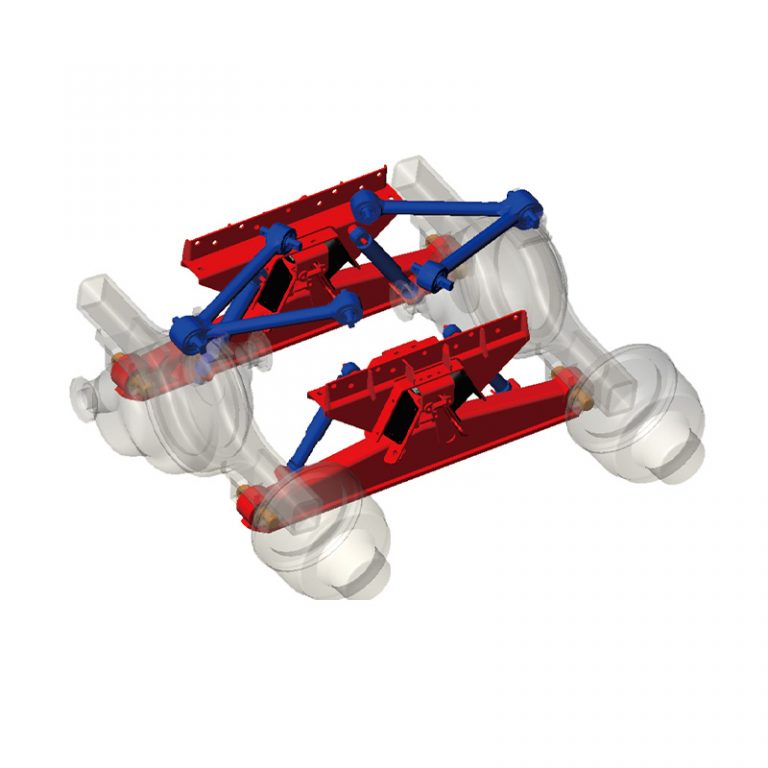
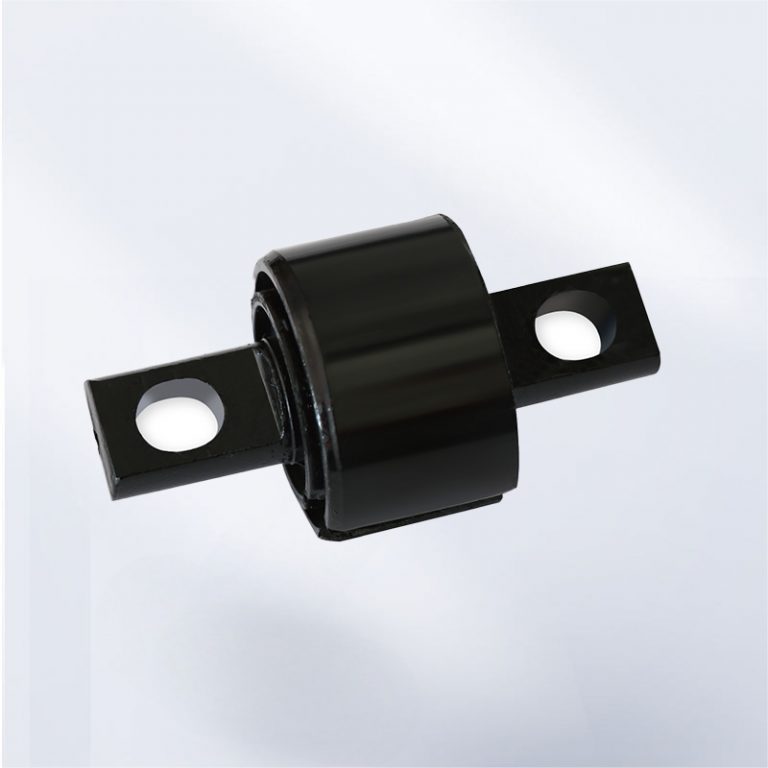
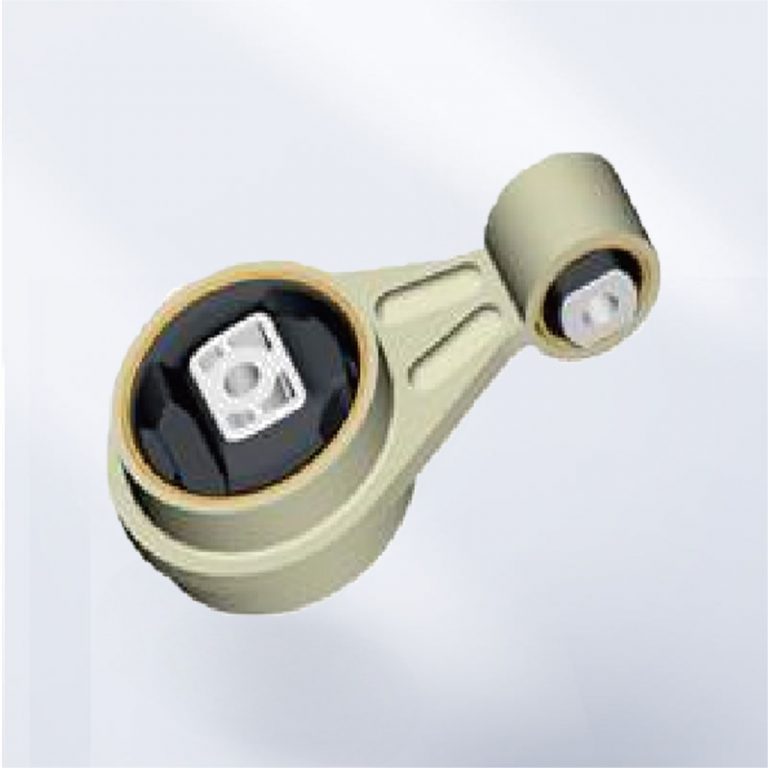
Una barra de empuje puede parecer sencilla a simple vista: un cuerpo, piezas de conexión, zonas de goma o bujes y puntos de montaje. Pero su función no es simple. Conecta el bastidor con el eje y ayuda a la suspensión a soportar fuerzas que las ballestas por sí solas no pueden absorber adecuadamente.
Transporta más que carga vertical
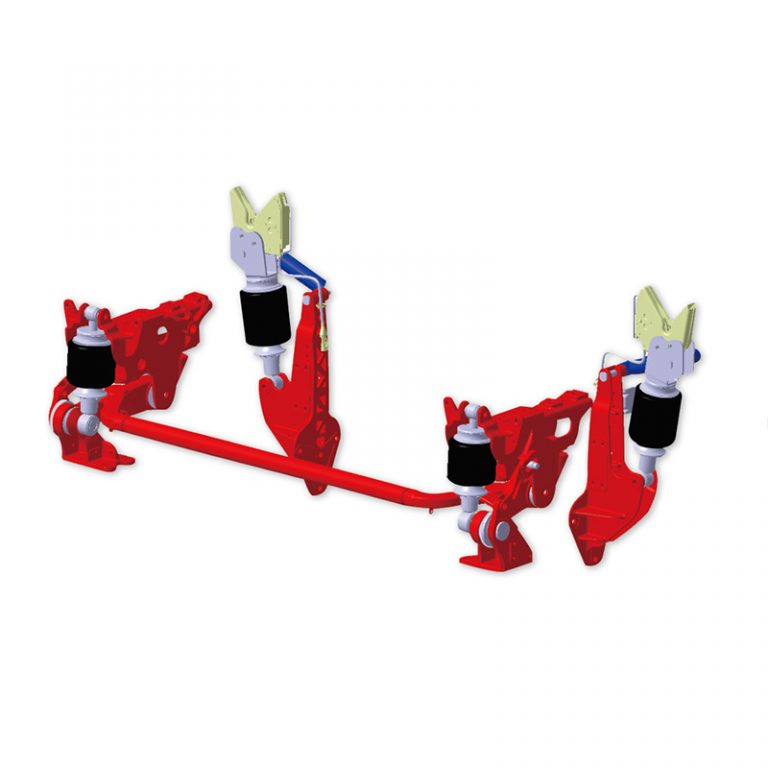
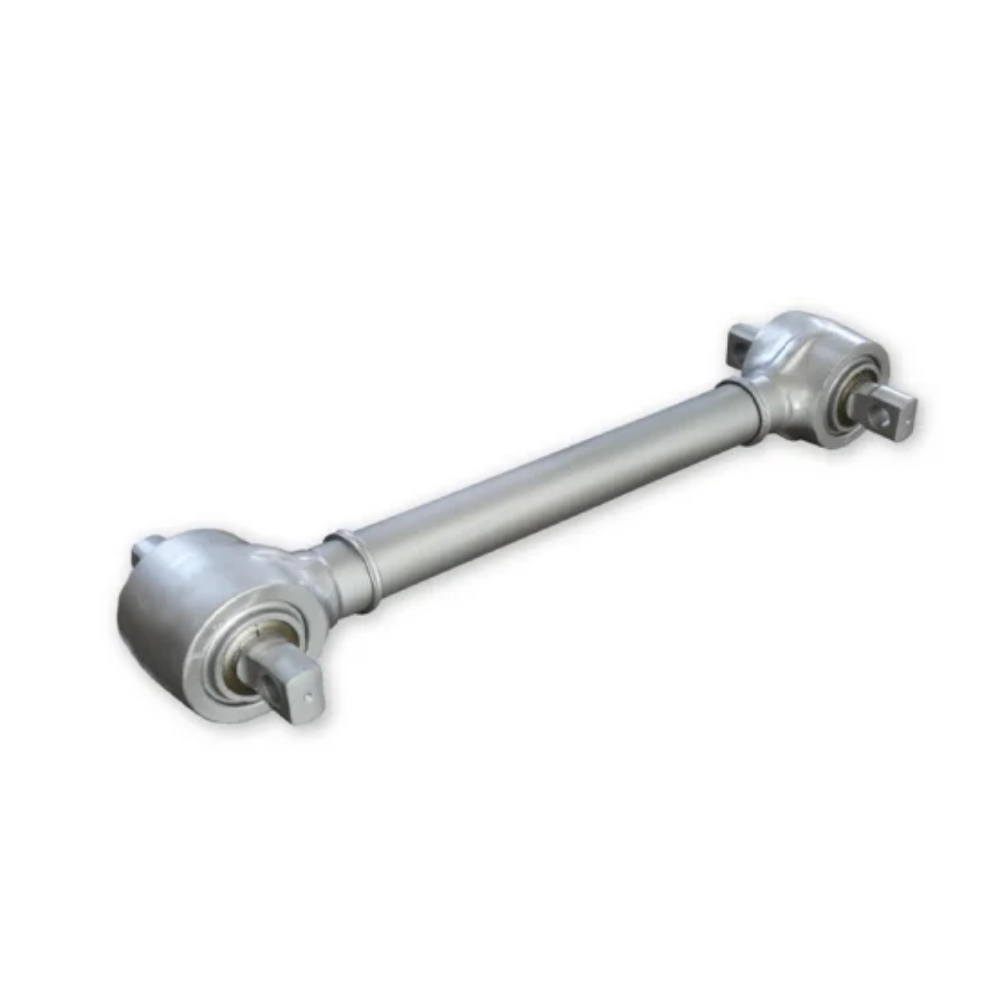
Las ballestas pueden transmitir fuerza vertical y lateral, pero tienen limitaciones en cuanto a la fuerza de tracción, la fuerza de frenado y el par de reacción. Ahí es donde la barra de empuje cobra importancia. Varilla de empuje tipo I Está diseñado para este tipo de función de chasis, especialmente en vehículos pesados y maquinaria de construcción.
Si el par de apriete en los puntos de montaje es incorrecto, la varilla no podrá funcionar correctamente. Una instalación floja puede provocar impactos. Un par de apriete excesivo puede dañar la pieza de goma. Una mala alineación puede generar tensiones laterales. Ninguno de estos problemas beneficia al comprador que busca intervalos de mantenimiento más prolongados.
Los vehículos pesados hacen que los pequeños errores resulten costosos.
En los turismos, un pequeño ruido en la suspensión resulta molesto. En un camión pesado, puede provocar paradas de producción. Un camión hormigonera, un camión bomba, un camión grúa o un camión minero suelen trabajar en terrenos difíciles. Transportan cargas pesadas y sufren impactos repetidos. Una pieza que se afloja prematuramente puede retrasar el trabajo y costar más que la propia pieza.
Por este motivo, muchos compradores se preocupan por conocer todos los detalles del producto. La elección del material, la calidad de la soldadura, el diseño del buje, la fórmula del caucho, las pruebas de fatiga y el soporte OEM o ODM son factores importantes. El par de apriete es el último paso antes de que la pieza entre en servicio, pero puede determinar si se conserva todo ese valor de ingeniería.
¿Qué deben comprobar los compradores antes de elegir una barra de empuje tipo I?
La selección de un producto no debe basarse únicamente en el precio. Si va a comprar para vehículos comerciales o maquinaria de construcción, debe preguntarse a qué condiciones de uso real se enfrentará la pieza.
Haga coincidir la varilla con el estado del vehículo.
El Barra de empuje tipo I para uso en chasis de servicio pesado Es adecuado para aplicaciones donde la conexión entre el bastidor y el eje debe soportar fuerza de frenado, fuerza de tracción y par de reacción. Según la información del producto, las opciones de materiales incluyen acero aleado, acero al carbono, aleación de aluminio, caucho, plásticos y otros materiales similares.
Esto permite a los compradores elegir la pieza adecuada para las condiciones de trabajo. Un camión minero puede requerir mayor resistencia a la sobrecarga. Un autobús puede priorizar la comodidad de marcha y el control del ruido. Un camión hormigonera puede necesitar una pieza que soporte torsiones frecuentes y un uso intensivo en la obra. El plano y los detalles de la aplicación deben guiar la elección.
Pregunte sobre las pruebas, no solo sobre el tamaño.
El tamaño importa, pero no es suficiente. También debe preguntar cómo verifica el proveedor la durabilidad. La base de conocimientos menciona equipos de prueba de fatiga, sistemas de prueba dinámicos, pruebas de materiales, pruebas químicas y pruebas de sistemas. Asimismo, indica que el laboratorio abarca pruebas de materia prima, muestras, producto de lanzamiento, producto semielaborado y producto terminado.
Para los compradores, esto reduce las conjeturas. No solo están comprando una pieza de metal y caucho, sino una pieza que debería soportar ciclos de carga reales. Al comparar dos proveedores, aquel con un mejor soporte de pruebas suele ayudar a evitar riesgos ocultos.
Piensa en el apoyo al montaje desde el principio.
Si su equipo adquiere piezas para proyectos de exportación, las reclamaciones posventa son difíciles de gestionar a distancia. Por lo tanto, es mejor prevenir los problemas básicos cuanto antes. Solicite las notas de compatibilidad. Pregunte si se ofrece soporte OEM/ODM. Pregunte cómo se verifican los planos, las muestras, las tolerancias y los puntos de instalación.
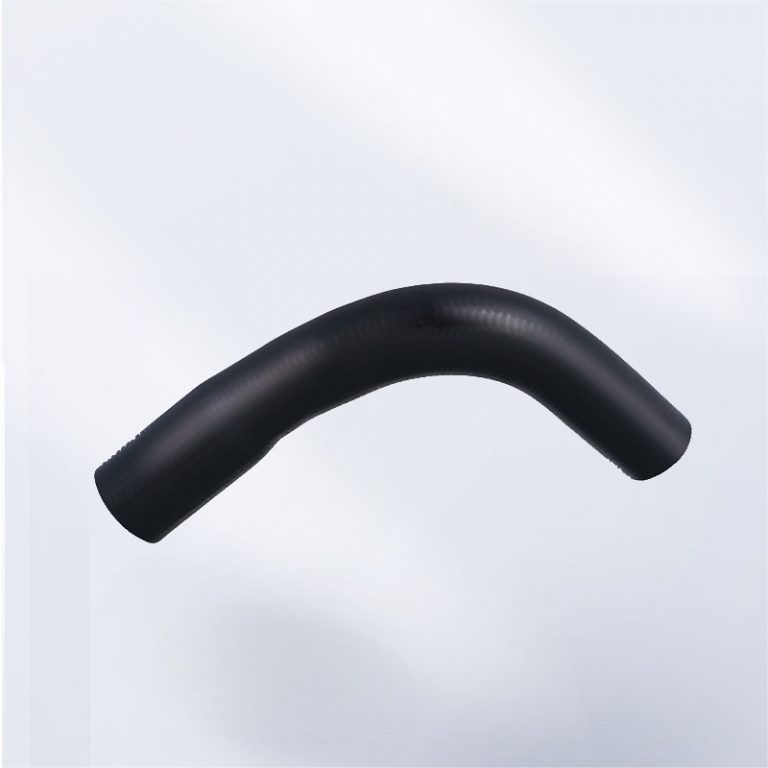
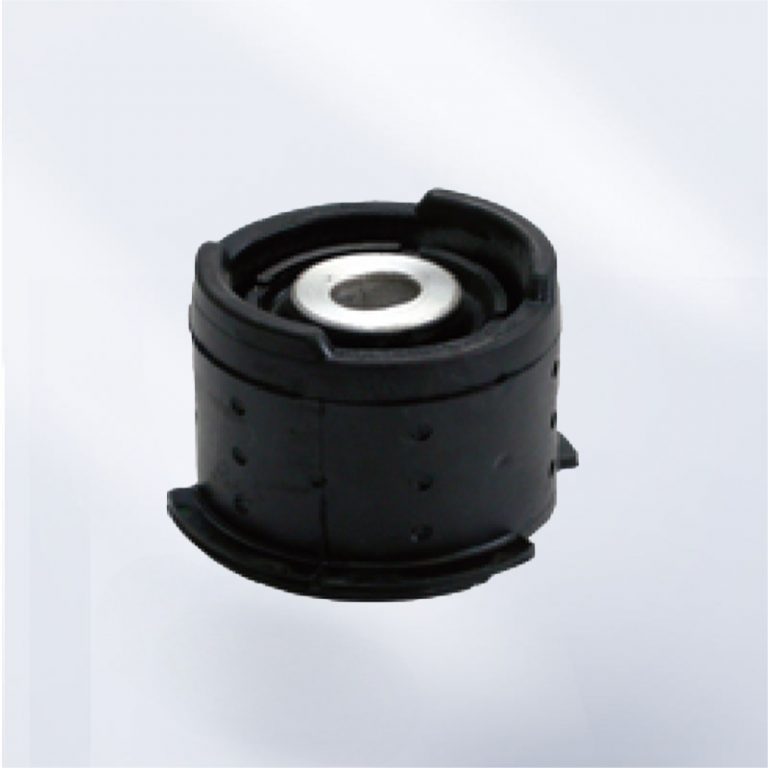
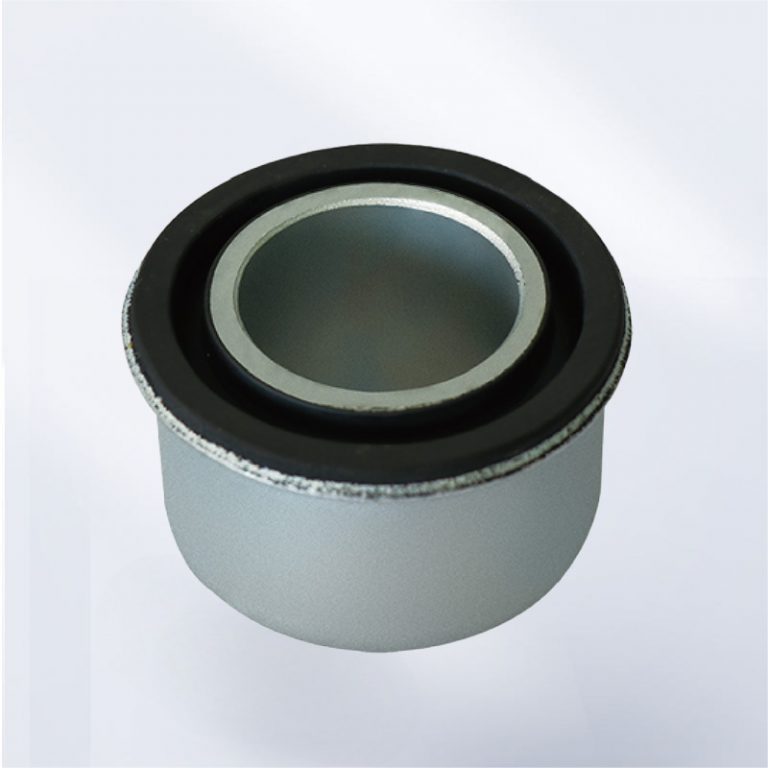
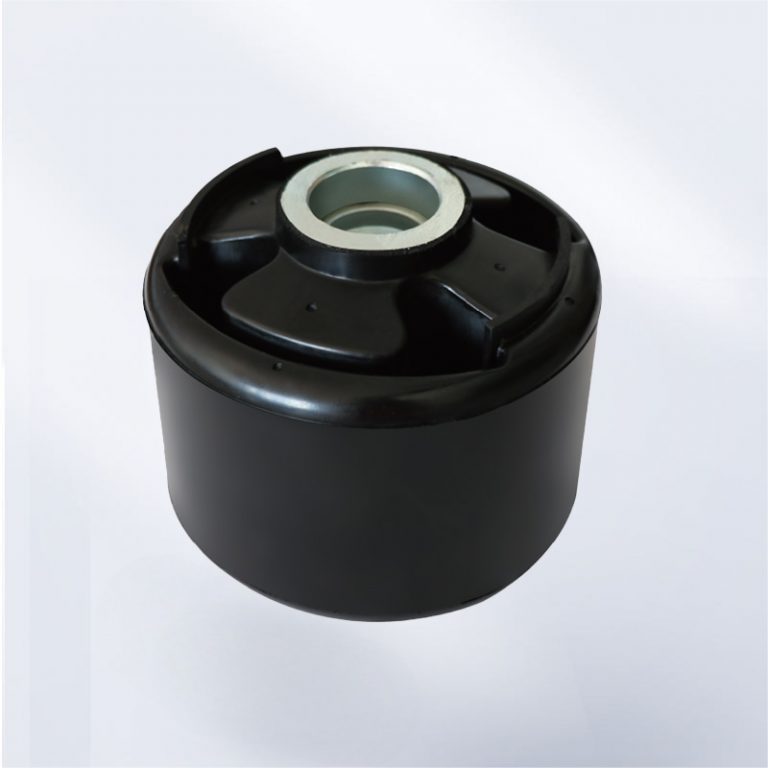
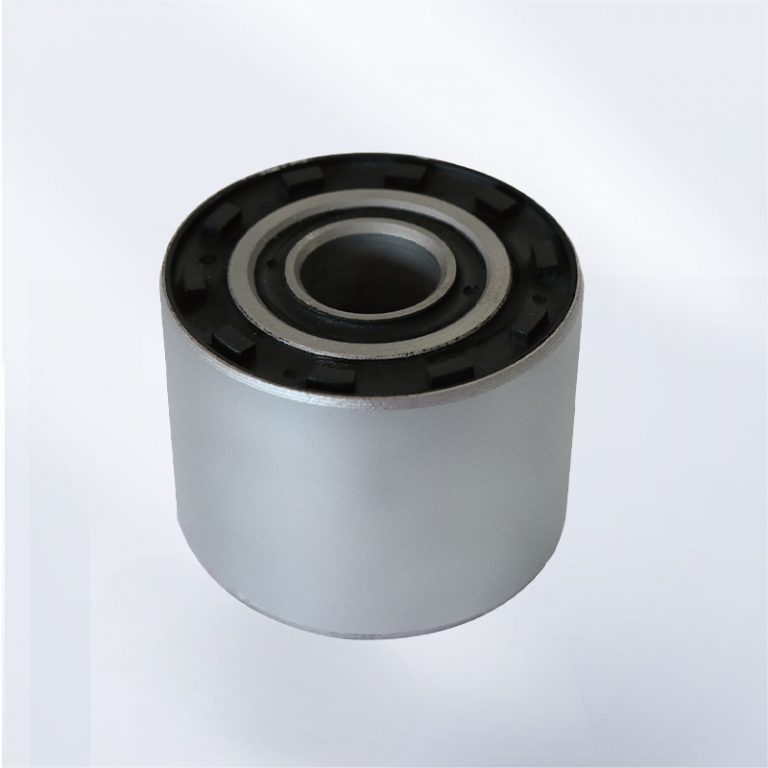
El completo Gama de piezas de suspensión automotriz Esto también es importante porque los sistemas de chasis están conectados. Un comprador que necesita barras de empuje también podría necesitar bujes, soportes de motor, componentes de suspensión neumática u otras piezas de goma para la suspensión. Un proveedor con una gama más amplia facilita la selección de productos para cada proyecto.
Cómo controlar el par de apriete durante la instalación de los sujetadores
El control del par motor no tiene por qué ser complicado, pero sí requiere disciplina. La mayoría de los problemas surgen al omitir pasos sencillos.
Limpie la junta antes de apretarla.
La suciedad, el óxido, la acumulación de pintura y los daños en las superficies de contacto pueden alterar la fuerza de apriete real. Una llave dinamométrica mide la resistencia a la rotación, pero no refleja directamente lo que ocurre dentro de la junta. Si las superficies están sucias, la lectura puede parecer correcta, aunque el estado real de la junta sea deficiente.
Antes de apretar, compruebe la posición del soporte de montaje, el extremo de la varilla, la rosca del sujetador, la arandela y el buje. Reemplace los sujetadores dañados. No reutilice piezas con roscas dañadas o corrosión evidentes. Una unión limpia permite un control de torque adecuado.
Utilice la herramienta y la secuencia de apriete correctas.
Una llave dinamométrica calibrada es fundamental. Las herramientas neumáticas pueden ser rápidas, pero pueden apretar demasiado fácilmente si se usan sin control. Para trabajos de suspensión, el apriete final debe realizarse con una herramienta controlada y el valor de torque correcto.
Si se utilizan varios elementos de fijación, apriételos en una secuencia equilibrada. No apriete completamente un lado mientras el otro aún esté flojo. Esto ayuda a prevenir tensiones desiguales. En un conjunto de varilla de empuje, el objetivo es lograr una conexión estable sin forzar la pieza de goma a una posición antinatural.
Vuelva a comprobarlo después del servicio cuando sea necesario.
En vehículos pesados, la inspección es fundamental para un buen mantenimiento. Tras un periodo de uso, compruebe si hay ruidos extraños, movimientos indeseados, grietas en los bujes, desgaste en los soportes o aflojamiento de los sujetadores. Si el vehículo se utiliza con sobrecarga, en minería, construcción o en terrenos difíciles, la inspección debe ser más frecuente.
Por qué un proveedor fiable facilita el control del par motor
Elegir un buen proveedor no resuelve todos los problemas de instalación, pero ayuda. Una buena pieza debe ser consistente entre lotes. Las dimensiones deben ser estables. El rendimiento del caucho debe coincidir con el diseño. Las piezas metálicas deben encajar como se espera. Si el producto en sí varía demasiado, ni siquiera una buena práctica de apriete puede salvar el montaje.
Una producción estable respalda una instalación estable.
La base de conocimientos de la empresa menciona la mezcla automatizada de caucho, la extrusión, el moldeo por soplado, la inyección, la soldadura por fricción vibratoria, la soldadura robótica, la gestión de almacenamiento WMS y los sistemas de monitorización en línea. Estos detalles son importantes porque las piezas de suspensión deben ser repetibles. Una varilla o un casquillo que varíe ligeramente de un lote a otro puede generar problemas de ajuste durante el montaje.
Al adquirir un conjunto de varilla de empuje, pregunte cómo el proveedor controla las materias primas, el proceso de producción, el marcado del producto y la inspección final. Esto forma parte del proceso de compra habitual, no requiere precauciones adicionales.
El soporte técnico reduce las idas y venidas.
Para los compradores de exportación, una comunicación clara ahorra tiempo. Si necesita desarrollar muestras, revisar planos o realizar modificaciones OEM/ODM, es mejor comunicarse con anticipación. Un proveedor con soporte de ingeniería puede ayudar a verificar si la estructura solicitada se ajusta a las condiciones reales del vehículo.
Si necesita asistencia para el proyecto, planos personalizados o comunicación técnica, el equipo de contacto puede ayudarle a confirmar los detalles del producto, los pasos de cooperación y el soporte técnico.
Conclusión
El par de apriete adecuado protege el sujetador, el buje, el soporte y toda la conexión de la suspensión. Mantiene la trayectoria de carga estable y ayuda a que la pieza funcione según lo previsto. En vehículos pesados, este no es un detalle menor. Una instalación deficiente puede convertir un buen componente en un problema recurrente de mantenimiento.
Si busca repuestos para la suspensión de su vehículo, preste atención a la pieza en sí y a su instalación. Un buen conjunto de barra de empuje debe ser compatible con la carga del vehículo, las condiciones de la carretera, los requisitos del material y el proceso de montaje con control de torque. Con la elección correcta del producto y una instalación adecuada, obtendrá mayor estabilidad, menos ruido, menos fallas prematuras y un historial de mantenimiento más sencillo.
Preguntas frecuentes
P1: ¿Por qué el par de torsión es tan importante en un conjunto de varilla de empuje?
A1: Controla la fuerza de sujeción en los puntos de montaje, lo que ayuda a que la varilla transmita la fuerza de frenado, la fuerza de tracción y el par de reacción sin holgura ni daños en la goma.
P2: ¿Qué ocurre si los tornillos de la suspensión no están suficientemente apretados?
A2: La junta puede moverse, generar ruido, desgastar el orificio del soporte, dañar el buje y reducir la estabilidad del chasis durante el frenado o la conducción con cargas pesadas.
P3: ¿Puede un apriete excesivo dañar las piezas de la suspensión del automóvil?
A3: Sí. Un par excesivo puede sobrecargar los casquillos de goma, deformar las zonas de contacto, cambiar el ángulo de trabajo y acortar la vida útil.
P4: ¿Dónde se suele utilizar una barra de empuje tipo I?
A4: Se utiliza principalmente en vehículos pesados, autobuses, vehículos comerciales y maquinaria de construcción, donde el bastidor y la conexión del eje deben soportar fuertes cargas de trabajo.
P5: ¿Cómo pueden los compradores reducir los problemas de suspensión relacionados con la instalación?
A5: Los compradores deben elegir la pieza correcta, confirmar el ajuste, usar superficies de montaje limpias, aplicar un par de apriete controlado y trabajar con un proveedor que admita pruebas, planos y necesidades de OEM/ODM.