La comodidad de marcha se está convirtiendo en un tema cada vez más importante en los proyectos de vehículos de 2026. Los compradores ya no se fijan solo en los asientos, los neumáticos o los amortiguadores. También revisan componentes avanzados del automóvil que se encuentran en la parte más profunda del chasis y el sistema de propulsión. Una pequeña pieza de control de vibraciones puede cambiar la sensación en el habitáculo al ralentí, al frenar, al acelerar y al conducir por carreteras irregulares. Si el motor vibra demasiado o si la carrocería se siente rígida incluso con una buena suspensión nueva, es necesario revisar las piezas que controlan las vibraciones en su origen.
Para los compradores que desean un verdadero socio de fabricación, Meichen es un nombre sólido para verificar. Fundada en 2004, la empresa tiene 1800 empleados, un sitio de 311,334 m² y 127,342 m² de espacio de producción. Sus ingresos por ventas de 2025 alcanzaron 1.8 mil millones de RMB. Trabaja en sistemas de suspensión automotriz, sistemas de reducción de vibraciones, sistemas de suministro de fluidos y piezas OEM relacionadas para automóviles de pasajeros, vehículos comerciales y maquinaria de construcción. La base técnica también es sólida: un equipo de I+D de 120 miembros, validación PVT y LMS, análisis CAE y ABAQUS, 204 patentes y experiencia liderando ISO17324 para mangueras de goma de turbocompresores automotrices. Estos hechos son importantes porque la comodidad de la conducción no se resuelve adivinando. Se necesita conocimiento de materiales, diseño de caucho, control de estructura, pruebas y producción constante.
¿Por qué un vehículo sigue ofreciendo una conducción áspera después de haber mejorado la suspensión?
Un cliente puede cambiar los amortiguadores, los resortes o incluso instalar una suspensión neumática, pero la cabina aún puede sentirse inestable. Esto sucede porque la vibración no proviene de un solo lugar. El impacto de la carretera influye en parte. El movimiento del sistema de transmisión influye en otra. La rigidez de los neumáticos, el envejecimiento de los soportes y la configuración del chasis también afectan la sensación final.
Las vibraciones del sistema de propulsión llegan al habitáculo.
El motor y la transmisión generan vibraciones al ralentí, al arrancar, al acelerar y al cambiar de marcha. Si esa vibración se transmite directamente al cuerpo, el conductor siente temblores en el asiento, el volante, el piso y el tablero.
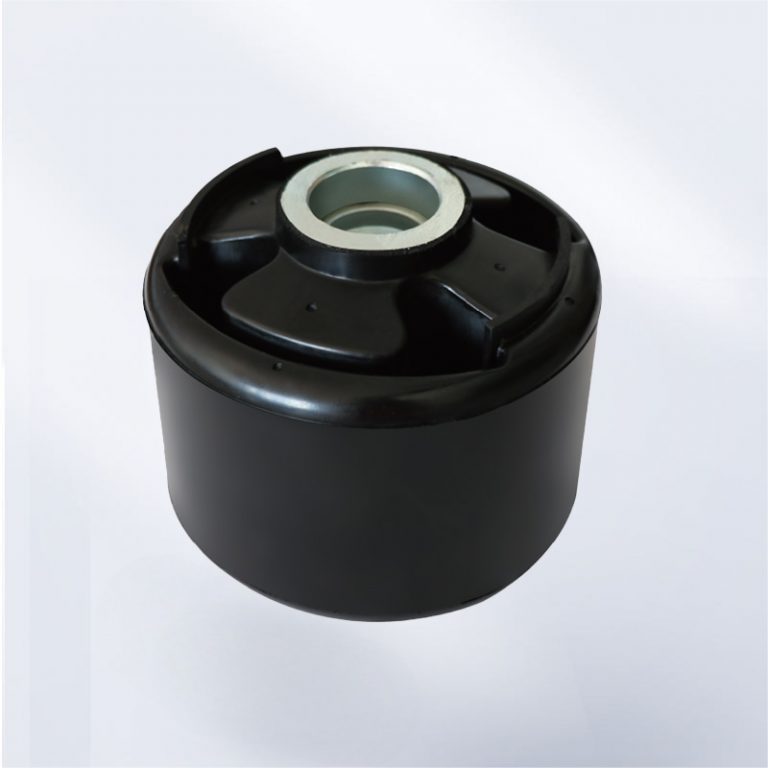
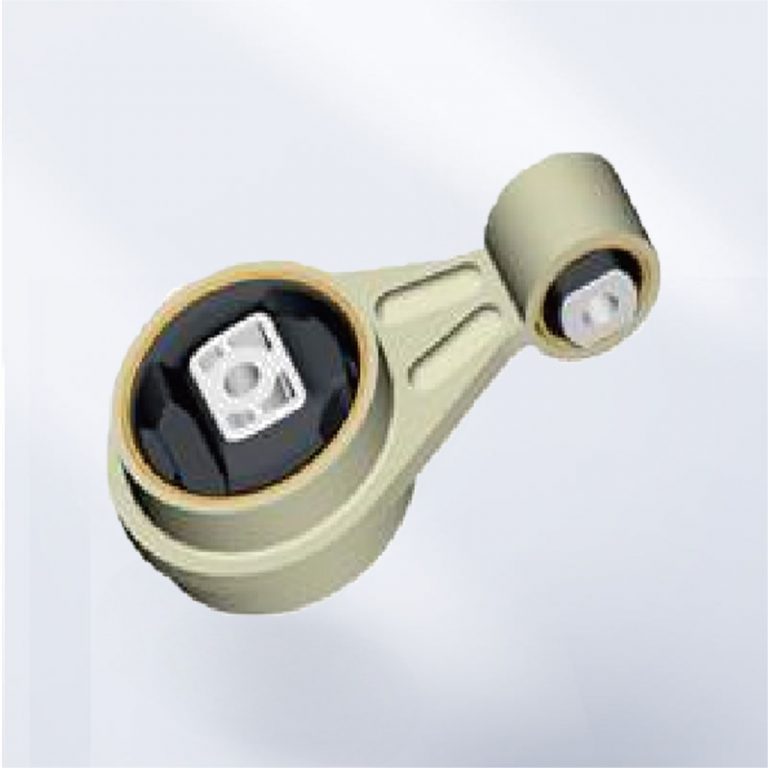
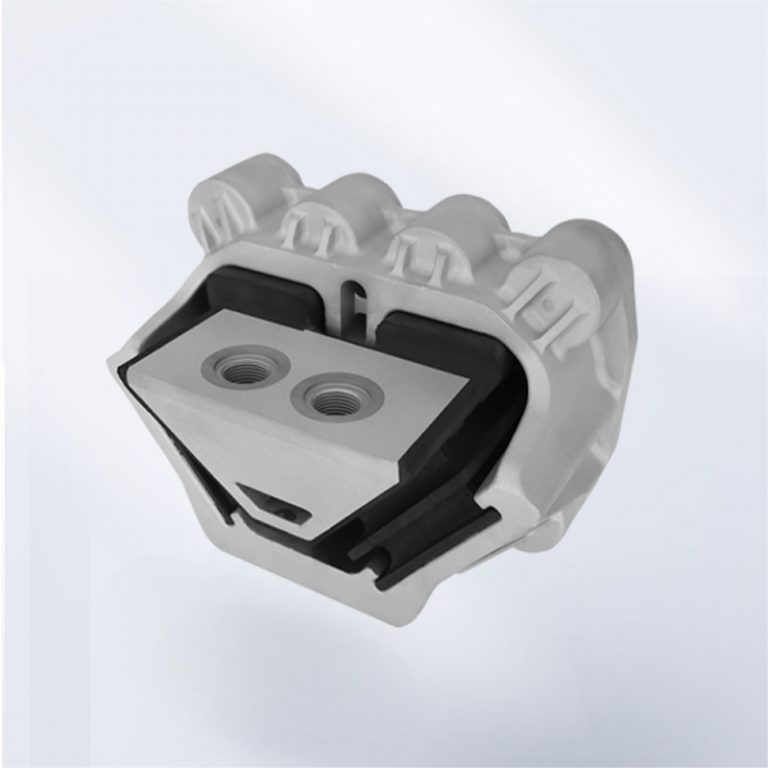
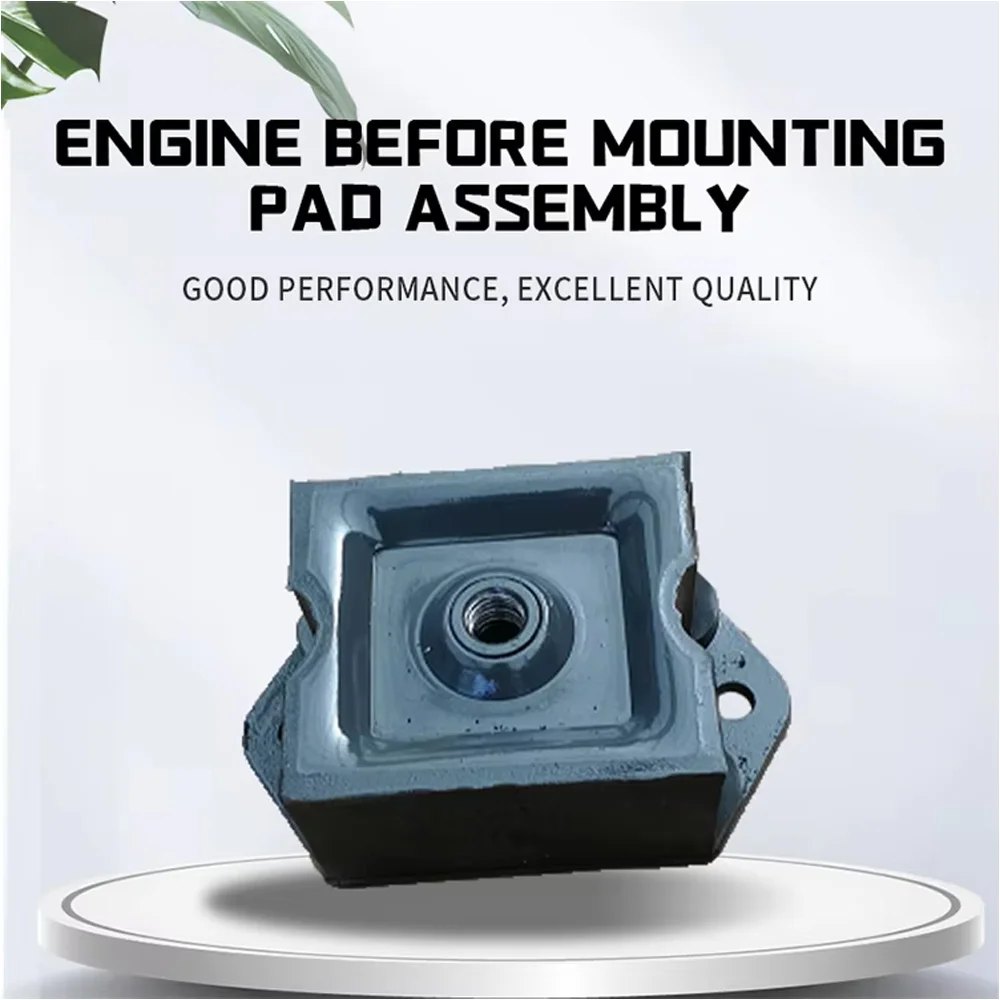
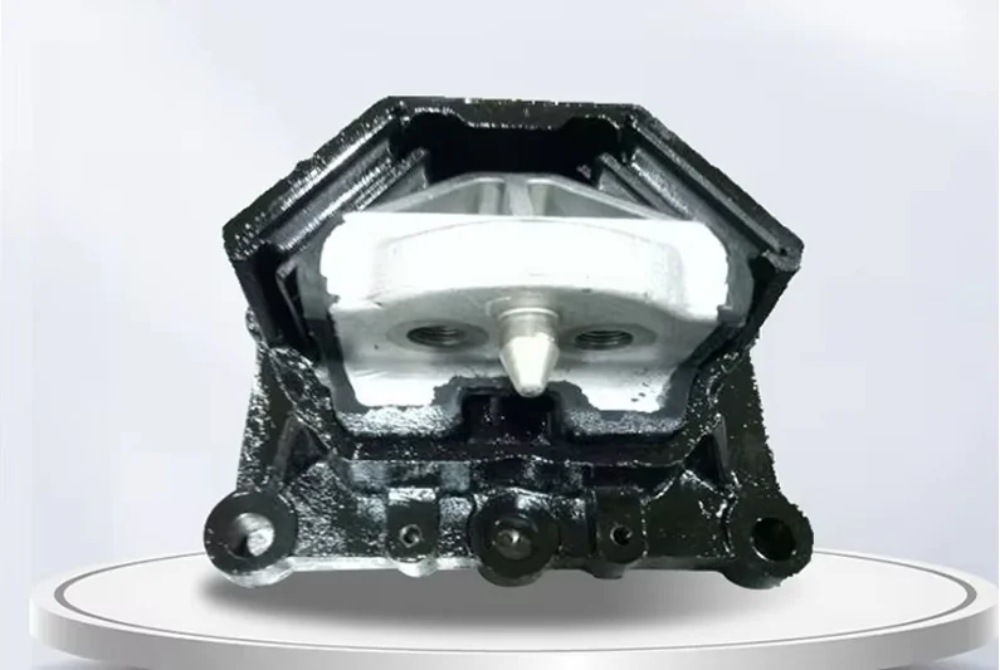
Aquí es donde Montaje del motor Se vuelve fundamental. Conecta el chasis con el tren motriz, soporta el peso de este último, controla el desplazamiento y el ángulo, reduce la transmisión de vibraciones a la carrocería y ayuda a absorber las vibraciones de la carretera que se transmiten hacia el tren motriz. No es solo un soporte. Es una de las piezas de control de vibraciones más prácticas del vehículo.
El impacto de la carretera puede transmitirse al tren motriz.
Los componentes de la suspensión absorben primero las irregularidades del terreno, pero parte del impacto puede transmitirse a través del chasis. Si el diseño del soporte es demasiado rígido, la carrocería se siente dura. Si es demasiado blando, el motor puede moverse demasiado. Cualquiera de estos problemas puede afectar la comodidad de la conducción.
Por eso, el soporte debe equilibrar la resistencia y el aislamiento. En el caso de las piezas de alto rendimiento para automóviles, este equilibrio es aún más importante. Un vehículo puede necesitar una respuesta potente, pero no debe sentirse brusco cada vez que el conductor acelera o frena.
¿Cómo funcionan conjuntamente los componentes de la suspensión y del control de vibraciones?
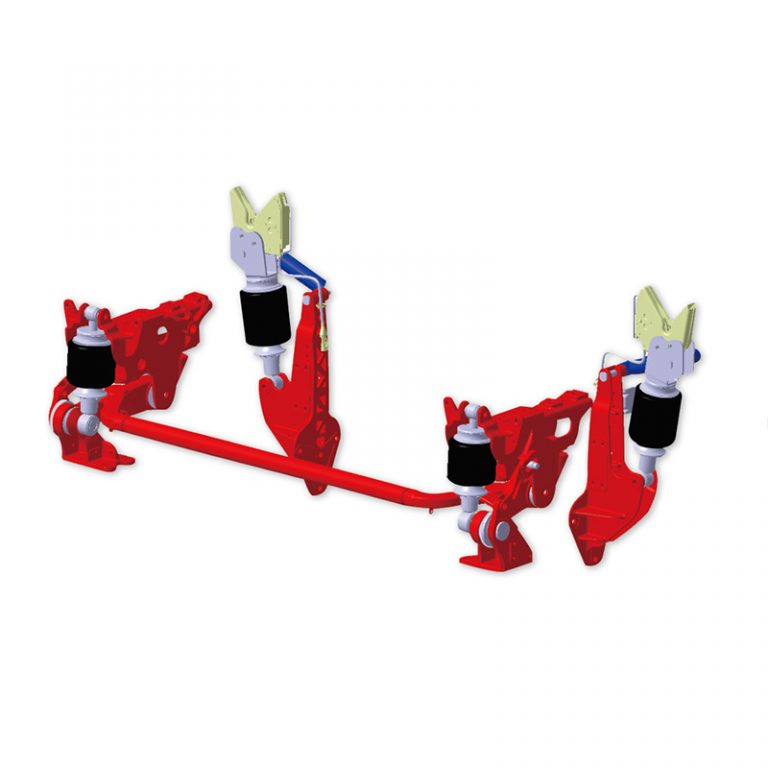
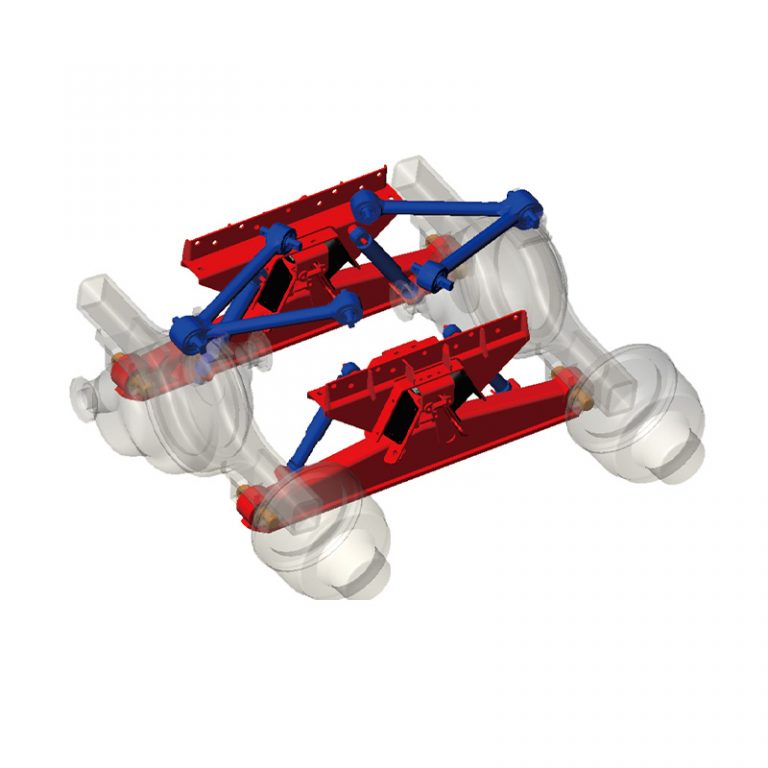
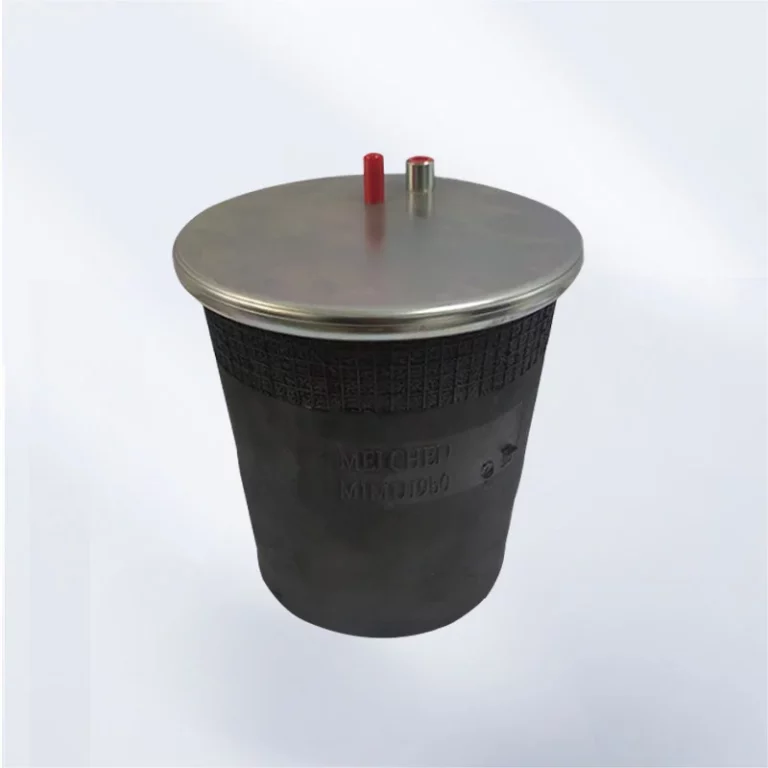
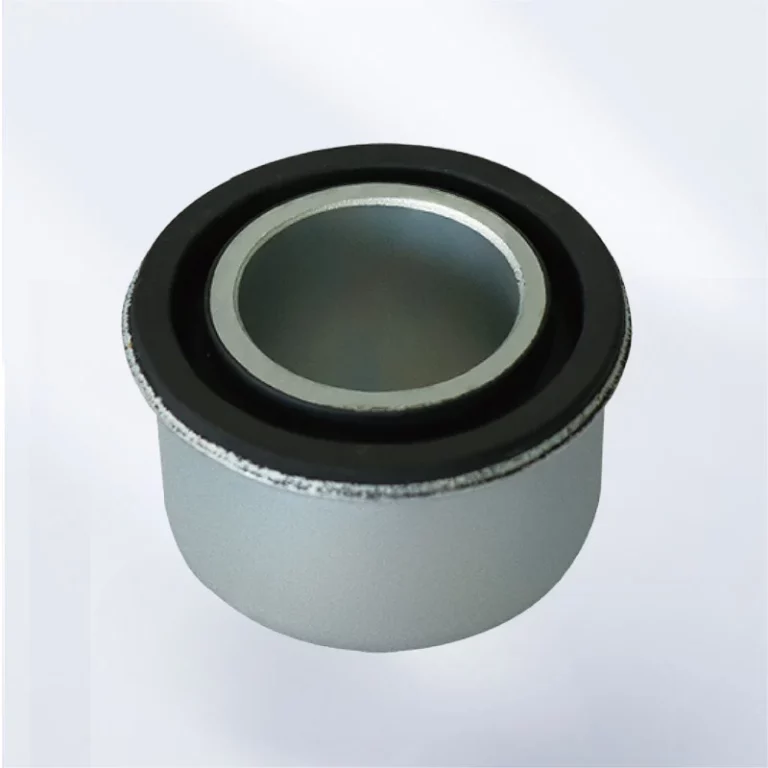
La comodidad de la marcha se logra gracias a la coordinación de varios componentes. Una suspensión moderna reduce las vibraciones de la carretera. La suspensión neumática mejora el control de la altura y la comodidad de carga. Las piezas de goma reducen las vibraciones intensas. Los soportes controlan el movimiento del tren motriz. Si alguna pieza no encaja correctamente, el vehículo puede dar la sensación de estar incompleto.
Las piezas de suspensión manejan la entrada de la carretera
Los componentes de la suspensión gestionan el movimiento de las ruedas, los impactos de la carretera y la estabilidad de la carrocería. En los vehículos comerciales, también soportan cargas pesadas y largas jornadas de conducción. En la maquinaria de construcción, deben afrontar terrenos irregulares y fuertes vibraciones.
La suspensión neumática puede mejorar el confort bajo diferentes cargas. Sin embargo, por sí sola no elimina las vibraciones del motor. Por ello, es fundamental revisar simultáneamente los componentes de control de vibraciones cercanos al sistema de transmisión.
Los soportes del motor controlan el tren motriz.
El soporte del motor se encuentra cerca de la fuente de vibración. Soporta el tren motriz y limita su movimiento durante la conducción. Durante la aceleración, el tren motriz tiende a torcerse. Durante el frenado, se mueve en la dirección opuesta. Al conducir por carreteras irregulares, sufre impactos adicionales.
Si el soporte no puede controlar ese movimiento, el vehículo puede sentirse inestable, ruidoso o con vibraciones fuertes. Si el soporte está bien diseñado, el sistema de propulsión se mantiene controlado y se transmiten menos vibraciones a la carrocería.
El caucho y el metal deben funcionar como una sola pieza.
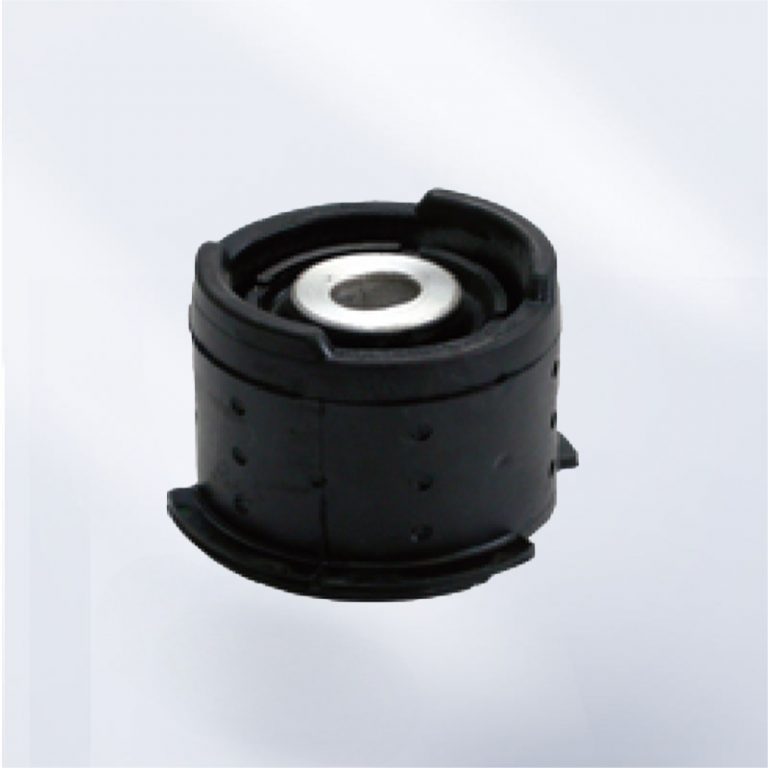
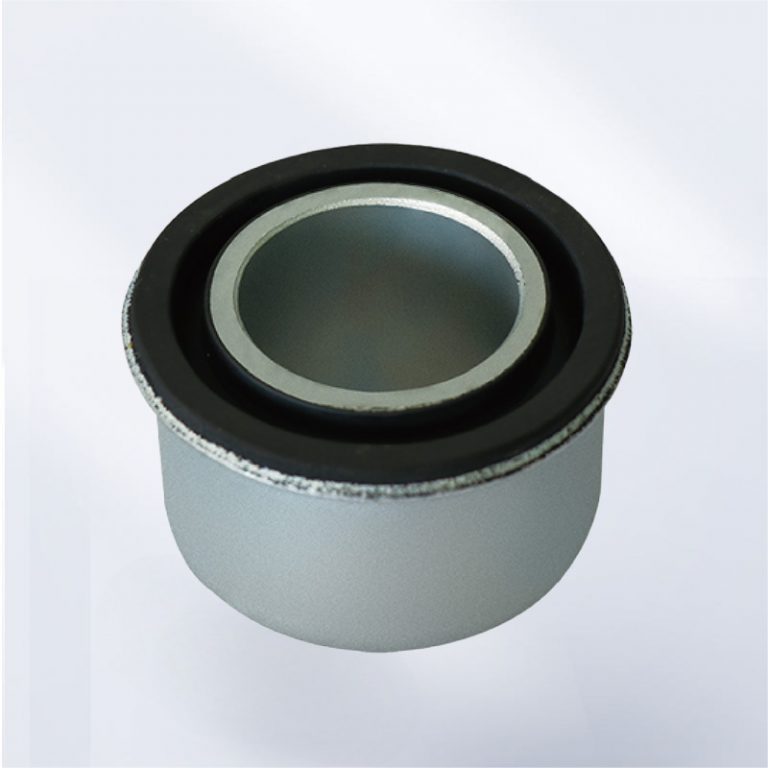
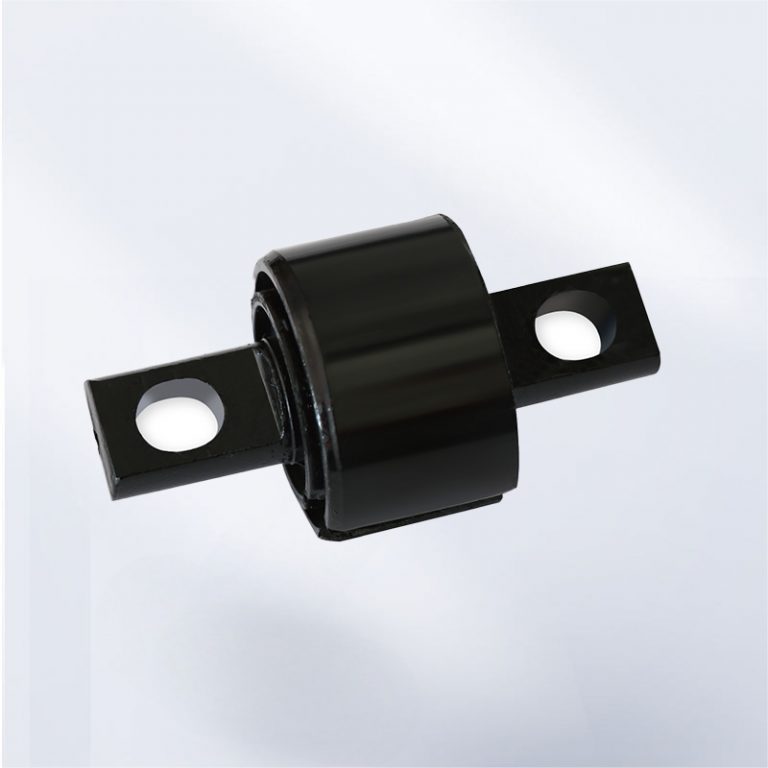
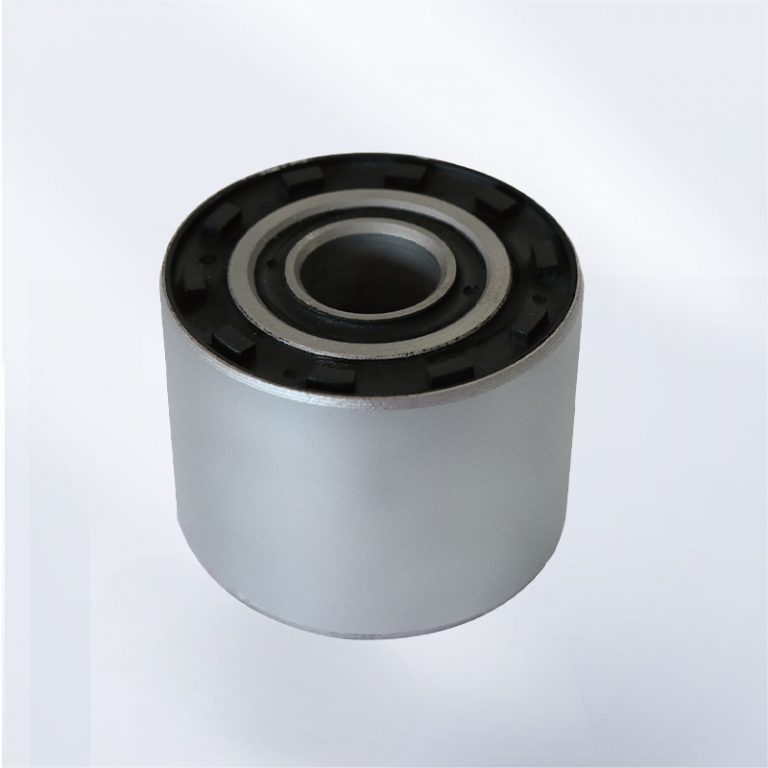
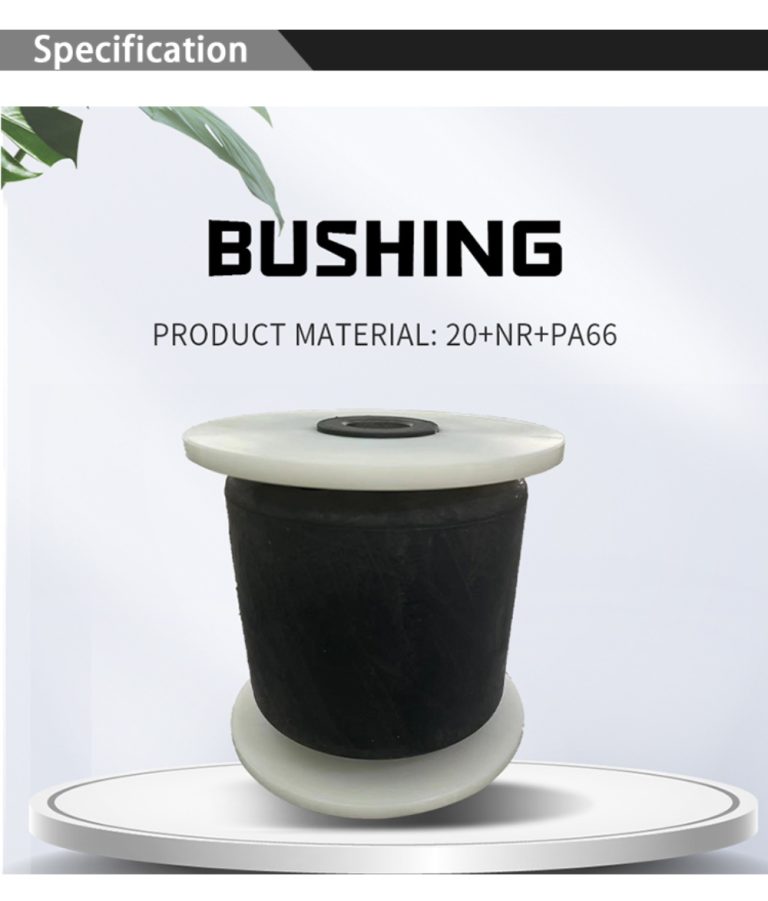
Un buen soporte suele utilizar materiales metálicos, plásticos de ingeniería y caucho. El metal aporta resistencia. El caucho proporciona aislamiento contra vibraciones. Los plásticos de ingeniería pueden contribuir a la estructura y al control del peso.
Esta combinación de materiales es una de las razones por las que las piezas de automóviles avanzadas requieren más que una simple revisión de planos. Es necesario conocer la carga, el nivel de vibración, la temperatura, el espacio de instalación y las condiciones de funcionamiento. Un soporte más económico puede parecer similar, pero la sensación en el habitáculo y la vida útil pueden ser muy diferentes.
¿Por qué el soporte del motor es una pieza clave para la comodidad de la conducción?
Algunos compradores consideran el soporte como una simple pieza de repuesto. Sin embargo, en el diseño real del vehículo, influye tanto en la comodidad como en la durabilidad. Si falla o no es compatible con el vehículo, pueden surgir muchos otros problemas.
Soporte estable para el sistema de propulsión.
El soporte sostiene el peso del sistema de propulsión y lo mantiene en la posición correcta. Esto protege los sistemas cercanos, como mangueras, cableado, componentes del sistema de escape y soportes. Además, ayuda a reducir los movimientos anormales durante la aceleración y el frenado.
En los vehículos de alto rendimiento, un soporte estable del sistema de propulsión contribuye a una respuesta de conducción precisa. En los vehículos comerciales, ayuda a reducir la fatiga del conductor. En la maquinaria de construcción, facilita que el sistema de propulsión soporte las condiciones de trabajo más exigentes.
Menor transferencia de vibraciones al cuerpo.
Los conductores no juzgan las vibraciones por datos técnicos, sino por sensaciones. Un ralentí irregular, un suelo que vibra o un habitáculo que tiembla pueden dar la impresión de que el vehículo es de menor calidad.
Un soporte bien ajustado reduce la transmisión de vibraciones entre el sistema de propulsión y la carrocería. Esto proporciona mayor estabilidad y confort de marcha. Además, mejora el rendimiento en cuanto a ruido, vibración y aspereza (NVH), especialmente cuando el vehículo funciona durante largas horas.
Mejor protección para sistemas cercanos
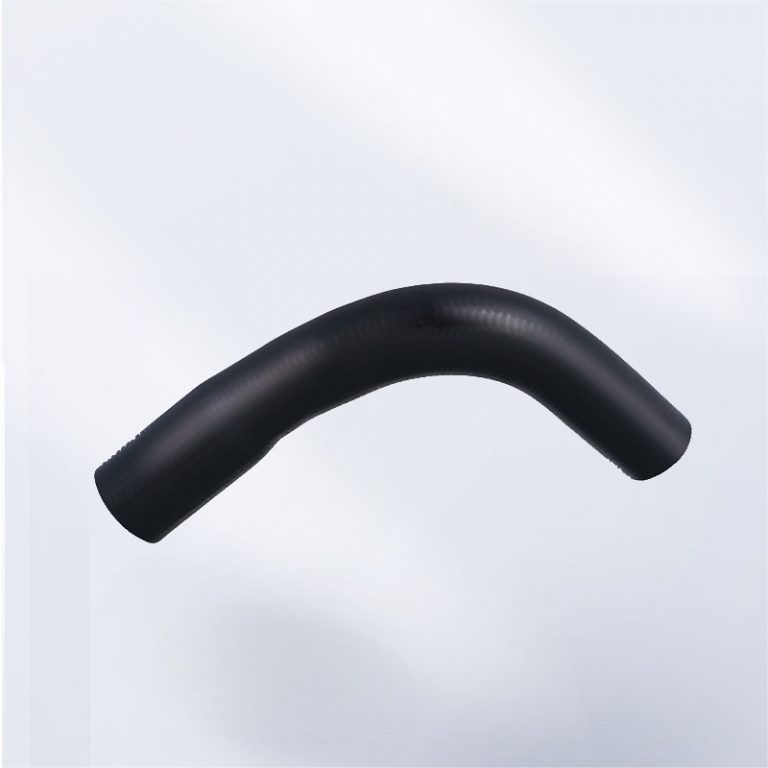
El movimiento del sistema de propulsión puede ejercer tensión sobre las piezas conectadas. Esto puede afectar a una manguera del sistema de refrigeración, al tubo de admisión, al mazo de cables o a la conexión del escape. Si el motor se mueve demasiado, estas piezas pueden sufrir una tensión mayor de la esperada.
Por eso, la suspensión, el montaje del tren motriz y el sistema de suministro de fluidos no deben analizarse como temas independientes. En muchos proyectos de vehículos, las piezas avanzadas deben encajar unas con otras en espacios reducidos.
¿Qué tipos de vehículos se benefician más de un mejor diseño de los soportes?
Los distintos vehículos presentan diferentes problemas de confort de marcha. El producto es apto para turismos, vehículos comerciales y maquinaria de construcción, pero el enfoque de diseño varía según la aplicación.
Vagones de pasajeros
Los turismos necesitan un arranque suave, un menor ruido en el habitáculo y una aceleración precisa. Incluso las vibraciones más leves pueden perjudicar la experiencia del usuario. En este mercado, el soporte requiere un buen aislamiento de vibraciones sin que el sistema de propulsión se sienta inestable.
Si el comprador está diseñando una nueva plataforma de suspensión para su automóvil o mejorando la comodidad de marcha en un modelo existente, conviene revisar el soporte cuanto antes. Esto puede ayudar a reducir las vibraciones del motor y la aspereza en el habitáculo.
Vehículos comerciales
Los vehículos comerciales trabajan más tiempo y transportan mayor carga. Un conductor puede pasar horas en la cabina todos los días. Las pequeñas vibraciones resultan fatigantes tras un uso prolongado.
Un soporte robusto y probado puede ayudar a reducir la transmisión de vibraciones y proteger las piezas circundantes. Para los operadores de flotas, esto no solo se trata de comodidad, sino que también influye en el mantenimiento, el tiempo de inactividad y la experiencia del conductor.
Maquinaria de construcción
La maquinaria de construcción se enfrenta a fuertes impactos, polvo, terrenos irregulares y largos ciclos de trabajo. El soporte debe sostener el sistema de transmisión y, al mismo tiempo, absorber las vibraciones en condiciones extremas.
Para estas aplicaciones, la resistencia del material y la validación de la fatiga son de suma importancia. La pieza debe seguir funcionando tras repetidos cambios de carga, no solo superar una primera prueba.
¿Qué deben comprobar los compradores antes de elegir los soportes del motor?
Una consulta sobre soportes no debe limitarse al precio unitario. Si busca una conducción estable y cómoda, y menos riesgos para el proyecto, debe verificar los antecedentes del diseño y la capacidad de prueba.
Compatibilidad de materiales y estructura
Antes de elegir un soporte, debe verificar la carga, la fuente de vibración, la temperatura, el espacio disponible y la dirección de instalación. El material debe ser adecuado para el uso del vehículo. El metal, los plásticos de ingeniería y el caucho cumplen funciones específicas, y la pieza final debe equilibrarlas.
Si la goma es demasiado dura, las vibraciones pueden transmitirse al habitáculo. Si es demasiado blanda, el movimiento del sistema de transmisión puede aumentar. La solución adecuada depende de las condiciones de funcionamiento.
Validación previa a la producción en masa
Es durante las pruebas donde suelen surgir muchos problemas de confort. Un proveedor debe poder realizar pruebas de fatiga, comprobaciones de vibración y análisis de las condiciones reales de funcionamiento. La validación PVT y LMS resulta útil en este caso. El análisis CAE y ABAQUS también ayuda cuando la pieza de caucho se somete a grandes deformaciones o cargas repetidas.
También puede comparar líneas de productos relacionadas a través de la centro de productos cuando un proyecto involucra control de vibraciones, suspensión, suministro de fluidos o partes del sistema de refrigeración automotriz en conjunto.
Comunicación OEM y ODM
Para un proyecto personalizado, prepare planos, muestras, fotos, el modelo del vehículo, las condiciones de carga, el espacio de instalación y la descripción precisa del problema de confort. ¿El vehículo vibra al ralentí? ¿Hay vibraciones fuertes al acelerar? ¿El problema se presenta en carreteras irregulares? Estos detalles ayudan al equipo de ingeniería a determinar la mejor solución con mayor rapidez.
Una buena comunicación puede reducir la necesidad de realizar cambios repetidos en las muestras. Además, ayuda a evitar elegir un soporte que parezca adecuado pero que no resuelva el problema real.
¿Por qué recomendar soportes de motor para proyectos de suspensión y control de vibraciones?
Si el tema de tu artículo es la comodidad de la marcha, los componentes de la suspensión y el control de vibraciones, este producto encaja a la perfección. Resuelve un problema evidente: la transmisión de vibraciones del sistema de propulsión al habitáculo.
Adaptación directa a las necesidades de confort de marcha
El Soporte del motor para control de vibraciones Brinda soporte al sistema de propulsión, controla el desplazamiento y el ángulo, reduce la transmisión de vibraciones y atenúa las irregularidades de la carretera. Estas funciones contribuyen directamente al confort de marcha.
Esta pieza también se integra perfectamente con componentes de alto rendimiento. Un mejor rendimiento no debería generar vibraciones excesivas ni una sensación desagradable en el habitáculo. El soporte adecuado contribuye a que el vehículo sea robusto y cómodo a la vez.
Mayor confianza gracias a la experiencia en el sector manufacturero.
Para los compradores B2B, una buena página de producto no es suficiente. Se necesita respaldo en producción, pruebas e ingeniería. El proveedor cuenta con experiencia en sistemas de suspensión automotriz, sistemas de reducción de vibraciones, materiales de caucho, validación PVT/LMS, recursos de laboratorio CNAS, gestión de calidad IATF16949 y desarrollo con patentes.
Esto brinda a los compradores mayor confianza al evaluar repuestos automotrices avanzados. La pieza no se trata como un simple bloque de goma, sino que se desarrolla como un componente funcional dentro del sistema del vehículo.
¿Cómo pueden el servicio y el contacto ayudar a su proyecto?
Una vez identificada la fuente de la vibración, el siguiente paso es la compatibilidad técnica. Una consulta clara ahorra tiempo a ambas partes.
Soporte de servicio para la compatibilidad técnica
Puede compartir el dibujo, la muestra, el tipo de vehículo, las condiciones de carga, la posición de montaje, el problema de vibración y la aplicación prevista. El equipo puede ayudarle a revisar la selección de materiales, el diseño de la estructura, la dureza y las necesidades de ensayo.
Esto resulta útil cuando se desea mejorar la comodidad de la marcha, reducir el ruido, la vibración y la aspereza (NVH) o solucionar un problema relacionado con la suspensión del coche nuevo, la suspensión neumática, la configuración del tren motriz o las piezas cercanas del sistema de refrigeración del automóvil.
Contáctenos para obtener soluciones personalizadas.
Si necesita un soporte personalizado, soporte OEM/ODM, cotización o revisión de muestra, utilice el página de contacto y describe el proyecto con claridad. Una mejor revisión inicial suele traducirse en menos fallos en las pruebas posteriores.
Para los compradores que trabajan con piezas de automóviles avanzadas y de alto rendimiento, este pequeño paso puede ahorrarles mucho tiempo.
Reflexiones finales
La comodidad de la marcha no es solo una cuestión de suspensión. Es una cuestión de sistema. La suspensión del coche, la suspensión neumática, las piezas de goma, los soportes del motor, el control del chasis e incluso el diseño del sistema de refrigeración pueden afectar a la sensación de conducción.
El soporte del motor es una de las primeras piezas que debes revisar si la cabina vibra, la carrocería se siente rígida o el tren motriz se mueve demasiado. Este soporte sostiene el tren motriz, reduce la transmisión de vibraciones y contribuye a la estabilidad del vehículo. En turismos, mejora el confort. En vehículos comerciales, ayuda a reducir la fatiga. En maquinaria de construcción, protege el tren motriz en condiciones extremas.
Si buscas piezas para la suspensión y el control de vibraciones, empieza por identificar el problema real y luego elige la pieza según su función, material, pruebas y servicio técnico. Esa es la forma más segura de mejorar el confort de la conducción.
Preguntas frecuentes
P1: ¿Cómo mejora un soporte de motor la comodidad de la conducción?
A1: Proporciona soporte al sistema de propulsión, controla el movimiento, reduce la transmisión de vibraciones a la carrocería y contribuye a que el habitáculo se sienta más suave durante el ralentí, la aceleración y la conducción en carreteras irregulares.
P2: ¿Es la suspensión el único factor que afecta la comodidad de la conducción?
A2: No. Las piezas de la suspensión, los soportes del motor, los bujes de goma, la disposición del chasis, la suspensión neumática e incluso el recorrido del sistema de refrigeración del automóvil cercano pueden afectar la comodidad.
P3: ¿Qué materiales se utilizan en los soportes del motor?
A3: Los soportes del motor suelen utilizar materiales metálicos, plásticos de ingeniería y caucho para equilibrar la resistencia, la estructura y la absorción de vibraciones.
P4: ¿Qué vehículos pueden utilizar soportes de motor?
A4: Se pueden utilizar en turismos, vehículos comerciales y maquinaria de construcción, con detalles de diseño adaptados a cada condición de trabajo.
P5: ¿Qué deben preparar los compradores antes de solicitar un soporte de motor a medida?
A5: Los compradores deben preparar planos, muestras, modelo de vehículo, condiciones de carga, espacio de instalación, problemas de vibración, tipo de aplicación y volumen de pedido objetivo.