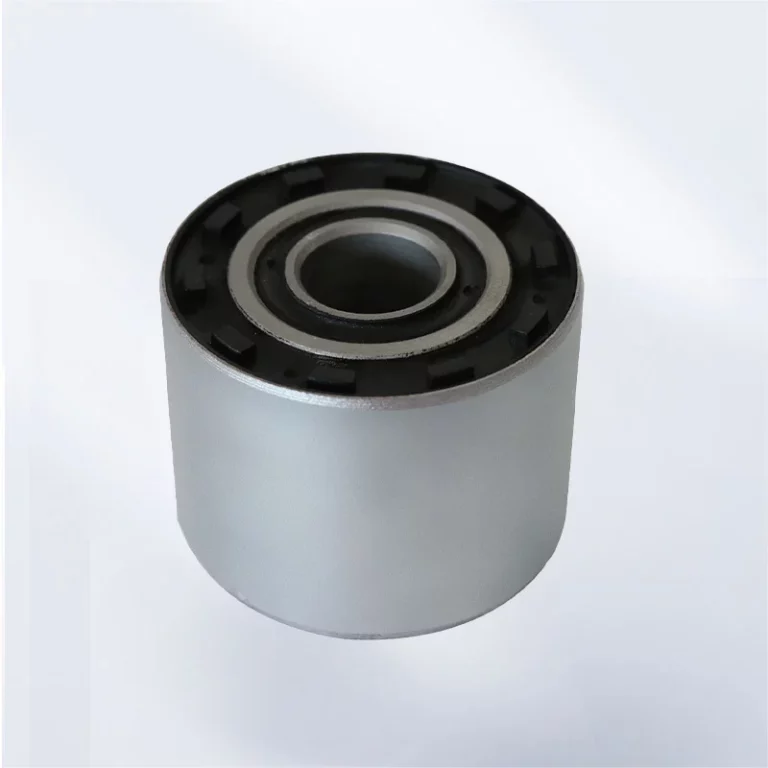
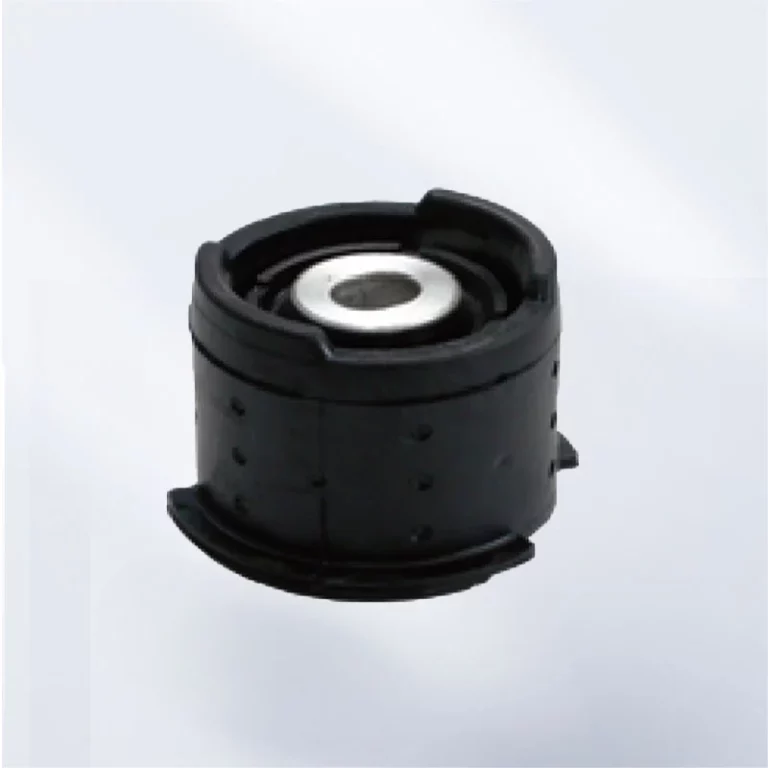
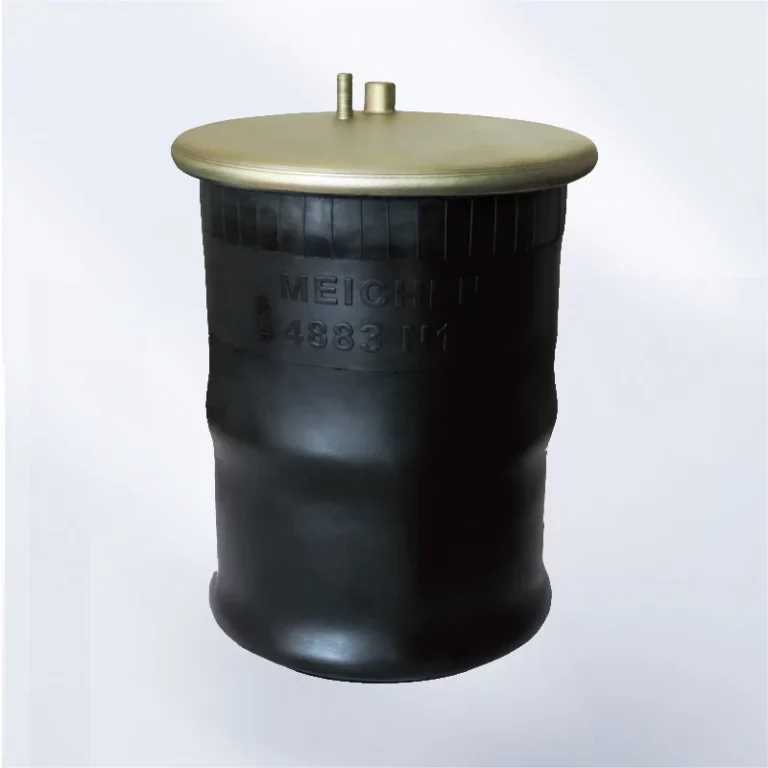
Fastener torque can look like a small workshop detail until a suspension joint starts to knock, a bracket wears too early, or a truck comes back with uneven tire wear after a repair. In heavy-duty suspension work, a bolt is not just “tight” or “loose.” It either creates the right clamping force, or it leaves the whole joint open to movement, noise, and early damage.
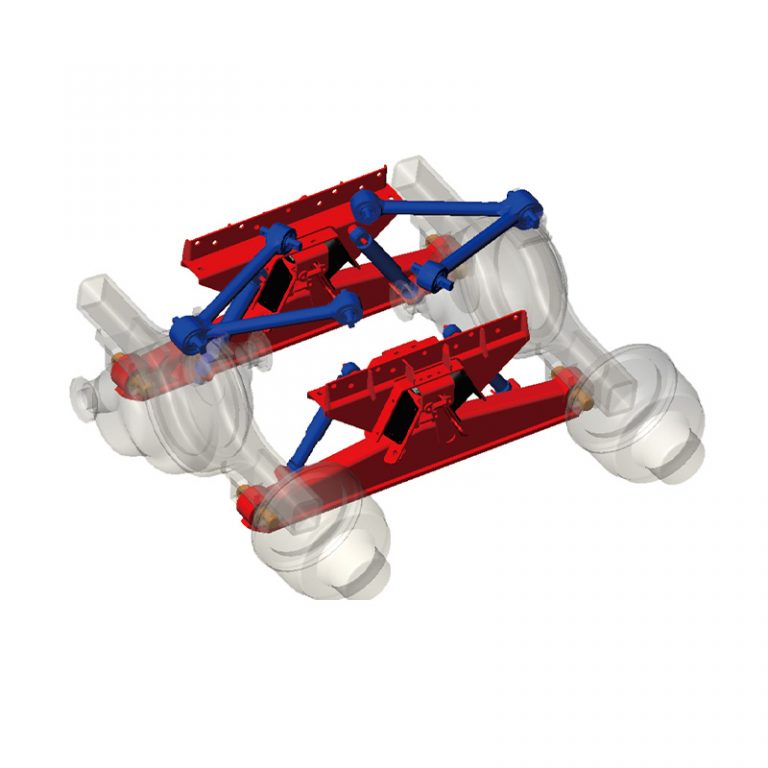
This matters even more when you are dealing with a thrust rod assembly. The part connects the frame and axle, and it helps the chassis handle braking force, traction force, road shock, and load changes. If the fasteners are not tightened in the right way, even a well-made rod may not work as it should.
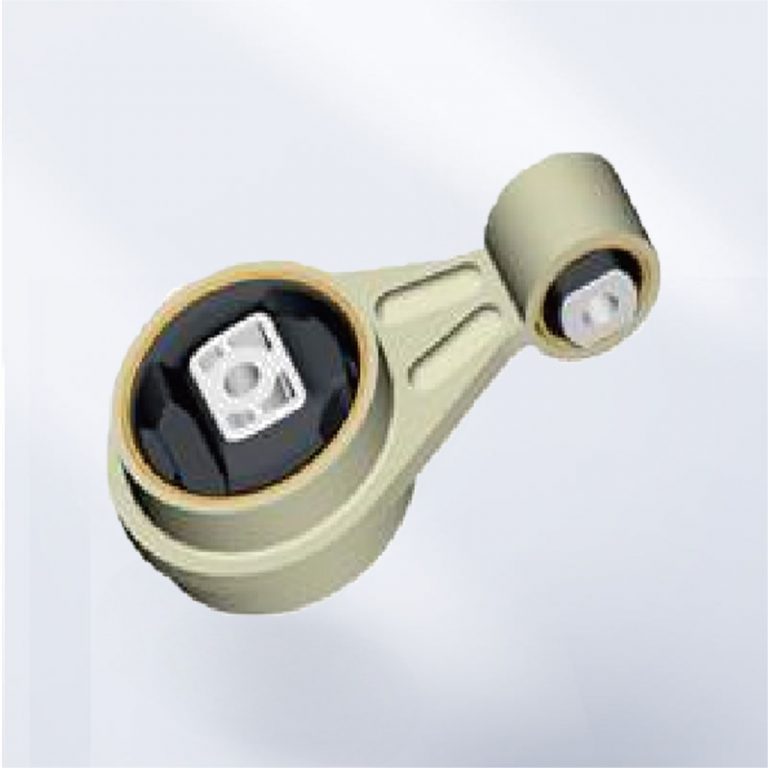
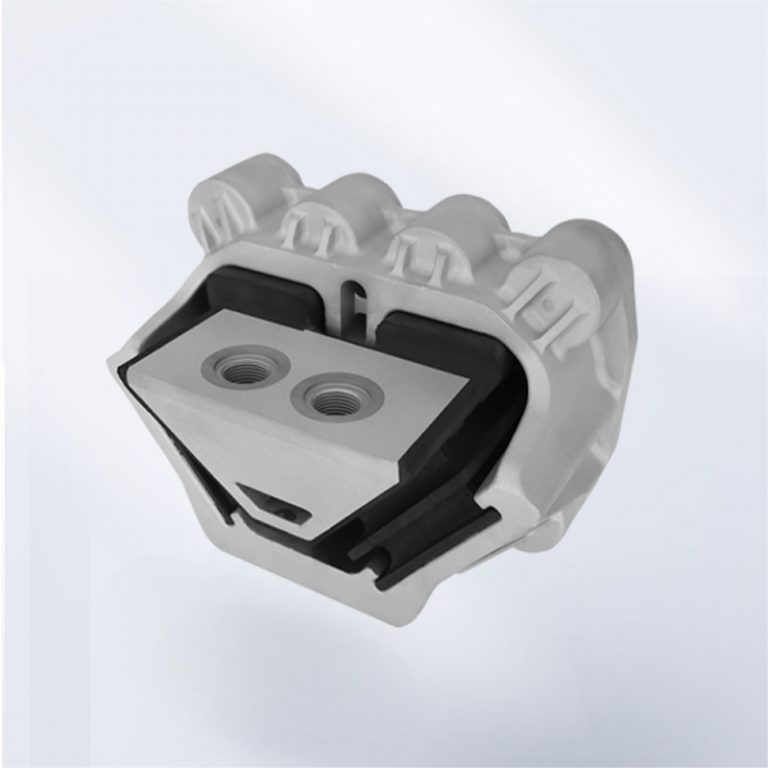
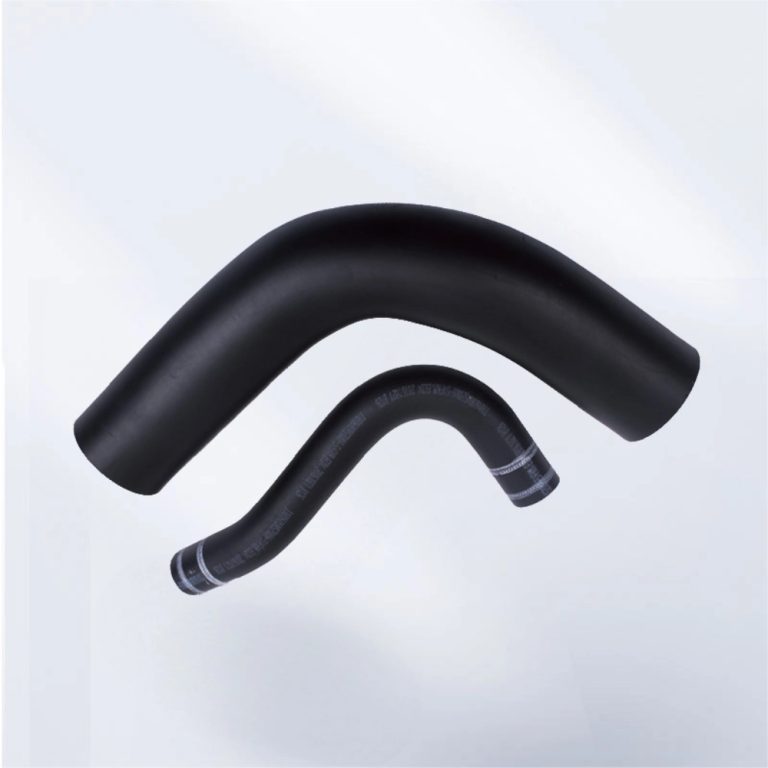
Meichen is a useful supplier to know for this topic because the company focuses on automotive suspension systems, vibration reduction products, and fluid delivery systems for passenger cars, commercial vehicles, and construction machinery. Its gama de produtos de suspensão automotiva includes thrust rod products used in demanding chassis applications. The company’s I-type thrust rod is built for frame-to-axle force transfer, with materials such as alloy steel, carbon steel, aluminum alloy, rubber, and plastics selected according to application needs. For you as a buyer, installer, or fleet maintenance manager, the real point is simple: product quality and correct torque must work together.
Why Does Torque Matter in Fastener Installation?
Torque is the turning force applied when you tighten a fastener. In suspension work, it is not about using more strength. It is about creating a stable clamp between connected parts. A thrust rod joint may include the rod end, sleeve, bracket, mounting surface, washer, and bolt. All of them need to sit together under the right pressure.
Torque Creates the Clamping Force That Holds the Joint
When you tighten a bolt, it stretches slightly. That stretch creates clamping force. This force keeps the joint closed and stops the parts from sliding against each other under load.
For a thrust rod assembly, that clamp has to stay stable while the vehicle brakes, accelerates, turns, and hits uneven road surfaces. If the clamp is right, the rod can help control axle movement. If the clamp is weak, the joint may start moving even though the bolt still looks installed.
Correct Torque Keeps Suspension Parts in Position
Suspension parts rarely work in a calm environment. They deal with vibration, impact, and repeated load. A correct torque value helps keep the mounting point in the position the chassis design requires.
This is why torque should not be judged by hand feel. A bolt can feel tight but still fail to provide enough clamping force. Another bolt can be overtightened and already damaged before the vehicle leaves the workshop.
Torque Control Reduces Hidden Installation Failure
Some failures do not appear right away. A joint may run for a short time with tiny movement. Then the bracket surface starts to wear. The mounting hole may become larger. The bushing may carry stress it was not designed to carry. Later, the vehicle comes back with knocking noise, axle shift, or tire wear.
Good torque control helps stop this chain early.
What Goes Wrong When Fasteners Are Not Tightened Correctly?
Wrong torque usually creates two types of problems. The fastener is either too loose to hold the joint, or too tight and starts damaging the fastener or nearby parts. Both are bad for a thrust rod assembly.
Use Specified Torque to Avoid Joint Slip and Knocking Noise
Under-torque means the joint does not have enough clamp load. Once the vehicle starts working, the connected parts may slip. That slip can create a clunk or knock, especially during braking, starting, turning, or driving over bumps.
In a thrust rod mounting point, this movement is serious. The thrust rod helps control force between the axle and frame. If the mounting area moves, the axle may not stay as stable as it should.
The practical solution is not complicated. Use the specified torque value, the right tightening sequence, and the correct tool. Do not rely on impact tool sound or operator experience alone.
Avoid Over-Torque to Protect Threads, Bushings, and Brackets
Over-torque is also a common mistake. Some people think tighter means safer. In suspension joints, that is not true.
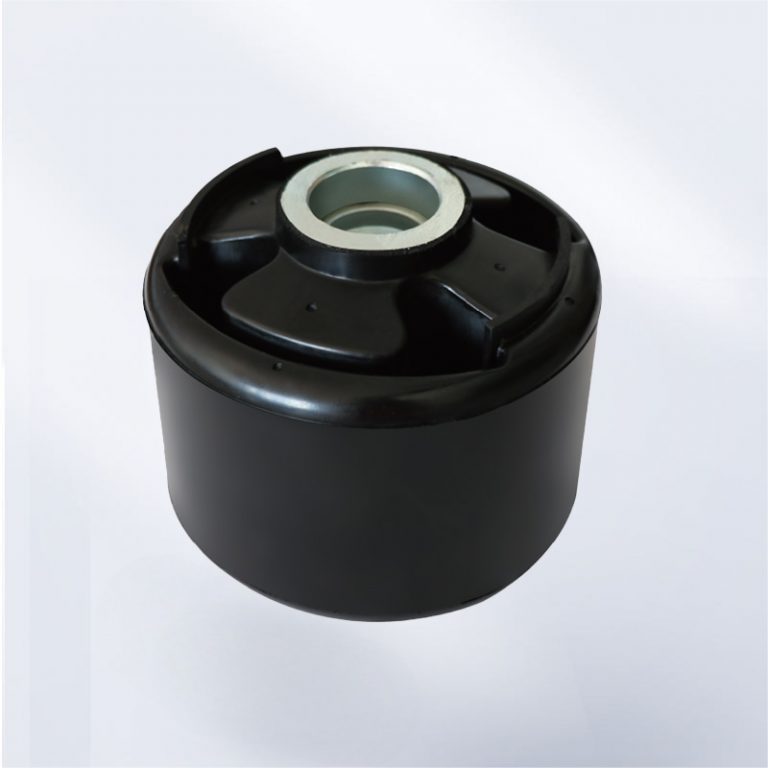
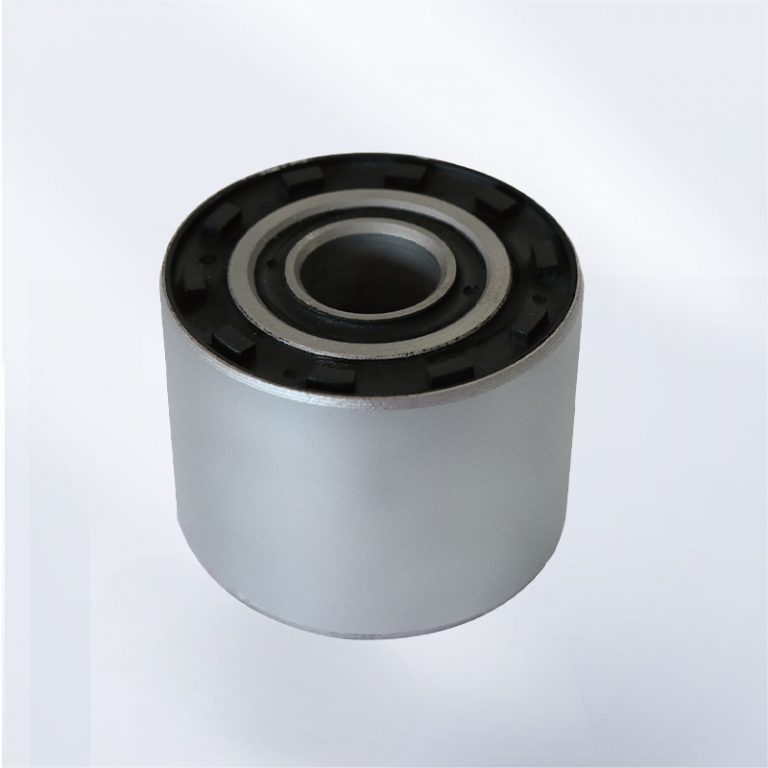
If a bolt is tightened too much, the thread may stretch beyond its safe range. The fastener may lose fatigue strength. A bushing sleeve may be compressed in the wrong way. A bracket can also deform slightly, and that small change may affect how the rod sits in the assembly.
For a thrust rod, this can shorten service life. The part may still look normal after installation, but the joint has already lost part of its reliability.
Recheck Critical Suspension Joints After Heavy-Duty Use
Heavy-duty vehicles work under rough conditions. Concrete mixer trucks, pump trucks, mining trucks, and other chassis applications see load changes, shock, vibration, and frequent braking. Because of that, key suspension joints should be checked during maintenance.
Look for loose fasteners, polished contact marks, rust powder around the joint, bracket wear, bushing movement, and abnormal tire wear. These small signs can tell you that the torque condition or joint fit should be checked before the issue grows.
Why Is Thrust Rod Assembly More Sensitive to Torque Errors?
A thrust rod is not a simple connecting bar. It is part of the force path in the chassis. That is why a small installation mistake can create a much bigger result later.
Thrust Rods Connect the Frame and Axle Under Load
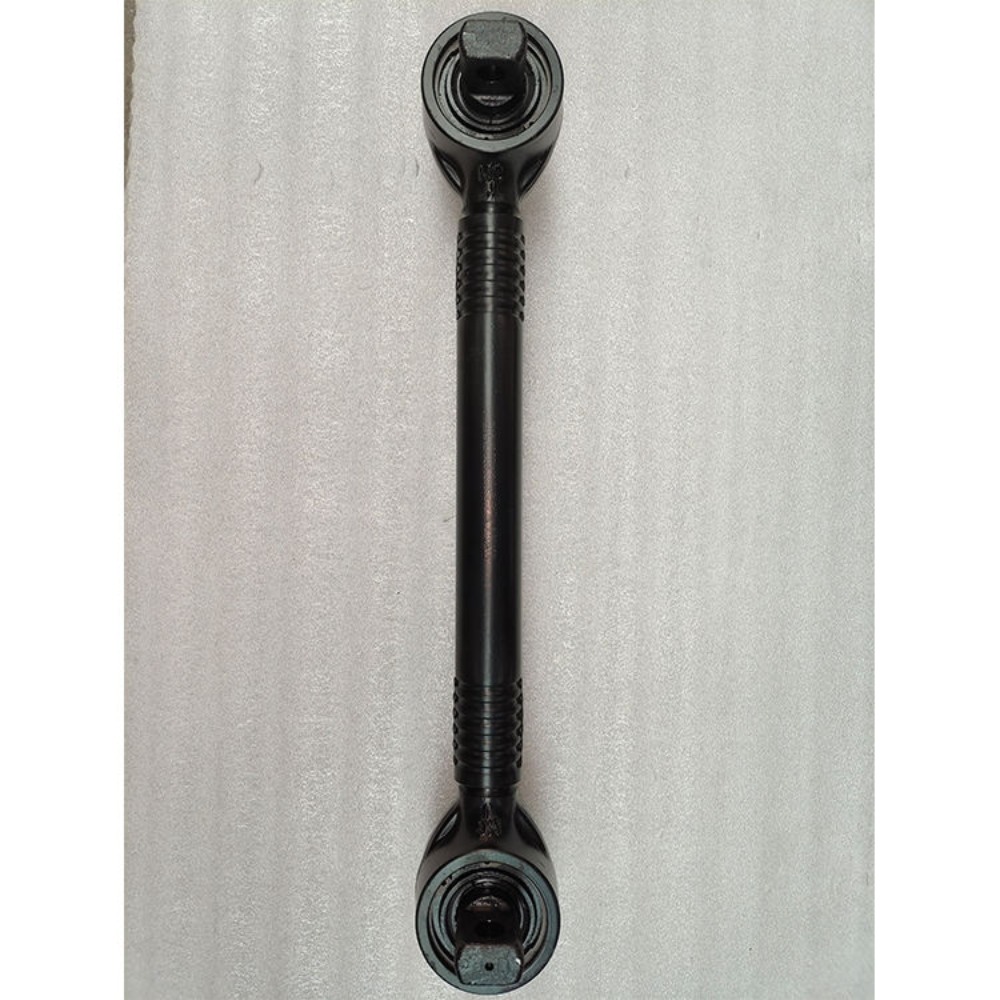
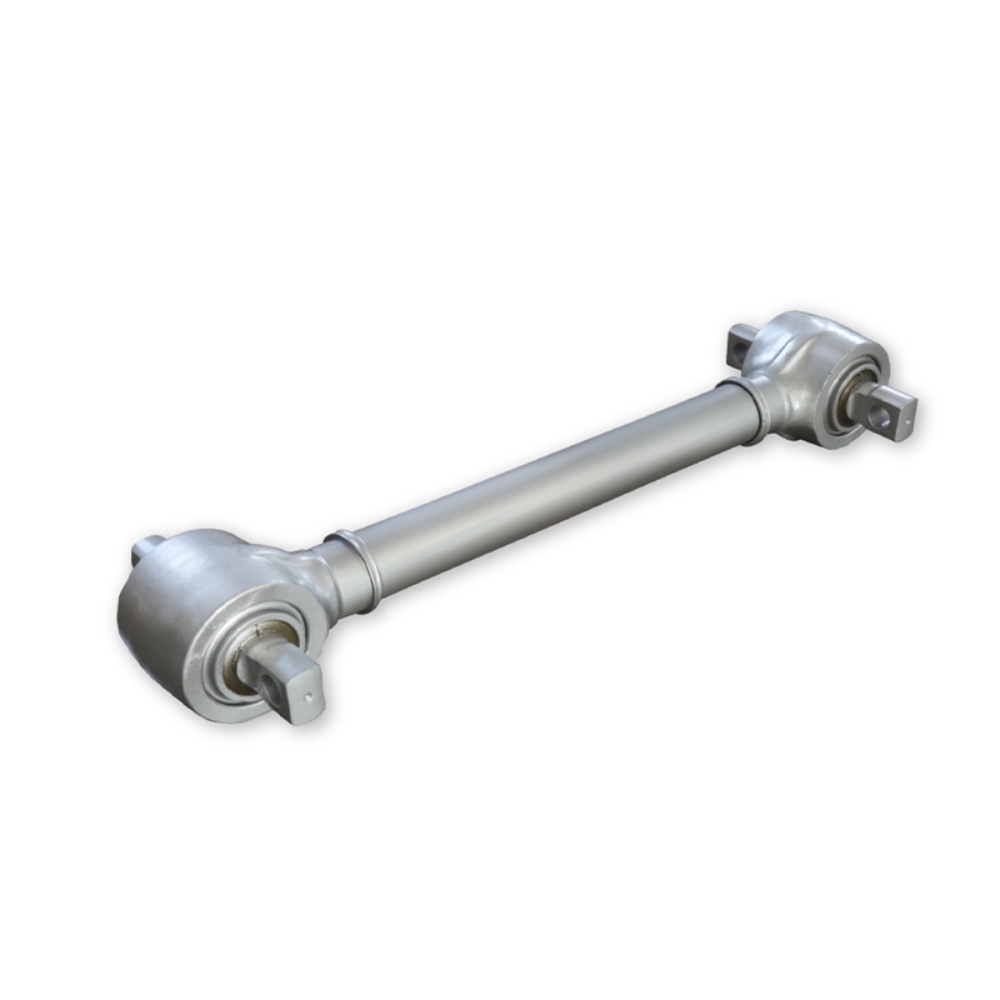
The I-type thrust rod is used to connect the frame and axle. Its job is linked to force transfer in the chassis system. In heavy-duty vehicles, it helps make up for the limits of a leaf spring system, which cannot fully transmit traction force, braking force, and related reaction force moments by itself.
É por isso que o Tipo I should be installed with more care than a low-load bracket. The joint has to resist repeated force, not just hold the part in place during assembly.
Braking and Traction Forces Need a Stable Joint
When the vehicle brakes, force moves through the axle and into the suspension structure. When it accelerates, traction force creates another load path. The thrust rod assembly helps control that movement.
If the fastener torque is too low, the joint may shift. If the torque is too high, the bolt or mounting area may weaken. In both cases, the chassis loses some stability.
Small Movement Can Turn Into Tire Wear and Handling Problems
A loose thrust rod joint may not fail in one day. It may first create a small change in axle position. That small change can affect alignment under real driving load. Then the driver notices steering correction, vibration, poor road feel, or irregular tire wear.
For a fleet, that means money. Tires cost money. Downtime costs money. Rework also damages trust between the repair team, supplier, and vehicle operator.
How Can Installers Apply Torque Correctly in Thrust Rod Assembly Work?
Good installation is not only about the final torque number. The surface condition, thread condition, tool accuracy, and vehicle position all affect the result. If one of these is ignored, the reading on the torque wrench may not tell the full truth.
Clean Threads and Contact Surfaces Before Tightening
Rust, paint, dirt, oil, and old thread damage can change the final clamp load. A dirty thread may create too much friction, so the torque wrench reaches the target value before the joint gets enough clamp force.
Before installation, check the bolt, nut, washer, bracket face, and mounting hole. Replace damaged fasteners when needed. Clean the contact area. A clean joint gives you a much better chance of getting a real torque result.
Tighten Fasteners in the Correct Suspension Position
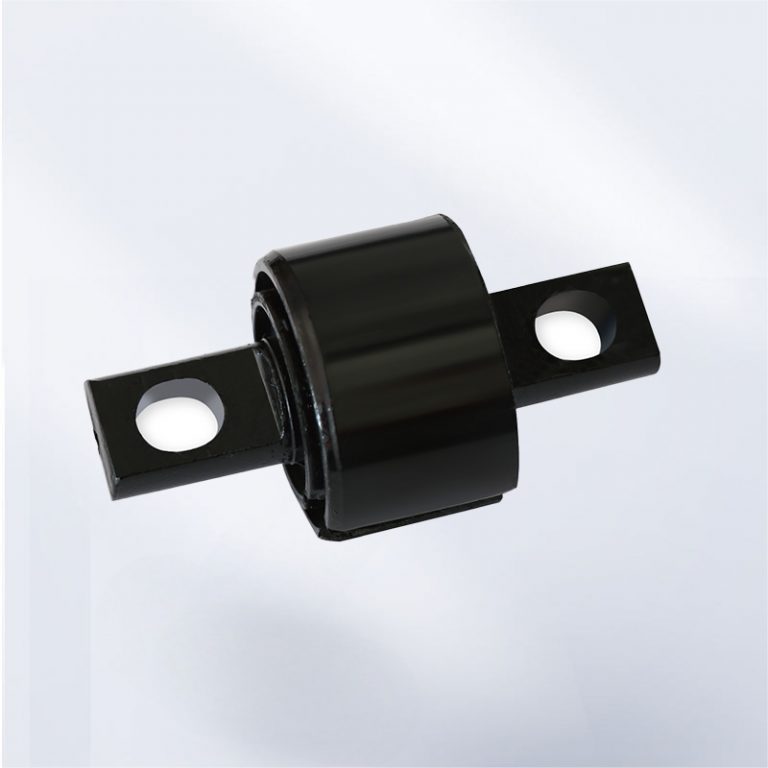
Some suspension joints should not be fully tightened while the suspension is hanging free. If a rubber-related joint is locked in the wrong position, the rubber may carry a twist or preload from the start. That can shorten bushing life and create early noise.
For thrust rod assembly work, follow the vehicle service instructions. If the final torque must be applied at ride height or a set installation position, do not skip that step.
Use Calibrated Tools Instead of Impact Guesswork
Impact tools are useful for removal and initial assembly, but they should not replace controlled final torque on critical suspension joints. A calibrated torque wrench is still needed.
For production, fleet maintenance, or repair shops, tool calibration is not a small matter. If the tool is wrong, every joint installed with it may be wrong too.
Why Is the I-Type Thrust Rod a Suitable Product for This Topic?
This article is about torque, but the product choice matters. A thrust rod assembly is exactly the kind of part where correct torque and product strength must work together. You cannot separate one from the other.
It Supports Frame-to-Axle Force Transmission in Heavy-Duty Vehicles
O heavy-duty axle control role of the I-type thrust rod makes it a strong fit for commercial vehicle and construction machinery applications. It is made for chassis positions where force, movement, and stability all matter.
For you, this means the part should not be selected only by price or rough shape. You need to check vehicle type, axle load, installation space, road condition, and the forces the assembly will face.
Its Material Structure Fits Demanding Chassis Conditions
The I-type thrust rod can involve alloy steel, carbon steel, aluminum alloy, rubber, and plastics. That mix is important because the rod has to combine structural strength with controlled movement and vibration support.
A heavy-duty chassis part must survive more than a simple static load. It has to handle repeated braking, traction, road impact, and possible overload. A good thrust rod needs stable material selection, reliable forming, good welding or assembly quality, and correct fit at the mounting points.
Its Application Range Matches Tough Working Environments
Commercial vehicles and construction machinery often work in harsh places. Road shock, heavy cargo, long working hours, and frequent stop-start movement all add stress to suspension joints.
That is why the thrust rod and the fasteners around it should be treated as one working system. A strong rod with poor torque is not enough. Correct torque with a weak rod is not enough either. The safer choice is to control both.
How Does Manufacturing Quality Support Safer Torque Installation?
A clean installation process needs a stable product. If the bracket face, rod end, sleeve, or bushing fit is inconsistent, the fastener may not clamp the joint evenly. That is where manufacturing quality becomes part of torque safety.
Stable Structural Parts Need Consistent Manufacturing Control
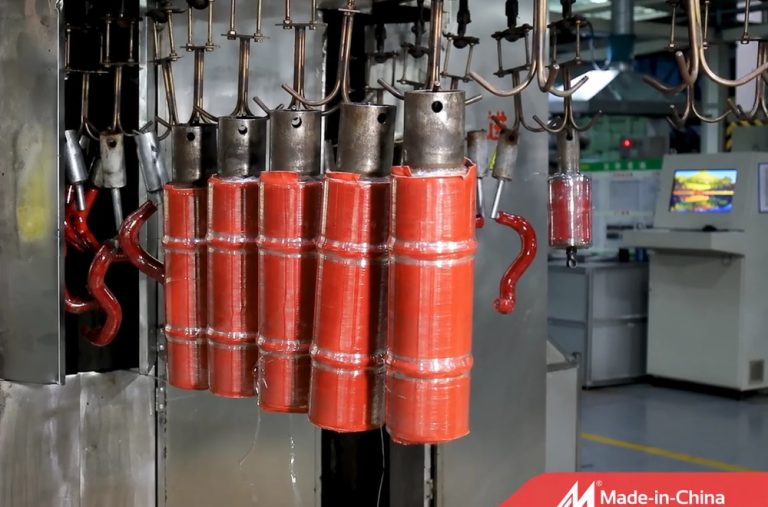
For metal structural components, production consistency matters. Cutting, blanking, forging, welding, painting, and assembly all affect how the part fits and how the joint carries load.
If the mounting surface is not stable, the torque result can vary. If the sleeve or rod end does not sit correctly, the joint may carry uneven stress. Good manufacturing control helps the installer achieve the intended clamp force.
Testing and Validation Help Reduce Early Assembly Failure
A thrust rod used in a heavy-duty chassis must be tested for real working conditions. Fatigue testing, bench testing, material testing, and system validation help reveal weak points before the part reaches the customer.
The company behind this product has lab and validation resources for rubber damping systems, fluid piping systems, suspension systems, and plastic products. Its testing ability includes material, static, dynamic, fatigue, and system-level checks. That matters when you buy parts for vehicles that cannot afford repeated downtime.
Quality Systems Make B2B Supply More Reliable
For B2B sourcing, you are not only buying one sample. You are buying repeat quality. A supplier needs process control, traceability, error prevention, and stable inspection.
This is especially true for thrust rod assembly projects. One batch with poor consistency can create many small field problems. Stable production makes installation more predictable and helps reduce after-sales pressure.
What Should Buyers Ask Before Choosing a Thrust Rod Supplier?
A thrust rod purchase should not stop at model name and price. Ask the questions that affect fit, torque installation, and long-term use. It saves trouble later.
Ask Whether the Product Matches the Vehicle Load and Suspension Layout
You should confirm vehicle type, axle load, frame width, mounting position, road condition, and working environment. A part used in a standard truck may not fit the same way in a pump truck, mixer truck, or mining truck.
Also ask how the thrust rod works with the fastener joint, bracket, and bushing position. This is where many practical issues begin.
Ask for Drawing Support, Samples, and Custom Development
For custom projects, provide drawings, photos, samples, or failure records. Do not make the supplier guess. The more application details you give, the easier it is to choose the right structure and material.
If you cannot find the exact part online, use the contact the team option and send your project requirements. For this kind of chassis part, a short technical discussion before ordering is often worth more than a quick quote.
Ask Whether Service Support Is Available After Selection
Service matters after the order too. You may need drawing review, installation discussion, sample confirmation, or feedback when a vehicle shows abnormal wear. A supplier that can support those steps is more useful than one that only ships parts.
Good torque practice, clear installation requirements, and suitable thrust rod selection all work together. That is how you reduce noise complaints, tire wear, joint loosening, and repeat repairs.
FAQ
Q1: Why Is Torque Important in Thrust Rod Assembly Installation?
A1: Torque creates the clamping force that keeps the thrust rod joint stable between the frame and axle.
Q2: What Happens if Thrust Rod Fasteners Are Under-Torqued?
A2: The joint may slip, knock, wear the bracket, stress the bushing, and cause alignment or tire wear problems.
Q3: Can Over-Torque Damage a Thrust Rod Assembly?
A3: Yes, over-torque can stretch threads, reduce bolt fatigue life, compress bushings, or distort the mounting area.
Q4: Should Thrust Rod Fasteners Be Tightened at Ride Height?
A4: You should follow the vehicle service requirement, because some suspension joints need final tightening at the correct suspension position.