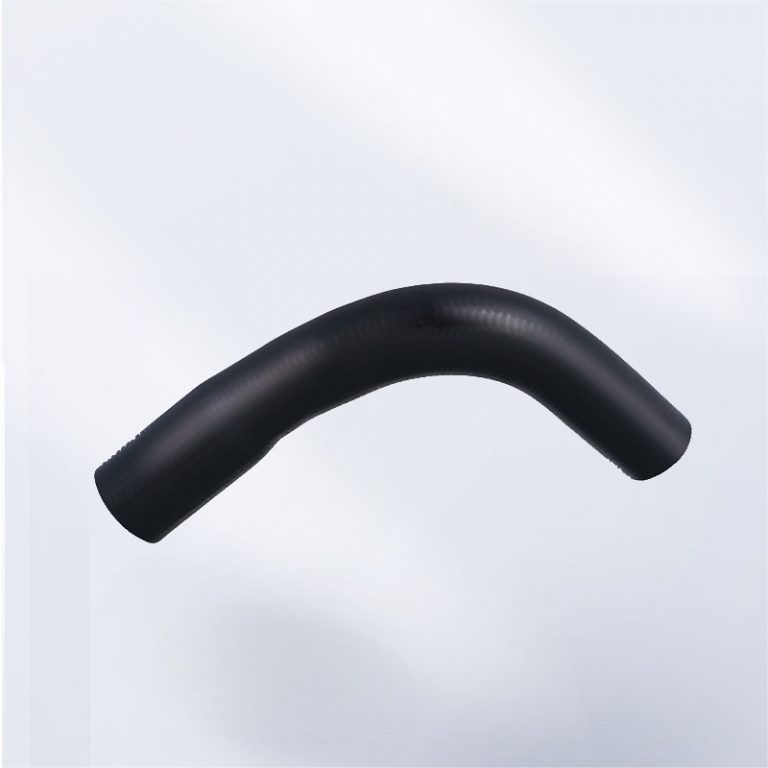
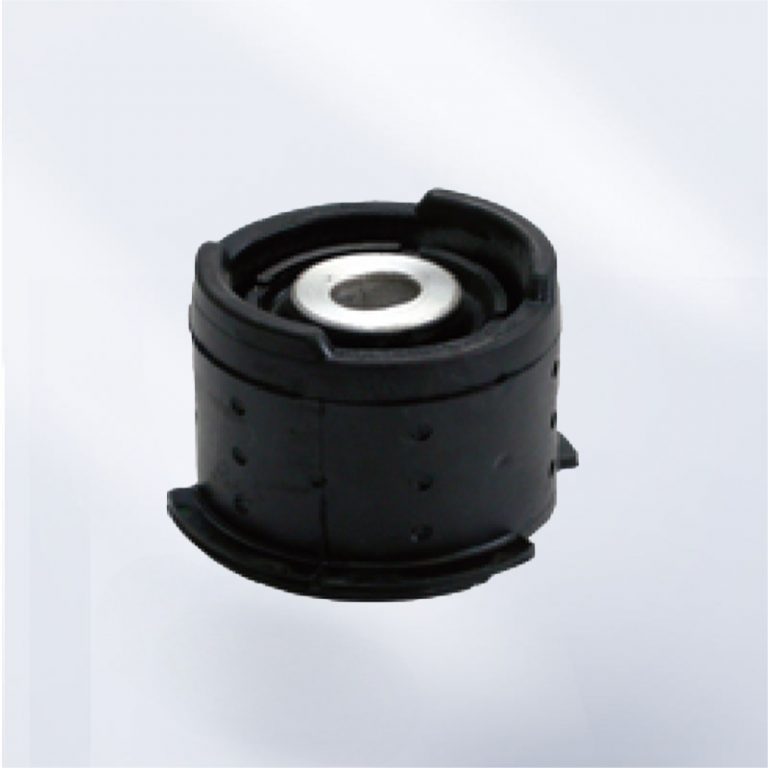
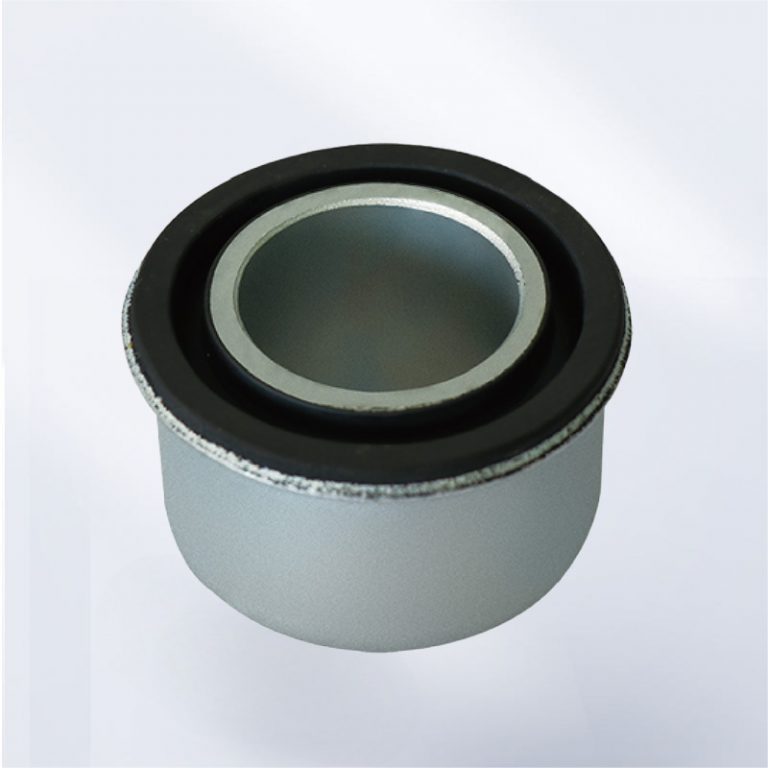
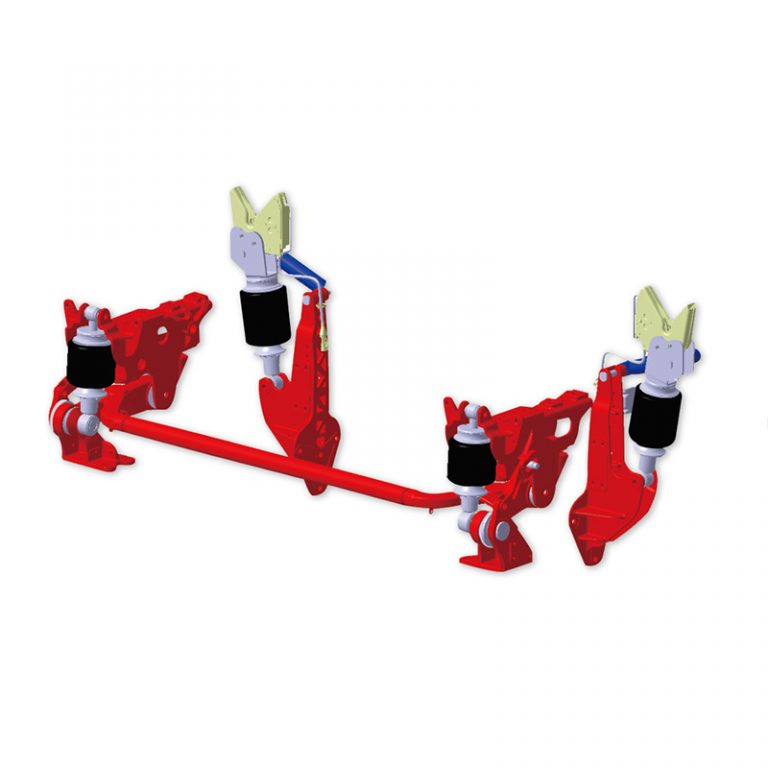
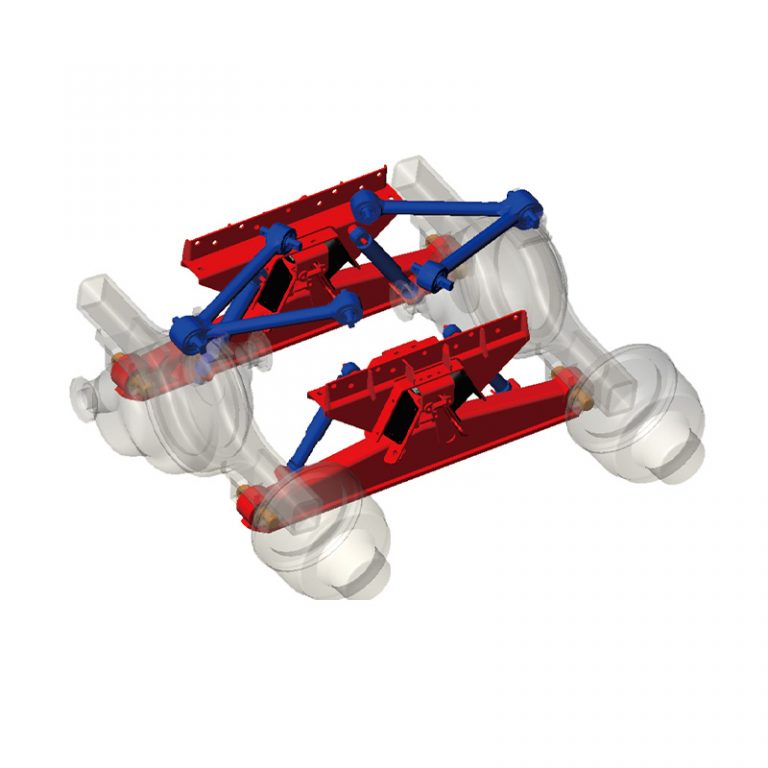
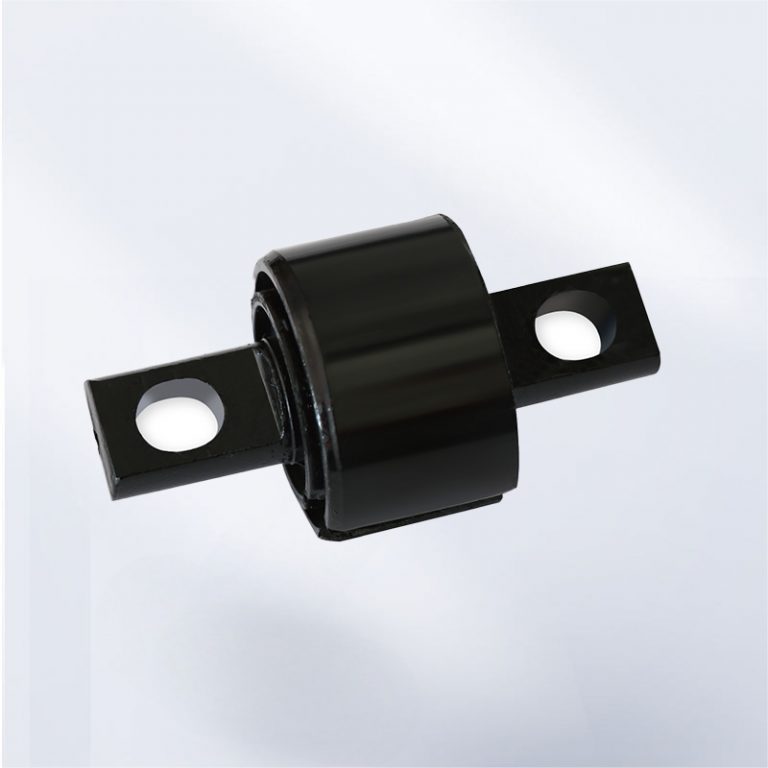
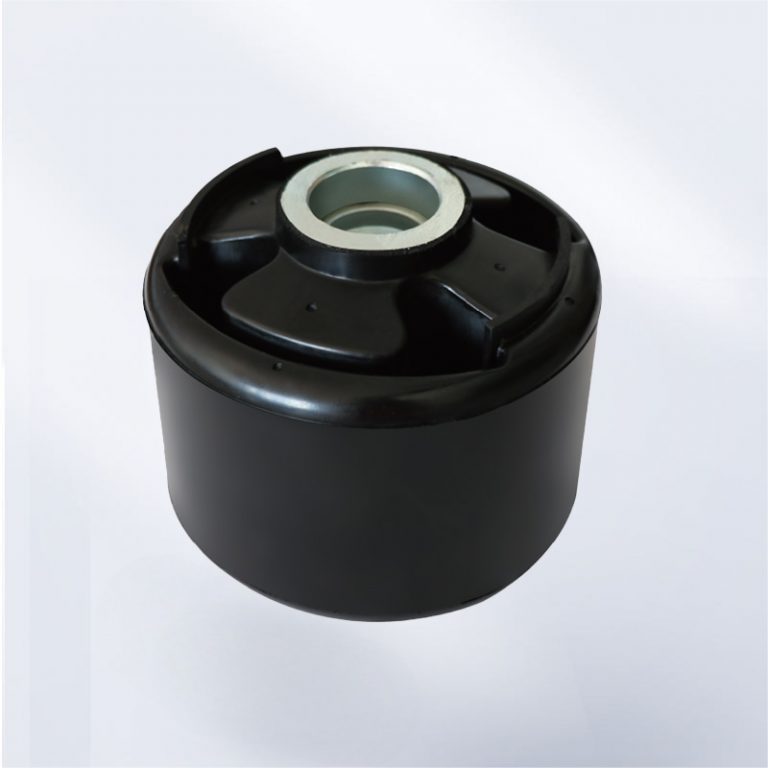
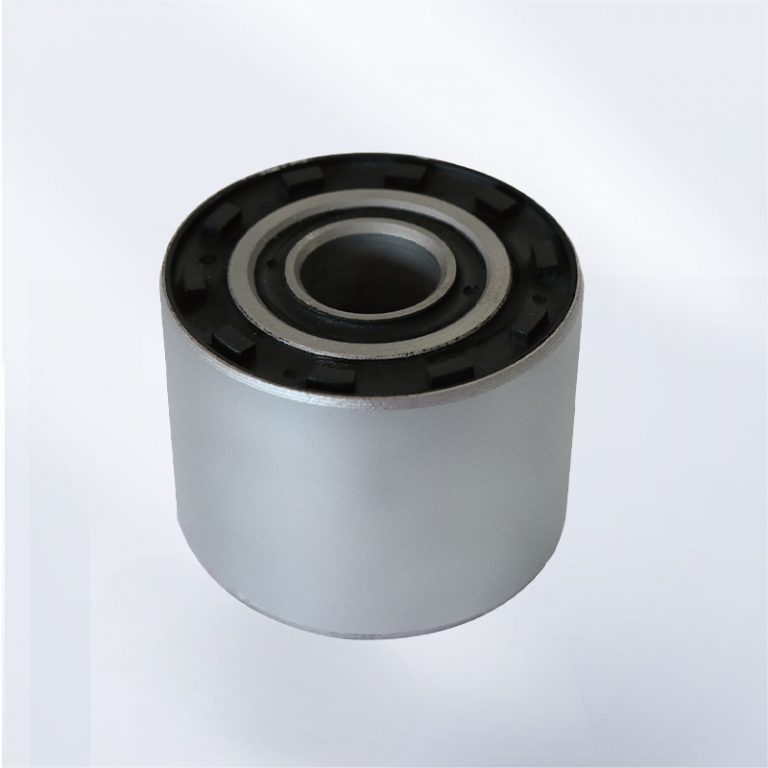
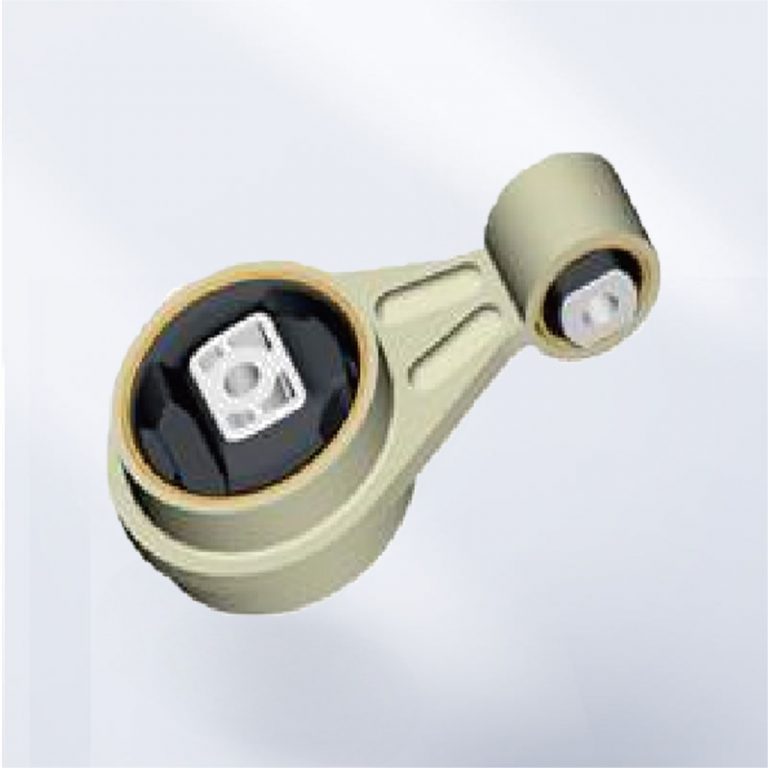
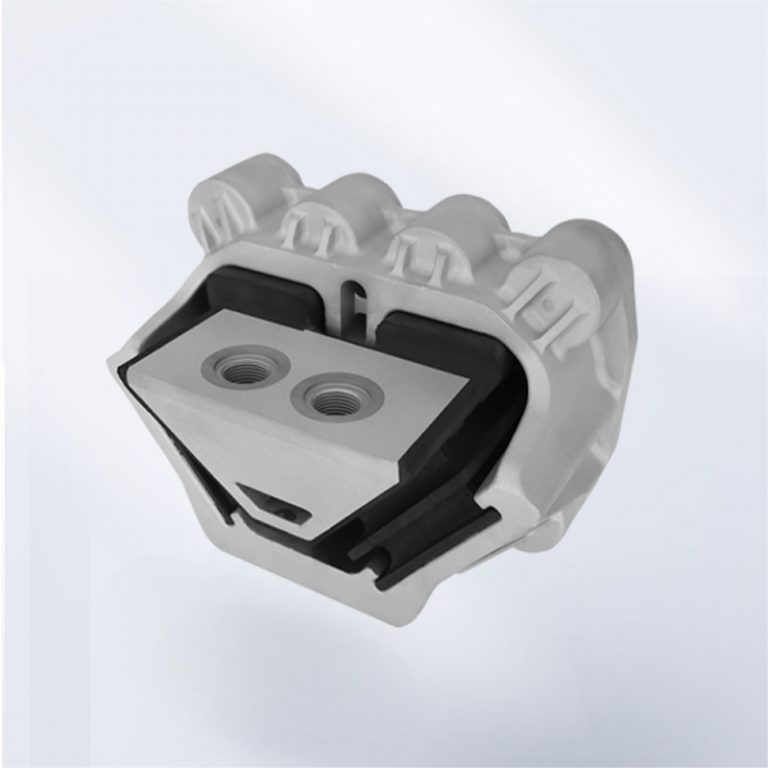
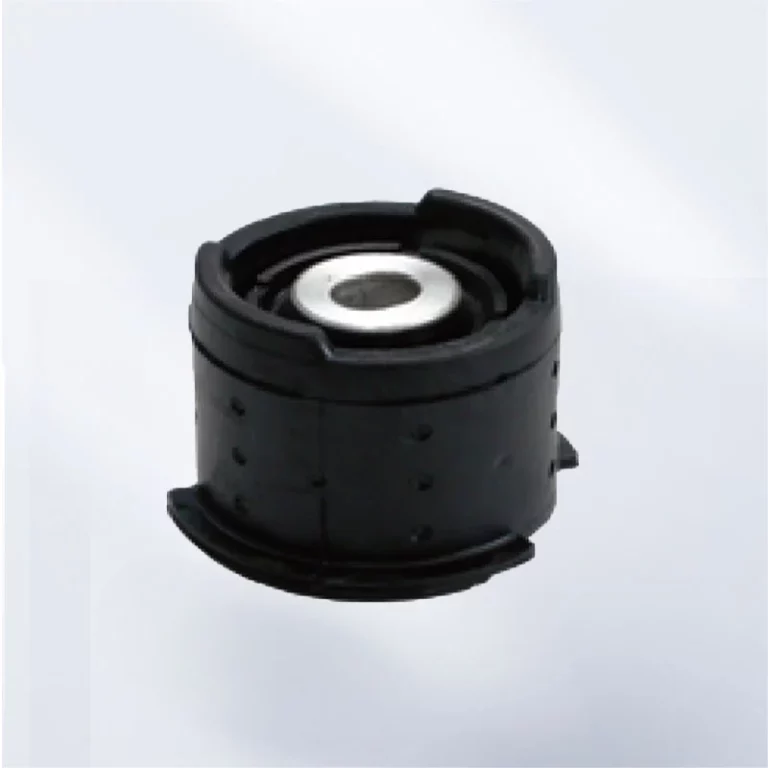
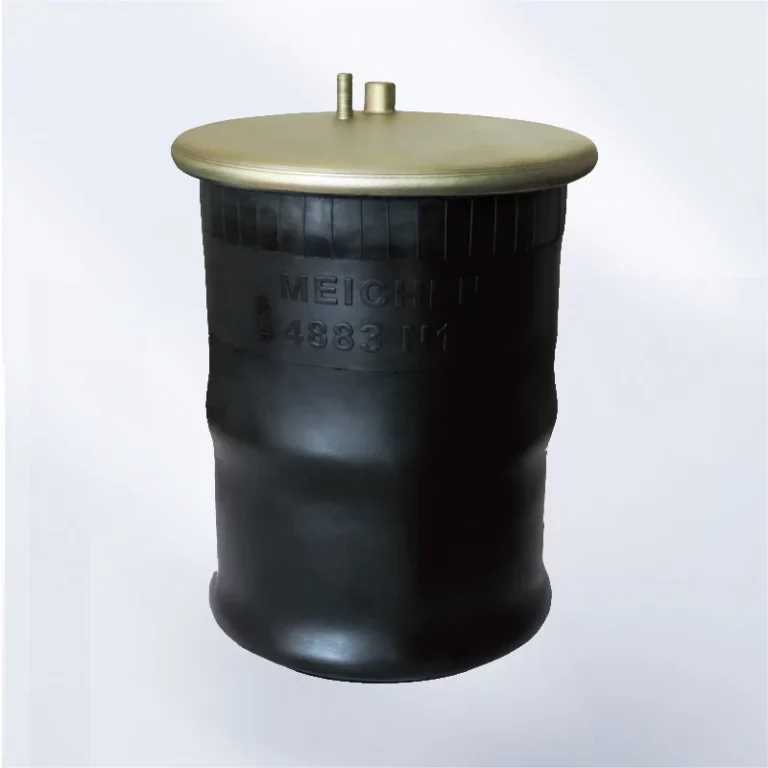
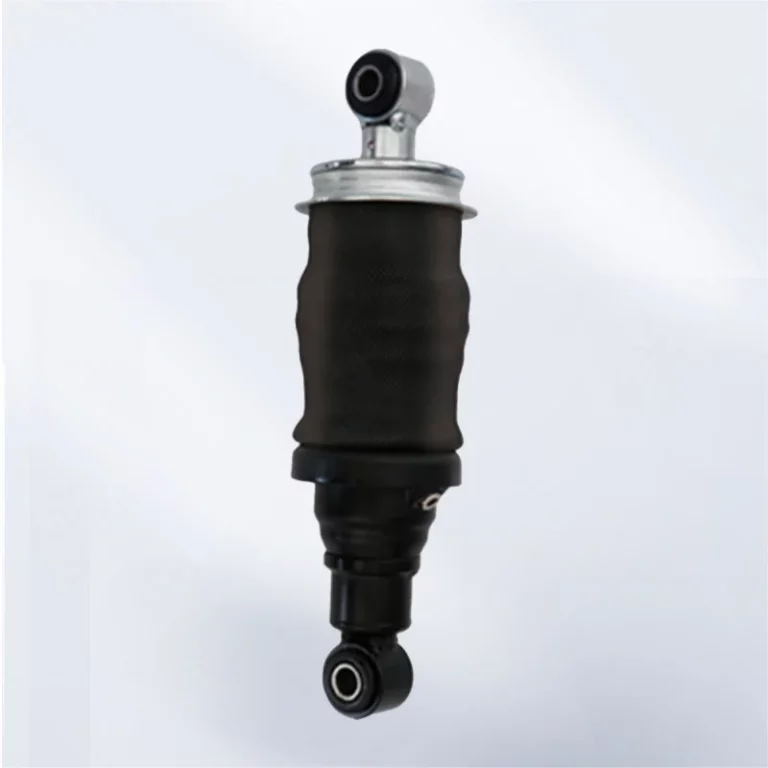
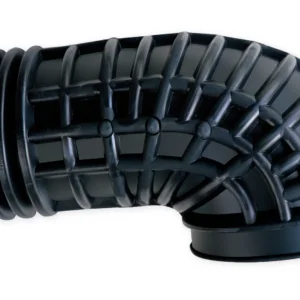
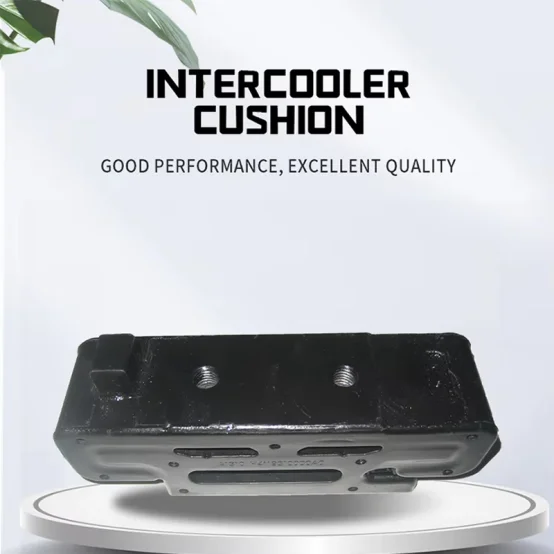
Stabilizer bushings are relatively small parts within a vehicle’s suspension but can cause significant discomfort when they begin to wear. Symptoms could include a clunking sound over bumps, excessive lean during cornering and increased play within the steering column. Such problems can be difficult to diagnose as symptoms tend to manifest gradually until they reach a point where a specific failing part becomes obvious. In many instances however, it is sensible to inspect the stabilizer bar bushing early for signs of wear.
A car’s stabilizer bar is used to reduce body roll when cornering. The bushing is what holds the bar in place and allows it to rotate. A seemingly simple piece of rubber but it has many influences including noise, ride, steering feel and suspension movement.
Meichen is an automotive parts manufacturer founded in 2004, focusing on suspension system products, vibration reduction system products, and fluid delivery system products. The company has about 1,800 employees, a large production base, rubber compound design ability, CAE analysis, fatigue testing, and CNAS laboratory support. For buyers, this means Meichen is not only sell rubber parts by size, but also help match material, stiffness, structure and working conditions for customers to select suitable parts for passenger cars, commercial vehicles, construction machinery, or OEM/ODM projects.
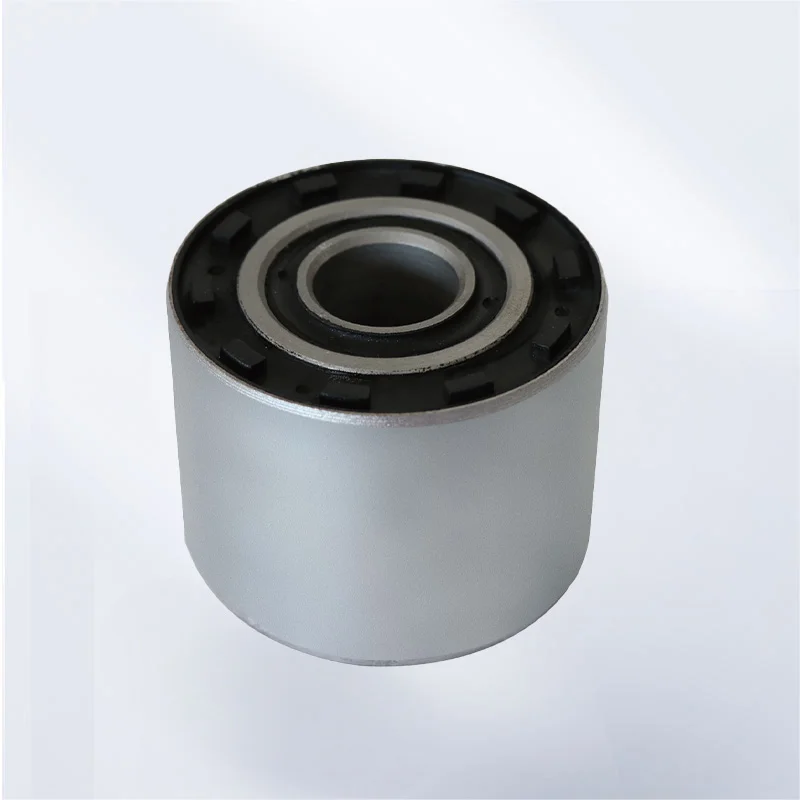
What Do Stabilizer Bushings Do in a Suspension System?
Stabilizer bushings are found between the ends of the Stabilizer Bar and the mounting bracket. It does not lock the Stabilizer Bar in place. Instead, it positions the Stabilizer Bar and allows it to twist slightly when the suspension moves.
A bushing must be somewhat flexible and at the same time be quite firm. If it is too soft, the bar may move too much. Too hard, and more vibration may pass into the vehicle body.
They Hold the Stabilizer Bar in the Right Position
When you turn, the vehicle body naturally wants to lean. The stabilizer bar helps resist that roll by linking suspension movement from the left and right sides. The bushing keeps the bar mounted in the correct place, so the bar can do its job without knocking against nearby parts.
If the bushing is worn, cracked, or loose, the bar may shift inside the bracket. Then you may hear knocking noise on rough roads or during slow turns. A stable bushing keeps the bar located, reduces unwanted movement, and helps the suspension respond more evenly.
Meichen’s Bushing da barra de estabilização is built for this kind of work. It supports the movement of the suspension connection area while helping control bar position. For buyers, that means the product is not only about rubber shape. It is about how the rubber holds, rotates, and resists movement under repeated load.
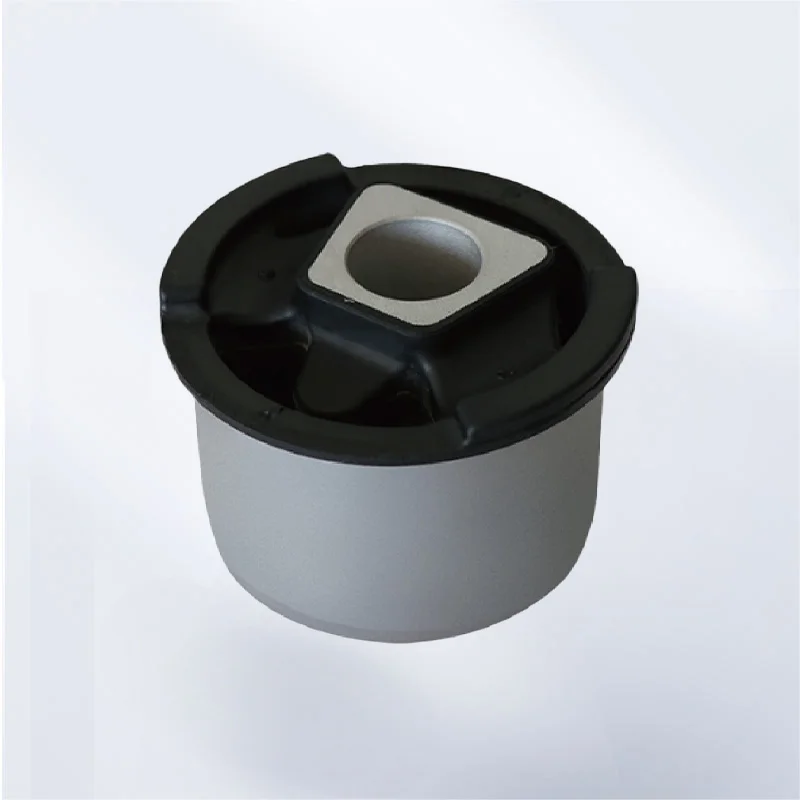
They Allow Controlled Torsion and Roll Movement
The stabilizer bar needs to twist. If the bushing does not allow that movement, the suspension will feel harsh. If the bushing allows too much movement, the bar cannot control roll well.
So the function is a balance. The bushing should support torsion and roll flexibility, while reducing unwanted axial or radial movement. In plain words, it lets the bar move in the way the suspension needs, but it stops loose shaking and poor positioning.
This is where rubber material and stiffness design matter. A cheap bushing may look the same from outside, but if the rubber hardness or fit is wrong, the vehicle may still have noise or unstable handling.
Why Do Stabilizer Bushings Affect Ride Comfort and Handling?
Many buyers first notice the problem through driver feedback. The vehicle becomes noisy. It feels less tight when turning. The front or rear suspension area may sound loose, but other parts still look fine.
Stabilizer bushings affect both comfort and control because they sit at a force transfer point. Every corner, bump, and road impact passes through the suspension system. If the bushing cannot control the bar well, the whole vehicle may feel less settled.
Reduce Noise From Metal Contact and Bar Movement
A good bushing prevents direct metal contact between the stabilizer bar and bracket. It also absorbs small vibration before that vibration becomes cabin noise.
When the bushing wears out, the gap around the bar may grow. The bar can move, hit, or rub. That is why a worn stabilizer bushing often causes clunking over bumps. This noise may not be loud at first, but it usually becomes more obvious as the rubber keeps aging.
For buyers who supply fleet parts or replacement components, this issue is very practical. If the bushing fails early, customers come back with complaints. A better product should resist aging, keep its shape, and maintain its grip around the bar.
Support Better Steering Feel and Cornering Stability
A stabilizer bar works best when it reacts at the right moment. If the bushing is loose, the bar movement may lag. The driver may feel delayed response during cornering. The vehicle may lean more than expected.
Good radial support helps reduce this problem. It keeps the bar centered and limits unwanted side movement. Meichen’s bushing-related products use the logic of low axial stiffness for vibration isolation and high radial stiffness for system stability. This kind of balance is important for suspension parts because comfort and control need to work together.
What Happens When Stabilizer Bushings Wear Out?
A worn stabilizer bushing does not always fail suddenly. More often, it gets worse step by step. The rubber may harden, crack, deform, or lose contact with the bar. The driver may keep using the vehicle for a long time before the issue becomes clear.
For maintenance teams, the key is to connect symptoms with the right part. Do not replace large suspension parts before checking small rubber support points.
Knocking Noise Means the Bushing May Have Lost Support
Knocking noise over small bumps is a common sign. You may also hear a clunk during low-speed turning or when one wheel crosses uneven ground.
The simple check is to look at the bushing condition and bar movement. Is the rubber cracked? Is the bar moving inside the bracket? Is the mounting loose? Is the bushing surface worn unevenly?
If the problem is the bushing, replacing it with a properly matched product can bring back quieter suspension behavior. Meichen’s stabilizer bar bushing with stable roll control is suitable for buyers who need rubber damping and support in suspension mounting areas.
Loose Handling Can Come From Poor Bushing Stiffness
Noise is not the only issue. A poor bushing can also affect handling. When the stabilizer bar is not held well, it may not control body roll as expected. The vehicle may feel soft, delayed, or less stable during lane changes and cornering.
This matters more for commercial vehicles and machinery because they often carry load or work on bad roads. The bushing must hold up under repeated movement. It should not become loose after short use.
What Makes a Good Stabilizer Bar Bushing?
When you choose a stabilizer bushing, size is only the first point. Bar diameter, bracket design, rubber material, hardness, aging resistance, load direction, and working temperature all matter.
If you only choose by outer shape, the part may fit at installation but fail in actual road use.
Rubber Material Should Match the Working Condition
Passenger cars often need low noise and smooth driving feel. Commercial vehicles need durability and load support. Construction machinery needs stronger resistance against shock, mud, dust, and rough working sites.
Meichen has experience with rubber materials and vibration damping products. Its compound range covers many rubber materials used in automotive systems, and its production process includes rubber injection, extrusion, molding, and assembly support. For buyers, this helps when the project needs more than a standard catalog part.
You can also review Meichen’s automotive suspension and damping products if your project includes more than one rubber or chassis part.
Testing Is More Important Than Looks
A stabilizer bushing may look fine on a table. Real work is different. It must handle repeated twisting, pressure, temperature change, road impact, and long service time.
Meichen has testing ability for raw materials, samples, and finished products. Its laboratory covers hardness, tensile strength, aging, ozone, temperature, fatigue, and elastomer performance tests. The company also uses CAE and nonlinear analysis for rubber parts. This helps reduce risk before mass production.
For long-term supply, stable batch quality is just as important as the first sample.
Why Choose Meichen Stabilizer Bar Bushing?
When you buy Stabilizer Bar Bushing, you usually care about noise control, fit, service life, and handling feel. The part must be flexible enough for bar rotation, but strong enough to keep the bar in place.
Meichen is suitable for buyers who need more support than a simple price quote. The company can discuss drawings, samples, material needs, stiffness, testing, and production requirements.
Built for Suspension Stability and Vibration Control
The main value of Meichen Stabilizer Bar Bushing is its role in stable support and vibration control. It helps the stabilizer bar stay in the right position, reduces noise from loose movement, and supports better roll control.
This is useful for passenger cars, commercial vehicles, and construction machinery. Each vehicle type has different needs, but the basic target is the same: less noise, better control, and longer use.
Supported by Factory, R&D, and Quality Control
Meichen has R&D engineers, rubber formulation support, fatigue verification, CNAS laboratory resources, and quality systems. It also controls product quality through testing, process monitoring, supplier management, and continuous improvement.
Before choosing a supplier, you can check Meichen About Us to review its factory background, product direction, and development capability. For B2B buyers, this step is useful because suspension rubber parts need stable quality across many batches.
How Can You Get the Right Stabilizer Bushing Solution?
The best way is to send clear project details first. A drawing helps. A physical sample helps more. You can also share the vehicle type, installation position, stabilizer bar diameter, bracket design, load condition, movement angle, temperature range, and expected service life.
If your current part has noise, cracking, short life, or loose handling, tell Meichen the real problem. That makes the technical discussion easier.
Get Product Selection and OEM/ODM Support
Meichen can help review bushing size, rubber material, stiffness direction, and testing needs. This is useful for OEM programs, aftermarket supply, fleet maintenance, and distributor sourcing.
For custom development, you can send drawings, photos, or samples. Meichen can review whether an existing model works or whether a new structure is needed.
Contact Meichen for Service and Project Discussion
A stabilizer bushing is small, but wrong selection can lead to noise, complaints, and repeat replacement. It is better to confirm the working condition before ordering.
For product selection, sample development, service support, or OEM/ODM project communication, you can Entre em contato com Meichen and send your Stabilizer Bar Bushing requirements.
FAQ
Q1: What Is the Main Function of Stabilizer Bar Bushing?
A1: Stabilizer Bar Bushing holds the stabilizer bar in place, allows controlled rotation, reduces noise, and helps the suspension control body roll.
Q2: Why Does a Worn Stabilizer Bushing Make Noise?
A2: A worn bushing may lose grip around the stabilizer bar, allowing the bar to move or knock against nearby parts.
Q3: Can Stabilizer Bushings Affect Handling?
A3: Yes, loose or weak stabilizer bushings can delay stabilizer bar response and make the vehicle feel less stable during turning.
Q4: What Should Buyers Check Before Choosing Stabilizer Bar Bushing?
A4: Buyers should check bar diameter, bracket design, rubber material, stiffness, load condition, working temperature, and service life needs.
Q5: Can Meichen Support Custom Stabilizer Bar Bushing Projects?
A5: Yes, Meichen can review drawings, samples, photos, and working conditions to support OEM/ODM Stabilizer Bar Bushing projects.