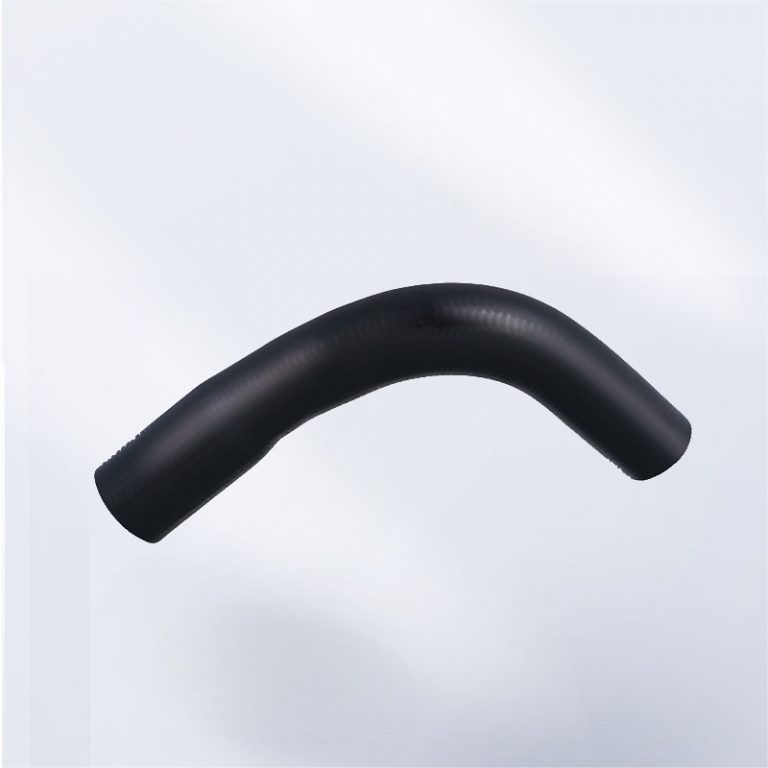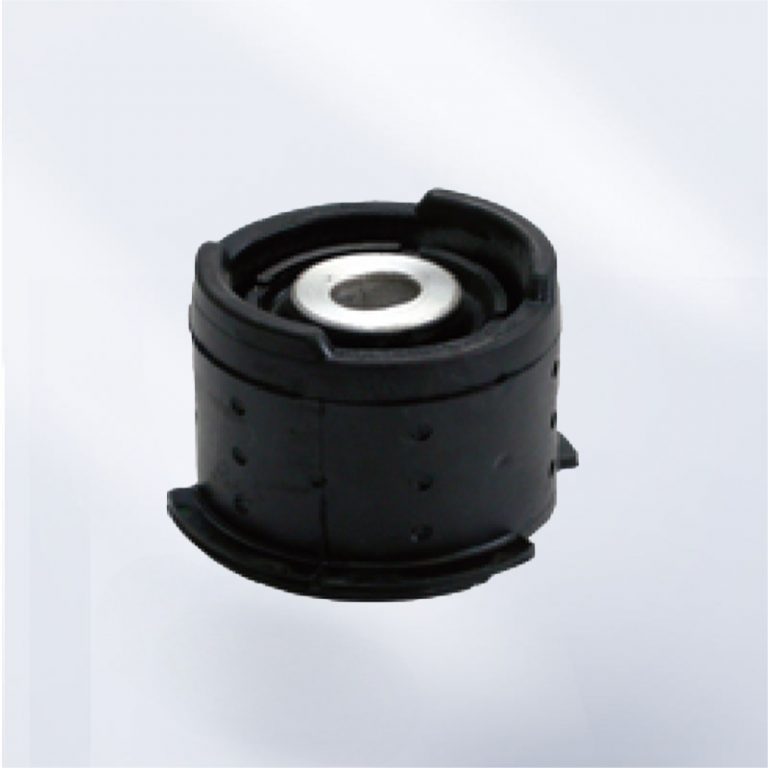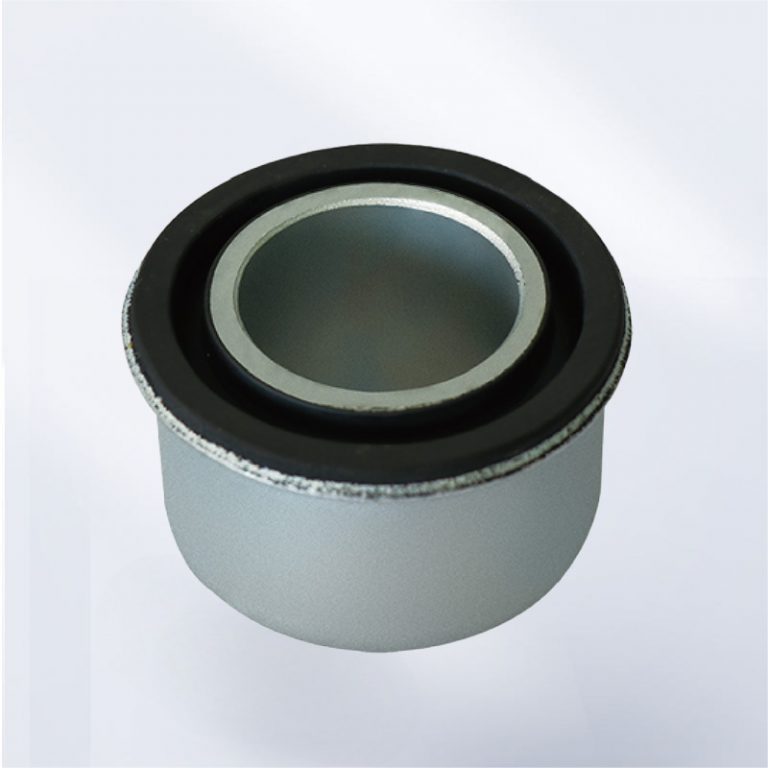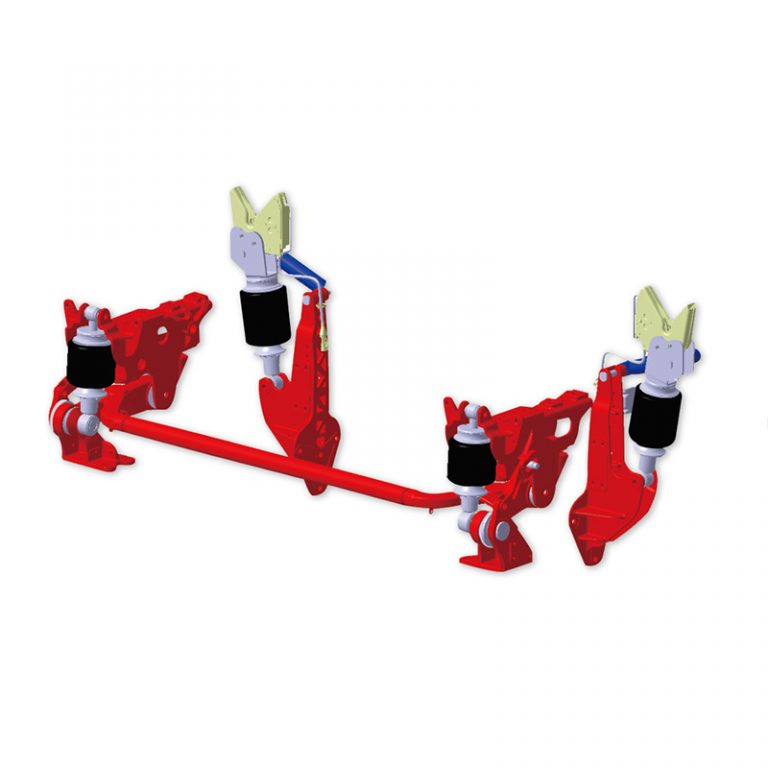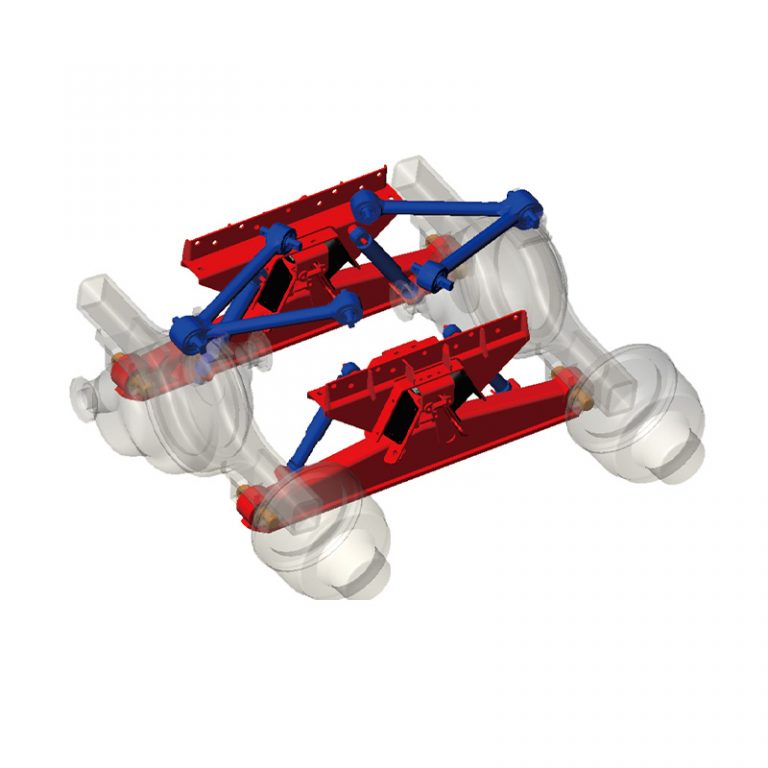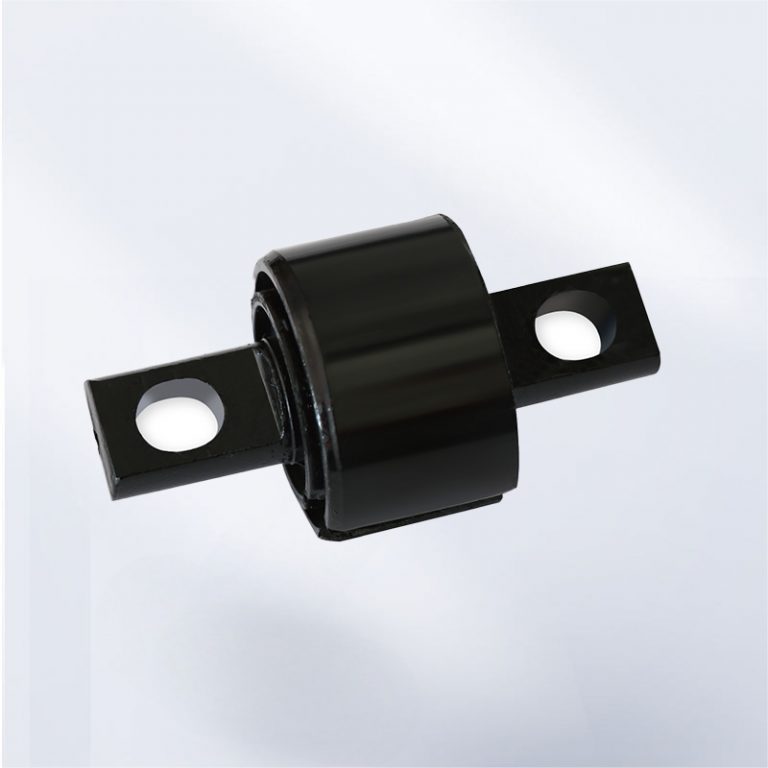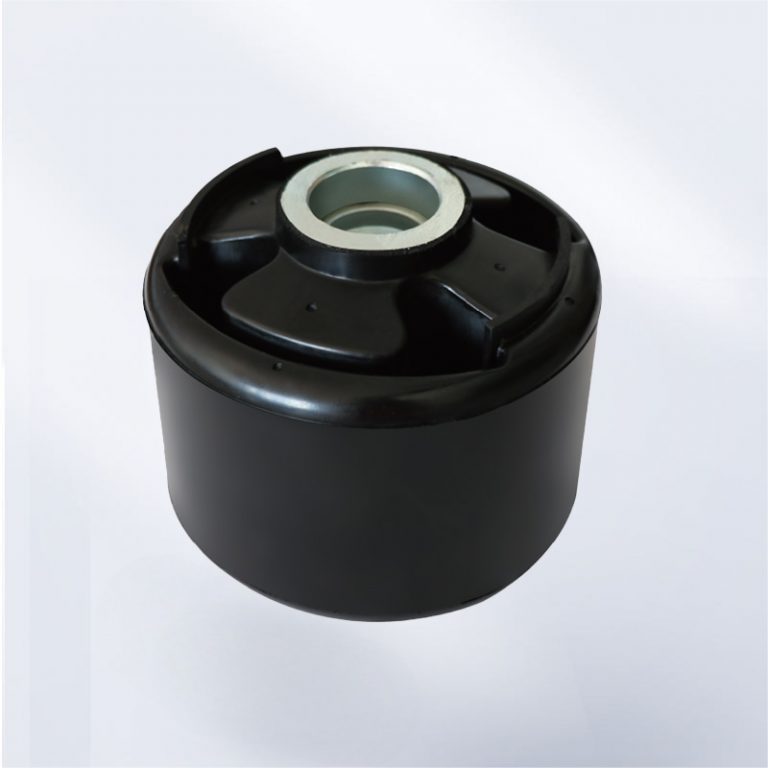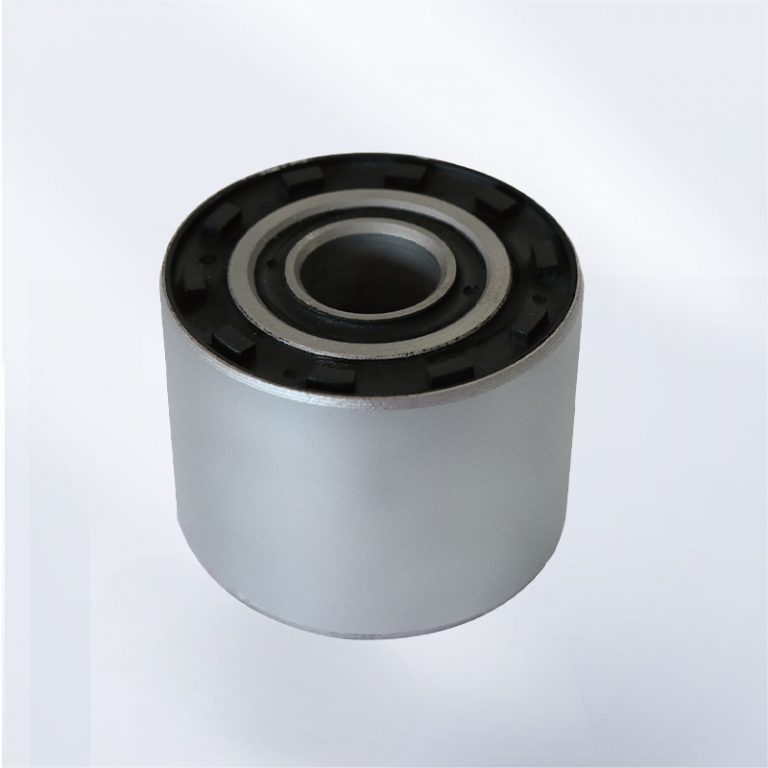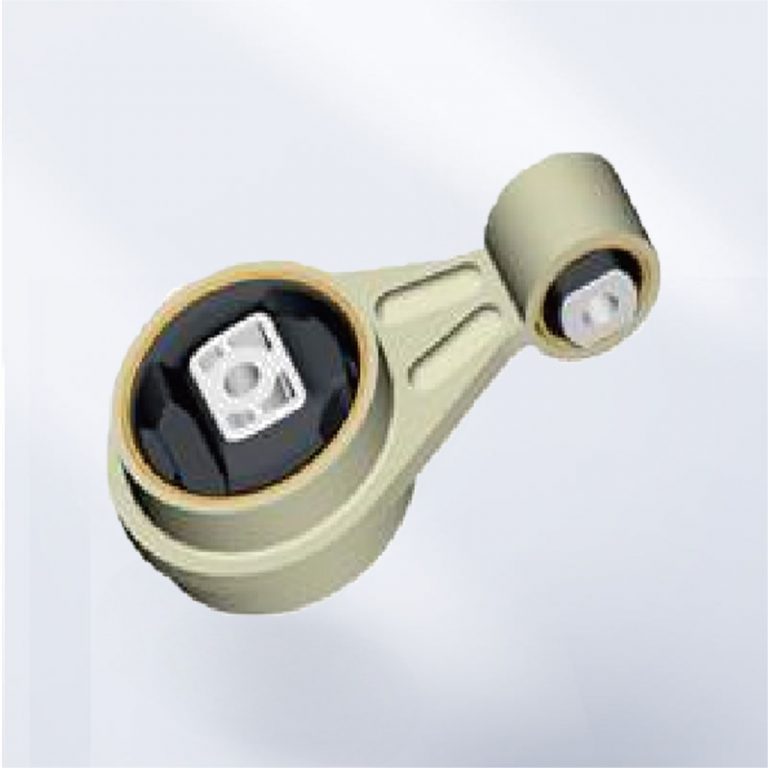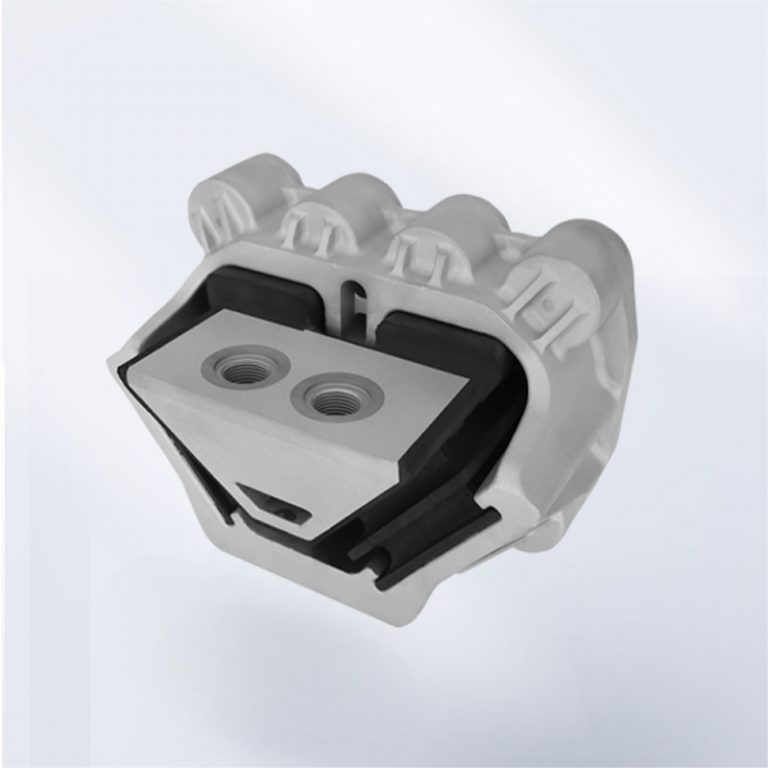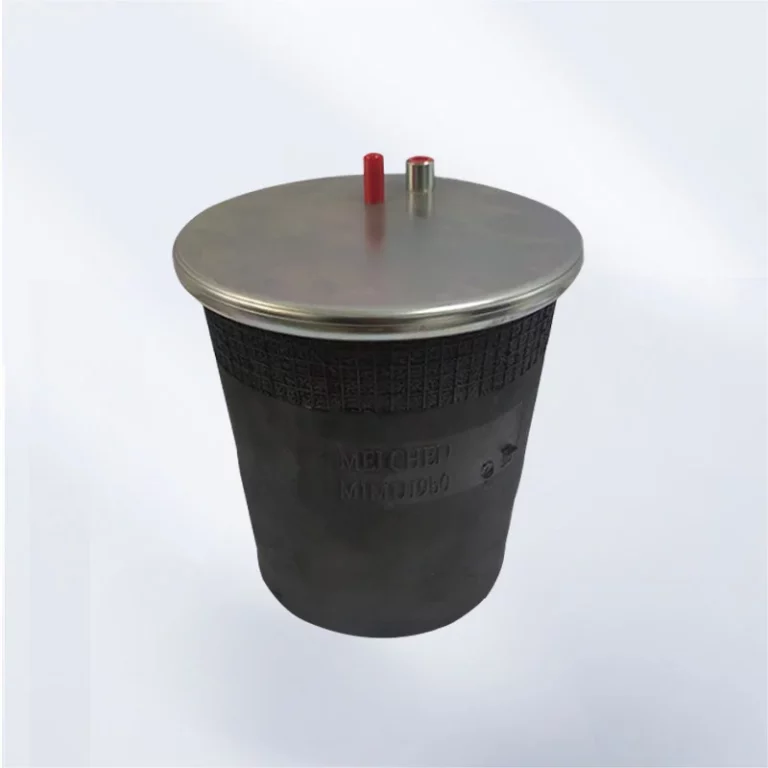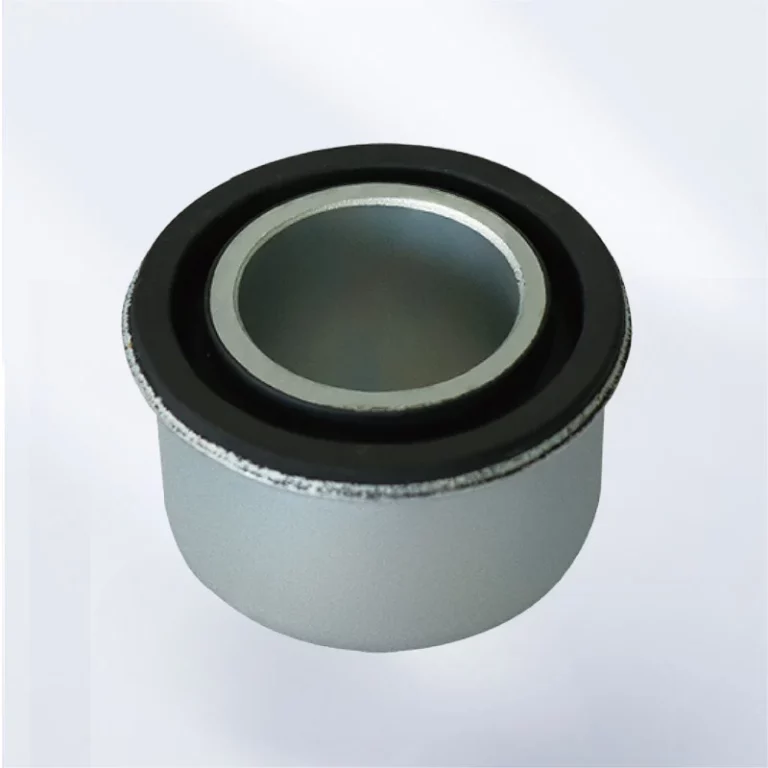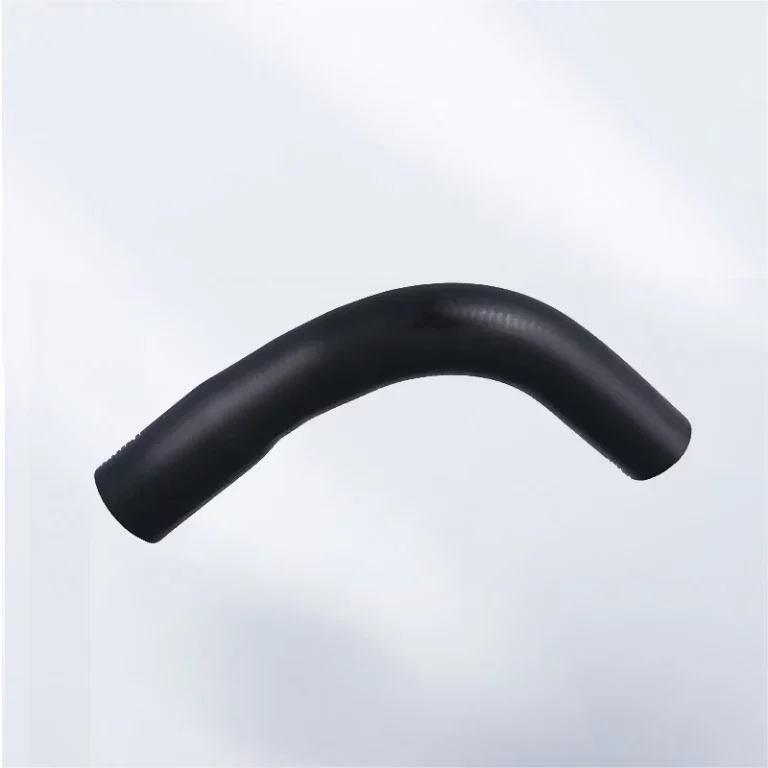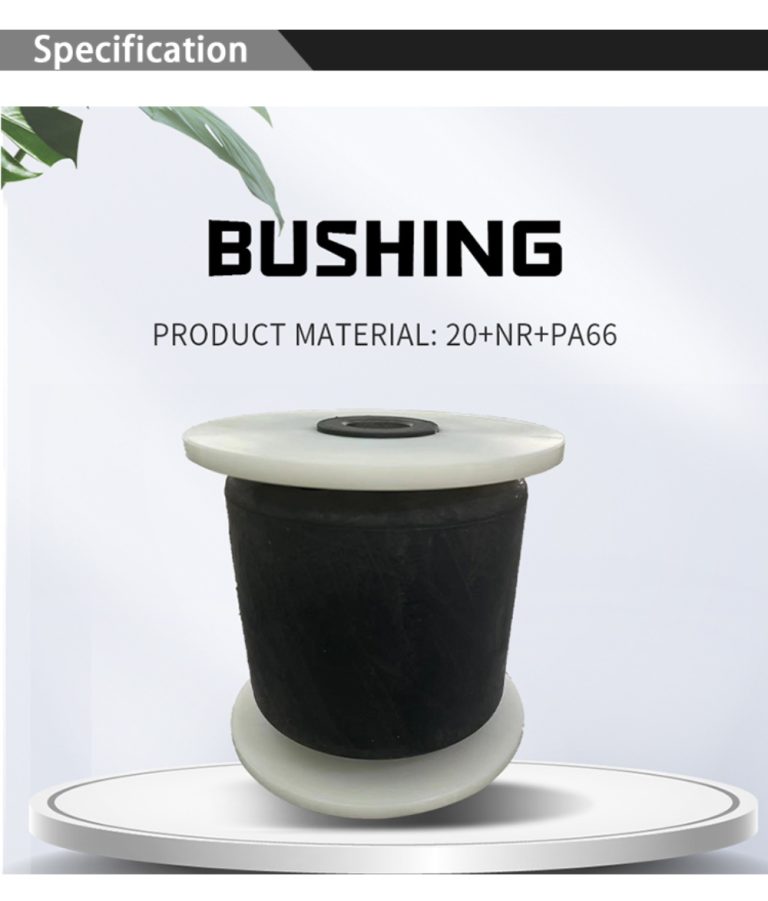
تعمل أنابيب المطاط كمكون حيوي في الهندسة المعاصرة لأنها توفر تشغيل موثوق به في أنظمة الضغط العالي. يتطلب اختيار المواد لأنظمة نقل السوائل والغازات في محركات السيارات والآلات الصناعية وأنظمة تكييف الهواء والتبريد معايير أداء صارمة. توفر أنابيب المطاط أداء استثنائيًا لأنها تجمع بين المرونة وخصائص القوة والمقاومة الكيميائية.
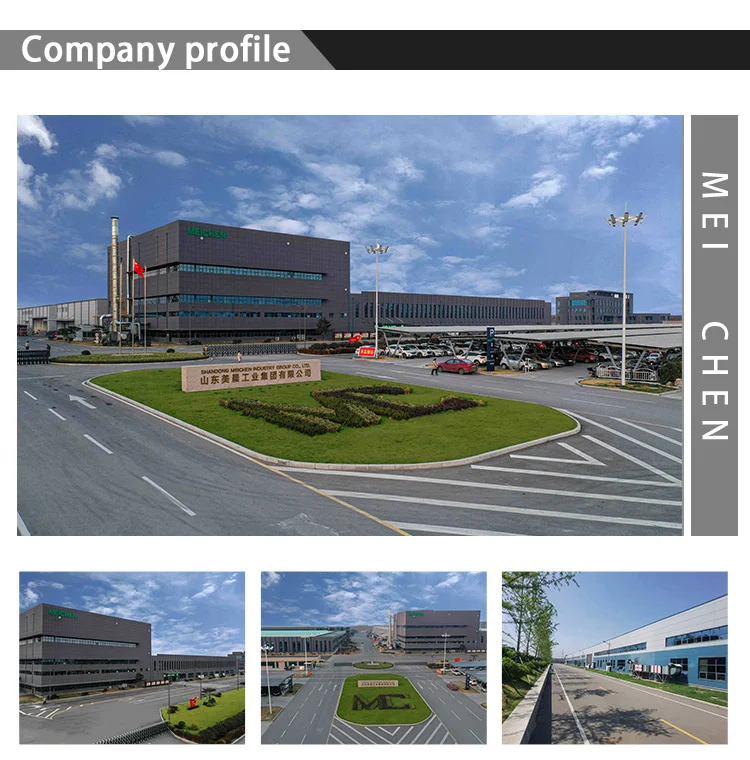
شاندونغ ميشن تقدم مجموعة الصناعة المحدودة للمهنيين حلول عالية الأداء لأنظمة تعليق السيارات وتطبيقات تقليل الاهتزاز وتسليم السوائل. تعمل شركة ميتشن الوطنية للتكنولوجيا العالية من مدينة تشوتشينغ مع توسيع عملياتها في جميع أنحاء العالم. تقدم الشركة خدمات البثق المطاطي والصب بالحقن البلاستيكي من خلال R&؛ 120 شخصًا. فريق د ومختبرات التحقق من صحة اختبار التعب. تقدم الشركة حلول علوم البوليمر المتقدمة مع قدرات تصنيع دقيقة من خلال Meichen Global.
لماذا الأنابيب المطاطية هي الخيار المفضل في بيئات الضغط العالي؟
يحدد اختيار مواد الأنابيب في أنظمة الضغط العالي كل من الأداء التشغيلي ومستويات السلامة. تبرز أنابيب المطاط كخيار مفضل لأنها تحافظ على هيكلها مع التعامل مع التغيرات في الضغط والتوتر الميكانيكي.
مقاومة ممتازة للضغط والتشوه
تصنع مصنعي الأنابيب الصناعية مركبات مطاطية تحافظ على شكلها عند تعرضها للقوى الخارجية. وتشمل الأنظمة التي تتطلب هذه الخصائص الشاحنات التوربينية والمعدات الهيدروليكية لأن ضغوطها الداخلية تتعرض لزيادات مفاجئة وشديدة. الخصائص المرنة للمطاط تمكنه من امتصاص القوى المفاجئة التي تمنع كل من التمزق والانهيار والحفاظ على تدفق السوائل دون انقطاع.
مرونة متفوقة تحت الإجهاد الميكانيكي
تحافظ أنابيب المطاط على المرونة لأنها يمكن أن تنحني وتتنحني دون تطوير الشقوق. الطبيعة المرنة للأنابيب المطاطية تجعلها مناسبة للتطبيقات التي ستحدث فيها حركة النظام أو الاهتزاز. المحرك’ تحرك الهيكل ضد الهيكل في محركات السيارات يتطلب أنابيب يمكن أن تنحني ذهابا وإيابا دون أن تعاني من فشل هيكلي.
التوافق مع مجموعة واسعة من السوائل والغازات
يعتمد اختيار مواد الأنابيب المطاطية على قدرتها على العمل مع أنواع معينة من الوسائط. يوفر اختيار مزيجات FKM و EPDM و NBR / PVC مقاومة كيميائية للتطبيقات التي تنطوي على مزيجات النفط والغاز وسوائل التبريد. عملية اختيار المواد تركز على العميل’ بيئة التطبيق لضمان الموثوقية على المدى الطويل تحت التعرض للمواد العدوانية.
كيف تؤثر خصائص المواد على الأداء؟
تعتمد فعالية أنابيب المطاط في البيئات القاسية على خصائصها الفيزيائية التي تحدد أدائها التشغيلي. تحدد الخصائص الأساسية الثلاث لقوة الشد والمقاومة الحرارية والمتانة البيئية مدى أداء أنابيب المطاط طوال عمرها التشغيلي.
قوة الشد العالية ومرونة مركبات المطاط
القوة القصوى التي يمكن للمادة تحملها قبل الكسر معروفة باسم قوة الشد. مزيج من قوة الشد العالية والإطالة عند الكسر يحدد مركبات المطاط عالية الأداء. تحافظ المادة على قدرتها على التمدد تحت الضغط والعودة إلى شكلها الأصلي بسبب خصائصها المزدوجة التي تجعلها مناسبة لتثبيت المحركات وقنوات استيعاب الهواء في الأنظمة الديناميكية.
الاستقرار الحراري لظروف درجات الحرارة القصوى
توجد أنابيب المطاط بالقرب من المعدات التي تنبعث الحرارة بما في ذلك المحركات والضاغطات. يحدث اختيار مواد VMQ (السيليكون) و HT-AEM لأنها تحافظ على خصائصها المرنة عند العمل في درجات حرارة عالية. تظهر المركبات مقاومة للتصلب والتشقق خلال دورات حرارية متعددة.
مقاومة للتآكل والأوزون والتعرض للأشعة فوق البنفسجية
تتدهور المواد الأصغر بسرعة عندما تتعرض للعوامل البيئية. تحتوي تركيبات المطاط المستخدمة في التطبيقات الحرجة على خصائص خاصة تحميها من تكسير الأوزون وتدهور الأشعة فوق البنفسجية وتلف السطح من الاتصال بالشحم. تعمل المواد بشكل جيد لمكونات المحرك داخل المركبات كما تعمل بشكل صحيح عند استخدامها للتوجيه الخارجي في المركبات والآلات.
ما الدور الذي تلعبه أنابيب المطاط في أنظمة السيارات؟
تتطلب أنابيب المطاط المستخدمة في تطبيقات السيارات تصميمًا خاصًا لأنها يجب أن تتحمل الاهتزازات المستمرة وتقلبات درجات الحرارة والاتصال بأنواع مختلفة من السوائل. يشرح القسم التالي كيفية تمكين أنابيب المطاط من عمليات المركبة الأساسية.
مكون حاسم في تطبيقات نظام استيعاب الهواء
تعتمد أنظمة استيعاب الهواء على موصلات مرنة ولكنها قوية بين فلتر الهواء والشاحن التوربيني والمبرد الداخلي ومجموعة المحرك. يستخدم هذا المنتج لتوصيل فلتر الهواء والشاحن التوربيني والمبرد الداخلي والمحرك لوسيط نقل الغاز: خليط النفط والغاز. لهذا السبب، منتجات نظام امتصاص الهواء (البلاستيك والمطاط) تم تصميمها باستخدام أنواع مطاطية متقدمة مثل FVMQ أو HT-ACM التي تتعامل مع كل من ارتفاعات الضغط والتعرض الكيميائي بفعالية.
.webp)
ضروري لأداء نظام تبريد موثوق به
تتطلب أنظمة التبريد خراطيم تحافظ على سلامة التدفق حتى تحت تقلبات درجات الحرارة والضغوط. يجب أن تقاوم هذه الأنابيب تآكل سوائل التبريد مع توفير مرونة كافية لاستيعاب حركة المحرك. منتجات مثل منتجات نظام التبريد (البلاستيك والمطاط) يتم تصميمها مع هذه الاحتياجات في الاعتبار باستخدام مركبات مستقرة حراريا.
.webp)
تخفيف الاهتزازات وقدرات تقليل الضوضاء
تعمل أنابيب المطاط كعنصر التحكم الرئيسي في NVH (الضوضاء والاهتزاز والقسوة) لأنها تمتص اهتزازات المحرك مما يمنعها من الوصول إلى الهيكل. يزيد النظام من راحة القيادة مع تقليل الضرر الذي يحدث بسبب الرنين.
كيف يفعل Meichen’ أنابيب المطاط تلبي معايير الصناعة؟
يتطلب تحقيق معايير الصناعة أكثر من نجاح الاختبار لأنه يتطلب إنتاجًا موحدًا عالي الجودة لملايين المنتجات سنويًا. إن الجمع بين الدقة الهندسية وعلوم المواد يخلق الأساس لتحقيق هذا الهدف.
استخدام صيغ البوليمر المتقدمة للمتانة
يعتمد اختيار المواد المطاطية على متطلبات التطبيق لأن FVMQ و FKM و VMQ EPDM تخدم احتياجات حرارية وكيميائية مختلفة. وتوفر صيغ المطاط المتقدمة مدة خدمة أطول وتخفيض متطلبات الصيانة للتطبيقات التي تتراوح من مركبات الركاب إلى معدات البناء.
الهندسة الدقيقة لسمك الجدار المتسق واللائق
توفر توحيد سمك الجدار إدارة تدفق موثوقة ومقاومة الضغط مما يجعلها ضرورية لدمج النظام مع الشاحنات التوربينية والمشغلات الهيدروليكية. تسمح عملية التصنيع الكاملة للصب بالنفخة بالطرد المطاطي بالتحكم الدقيق في التسامحات الأبعاد.
الامتثال لشهادات الجودة الدولية
تخضع خطوط الإنتاج في ميشن لمراجعات منتظمة للامتثال معايير ISO ومتطلبات OEM للسيارات التي تضمن أن جميع دفعات المنتجات تحافظ على مستويات أداء متطابقة عبر جميع أحجام الطلبات ووجهات السوق.
ما هي المزايا الرئيسية لـ Meichen’ خطوط المنتجات؟
اختيار مورد لحلول أنابيب المطاط عالية الضغط يعتمد بنفس القدر على تكيف تصميم المنتج وتميز المواد.
منتجات نظام استيعاب الهواء مع تحمل الضغط المحسن
يعمل المنتج كمرشح هواء يعمل مع خليط النفط والغاز كوسيط نقله. تستخدم منتجات الاستيعاب بلاستيك PA66 GF35 مع ختمات إيلاستوميرية لبناء بنايات متعددة المواد التي تحقق أداء مقاوم للتسرب تحت الحمل في المحركات عالية الدفع.
منتجات نظام التبريد المصممة للكفاءة الحرارية
مزيج من المواد الحرارية البلاستيكية المعززة بألياف الزجاج والمطاط المقاوم للحرارة يسمح لهذه الخراطيم للحفاظ على شكلها أثناء تغييرات درجات الحرارة القصوى والتي تقلل من فقدان الطاقة في الغمر الحراري مع الحفاظ على سرعة تدفق سائل التبريد.
دمج البلاستيك والمطاط لتحسين الوظائف
ويمكن الجمع بين القطع البلاستيكية الصلبة والمفاصل المطاطية المرنة في التصاميم الهجينة إنشاء مسارات توجيه معقدة تحافظ على المتانة لأن التثبيتات المستقيمة تصبح مستحيلة في خليج المحرك بسبب قيود التعبئة والتغليف.
في أي تطبيقات تستخدم أنابيب المطاط عالية الضغط بشكل شائع؟
تخدم أنابيب المطاط وظائف أساسية في جميع الصناعات التي تحتاج إلى الحفاظ على سلامة الضغط.
مكونات محركات السيارات وأنظمة توربو
تحتاج المحركات المضغوطة بالتوربو إلى اتصالات مغلقة تمامًا يمكن أن تعمل في ظروف الفراغ خلال فترات الخمول وتتحمل ضغط زيادة إيجابي أثناء التسارع وبالتالي يثبت المطاط المعزز مناسبًا لهذا التطبيق.
الآلات الصناعية والمعدات الهيدروليكية
تستخدم الخطوط الهيدروليكية التي تعمل بمئات الضغوط البارية أنابيب مطاطية متعددة الطبقات معززة بألياف صناعية أو شبكة فولاذية لتحقيق كل من المرونة ومقاومة الانفجار.
أنظمة تكييف الهواء وخطوط نقل السوائل
خطوط تكييف الهواء والتبريد في المباني التجارية والمعدات المتنقلة مثل الحافلات والسيارات المعدنية تستخدم أنابيب مطاطية توفر حماية من تسرب المبردات وتسامح اهتزاز الضاغط.
لماذا تختار Meichen كمورد للأنابيب المطاطية عالية الأداء؟
يتطلب اختيار المورد أكثر من مواصفات المنتج لأنه يتطلب شراكة تستند إلى الثقة والقدرة التقنية وأنظمة الدعم العالمية.
عقود من الخبرة في حلول البوليمر المخصصة
الشركة التي تأسست في عام 2004 تعمل الآن من مساحة 311,334 متر مربع لتصبح شركة صينية رائدة في تصنيع مكونات السيارات التي تقدم حلول مخصصة بدلا من المنتجات القياسية.
في المنزل R & amp; د وقدرات التصنيع
R& يتألف الفريق من 120 عضوا من بينهم أستاذ. ويمكن حجم الفريق الكبير من وضع نماذج أولية سريعة وتطوير منتجات مستمرة من خلال ردود الفعل الميدانية المستمرة من المستخدمين في جميع أنحاء العالم.
الوصول العالمي مع الدعم التقني المستجيب
تقدم الشركة أكثر من قطع غيار من خلال شراكاتها في مجال الشاحنات الثقيلة وسيارات الركاب والآلات الزراعية وموظفيها التقنيين الذين يتحدثون لغات مختلفة مما يضمن راحة البال للعملاء مدعومة بخبرة راسخة.
أسئلة متكررة
Q1: ما هي أنواع السوائل التي يمكن أن تتعامل معها أنابيب المطاط؟
ج: اعتمادا على المركب المستخدم - مثل FKM أو EPDM - يمكن أن تتعامل أنابيب المطاط مع مزيجات النفط والغاز ، سوائل التبريد ، بخار الماء ، وتيارات الهواء التي تحتوي على جسيمات أو غازات تآكل.
Q2: كيف تؤثر درجة الحرارة على الأداء؟
ج: المطاطات عالية الجودة تحتفظ بالمرونة تصل إلى 200 درجة مئوية اعتمادا على الصياغة. هذا يمنع الشقوق تحت الدورات الحرارية الشائعة في مقصورات المحرك أو السخانات الصناعية.
س3: هل يمكنني استخدام أنابيب مطاطية قياسية في أنظمة الشاحن التوربيني؟
ج: لا ينصح إلا إذا ’ إعادة تقييم لاستخدام الضغط العالي؛ الأنواع المعززة المصممة خصيصا لأنظمة استيعاب الهواء توفر ختم أفضل في ظروف تعزيز.