An airbag light is one of those warnings many drivers leave for later. The car still starts. The steering wheel still turns. Nothing feels broken right away. But the airbag system is not a normal comfort system. Once that light stays on, the car may be telling you that one safety circuit is no longer giving a clean signal.
A clock spring is often part of this issue. It sits behind the steering wheel, out of sight, and keeps electrical signals connected while the wheel turns. The driver airbag, horn, cruise control, phone buttons, and audio buttons may all depend on this small part.
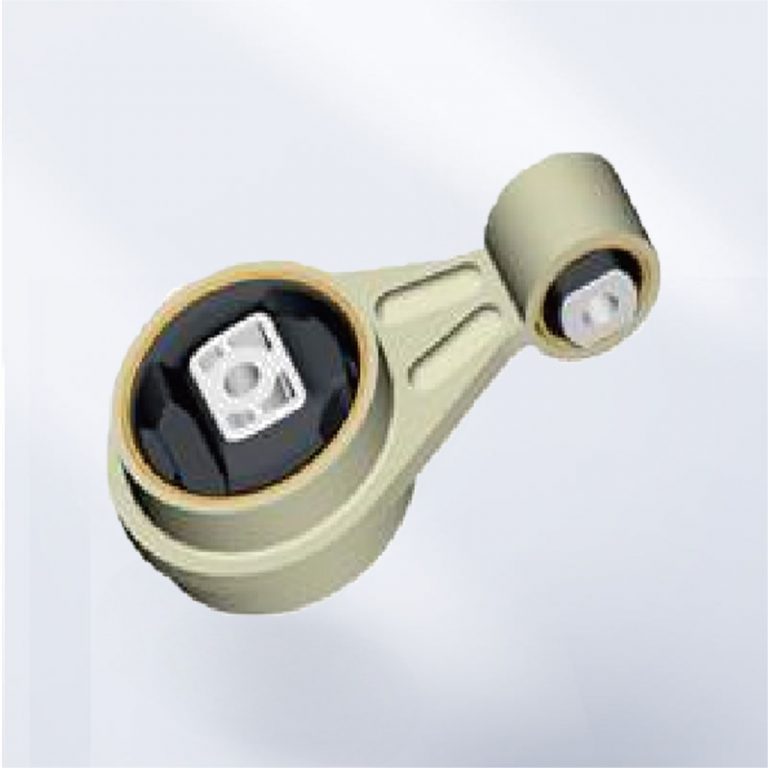
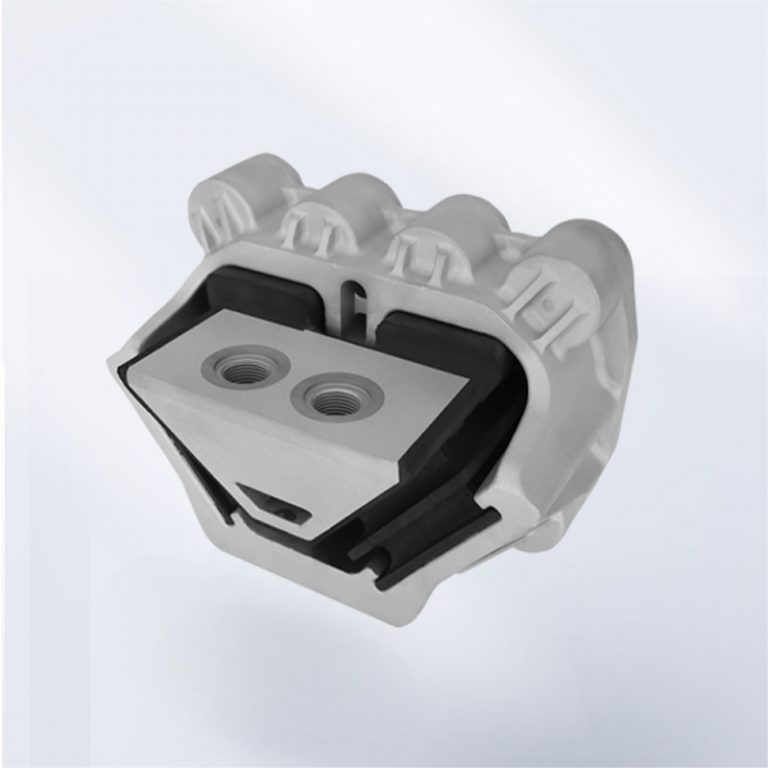
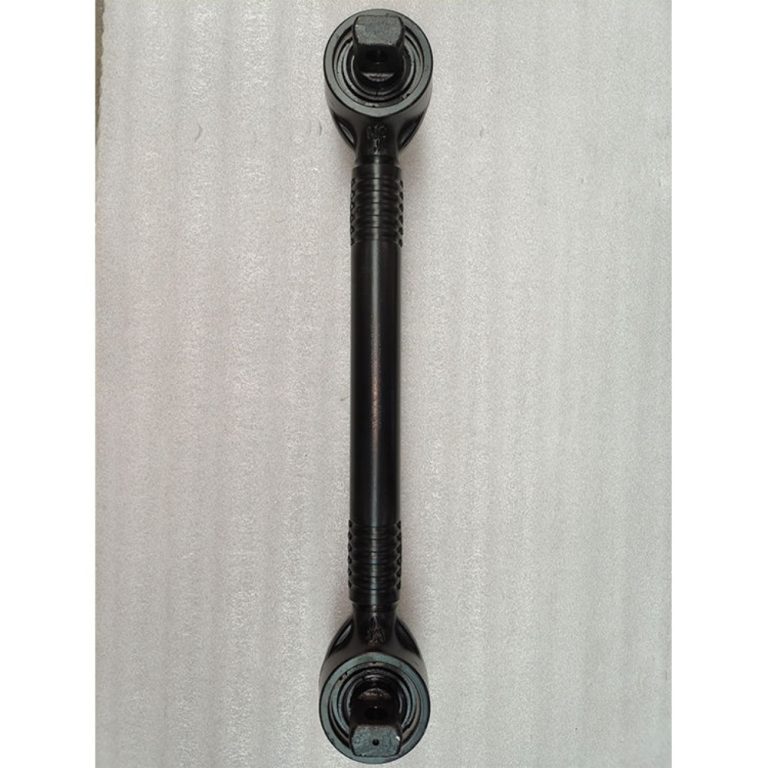
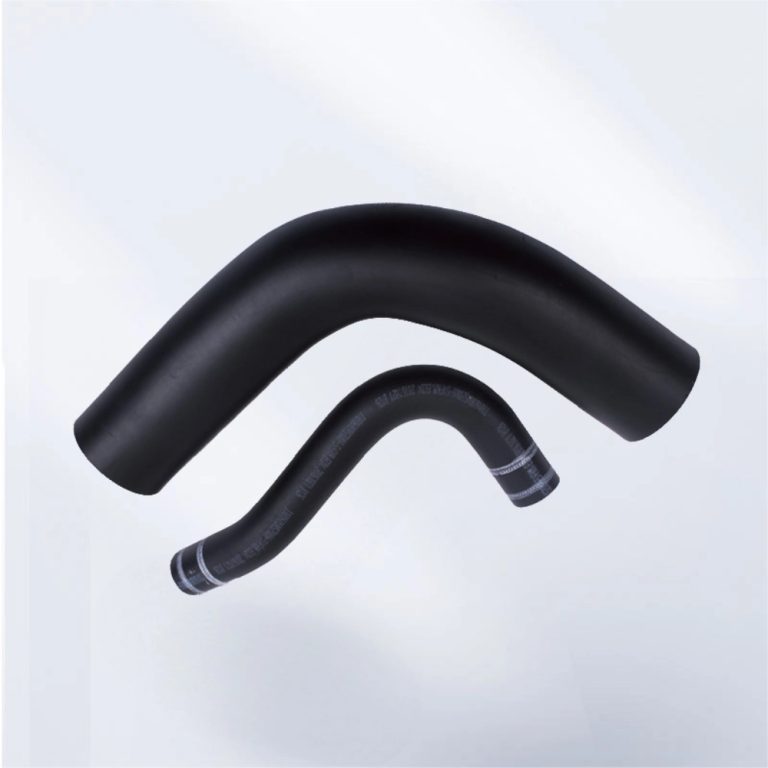
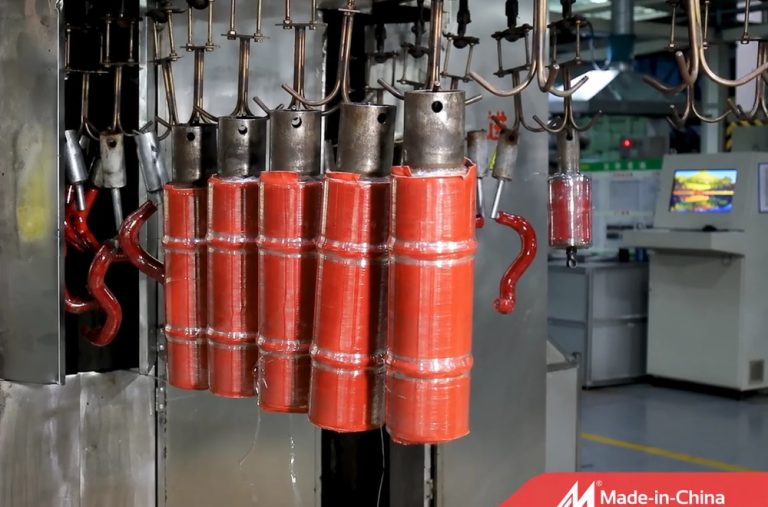
ميشن is an automotive parts manufacturer founded in 2004, with work across suspension systems, vibration reduction systems, fluid delivery systems, rubber damping parts, hoses, air springs, and related assemblies. Its products serve passenger cars, commercial vehicles, and construction machinery. The company also has material testing, fatigue validation, rubber formula support, and OEM/ODM development experience. For this article, one point must stay clear: Rubber Bushing does not repair an airbag clock spring. It comes into the discussion when the steering complaint feels mechanical, such as vibration, chassis noise, or loose handling.
What Does a Clock Spring Do with an Airbag?
A clock spring is not the kind of spring that carries weight. It is more like a rotating electrical bridge. The steering wheel needs to turn many times during normal driving, but the airbag circuit still needs to stay connected.
A fixed wire would not work well there. It would twist each time the wheel turned. After enough use, it could break. The clock spring solves this with a flat ribbon cable wound inside a round housing. As you turn the wheel, the cable moves with it and keeps the circuit connected.
Keeps the Driver Airbag Circuit Connected While the Wheel Turns
The driver airbag is inside the steering wheel. The control system and wiring sit behind the column. These two areas need a stable electrical path even when you turn left, right, park, reverse, or make tight low-speed maneuvers.
When the clock spring is healthy, the airbag circuit stays connected. When the inner cable wears, breaks, or loses contact, the system may read that as a fault. That is one reason the airbag warning light may stay on.
Carries Signals for Horn and Steering Wheel Controls
The airbag signal is the serious one, but it is not the only signal passing through the clock spring. The horn can run through it. Steering wheel buttons can run through it too.
This is why a bad clock spring rarely feels like one simple problem. You may see the airbag light first. Then the horn works only sometimes. Or the buttons stop responding when the wheel is turned. These small clues matter because they point toward the rotating connection behind the wheel.
Why Does the Airbag Light Come on When the Clock Spring Fails?
The airbag system checks its own circuits. If it sees an open circuit, poor continuity, or abnormal resistance in the driver airbag path, it can store a fault code and turn on the warning light.
A clock spring can fail from age, wear, rough handling during steering wheel work, or incorrect centering during installation. Sometimes the fault is there all the time. Sometimes it appears only when the steering wheel reaches a certain angle.
Start With the SRS Code, Not a Guess
The first step should be a scan of the SRS system. A code can show whether the issue is around the driver airbag circuit, the clock spring, the connector, or the wiring.
Clearing the warning light without checking the cause does not fix anything. If the same code returns, the circuit still has a real problem.
Look for Intermittent Steering Wheel Functions
A damaged ribbon cable may still touch at one steering angle and lose contact at another. That is why the horn may work when the wheel is straight but fail while turning. The same thing can happen with steering wheel buttons.
This kind of on-and-off symptom is useful. It tells you the issue may not be the horn button or the cruise button itself. The signal path behind the wheel may be the weak point.
What Warning Signs Suggest a Bad Clock Spring?
A bad clock spring usually leaves a trail. The trick is reading the signs in the right group. Warning lights and button failures point toward the electrical side. Shakes, knocks, and looseness usually point somewhere else.
That separation keeps the repair process cleaner. It also helps avoid replacing parts that were never the real cause.
Airbag Warning Light Stays on After Startup
Most cars turn the airbag light on briefly at startup. Then it goes off after the system check. If it stays on, flashes, or comes back after being cleared, the system needs diagnosis.
A bad clock spring is only one possible reason, but it becomes more likely when the fault code is tied to the driver airbag circuit.
Horn or Steering Wheel Buttons Stop Working
Horn failure is a common clue. Sometimes the horn stops completely. Sometimes it works only when the steering wheel is held in one position.
Steering wheel controls can behave the same way. Audio, phone, cruise, or menu buttons may cut out. When these signs appear together with an airbag light, the clock spring should be checked before random switches are replaced.
Noise Behind the Steering Wheel Should Not Be Ignored
Some drivers hear clicking, scraping, or rubbing behind the steering wheel. Noise alone does not prove the clock spring is bad. Trim parts and other items can also make noise.
But if the noise comes with an airbag light, horn failure, or dead buttons, it becomes more important. At that point, the steering wheel area needs proper inspection.
Is It Safe to Drive With a Bad Clock Spring?
A car with a bad clock spring may still drive like normal. That is why people put off the repair. The danger is not always obvious from the driver’s seat.
The real issue is that the driver airbag may not deploy correctly in a crash. The horn may also fail, which removes a basic warning function in traffic.
Treat Airbag Failure as a Safety Issue
You cannot feel whether the driver airbag circuit is ready. The wheel may turn smoothly, and the car may handle fine, while the system is still faulty.
The warning light is the message you can see. If it stays on, the car should be checked. This is not the same as a small rattle or a worn interior button.
Leave Airbag Removal to Trained Technicians
Airbag work needs care. The battery, connectors, waiting time, steering wheel position, and service steps all matter. A rushed repair can create a new fault. It can also be dangerous.
A trained technician should confirm the fault before replacing the clock spring. Good diagnosis saves money and avoids repeat work.
What If the Problem Feels Like Steering Vibration Instead?
This is where many people mix two problems together. A clock spring is electrical. It does not control suspension movement. It does not fix body roll. It does not stop chassis knocking.
If the airbag light is off, the horn works, and the steering wheel buttons work, but the driver feels vibration or looseness, the problem may be mechanical. At that point, the inspection should move under the vehicle.
Separate Electrical Symptoms From Mechanical Symptoms
Electrical symptoms usually include airbag light, horn failure, or steering wheel button failure. Mechanical symptoms feel different. You may feel the wheel shake. You may hear a knock over bumps. The vehicle may feel loose when turning or braking.
This basic split matters. A clock spring will not fix a worn suspension part. A bushing will not fix an SRS circuit fault.
Check Rubber Bushing for Chassis Noise and Vibration
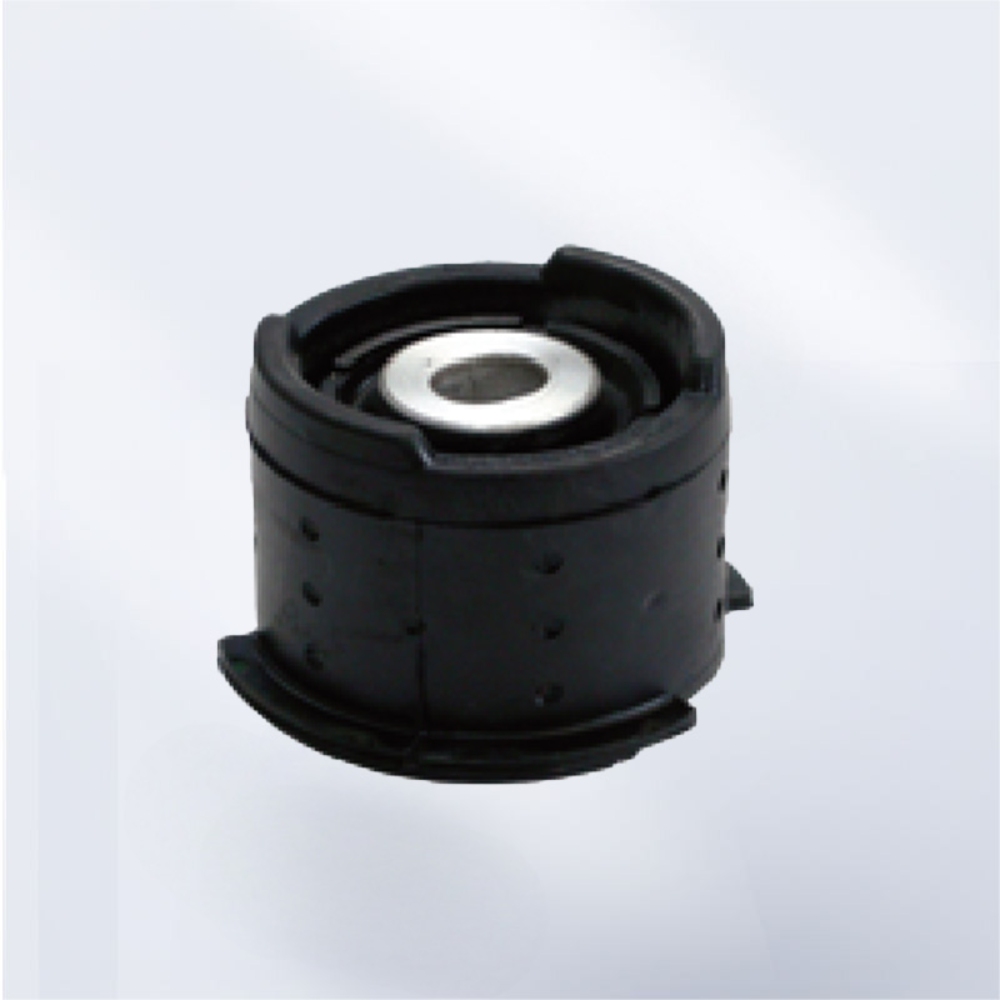
A worn bushing allows parts to move more than they should. Rubber can harden, crack, deform, or lose its fit after long service. Once that happens, road impact and vibration can travel more directly into the body.
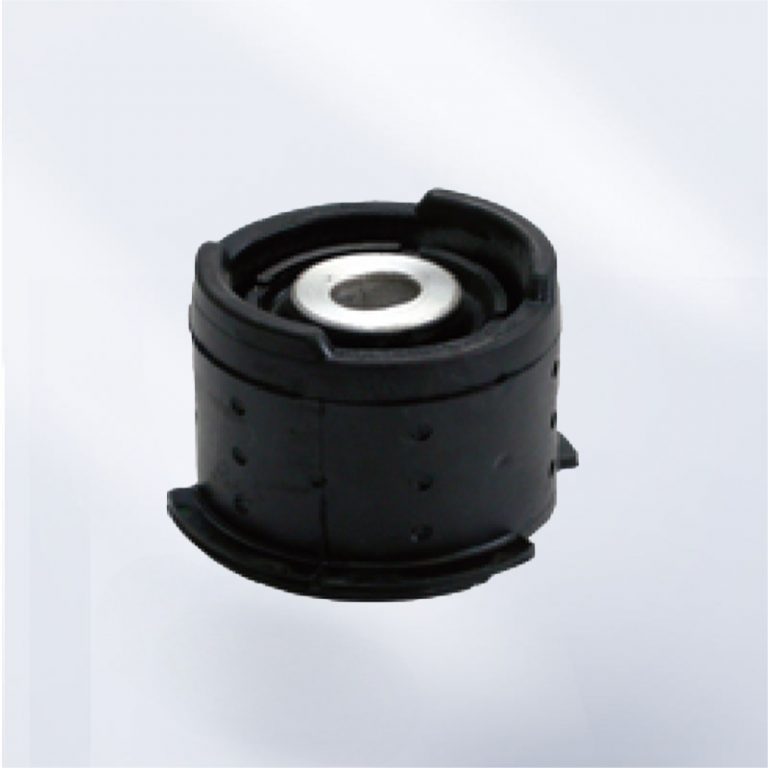
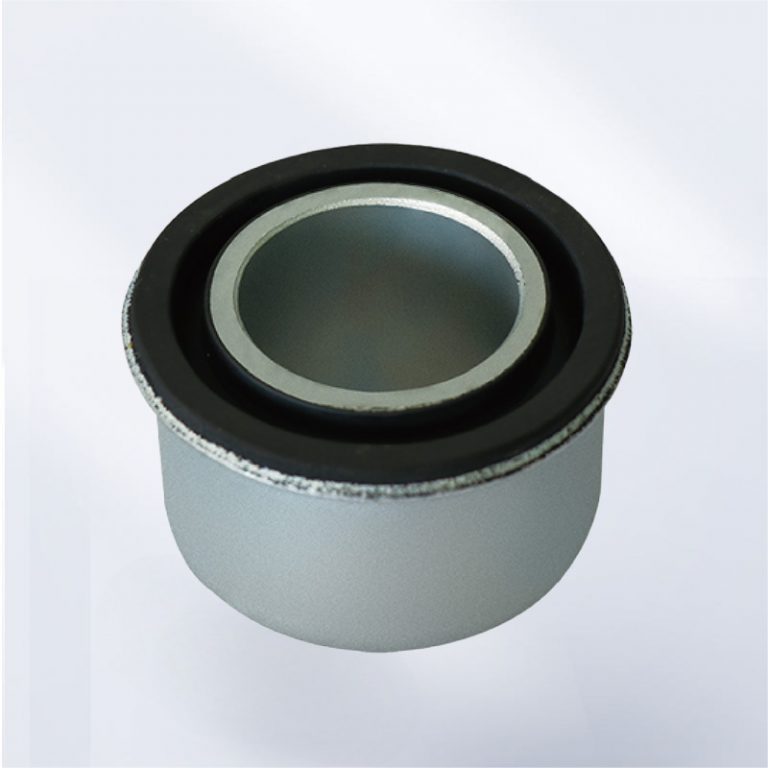
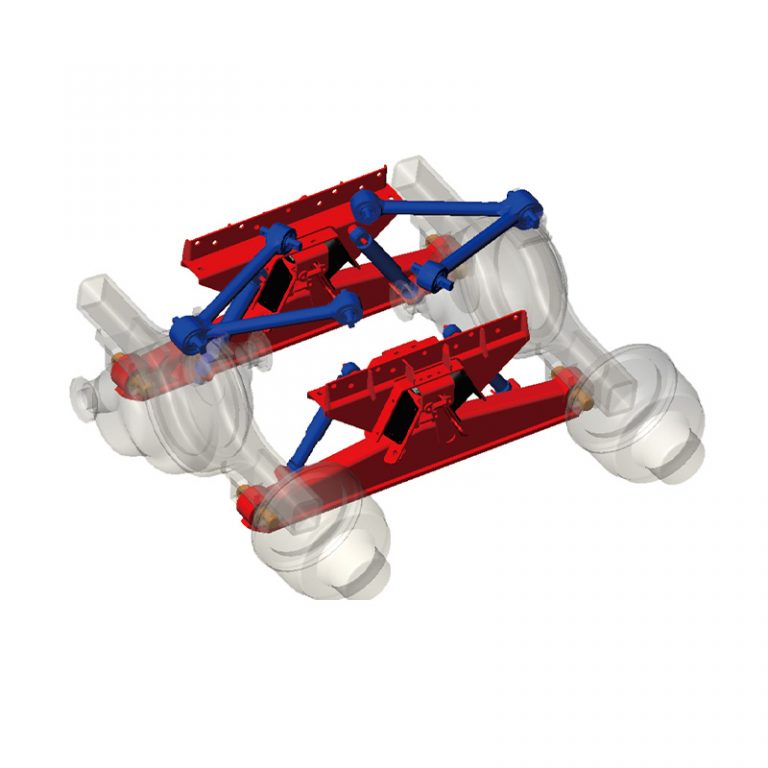
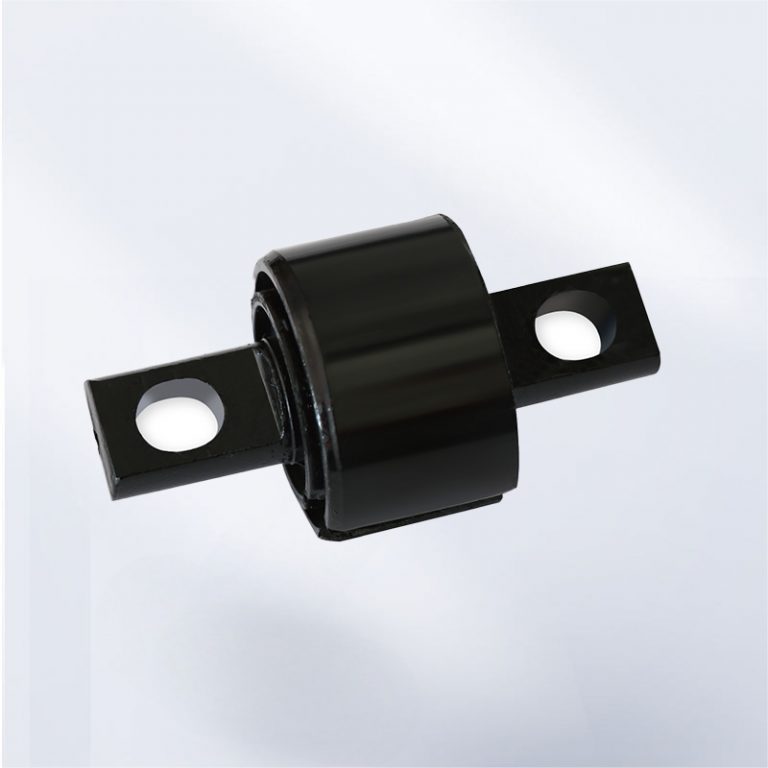
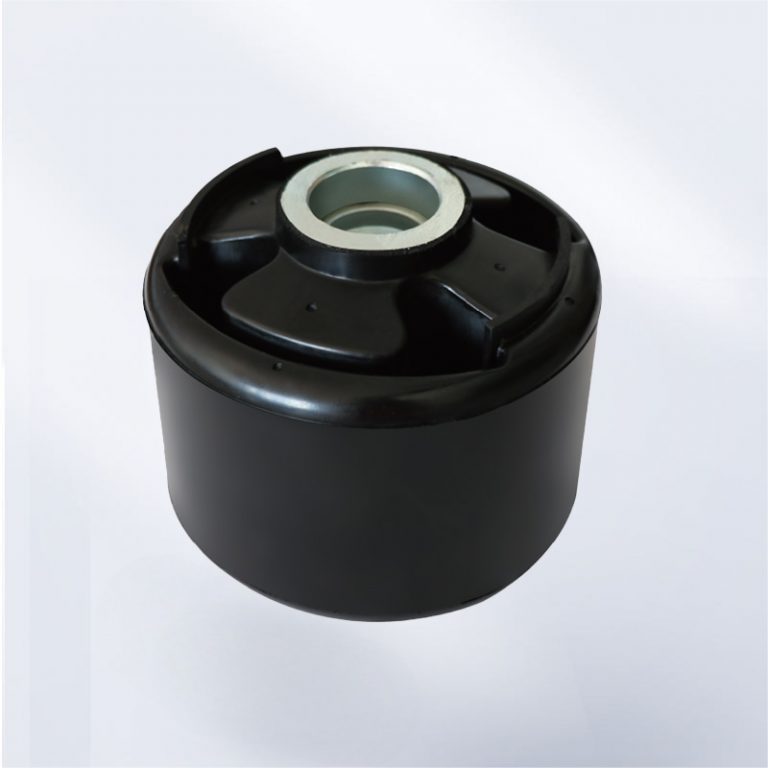
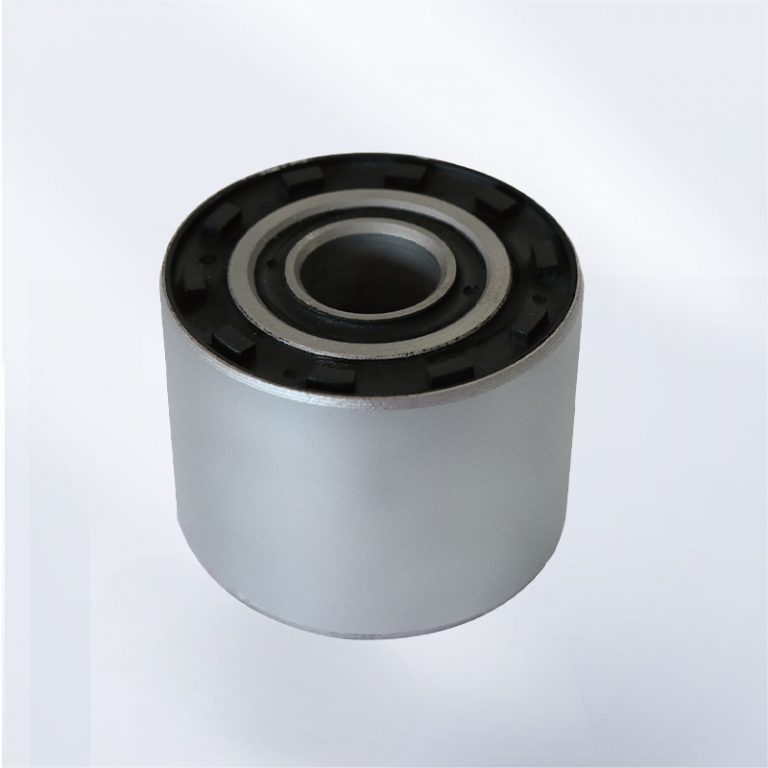
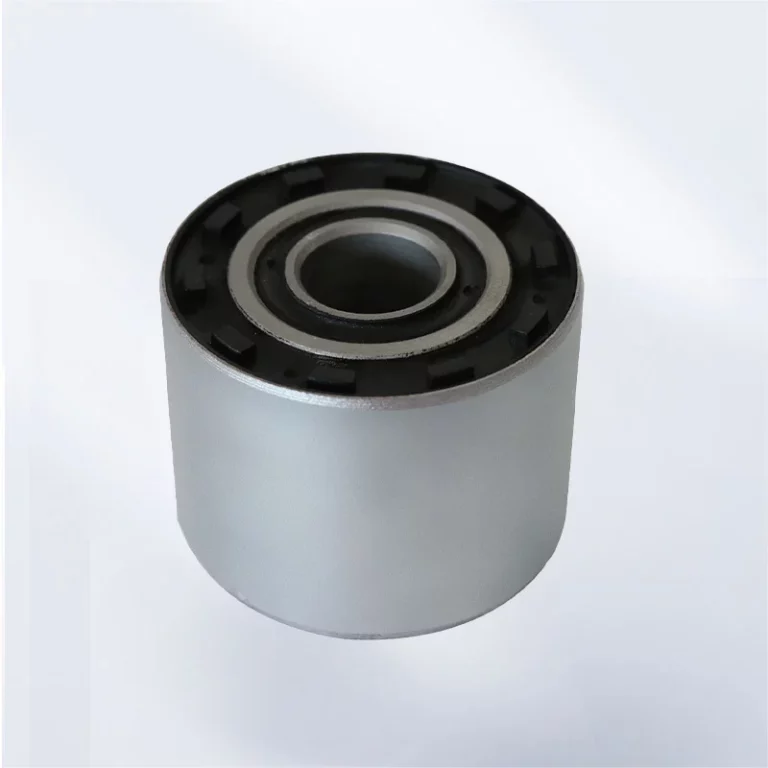
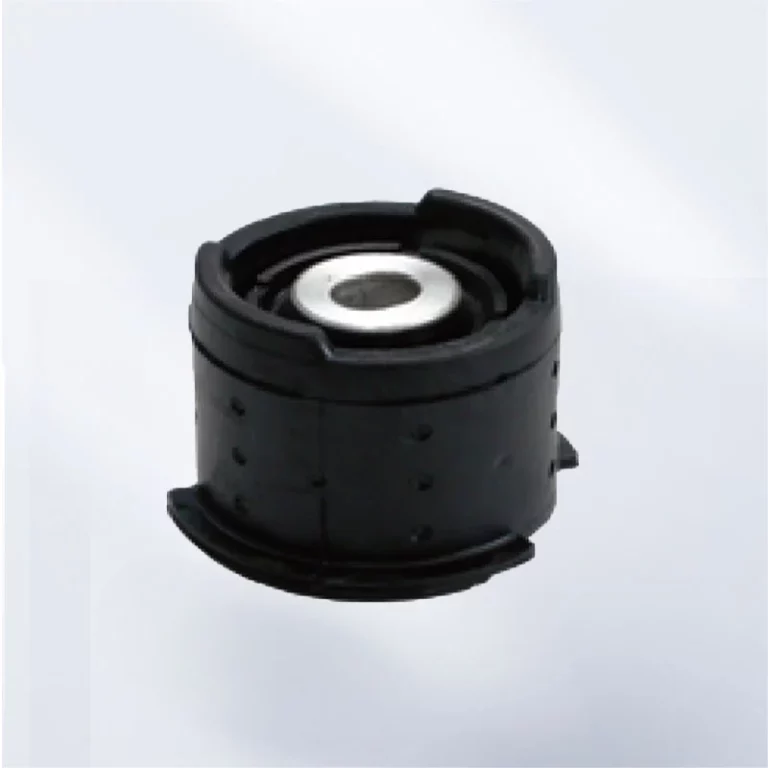
هذا هو المكان مطاط بوش fits. It is made for mechanical support, controlled movement, and vibration isolation. It helps with torsion and roll flexibility, axial and radial displacement, and torsional angle control. It is not an airbag part, but it is relevant when the steering complaint is actually a chassis or suspension complaint.
How Does Rubber Bushing Support Better Vehicle Stability?
A good bushing does not draw attention. It just keeps movement under control. When it wears out, the vehicle can feel noisy, loose, or rough.
For buyers and repair teams, the part name alone is not enough. Rubber formula, stiffness, metal bonding, installation position, load condition, and fatigue life all affect the final result. You can also review the wider مجموعة قطع غيار السيارات when matching related suspension, damping, or chassis components.
Supports Controlled Movement in Torsion and Roll
Suspension parts cannot be locked solid. They need some movement. But too much movement creates noise, vibration, and unstable handling.
Rubber Bushing for vibration control helps balance those two needs. It allows needed flexibility while helping limit unwanted movement. That is why it can be used in passenger cars, commercial vehicles, and construction machinery.
Helps Reduce Vibration Transfer
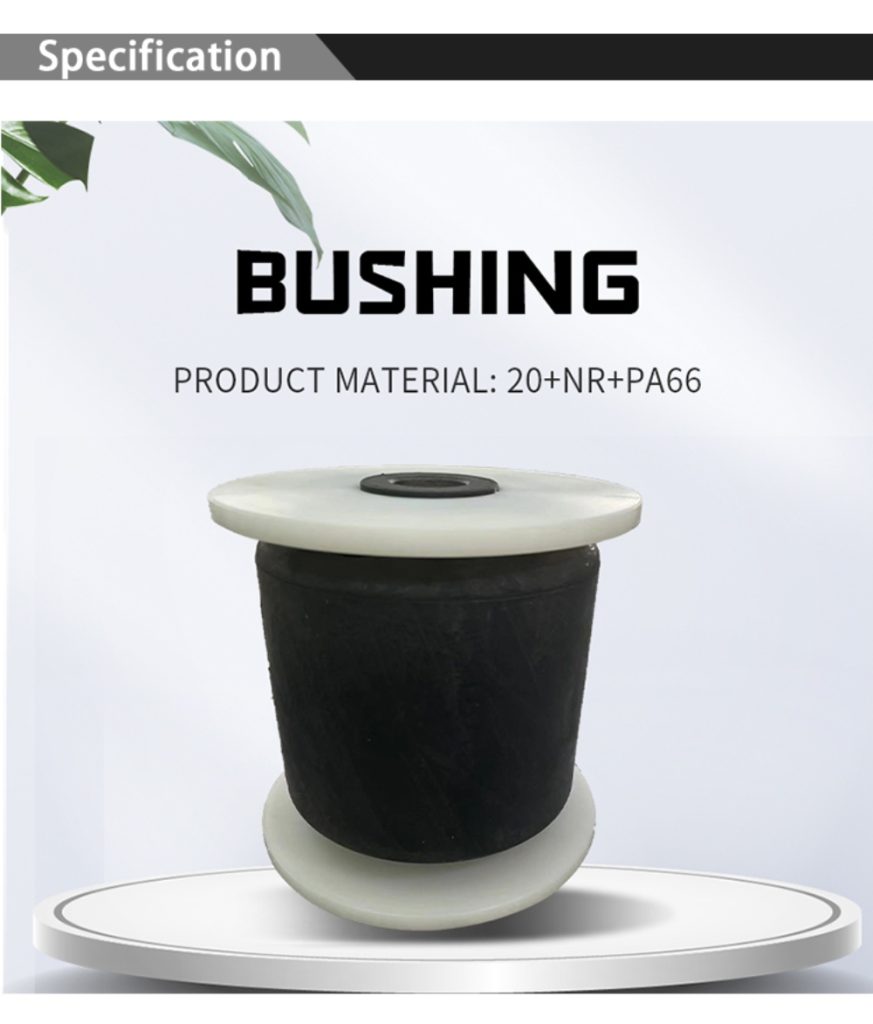
The product uses metal materials, engineering plastics, and rubber. Its low axial stiffness helps with vibration isolation, while high radial stiffness helps with stability.
That combination is useful in real driving. You want less road impact in the cabin, but the vehicle still needs steady support during braking, turning, and rough-road use.
Match the Part by Vehicle and Working Condition
For project sourcing, basic dimensions are only part of the job. Vehicle model, installation position, road condition, load, temperature, drawing, and sample details all help with matching.
If the part is for a commercial vehicle or construction machinery, the load and working cycle can be much harsher than a normal passenger car. That should be considered before choosing a bushing.
When Should Buyers Contact for Rubber Bushing Support?
If the complaint is an airbag light, diagnose the SRS circuit first. If the complaint is vibration, chassis knock, or loose handling, then Rubber Bushing selection becomes a practical topic.
That simple order keeps the repair path honest. It also makes the product recommendation more natural.
Use the Right Product for the Right Complaint
Choose a clock spring diagnosis when the airbag light, horn, or steering wheel controls fail. Choose bushing inspection when the problem feels mechanical.
This may sound basic, but it prevents a lot of wrong repairs. The two parts sit near the driver’s experience, but they do very different jobs.
Share Drawings, Samples, or Application Details
For custom matching, a supplier needs real information. Drawings, photos, samples, vehicle model, working condition, and target use all help reduce back-and-forth.
For product selection or project support, you can reach the فريق الاتصال and send the part details directly. That is usually faster than trying to match a bushing by name alone.
أسئلة متكررة
Q1: What Does a Clock Spring Do with an Airbag?
A1: It keeps the driver airbag circuit connected while the steering wheel turns, so the airbag system can keep a stable electrical path.
Q2: Can a Bad Clock Spring Cause the Airbag Light to Stay on?
A2: Yes. If the internal ribbon cable breaks or loses contact, the SRS module may detect a driver airbag circuit fault.
Q3: What Are Common Bad Clock Spring Symptoms?
A3: Common signs include an airbag warning light, horn failure, steering wheel buttons not working, intermittent button response, or rubbing noise behind the steering wheel.
Q4: Is Rubber Bushing the Same as a Clock Spring?
A4: No. A clock spring is an electrical part related to the airbag circuit. Rubber Bushing is a mechanical part used for vibration isolation and controlled movement.
Q5: When Should You Check Rubber Bushing Instead of the Clock Spring?
A5: Check Rubber Bushing when the complaint is steering vibration, chassis knock, loose handling, or body movement, not when the issue is only an airbag warning light.