新闻

欢迎订阅最新动态

What Is Rubber Tubing Used For in Automotive Systems? Key Applications, Material Selection, Durability Benefits, and Manufacturing Quality

What Is Rubber Tubing Used For in Automotive Systems Key Applications, Material Selection, Durability Benefits, and Manufacturing Quality

The automotive industry depends on rubber tubing to perform vital fluid and gas transfer operations when vehicles operate in harsh environmental conditions. The material supports vehicle system reliability and efficiency through its role in engine performance enhancement and emissions regulation compliance. The material’s ability to handle heat and vibration and pressure and chemicals makes it essential for contemporary automotive design.

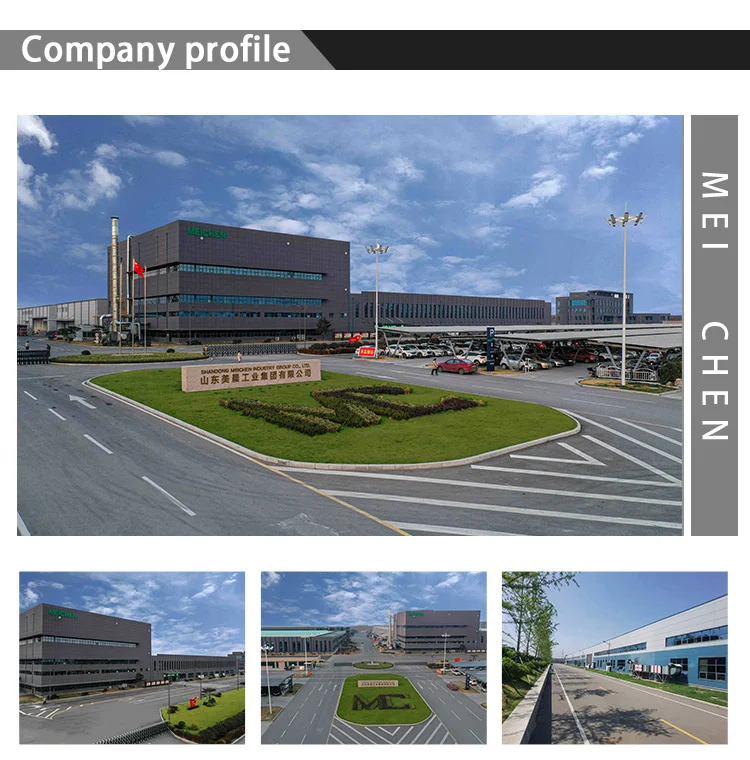
美晨 operates as a worldwide platform which delivers high-performance rubber tubing solutions that fulfill demanding automotive requirements. The national high-tech enterprise based in Zhucheng City Shandong Province develops and produces sophisticated fluid delivery systems and vibration control products and suspension components for worldwide OEMs. The company employs 1,800 staff members who operate within state-of-the-art research facilities to deliver complete product development services from initial concept to final validation.


What Is Rubber Tubing Used For in Automotive Systems Key Applications, Material Selection, Durability Benefits, and Manufacturing Quality

What Are the Primary Automotive Applications of Rubber Tubing?

Rubber tubing serves multiple vehicle systems because it provides essential flexibility and sealing and durability properties. The tubing enables efficient system operation through its role as a flexible conduit that connects air and coolant and vacuum systems.

Air Intake System Components for Engine Efficiency

The air intake system used rubber tubing to direct filtered air from the intake section to the combustion chambers. The system needs to adapt to changing pressure differences while protecting against oil vapor and heat exposure.

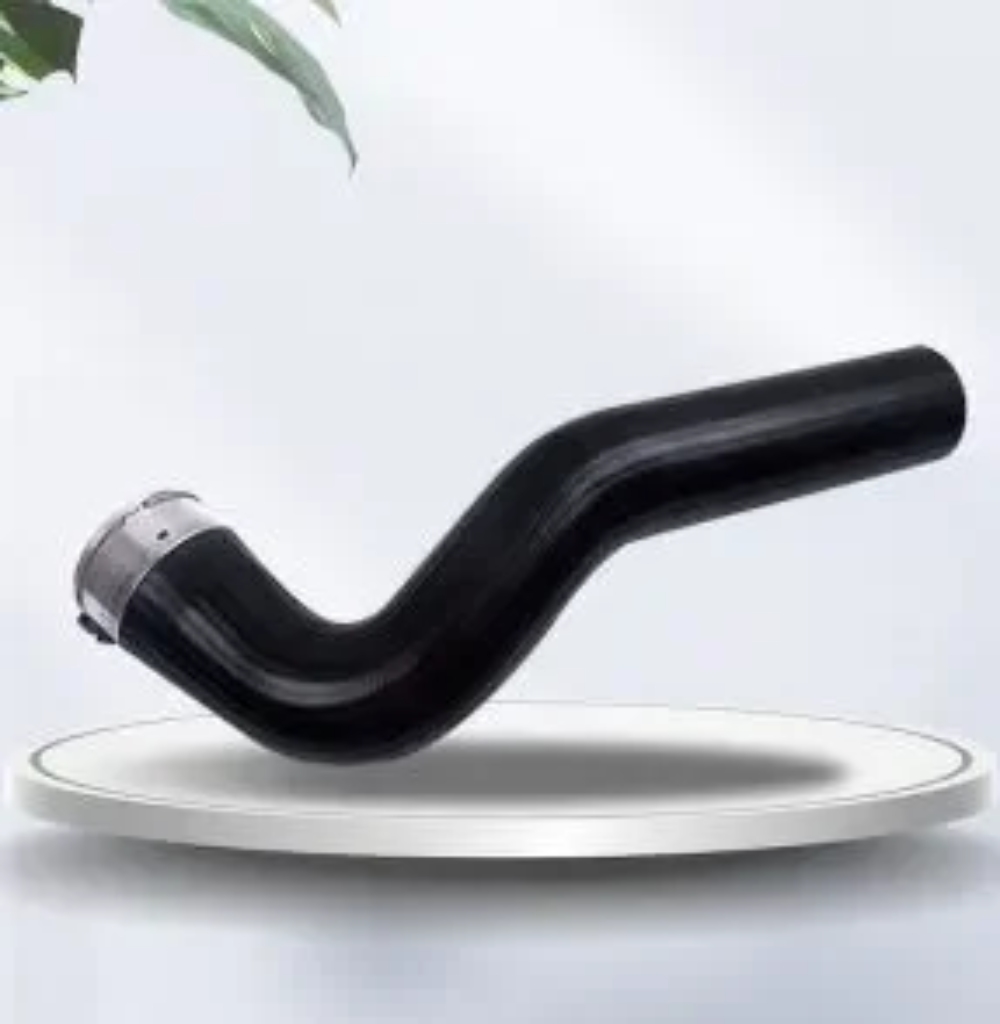
进气系统产品(塑料和橡胶) function to link air filters with turbochargers and intercoolers and engines while handling oil-gas mixtures during dynamic thermal operations. The selection of EPDM and FKM and silicone rubber materials depends on application conditions to achieve maximum compatibility and mechanical stability.

The tubes maintain flexibility through their design which reduces engine compartment vibrations and enables thermal expansion. The system maintains constant airflow which leads to better combustion performance.


进气系统产品(塑料和橡胶)

Cooling System Integration for Temperature Control

The engine requires continuous coolant circulation through its complex network of routes which connects radiators to reservoirs and the engine block.

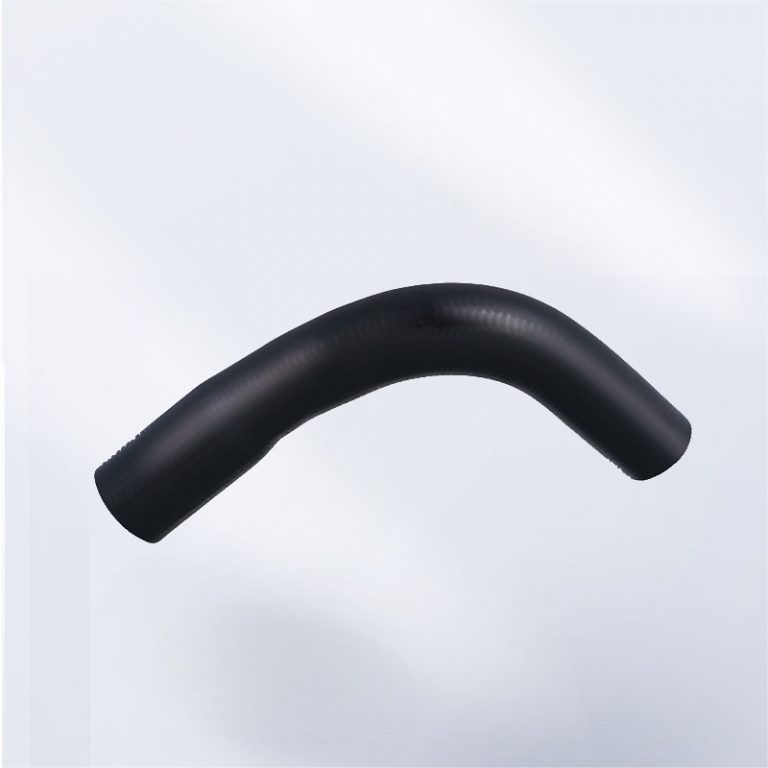
冷却系统产品(塑料和橡胶) maintain their structural integrity under pressure while handling high heat loads. The products link radiators to auxiliary water tanks and motors and battery thermal management systems. The tubing serves dual purposes by absorbing heat and dissipating it while fulfilling all NVH performance requirements.

The hoses use reinforced TPV and EPDM materials to stop leaks and thermal fatigue which results in longer engine life through consistent thermal conditions.


冷却系统产品(塑料和橡胶)

Emission Control and Vacuum Systems

The operation of emission control modules including EGR valves and charcoal canisters depends on rubber tubing because it preserves vacuum pressure stability.

The tubes face exposure to harsh gases and fluids during operation. The tubes need chemical resistance protection because it prevents them from breaking down. The developers created specific chemical compositions which fulfill worldwide emissions requirements and maintain their integrity through extended contact with hot hydrocarbon substances.

The design precision of these tubes prevents them from collapsing or cracking when vacuum forces or flexing cycles occur which supports regulatory requirements.

How Does Rubber Tubing Enhance Vehicle Durability?

The automotive environment creates ongoing stress patterns that affect all components. The durability of rubber tubing depends on its ability to maintain both form and function through various stresses which leads to extended reliability.

Resistance to Heat, Pressure, and Corrosion

Modern engines run at high temperatures while having restricted space for their components. The rubber tubing needs to survive these operating conditions without breaking down.

The development of advanced elastomeric compounds focuses on creating materials which withstand high temperatures and sudden pressure increases. The materials maintain their dimensions without change when operating under heavy loads. The corrosion-resistant materials extend equipment lifespan because they protect against harsh environmental conditions and dangerous chemical substances.

Vibration Damping and Noise Reduction

The mechanical vibrations which occur during engine operation travel through all connected systems. The elastic properties of rubber tubing make it an effective material for vibration isolation.

The tubing system reduces interior cabin noise and vibration through its ability to absorb motion instead of passing it along. The flexible design of tubing systems protects nearby components from fatigue-related breakdowns because it distributes mechanical stress points throughout the system.

Protection Against Fluid Contamination

The operation of multiple fluid systems near each other creates a high risk of cross-contamination between oil and fuel and coolant systems.

Rubber tubing contains inner linings made from materials which prevent various automotive fluids from passing through. The manufacturing process of these materials through advanced compounding techniques maintains their chemical stability while preventing swelling or cracking when subjected to stress. The product maintains both operational performance and protective safety standards.

Why Is Material Selection Critical in Automotive Rubber Tubing?

The operational performance of rubber tubing depends on the materials chosen because each material responds differently to various operational requirements.

Synthetic Elastomers for Specialized Performance Needs

The different vehicle zones need materials with specific characteristics for their operations. The heat and oxidation resistance properties of EPDM make it suitable for use in coolant applications. The material selection for NBR depends on the requirement for oil resistance in specific applications. The high temperature performance of Silicone rubber makes it suitable for demanding applications although it increases production expenses.

The selection of materials follows OEM guidelines and application requirements to achieve maximum product durability and flexibility and cost-effective manufacturing.

Compatibility with Automotive Fluids and Gases

The tubing material needs to stay neutral when it faces exposure to antifreeze and lubricants and fuel-air mixtures. The use of wrong materials will cause swelling or degradation which leads to fitting detachment and leak formation.

The pre-deployment testing checks chemical resistance against various automotive fluids which helps prevent service failures when vehicles operate.

符合行业标准和认证

The production of high-performance rubber tubing requires adherence to strict quality standards which include ISO/TS 16949 and SAE J20 for coolant hoses.

The certifications enable organizations to maintain uniform performance levels across multiple market platforms while helping suppliers meet requirements for global OEM programs.

How Does Design Influence the Functionality of Rubber Tubing?

The performance of rubber tubes under service conditions depends on three main factors which include geometric design and reinforcement methods and connection points.

Geometry Optimization for Flow Efficiency

The internal diameters receive calibration through fluid dynamics simulations to achieve optimal pressure drop performance. The internal surface of the device maintains smoothness to minimize turbulence which would impact both cooling performance and air delivery efficiency.

Engineers use 3D modeling tools to create customized hose routes for specific vehicle platforms which results in better space utilization and improved system performance.

结构完整性的加固层

The tubes receive braided or spiral reinforcement based on their application stress profiles to boost burst resistance while maintaining their ability to bend.

The wall structure of the hose achieves mechanical stability through its layered design which maintains necessary flexibility. The reinforced structure of the hose maintains its shape when vacuum pressure increases or internal pressure surges because it prevents both collapse and ballooning.

Custom Molded Connectors and Fittings

Molded ends that integrate together create better seal reliability than clamped joints because they remove all possible leak routes. The customized connectors improve automated assembly operations through precise installation methods which decrease overall error frequency.

The end designs follow OEM interface standards to achieve perfect integration with vehicle systems.

What Role Does Manufacturing Process Play in Quality Assurance?

The manufacturing precision of rubber tubing products determines their reliability and consistency when produced in large quantities.

Extrusion Techniques for Dimensional Accuracy

The continuous extrusion lines produce hoses with uniform wall thickness that extends throughout their entire length. The tooling system produces perfect hoses through its defect-free manufacturing process which prevents surface waviness and off-center concentricity from occurring.

Real-time deviation detection through inline inspection of automated systems allows for immediate corrective actions before the final curing process.

Vulcanization Methods for Enhanced Elasticity

The rubber matrix develops stronger molecular bonds through controlled vulcanization processes. The batch-controlled ovens maintain equal curing conditions between layers which results in better resistance against cracking from repeated loading and prolonged heat exposure.

Quality Control Protocols Throughout Production

Meichen process includes multiple quality control checks which start with burst pressure testing and continue with thermal cycling simulations. The final inspection process verifies all dimensional specifications before products are sent to customers.

How Does Rubber Tubing Contribute to Sustainability Goals?

The worldwide implementation of stricter environmental rules has led to the development of rubber tubing solutions which achieve sustainability targets through their extended lifespan and recyclable materials.

Extended Service Life Reducing Waste Generation

The engineering of durable materials leads to extended replacement intervals which decreases waste production during the entire vehicle operation period. The decreased number of failures leads to lower warranty claims and decreased logistical emissions from part transportation and service visit requirements.

The extended service life of long-life tubing helps OEMs achieve their sustainability goals because it reduces environmental effects through longer product usage periods.

Recyclable Material Options in Production

The development of elastomeric compounds exists for recycling purposes after their usage. The circular economy benefits from this approach because it enables used parts to return to material production instead of ending up in landfills.

The production stages of lean manufacturing operations achieve lower scrap rates through its implementation of Lean manufacturing strategies.

Support for Lightweight Vehicle Design

The compact design of tubing systems creates more space in engine compartments which helps achieve vehicle weight reduction targets. The reduced weight of vehicles leads to lower fuel consumption which supports emission reduction standards.

常见问题解答

Q1: What characteristics of rubber tubing make it appropriate for use in air intake systems?
A: The tubing provides flexible movement to absorb engine vibrations while creating sealed connections between filters and turbochargers and intercoolers and engines during temperature and pressure changes.

Q2: What role does rubber tubing play in protecting vehicles from overheating?
A: The tubing maintains continuous coolant flow between radiators and engines through materials which withstand both heat exposure and thermal breakdown and leakage.

Q3: What benefits do reinforcement layers bring to rubber hose operation?
A: The reinforcement layers boost hose structural strength against pressure spikes while maintaining flexibility for curved paths and engine vibrations.

分享:

脸书
推特
领英
先前
Why Rubber Tubing is Essential for Automotive Cooling Systems in 2026
下一步
美辰点燃巴西汽车零部件产业发展的新希望

相关产品

目录

    分类

    相关新闻

    Why Rubber Tubing is Essential for Automotive Cooling Systems in 2026
    Why Rubber Tubing is Essential for Automotive Cooling Systems in 2026
    美辰点燃巴西汽车零部件产业发展的新希望
    美辰点燃巴西汽车零部件产业发展的新希望
    美辰为库里提巴领先的汽车零部件展带来先进的汽车解决方案
    美辰为库里提巴领先的汽车零部件展带来先进的汽车解决方案
    集成空气弹簧以增强操控性的汽车悬架系统的演变
    汽车悬架系统的演变:集成空气弹簧以增强操控性
    选择发动机悬置时需要考虑的关键因素
    选择发动机悬置时需要考虑的关键因素

    有兴趣了解吗?

    如果您对我们的产品和服务感到好奇,或在使用过程中有任何疑问或建议,或渴望与我们讨论合作机会,“联系我们”渠道始终向您开放。