新闻

欢迎订阅最新动态

Key Factors to Consider When Selecting Engine Mounts

Key Factors to Consider When Selecting Engine Mounts

Selecting engine mounts involves more than choosing a basic part. It determines how the vehicle operates, sounds, and handles on a daily basis. An unsuitable mount can cause significant shaking, cabin noise, and early damage to nearby components. In contrast, a suitable selection can greatly enhance driving ease and lasting dependability.

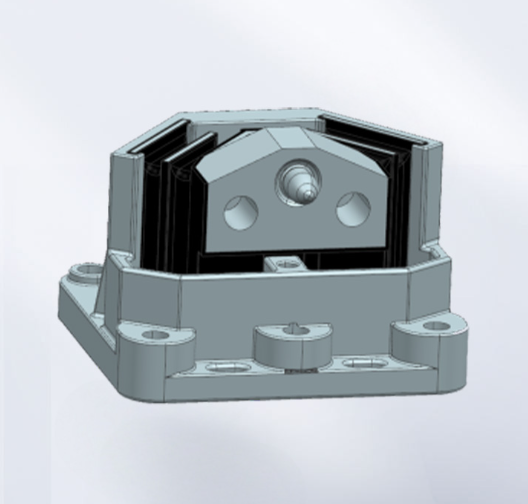
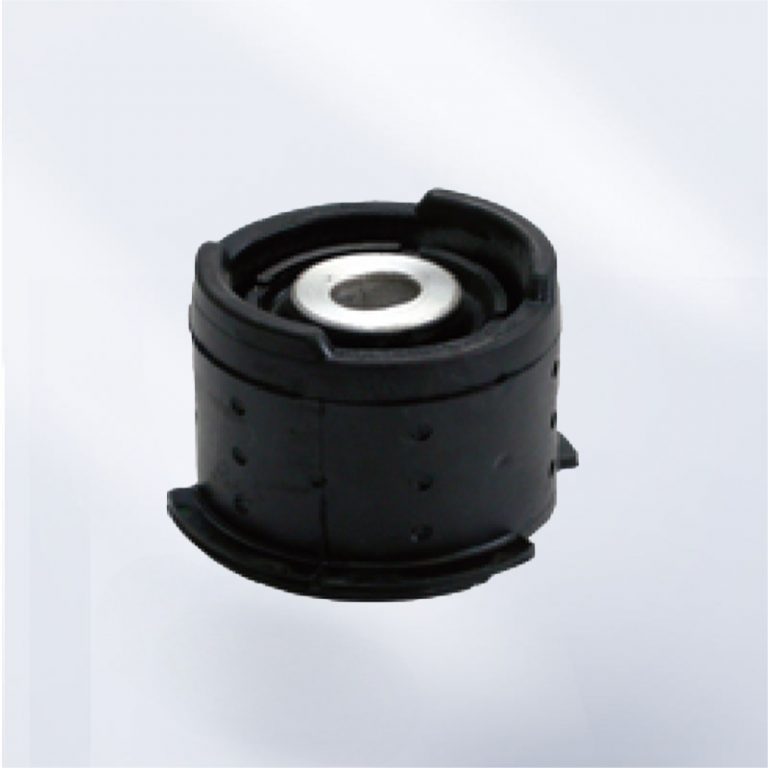
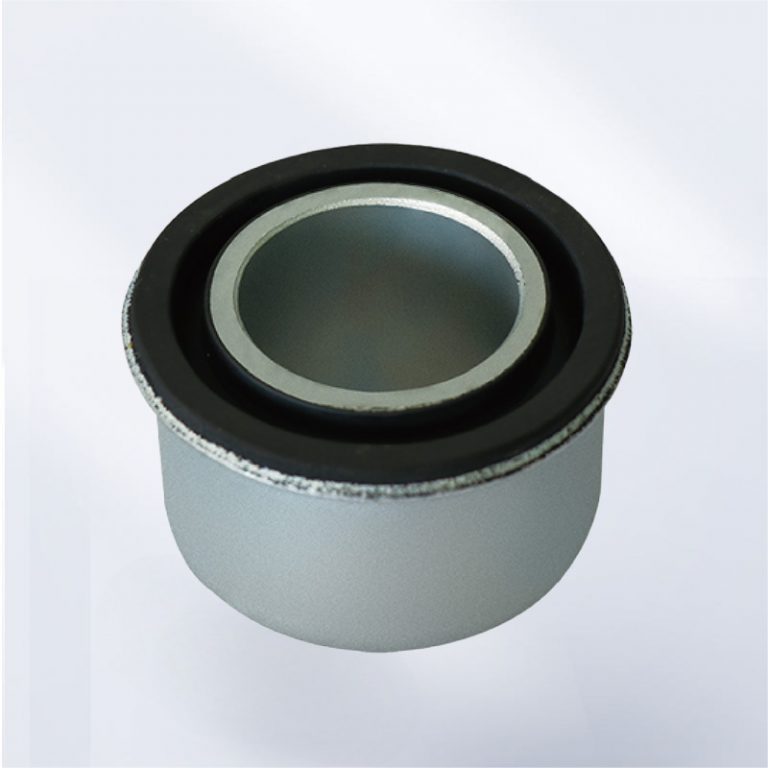
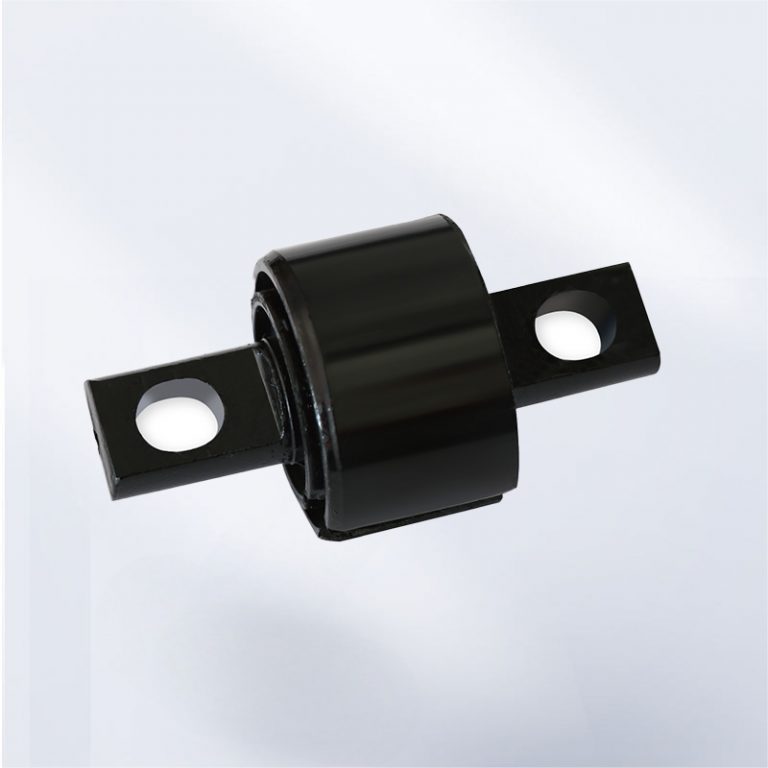
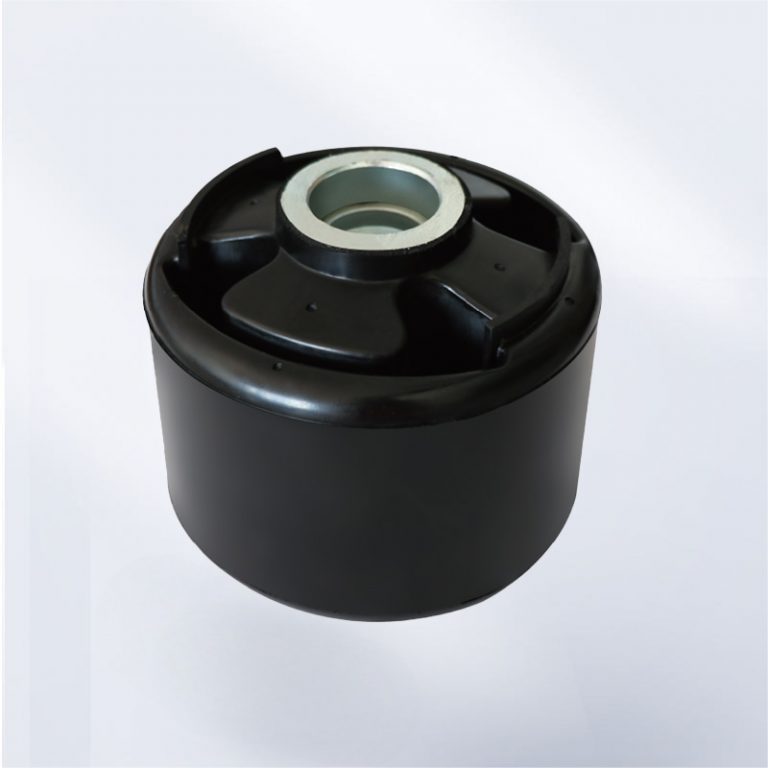
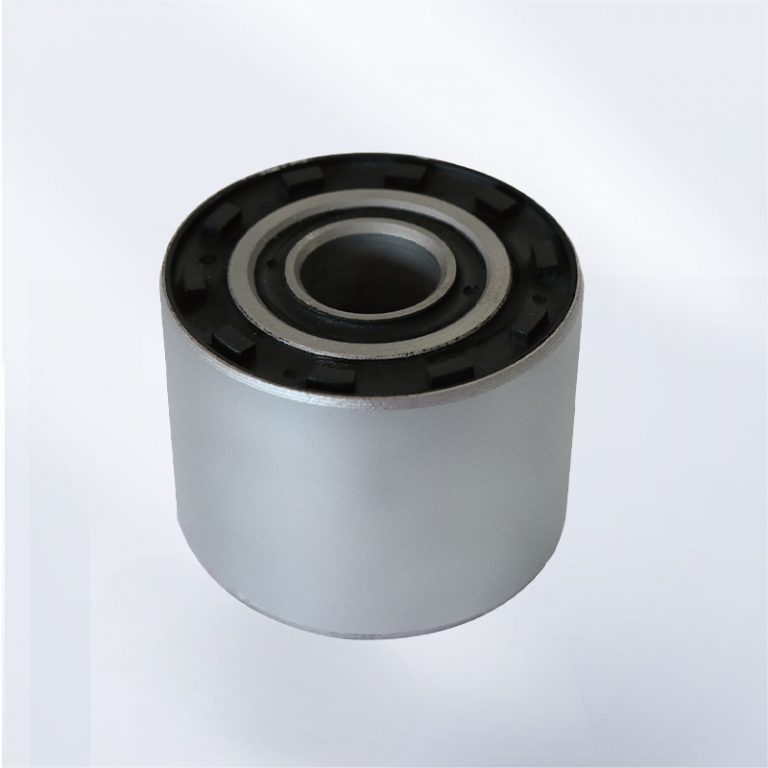
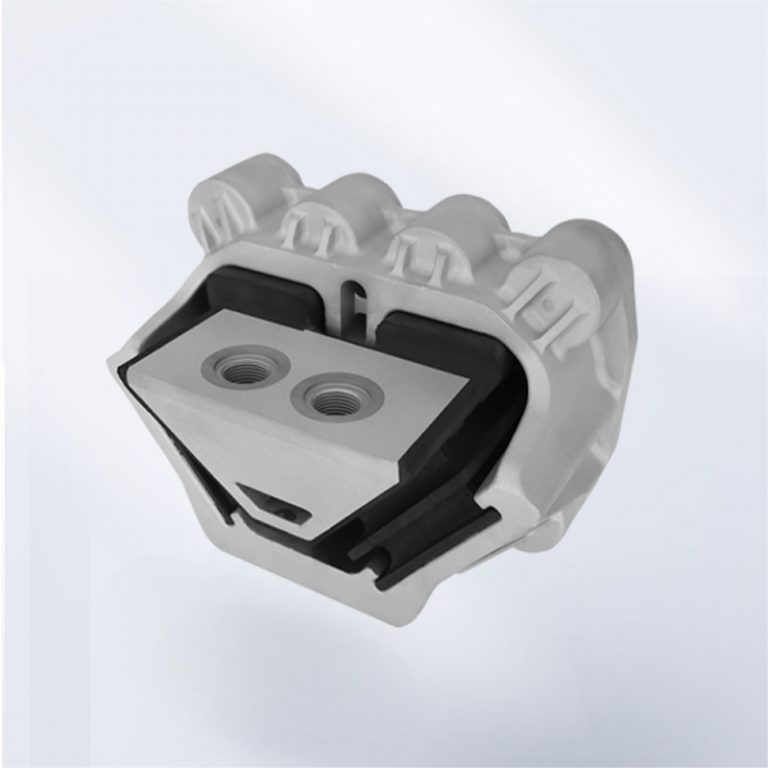
When obtaining from an international provider, consider examining 美晨 closely. This firm has extensive background in vehicle parts. It specializes in producing engine mounts that link the chassis and drivetrain. These mounts manage shifts and minimize vibration passage. Their lineup includes options for sedans, trucks, and heavy equipment. They provide varied substance choices such as metal, rubber, and durable plastics. Furthermore, they allow tailoring according to sketches or prototypes. This feature often meets the actual demands in practical endeavors. For those evaluating providers, their blend of production skills and practical expertise proves particularly notable.

What Are Engine Mounts and Why Are They Important?

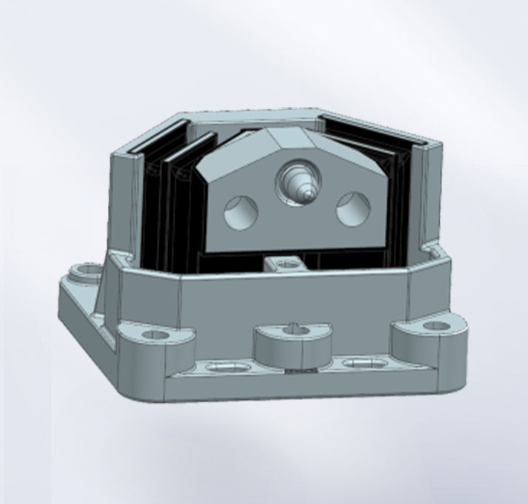
Engine mounts secure the engine to the vehicle chassis and bear its mass. Yet their purpose extends past mere holding. They also regulate the motion and tilt of the drivetrain. Additionally, they lessen the amount of shaking that reaches the vehicle structure.

During typical operation, the engine generates ongoing tremors. Without adequate separation, these tremors pass directly to the interior. At that point, drivers may observe wheel trembling or deep rumbles when idling. An effective mount cuts down this spread. It also takes in jolts from the road that affect the engine setup.

A properly crafted 发动机架 aids in preserving proper positioning. Excessive engine shifting can impact drivetrain elements. Eventually, this results in irregular deterioration or outright harm.

How Does Load Capacity Affect Engine Mount Selection?

Load capacity gets ignored frequently, yet it ranks among the initial aspects to verify. The mount needs to bear the complete mass of the engine and gearbox. At the same time, it must manage varying pressures during speeding up, slowing down, and turning.

For a standard automobile, the demands remain fairly even. However, in large trucks or building machines, conditions intensify. The mount faces greater strain and varied scenarios. Should the load capacity prove insufficient, the mount might warp or break sooner than anticipated.

Consider a vehicle ascending a hill while carrying maximum cargo. The engine delivers increased power, and the mount endures additional pressure. If it fails to cope, the outcome involves undue shifting and shaking.

How Does Material Selection Influence Performance and Durability?

The choice of material shapes the mount’s behavior in a direct manner. Typical engine mounts incorporate a mix of rubber, metal, and occasionally sturdy plastics.

Rubber plays a vital role in separating vibrations. It soaks up energy and cuts down sounds. Nevertheless, rubber types differ widely. Certain blends withstand warmth and wear more effectively than others. In warm settings, inadequate choices result in splits or stiffening.

Metal offers firm support. It ensures the mount stays steady and holds form under weight. Durable plastics can lighten the load and boost protection against rust.

An even design integrates these elements. For instance, a mount might employ rubber for cushioning and metal for framework strength. Such a pairing enables it to hold the drivetrain, limit shifts, and effectively dampen vibrations.

How Do Vibration Isolation and NVH Requirements Impact Choice?

NVH refers to noise, vibration, and harshness. It represents a primary focus when picking 发动机支架, particularly in sedans.

A more flexible mount generally provides superior vibration separation. It diminishes sounds and boosts ease. However, it might permit greater engine motion. A firmer mount restricts motion but passes along more shaking to the interior.

This creates an ongoing balance. In upscale cars, ease takes precedence, so flexible mounts prevail. In sporty or rugged uses, steadiness often matters more.

Engine mounts aim to decrease the spread of drivetrain shaking to the vehicle frame. They also soften road-induced jolts. This twofold role proves essential. Lacking it, both the engine and interior suffer consequences.

How Do Design Type and Mount Structure Affect Performance?

Engine mounts vary in construction, and each type suits specific needs.

Rubber mounts offer straightforward and common use. They cost less and deliver reasonable vibration separation. Hydraulic mounts feature liquid areas that enhance cushioning, particularly for low tones. These find application in cars prioritizing ease.

Polyurethane mounts prove firmer and suit scenarios where control outweighs comfort.

The overall form counts as well. The shape of the mount dictates force distribution. An flawed layout can produce strain buildup, causing prompt breakdown.

In actual setups, limited room also influences choices. The mount must occupy the given area while fulfilling its duties.

Why Are Compatibility and Fitment Critical Factors?

Even superior designs falter without proper fitting. Compatibility covers the car model, engine variety, and placement spot.

An improper match leads to positioning problems. Consequently, this sparks shaking, sounds, and heightened wear. In certain instances, it even compromises safety.

Accuracy holds significance in this area. Top-tier mounts undergo tight precision manufacturing. This guarantees the component aligns precisely as needed.

Tailoring becomes necessary often. Standard items fall short in numerous cases. Providers capable of creating fresh versions from sketches or prototypes offer a distinct edge.

How Do Durability and Environmental Conditions Influence Selection?

Engine mounts function amid tough surroundings. They encounter warmth, fluids, tremors, and steady physical strain.

Longevity hinges on various elements. Substance excellence stands as one. Ability to resist heat and deterioration counts as another. A mount should preserve its traits over periods, beyond initial operation.

Surrounding factors influence as well. In warm areas, substances need to fend off heat breakdown. In chilly settings, they require ongoing pliability.

Evaluation serves a crucial purpose. Reliable mounts undergo checks for endurance, heat tolerance, and shifting load handling. Such processes forecast behavior in genuine scenarios.

结论

Picking an appropriate engine mount goes beyond mere fitting. It requires weighing load capacity, material choices, vibration separation, structural form, compatibility, and longevity.

Every element shapes vehicle operation and component lifespan. Overlooking any one frequently brings issues down the line.

When these components balance well, vehicles achieve smoother, quieter, and more dependable performance.

常见问题解答

Q1: What is the main function of an engine mount?
A: It connects the engine to the frame, supports its weight, controls movement, and reduces vibration transfer to the vehicle body.

Q2:你怎么知道发动机悬置是否出现故障?
A: Common signs include increased vibration, unusual noise, and noticeable engine movement during acceleration or braking.

Q3: Are softer engine mounts always better?
A: Not always. Softer mounts improve comfort but allow more movement. The right choice depends on the application.

Q4: Can engine mounts be customized?
A: Yes. Many suppliers can develop mounts based on drawings or samples to meet specific requirements.

Q5: How long does an engine mount typically last?
A: It depends on material quality and working conditions, but wear from heat, vibration, and load will eventually require replacement.


分享:

脸书
推特
领英
先前
The Evolution of Automotive Suspension Systems: Integrating Air Springs for Enhanced Handling
下一步
美晨工业将于今年五月登陆巴西!轻质流体和;智能悬架技术在AUTOPAR 2026上大放异彩

相关产品

目录

    分类

    相关新闻

    The Evolution of Automotive Suspension Systems Integrating Air Springs for Enhanced Handling
    The Evolution of Automotive Suspension Systems: Integrating Air Springs for Enhanced Handling
    今年5月,美晨工业在巴西落地
    美晨工业将于今年五月登陆巴西!轻质流体和智能悬架技术在AUTOPAR 2026上大放异彩
    全球扩张的新篇章美辰为AUTOPAR 2026登陆巴西
    全球扩张的新篇章:美辰在巴西为AUTOPAR 2026登陆
    美辰工业瞄准南美万亿美元的售后市场:在库里蒂巴的AUTOPAR 2026上展示五个核心系统解决方案(5月6日至9日)
    从中国到巴西:美辰工业为库里蒂巴的AUTOPAR 2026带来先进的流体、阻尼和悬架解决方案

    有兴趣了解吗?

    如果您对我们的产品和服务感到好奇,或在使用过程中有任何疑问或建议,或渴望与我们讨论合作机会,“联系我们”渠道始终向您开放。