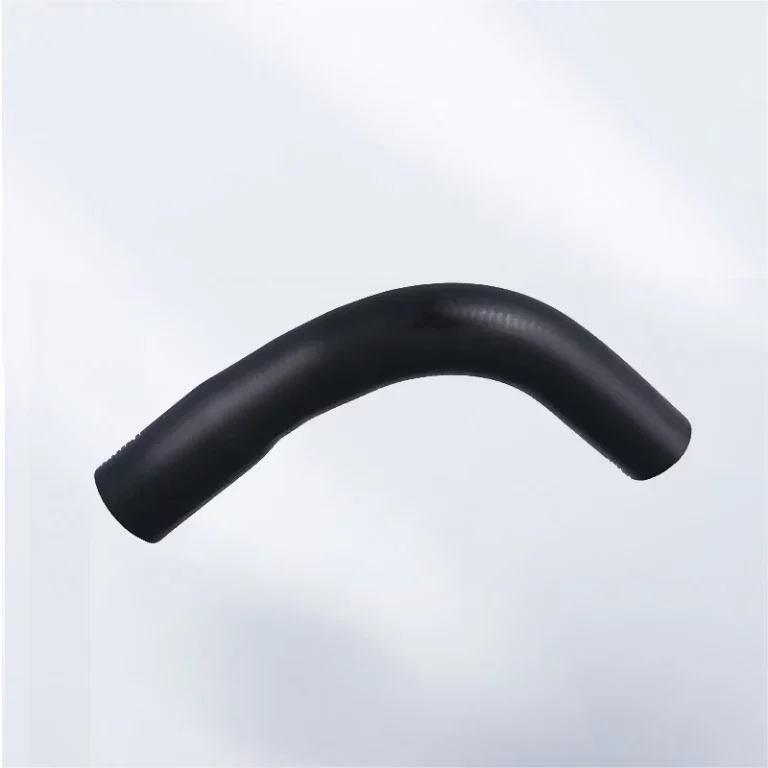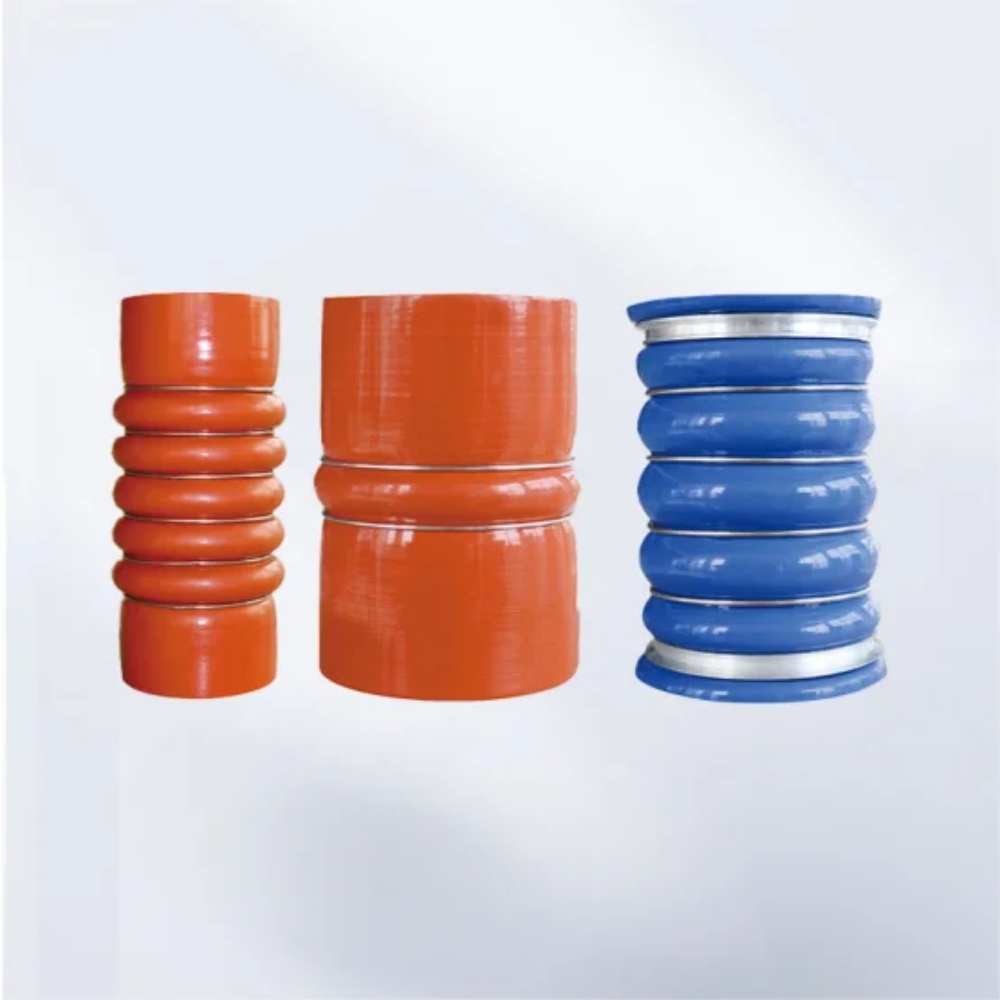
If you have worked with modern engines, you have probably noticed how fast conditions have changed. Higher temperatures, tighter layouts, and more turbocharged setups all put extra strain on parts that once seemed simple. The intake path is one of those parts. It no longer carries clean air only. It now deals with oil mist, pressure changes, and repeated heat cycles. That is where a silicone intake hose proves useful right away in the system.
Picking the right hose here is not just about fit. It affects sealing, airflow steadiness, and long-term dependability. Once you see where older materials fall short, the reason stands out clearly.
The Growing Pressure on Automotive Hose Systems
Engines today run hotter and sit in smaller spaces than before. Even ordinary passenger cars face conditions that once belonged only to high-performance models. The intake system links several important parts. These include the air filter, turbocharger, intercooler, and engine. Every link point brings its own stress.
In daily driving, the hose must stay flexible. It must also keep a good seal and stand up to heat at the same time. Add engine vibration and oil vapor, and the working conditions become tougher than they appear at first glance.
This is why the choice of material matters more than a small detail. It decides how steady the whole system stays over months and years of use.
Where Traditional Materials Start to Struggle
You do not need lab tests to notice this. Real-world use shows the pattern clearly.
Heat and Aging Break Them Down
Rubber materials like EPDM or NBR work fine at the start. Yet under steady heat they begin to stiffen. Small cracks appear. The material loses its give, and the seal grows less reliable. This change happens slowly, so it is easy to miss until engine performance starts to drop.
Oil Vapor and Chemical Exposure
Air intake systems now move mixtures of air and oil. Over time these mixtures react with the hose material. Ordinary rubber does not hold up well in the long run. The inside layers weaken, and wear speeds up.
Loss of Flexibility Over Time
Once the hose loses flexibility, fitting it becomes harder. The hose also cannot adjust to engine shake or movement. That is when leaks and loose connections begin to show up.
At that point, swapping the hose only starts the same cycle again. The real problem sits in the material choice itself.
Why a Silicone Intake Hose Changes the Situation
When you move to silicone, the hose behaves in a more practical way.
Stable Under High Temperature
Silicone keeps its shape even when heat stays high for long periods. In turbocharged engines, where heat rises fast, this steadiness stops the hose from warping. Airflow stays even as a result.
Longer Service Life
Instead of slow stiffening and cracking, silicone holds its qualities for many more miles. That means fewer swaps and less time spent on upkeep.
Flexibility That Stays Consistent
A silicone intake hose keeps its give even after months of service. It moves with engine vibration without losing its seal at the ends.
Resistance to Environmental Factors
Ozone, sunlight, and air exposure hit every hose in the engine bay. Silicone stands up to these elements without quick signs of wear. This helps the part stay dependable season after season.
Why Silicone Intake Hose Works Best in Air Intake Systems
Air intake systems do more than carry air from one spot to another. They form moving links between several parts, each with its own load and motion.
Handling Oil-Gas Mixtures
Silicone handles air that carries oil vapor. It resists breakdown better than regular rubber. This keeps the inside surface sound and the seal tight.
Maintaining Airflow Stability
Steady airflow needs the hose to hold its shape and seal. A silicone intake hose lowers the chance of small leaks or shape changes when pressure rises.
Adapting to Complex Engine Layouts
Modern engine bays leave little room for simple straight runs. The give in silicone makes fitting easier while the connections stay secure.
A Practical Look at Meichen and Their Approach
If you want to see how these needs are met in actual production, it helps to look at Meichen. They work on automotive fluid lines, suspension parts, and vibration control. Their hose items are made as part of a full system instead of stand-alone pieces.
One clear point is their range of materials and focus on real use. They do not stick to one compound. They use FVMQ, FKM, VMQ, and EPDM. They pick the mix that fits the actual heat, pressure, and media in each job. Their air intake items link air filters, turbochargers, intercoolers, and engines. They handle oil-gas mixes and keep steady under heat and pressure changes.
You can see more of their items on the product list. Their company profile also shows how they build and test parts for daily service.
Recommended Product: Air Intake Systemproducts (Silicone Rubber)
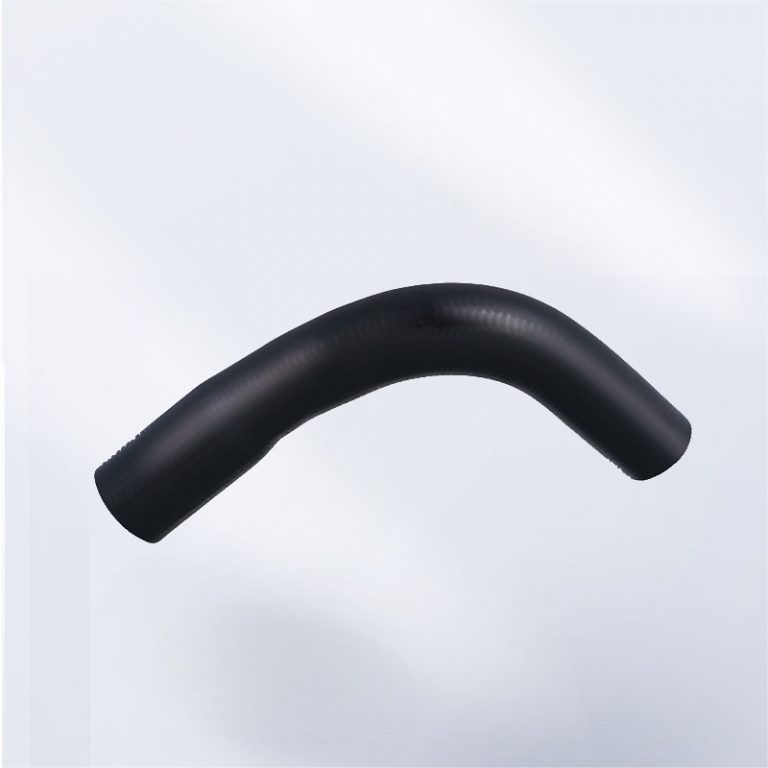
For intake system jobs, their Air Intake Systemproducts (Silicone Rubber) fits the conditions described above. These hoses link the main intake parts. They are made for spots where heat, pressure, and mixed gases stay present every day.
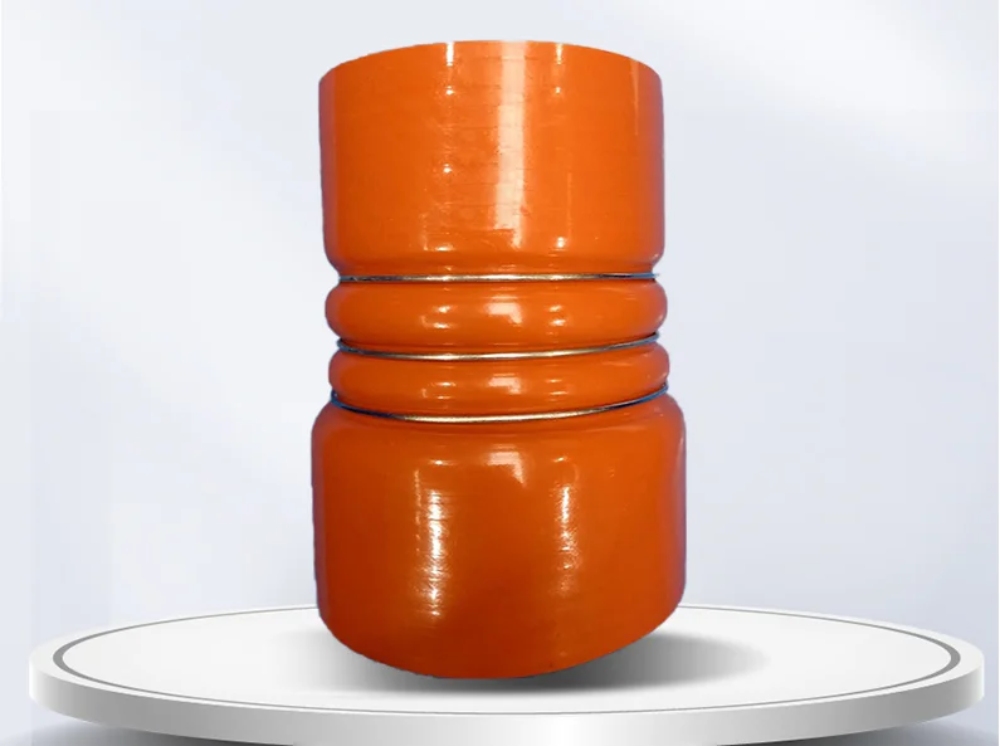
From the data sheets, they resist high heat, aging, and surface wear. Sizes and shapes can be adjusted to match each vehicle. The same hoses appear in passenger cars, trucks, and construction machines. This shows they work across many types of equipment.
In practice, you are choosing more than one hose. You are choosing a part that fits into the larger system Meichen builds.
How a Silicone Intake Hose Improves Long-Term Performance
When you track results over months, the difference shows up. A standard hose may look fine at first. As heat cycles and oil vapor add up, problems appear more often. Leaks, shape changes, and lower efficiency become common.
With a silicone intake hose, those issues show up less often. The material keeps its form. Seals stay tight. Airflow remains steady. This leads to fewer surprise stops and a system that runs with less trouble.
The gain does not come from one single feature. It comes from several small gains that add together during normal driving.
Getting the Right Support Matters
Even with a good product, the right help makes a clear difference. You may need special lengths, different material blends, or advice on a new project. Direct contact helps here. You can reach the team through their contact page to talk about exact needs and receive fitting answers.
Conclusion
As engine conditions keep changing, limits in older materials become easier to see. A silicone intake hose gives a straightforward way to raise steadiness, length of service, and overall system results. It works especially well where heat stays high and oil vapor is present.
If your aim is fewer repair stops and steady performance day after day, this choice is worth a close look.
FAQ
Q1: What makes a silicone intake hose better than traditional rubber hoses?
A1: It handles heat, oil vapor, and aging more effectively, which leads to longer service life and more stable performance.
Q2: Can a silicone intake hose handle turbocharged engine conditions?
A2: Yes. It performs well under high temperature and pressure, making it suitable for turbocharged systems.
Q3: How does a silicone intake hose perform in oil-gas environments?
A3: It resists degradation better than standard rubber, which helps maintain internal structure and sealing.
Q4: Does a silicone intake hose require less maintenance?
A4: Yes. Due to its durability and resistance to aging, it typically needs less frequent replacement.
Q5: Is a silicone intake hose suitable for different vehicle types?
A5: Yes. It can be applied in passenger cars, commercial vehicles, and other machinery when properly designed.