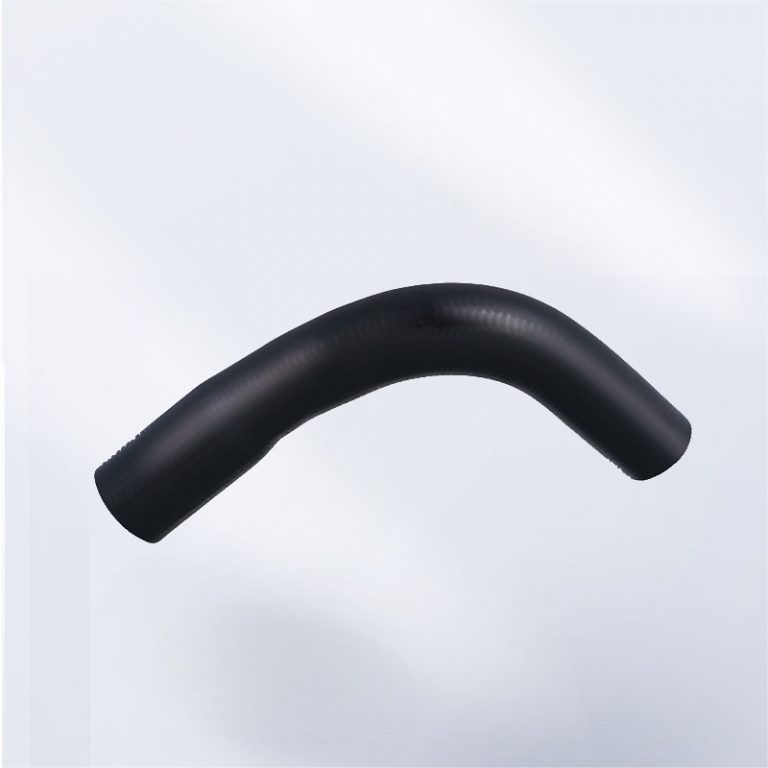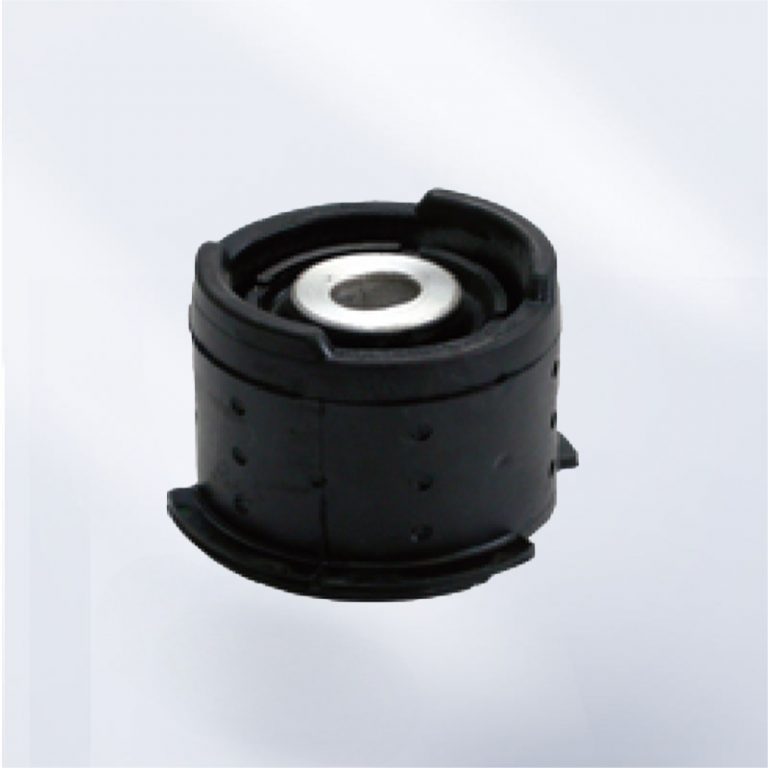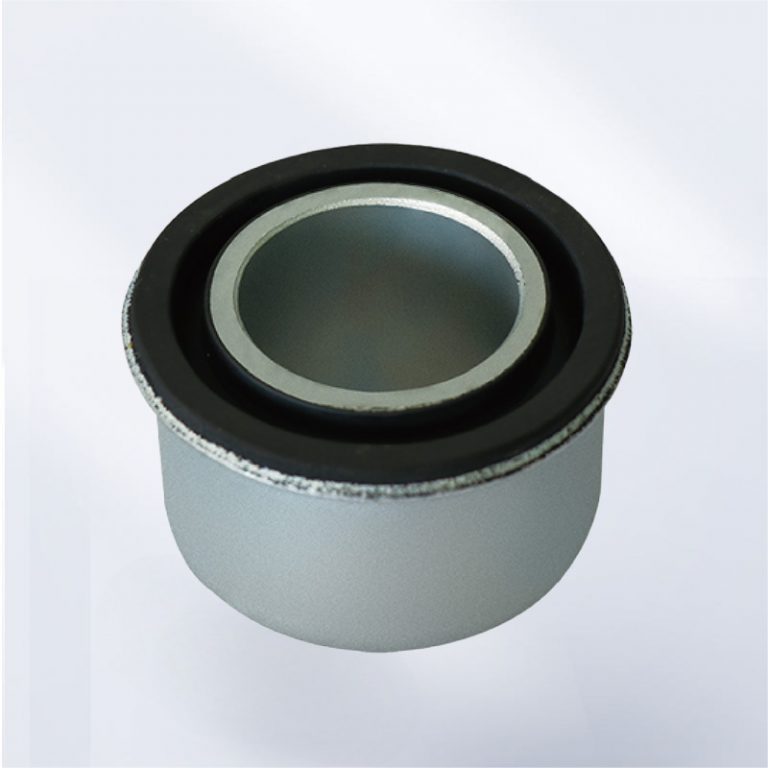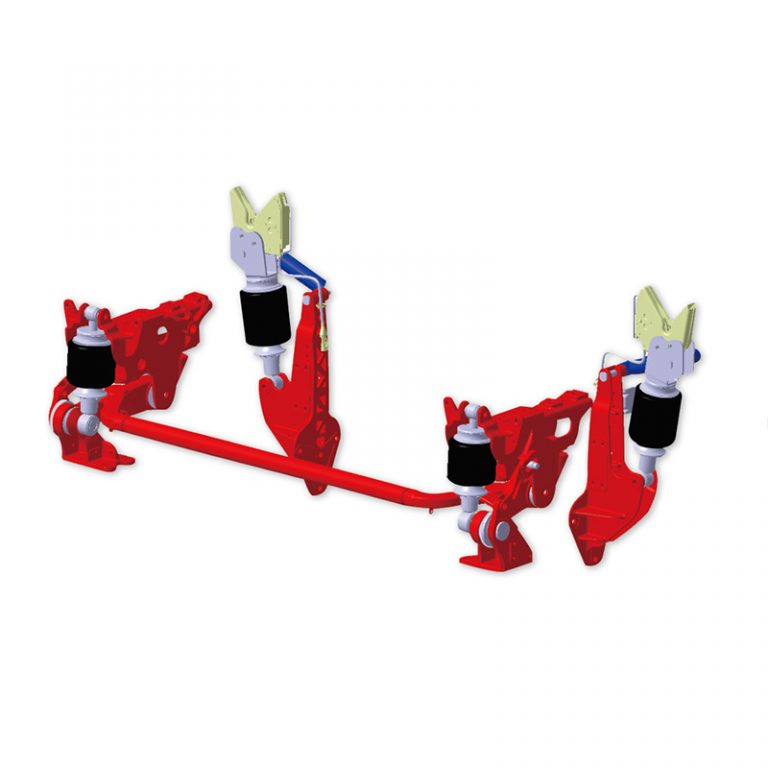
Профессионалы, занимающиеся современными автомобилями, понимают, что подвеска выходит за рамки основных пружин и амортизаторов. Это значительно влияет на удобство, безопасность и текущие расходы на использование. По мере того как автомобили становятся все более громоздкими и передовыми, потребность в гибких настройках подвески продолжает постоянно расти. Воздушные пружины во многих случаях перешли от простого выбора к основным функциям. В настоящее время они являются нормой во многих конструкциях.
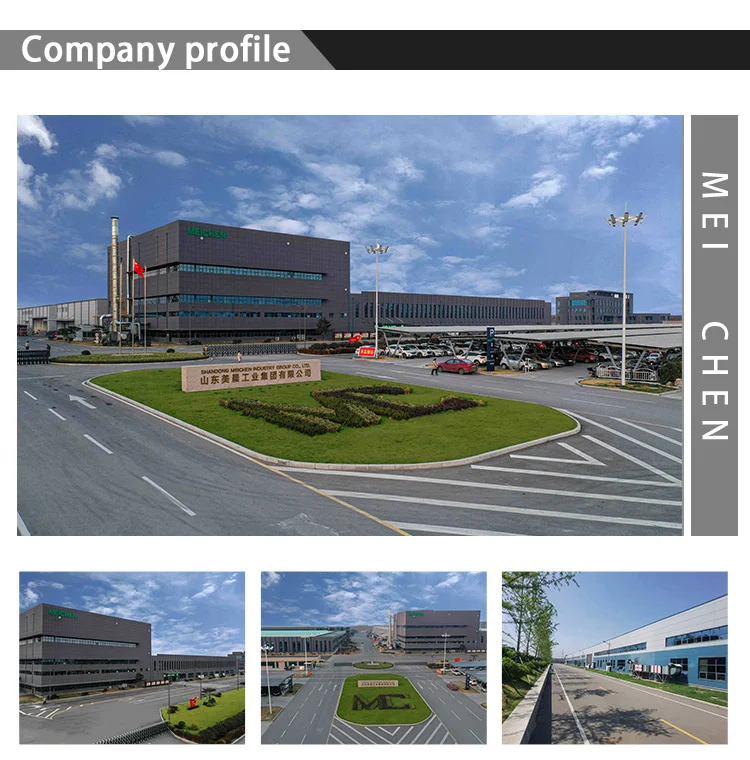
Рассматривая сектор в целом, Мейхен появляется в качестве заметного поставщика. Этот передовый производитель автомобильных компонентов начал свою деятельность в 2004 году, поддерживая надежные научно-исследовательские и разработочные активы и объект, проверенный CNAS. Его технический персонал занимается установками подвески, амортизации ударов и транспортировки жидкости, поддерживая при этом долгосрочные партнерские отношения с международными производителями OEM. Оснащенные более чем 200 процедурами оценки и сложными методами подтверждения, его изделия выдерживают суровые условия от -55 ° C до 250 ° C. При поиске деталей подвески полезно изучить его состав или пересмотреть его организационные детали.
Как развивались системы подвески с течением времени?
До широкого применения воздушных пружин подвеска проходила через несколько фаз. Каждый этап решал определенную проблему, но выявил новые недостатки. Поэтому процесс развития продолжался без паузы.
От листовых пружин до катушочных пружин
Первоначальные автомобили зависели от листовых пружин для поддержки. Они оказались простыми и долговечными, но они мало предлагали с точки зрения гладкости. Каждая нерегулярность на пути стала очевидной, особенно на грубых поверхностях. Катушные пружины улучшили опыт путешествия, хотя они остались ограниченными в адаптационности. После монтажа их прочность оставалась фиксированной независимо от различных нагрузок.
Переход к технологии воздушной подвески
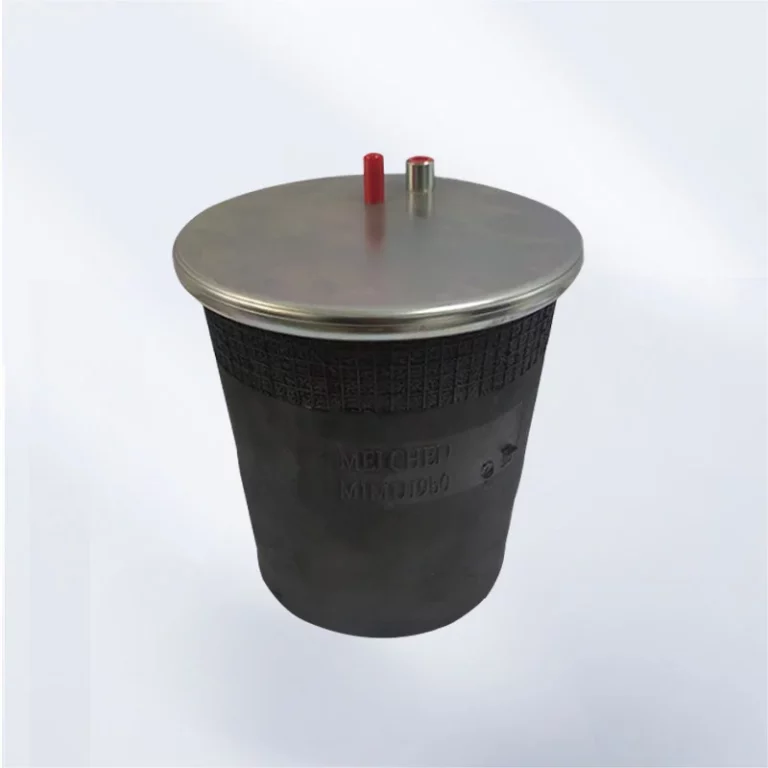
Воздушная подвеска кардинально изменил этот подход. Вместо того, чтобы полагаться на постоянную твердость, сжатие воздуха управляет системой’ с ответом. Эта функция позволяет автомобилям изменять высоту и жесткость в соответствии с изменениями нагрузки или поверхности. В коммерческих автомобилях это представляет собой существенное изменение. Это обеспечивает сохранение равновесия даже в условиях колебаний грузовых масс.
Умные и электронно управляемые системы подвески
Современные системы подвески теперь включают в себя детекторы и цифровой надзор. Они быстро реагируют на входы. Такие факторы, как сжатие, смещения положения и колебания, получают постоянный мониторинг. Фокус выходит за рамки простой легкости. Он включает в себя усиленную безопасность и снижение износа элементов в течение длительного периода времени.
Почему традиционных систем подвески уже недостаточно?
Механическая подвеска появляется в некоторых автомобилях до сих пор, но ее ограничения ясно проявляются в современном использовании. Проблема выходит за рамки базового производства. Это включает в себя постоянные расходы и удовлетворенность оператора.
Плохой комфорт езды и высокий уровень NVH
Традиционные рамки направляют колебания прямо в конструкцию автомобиля. Постепенно это приводит к повышению измерений NVH. Операторы сталкиваются с более быстрым истощением, особенно в грузовиках доставки. Неделикатные части также выдерживают постоянные нарушения.
Решение – Технология изоляции вибрации воздушной пружины
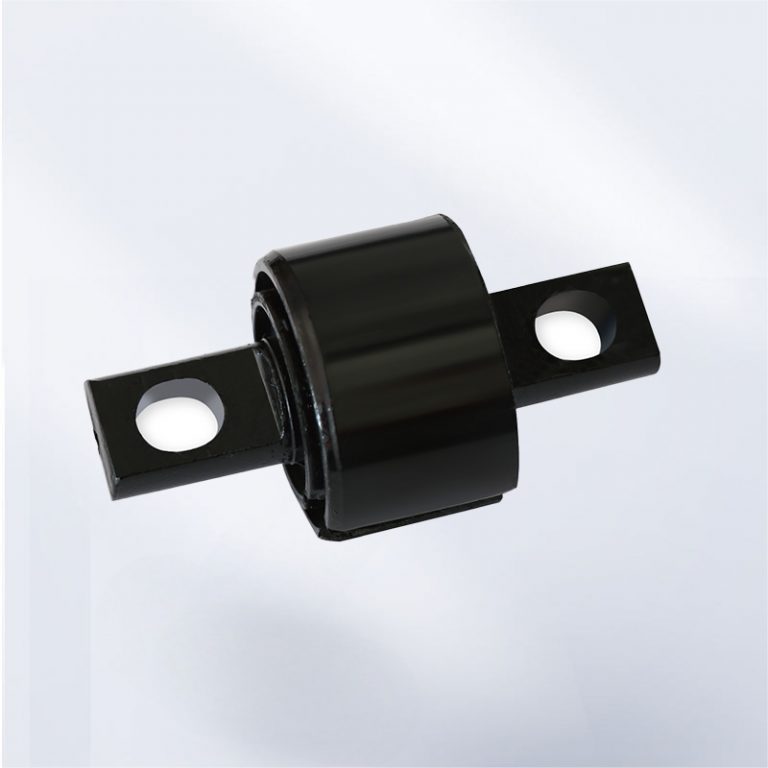
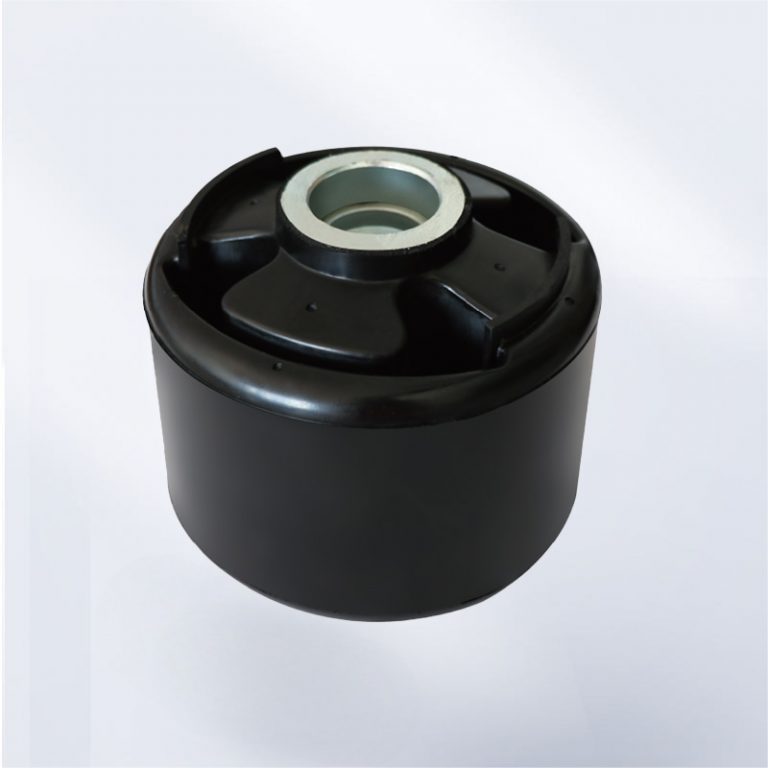
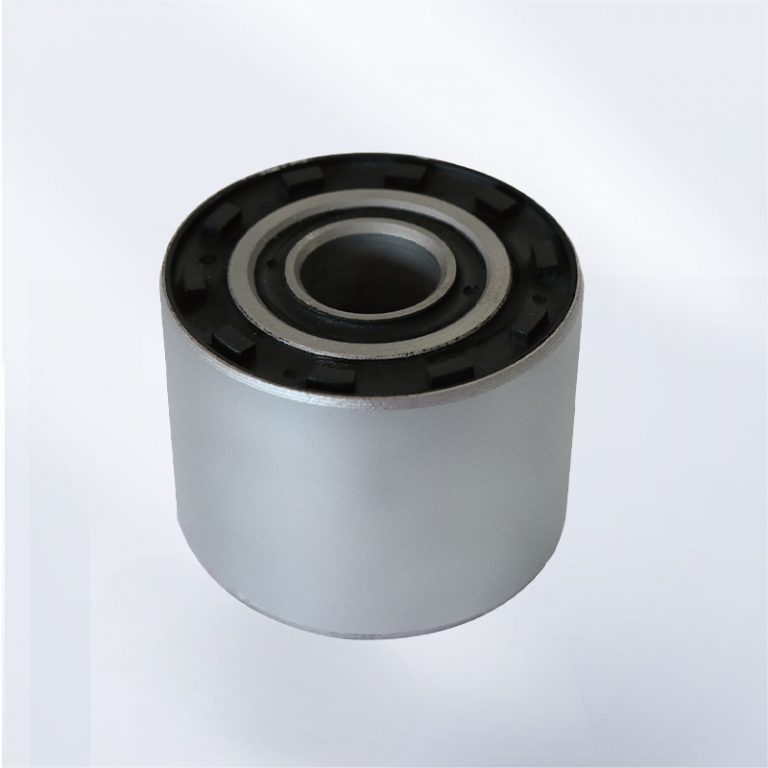
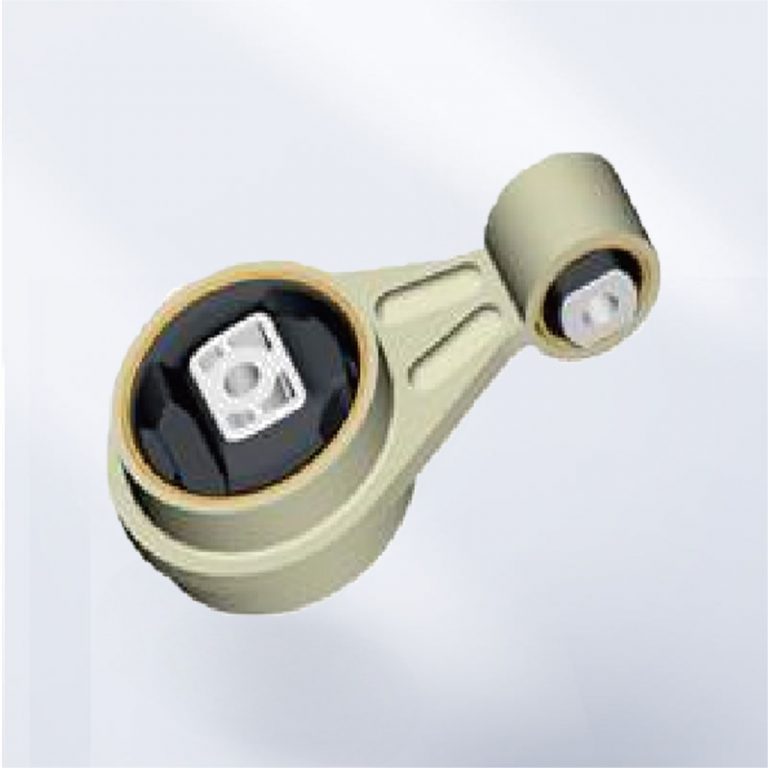
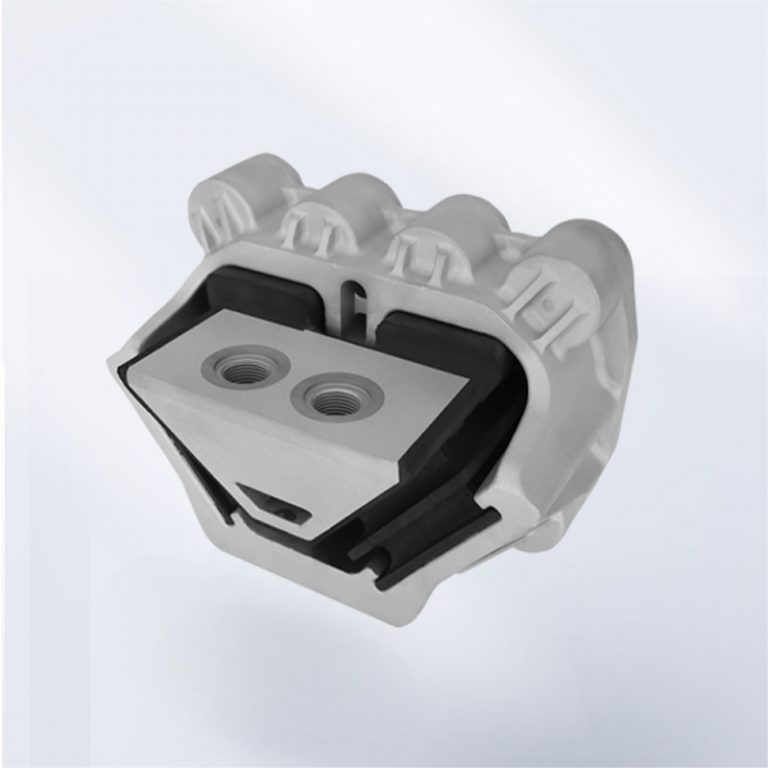
Воздушные пружины управляют ударами более умело, поскольку воздух под давлением функционирует как присущая подушка. В сочетании с резиновыми поглощающими веществами рамка существенно сокращает проход колебаний. В различных конфигурациях приостановка сотрудничает с опорами двигателя и дополнительными элементами поглощения для отделения нарушений по всему автомобилю. В этих установках используются такие вещества, как EPDM, NBR и сложные эластомеры, выбранные в соответствии с функциональными сценариями.
Как воздушные пружины улучшают управление транспортным средством и стабильность?
Управление выходит за рамки простого ввода направления. Он в значительной степени полагается на подвеску’ способность сохранять стабильность автомобиля в различных условиях. Воздушные пружины непосредственно способствуют этому аспекту.
Адаптивная способность уровня нагрузки
По мере изменения нагрузок, сжатие воздуха изменяется самостоятельно. Это поддерживает автомобиль на однородном уровне. Для транспортных средств это дает превосходное позиционирование оси и более сбалансированную деградацию шин. Это также снижает давление на кадр.
Улучшенные поворотные и тормозные характеристики
Превосходное распределение массы гарантирует, что автомобиль остается стабильным во время остановки и маневров изогнутых. Это особенно актуально для прочных автомобилей. Внезапные массовые перемещения получают более эффективное управление.
Реагирование в режиме реального времени на дорожные условия
Текущие рамы воздушной подвески без задержек обращаются к поверхностным входам. Детекторы идентифицируют изменения и модифицируют сжатие всего за несколько минут. Это поддерживает стабильность даже в неравномерных ландшафтах.
Что делает системы подвески кабины критически важными в современных транспортных средствах?
Подвеска кабины часто получает недостаточное внимание, но она глубоко влияет на эффективность оператора. Дискомфорт оператора уменьшает общую работу.
Точка боли - усталость водителя в коммерческих транспортных средствах
Продолженные периоды работы в сочетании с постоянными колебаниями вызывают усталость. Это вызывает серьезную обеспокоенность в сфере транспорта и строительства. Это влияет на уровень безопасности и выхода.
Решение Дизайн продукта подвески кабины Meichen
Специализированная подвеска кабины отделяет зону оператора от рамы. Одним из примеров является продукт подвески кабины. Он уменьшает прохождение колебаний и повышает гладкость путешествия. Со временем это помогает операторам оставаться внимательными и облегчает физический стресс.
Повышенная стабильность и безопасность кабины
Подвеска кабины дополнительно укрепляет стабильность во время кривых и остановок. Он защищает внутренние устройства и смягчает последствия внезапных движений. Это имеет более глубокое значение, особенно в требовательных рабочих условиях.
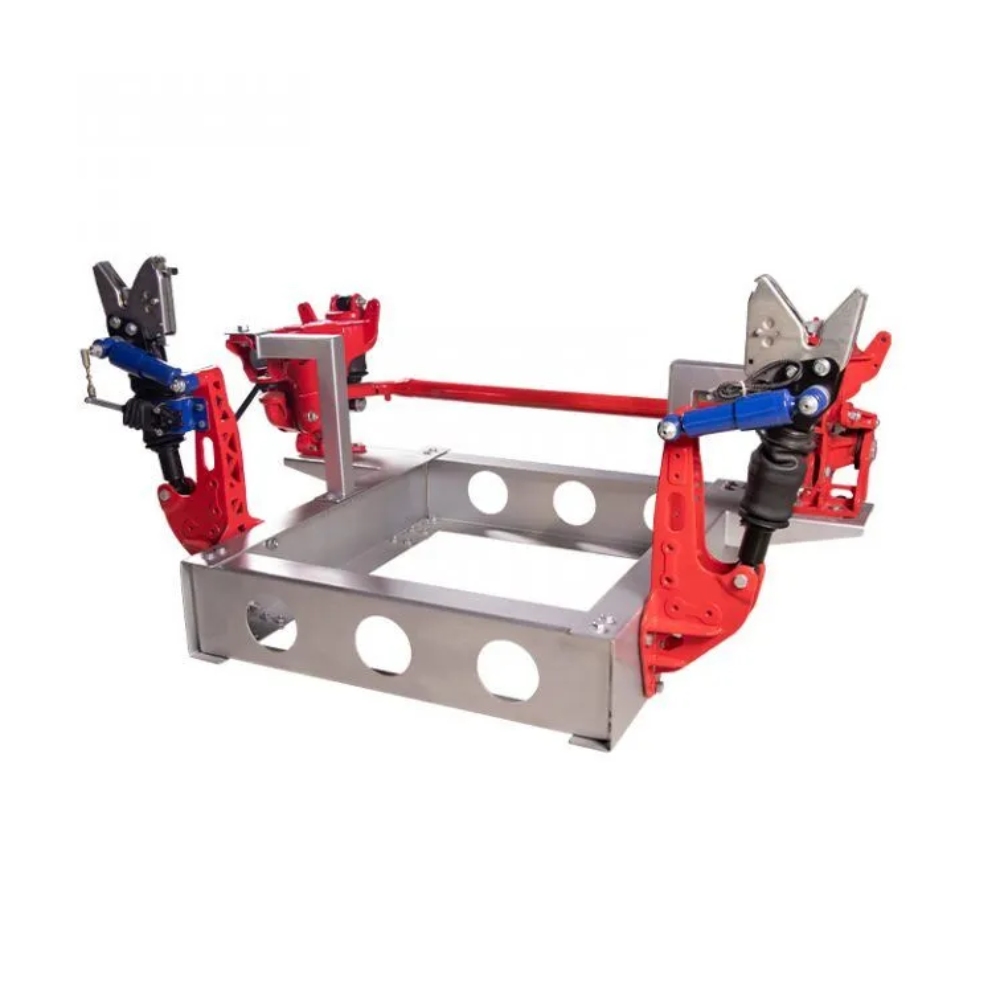
Как Meichen интегрирует воздушные пружины в полные решения для подвески?
Изолированный элемент не удовлетворяет всем потребностям. Эффективность подвески зависит от координации различных частей. Таким образом, комплексный дизайн имеет ключевое значение.
Полный инженерный потенциал системы
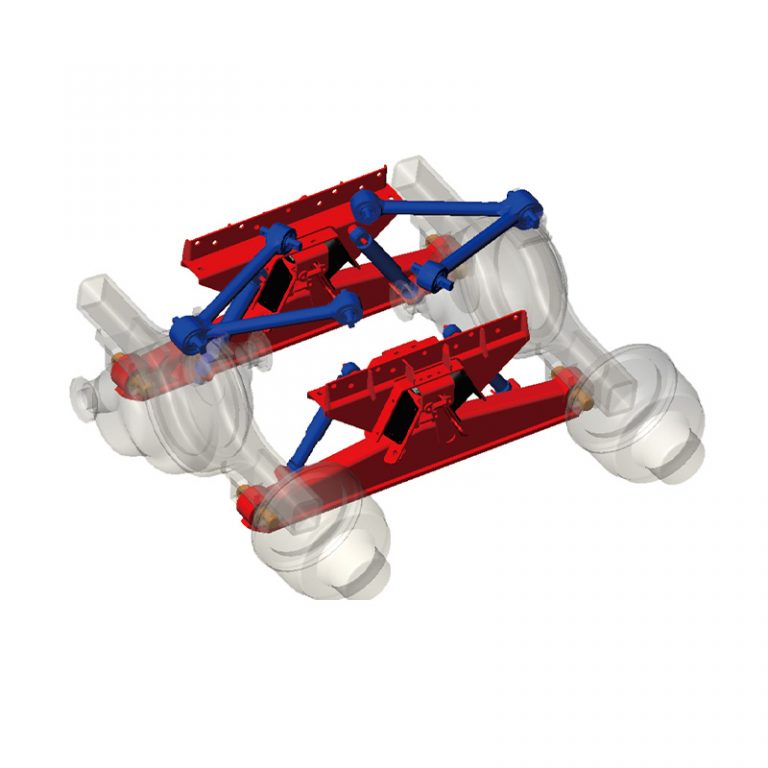
Современные рамы подвески объединяют воздушные пружины, тяговые пружины и поглощающие элементы. Например, тяговые прутники соединяют раму и ось, помогая в обращении с силами за пределами листовых пружин ’ Способность. При правильном сочетании эти элементы повышают как стабильность, так и долговечность.
Передовые материалы и производство
Выбор вещества выполняет центральную функцию. Резиновые смеси, конструированные пластмассы и металлические формы объединяются для удовлетворения различных требований. Методы производства включают экструзию, воздуховое литье и литье под впрыском. Эти методы позволяют осуществлять точный контроль за формой товара и его выходом.
Сильные R& D и системы валидации
Оценка превосходит простые проверки. Испытания усталости, оценки тепловидимости и обследования НВГ являются неотъемлемыми шагами. С более чем 120 инструментами оценки и более чем 200 тестовыми элементами, элементы подвергаются подтверждению в реальных сценариях до распространения.
Каковы основные преимущества интеграции воздушных пружин в современные транспортные средства?
Выбор между обычной и воздушной подвеской показывает преимущества при изучении устойчивой мощности.
Повышенный комфорт езды и снижение вибрации
Воздушные пружины обеспечивают большую жидкость. Это становится очевидным даже на нерегулярных дорогах. Операторы чувствуют сниженные колебания, в то время как пассажиры пользуются большей легкостью.
Улучшение управления нагрузкой и эффективности
Рамки самостоятельно адаптируются к нагрузкам. Это сохраняет стабильность автомобиля и повышает экономию топлива, поддерживая идеальную высоту.
Продолженный срок службы компонентов
Уменьшение колебаний приводит к снижению напряжения на дополнительные части. Элементы, такие как рамки, опоры и соединения, сохраняются дольше.
Снижение общей стоимости владения
Сроки службы продлеваются дальше. Непредвиденные сбои уменьшаются. Постепенно это сокращает общие расходы, несмотря на повышенные стартовые затраты.
Каково будущее автомобильных систем подвески с воздушными пружинами?
Рамки приостановки продолжают развиваться. Предстоящий этап сосредоточен на умстве и объединении.
Интеграция с интеллектуальными системами транспортных средств
Будущие рамки будут все больше зависеть от информации. Детекторы и модули наблюдения будут сотрудничать, чтобы заранее предсказать условия поверхности и изменить подвеску.
Легкие и высокопроизводительные материалы
Свежие вещества уменьшат массу, сохраняя при этом прочность. Это одновременно повышает экономику и производство.
Прогнозитивное обслуживание и соединение IoT
Непосредственный надзор облегчит раннее выявление проблем. Это минимизирует перерывы и повышает надежность.
Роль Meichen в будущих инновациях подвески
Поддерживаясь значительными обязательствами в области исследований и разработок и альянсами с академическими органами по прогрессу в области воздушной подвески, фирма неуклонно продвигается в этой области. В нем основное внимание уделяется применимым результатам, выходящим за рамки простого концептуального планирования.
Чтобы оставаться вперед в быстро развивающейся автомобильной промышленности, обеспечение того, чтобы ваша система подвески интегрировала новейшие воздушные пружины, является ключом к повышению комфорта езды, стабильности и общей производительности транспортного средства. Независимо от того, разрабатываете ли вы тяжелые транспортные средства или работаете над легковыми автомобилями, хорошо разработанная система подвески имеет важное значение как для комфорта, так и для надежности. Если вы’ re готовы исследовать, как воздушные пружины могут улучшить ваше транспортное средство’ с управление и комфорт оператора, рассмотреть Достижение до Meichen для комплексных, высокопроизводительных решений, которые отвечают вашим конкретным потребностям. Давайте возьмем свой автомобиль’ с система подвески в будущем вместе.
Часто задаваемые вопросы
Q1: Почему воздушные источники лучше, чем традиционные источники?
А: Воздушные пружины изменяют твердость и высоту в соответствии с нагрузками. Традиционные пружины не имеют этой способности, ограничивая производство в различных сценариях.
Q2: Подходят ли системы воздушной подвески для тяжелых транспортных средств?
О: Да. Их применение охватывает грузовики и строительное оборудование, поскольку они улучшают контроль нагрузки и уменьшают колебания.
Q3: Как подвеска кабины улучшает комфорт водителя?
A: Он отделяет зону оператора от колебаний рамы, облегчая усталость в течение длительного времени работы.
Q4: Требуют ли воздушные пружины больше обслуживания?
А: Не неизбежно. Благодаря подходящей конструкции и веществам они уменьшают общее обслуживание, ослабляя давление на другие элементы.
Q5: Что вы должны искать при выборе поставщика подвески?
Ответ: Приоритетизировать навыки оценки, знания по существу и фон унификации рамок. Эти элементы непосредственно влияют на устойчивый производство.