Air suspension alignment is not just a workshop step. For a commercial vehicle, it decides how the axle sits, how the tires touch the road, and how stable the vehicle feels at speed. If alignment is done while the chassis is too high, too low, or not sitting at its normal ride height, the numbers may look fine on the machine, but the vehicle can still pull, wander, or wear tires fast.
That is why ride height comes first. The suspension must be set where it actually works on the road. Then alignment data makes sense.
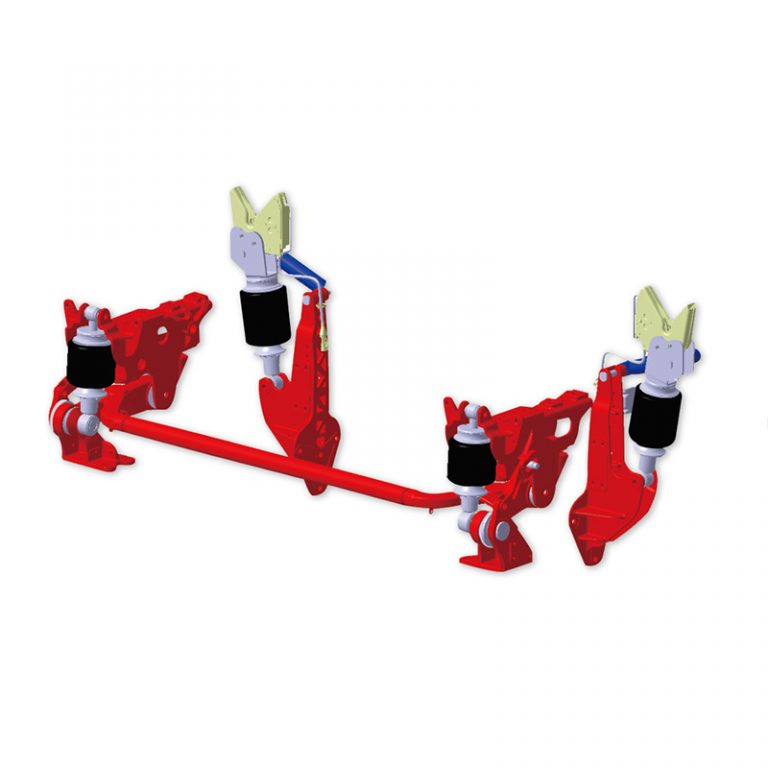
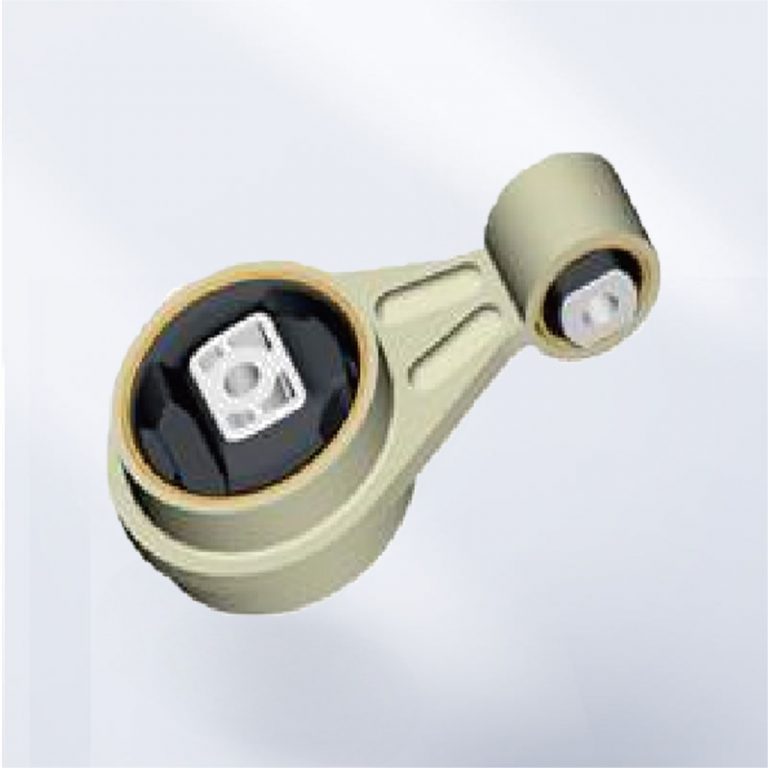
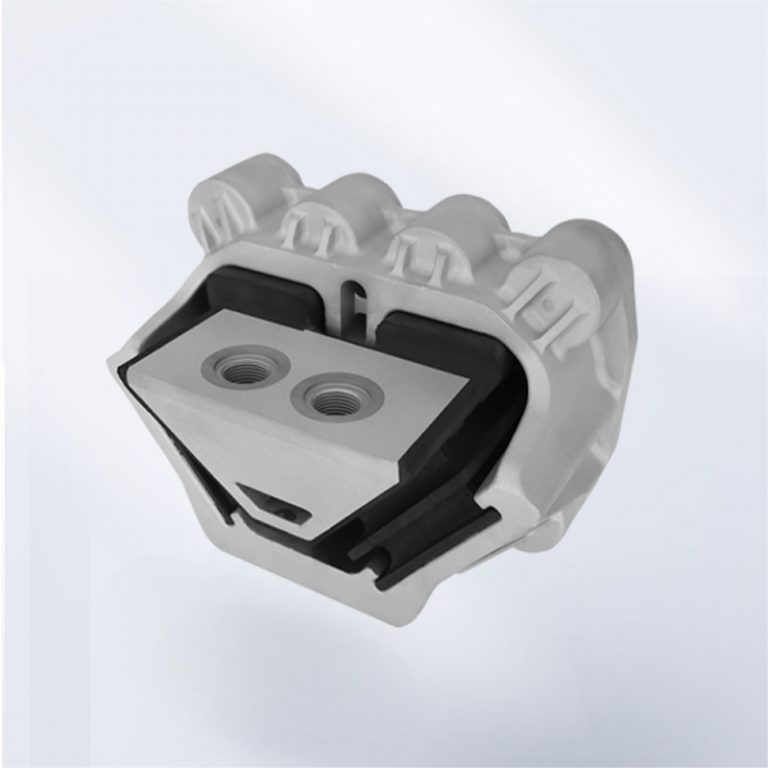
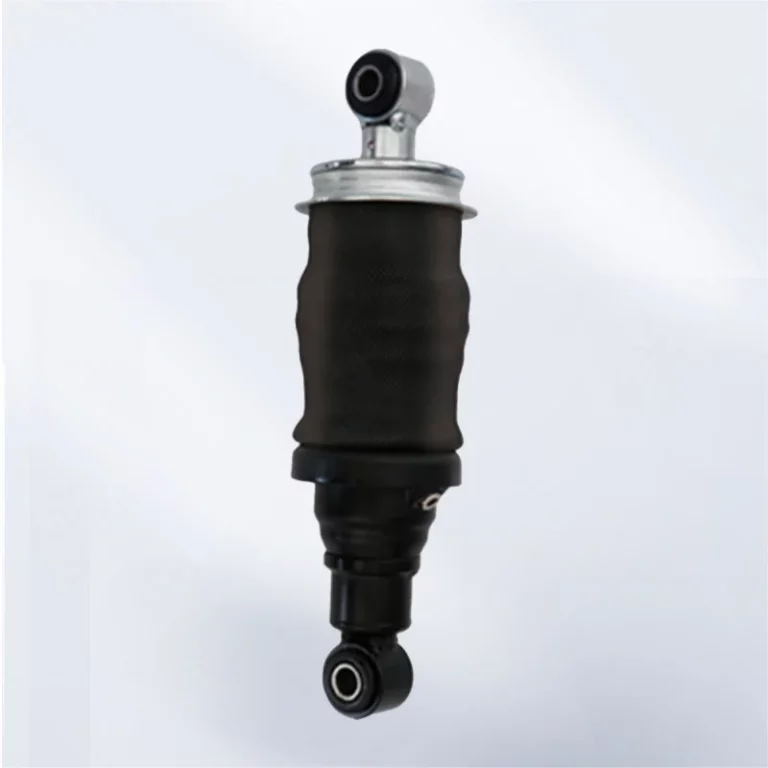
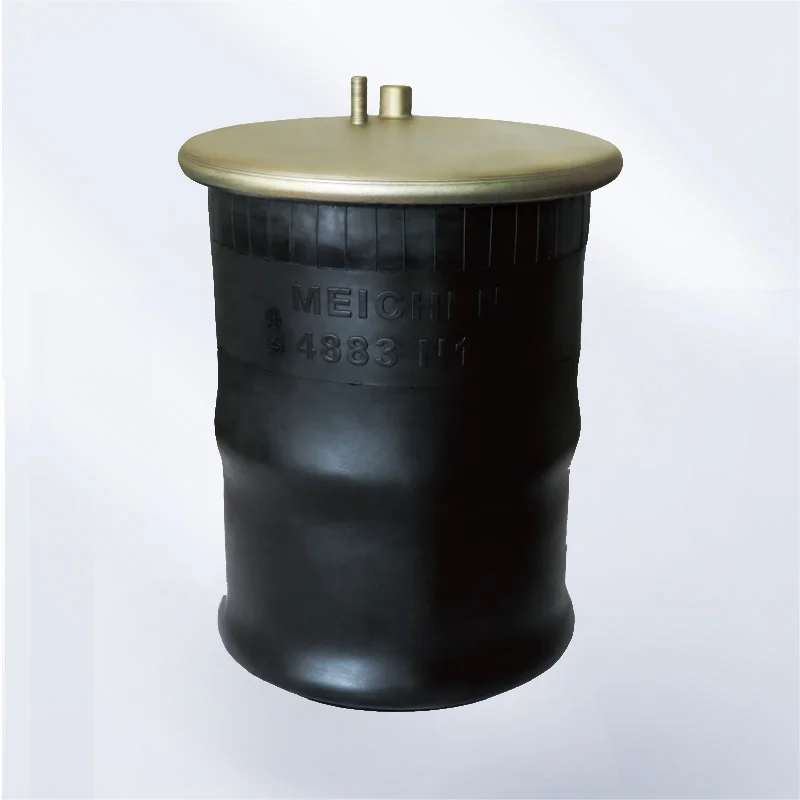
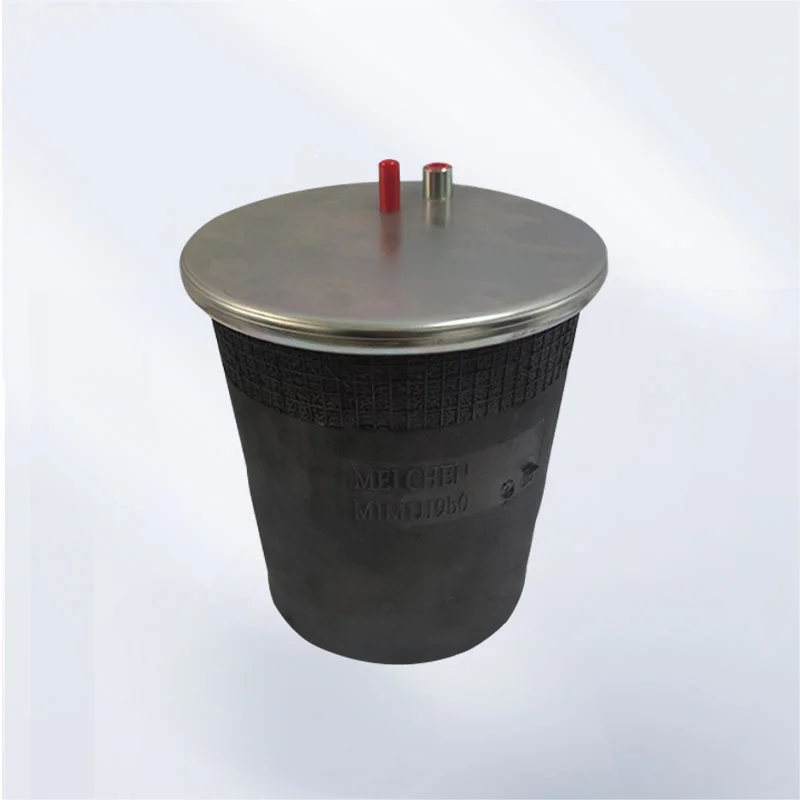
メイチェン has worked in automotive key parts since 2004, with a clear focus on suspension systems, vibration reduction systems, and fluid delivery systems. For buyers in commercial vehicle projects, that background matters. Air suspension is not one single part. It is a system made of air springs, guide parts, shock absorbers, height valves, rods, brackets, and matching design. Meichen has R&D capability, air spring production capacity, suspension product experience, testing equipment, and system validation work for fatigue and NVH. For chassis applications, its Chassis Air Spring Product is a practical product to consider when you need stable load support, better ride height control, lower road impact, and fewer tire wear complaints.
Why Must Air Suspension Alignment Be Done at Ride Height?
You can align a vehicle when it is raised, empty, or sitting at the wrong pressure, but that does not mean the data will match real use. Air suspension changes position with pressure and load. Once the height changes, suspension geometry changes with it.
Ride Height Sets the Real Suspension Geometry
Ride height is the base point. From that point, the axle angle, thrust rod position, steering relation, suspension stroke, and tire contact all start to make sense. If the chassis is too low, the suspension may sit close to its lower travel range. If it is too high, the air spring may work near an overstretched position.
Both cases can affect alignment. The toe, camber behavior, and axle tracking may not match the road condition after the vehicle returns to normal driving height. So, if you align first and check ride height later, the order is already wrong.
Alignment Numbers Need a Stable Air Spring Base
A good air spring helps the suspension hold the designed height more steadily. This is where シャシー エアスプリング 製品 fits the job. It is used in chassis suspension applications to carry load, absorb impact, and help the vehicle stay closer to its working ride height.
For OEM buyers, this is not only about replacing a worn part. It is about keeping the chassis geometry repeatable. If the air spring cannot support the load well, the vehicle may not sit at the same height every time. Then alignment becomes a moving target.
How Does Changing Vehicle Height Affect Tire Wear?
Tire wear is often blamed on the tire itself. In real maintenance work, the cause is often higher up in the system. A small ride height change can shift the way the tire meets the road.
Wrong Height Changes Tire Contact
When the chassis sits too high or too low, the tire contact patch may not stay even. You may see shoulder wear, feathering, cupping, or fast wear on one side. On commercial vehicles, that is not a small cost. Tires are expensive, and a fleet can lose money quickly if several vehicles have the same alignment problem.
A wrong height can also change axle load sharing. If the suspension does not hold the body level, one side may carry more load. The tire then works harder on that side. After some mileage, the tread pattern tells the story.
Tire Life Depends on Height, Load, and Movement
Good alignment is not only static data. The vehicle moves, brakes, turns, and carries changing loads. Air suspension must keep the ride height in a proper range during these changes. If height changes too much, the tire does not work in the same clean pattern all the time.
That is why tire life should be checked together with air spring condition, height valve response, linkage wear, and chassis mounting points. If you only change tires and repeat alignment, the same problem can return.
What Is Different Between Commercial Vehicles and Passenger Cars?
Passenger cars and commercial vehicles both need correct alignment, but the working stress is not the same. Commercial vehicles usually carry heavier loads, run longer hours, and face more road variation.
Commercial Vehicles Carry Changing Loads
A commercial vehicle may run empty in the morning and fully loaded later. The ride height control system must react to that change. If it reacts slowly or unevenly, alignment behavior changes too. A passenger car has load changes, but usually not at the same scale.
Commercial vehicles also use larger chassis parts and stronger suspension structures. The force through the air spring, thrust rod, bracket, and axle is higher. When one part is mismatched, the tire and steering system show it quickly.
Passenger Cars Focus More on Comfort Balance
Passenger car suspension often gives more attention to comfort, handling feel, and cabin quietness. Commercial vehicle suspension still needs comfort, but it must also protect tire life, payload stability, and operating cost.
So when you choose products for a commercial chassis, you should not only ask whether the part fits. You should ask whether it fits the load, working height, air pressure range, road condition, and expected service life. Meichen’s wider automotive suspension product range can support this kind of system thinking, especially for buyers who need chassis parts matched to real vehicle use.
How Does ECAS Height Control Affect Alignment?
ECAS height control is used to keep the vehicle level as load changes. In simple words, it tells the air suspension when to raise, lower, or hold height. If this logic is stable, alignment stays closer to the design point. If it is unstable, tire wear and handling issues become harder to trace.
ECAS Helps Keep the Driving Level Consistent
With electronic height control, the vehicle can maintain a more consistent ride level during different load states. This is useful for swap bodies, commercial platforms, and vehicles that need repeatable chassis height.
When the driving level stays close to the target height, the suspension works in a more predictable range. The axle sits where it should. The air spring does not stay too stretched or too compressed. The tire contact also becomes more stable.
Height Control Still Needs Correct Hardware
ECAS logic cannot fix a weak air spring, worn bracket, leaking air line, or poor mounting angle. The control system may keep adjusting, but the basic hardware still has to hold the load.
This is where OEM-level matching matters. The air spring, valve, shock absorber, rods, and brackets must work as one system. If the chassis air spring is not matched to the vehicle, the height control system may keep chasing a position that the hardware cannot hold well.
What Causes Alignment Problems in Air Suspension Systems?
When alignment does not last, the cause is usually not one thing. You need to check the air spring, pressure control, mounting structure, and wear parts together.
Weak or Mismatched Air Springs
A weak air spring may still inflate, but it may not hold the correct height under load. A mismatched air spring may look similar, but its working height, load capacity, and movement range may not suit the chassis.
For OEM projects, this risk is higher when a project uses a part because the size is close. Close size is not enough. The spring has to match the vehicle’s real weight, stroke, pressure range, road condition, and stability target.
Height Valve or Pressure Control Problems
If the valve or air pressure system does not return the chassis to the same height each time, alignment cannot stay consistent. The vehicle may sit right during service but change after loading, parking, or road operation.
Slow height recovery is also a warning sign. It may mean leakage, valve delay, or poor pressure control. If the chassis height changes every time the vehicle works, tire wear will not be easy to solve.
Worn Linkage and Mounting Points
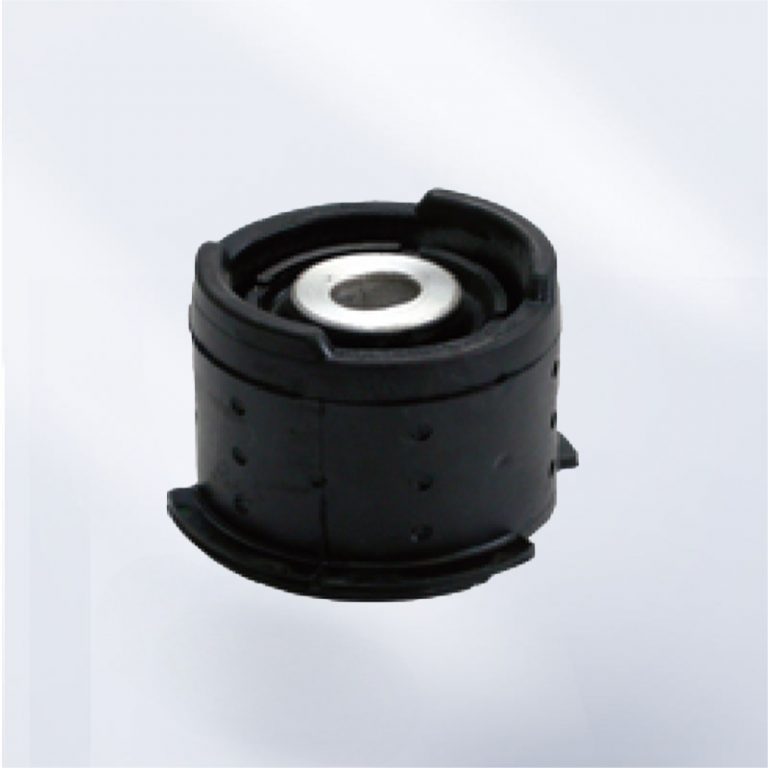
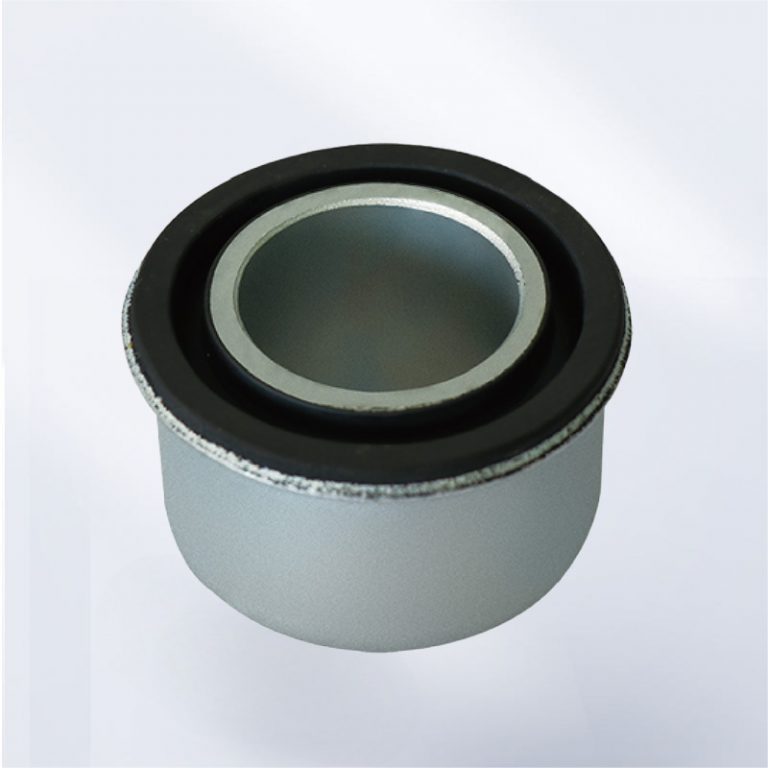
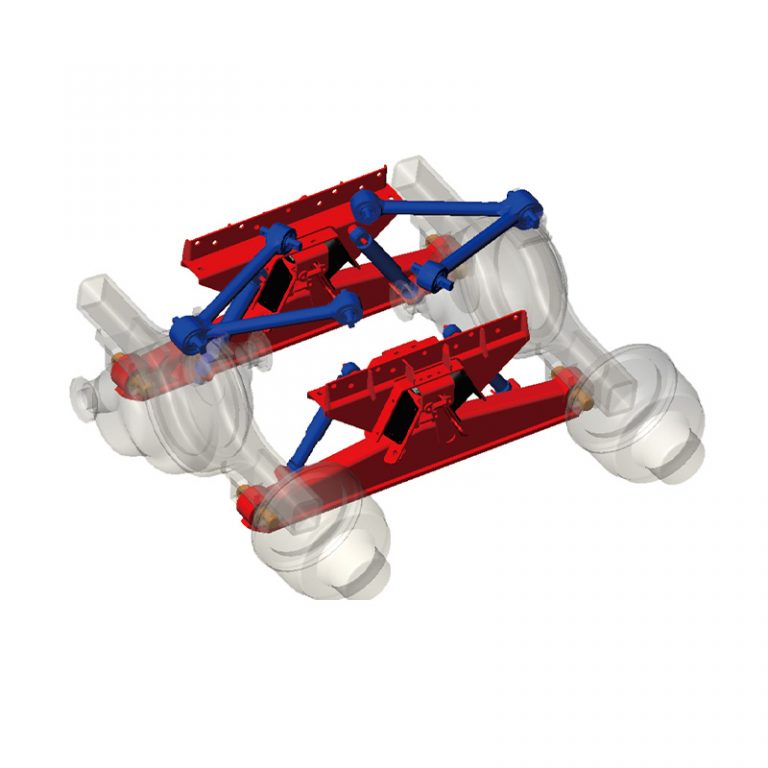
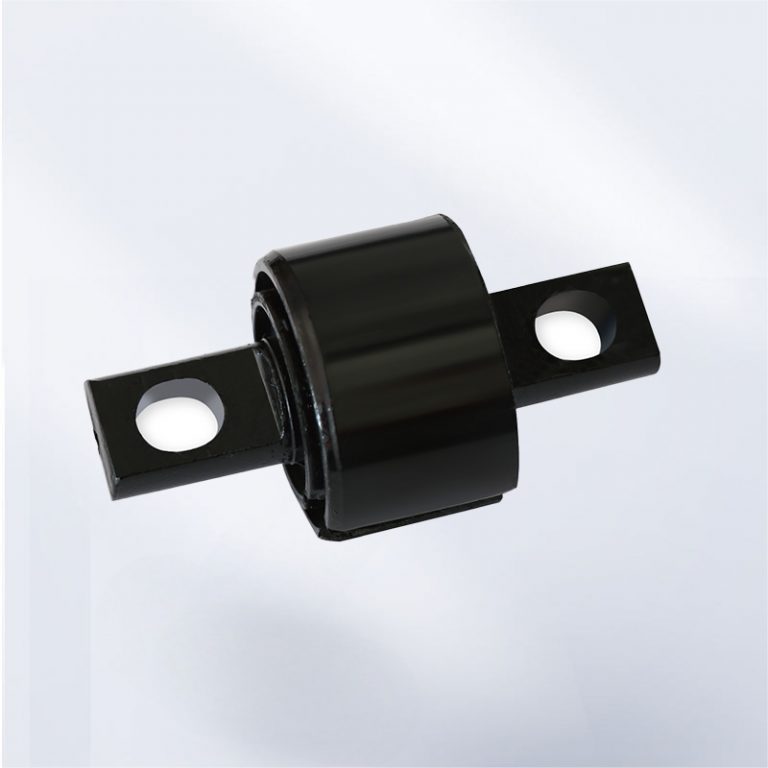
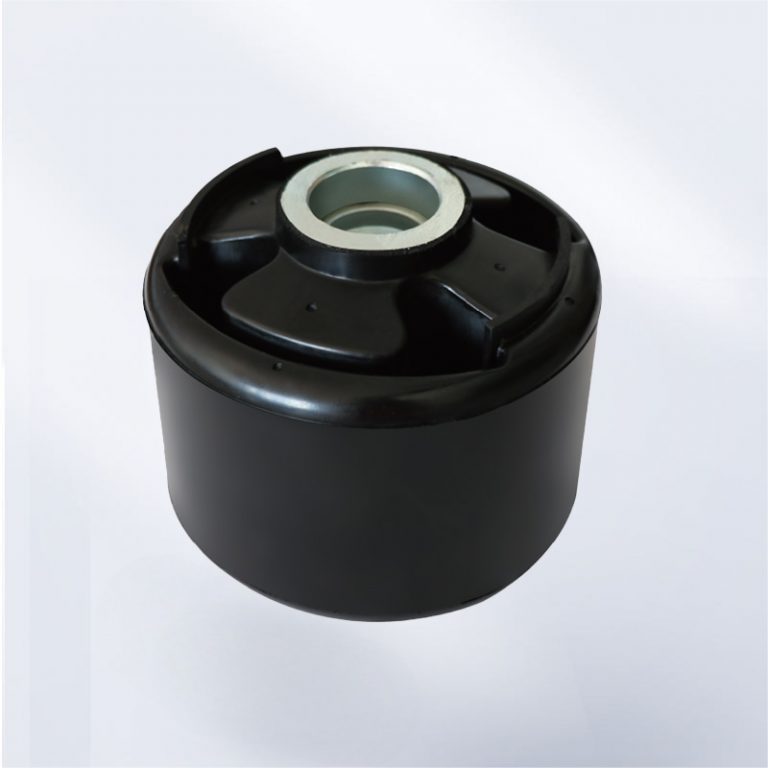
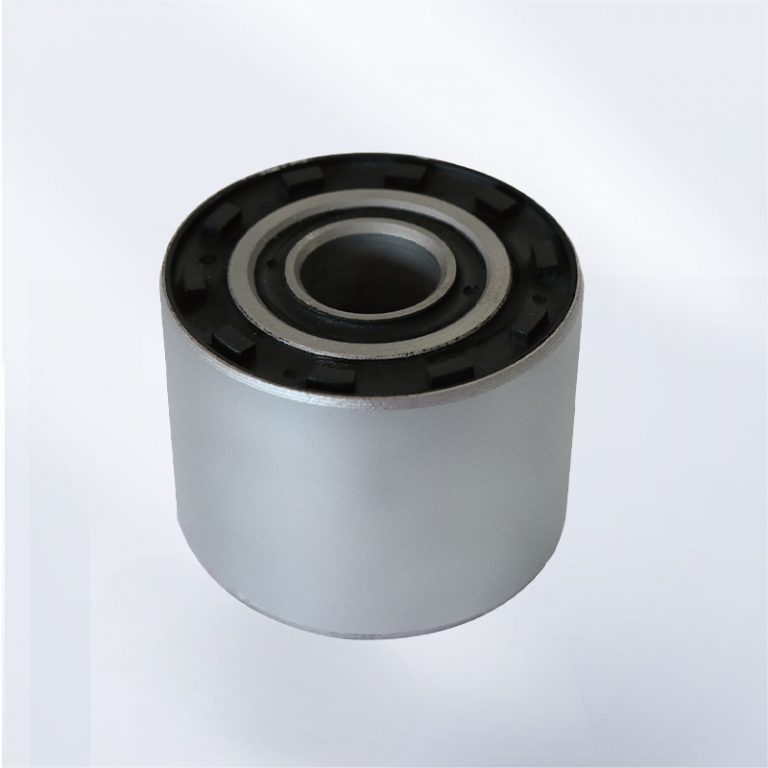
The air spring supports height, but rods and brackets decide how the axle moves. Worn bushings, loose fasteners, bent brackets, and shifted mounting points can all affect axle position. If these parts are ignored, a new air spring may not solve the alignment issue.
A proper inspection should look at the full suspension path. Air spring first, then valve and pressure, then linkage, bracket, axle position, and tire wear pattern.
What Should an OEM-Level Solution Include?
For OEM buyers, the goal is not to solve one tire complaint after mass production. The better way is to design the ride height and alignment logic correctly from the beginning.
Match Product Design to Real Vehicle Data
You should start with vehicle data: chassis layout, axle load, full-load and empty-load height, suspension travel, road condition, tire size, and ride comfort target. The air spring should be selected around this data.
メイチェン Chassis Air Spring Product for load support is suitable for projects where chassis support, ride height stability, and road impact buffering all matter. For commercial vehicle buyers, this product direction is useful because tire life and stability are tied to the same suspension base.
Use Fatigue and NVH Tests Before Final Approval
Fatigue testing checks whether parts can survive repeated load and movement. This matters because commercial vehicles work for long hours, not only short road tests. NVH testing checks noise, vibration, and harshness, which helps you judge comfort and chassis behavior.
Keep Manufacturing Control Stable
A good design still needs stable production. Air spring quality depends on material, forming, assembly, air tightness testing, and process control. If the production process changes too much, alignment and tire complaints may show up later in the field.
For B2B buyers, it is worth asking about air tightness checks, traceability, process control, and batch consistency. These are not fancy questions. They are the kind of questions that reduce after-sales trouble.
When Should You Contact Meichen for Chassis Air Spring Support?
If your vehicles show uneven tire wear, unstable ride height, repeated alignment problems, or loose chassis behavior, the chassis air spring should be checked together with the whole air suspension system. Do not treat alignment as only a tire shop job.
For OEM projects, early product matching is even more important. You can bring the vehicle data, load target, height range, and road condition, then discuss whether the Chassis Air Spring Product is suitable for your platform.
Meichen can support product selection, OEM or ODM communication, application matching, and service consultation. If you need help with chassis air spring selection or want to discuss a project, you can マイヒェンに連絡する through the official website.
FAQについて
Q1: Why Should Air Suspension Alignment Be Done at Ride Height?
A1: Air suspension alignment should be done at ride height because suspension geometry changes when the chassis height changes. Correct ride height gives more accurate alignment data for real road use.
Q2: Can Wrong Ride Height Cause Uneven Tire Wear?
A2: Yes, wrong ride height can change tire contact with the road and cause shoulder wear, feathering, cupping, or faster tread wear.
Q3: Why Are Commercial Vehicles More Sensitive to Ride Height Changes?
A3: Commercial vehicles carry heavier and changing loads, so ride height changes can affect axle position, tire contact, stability, and operating cost more quickly.
Q4: How Does ECAS Help Air Suspension Alignment?
A4: ECAS helps by controlling suspension height and keeping the vehicle closer to its target driving level under different load conditions.
Q5: Why Choose Meichen Chassis Air Spring Product for OEM Projects?
A5: Meichen Chassis Air Spring Product supports chassis load, absorbs road impact, helps maintain ride height, and fits OEM projects that need better stability and tire life.