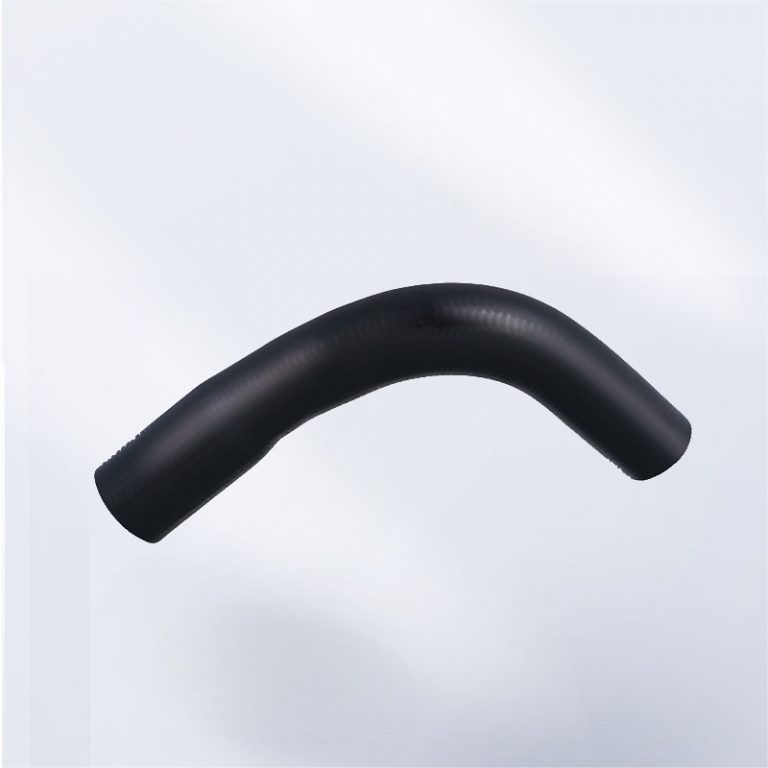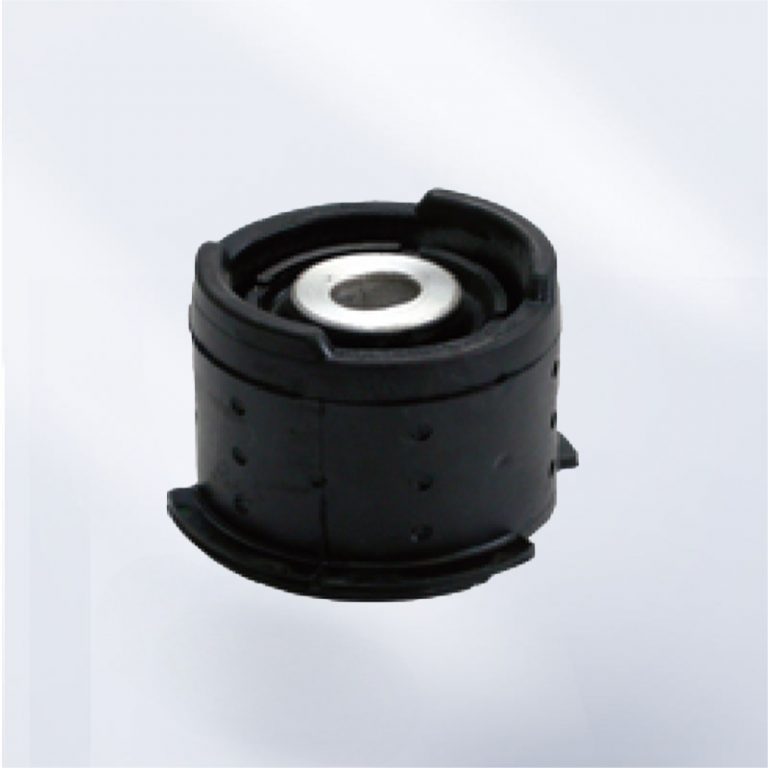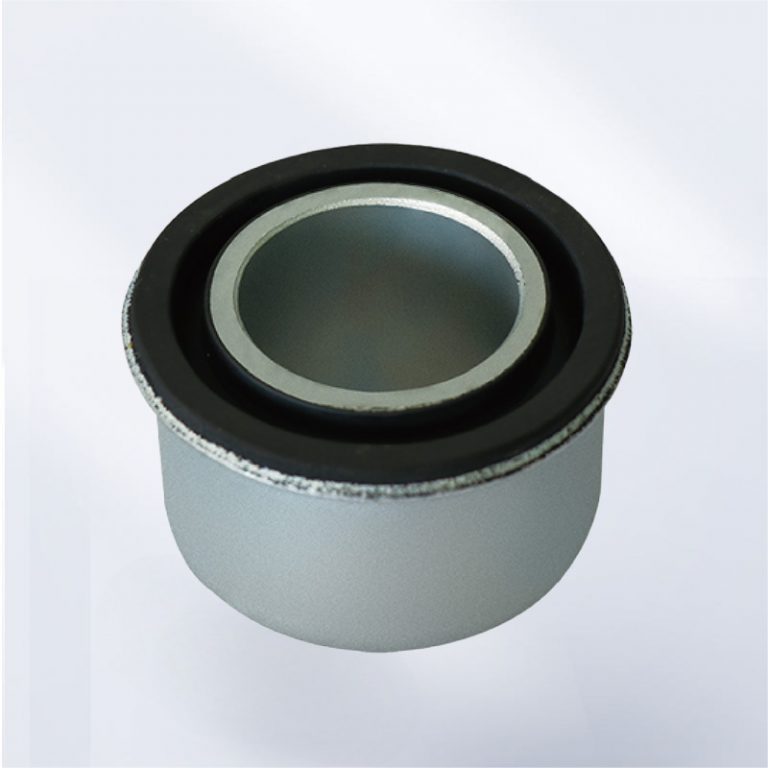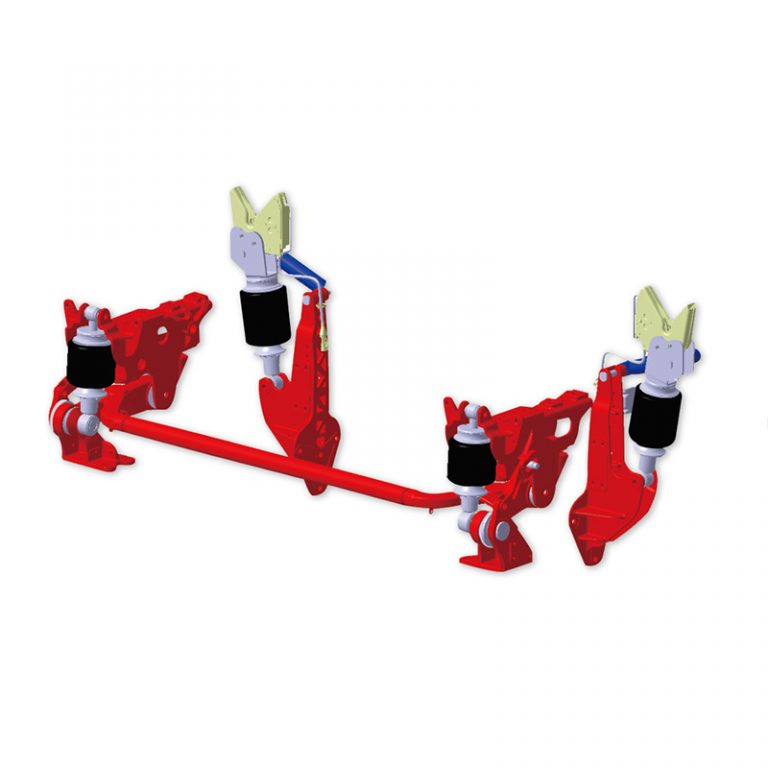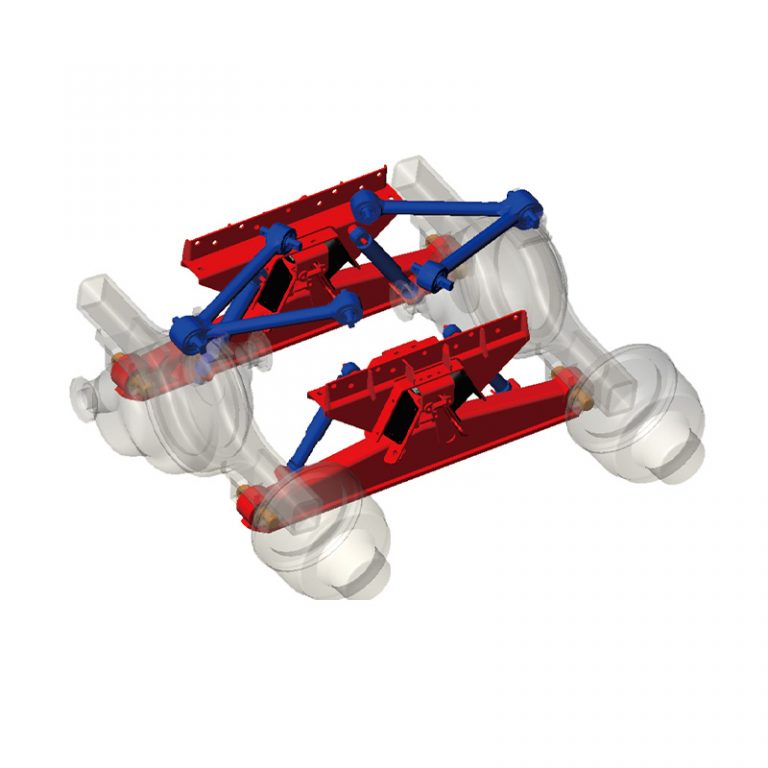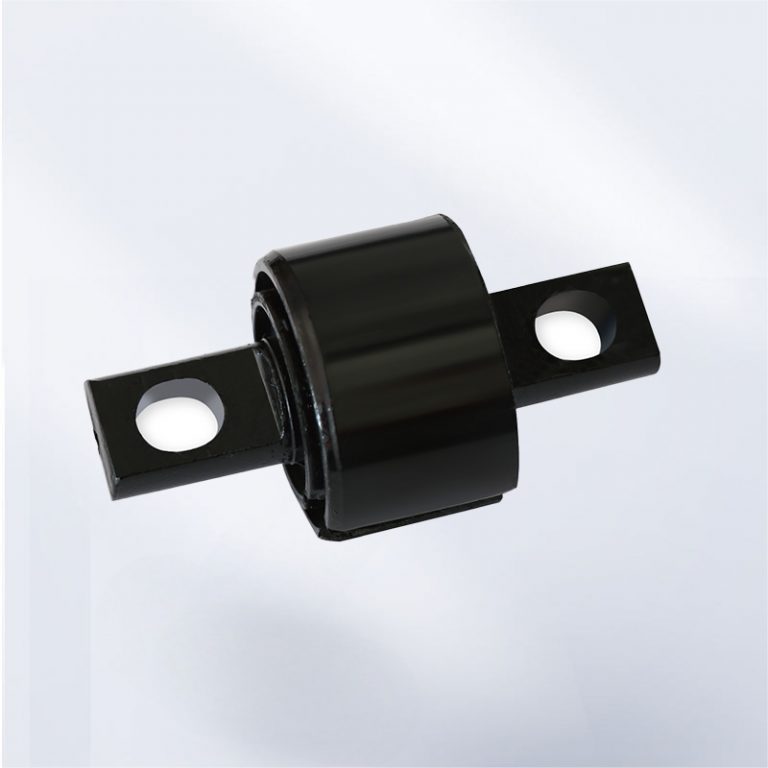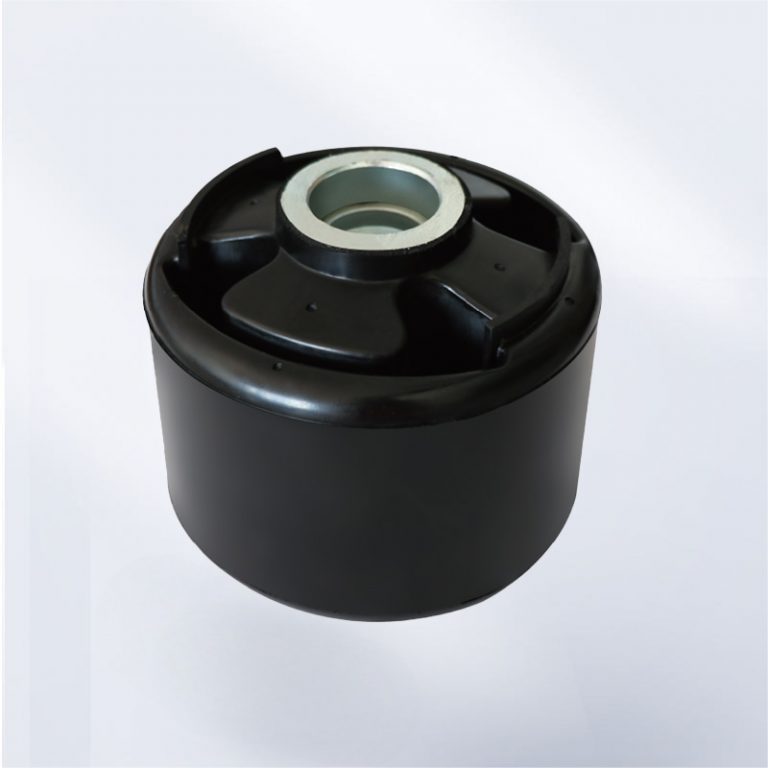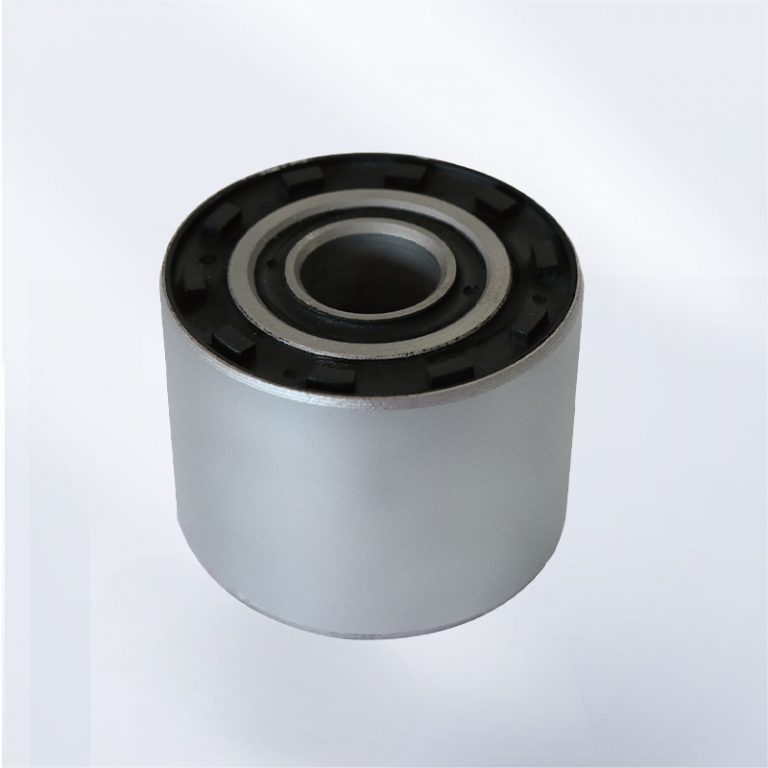
Selecting a rubber hose starts with the system, not the hose catalogue. You need to know what fluid will pass through it, how hot that fluid becomes, how much pressure the line carries, and how the hose moves after installation.
A material that works well with coolant may swell in oil. A hose that handles steady pressure well, can still fail when subject to frequent pressure pulses. The correct compound can even fail early due to routing too tight or connector forces that cause the hose to twist.
No single rubber hose is suitable for every industrial fluid system. We have to select the hose material, wall structure, reinforcement, hoses end fittings and test plan to match the hose to the fluid system working conditions.
What Operating Conditions Define the Right Rubber Hose?
Before discussing EPDM, NBR, FKM, or any other material, collect the basic project data. Most selection problems come from missing information rather than a lack of material options.
Identify the Fluid and Chemical Exposure
Start with the exact fluid name and composition. “Coolant,” “oil,” or “fuel” is often not detailed enough. Additives, concentration, contamination, and cleaning chemicals may change how the rubber behaves.
An unsuitable fluid can soften the inner layer, remove plasticizers, increase hose volume, or make the rubber hard and brittle. The outside may still look normal while the inner surface has already started to degrade.
For coolant lines, you should also confirm the coolant type, mixing ratio, maintenance chemicals, and expected change interval. For oil or fuel service, specify the fluid grade and whether the hose sees vapor, liquid, or an oil-air mixture.
Define Working Temperature and Pressure Peaks
Average temperature and pressure do not tell the whole story. Industrial systems often see short peaks during start-up, shutdown, load changes, blocked flow, or pump operation.
You should record:
- Minimum start-up temperature
- Normal working temperature
- Short peak temperature
- Continuous working pressure
- Maximum pressure spike
- Vacuum conditions
- Pressure pulse frequency
Temperature and pressure should always be reviewed together. Rubber becomes softer at high temperature, and some hose structures lose part of their pressure capacity as heat rises.
Review Routing, Movement, and Installation Space
A hose that performs well on a test bench can still fail in the machine. Tight bends, unsupported weight, rubbing, connector misalignment, and constant twisting all shorten service life.
Check the available bend radius and the straight section near each fitting. Also look at how far the connected parts move during operation. A motor, pump, battery module, radiator, or mounted assembly may move more than expected under vibration or thermal expansion.
The route should keep the hose away from sharp edges and hot surfaces. If that is not possible, the design may need a heat shield, protective sleeve, support clip, or different fitting angle.
How Does Rubber Hose Design Affect System Performance?
After the working conditions are clear, you can move to hose construction. A finished hose is not one piece of rubber. The inner layer, reinforcement, outer cover, fittings, clamps, and route all work as one system.
Match the Inner Tube to the Conveyed Medium
The inner tube is the first barrier between the fluid and the hose assembly. It needs to resist swelling, hardening, permeation, cracking, and loss of tensile strength.
The best inner material is not always the most expensive one. It is the material that survives the specified fluid and temperature for the required service period.
A coolant hose may use a different inner layer from a high-temperature oil-mist hose. Even when two products use the same material family, their formulas may differ in hardness, additives, curing system, and aging resistance.
Compare Braided vs Unbraided Flexible Hose Structures
The difference between braided and unbraided flexible hose mainly comes down to pressure control and flexibility.
A braided or reinforced hose limits expansion when internal pressure rises. It is usually the safer direction for pressure pulses, higher burst requirements, and routes where dimensional stability matters.
An unbraided hose is often lighter and easier to bend. It may suit lower-pressure systems with limited installation space. The trade-off is lower resistance to expansion and pressure changes.
You should not choose a braided hose only because it appears stronger. If the reinforcement makes the hose too stiff, the bend load may move directly to the connector. The hose can then crack close to the fitting.
The wider range of fluid line system products shows why structure should follow the application rather than a fixed material rule.
Integrate Fittings, Clamps, and Hose Geometry
Many hose leaks begin at the connection point. The fitting profile, insertion depth, clamp position, and hose compression all affect sealing.
Too much compression can cut the outer layer or cause permanent deformation. Too little compression may allow leakage or hose pull-off.
The straight section near the fitting also matters. When a bend begins immediately after the clamp, repeated movement is concentrated in one small area. Leaving enough straight length reduces this stress.
Connector direction should be confirmed before tooling is released. A small angle error can leave the hose under permanent torsion after assembly.
Which Rubber Hose Materials Fit Different Industrial Fluids?
Material names are useful, but they are only a starting point. The final choice should include the compound formula, reinforcement, temperature, fluid, pressure, and expected life.
Select EPDM for Coolant and Water-Based Circuits
EPDM is widely considered for coolant and water-based systems. It offers good resistance to heat, ozone, weather exposure, and many coolant formulations.
It is often used where the hose must remain flexible through repeated heating and cooling cycles. Its limits also need attention. EPDM is generally not the first choice for direct contact with fuel or mineral oil.
For cooling applications, the full assembly still needs pressure, aging, leakage, and connector tests. The material name alone does not confirm performance.
Consider NBR and FKM for Oil-Exposed Systems
NBR is often selected for oil and fuel exposure when the temperature stays within the approved range. It offers useful oil resistance and practical processing performance.
FKM may suit higher-temperature fuel, oil, or chemically demanding routes. It costs more, so it should solve a real requirement rather than serve as a general upgrade.
Low-temperature flexibility, sealing compression, and exact fluid compatibility should still be tested. A material that performs well at high temperature may become too stiff during a cold start.
Evaluate VMQ, FVMQ, AEM, and ACM for High-Temperature Routes
High-temperature air, oil mist, and under-hood fluid routes may require VMQ, FVMQ, AEM, ACM, or modified compounds.
These materials can support demanding heat conditions, but each has its own limits. Pressure resistance, tear strength, low-temperature behavior, permeation, and clamp sealing should be checked with the actual hose structure.
This is especially important when the hose sits close to a turbocharger, hot motor, compressor, or other heat source.
Compare Rubber Hoses with TPV and PA Pipeline Solutions
Not every fluid route needs a full rubber hose. TPV and PA pipes can reduce weight, improve dimensional control, and support clean routing in cooling or thermal-management systems.
Smooth plastic pipe works well in open routes. Corrugated sections can add flexibility in narrow areas. Short rubber or TPV connectors may then absorb vibration, movement, and assembly tolerance.
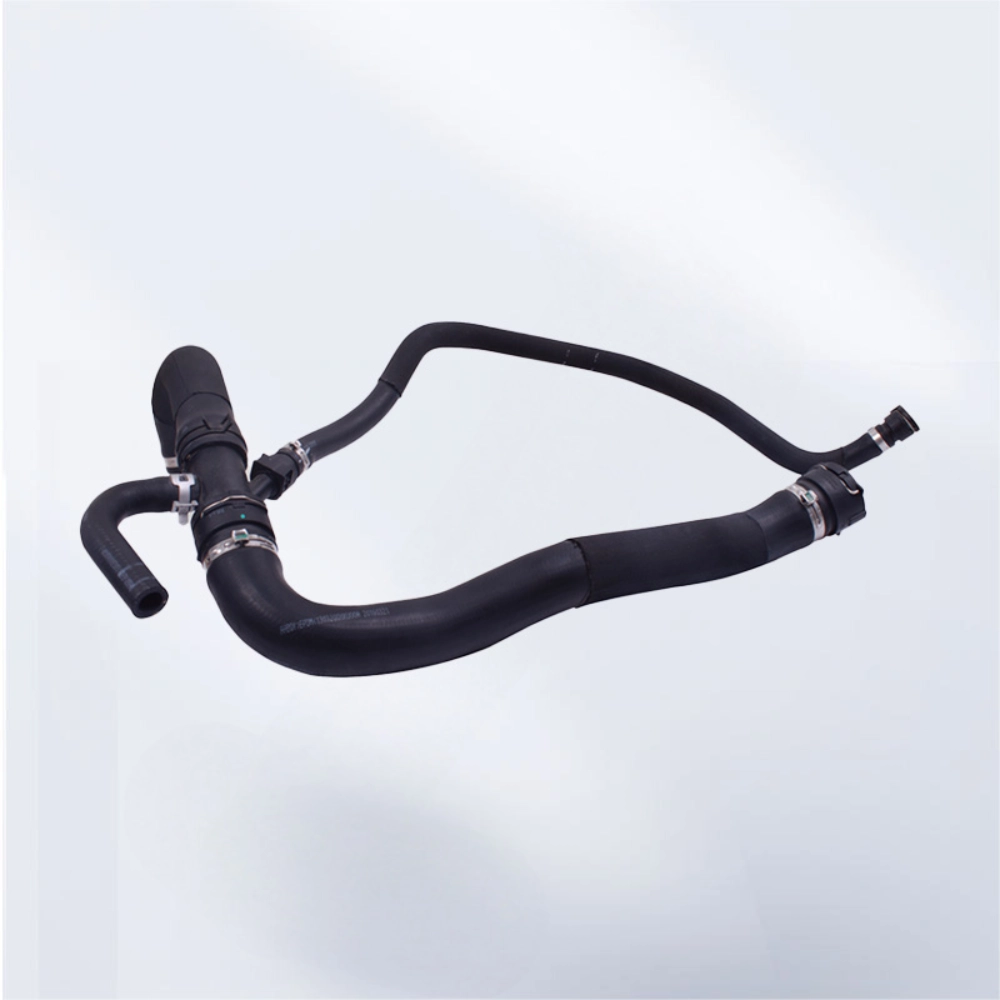
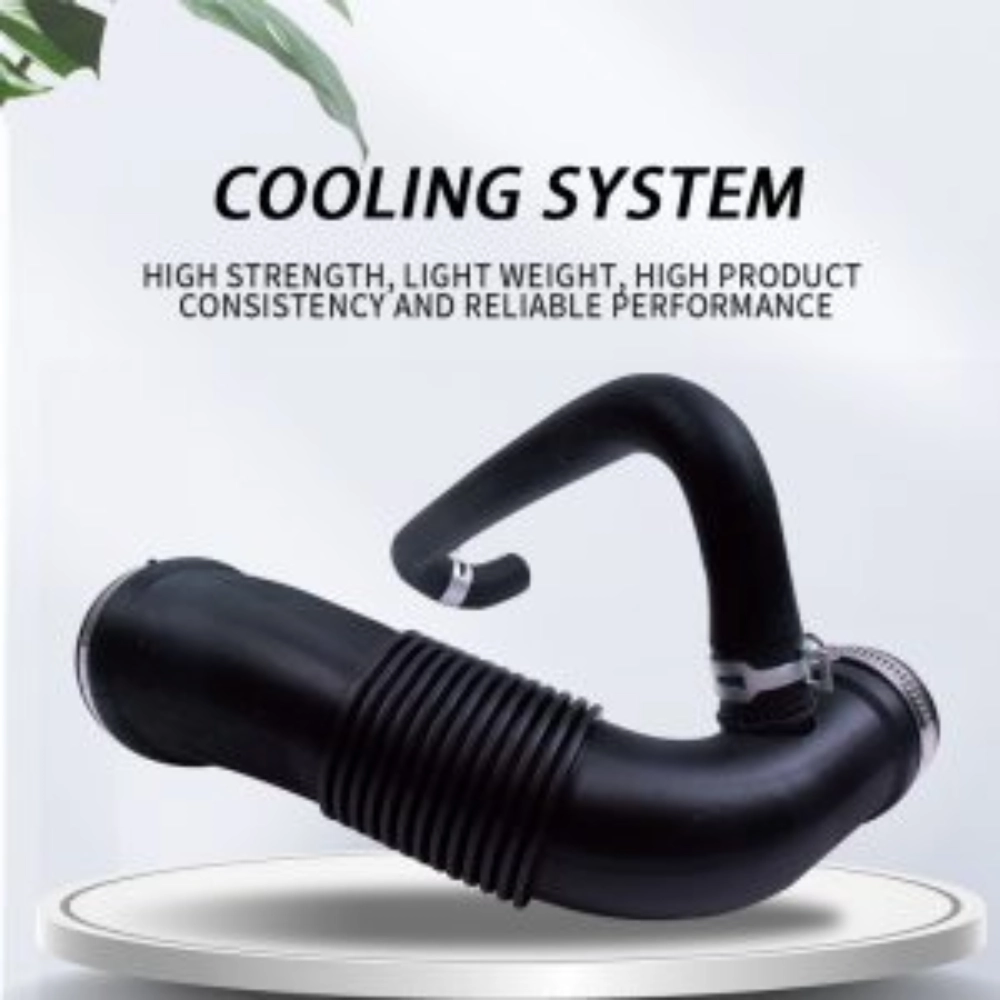
Meichen’s Cooling System Products Assembly covers EPDM, TPV, reinforced TPV, and PA solutions. This gives buyers more room to match weight, flexibility, routing, flow resistance, and sealing needs within one system.
Why Do Rubber Hoses Crack or Fail Earlier Than Expected?
People often ask how long rubber hoses last. There is no reliable answer without the operating details. Some hoses fail early because of the wrong material. Others last much longer because the route, fittings, and test plan were handled correctly.
Prevent Hose Cracks Caused by Material Incompatibility
A hose crack may begin after the inner material swells or hardens. The change can weaken the wall and reduce sealing force at the fitting.
The safer approach is to test the actual compound in the real fluid. After exposure, check volume, mass, hardness, tensile strength, surface condition, and sealing performance.
Control Excessive Bending and Torsional Stress
Do not force a hose below its approved bend radius. A tight bend can flatten the flow path and place high strain on the outside wall.
Twisting is just as harmful. The hose should sit naturally after installation. If it tries to rotate back when a clamp is released, the route or fitting angle needs correction.
Reduce Damage from Heat, Abrasion, and Vibration
A hose should not rub against a bracket, metal edge, cover, or nearby pipe. Small contact marks can become deep wear points after thousands of vibration cycles.
Heat also attacks the outer surface. A hose may carry moderate-temperature coolant but still sit beside a much hotter component. Shielding or route changes may be needed.
Good support points should control movement without locking the hose too tightly.
Extend Rubber Hose Service Life Through Correct Installation
Correct installation has a direct effect on service life. Keep clamps in the designed sealing area. Leave enough straight length near connectors. Avoid pulling the hose to make it reach.
During maintenance, check for hardening, surface cracks, soft spots, bulges, leakage marks, loose clamps, and abrasion. Replacing a damaged hose early is usually cheaper than dealing with an unplanned system shutdown.
How Should Rubber Hose Performance Be Tested and Verified?
A material datasheet cannot replace a finished assembly test. The test plan should reflect the real fluid, temperature, pressure, movement, and connection method.
Verify Pressure, Burst, and Leakage Resistance
Working-pressure testing confirms sealing under normal conditions. Pressure pulse testing checks repeated loading. Burst testing measures the structural safety margin.
Leakage testing should cover every joint, not only the hose body. Data should be stored so production results can be traced back to the batch and assembly station.
Test Heat Aging and Fluid Compatibility
Samples should be exposed to the approved fluid at the specified temperature and time. After testing, check hardness, size, weight, tensile performance, surface condition, and leakage.
Temperature cycling is also useful. It can reveal cracks, delamination, connection movement, and sealing loss that may not appear during a constant-temperature test.
Validate Fatigue, Dimensions, and Assembly Stability
Dynamic testing should reproduce vibration, pressure cycling, bending, and relative movement. Dimensional checks should cover inner diameter, outer diameter, wall thickness, fitting position, and assembly direction.
Meichen can also apply PVT and system verification equipment to durability work. Its coolant hose assembly design can include extrusion, reinforced structures, quick connectors, assembly, and validation rather than treating the tube as a separate part.
How Does Meichen Support Industrial Fluid System Projects?
Meichen has worked in fluid delivery, vibration reduction, and suspension products since 2004. Its engineering work covers material formulas, structural design, extrusion, molding, connection development, fatigue testing, and system validation.
The company has a 120-member R&D team and a CNAS-accredited laboratory. Its fluid-product material range includes EPDM, NBR, FKM, FVMQ, VMQ, AEM, ACM, TPV, and PA structures. Cooling pipeline products can be designed for working environments from about -40°C to 200°C, depending on the selected structure and project requirements.
The recommended Cooling System Products Assembly is suitable for passenger vehicles, commercial vehicles, construction machinery, energy storage cabinets, charging equipment, and other systems that need controlled coolant delivery. Its value is not limited to the hose material. The assembly can bring together flow resistance, sealing, vibration absorption, lightweight routing, connectors, and installation space.
That is often what buyers need. A complete line that fits the machine is more useful than a standard hose that still needs redesign after delivery.
What Should Buyers Prepare Before Requesting Service?
Good project information saves time during quotation and sample development. Before you send an inquiry, prepare the fluid specification, normal and peak temperature, working pressure, pressure spikes, dimensions, bend radius, connector type, movement range, target life, applicable standard, and annual demand.
A drawing is helpful. A three-dimensional route file is better when the line passes through a tight area. Samples can also help confirm connectors, materials, and assembly conditions.
Meichen’s service team can review the material direction, hose structure, processing method, test plan, and assembly supply requirement. You can contact the technical team with your drawings, samples, and working data for a project review.
FAQ
Which Rubber Material Is Best for Industrial Coolant Hoses?
EPDM is commonly used for coolant and water-based circuits, while TPV and PA may suit lightweight or dimensionally controlled routes. The final material must still pass fluid, temperature, pressure, and aging tests.
What Is the Difference Between Braided and Unbraided Flexible Hose?
Braided hose uses reinforcement to control expansion and improve pressure resistance. Unbraided hose is usually more flexible and may suit lower-pressure systems with limited routing space.
Why Do Rubber Hoses Crack Near the Connector?
Common causes include tight bending, constant twisting, excessive clamp pressure, poor fitting alignment, heat exposure, and insufficient straight length near the connection.
How Long Do Rubber Hoses Last in Industrial Systems?
Service life depends on the fluid, compound, temperature, pressure cycles, installation, abrasion, vibration, and maintenance. There is no single life figure that applies to every hose.
Should the Hose and Fittings Be Tested as One Assembly?
Yes. The hose, fitting, clamp or crimp, and installation angle form one sealing system. Assembly-level leakage, pressure, aging, pull-off, and fatigue tests provide more reliable results.