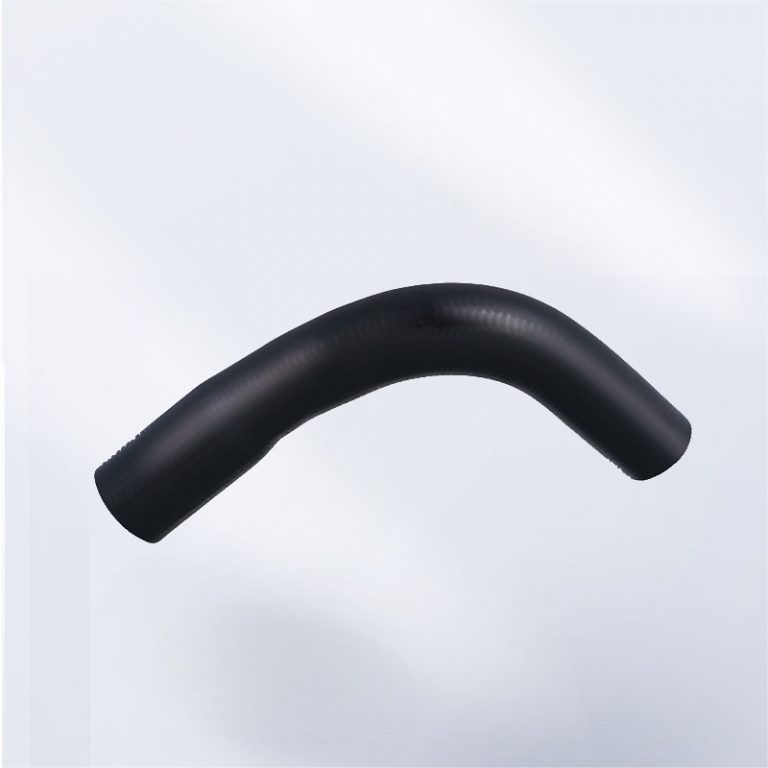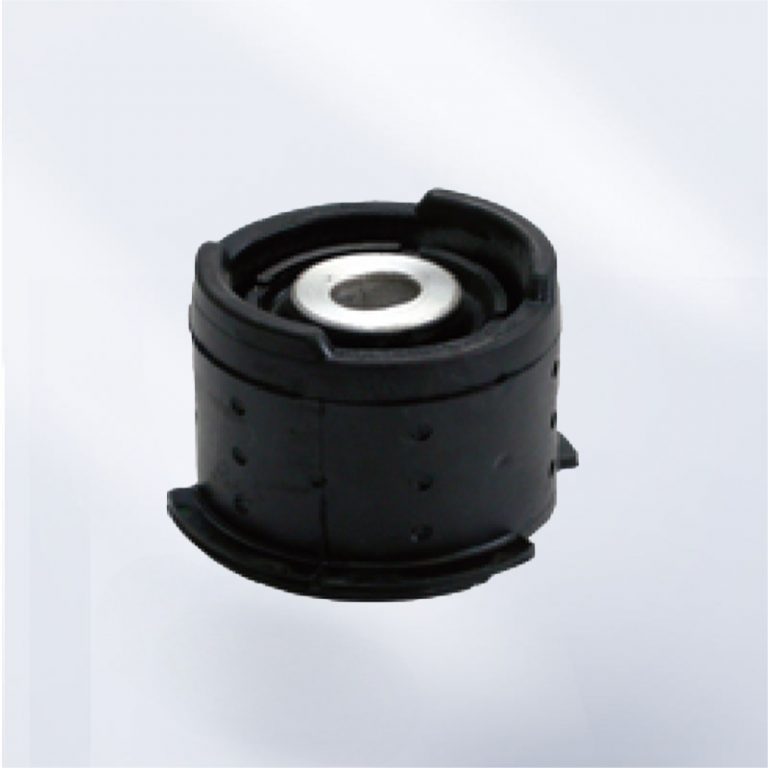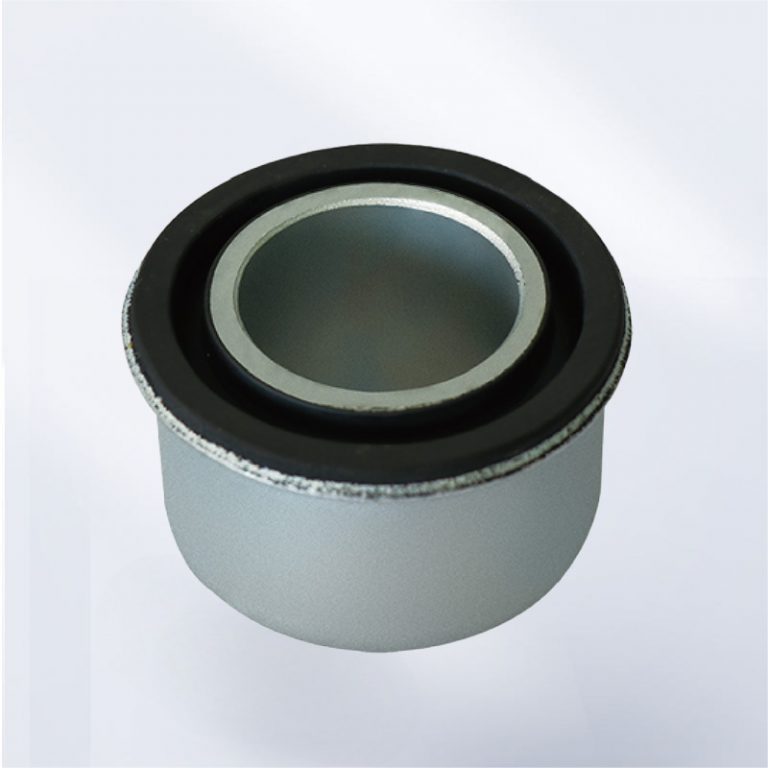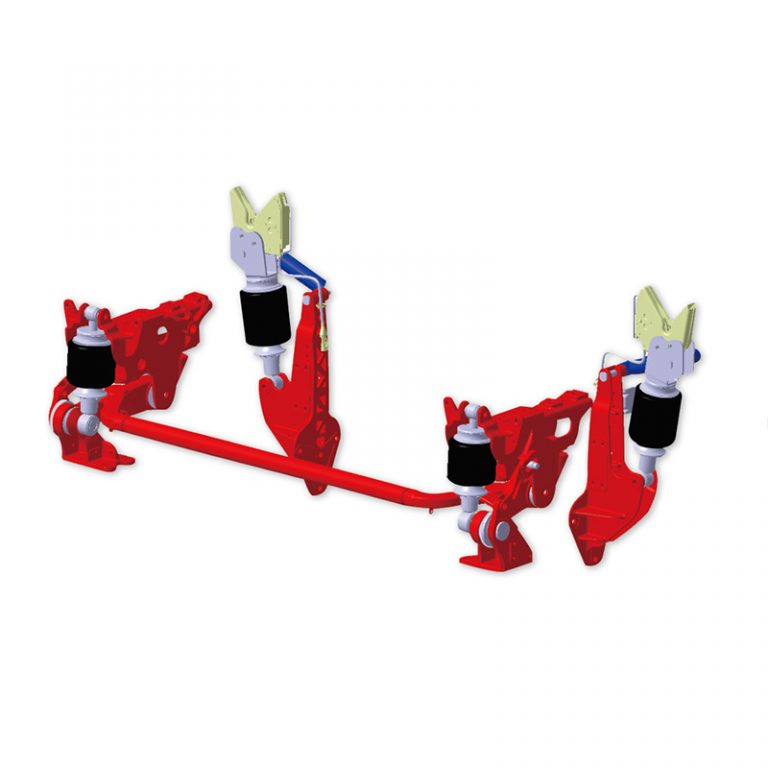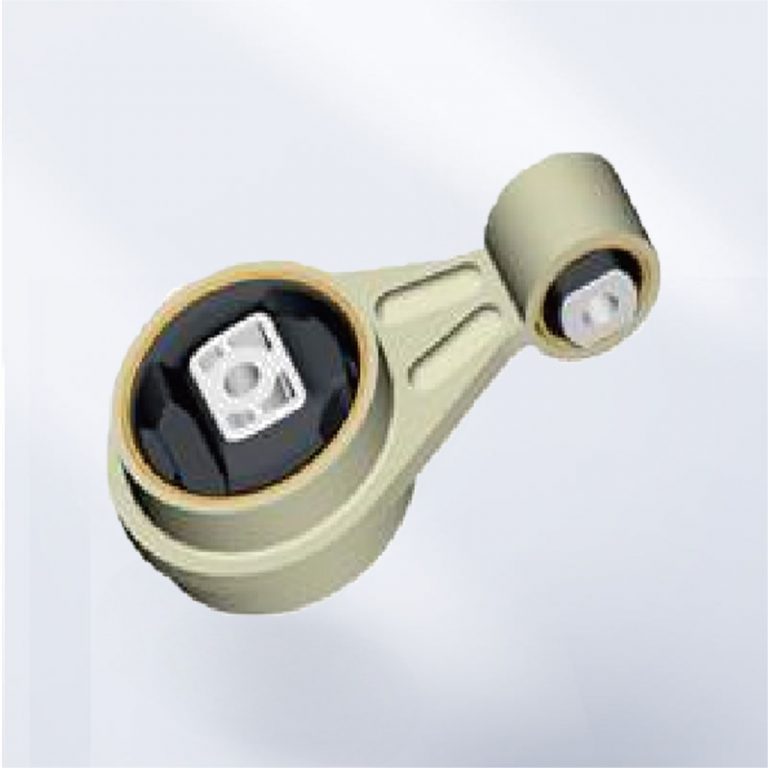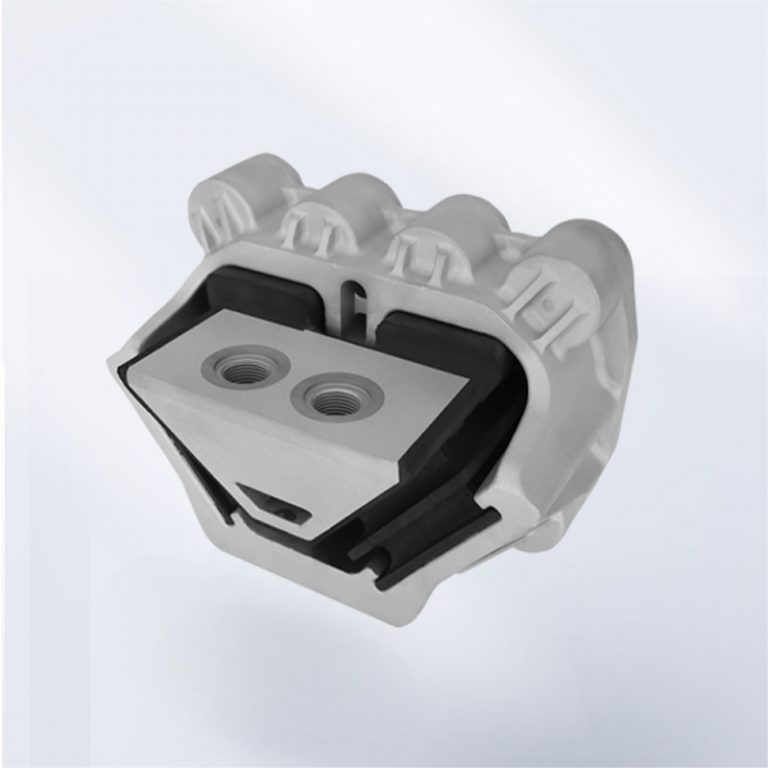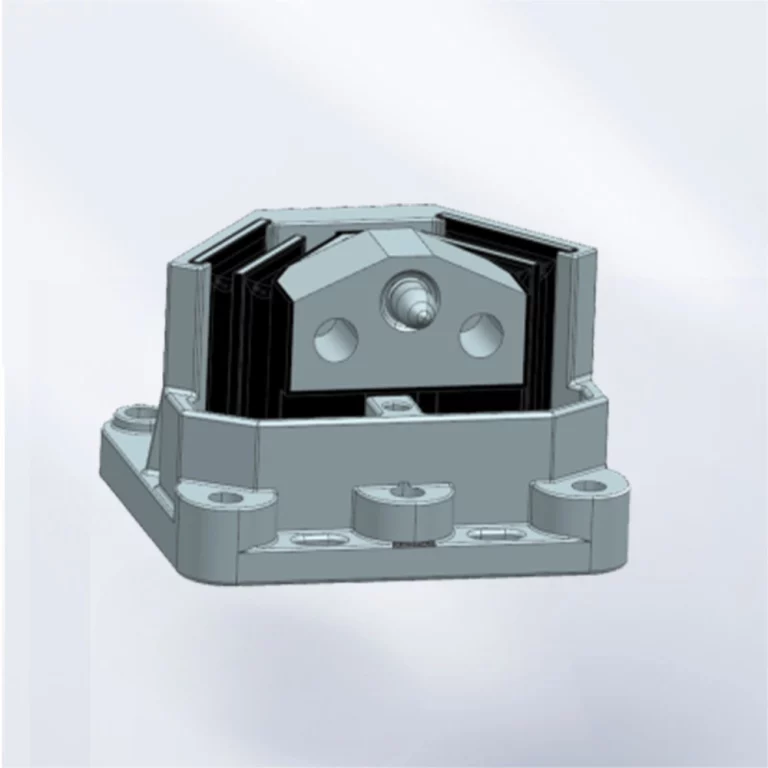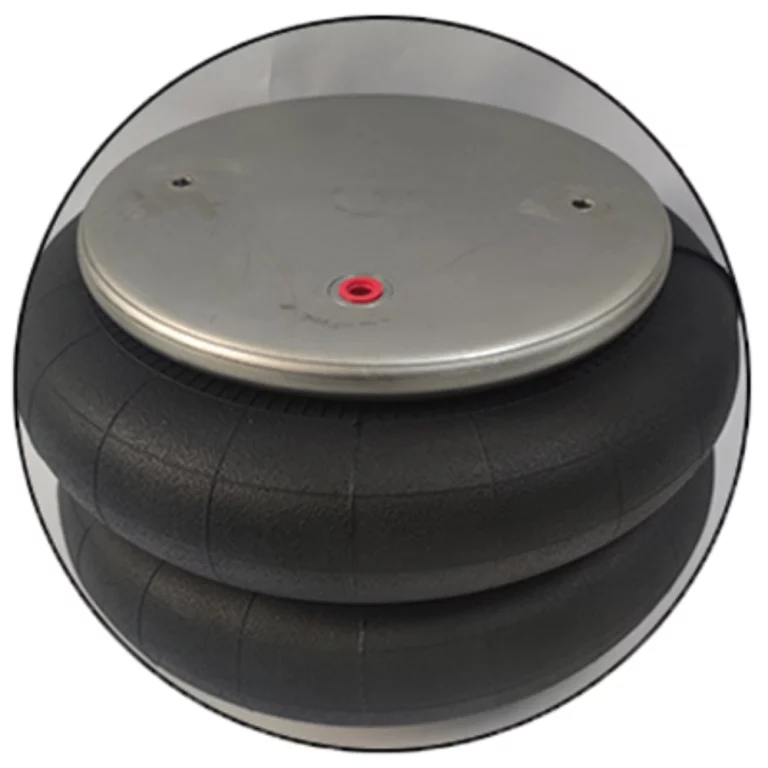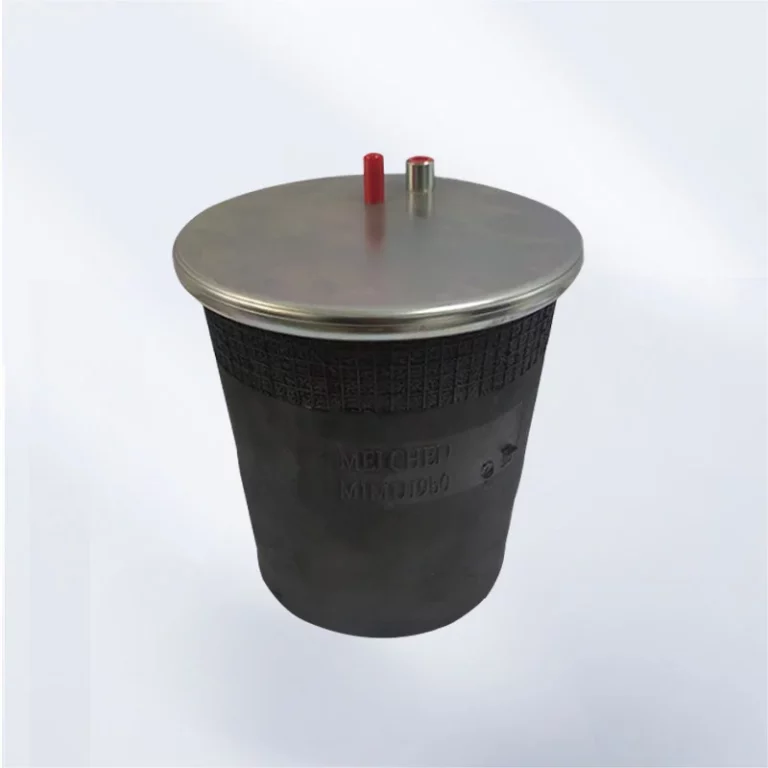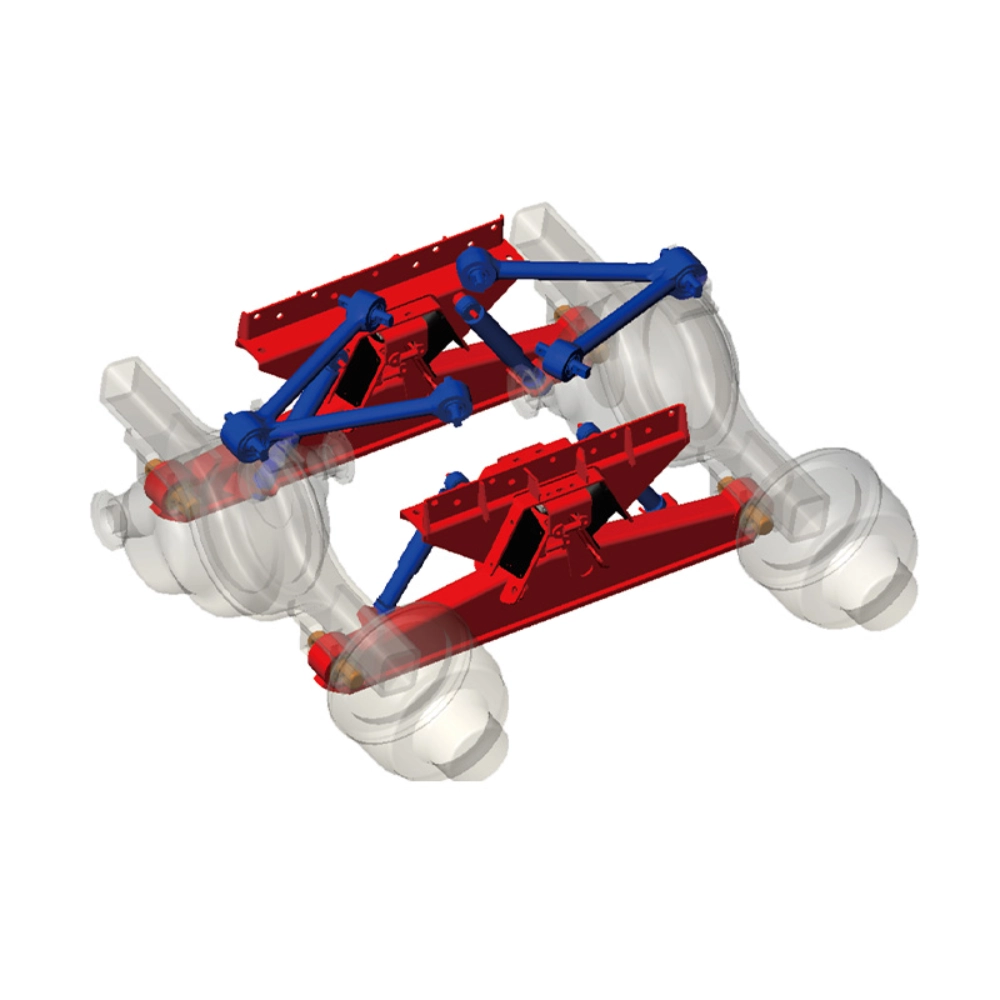
Rubber buffers are used to absorb impact, limit movement, reduce vibration, and stop hard parts from striking each other. You will see them in vehicles, mobile machines, transfer equipment, power units, and other systems where sudden force could damage frames, joints, brackets, or nearby parts.
A rubber buffer is not chosen by size alone. The same shape can behave very differently when its hardness, rubber compound, load direction, or compression stroke changes. A part that is too soft may flatten before it protects the machine. A part that is too hard may pass most of the shock into the structure.
What Do Rubber Buffers Do in Industrial Equipment?
Before you compare different applications, it helps to separate the main jobs a rubber buffer may perform. In many industrial systems, one part handles more than one job.
Absorb Peak Impact Loads
When a moving part hits a stop, the force rises quickly. Rubber compresses and spreads that event over a longer time. This lowers the peak load seen by bolts, welds, brackets, axles, and frames.
The rubber does not remove all the force. It changes how fast that force reaches the structure. This small difference can have a large effect on fatigue life when impacts happen many times each day.
Limit Travel Without a Hard Stop
A rubber bump stop also controls the last part of a movement. It gives progressive resistance as compression increases. This helps prevent metal-to-metal contact when a suspension, trolley, or moving section reaches its limit.
The compression stroke must match the available space. If the buffer becomes solid too early, it cannot provide a smooth final stop.
Reduce Vibration and Noise
A rubber damper mainly controls repeated vibration, while a rubber buffer mainly handles impact and end travel. In real equipment, the two functions often overlap.
Meichen has worked on suspension, vibration reduction, and fluid delivery systems since 2004. Its engineering work covers rubber formulas, structural design, CAE analysis, fatigue validation, and system testing. For heavy-duty mobile equipment, the company recommends Fahrgestell Gummifederung Produkte when a project needs impact control, vibration reduction, and force transfer between the frame and axle.
Where Are Rubber Buffers Used? Top 7 Industrial Applications
The best way to judge a rubber buffer application is to follow the load path. Look at what moves, where the force goes, and what could fail when the movement reaches its limit.
1. Heavy-Duty Truck and Chassis Suspension Systems
A heavy axle can move quickly when a vehicle crosses a pothole, ramp, road joint, or rough worksite. Near full suspension compression, a suspension rubber damper adds resistance and helps prevent bottoming out.
This protects the frame, axle brackets, shock absorbers, and nearby joints. You should check axle load, installation height, available stroke, full-load clearance, and compression stiffness. A buffer that reaches full compression too early will not protect the frame.
2. Construction Machinery and Off-Road Equipment
Truck cranes, mixer trucks, dump trucks, and pump trucks work with changing loads and uneven ground. Their frames and axle connections face shock, twist, and repeated vibration.
Heavy-duty rubber buffers reduce the force sent into welded structures, brackets, and mounted equipment. The rubber compound must also cope with mud, oil, heat, dust, water, and outdoor exposure.
3. Port AGVs and Heavy-Duty Mobile Robots
An AGV or IGV may run over floor joints, ramps, dock plates, and turning areas for long shifts. The wheel modules, battery packs, sensors, body structure, and cargo all receive repeated vibration.
Industrial rubber buffers can protect these parts during braking, docking, and sudden surface changes. Fatigue life, rebound control, dimensional consistency, and replacement access matter more than appearance.
4. Cab and Operator Platform Vibration Control
A cab or operator platform can carry frame vibration directly to the person inside. That can cause fatigue, noise, loose trim, damaged connectors, and shorter instrument life.
Rubber suspension elements isolate part of the vibration while controlling large movement. You need enough vertical flexibility for comfort and enough lateral stiffness for stability. Hardness alone does not tell you how the part will behave under a real cab load.
5. Engine, Generator, and Power Unit Mounting
Engines, generators, and power units create repeated vibration, startup shock, and torque reaction. Rubber mounts and buffer elements support the unit while reducing force transfer into the surrounding frame.
Selection should include equipment weight, center of gravity, operating frequency, startup torque, heat, and oil exposure. Excess movement can also strain pipes, wiring, couplings, and nearby brackets.
6. Conveyors, Transfer Trolleys, and Mechanical End Stops
Rail carts, pallet trolleys, and transfer systems need protection when a moving section reaches the end of its path. A rubber buffer increases stopping time and lowers impact on rails, wheels, frames, sensors, and fasteners.
Provide the moving mass, approach speed, impact frequency, stopping distance, and available space. A part designed for a light cart may fail quickly when used on a fully loaded trolley.
7. Pumps, Compressors, and Industrial Machine Frames
Rotating equipment can send vibration into its base, floor, and connected pipework. Elastomeric buffers or mounts interrupt part of this path and can reduce noise, loose bolts, pipe stress, and frame fatigue.
The stiffness must match the machine. If it is too hard, vibration passes through. If it is too soft, the equipment may move too much during startup or load changes.
Why Do Rubber Buffers Fail Early?
Most early failures come from a mismatch between the part and the real working condition. Cracks, hardening, permanent compression, and rubber-to-metal separation often point to problems in material choice, installation, or load control.
Choose the Right Rubber Compound for the Environment
Heat and ozone can harden rubber. Oil, coolant, or cleaning chemicals may swell the wrong compound. Outdoor equipment may also face rain, dust, salt, and strong temperature changes.
Give the supplier the full temperature range and every medium that may touch the part. A general rubber name is not enough for material selection.
Prevent Repeated Overcompression
A buffer that is fully compressed during normal operation will lose shape and crack sooner. The real stroke under full load should be checked, not only the unloaded installation dimension.
You should also look for polished metal surfaces or hard impact marks. These often show that the buffer has already compressed beyond its useful range.
Correct Misalignment and Side Loading
A part designed for compression may fail when poor installation adds shear or peeling force. Mounting faces, bolt positions, and load direction should be checked before production.
Rubber-to-metal bonded parts need extra care. A small installation angle can place repeated stress on the bonded edge and cause early separation.
How Do You Choose the Right Rubber Buffer?
A useful specification begins with the real machine, not a catalog photo. You need to define the load, movement, environment, and expected service life.
Start With Load and Impact Data
Record static load, peak load, force direction, support points, moving mass, impact speed, and cycle count. Total machine weight alone is not enough.
Weight may not be shared equally across every support. One buffer can carry much more load when the equipment has an offset center of gravity.
Match Shape, Stroke, and Stiffness
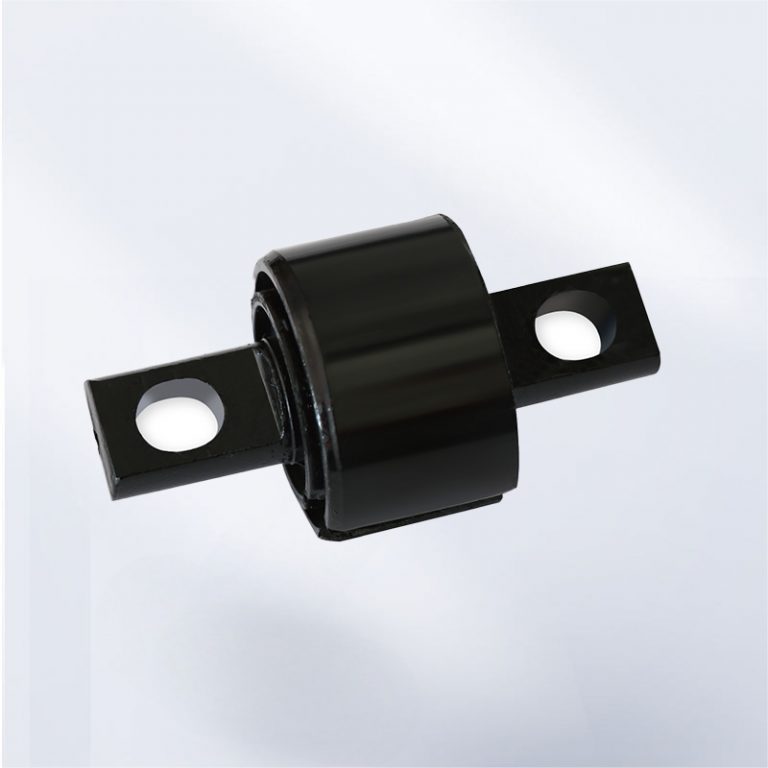
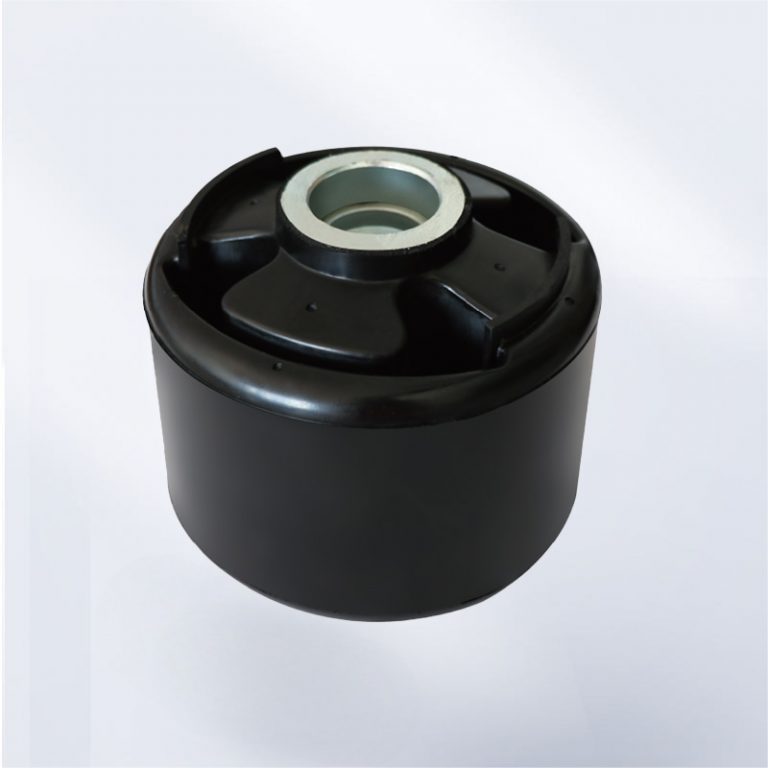
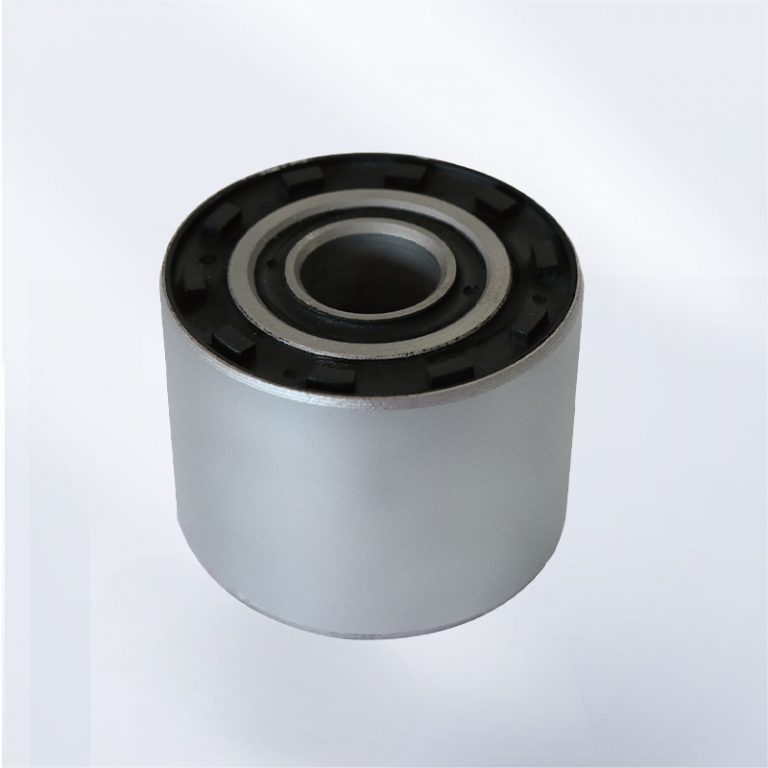
Cylindrical, conical, hollow, layered, and rubber-to-metal bonded parts produce different load-deflection curves. The correct shape should provide a softer first contact and enough resistance before full compression.
You also need to check the installed height. A suitable rubber buffer may still fail when there is not enough room for controlled deformation.
Ask for Suitable Validation
Useful checks include load-deflection testing, dynamic stiffness, compression fatigue, environmental aging, and bond inspection.
You can review Meichen’s engineering and manufacturing background when your project needs system-level development rather than a standard molded part. Its laboratory resources cover rubber damping systems, suspension products, materials, semi-finished parts, and complete assemblies.
Why Do Chassis Rubber Suspension Products Fit Heavy-Duty Applications?
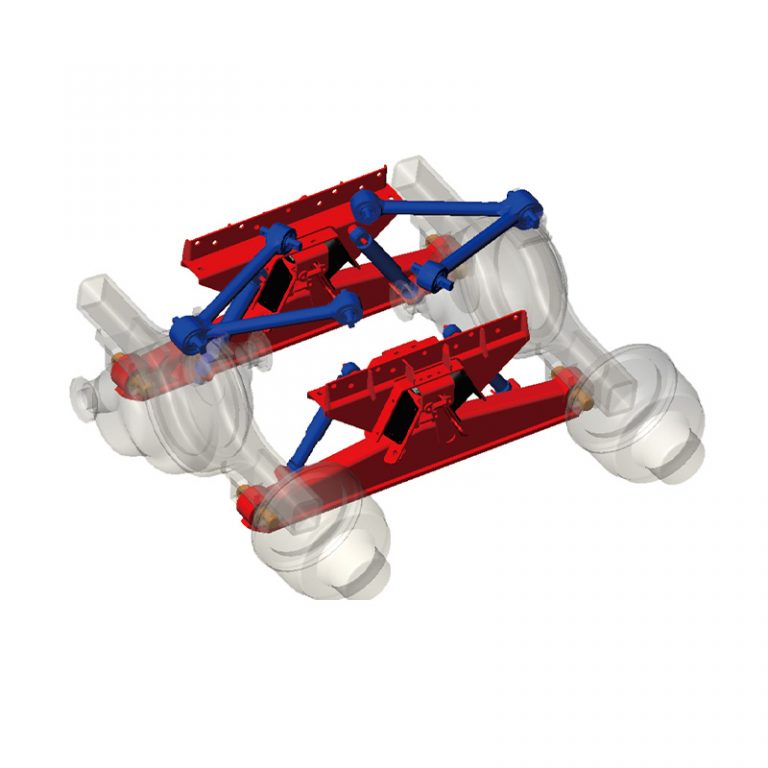
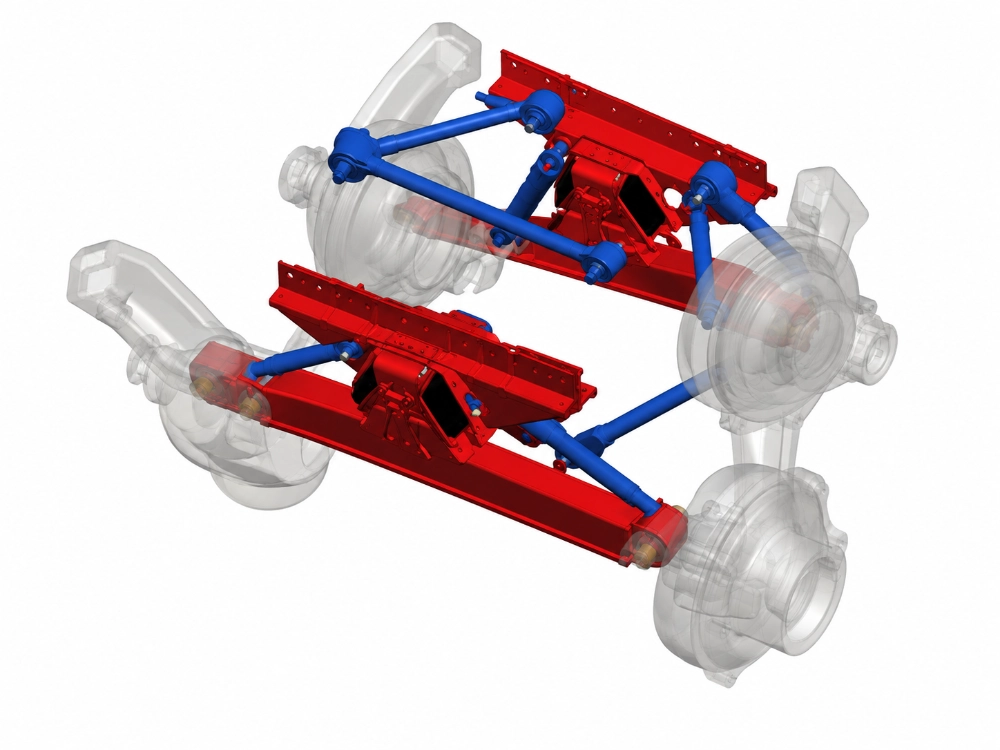
A small end stop only limits travel. A chassis suspension product must also transfer supporting, braking, and driving forces while controlling impact between the frame and axle.
Control Impact Between the Frame and Axle
The product uses rubber elastic elements to reduce shock from uneven ground. It also helps attenuate the vibration that follows the first impact.
This arrangement protects more than one mounting point. It controls the force path across the suspension system rather than treating only the final contact area.
Support Heavy-Duty Mobile Equipment
The stated application range includes construction vehicles and port heavy-duty mobile robots. These systems need support, force transfer, vibration control, and travel management in the same assembly.
Materials can include alloy steel, carbon steel, rubber, and plastics. The final combination depends on load, installation space, movement, and working environment.
Reduce Dynamic Loads on the Vehicle and Cargo
Die impact-reducing suspension design can lower dynamic loads on the vehicle and its cargo. It also supports a lightweight, maintenance-free layout when the structure and working conditions are matched correctly.
For a useful product review, provide axle load, frame width, installation height, travel, ground conditions, duty cycle, and environmental exposure.
How Can Meichen Support Your Project?
A supplier should not copy a dimension without checking the load path. A reliable project starts with clear working-condition data and ends with validation that matches the actual duty cycle.
Material and Structural Selection
The engineering team can review the rubber compound, geometry, metal parts, bonding structure, and installation limits based on the actual environment.
The available material range covers different rubber types for vibration reduction and fluid system work. Material selection should be tied to temperature, chemical exposure, stiffness, and fatigue targets.
Sample and Fatigue Validation
Prototypes can be checked for load-deflection behavior, durability, assembly fit, and fatigue performance before full production.
The company uses CAE and nonlinear analysis for rubber components. It can also conduct component and system fatigue tests to check whether the proposed structure matches real working conditions.
Service and Technical Contact
Send equipment drawings, load data, stroke, temperature, current failure symptoms, and target service life. Clear information reduces repeated sampling and helps the engineering team find problems before tooling starts.
For product selection, OEM development, or a custom suspension request, Kontakt zu Meichen to discuss the required service, validation plan, and supply scope.
FAQ
Are Rubber Buffers the Same as Rubber Dampers?
Not always. A rubber buffer mainly handles impact and travel limits, while a rubber damper mainly reduces repeated vibration. One part may perform both jobs.
What Do Rubber Shock Absorbers Do?
They reduce peak impact, slow force transfer, and protect frames, mounts, fasteners, and nearby components from repeated shock.
How Do You Know When a Rubber Buffer Needs Replacement?
Replace it when you see cracks, hardening, permanent flattening, bond separation, unusual impact noise, excessive movement, or metal-to-metal contact.
Can Industrial Rubber Buffers Be Customized?
Yes. The supplier can adjust the rubber compound, hardness, shape, metal inserts, mounting points, and load-deflection behavior.
What Information Should You Send to a Supplier?
Send equipment drawings, static and peak loads, load direction, stroke, impact frequency, temperature range, chemical exposure, installation space, and target service life.