Air springs do not usually fail overnight. In most cases, the vehicle gives you small warnings first. The cab shakes more than before. The ride feels harder. One side sits lower after parking. Sometimes there is a short hissing sound near the suspension area. These signs look small at first, but for commercial vehicles, they can lead to driver fatigue, unstable ride height, extra tire wear, and higher maintenance cost.
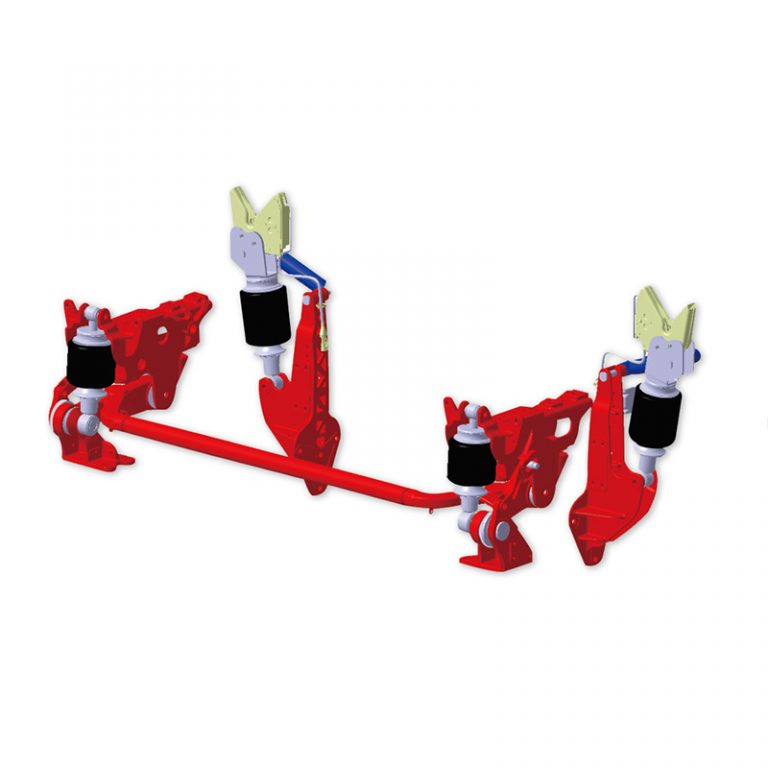
For modern air suspension systems, the cab air spring is not just a rubber part. It works with the cab, frame, suspension, shock absorber, valve, and connection structure. When one part is not matched well, the whole system feels wrong. That is why OEM buyers and fleet maintenance teams need to look at air spring failure from both product quality and system matching.
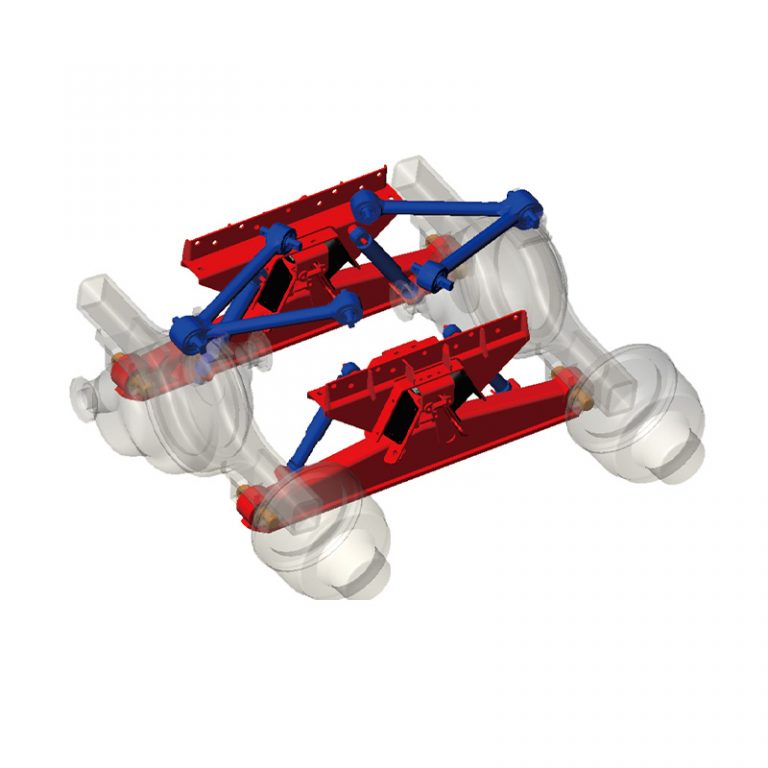
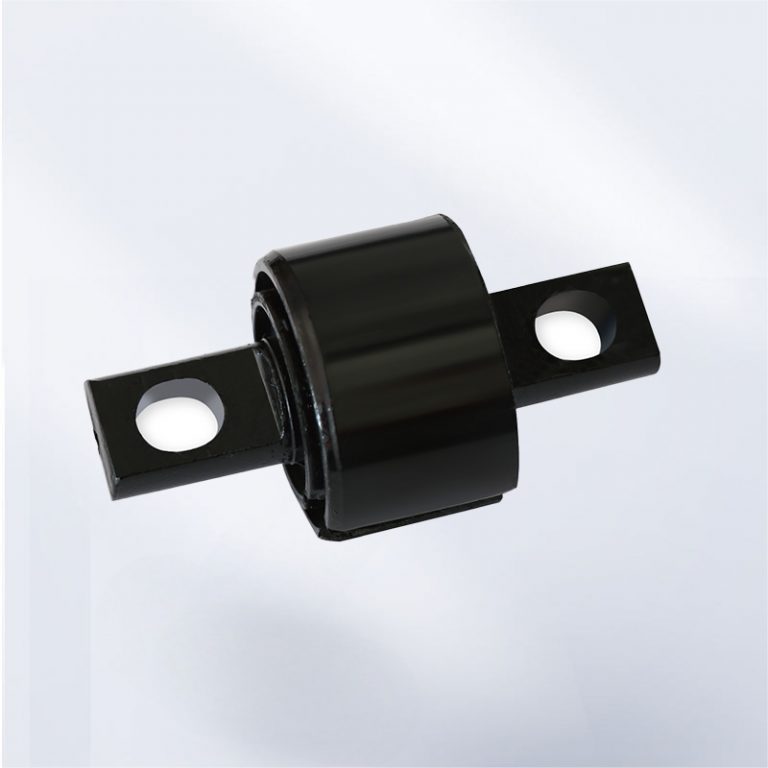
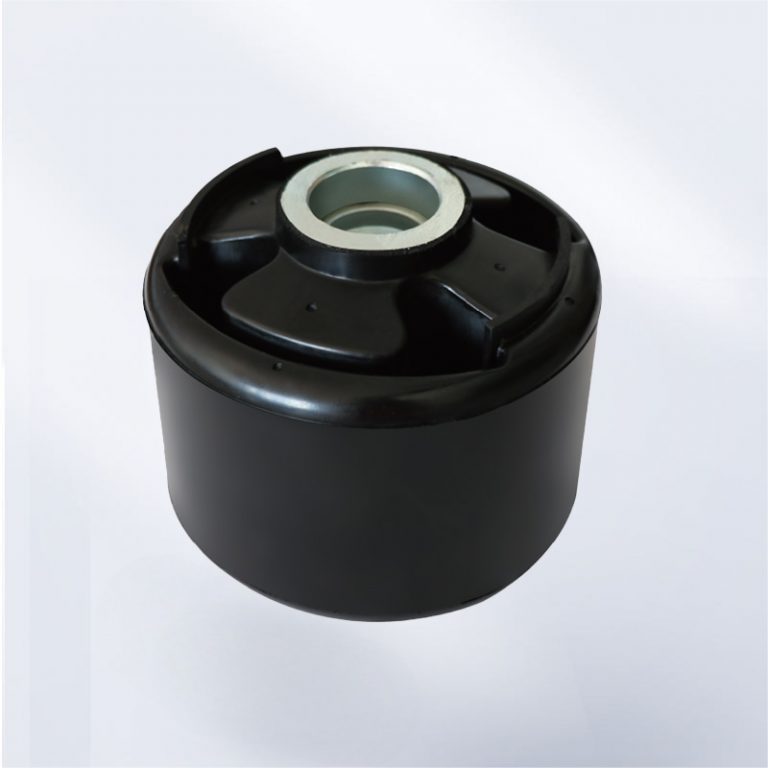
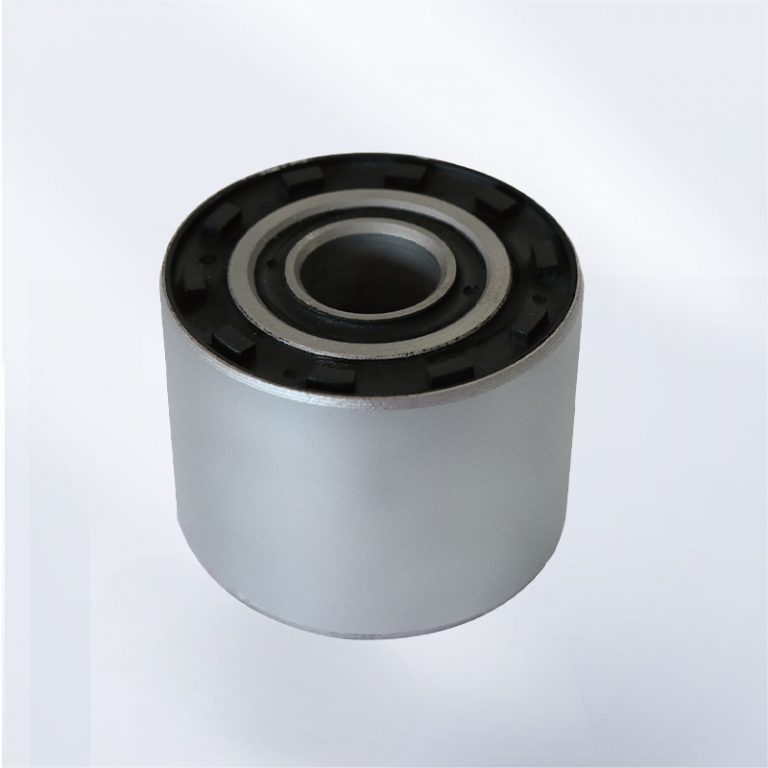
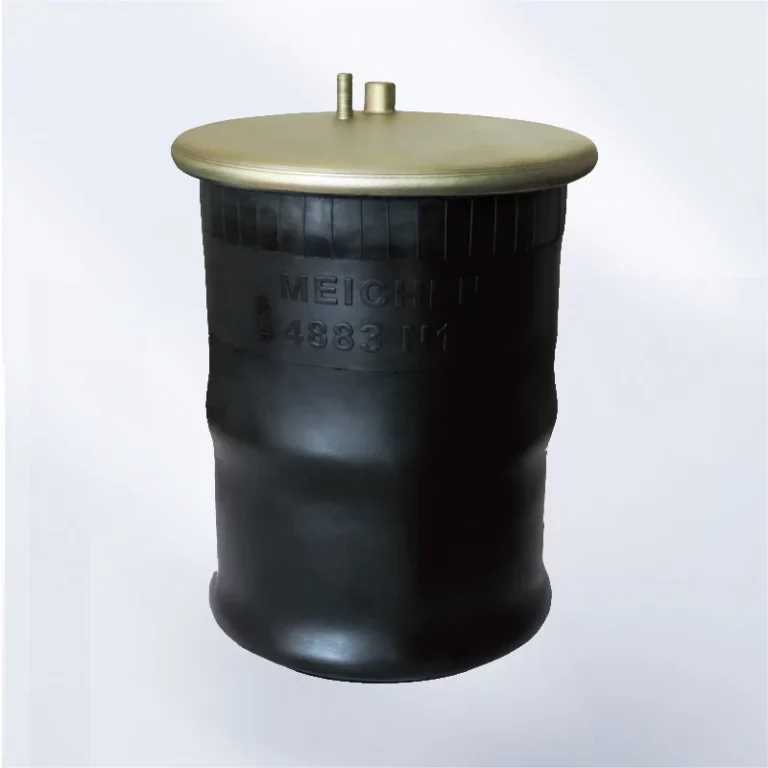
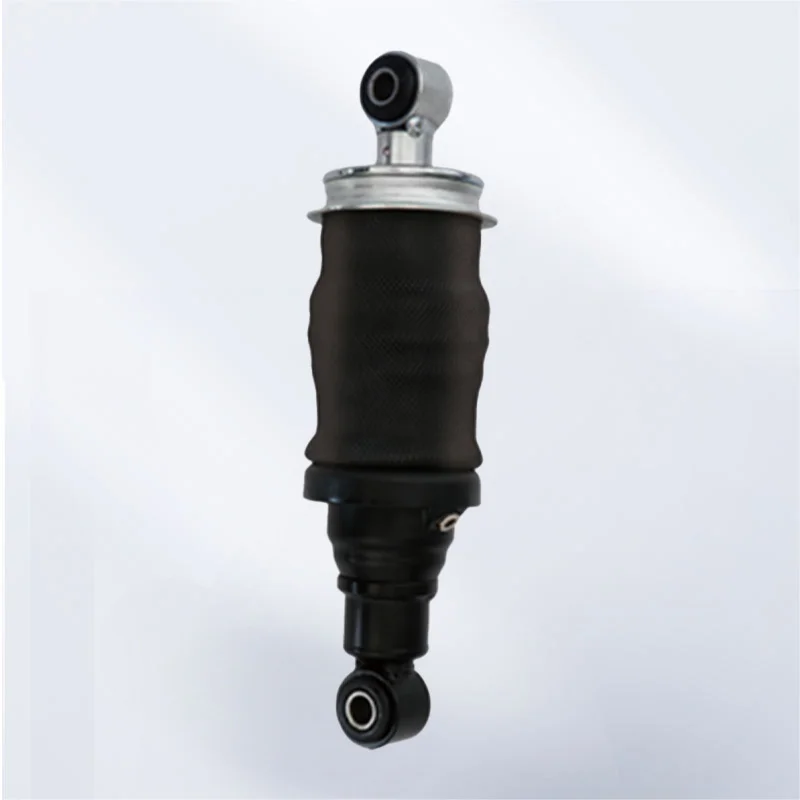
Meichen has worked in automotive key parts since 2004, with a strong focus on suspension systems, vibration reduction products, and fluid delivery systems. The company has around 1,800 employees, a large production base, an R&D team, and testing capability for rubber damping, suspension, plastic parts, and system-level validation. For buyers who care about cab comfort and long-term use, Meichen’s Cab Air Spring Products are worth considering. They are used to connect the suspension and cab, bear cab weight,
Why Does Air Spring Failure Start With Small Ride Problems?
Air spring failure often starts with comfort changes, not a complete breakdown. You may still drive the vehicle, and the cab may still stay up. But the feeling inside the cab is already different. That is where many maintenance teams miss the early signal.
Cab Vibration Becomes Stronger
A healthy cab air spring helps isolate road shock before it reaches the cab. When the rubber loses elasticity, or when the air chamber cannot hold pressure well, vibration passes through more directly. The driver feels more shake from the seat, steering area, and cab floor.
This is more obvious on rough roads, construction sites, long-haul routes, and vehicles with heavy front-end vibration. In these cases, the cab air spring is not only carrying weight. It is also working all day to reduce small repeated impacts. Once the spring becomes weak, the ride feels tiring very quickly.
The Ride Feels Hard or Loose
A failed air spring can make the cab feel harsh, but it can also feel loose. If pressure is too low, the cab may move too much. If the spring or height control does not work smoothly, the cab may hit the limit area more often. Both cases point to the same thing: the suspension is no longer keeping the cab in its proper working range.
This is why OEM buyers should not judge a cab air spring only by its size. The product should match the cab weight, installation height, stroke, road condition, and expected comfort level. Meichen’s cab air spring products are designed around support, buffering, and vibration attenuation, which is exactly where these early ride problems appear.
What Are the Most Common Air Spring Failure Symptoms?
Before talking about causes, it is better to list the symptoms clearly. Many buyers describe “bad comfort,” but the real issue may be leakage, sagging, noise, or poor connection.
Air Leakage Around the Spring or Fittings
Air leakage is one of the most common signs. You may hear a hissing sound after parking, during height adjustment, or when the cab moves. Sometimes the leakage is tiny, and you only find it when the cab slowly drops after several hours.
Leakage may come from the rubber body, sealing surface, fitting area, or nearby pipeline. If the spring itself has cracks, worn spots, or damaged edges, replacement is usually safer than repeated temporary repair.
Cab Sagging After Parking
If the cab sits lower on one side after parking, the air spring may not hold pressure. This can also happen when the pressure system or valve has a problem, so the spring should be checked together with related parts.
Cab sagging is not just a visual issue. It changes the cab position. It may affect comfort, clearance, pipe routing, and connection stress. If the vehicle works in heavy-duty conditions, long-term sagging can also increase wear on nearby parts.
Abnormal Noise During Cab Movement
Noise is easy to ignore. A small squeak, knock, or rubbing sound can mean the spring is not moving cleanly. It may come from a worn rubber surface, poor alignment, wrong working height, loose connection, or metal-to-rubber contact.
For OEM projects, this kind of problem should be solved during design validation. For fleet maintenance, repeated noise means the spring and mounting structure need inspection, not only lubrication.
What Causes Air Spring Failure in Modern Suspension Systems?
Air spring failure usually has more than one reason. Rubber aging is common, but not the only cause. Pressure control, installation structure, and system matching also matter a lot.
Rubber Aging From Heat, Load, and Repeated Flexing
The rubber part of an air spring works under repeated compression and extension. Every trip adds more flexing. Heat, ozone, dust, oil, moisture, and road debris can speed up aging. Over time, the surface may crack, harden, blister, or lose its normal rebound.
For cab suspension, the air spring may look smaller than main chassis springs, but its job is not light. It carries cab weight and filters vibration at the same time. If the rubber compound is not stable, or if the spring works beyond its proper range for too long, the failure comes earlier.
Pressure System Problems
Even a good air spring cannot work well if the pressure system is unstable. Low pressure makes the cab sag. Excess pressure may make the ride hard and place extra stress on the rubber and connection points. Slow inflation can also make the driver feel that the suspension is delayed or uneven.
Pressure problems may come from valves, air lines, leakage points, or wrong control settings. This is why air spring replacement should not stop at removing the old part. The whole air path should be checked.
Connection Structure and Installation Errors
Connection design is a quiet but important factor. If the air spring is twisted during installation, mounted at a poor angle, or forced to work with bad clearance, its service life drops. Sharp edges, wrong fasteners, or uneven mounting force can also damage the rubber or sealing area.
For OEM buyers, this is where supplier engineering support becomes valuable. You need a product that can fit the vehicle layout, not just a standard part that looks close enough. The full Meichen product range also shows that the company works across suspension, damping, and related automotive systems, which helps when a project needs more than one isolated component.
How Can OEM Buyers Improve Air Spring Life?
If you are sourcing cab air springs for a new vehicle platform, lifespan depends on the design work before mass production. Good material is only one part. The working height, load, movement path, and test process decide a lot.
Match the Spring to the Real Working Condition
Start with the actual vehicle, not a catalog number. Cab weight, road condition, working temperature, mounting space, stroke, and target ride comfort should be checked early. If the vehicle works on rough roads or construction sites, the spring should have enough margin for repeated impact and vibration.
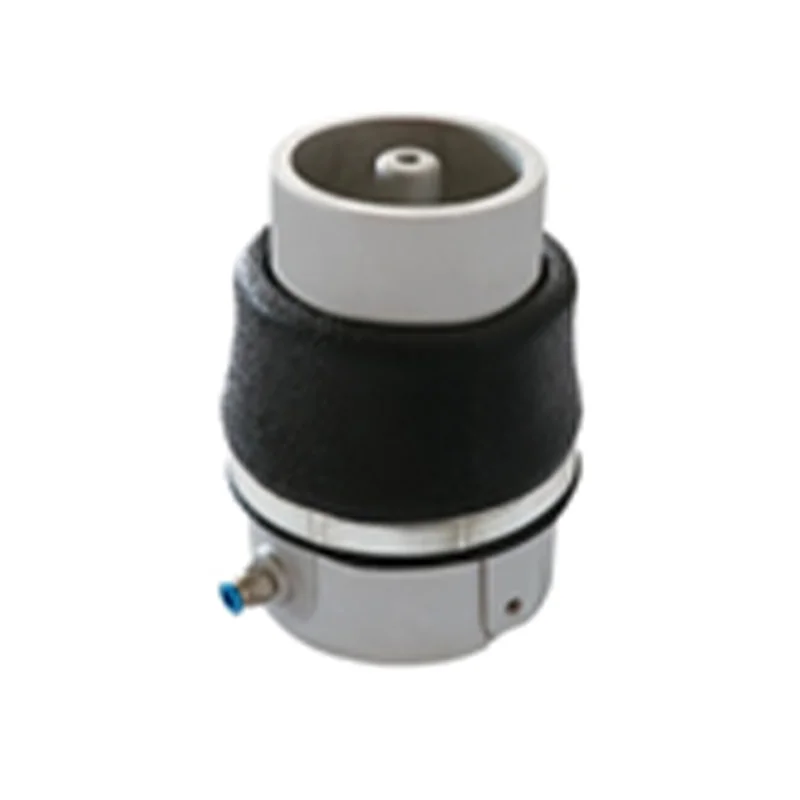
This is where Cab Air Spring Products for cab vibration control fit the discussion. The product is made for commercial vehicles and construction machinery, with the basic job of bearing cab weight, buffering road impact, attenuating vibration, and improving comfort. For OEM use, these points match the real concerns behind failure prevention.
Control Working Height and Avoid Overstretch
Air springs should work within their proper height range. Too high, and the spring may stretch more than expected. Too low, and the cab may bottom out or run close to the limit area. Both cases reduce life.
A good design should also consider how the vehicle behaves when empty, loaded, braking, turning, or running on rough ground. If the cab position changes too much during use, the air spring and connection parts take extra stress.
Improve Mounting and Protection Around the Spring
A small mounting problem can become a big after-sales issue. The spring needs enough clearance. It should not rub against metal edges, cables, pipes, or brackets. The connection should stay aligned during movement.
Protection is also important. In dusty or muddy work areas, the air spring surface should stay away from constant abrasion. If oil or chemicals can reach the rubber, material selection and layout need closer checking.
What Tests Matter for Air Spring Quality?
A buyer cannot see fatigue life from the outside. The part may look good, but the real answer comes from testing. For air springs used in modern suspension systems, NVH and fatigue test work should not be treated as optional.
NVH Testing for Cab Comfort
NVH testing checks noise, vibration, and harshness. For a cab air spring, this matters because the product is directly tied to driver comfort. If vibration is not controlled well, the driver feels it every day.
Meichen’s knowledge base shows that the company works with system verification equipment and NVH research. This is useful because cab comfort is not judged only by rubber hardness. It needs actual vibration data, movement data, and system-level checks.
Fatigue Testing for Long-Term Durability
Fatigue testing is used to check whether a part can survive repeated movement and load. For air springs, this is one of the most important checks. The spring expands, compresses, bends slightly, and carries load again and again. A short bench test cannot replace long-cycle validation.
Meichen has product validation capability and conducts fatigue testing for suspension components and systems. The company also has air spring production capacity and suspension production capability, which matters when OEM buyers need stable supply and repeatable quality, not only sample development.
Air Tightness and Process Control
Air leakage is a direct failure point, so air tightness testing is necessary. Good production should also control rubber mixing, forming, assembly, and inspection. If the process changes too much, the product may pass early checks but fail later in the field.
For B2B buyers, it is worth asking about testing records, process control, quality targets, and traceability. These questions are simple, but they show whether the supplier can support long-term projects.
When Should You Replace or Upgrade Cab Air Springs?
For fleet maintenance, replacement is usually needed when leakage, sagging, abnormal noise, or harsh ride appears again after basic checks. Waiting too long can affect other parts. It can also make drivers complain more, which is not a small issue for long-distance vehicles.
For OEM projects, upgrading the cab air spring is worth considering when the cab comfort target changes, the vehicle load changes, or the current design has too many after-sales failures. A better matched spring can reduce vibration complaints and help the cab system work in a cleaner range.
Meichen is a practical option when you need a supplier that can talk about product matching, testing, manufacturing, and service in one place. If your team is checking cab vibration, air leakage, or air spring life, you can contact Meichen for service support, product selection, OEM/ODM discussion, and application matching.
FAQ
Q1: What Are the Early Signs of Air Spring Failure?
A1: The early signs include air leakage, cab sagging after parking, stronger vibration, harsh ride feel, slow height recovery, and abnormal noise near the suspension area.
Q2: Why Does an Air Spring Start Leaking?
A2: Leakage may come from rubber aging, cracks, sealing damage, fitting problems, poor installation, or pressure system faults.
Q3: Can a Bad Cab Air Spring Affect Driver Comfort?
A3: Yes, a bad cab air spring can transfer more road shock to the cab, increase vibration, create noise, and make long driving hours more tiring.
Q4: How Can OEM Buyers Extend Air Spring Service Life?
A4: OEM buyers can extend service life by matching the spring to real load conditions, controlling working height, avoiding overstretch, improving mounting clearance, and using proper NVH and fatigue testing.
Q5: Why Choose Meichen Cab Air Spring Products?
A5: Meichen Cab Air Spring Products are designed to connect the suspension and cab, bear cab weight, buffer road impact, reduce vibration, and improve riding comfort for commercial vehicles and construction machinery.