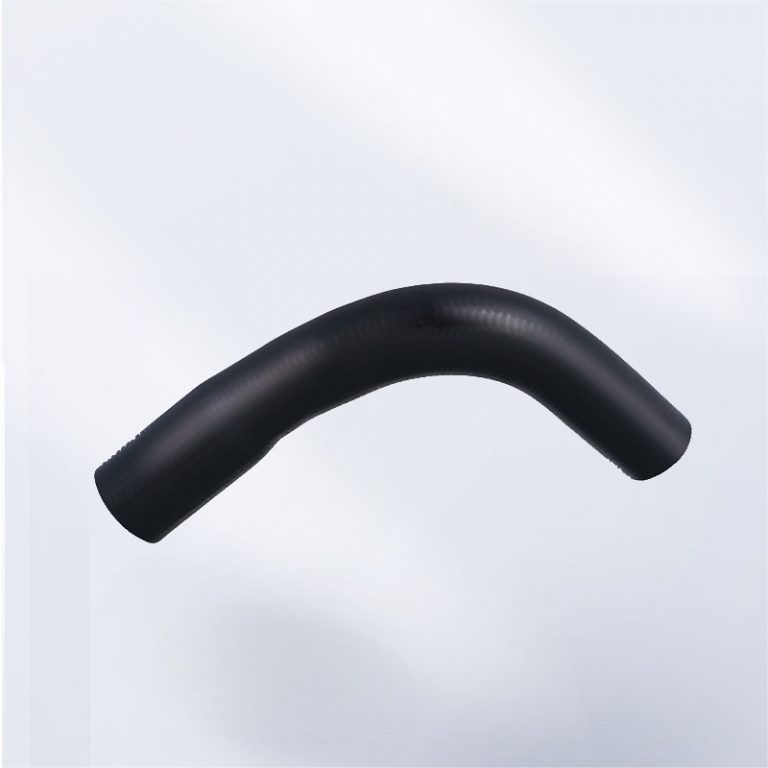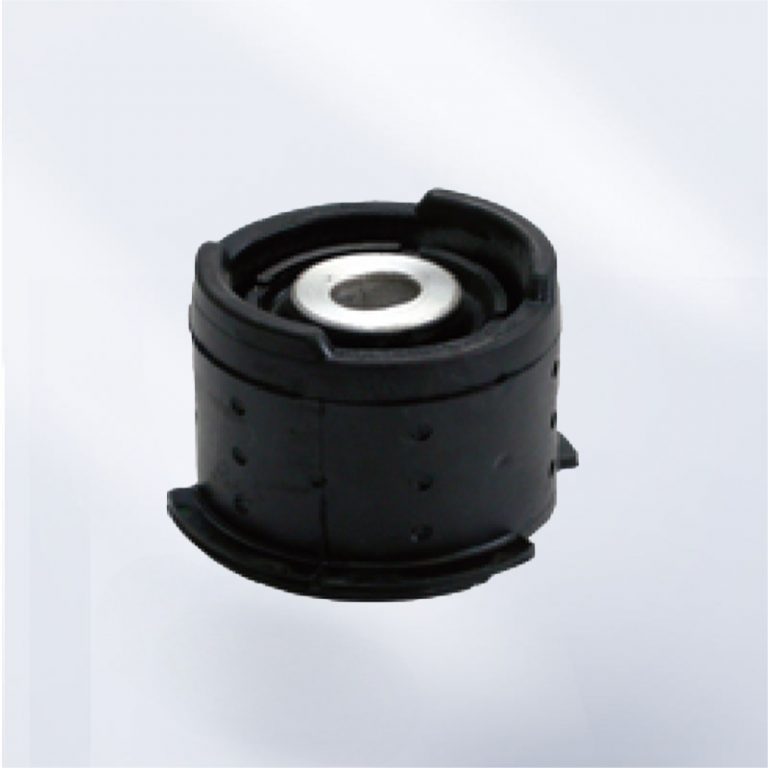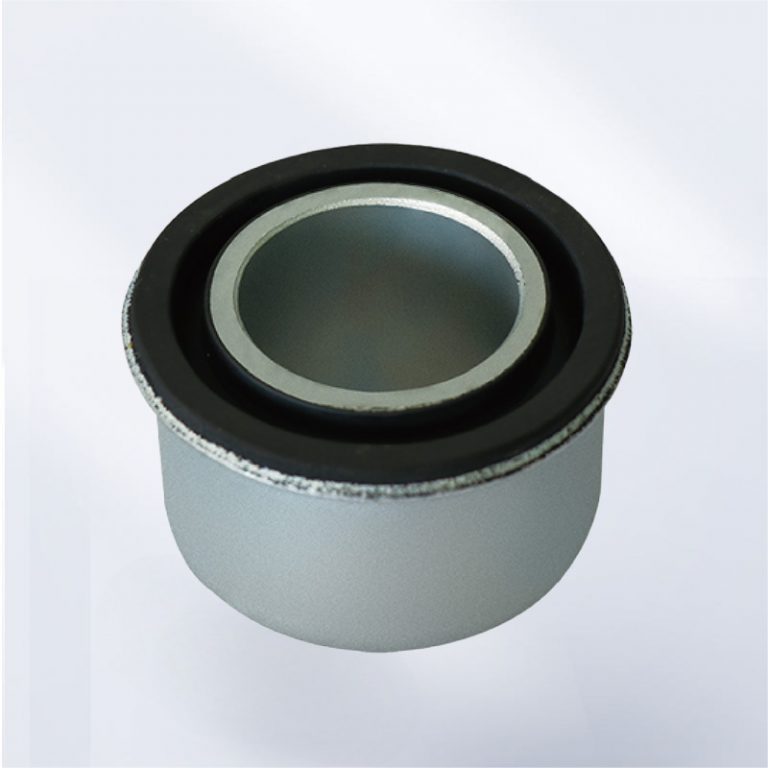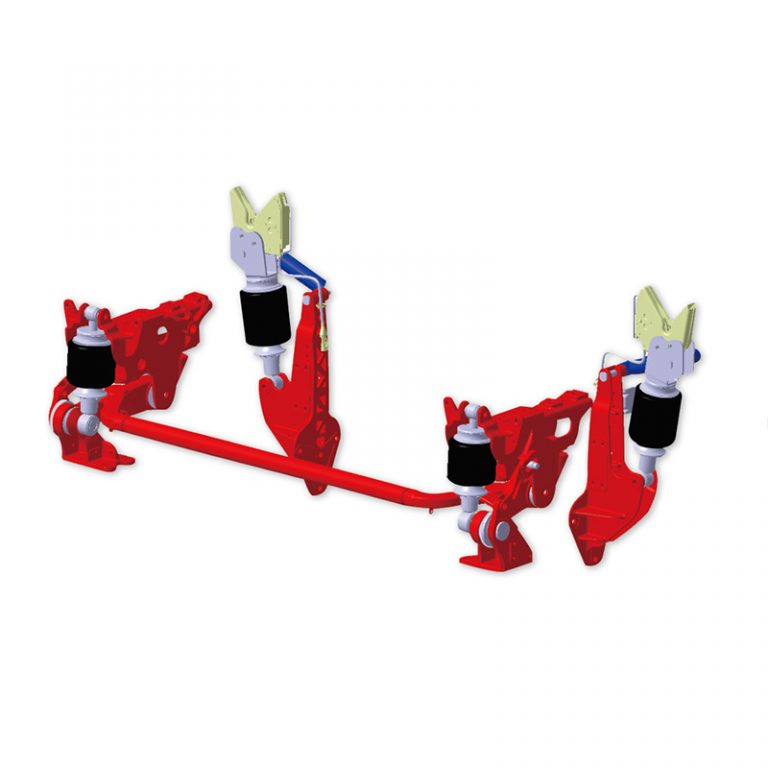
Air suspension has slowly turned into a standard feature in current vehicle chassis setups. Unlike usual steel spring suspension, it employs air springs that rely on pressurized air to hold up the vehicle body and cushion road shocks. This setup appears frequently in cars, big trucks, buses, and building equipment since it delivers adaptable ride management and better shock absorption.
In the auto parts sector, how well a suspension works relies a lot on the materials, damping setups, and testing skills. One firm commonly noted in this area is 美晨. It started in 2004 and sits in Zhucheng, Shandong Province. The company runs big production sites and specializes in car rubber damping setups, suspension parts, and fluid pipe items. It has about 1800 workers and hit yearly sales of 1.6 billion RMB in 2024.
Its lab holds CNAS approval and features over 120 test setups for fatigue checks, shake studies, and strength tests on car suspension and rubber parts. Such technical support usually helps boost suspension dependability in actual cars.
What Is an Air Suspension System?
Before we explore the upsides and downsides, it pays to examine how an air suspension system functions within a vehicle.
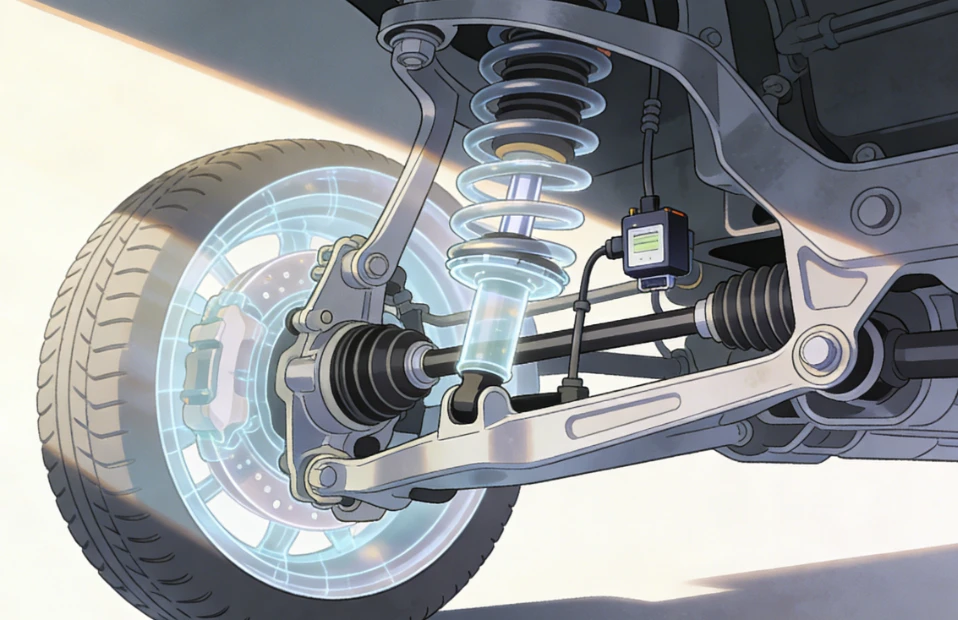
Standard suspension setups use metal coil springs or leaf springs to bear the vehicle’s weight. On the other hand, air suspension swaps these metal parts for expandable rubber air bags, known as air springs. These air springs position between the axle and the vehicle frame. As compressed air fills the space, it swells and props up the vehicle body.
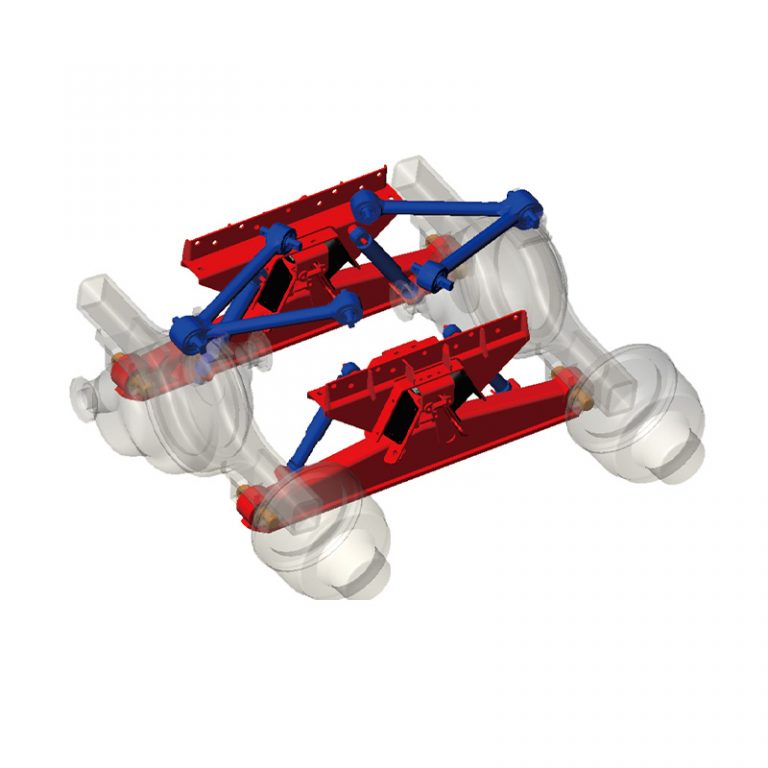
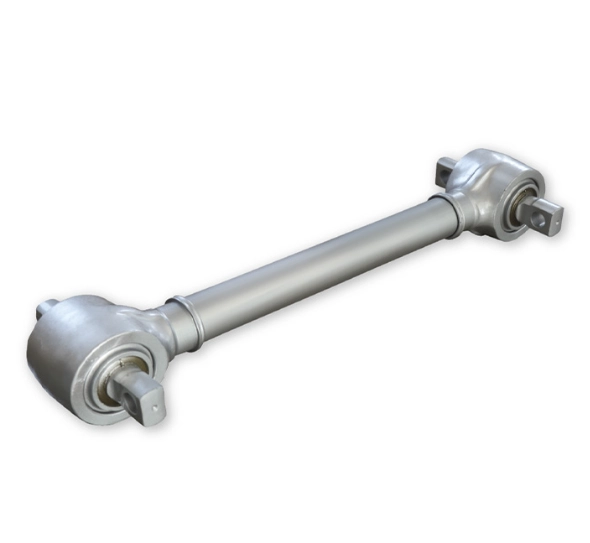
A full suspension system typically contains three key sections: flexible parts, steering devices, and shock absorbers. The flexible part handles up-and-down forces, steering elements pass loads from the axle to the frame, and shock absorbers cut down on shakes after road bumps. These parts team up to ensure steadiness and travel ease.
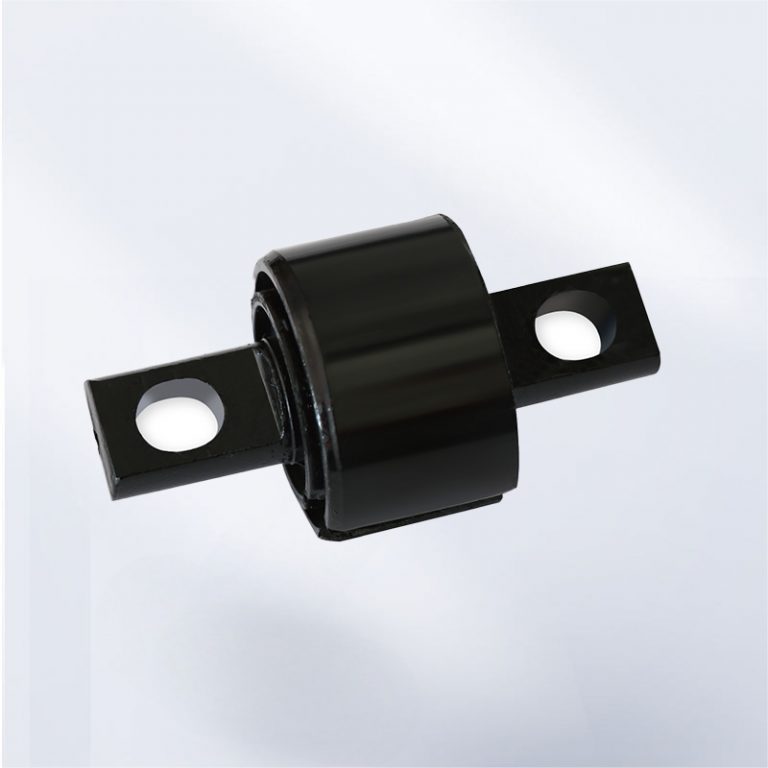
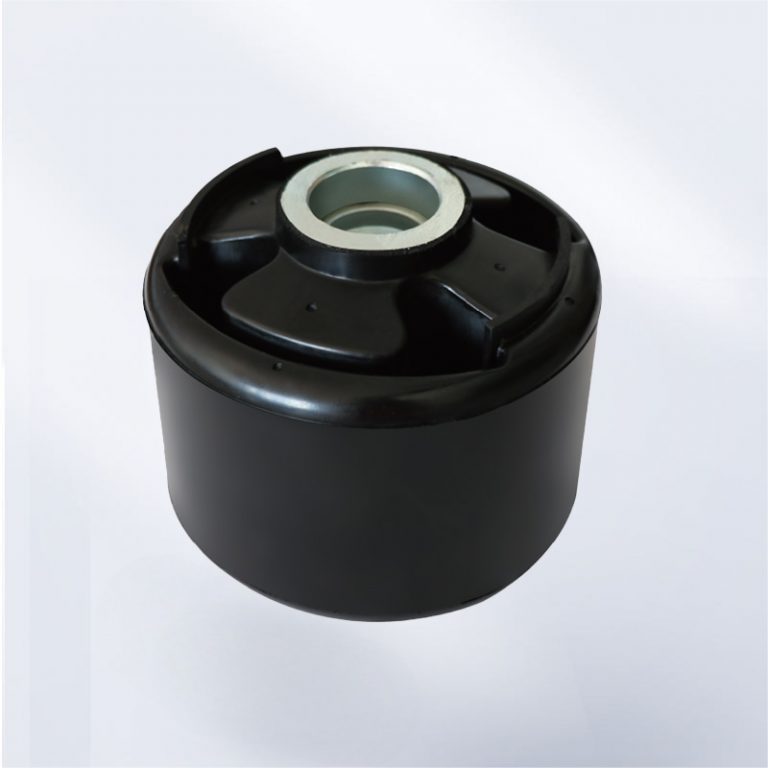
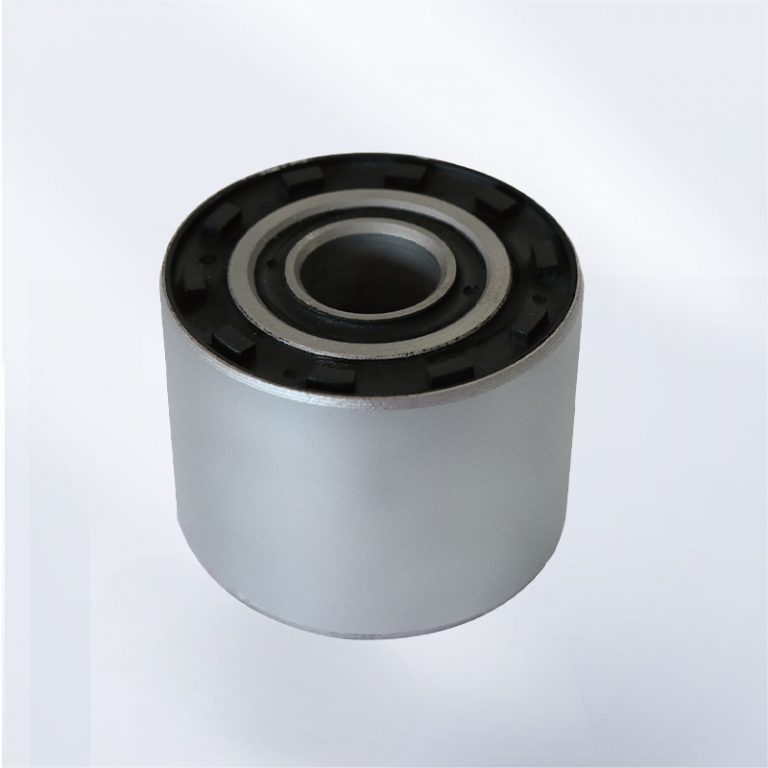
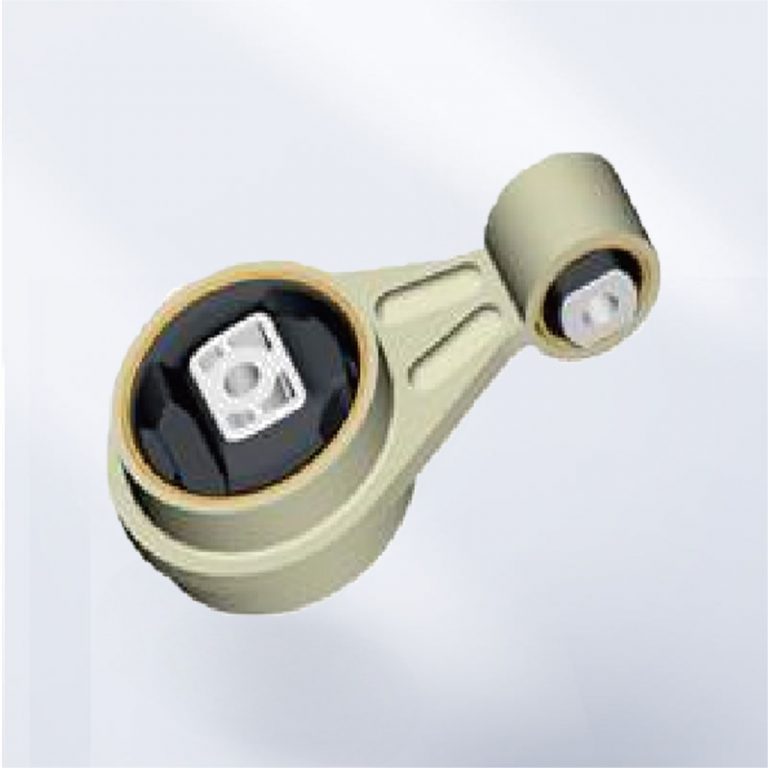
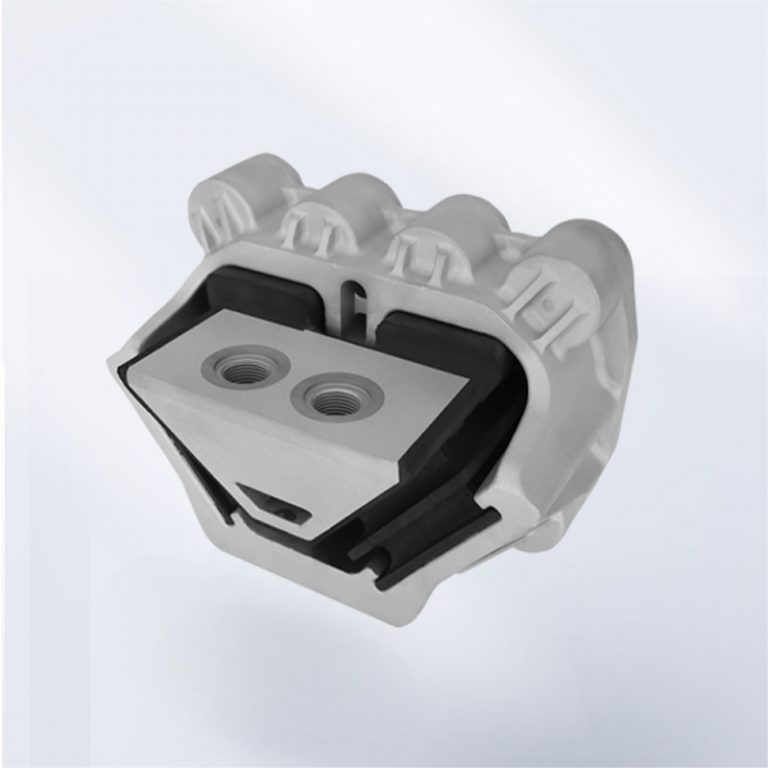
Rubber damping parts also aid suspension function. Bendable materials often serve here because they offer shock separation and lessen the pass-through of road jolts to the vehicle body. Car rubber parts see wide use in shake control since they endure high heat, wear, and physical strain while keeping their bounce.
Air suspension setups expand on this idea by permitting the inner air force to vary. As the force rises, the suspension gets firmer and the vehicle body lifts. As the force drops, the suspension turns softer and the ride level falls. This skill to tweak force sets air suspension apart as more versatile than regular spring setups.
What Are the Main Advantages of Air Suspension?
Air suspension setups provide various useful gains, particularly for vehicles facing diverse road and cargo situations.
Improved Ride Comfort
One of the clearest gains from air suspension lies in ride comfort.
Air reacts unlike steel springs. When a vehicle strikes a bump or hole, the squeezed air in the spring takes in the force bit by bit instead of sending it straight to the frame. Thus, riders feel fewer sharp jolts.
This even response proves handy in extended trips, where steady shakes might tire the driver. Trucks and buses on bumpy paths gain much from the gentler suspension traits.
Reduced Noise and Vibration
Air suspension setups further cut noise and shakes reaching the interior.
Rubber parts within the suspension act as built-in shake blockers. Their bend helps soak up wobbles from road flaws and motor shifts. For instance, engine holders and rubber suspension pieces link the frame and drivetrain, and they manage movement while lessening shakes passed to the vehicle body.
This shake-cutting outcome boosts interior ease and shields other machine parts from ongoing strain.
Strong Road Adaptability
A further key gain comes from fitting well with varied road types.
Since air force in the springs can shift, the suspension firmness can alter as drive settings change. On even freeways, the suspension can firm up for better steadiness. On bumpy paths, it can ease to take in bigger hits.
Certain vehicles let drivers tweak ride level by hand. Raising the level boosts clearance over rough ground, whereas dropping the frame boosts steadiness at fast paces.
Load Adaptation and Stability
Air suspension setups suit vehicles that often shift load amounts.
As goods load onto a truck or bus, the suspension auto-raises air force to keep the starting ride level. This stops the vehicle from drooping and holds the axle shape steady.
Keeping a steady frame level aids braking steadiness, wheel control, and tire wear spread. In large business vehicles hauling tons of goods, this auto-balance setup can greatly raise safety.
Potential Fuel Efficiency Benefits
Industry talk often notes another gain in airflow gains.
At freeway speeds, a slight frame drop can trim wind pushback. Lower wind drag lets the motor push less to hold pace.
In cars, the change might stay minor. Yet for far-travel trucks spanning thousands of kilometers, small airflow gains can yield real fuel cuts.
What Are the Main Disadvantages of Air Suspension?
Higher Cost
The plainest drawback stands as expense.
Air suspension needs extra pieces like compressors, air storage, valves, air tubes, and digital control setups. Against a basic steel spring suspension, the build and fit costs run much higher.
For basic cars or tight-budget groups, this cost gap usually drives picks toward standard suspension setups.
Higher Maintenance Expenses
Upkeep forms another point to weigh.
Air suspension setups depend on closed air paths. With time, air springs, links, and rubber tubes might age or form tiny leaks. If air slips from the setup, the compressor works extra to hold force.
Such extra effort can cause more wear on setup pieces. Steady checks and upkeep stay vital to run the suspension right.

Mechanical Failure Risks
Air suspension setups hold more intricacy than usual spring setups.
They hold digital sensors, air compressors, valves, and control units. Should any piece break, the setup might drop force or turn uneven.Outside factors like dampness, heat shifts, or rust in air tubes can harm steadiness too.
Comparison Between Air Suspension and Traditional Steel Spring Suspension
| Parameter | Air Suspension System | Traditional Steel Spring Suspension |
|---|---|---|
| Main Elastic Component | Rubber air spring filled with compressed air | Steel coil spring or leaf spring |
| Typical Operating Pressure | 5–8 bar (72–116 psi) in most commercial vehicle air springs | Not applicable |
| Ride Height Adjustment | Adjustable (often ±40–80 mm depending on vehicle design) | Fixed ride height |
| Load Compensation | Automatically adjusts air pressure to maintain level ride | Vehicle body sinks when load increases |
| Vibration Isolation | Excellent due to compressible air and rubber structure | Moderate, depends on spring stiffness |
| System Components | Air compressor, air tank, valves, ECU, air lines, sensors | Springs, dampers, control arms |
| Typical Service Life of Spring Element | 6–10 years or ~300,000 km for commercial vehicle air springs | 10–15 years or longer for steel springs |
| Maintenance Complexity | Higher (requires inspection of air lines, compressor, seals) | Lower |
| 常见应用程序 | Luxury cars, buses, heavy trucks, trailers | Passenger cars, economy vehicles, light trucks |
Conclusion
Air suspension tech brings a solid step up in ride ease, shake handling, and cargo fitting. These upsides show why the setup sees broad use in business vehicles, upscale cars, and heavy tools.
Yet the steeper cost and upkeep needs must not go overlooked. Vehicles in tough settings might need steady checks of air springs, compressors, and rubber damping parts.
In many cases, the perks of even ride feel and stronger cargo steadiness top the issues. The end choice usually hinges on vehicle role, funds, and upkeep skills.
As car design keeps advancing, suspension setups will probably get sharper, blending bendy air tech with tough rubber damping builds and forward testing ways.
常见问题解答
Q1: What Is the Main Difference Between Air Suspension and Traditional Suspension?
A: Traditional suspension uses steel springs, while air suspension uses inflatable air springs filled with compressed air. This allows the suspension stiffness and ride height to change depending on driving conditions.
Q2: Why Is Air Suspension Often Used in Trucks and Buses?
A: Trucks and buses carry varying loads. Air suspension automatically adjusts pressure to maintain consistent ride height, which improves stability and passenger comfort.
Q3: Does Air Suspension Require More Maintenance?
A: Yes. The system contains compressors, valves, and air lines that require regular inspection. Air leaks and worn rubber components can affect system performance.
Q4: Can Air Suspension Improve Ride Comfort?
A: Yes. Air springs absorb road impact more gradually than steel springs, which reduces vibration and makes the ride smoother.
Q5: Is Air Suspension Suitable for All Vehicles?
A: It depends on the application. Vehicles that prioritize comfort and load flexibility benefit most, while vehicles focused on lower cost may still use traditional suspension systems.