High-performance vehicles nowadays demand far more from each part. Greater torque, quicker reactions, and tougher comfort goals mean that even minor elements can shape the entire driving feel. Engine mounts and thrust rods serve as clear instances. Poor design in these areas leads to noticeable shaking, sounds, or even unsteadiness right away.
Experienced providers in this area highlight 美晨 as a reliable collaborator for worldwide OEMs. Established in 2004, the firm specializes in suspension setups, vibration control items, and fluid transport systems. Featuring a CNAS-approved lab, over 200 test procedures, and modern production facilities, it aids initiatives from concept to confirmation. Its offerings appear in passenger cars, commercial trucks, and building equipment. The company partners with prominent global clients and upholds solid research and development skills, including ties with academic institutions and the application of CAE software. For initiatives needing dependability over broad temperature spans or extended usage periods, such expertise proves truly valuable.
What Defines High-Performance Engine Mounts and Thrust Rods
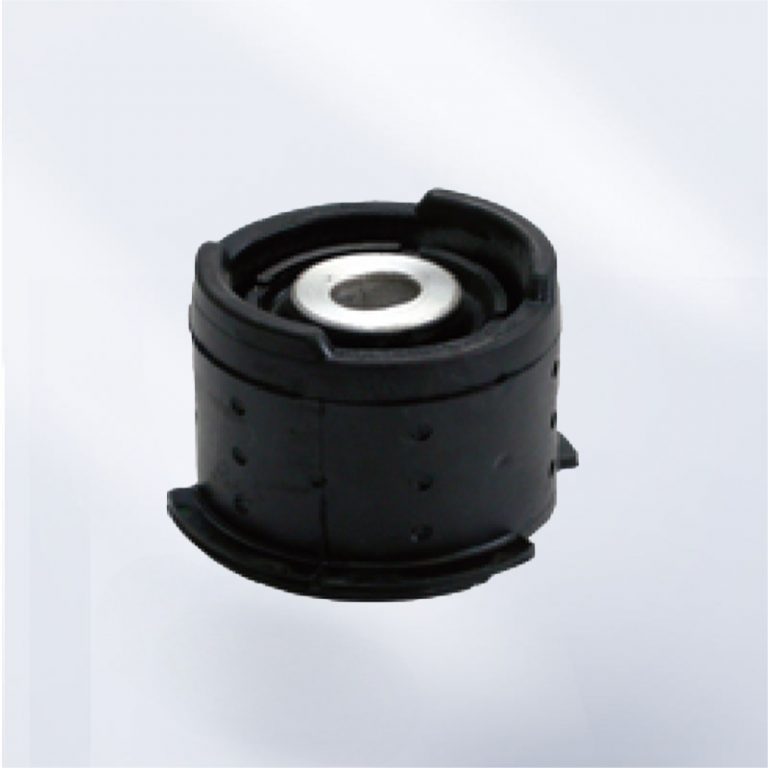
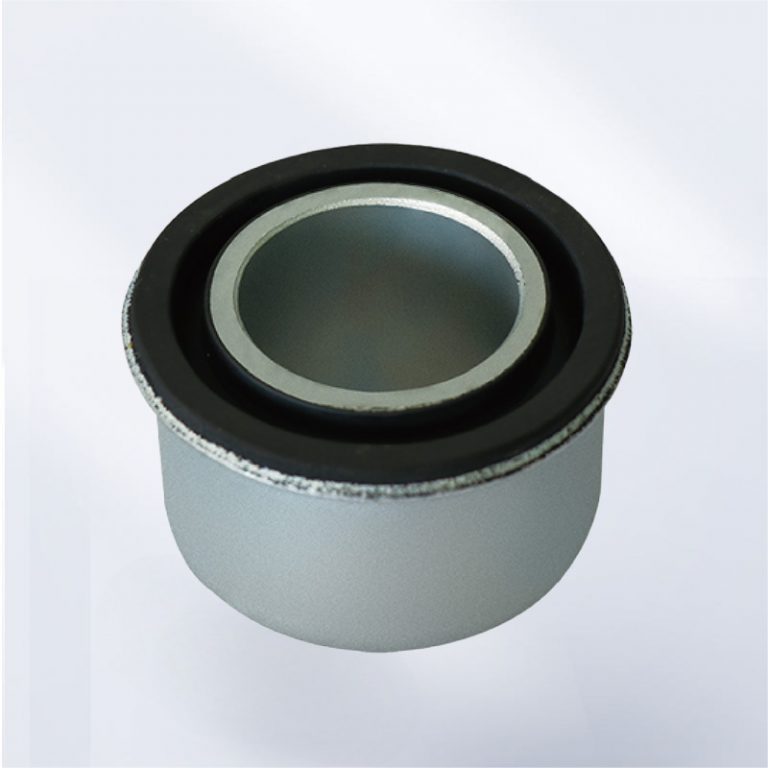
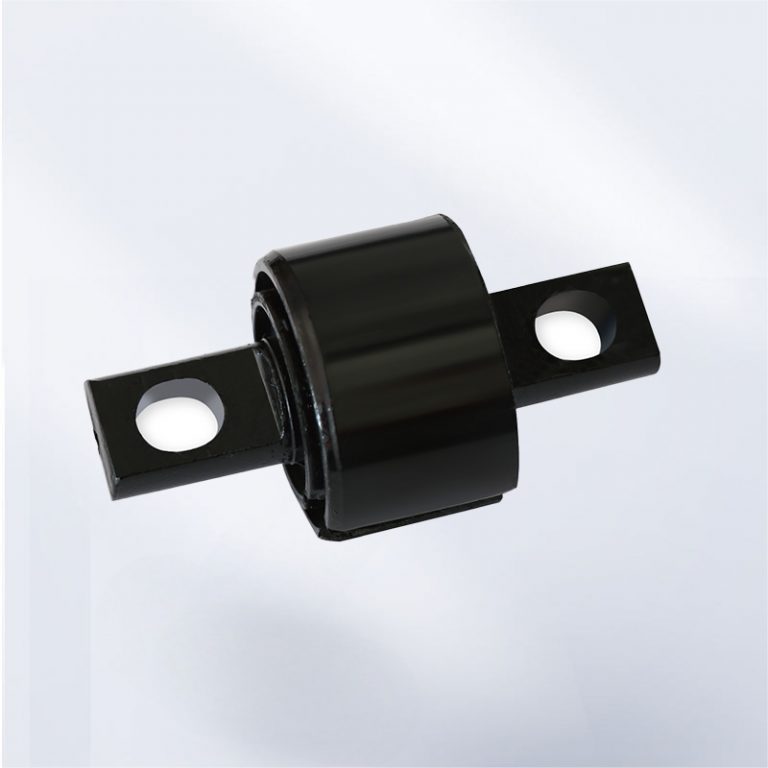
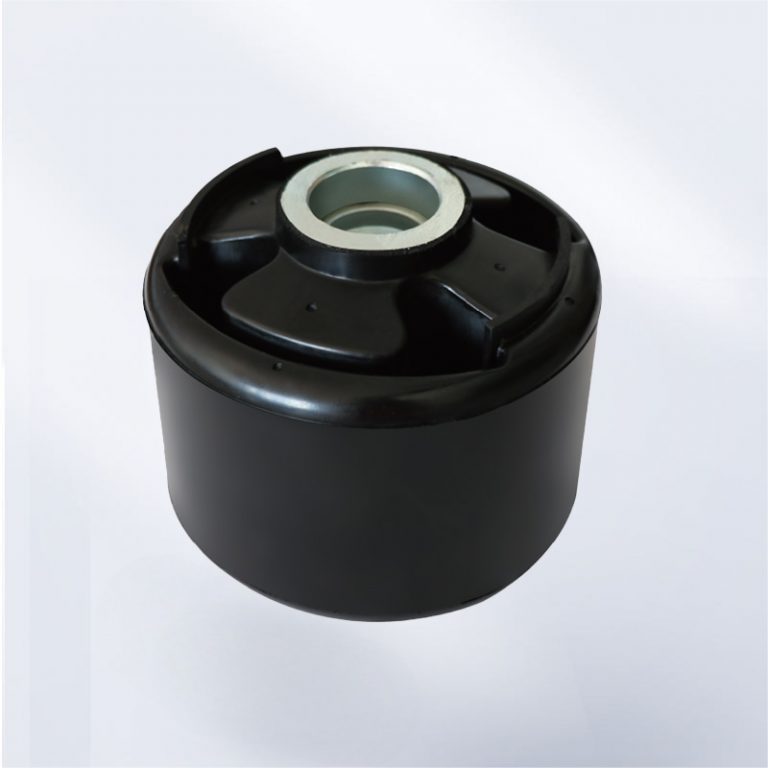
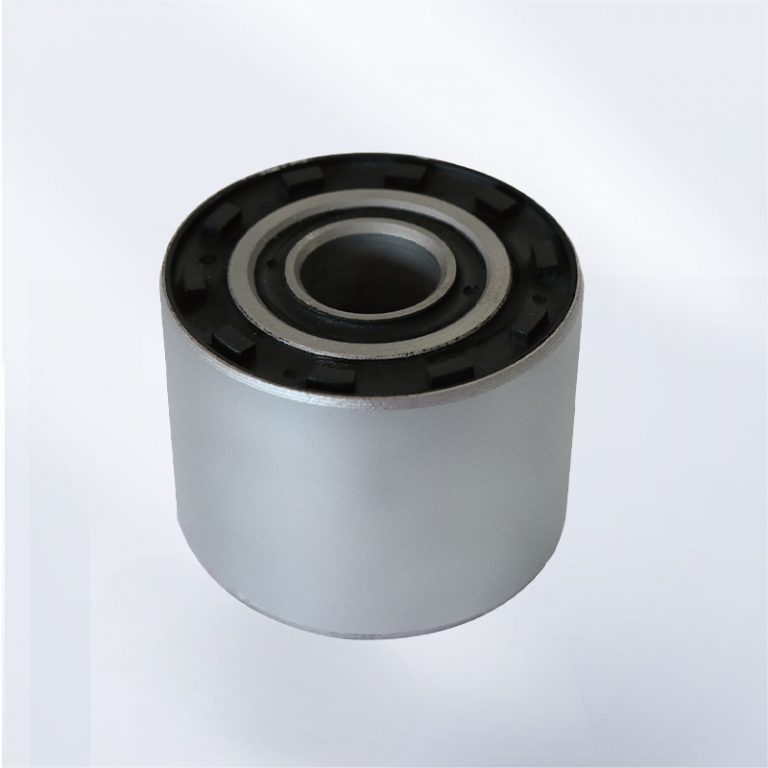
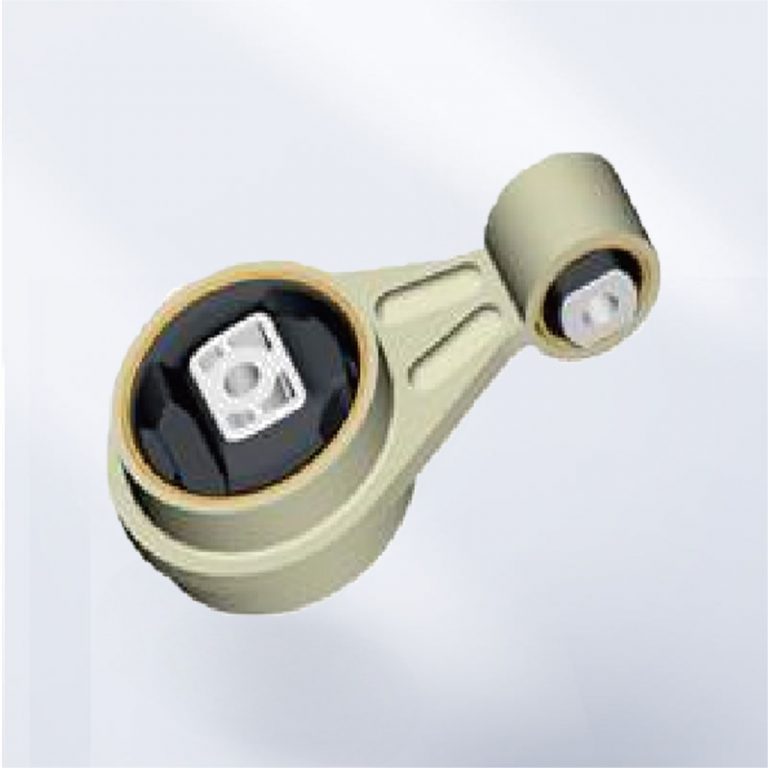
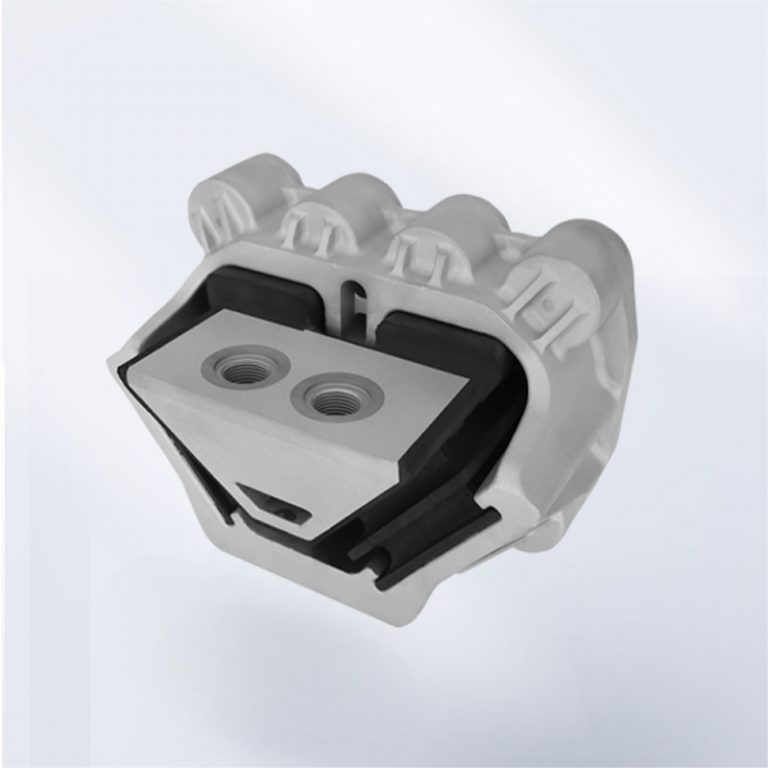
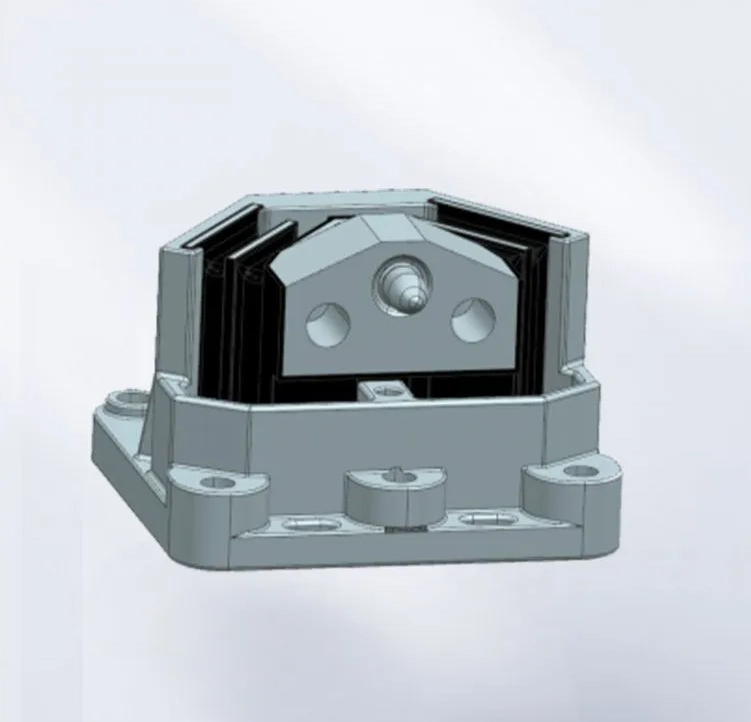
High-performance parts need to manage several roles simultaneously. An 发动机架 links the chassis to the powertrain, bears the engine’s mass, and manages shifts in position and orientation. Meanwhile, it lessens shaking passed to the car body and aids in soaking up road impacts returning to the setup.
Such items typically blend metal, rubber, and engineered plastics. Metal offers firm support. Rubber delivers cushioning. Plastics assist in cutting weight and enable adaptable form creation. Striking the right mix among these substances proves challenging. Excessive rigidity boosts shaking. Overly yielding setups cause inadequate oversight.
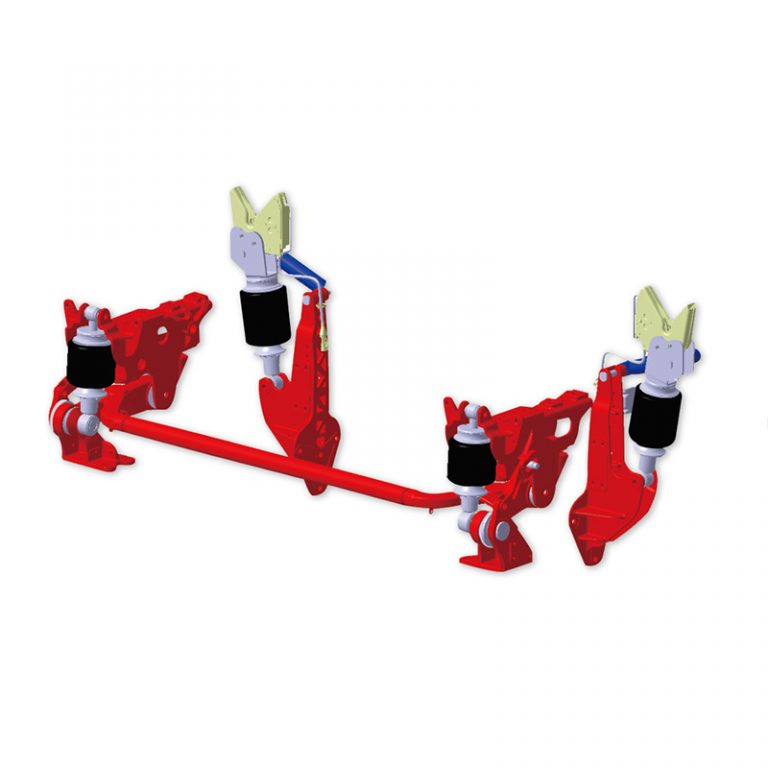
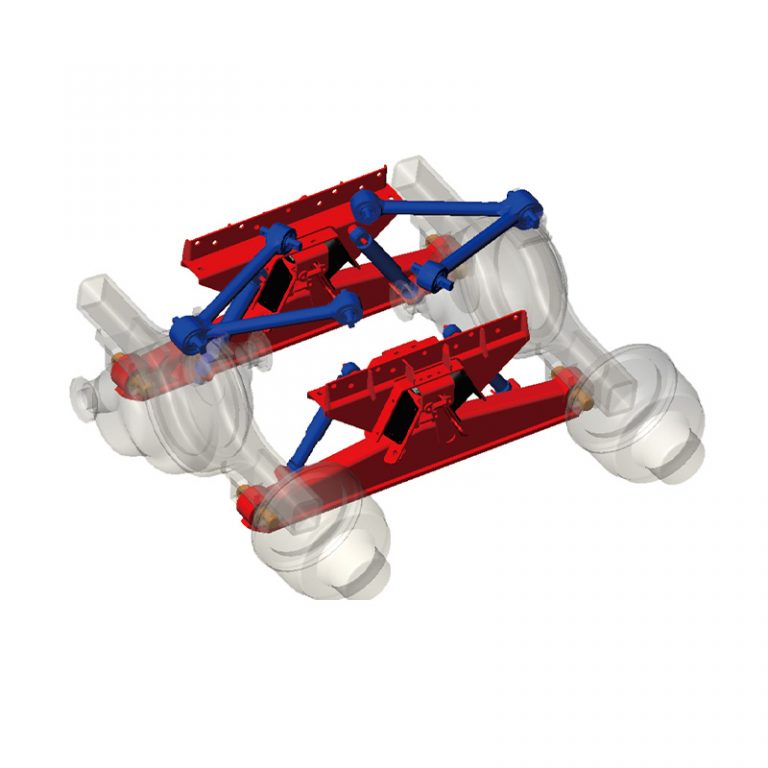
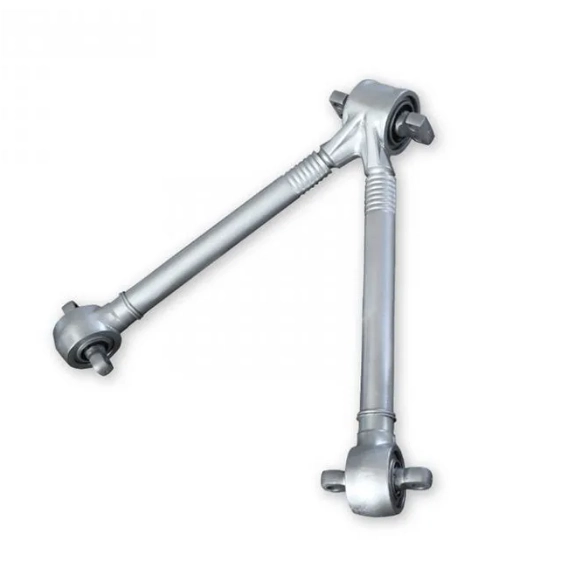
Thrust rods fulfill a vital role elsewhere. They link the chassis to the axle and convey forces that leaf springs alone cannot manage fully. These forces encompass pulling power, stopping power, and torque backlash. In demanding uses, thrust rods often shoulder the bulk of the burden. Substances like alloy steel, carbon steel, aluminum alloy, and rubber come into play to meet these needs and preserve steadiness amid varied situations.
Excessive Vibration and Noise in High-Performance Vehicles?
Solution: Advanced NVH Optimization Through Material and Structural Design
Persistent shaking in the passenger area or low-pitched sounds during speedup often stem from weak NVH results. This ranks among the top issues in high-performance vehicles.
Picking the right substances holds significant weight. Rubber blends like EPDM, FKM, and VMQ display varied traits. Certain ones excel in hot settings. Others keep pliability in chilly surroundings. A wide-ranging material lineup permits superior alignment with actual operating scenarios.
Form creation counts greatly too. Layered rubber setups or bolstered forms can enhance cushioning without weakening robustness. Reduced stiffness along the axis paired with elevated stiffness radially can better isolate shaking while upholding overall steadiness. Achieving this equilibrium demands thorough evaluation.
Evaluation setups aid in confirming outcomes. Detectors positioned close to parts gather details on force, heat, and shaking amid engine startup or burden shifts. These findings direct additional form tweaks and assist in curbing shaking spread during genuine driving scenarios.
Poor Durability Under Extreme Loads and Conditions?
Solution: High-Strength Materials and Fatigue-Resistant Design
High-performance vehicles regularly encounter recurring strain. Speedups, stops, and prolonged runtime all foster weariness. Should a part fail to endure these repetitions, breakdown might happen sooner than anticipated.
Weariness evaluation stands as crucial. Sophisticated setups can mimic extended service by imposing cyclic burdens. This allows checking if the item sustains output over periods. Passing a single trial falls short. Reliability through numerous repetitions holds the key.
Substance creation influences endurance as well. Rubber needs to withstand deterioration, fluid contact, and intense heat. Metal sections must cope with tension absent fractures. Certain items get built to function from -40°C to 200°C, mirroring true operational settings over perfect ones.
Production uniformity emerges as yet another vital element. Mechanized assembly lines with ongoing oversight of heat, force, and shaping factors ensure consistent caliber. Minor deviations can spark output variances, thus procedure oversight proves essential.
Powertrain Instability and Misalignment Under Dynamic Conditions?
Solution: Precision Geometry and Dynamic Decoupling Design
During vehicle speedup or stopping, the engine shifts. It relocates and rotates owing to torque response. If the support framework lacks proper planning, such motion can cause misalignment, sounds, and erosion.
Form planning gains prominence in this context. The placement and tilt of each mount influence force allocation. Designers frequently employ software like CATIA, UG, and ABAQUS to model these scenarios. These programs assist in examining substantial bending and irregular actions.
Motion separation offers another effective method. Rather than allowing all shaking to follow one route, the planning divides various movement types. This cuts down clashes among upward, sideways, and twisting motions.
Tailored planning suited to specific vehicle types often proves necessary. A setup fitting a passenger car might not fit a heavy truck. Modeling and on-site verification ensure the framework delivers well in practical applications.
Inefficient Force Transmission in Chassis Systems?
Solution: Optimized Thrust Rod Design for Multi-Directional Load Handling
When force conveyance in the chassis lacks efficiency, handling problems. Thrust rods hold a central position in addressing this concern.
Various form varieties exist. Straight rods primarily deal with forward-backward forces. V-shaped rods can additionally address side-to-side forces. Selecting the appropriate variety hinges on vehicle layout and burden scenarios.
Substance choice remains relevant once more. Alloy steel supplies robust power. Aluminum aids in lessening mass. Rubber inserts within the rod assist in soaking up shaking and boosting ease.
In uses like trucks or building machinery, thrust rods must manage excess burdens. They require sustaining output even amid bumpy road paths. This calls for meticulous planning of both form and substance.
Integrated Design Approach: Combining Engine Mounts and Thrust Rods for System-Level Optimization
Examining each part in isolation seldom resolves the issue fully. Engine mounts, thrust rods, and suspension frameworks function jointly as a unified whole.
A comprehensive system method views how shaking moves across the vehicle. Tweaking one part might impact others. By reviewing the full assembly, enhancements in ease and steadiness can occur concurrently.
Providers offering a complete lineup support this method more effectively. When suspension, cushioning, and fluid frameworks develop in tandem, alignment simplifies. Evaluation and modeling details can then refine the entire assembly rather than separate elements.
Background in worldwide OEM initiatives aids greatly. Varied vehicle bases carry distinct needs. Tailoring plans to these differences demands both technical prowess and hands-on knowledge.
Future Trends in Engine Mount and Thrust Rod Design
The sector keeps evolving steadily. Electric vehicles introduce fresh hurdles. Lacking engine clamor, minor shakings gain more notice.
Reducing weight grows ever more critical. Swapping metal for plastic or flexible materials can trim mass while preserving output. Within certain setups, plastic parts already supplant conventional substances.
An additional direction involves intelligent mounts. These can alter rigidity according to driving scenarios, enhancing both ease and oversight.
Research and development stay pivotal. Partnerships with academic and research bodies foster novelty. Steady evaluation and confirmation guarantee that fresh plans deliver reliably in actual settings.
Choosing the Right Engineering Partner for High-Performance Components
Where output, endurance, and ease all count, planning specifics demand attention. Engine mounts require balancing rigidity and cushioning. Thrust rods need to convey forces while upholding steadiness. Both must integrate smoothly within the assembly.
A skilled provider delivers beyond mere items. Robust research and development, cutting-edge evaluation, and production uniformity all foster superior outcomes. For rigorous uses, these aspects frequently decide enduring achievement.
Should a project entail heavy burdens, stringent NVH aims, or intricate scenarios, focus on engineering skills and confirmation techniques proves worthwhile. The proper planning method can yield clear gains in both output and dependability.
To ensure your high-performance vehicle delivers the best driving experience, it’s essential to prioritize the design and quality of engine mounts and thrust rods. If you’re looking to enhance the durability, stability, and comfort of your vehicle, consider working with trusted experts like 美晨. Meichen advanced solutions and system-level optimization can help you achieve the ideal balance of performance and reliability.
常见问题解答
Q1: What Is the Main Function of an Engine Mount?
A: It connects the engine to the frame, supports its weight, controls movement, and reduces vibration transferred to the vehicle body.
Q2: Why Is NVH Important in High-Performance Vehicles?
A: Higher power levels create stronger vibrations. Without proper control, these vibrations affect comfort and component life.
Q3: How Do Thrust Rods Improve Stability?
A: They transfer traction, braking, and torque forces between the axle and frame, helping maintain stable handling.
Q4: What Materials Are Used in These Components?
A: Common materials include metal for strength, rubber for damping, and engineering plastics for weight reduction and flexibility.
Q5: How Is Durability Tested Before Production?
A: Through fatigue testing, simulation tools, and validation systems that replicate real driving conditions over long cycles.