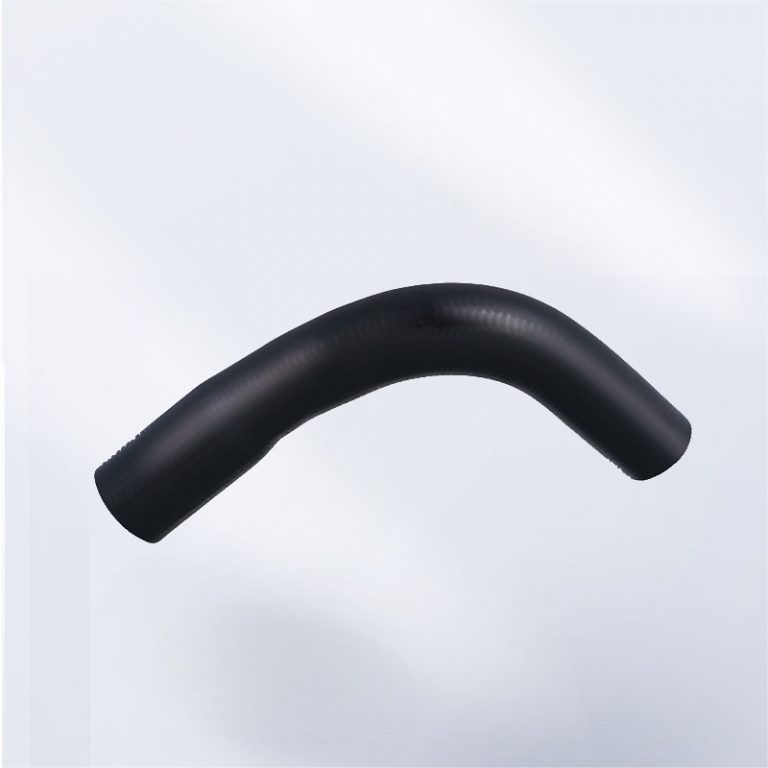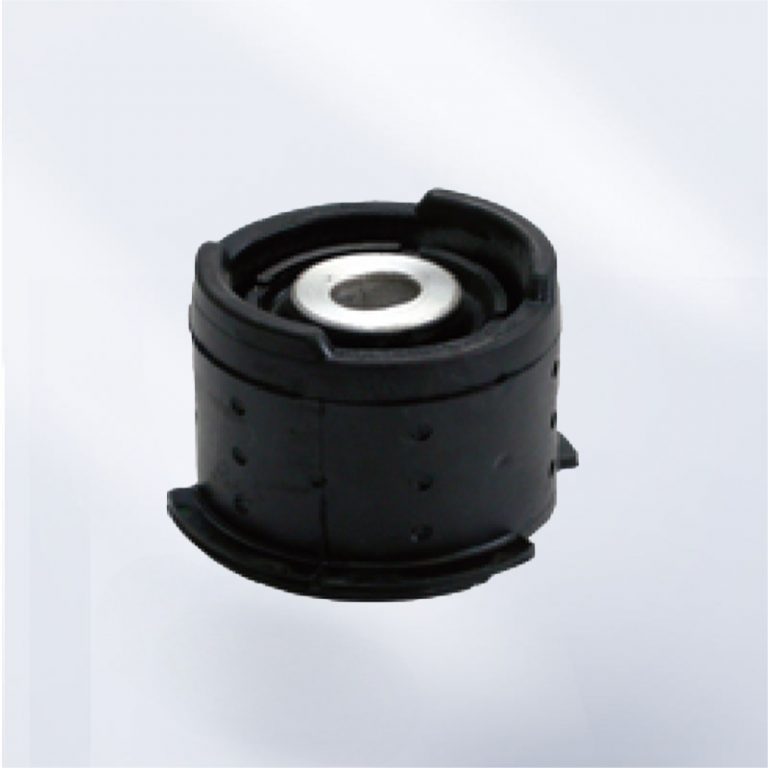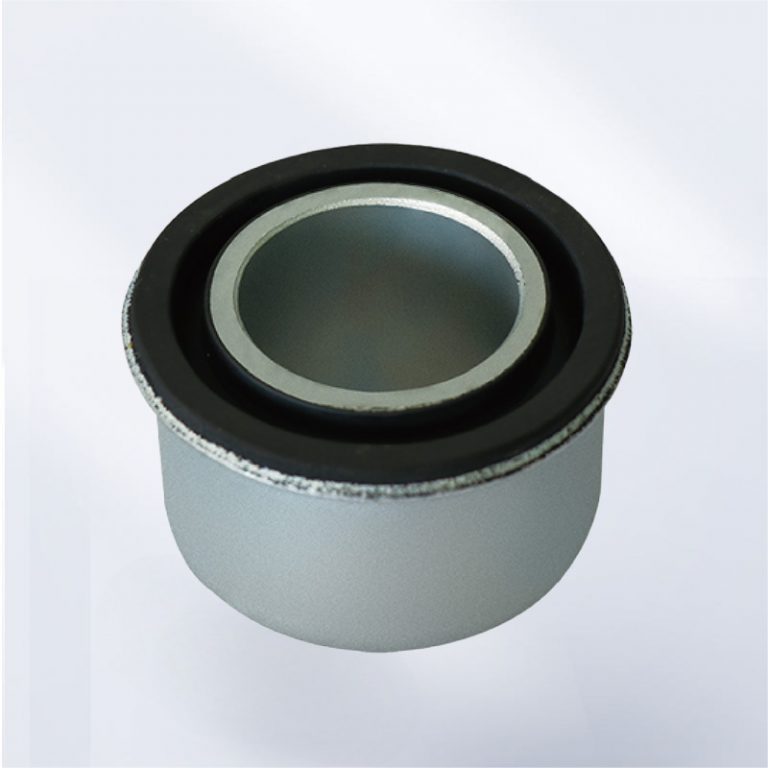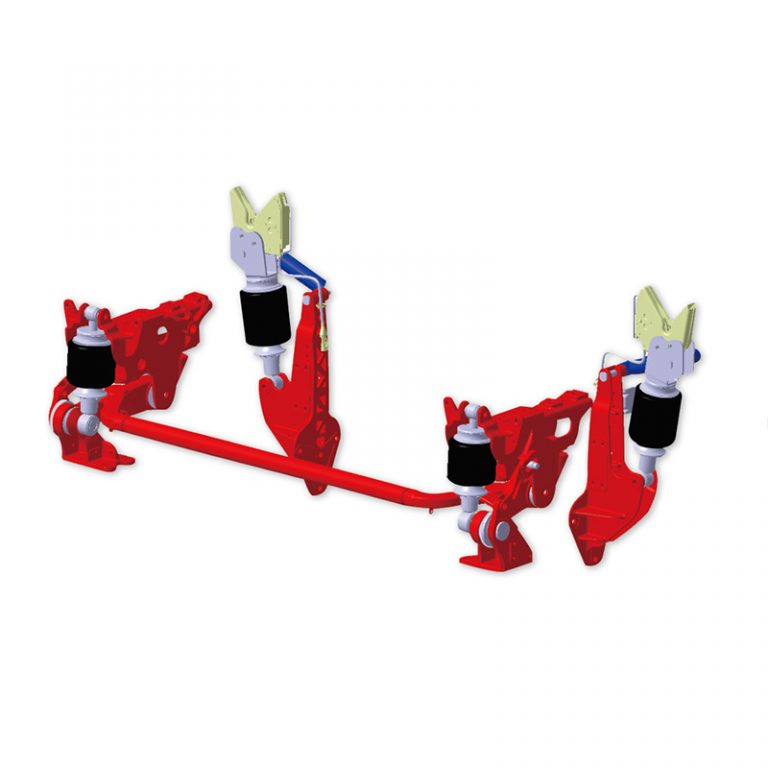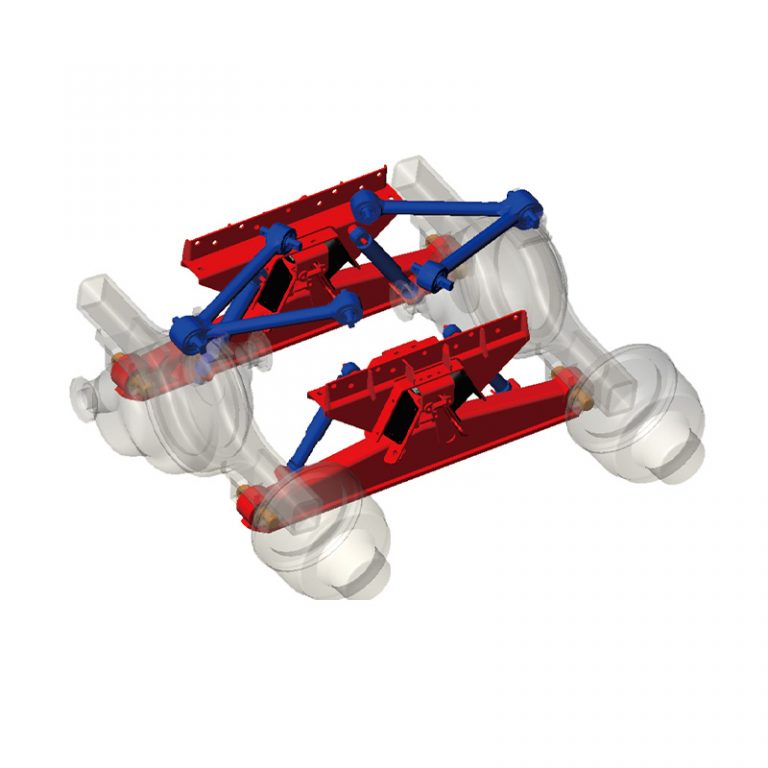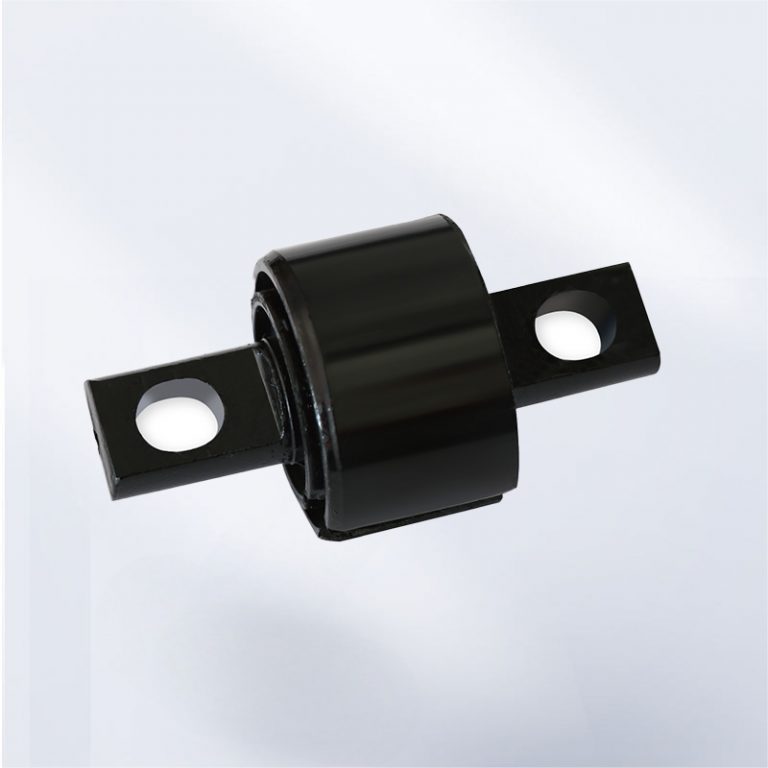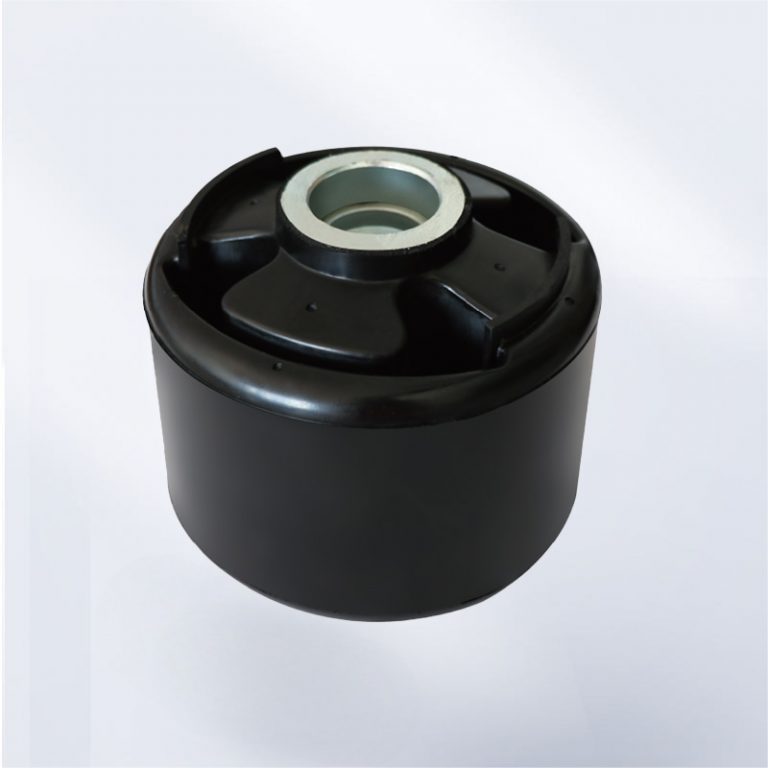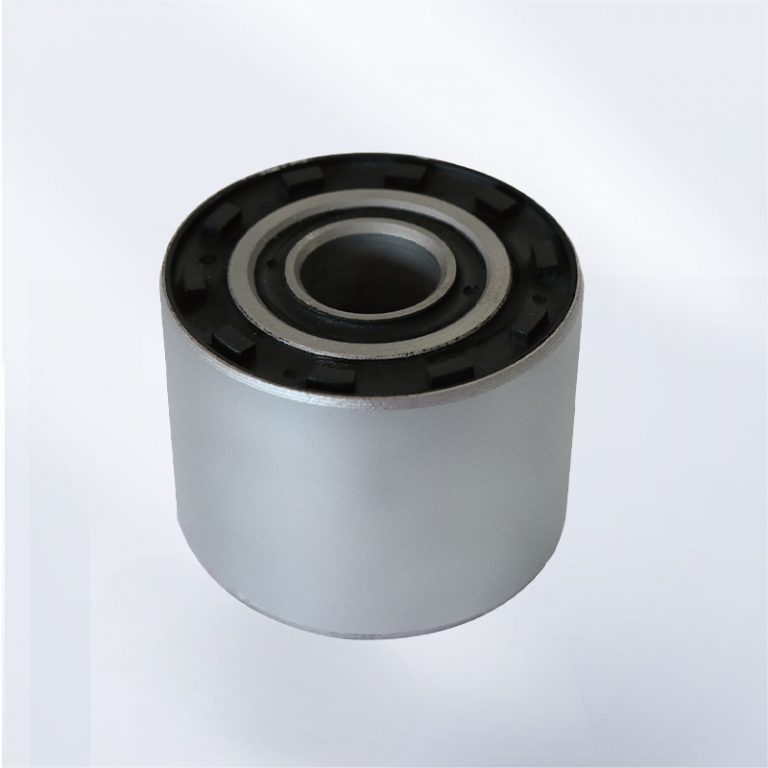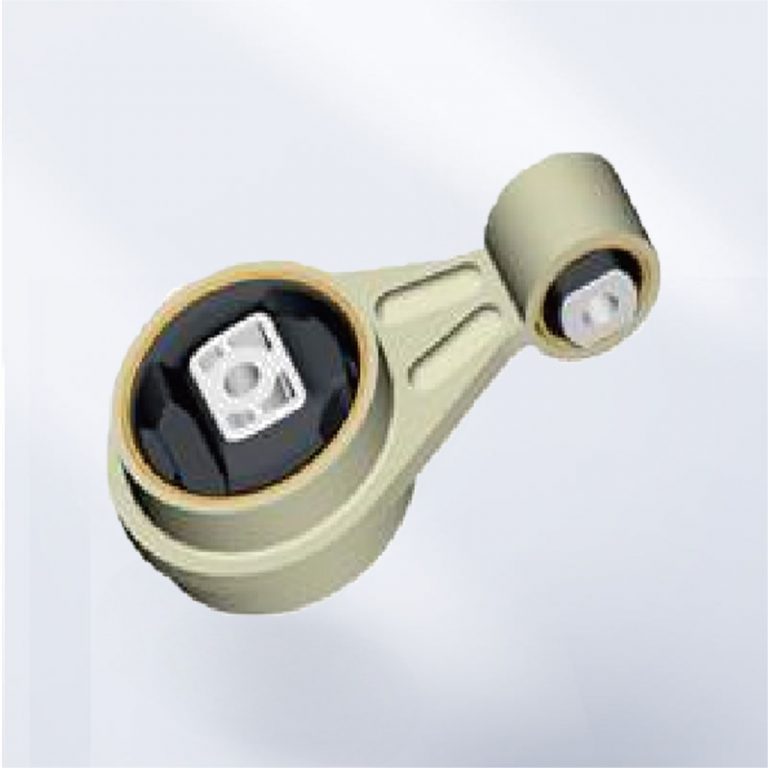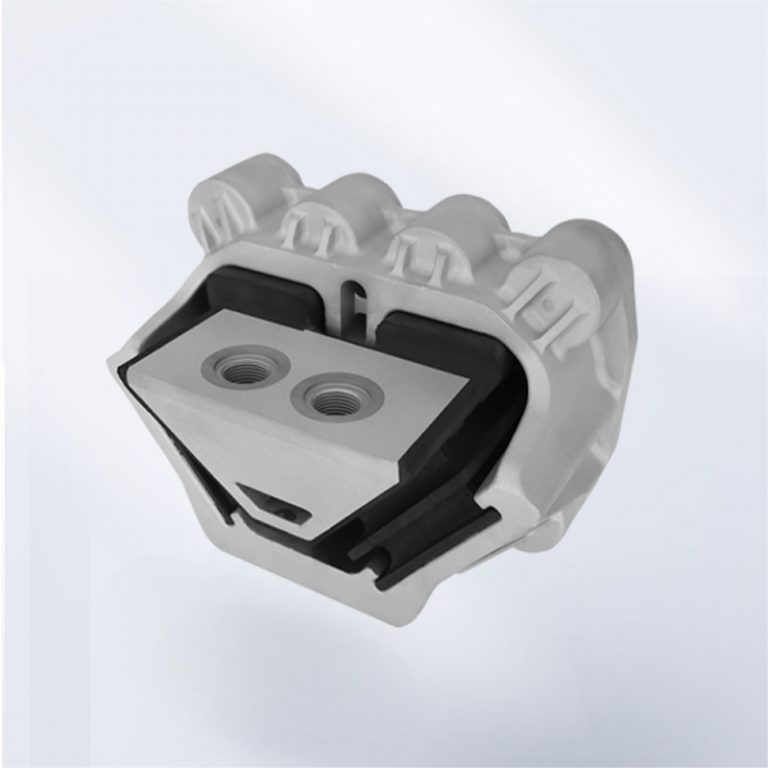
When you turn the key or press the start button, your engine comes alive with a burst of power. This burning process generates force, but it also produces disorder through substantial metal shifts and strong shakes. Many drivers seldom consider the pieces securing that large steel unit in position, yet these elements decide if your drive resembles a smooth luxury vehicle or a shaking garden tool. If you seek components that endure everyday pressures, consider Meichen. Established in 2004 and now publicly traded, the company stands as a major force in the automotive sector, operating a country-recognized CNAS laboratory equipped with more than 120 testing devices. They go beyond simple production; they guide the field as the leading member of the China Rubber Industry Association. From sturdy trucks to everyday cars, their products gain confidence from international leaders such as Volvo and Ford. Few producers blend scholarly studies with large-scale smart production in this way.
What Is the Critical Role of Engine Mounts in Your Vehicle?
Imagine your engine as a heart that beats without pause. Without a suitable frame to contain it, that heart would shift excessively. The engine mount function serves mainly as the key link between the engine and the vehicle’s structure. This task demands firmness to maintain proper positioning, yet flexibility to absorb unwanted energy. If these components consisted only of plain metal fasteners, your ride would jolt uncomfortably whenever you accelerate.
Supporting the Massive Weight of the Powertrain
The powertrain in your car ranks as the heaviest collection of parts. Mounts must support this steady weight continuously. At the same time, they resist changing forces from gravity during travel over uneven surfaces or into dips. This nonstop duty calls for robust metal frameworks created using methods like plasma cutting and heavy forging equipment.
Controlling Powertrain Displacement and Angle
When you press hard on the accelerator, the engine tends to rotate against the wheel’s direction. Experts call this torque reaction. Reliable car engine mounts manage this motion effectively. They preserve the correct engine alignment, ensuring that driveshafts and exhaust lines remain straight and secure.
Attenuating Road Excitation and External Forces
Operation involves more than the engine’s inner activity; it includes resistance from the path ahead. Mounts need to dampen road excitation that attempts to rise from the tires into the engine area. This shielding safeguards delicate sensors and attachment points from the repeated impacts of road seams on expressways.
How Do Engine Mounts Improve Vehicle Performance and Stability?
You may believe performance centers solely on engine output, but the way that output stays controlled shapes vehicle handling. If the engine shifts like an unsecured load in the compartment, the car’s balance alters with each curve. This creates an unsteady feel. Suitable mounts keep the engine in its designed spot, which explains why engine mounts are important for vehicle performance.
Enhancing Precision in Vehicle Handling
With the engine secured firmly, the vehicle reacts more quickly to steering commands. How engine mounts impact car handling and stability appears clearest in swift lane shifts. A fixed engine allows the frame to avoid managing an unstable added weight. Consequently, turns become more responsive and controlled.
Maintaining Optimal Engine Stability
A steady engine operates more effectively. By delivering reliable engine stability, mounts stop the powertrain from swinging excessively. This matters greatly for current powerful engines, where slight extra shifts might lead to rough gear changes or strain on intake connections.
Contributing to Overall Driving Comfort
No one enjoys a vehicle that vibrates like an intense relaxation device at full power. How engine mounts contribute to overall vehicle comfort lies in separating the passenger area from the rough mechanics beneath.
Why Is Car Vibration Control Essential for Your Driving Experience?
Shakes do more than irritate; they cause damage over time. Professionals refer to this area as NVH, standing for noise, vibration, and harshness. Successful car vibration control relies on detailed rubber formulations and structural planning. Without managing these effects, delivering a high-end drive becomes impossible.
Reducing Transmission of Powertrain Vibrations
Each cylinder ignition sends out pulses from the engine. The role of engine mounts in reducing car vibrations works like a barrier. They capture those rapid pulses and convert them into minor warmth in the rubber material. As a result, you avoid sensing them through the wheel or the vehicle’s base.
Minimizing Noise and Harshness
Much of the steady hum at high speeds stems from vibrations transforming into audio via the car’s broad metal surfaces. Through car vibration reduction at the origin, mounts maintain a quiet interior. This setup allows normal talks without raising voices.
Protecting Sensitive Electronic and Mechanical Components
Today’s vehicles function like mobile computing systems. Excessive engine movement can loosen connections on boards or dislodge wiring links. Upholding engine mounts and their role in vibration control and noise reduction serves as proactive care for the full electrical network in your car.
What Materials Make the Best Engine Mounts in Modern Cars?
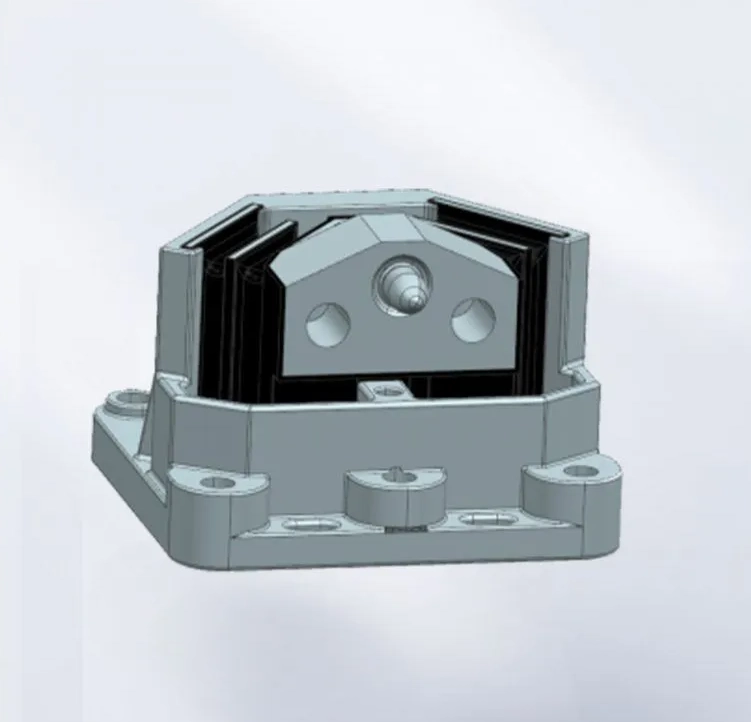
The era of basic rubber blocks for mounts has passed. Now, the best materials for engine mounts in modern cars involve advanced blends. Producers combine substances to balance durability, reduced mass, and shock absorption. Meichen’s engine mount choices employ a precise combination of metal, plastic, and rubber to address these varied demands.
| Material | Type | Temperature Range | Key Characteristics | Common Applications |
|---|---|---|---|---|
| Alloy Steel | Metal | -40°C to 250°C | Strong, durable, corrosion-resistant | Engine mount core frame, heavy-duty vehicles |
| Aluminum Alloy | Metal | -40°C to 250°C | Lightweight, resistant to corrosion, high strength-to-weight ratio | Lightweight engine mounts, performance cars |
| EPDM Rubber | Rubber | -55°C to 250°C | Excellent durability, resistant to weather, aging, and heat | Vibration control, noise reduction, seals |
| TPV (Thermoplastic Vulcanizates) | Rubber/Plastic Hybrid | -40°C to 120°C | Flexible, durable, heat and wear resistant | Vibration dampers, flexible engine mounts |
| PA12 (Polyamide 12) | Plastic | -40°C to 120°C | High mechanical strength, excellent chemical resistance | Powertrain components, air intake systems |
| PA66 (Polyamide 66) | Plastic | -40°C to 135°C | High temperature resistance, good abrasion resistance | Automotive cooling systems, engine components |
Utilizing Durable Metal Materials for Strength
For the core frame of the mount, choices like alloy steel or aluminum prevail. These substances form the supportive structure capable of bearing a large commercial engine’s load. They resist breaking or warping amid the warmth near the engine.
Implementing Advanced Engineering Plastics
Finding plastic near the engine might surprise you, yet replacing metal with plastic marks a key shift. Strong engineering plastics shape into intricate forms that lighten the load while providing solid endurance. This approach boosts fuel savings without weakening the build.
Leveraging High-Performance Rubber Compounds
Rubber holds the key to effective performance. Drawing from types like EPDM to natural versions, makers adjust the firmness level. Certain blends function in chills down to -55 degrees Celsius or heats up to 250 degrees Celsius. Such options ensure engine mount materials remain pliable in cold seasons but hold shape in warm conditions.
What Happens When Engine Mounts Fail and How to Spot It?
Similar to other rubber elements, engine mounts possess a limited duration. They face constant exposure to engine warmth and strain from rotational forces. Upon breakdown, indicators often prove clear, though drivers sometimes overlook them until related issues arise. Recognizing the signs your engine mounts need to be replaced helps prevent major repair costs down the line.
Identifying Signs Your Engine Mounts Need to Be Replaced
Common symptoms of bad engine mounts include a distinct thud during gear shifts or odd shakes at idle stops. Lifting the hood reveals the engine bouncing notably during revving, signaling cracked rubber or escaped fluid from hydraulic types.In CNAS-accredited laboratory, Meichen use LMS sensors to monitor real-time pressure and temperature changes.
Understanding the Impact of Worn Mounts on Handling
You sense how worn engine mounts affect vehicle handling especially when slowing or speeding up. The car may surge awkwardly as the engine slides ahead or behind. Such weight changes disrupt equilibrium and render steering less predictable.
Assessing Risks of Postponed Engine Mount Replacement
Delaying an engine mount replacement too long allows excessive engine motion that tears cooling lines or damages exhaust sections. Engine mount failure and its impact on vehicle performance creates a chain reaction; after one fails, added pressure typically dooms the rest soon after.
Why Choose Meichen for Your Engine Mount and Suspension Needs?
Selecting replacements requires a provider that handles production directly. While some merely source and distribute, others control testing facilities and innovations. Meichen belongs to the latter group, holding 204 patents including 19 for original designs. They do not merely comply with guidelines; they establish them, pioneering the initial global standard for China’s rubber sector.
Global Leader in Automotive Key Components
Employing over 1,800 staff across a vast facility, they operate as a dominant entity. Recognition as a top 100 China auto parts supplier for 14 consecutive years highlights their reliability. This level of steadiness suits components vital for engine security.
Nationally Accredited Laboratory and R&D Excellence
Their testing center operates at a high level. Certified by CNAS, it employs advanced tools like ABAQUS for complex simulations. Engineers replicate real scenarios prior to manufacturing. This process guarantees that engine mount types achieve the zero defect goal they pursue.
Strategic Partnerships with Top Global Brands
A company’s associates reveal much about its quality. They deliver to prominent firms including Ford, Paccar, Hino, Caterpillar, Scania. These partners enforce some of the toughest standards worldwide. If suitable for a heavy Volvo truck, the products certainly fit standard vehicles well.
How Can You Order Custom Engine Mounts for Your Projects?
For distributors or service operators, specific requirements may arise. Off-the-shelf items often fall short for unique applications. Fortunately, established makers provide custom-made OEM and ODM services. You can submit sketches or samples via courier, leading to tailored developments.
Utilizing Professional OEM and ODM Services
The steps remain simple overall. Share your details, and the design group applies extensive knowledge to choose appropriate forms and material mixes. With a broad collection of existing designs, the creation stage proceeds more swiftly than expected.
Implementing Strict Quality and Tolerance Standards
Accuracy defines success here. Select a collaborator who adheres closely to specified limits for ideal matching. Through automated storage systems and tracking codes, they monitor each item to uphold uniformity in large batches.
Streamlined Ordering and Global Support
Operations demand speed, so responses arrive within 12 to 24 hours for inquiries. Transactions typically use T/T methods, starting with a 30 percent upfront payment to launch work. For any concerns, access their contact-us page to connect with knowledgeable staff promptly.
FAQ
Q1: What are the main engine mount types available? A: Typically, options include solid rubber mounts, hydraulic versions that use fluid for better shock absorption, and occasional active electronic types that adjust firmness according to engine speed.
Q2: How to fix engine mounts in a car if they are cracked? A: Repairing or patching a cracked mount proves unsafe and ineffective. Since the rubber bonds permanently to metal through vulcanization, the proper approach involves a complete engine mount replacement.
Q3: What is the average lifespan of car engine mounts? A: They generally endure 5 to 7 years or roughly 100,000 miles. Factors like driving intensity and regional weather extremes influence this range significantly.
Q4: Do engine mounts affect engine alignment significantly? A: Indeed, a failing mount tilts the engine unevenly. This misalignment stresses transmission connections and may hinder smooth gear operations.
Q5: Is car engine mount maintenance something I can do? A: Care involves basic visual checks. Inspect for rubber splits or fluid loss in hydraulic models during routine oil services to identify problems early.