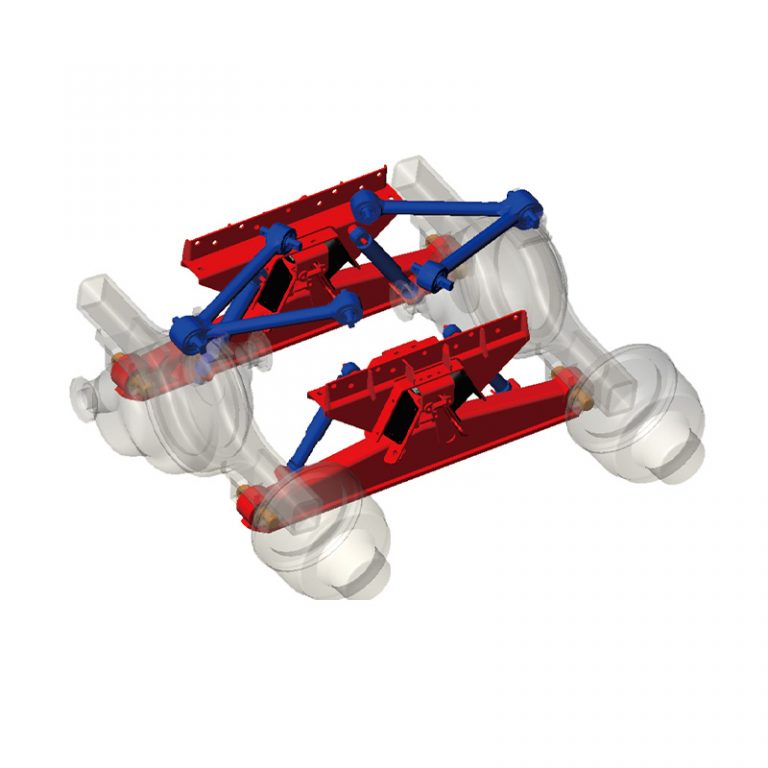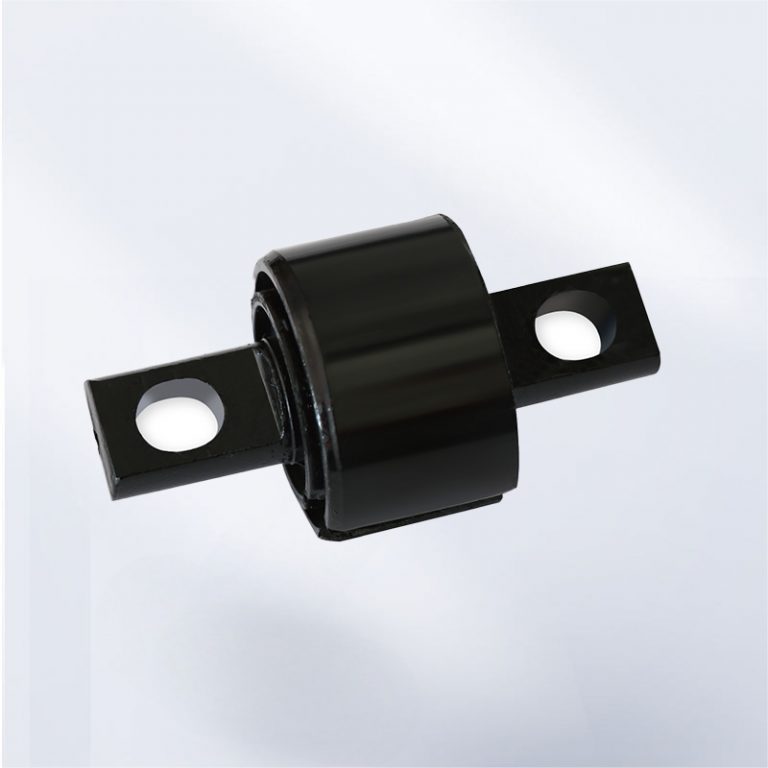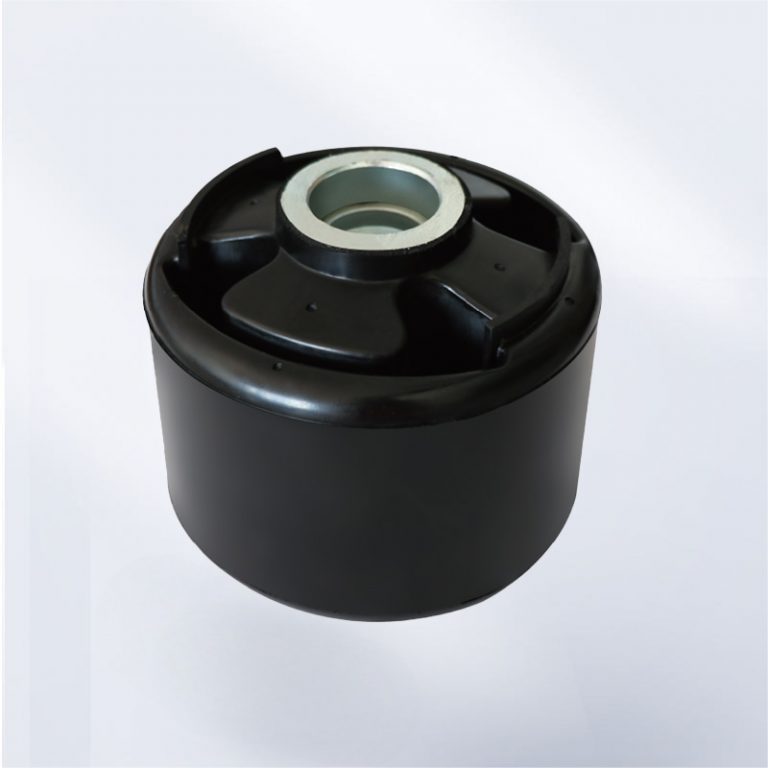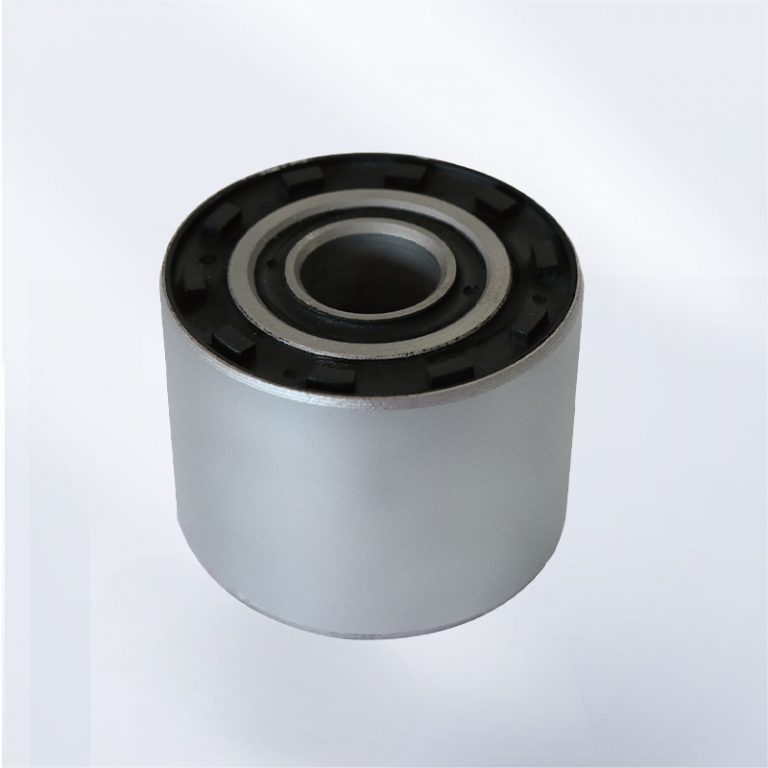
For fleet managers and engineers, even a small drop in chassis vibration isolation is rarely just a comfort issue. A decline of only a few percentage points often signals higher stress on surrounding components, faster wear, and a steady rise in total cost of ownership. Increased downtime, more frequent replacements, and unexpected maintenance all follow. This raises a practical question many decision-makers face: why do some chassis rubber suspension systems maintain stable performance for years, while others show signs of failure within months? For you as a buyer, engineer, or fleet manager, this directly affects comfort, safety, and total operating cost.
In this field, Meichen stands out for long-term, system-level experience rather than short-term product fixes. Founded in 2004, Meichen focuses on suspension systems, vibration damping products, and related rubber components used in passenger cars, commercial vehicles, and construction machinery. What makes Meichen different is not just production scale, but the way material development, CAE analysis, bench testing, and vehicle-level validation are integrated under the IATF 16949:2016 automotive quality management framework, which governs process control, traceability, and continuous improvement across rubber suspension production. A clear overview of this background, including manufacturing capability and quality systems, is available on the Meichen official website.
Why Does Chassis Rubber Suspension Lose Vibration Isolation Over Time?
Vibration isolation is usually the first thing you notice when suspension performance starts to drop. The ride feels harsher. Noise travels more easily into the cabin. These changes rarely happen overnight. They build up slowly.
Rubber is a viscoelastic material. That means its stiffness and damping shift as it experiences repeated deformation. The question is not whether properties change, but how fast they change and whether the design accounts for it.
Understanding why rubber suspension performance drops is the first step toward optimizing vehicle uptime.
Rubber Elasticity Degradation Under Repeated Load
Every bump, corner, and braking event stretches and compresses the rubber. Over millions of cycles, polymer chains rearrange and internal friction changes. Industry fatigue data shows that poorly designed compounds can gain several Shore A points in hardness after long-term cyclic loading. That increase directly reduces vibration isolation.This phenomenon, known as rubber suspension stiffness increase, shifts the natural frequency of the system, leading to harshness. Meichen develops rubber compounds with fatigue life as a primary target, supported by repeated dynamic testing rather than relying only on initial hardness values.
Increased Noise Transmission to the Vehicle Frame
As elasticity drops, more vibration energy passes into the chassis. This often shows up as low-frequency booming on rough roads or high-frequency rattling at highway speeds. NVH system tests consistently show that even small changes in damping behavior can raise interior noise. Many operators report excessive suspension noise after long use, which is typically a symptom of hardened damping elements.Meichen evaluates rubber suspension parts not only as individual components, but also as part of the complete chassis system, helping control noise transfer over long service periods.
Driver Fatigue Caused by Long-Term Vibration Exposure
Higher vibration levels increase physical fatigue, especially in long-haul or heavy-duty vehicles. This is not only about comfort. Fatigue affects attention and reaction time. By keeping vibration isolation stable over time, Meichen helps reduce these risks in daily operation.
How Does Harsh Working Environment Accelerate Rubber Suspension Aging?
Environmental conditions often shorten service life faster than load alone. Many early failures trace back to exposure factors that were underestimated during design.
Once installed, chassis rubber suspension faces heat, oil mist, water spray, road salt, and abrasive dust. Each factor speeds up aging if material selection and validation are weak.
Heat and Temperature Cycling Effects
Chassis components often sit near exhaust systems or braking hardware. Temperatures rise and fall repeatedly. Thermal aging tests show that rubber compounds not designed for heat resistance can lose more than 30 percent of tensile strength after prolonged exposure. This trend aligns with the Arrhenius-based aging model commonly used in polymer science, where a 10°C increase in operating temperature can significantly accelerate chemical degradation and, in practical terms, reduce the effective service life of standard rubber compounds. Meichen screens materials using controlled aging tests that simulate real thermal cycles rather than constant laboratory temperatures.
Oil Chemical and Dust Exposure Damage
Oil and chemical contact can cause swelling or surface softening. Once the surface weakens, dust accelerates wear. Meichen considers chemical resistance early in compound design, especially for suspension components mounted close to powertrain or hydraulic systems.
Cracking Hardening and Permanent Deformation
Over time, environmental stress leads to surface cracking or compression set. Once permanent deformation appears, the rubber no longer returns to its original shape. Meichen controls this risk through long-duration compression and recovery testing, reducing the chance of early shape loss in service.
Why Do Some Chassis Rubber Suspension Parts Fail Earlier Than Expected?
Early failure is rarely caused by one single mistake. Most cases involve several small weaknesses adding up.
Field failure analysis across automotive rubber systems points to three recurring factors: material quality, geometry, and validation depth.
Material Quality and Compound Formulation
Not all rubber compounds behave the same. Filler selection, polymer type, and curing systems strongly affect fatigue life. Meichen operates controlled compound mixing systems and maintains strict formulation management to keep performance consistent from batch to batch.
Structural Design and Stress Concentration
Sharp corners or uneven load paths create local strain peaks. Finite element analysis of rubber parts shows that stress concentration can double local deformation. Meichen uses CAE tools during design to smooth stress distribution and reduce hidden crack initiation points.
Inadequate Validation and Testing Standards
Parts that pass only basic static tests often fail early in real vehicles. Meichen applies durability and fatigue validation at both component and system levels, reflecting actual operating conditions. Practical examples of this testing approach are shared through Meichen technical insights and industry updates.
How Does Incorrect Matching Affect Suspension Performance and Safety?
Even a well-made rubber part can perform poorly if it is not matched correctly to the vehicle.
Matching errors are common during aftermarket replacement or cost-driven sourcing decisions.
Rubber Hardness Selection Errors
Rubber that is too soft may feel comfortable at first but deforms faster under load. Rubber that is too hard transfers vibration and increases stress on surrounding components. Meichen selects hardness ranges based on load spectra, motion amplitude, and frequency response rather than generic targets.
Load Capacity and Vehicle Type Mismatch
Suspension components designed for light vehicles cannot survive heavy-duty cycles. Fatigue damage increases exponentially under overload. Meichen develops suspension products for specific vehicle classes, reducing mismatch risk.
Handling Stability and Safety Risks
Incorrect matching affects more than comfort. It can change suspension geometry under load and influence handling behavior. Meichen treats chassis rubber suspension as part of the whole vehicle system, helping you avoid these less visible safety issues.
Why Is Chassis Rubber Suspension Maintenance Often Difficult and Costly?
Maintenance challenges matter most when vehicles are working every day.
Poor accessibility and unpredictable service life turn small components into major cost drivers.
Installation Position Inside the Vehicle Frame
Many suspension parts sit deep within the chassis. Replacement may require partial disassembly. Meichen considers installation constraints during design, aiming to reduce unnecessary service complexity.
Long Replacement Time and High Labor Cost
A low-cost part that takes hours to replace is not truly economical. By focusing on durability and stable performance, Meichen helps extend replacement intervals and reduce labor cost over time.
Unpredictable Maintenance Cycles
Without stable material behavior, maintenance becomes reactive. Meichen targets predictable service life through consistent compounds and validation, helping you plan maintenance instead of reacting to failures.
How Can Proper Product Design Extend Rubber Suspension Service Life?
Design decisions made early define long-term performance.
Good suspension design balances flexibility, strength, and fatigue resistance.
Optimized Geometry for Stress Distribution
Smooth transitions and controlled deformation reduce crack initiation. Meichen combines simulation with physical testing to confirm geometry performance.
Balanced Elasticity and Structural Strength
Too much stiffness or too much softness shortens service life. Meichen tunes elasticity to real vehicle motion profiles, not just static load data.
Long-Term Performance Stability
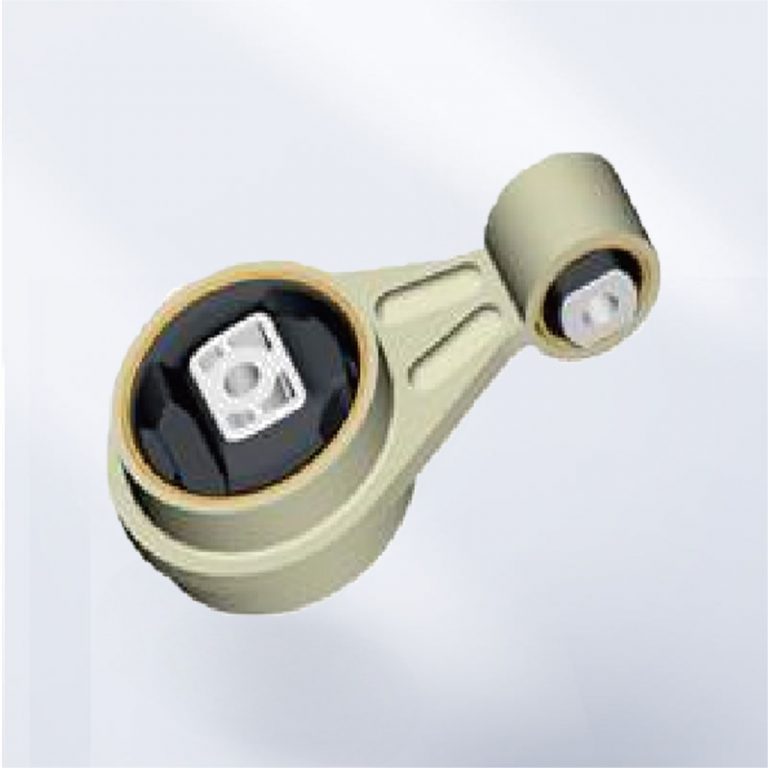
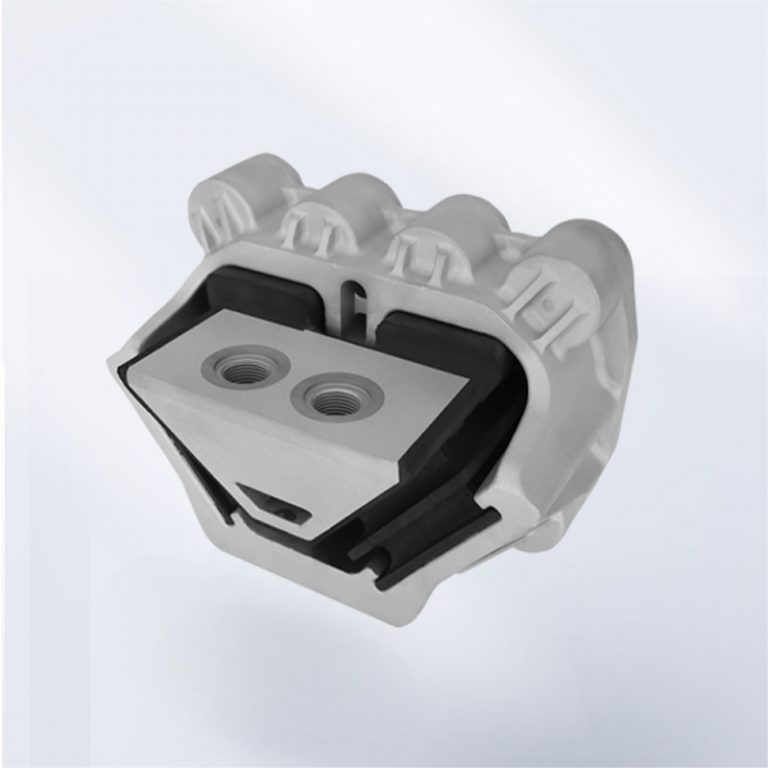
Stability over time matters more than peak performance when new. Meichen verifies that key properties remain within target ranges after aging and fatigue exposure. Representative solutions are described in the Chassis Rubber Suspension Products portfolio.
How Does Choosing the Right Supplier Help Prevent Performance Drop?
Supplier capability directly shapes long-term results.
Experience shows up in details.
Consistent Product Quality and Traceability
Strong quality systems reduce variation. Meichen controls production from raw material to finished part under established automotive quality frameworks.
Application-Oriented Engineering Support
Real vehicles vary widely. Meichen supports selection and application work, helping you avoid common matching mistakes before they reach the road.
Reliable After-Sales Communication and Service
When questions or issues appear, response speed matters. Clear communication channels allow faster technical feedback. You can reach the engineering team through contact Meichen’s engineering team.
FAQ
Q1: Why does chassis rubber suspension feel fine at first but degrade later?
A: Rubber properties change under repeated load and environmental exposure. Without fatigue-resistant compounds and proper validation, elasticity drops over time, increasing vibration and noise.
Q2: Can rubber suspension last longer in harsh environments?
A: Yes. Heat-resistant compounds, chemical-resistant formulations, and long-term aging tests significantly extend service life under harsh conditions.
Q3: Does harder rubber always last longer?
A: No. Excessive hardness raises stress and vibration transfer. Balanced elasticity is critical for durability and comfort.
Q4: How can you reduce maintenance frequency for chassis rubber suspension?
A: Proper matching, fatigue-tested design, and stable material quality help extend replacement intervals and lower downtime.
Q5: Why does supplier experience matter for rubber suspension products?
A: Experienced suppliers like Meichen combine material science, system testing, and real vehicle data, reducing the risk of early failure and long-term performance drop.