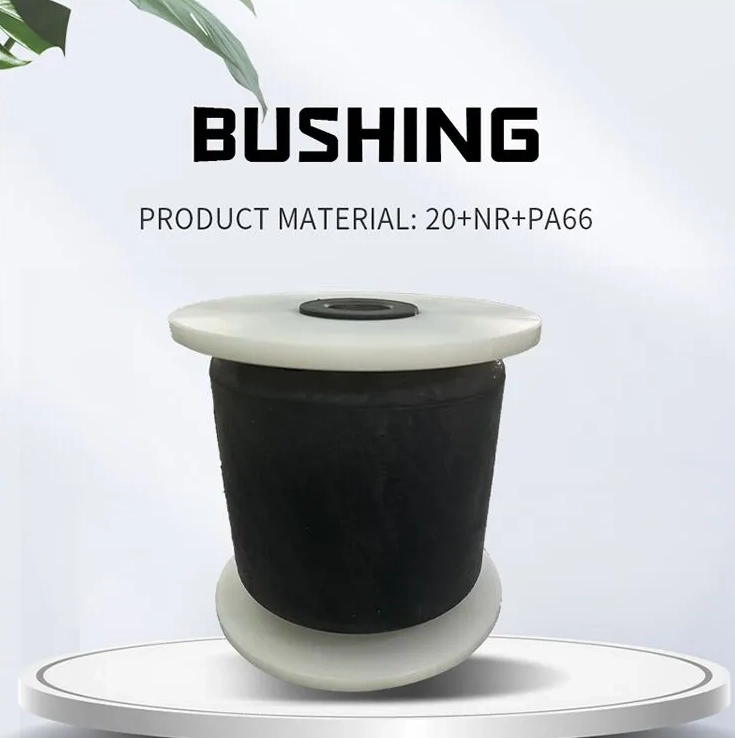
The cylindrical shape of transformer bushings and bearings makes them look alike but they serve distinct purposes in electrical and mechanical systems. The distinction between these components requires knowledge for engineers who work on design optimization and system development. The distinction between these components becomes vital when you need to match parts with industry standards that apply to automotive and power transmission systems.
High-performance bushings for challenging applications require a supplier who combines cutting-edge technology with dependable manufacturing practices. Shandong Meichen Industry Group Co., Ltd. provides the exact solution you need. The company Meichen operates from Zhucheng China as a national high-tech enterprise which serves customers worldwide through its expertise in suspension systems and vibration reduction products and fluid delivery components. The company uses its extensive manufacturing experience and modern production methods including rubber extrusion and plastic injection and blow molding to create automotive bushings that fulfill OEM requirements for cars and trucks and construction equipment.
What Differentiates a Transformer Bushing from a Bearing in Function?
Functional Purpose in Electrical vs. Mechanical Systems
The design of transformer bushings enables safe electrical conductor passage through grounded barriers in high-voltage systems. The bushings provide electrical insulation between live conductors and the transformer tank or circuit breaker housing. The main purpose of bearings is to handle mechanical stresses while enabling movement between different parts of a system. The main purpose of bearings is to reduce friction in systems that experience movement including motors and gearboxes and wheels.
The two components function as essential isolation elements through separate voltage isolation and mechanical motion separation mechanisms which operate based on distinct operational methods.
Structural and Material Composition Differences
The construction of transformer bushings uses porcelain and epoxy resin and composite insulators because these materials offer superior dielectric properties. The materials used in high-voltage applications provide both insulation and arc-resistance properties.
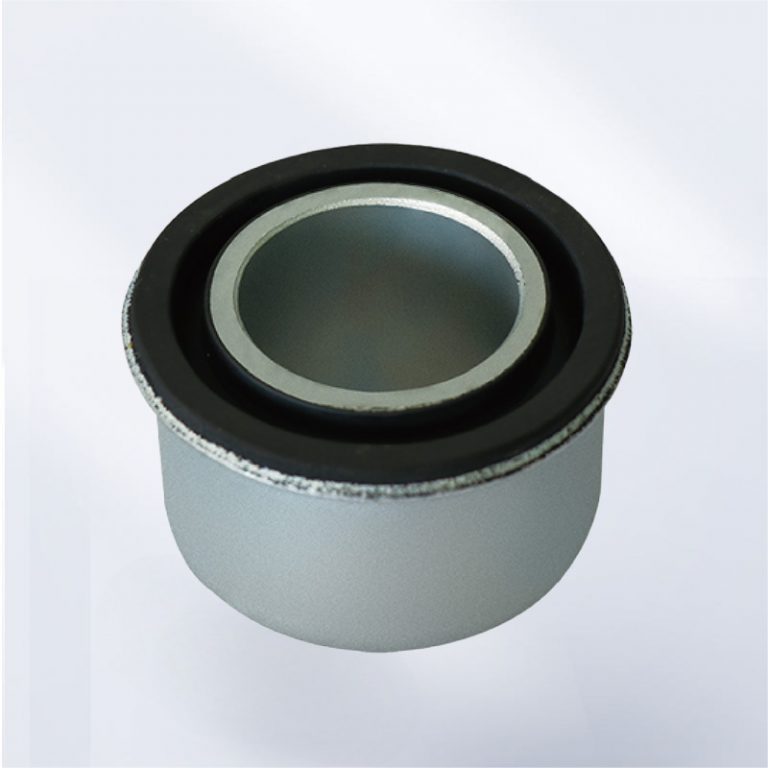
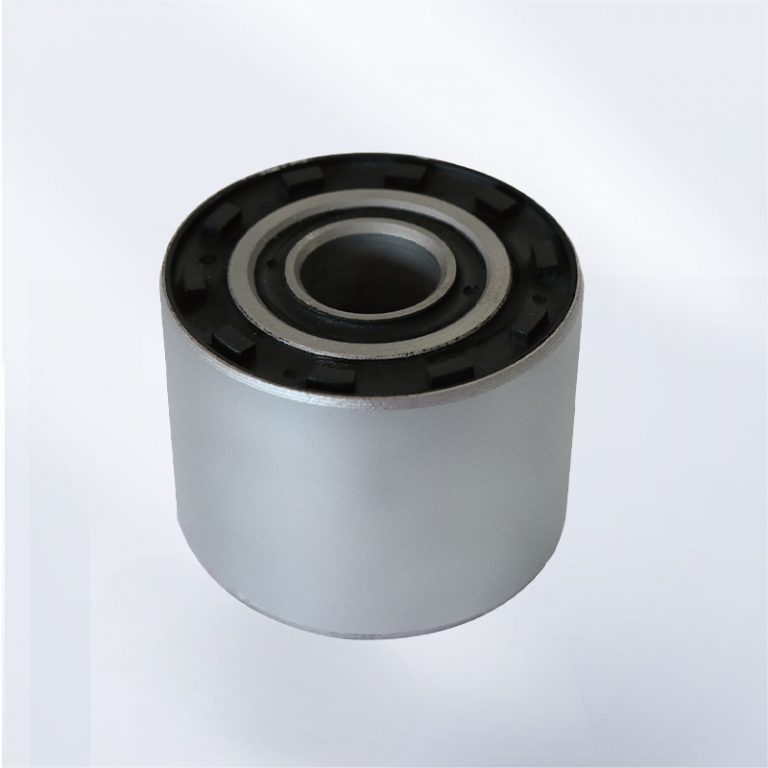
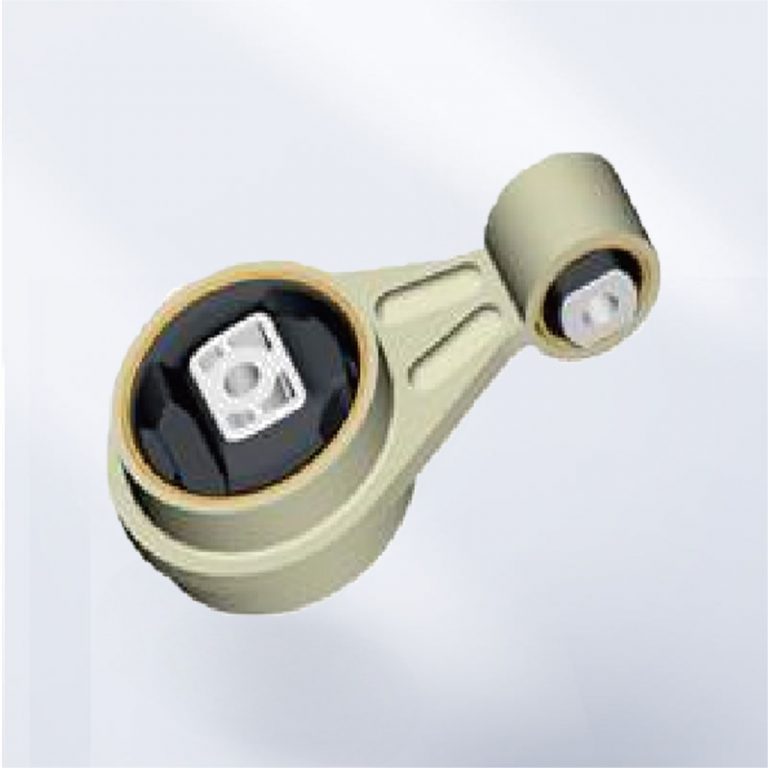
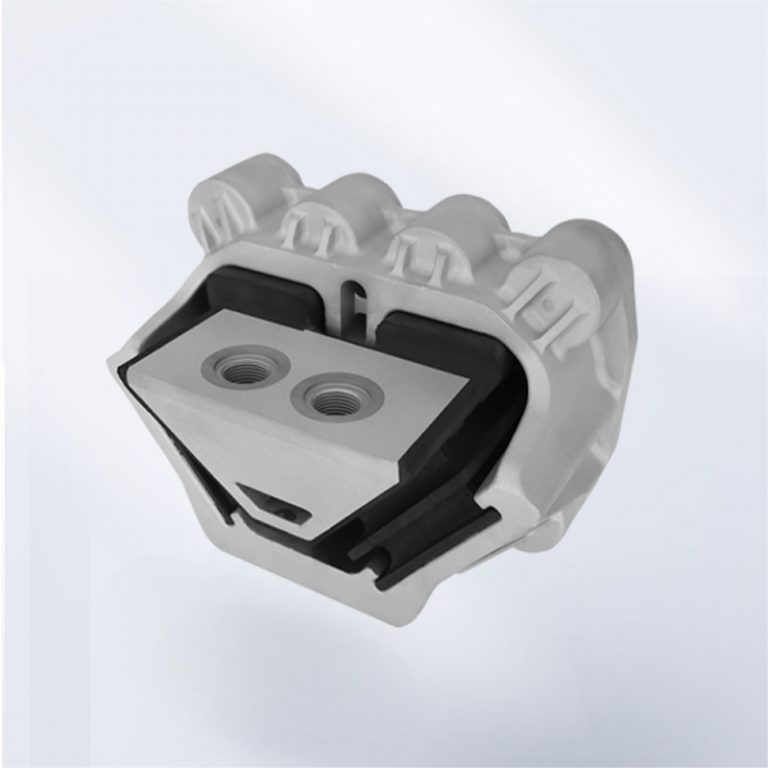
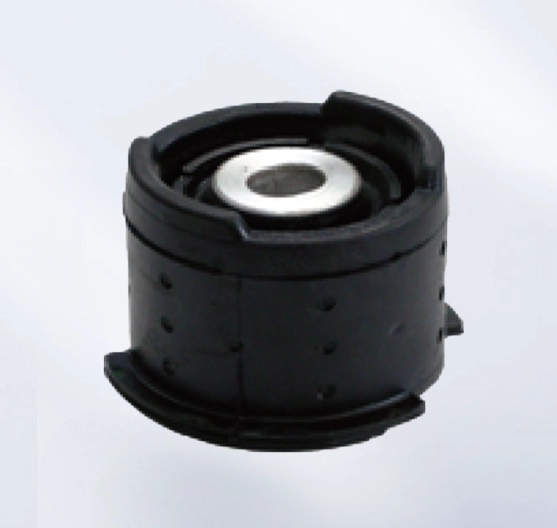
High-strength steel alloys and ceramics form the basis of bearings which provide resistance to heavy loads and fast rotation and temperature changes. The mechanical applications of bushings use engineered plastics and elastomers to achieve flexibility and wear resistance. The Rubber Bushing product achieves torsional flexibility through its metal-plastic-rubber design which protects against extreme temperatures and corrosion. The product demonstrates excellent performance in high-temperature environments and shows resistance to corrosion and wear and maintains its tension strength.
Application Contexts and Operational Environments
Transformer bushings serve as essential components in substations and circuit breakers and power transformers because they need to handle demanding operating conditions that demand strong dielectric properties and low leakage current. The operation of rotating machinery depends on bearings which need to handle both axial and radial forces while keeping the equipment properly aligned.
Rubber-metal hybrids function best in automotive applications because they withstand environmental stressors which include moisture exposure and oil contact and temperature variations.
How Do Bushings Serve Different Roles Across Industries?
Bushings exist beyond their basic definition because they serve different purposes across various industries.
Electrical Insulation in Power Transmission
Power systems require bushings to protect high-voltage conductors from grounded structures through insulation. The safe operation of systems depends on bushings because they stop electrical discharges from occurring between transformer housings and switchgear assemblies.
The position requires strict compliance with IEC and ANSI international safety standards to avoid dangerous electrical system breakdowns.
Vibration Damping in Automotive Systems
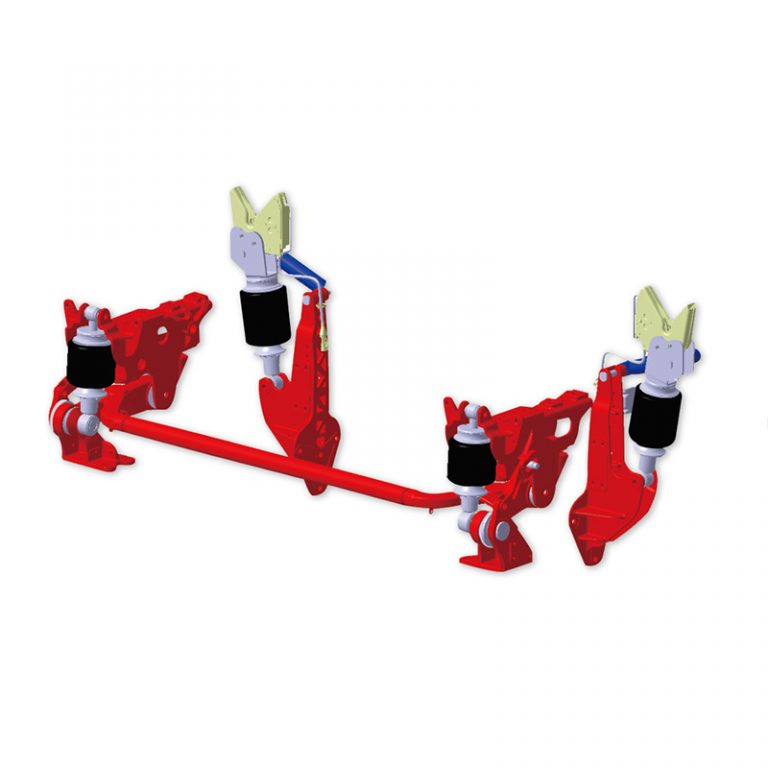
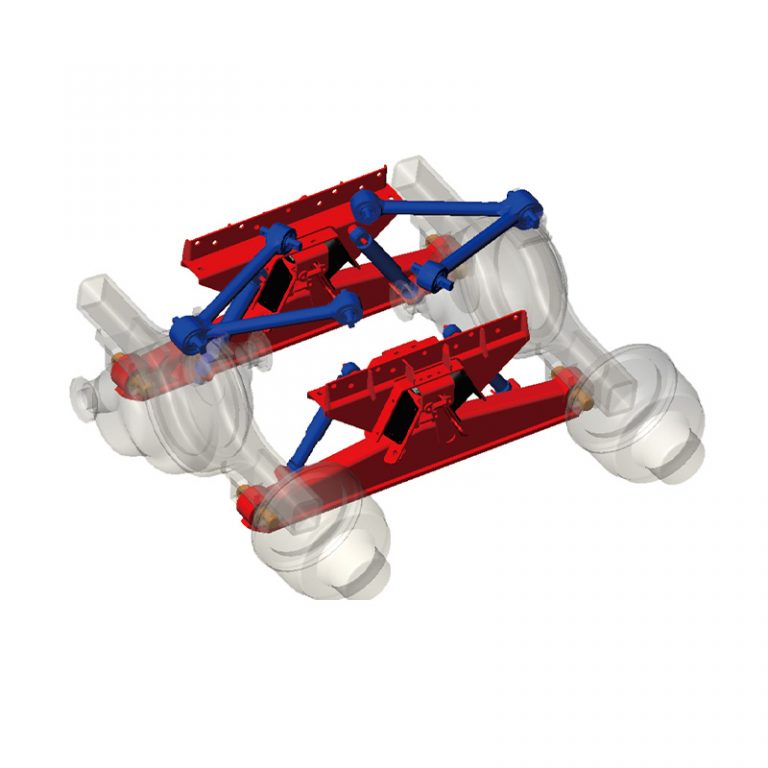
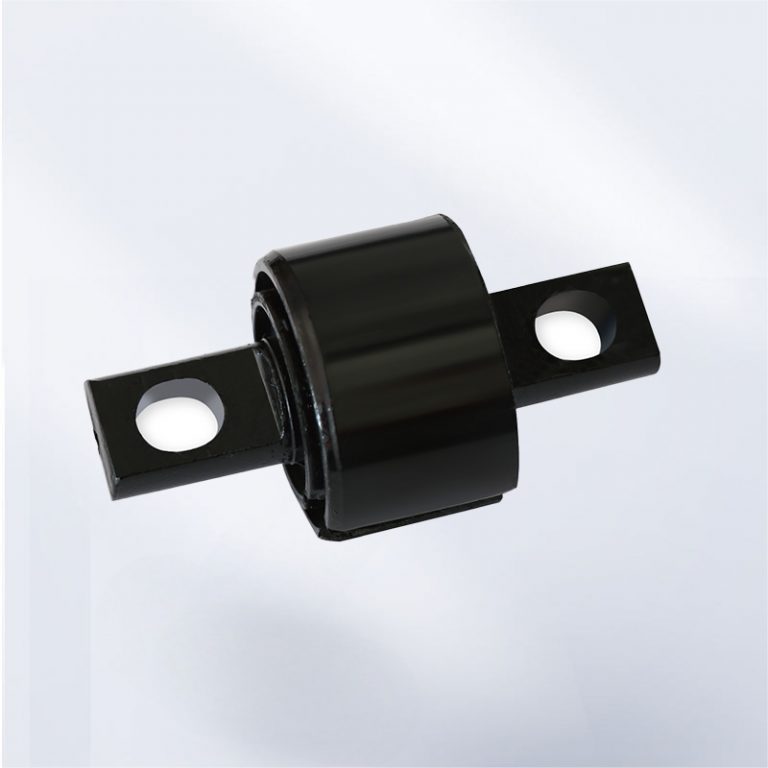
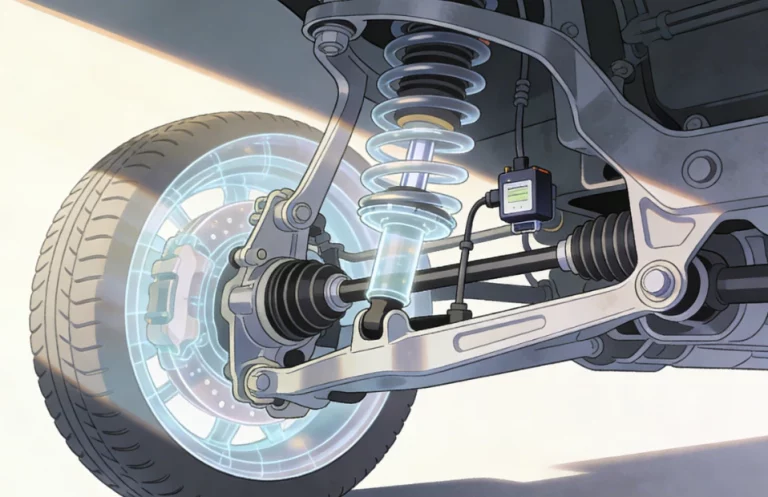
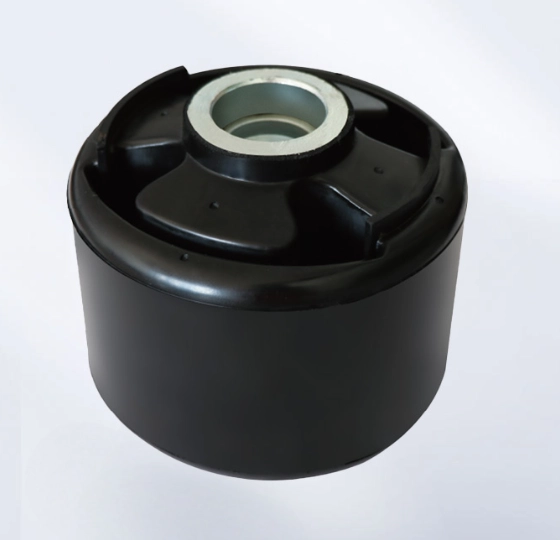
Vehicle bushings function to separate suspension and chassis frame vibrations. The Stabilizer Bar Bushing serves as an example of this function because it controls torsional movements while it minimizes vibrations from road surfaces. The bushing allows vibrations to disappear when it experiences low pull forces from the sides. The bushing provides enhanced stability through its up-down grip force which creates a solid riding experience.
The system features which absorb shock loads directly improve driving comfort and extend the life of components.
Alignment and Load Distribution in Rotating Assemblies
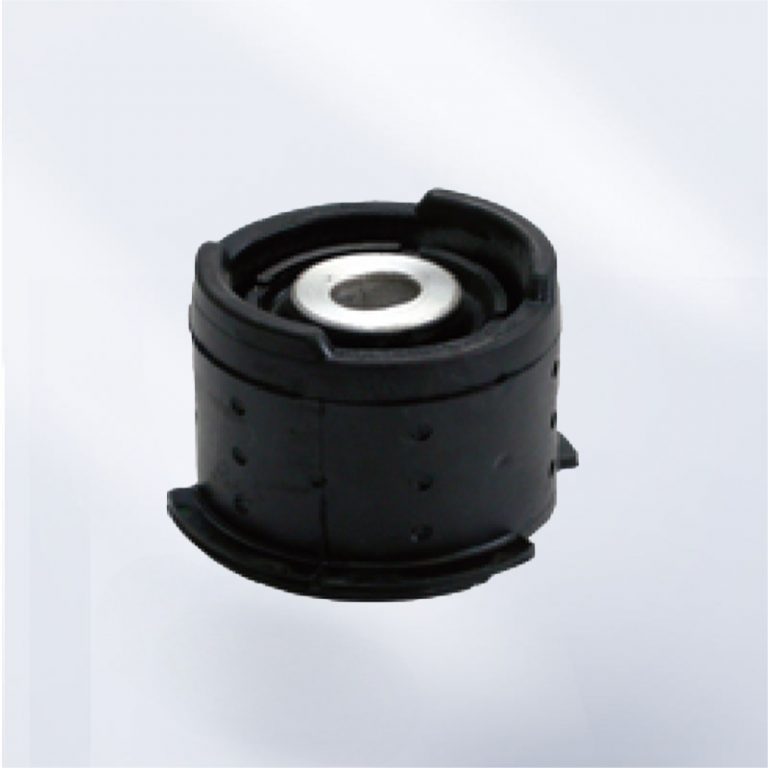
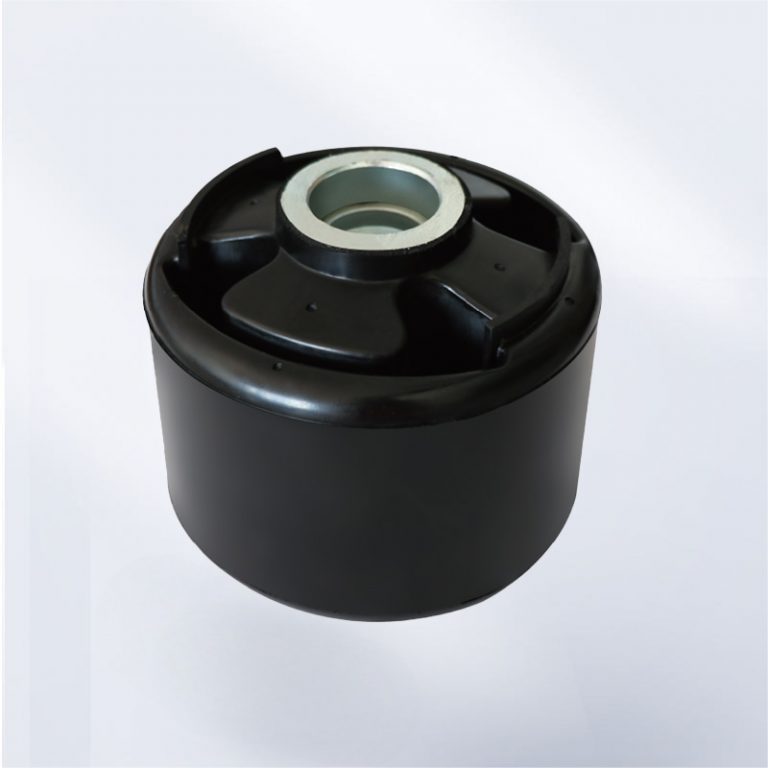
The design of certain bushings focuses on handling dynamic loading conditions. The Balance Shaft Bushing functions as a rotational alignment component which maintains engine part positioning during stress changes. The bushing allows movement in two directions while checking the stability of twist angles.
The bushings achieve better mechanical performance through their ability to control both radial and axial movements while maintaining their durability.
Why Is the Mechanical Function of a Bushing Distinct from That of a Bearing?
The two components enable movement through distinct methods which handle loads and friction in different ways.
Load Absorption Versus Load Transfer
The main function of bushings is to absorb impacts while reducing vibrations through elastic material deformation and sliding surface contact. The design of bearings focuses on transferring loads through rolling elements which reduce friction to a minimum.
A bearing enables smooth rotation with minimal resistance but a bushing functions to protect adjacent components by isolating their motion.
Friction Management Strategies
The design of bearings includes rolling elements which are balls or rollers that operate between inner and outer races to minimize surface contact areas. The operation of bushings depends on surface sliding which can be enhanced through lubrication or material properties that create low friction.
Motion Accommodation Capabilities
The design of bearings enables them to handle both continuous spinning and oscillating movements during their extended operational period. The bushings system enables angular movement within specific boundaries while providing superior damping performance.
The design of bushings makes them better for suspension systems because they do not need to rotate completely.
In What Ways Do Meichen’s Bushings Align with Industry-Specific Requirements?
The development of precise solutions for specific operational environments becomes necessary to fulfill industry requirements.
Custom Material Formulations for Harsh Environments
The Meichen Stabilizer Bar Bushing features rubber compounds which have been specifically designed to handle automotive conditions by providing thermal stability and chemical resistance. The materials used in this component allow it to withstand loading forces while keeping its operational capabilities throughout all temperature ranges.
The formulations maintain compatibility with all substances that vehicles encounter including lubricants and road salts and other harsh agents.
Precision Manufacturing for Dimensional Accuracy
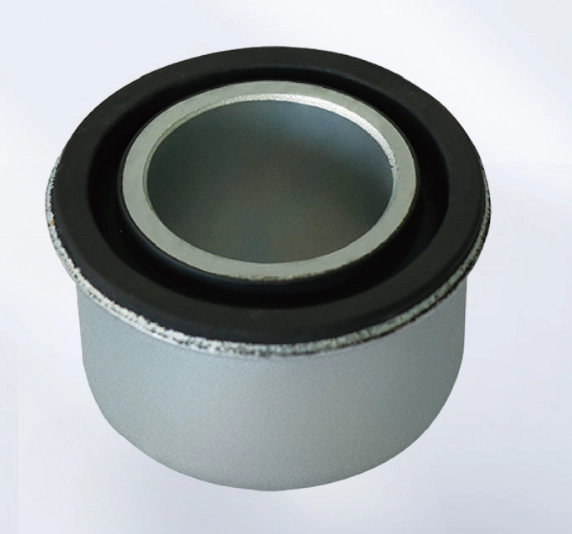
The production process of Meichen’s Balance Shaft Bushing follows strict tolerance standards to achieve perfect fit and operational stability when the part experiences dynamic stress. The precise dimensions of the part prevent engine damage through misalignment which would lead to long-term engine problems.
Application-Specific Design Innovations
The different bushings feature specific designs including flanges and internal grooves which match their designated uses. The built-in features enable engineers to merge these components directly into complex systems without requiring additional changes.
How Does the Selection Process Differ Between Transformer Bushings and Bearings?
Performance Criteria Based on Operational Conditions
The selection of transformer bushings depends on two main factors which include insulation requirements for voltage rating and creepage distance and partial discharge levels and environmental conditions including humidity and altitude.
The selection of bearings depends on mechanical characteristics which include RPM speed and radial and axial load capacity and operating temperature range and lubrication conditions.
The performance matrix shows different characteristics because the engineering requirements for insulation and rotation operate under separate conditions.
Regulatory Standards and Compliance Factors
The IEC 60137 and ANSI C57 standards require electrical components including transformer bushings to meet requirements for both dielectric strength and structural integrity.
The ISO and ABEC classification systems determine bearing specifications through their dimensional tolerance and load capacity and speed ratings which depend on the application between industrial machinery and consumer electronics.
Lifecycle Considerations and Maintenance Demands
Transformer bushings require periodic insulation resistance testing to check for signs of aging or contamination.
Bearings need scheduled lubrication and periodic checks for wear and misalignment to prevent operational failure and seizure.
What Role Does Material Science Play in Bushing Versus Bearing Performance?
The core of bushing and bearing operation depends on material engineering which optimizes distinct performance characteristics.
Dielectric Versus Mechanical Properties of Materials
The selection of bushing materials focuses on dielectric strength through epoxy resin because it prevents electrical failure when exposed to voltage stress. The design of bearings focuses on three main properties which include hardness and fatigue resistance and thermal conductivity to handle continuous dynamic loads.
Composite Versus Metallic Construction Approaches
The insulation integrity of transformer bushings depends on layered composites but mechanical bushings use metal-rubber combinations for flexibility while maintaining durability according to the Rubber Bushing design.
Environmental Resistance Capabilities
The Rubber Bushing from Meichen operates effectively against oil exposure and ozone damage and extreme temperatures which makes it suitable for undercarriage applications. The surface treatment of bearings or sealed housing designs protects them from wear caused by their constant motion contact.
How Can Meichen’s Product Line Support Engineering Design Decisions?
The reliability of your system depends on the components you choose because they determine both noise reduction and alignment stability performance.
Versatile Product Range Across Automotive Applications
Meichen provides Stabilizer Bar Bushing as a specialized solution for suspension systems which need to withstand high torsional stress. The components maintain both comfort and performance levels during demanding driving situations.
Engineering Support for Custom Specifications
Meichen produces OEM-compliant products through mold shaping and extrusion and plastic injection technologies which follow client-specific requirements. The company provides professional system solutions to support worldwide automotive supply chain operations.
Integration into High-Performance Systems
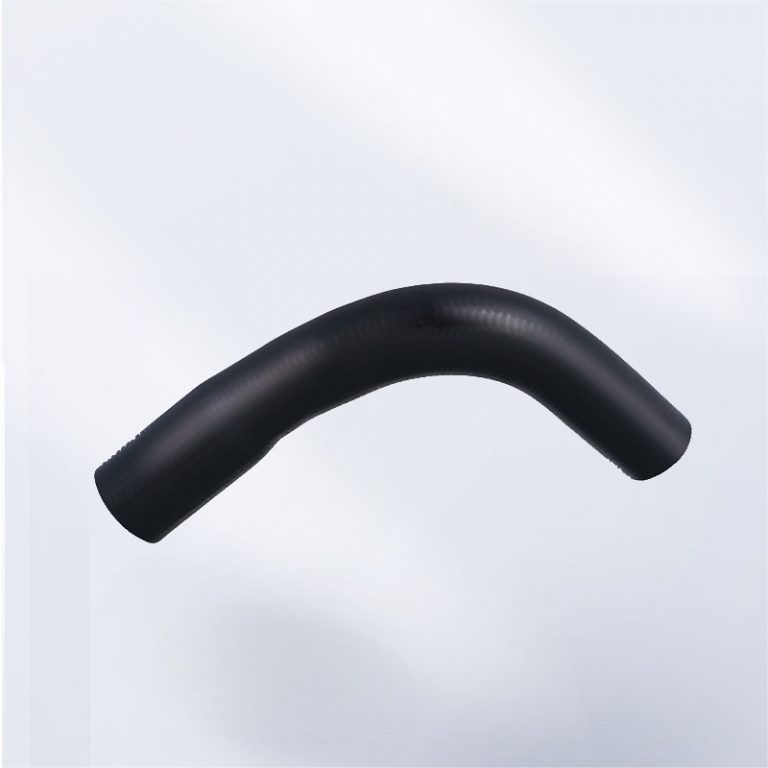
The products include Balance Shaft Bushings for engine blocks and chassis-integrated Rubber Bushings which help absorb road shocks to create smoother integration with complex assemblies while enhancing overall durability.
FAQ
Q1: What distinguishes transformer bushings from bearings in their design?
A: Transformer bushings protect high-voltage conductors through grounded barriers while bearings minimize friction between rotating components.
Q2: Which materials are used in transformer bushings?
A: The materials used for transformer bushings include porcelain and epoxy resin and composite insulators because they provide high dielectric strength.
Q3: What role does a rubber bushing play in automotive systems?
A: The rubber bushing works to reduce vibrations while it maintains structural support for both axial and radial movements and controls torsional deflections in suspension systems.
Q4: What essential elements should you evaluate when deciding between using a bushing or a bearing?
A: The selection process requires assessment of load types between impact and rolling and evaluation of motion needs from restricted to uninterrupted operation and assessment of material suitability and environmental conditions.