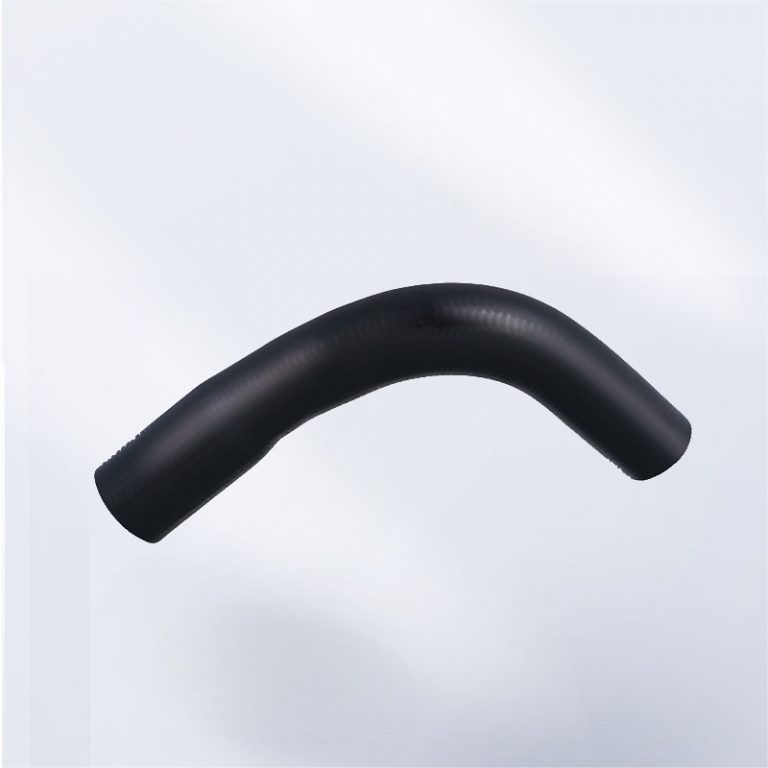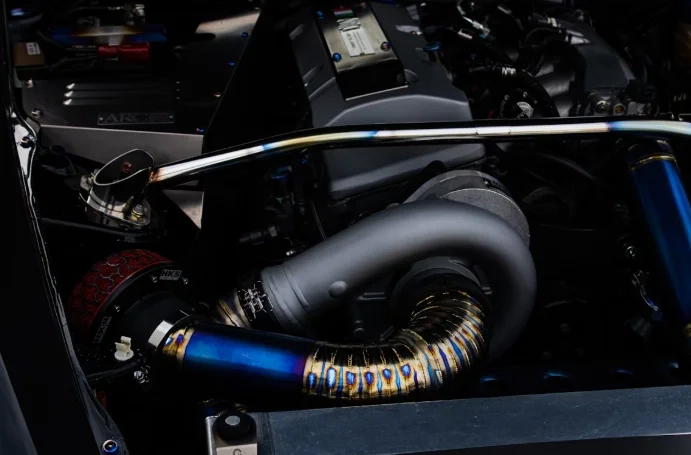
The intake hose functions beyond its role as a connector because it plays a crucial role in maintaining optimal airflow while regulating temperature and resisting chemicals in performance-driven automotive and industrial systems. The rising complexity of engine environments has led professionals to choose silicone intake hoses because they deliver superior durability and efficiency and extended system reliability.
The company Meichen offers high-performance intake solutions that you should consider. Meichen started operations in 2004 at Zhucheng in Shandong Province and evolved into a worldwide market leader through its 1,800 employees and 1.55 billion yuan annual revenue. The national high-tech enterprise Meichen operates from Zhucheng Shandong Province to provide automotive suspension systems and vibration reduction systems and fluid delivery systems. The company’s advanced research and development capabilities and dedication to quality excellence have earned Meichen a position as a reliable business partner for both original equipment manufacturers and aftermarket customers. The silicone intake hoses from Meichen provide unmatched performance for any vehicle design between passenger cars and heavy-duty machinery.
Why Is Silicone a Preferred Material for Intake Hoses?
Silicone provides better performance than conventional materials when used in intake hose applications because of its molecular structure which withstands harsh engine conditions.
Enhanced Thermal Stability and Temperature Resistance
Silicone works well in engine compartments because it keeps its properties stable when exposed to broad temperature ranges. The material maintains its elastic properties and sealing function even when temperatures exceed 200°C which differentiates it from other rubbers that start degrading at high temperatures. The material maintains its shape and prevents deformation and collapse when exposed to engine operation temperatures.
Superior Flexibility Across a Wide Temperature Range
The normal operating temperature range of conventional rubber hoses leads to stiffening and cracking when exposed to temperature variations. Silicone maintains its flexibility when operating in temperatures ranging from sub-zero to high-heat zones that turbocharged or supercharged engines generate. The flexible nature of silicone hoses decreases the stress on connectors and fittings while keeping seals tight during temperature changes.
Long-Term Durability Without Material Fatigue
The repeated application of stress to materials leads to fatigue failure which silicone resists because of its cross-linked polymer structure. The cross-linked polymer structure of silicone provides it with resistance to degradation which enables it to surpass standard rubber compounds in longevity tests thus making it suitable for extended service periods.
How Does the Performance of Silicone Compare to Rubber in Engine Environments?
The use of rubber in air intake systems has been common because of its low cost but silicone outperforms rubber in all critical engine-related performance characteristics.
Resistance to Oil, Coolant, and Chemical Exposure
The intake hoses in real-world applications face exposure to air as well as small amounts of oil mist and coolant vapor and various other chemicals. The inert properties of silicone protect it from swelling or degradation when exposed to these substances because rubber materials tend to soften or crack based on their chemical makeup.
Improved Airflow Efficiency Due to Smoother Inner Surfaces
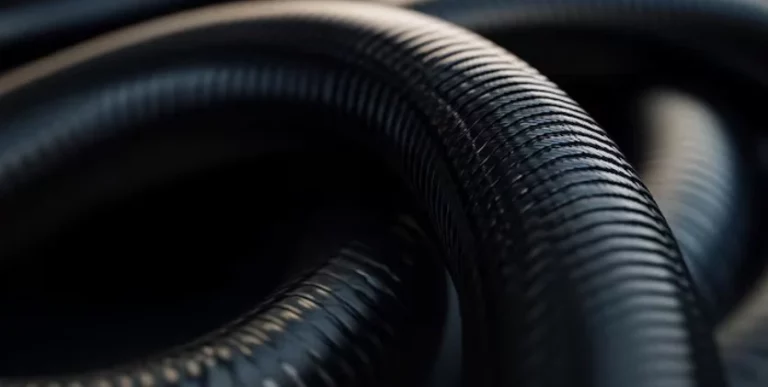
The production of silicone hoses includes smoother inner linings than rubber hoses do. The smooth inner surface of silicone hoses reduces airflow turbulence which enables better combustion process efficiency in high-performance engines.
Reduced Maintenance Frequency and Longer Service Life
The product lifespan of silicone extends because it does not experience the typical rubber problems of cracking and hardening which need frequent replacements. The reduced need for maintenance results in lower operational expenses and less time spent on downtime for both fleet operators and industrial users.
What Are the Mechanical Advantages of Silicone Intake Hoses?
Silicone provides system integrity under pressure through its mechanical advantages which go beyond its chemical resistance and thermal stability.
Higher Burst Pressure Tolerance
The internal pressure resistance of silicone hoses reinforced with polyester or aramid layers exceeds that of regular rubber hoses. The boost pressure increases quickly during turbocharged engine acceleration so this feature becomes essential.
Better Vibration Dampening and Noise Reduction
The rigid structure of engines enables vibrations to pass through which leads to noise generation and damage of engine components. The elastic properties of silicone enable it to absorb vibrational energy better than rigid materials which minimizes resonance effects in the air intake system.
Retention of Structural Integrity Under Stress
The material maintains its shape when exposed to clamping forces or tight bending during installation because it does not kink or collapse which allows continuous airflow through the compact engine bays of passenger cars and construction equipment.
What Ways Do Silicone Hoses Contribute to System Reliability?
The reliability of a system depends on its ability to function steadily under different operating conditions and silicone proves itself as an ideal engineered material for this purpose.
Consistent Performance in Harsh Operating Conditions
Silicone maintains its functional characteristics when exposed to road salts during winter driving and high ambient temperatures on construction sites without needing regular inspection or replacement schedules which is essential for commercial vehicle applications.
Lower Risk of Cracking, Hardening, or Degradation Over Time
Rubber compounds experience oxidation reactions that result in surface cracks which damage the sealing performance. The oxidative degradation process of silicone occurs at a slower rate than rubber compounds which results in longer service intervals under equivalent operating conditions.
Compatibility with High-Performance Engine Applications
The high-output engines need more airflow at elevated pressure levels but hose deformation will create restrictions that reduce peak performance. The structural strength of silicone prevents any collapse or loss of volumetric flow rate during full throttle operation which makes it suitable for turbocharger connections in Air Intake System products2 solutions.
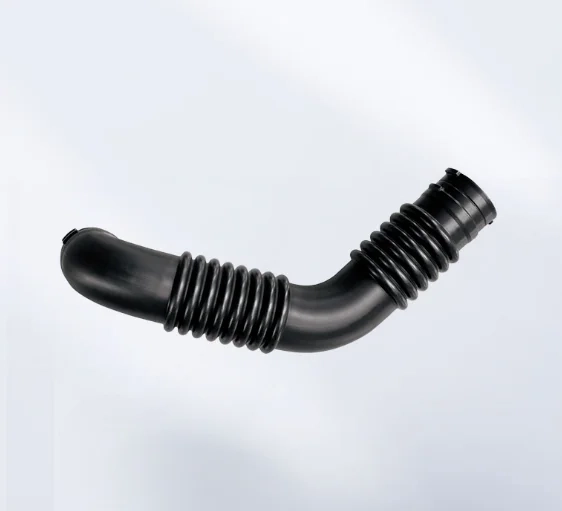
How Does Meichen’s Silicone Intake Hose Stand Out in the Market?
The intake hose supplier market extends widely but Shandong Meichen Industry Group Co.,Ltd stands out because of its advanced technology and extensive manufacturing capabilities.
Precision Engineering for OEM and Aftermarket Applications
This product is used to connect air filter, turbocharger, intercooler and engine for gas transmission medium: Oil and gas mixture. With engineering tailored both for OEM integration as well as aftermarket upgrades—their silicone intake hoses meet exacting dimensional tolerances demanded by global automotive brands.
Compliance with Global Quality Standards (ISO/TS Certifications)
The company follows strict quality management systems that meet ISO/TS certification standards to achieve consistent quality in its mass production runs which becomes essential for worldwide vehicle platform expansion.
What Should Professionals Consider When Choosing Between Silicone and Rubber?
The decision between silicone and rubber materials should avoid focusing only on initial expenses because it needs a complete assessment of operational requirements from start to finish.
Application-Specific Requirements (Temperature, Pressure, Fluids)
Assess the environmental factors which include temperature fluctuations between hot and cold conditions and the internal pressure effects from turbo and supercharger systems and the compatibility of fluids with oil vapors and coolants that can leak into the intake system through crankcase ventilation.
Total Cost of Ownership Over Product Lifecycle
The initial cost advantage of rubber alternatives does not outweigh the long-term benefits of silicone because its extended lifespan leads to lower total operating costs through reduced replacement needs for commercial fleets that run continuously.
Manufacturer Reputation and Product Warranty Support
Your procurement decisions gain engineering accountability through technical documentation support from manufacturers who provide warranty coverage as demonstrated by Meichen’s Air Intake System products4 which serve durability-critical environments.
FAQ
Q1: What makes silicone intake hoses superior to traditional rubber options?
A: Silicone intake hoses offer enhanced durability, resistance to high temperatures, and flexibility compared to traditional rubber hoses. They withstand harsher conditions, last longer, and provide better performance in high-temperature environments, making them ideal for automotive systems.
Q2: Can silicone intake hoses handle extreme temperatures?
A: Yes, silicone intake hoses are designed to withstand extreme temperature ranges, typically from -55°C to 250°C, making them ideal for high-performance engines that operate in varying climates and tough conditions.
Q3: What are the key benefits of using silicone hoses in automotive systems?
A: Silicone hoses offer superior flexibility, high temperature resistance, excellent aging resistance, and better overall performance in high-pressure applications. These characteristics make them a preferred choice in modern vehicles, particularly in air intake, cooling, and fuel systems.