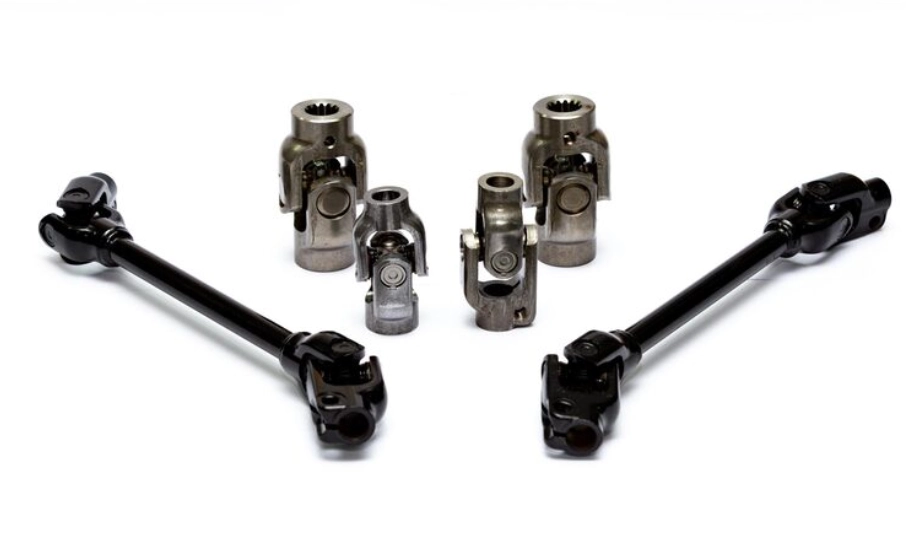
Heavy-duty suspension systems require absolute precision and durability as their fundamental operational requirements. The selection of appropriate components stands as a vital factor for both system durability and operational performance when you need to support commercial vehicles or develop new platforms or replace outdated fleets. The two suspension components thrust rod assemblies and torque rods operate independently from each other although people commonly mix them up because they have different mechanical functions.
Meichen offers advanced suspension solutions through their exceptional portfolio which results from their domestic innovation and worldwide support network. The national high-tech enterprise Meichen was established in 2004 at Zhucheng headquarters where it operates from 311,000 square meters of space with more than 1,800 employees. Meichen leads the automotive component manufacturing industry through its 1.55 billion yuan sales in 2023 while serving both passenger vehicles and construction machinery markets. The company has established its reputation through its commitment to quality control and engineering precision and its wide range of products designed for demanding performance applications.
What Defines a Thrust Rod Assembly in Heavy-Duty Applications?
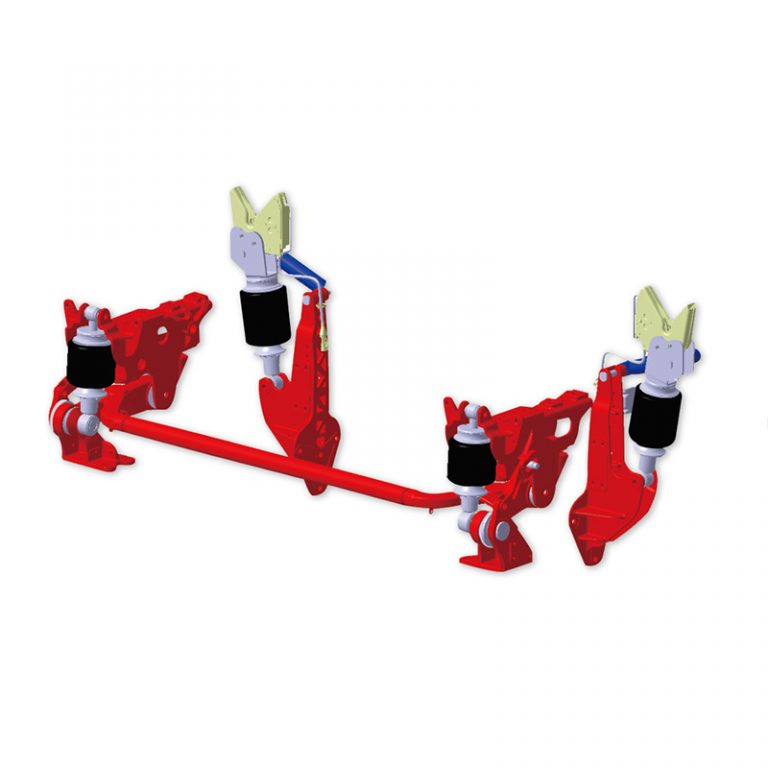
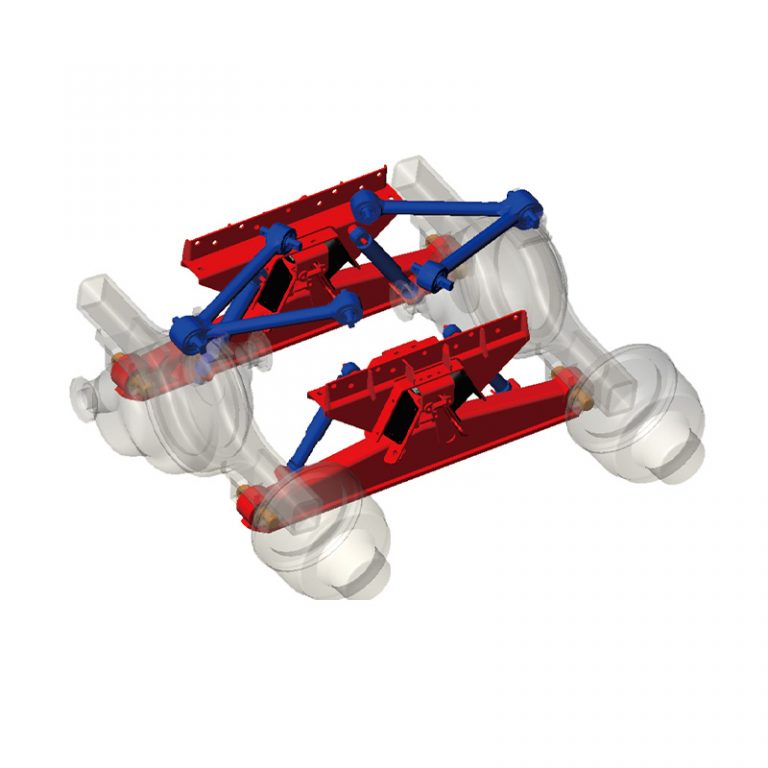
The suspension systems of commercial and industrial vehicles depend on thrust rod assemblies as their basic structural components. The components function to handle axial forces while keeping the axle and chassis properly aligned during all operational movements.
Structural Composition and Function of Thrust Rod Assemblies
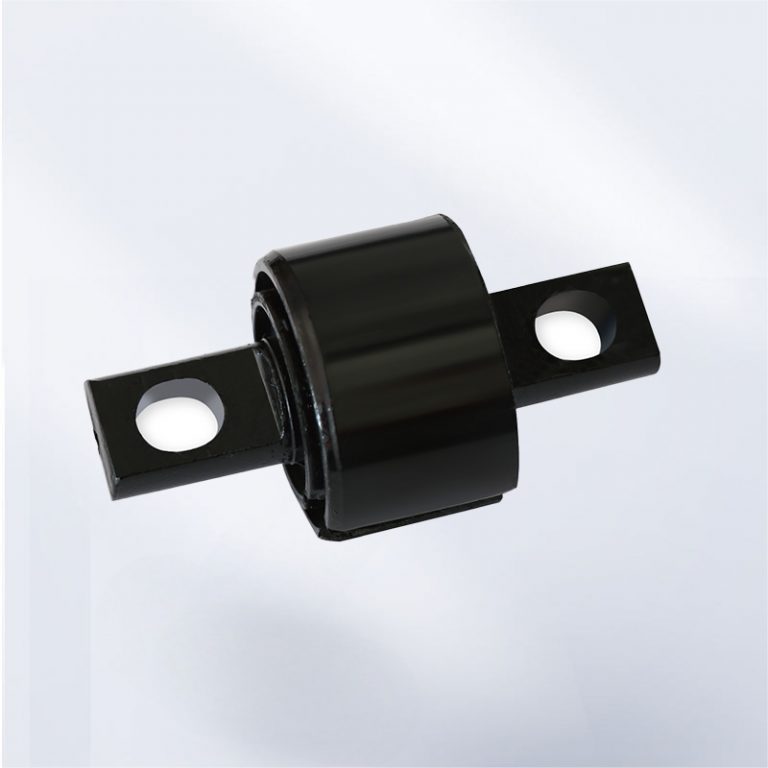
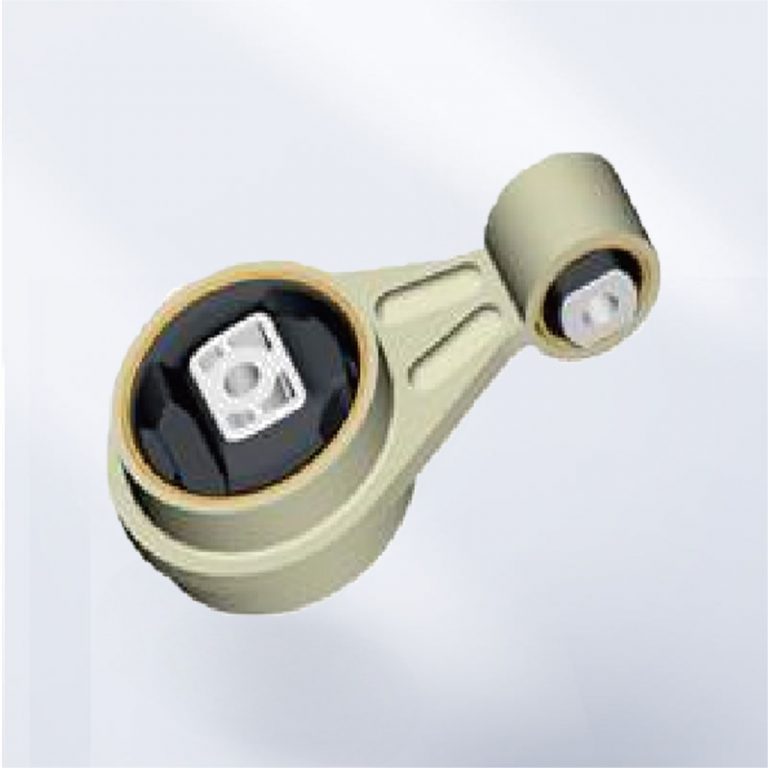
A thrust rod assembly contains a solid rod body with bushings or bearings installed at both ends. The bushings enable controlled movement while they absorb shock waves that stem from road surface irregularities. The main purpose of this component is to handle the longitudinal (axial) forces which appear when the vehicle accelerates or brakes. The system maintains axle stability by keeping it fixed to the vehicle frame.
Role of Thrust Rods in Vehicle Suspension Systems
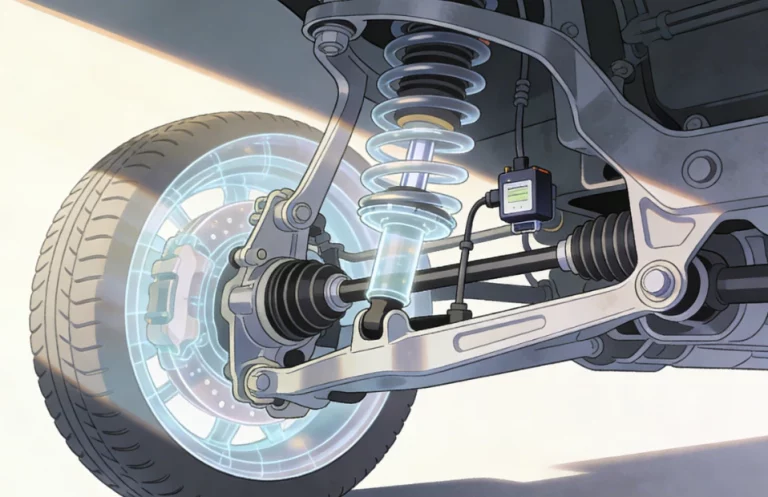
The thrust rods function as stabilizing arms which stop axles from moving forward and backward. The system functions as a whole to maintain wheel alignment stability while minimizing tire and driveline component wear. The components function to absorb vibrations while restricting movement which leads to better ride quality and structural stability.
Meichen’s I-Type Thrust Rod Design and Its Performance Advantages
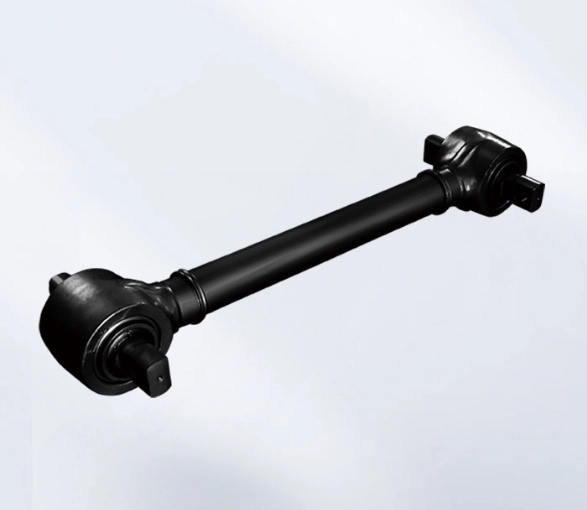
The I-type thrust rod design combines strength with weight efficiency through its streamlined structure which enables better load distribution. The design of this rod enables precise torsional angle control while it reduces stress points where it connects to other components. The design results in extended service duration and reliable performance under different operational settings.
How Do Torque Rods Differ from Thrust Rod Assemblies?
The main difference between thrust rods and torque rods exists in their operational purpose because thrust rods deal with axial forces yet torque rods manage rotational forces that occur when operating the drivetrain. The main difference between these components exists in their operational roles and their placement positions in the vehicle suspension system.
Axial Versus Rotational Force Management
The main function of torque rods is to fight against the rotational forces which pass through the axle housing when the engine produces torque. The system stops axle wind-up through its ability to resist twisting forces that occur along the longitudinal direction. The thrust rods function to stop linear movements which result from braking or acceleration forces that push against the frame rails.
Mounting Orientation and Connection Points
Torque rods receive diagonal or horizontal installation between the axle housing and chassis cross members to achieve maximum resistance against rotational forces. Thrust rods run parallel to the vehicle frame structure to handle straight-line forces better.
Why Are Thrust Rod Bushings Critical to System Integrity?
Bushings function as more than simple filler materials because they convert mechanical forces into workable motions while safeguarding surrounding parts from destructive stress.
Vibration Dampening and Load Distribution Capabilities
A bushing that is properly designed functions to block road surface vibrations while it spreads out the force of impact across the connection points. The system operates longer because the bushing distributes impact forces and prevents rod assembly and vehicle frame components from experiencing excessive fatigue.
Material Composition and Durability Considerations
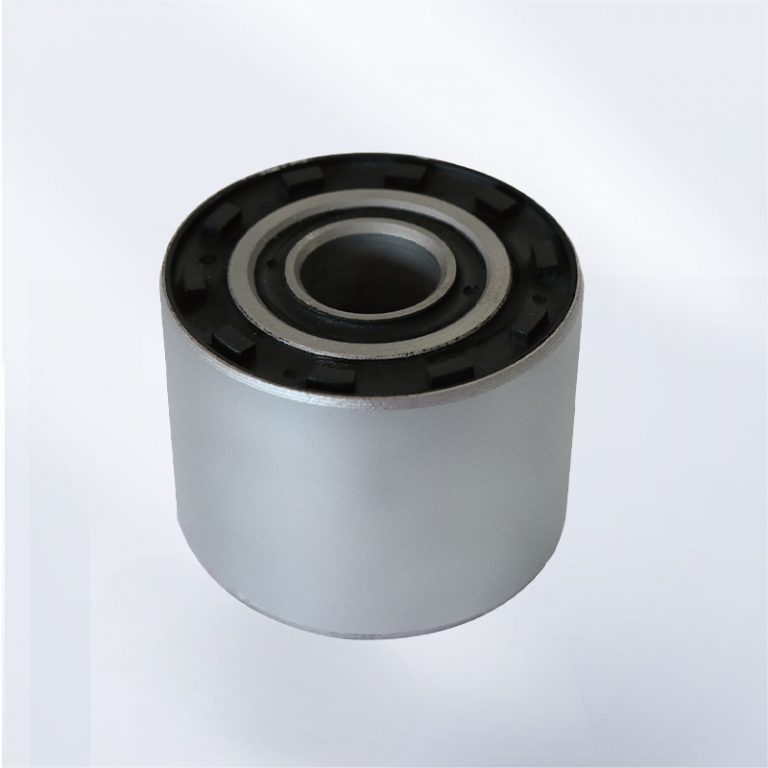
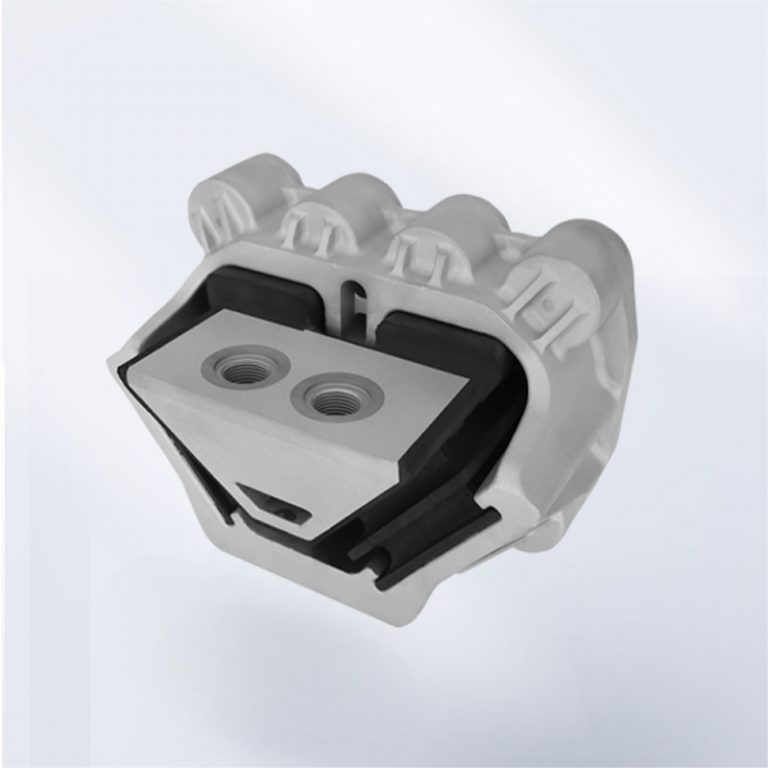
Bushing construction depends on metal materials and engineering plastics and rubber to achieve the right balance between flexibility and durability. The different materials provide unique properties which improve operational performance in various environmental settings.
Meichen’s Advanced Bushing Solutions for Extended Service Life
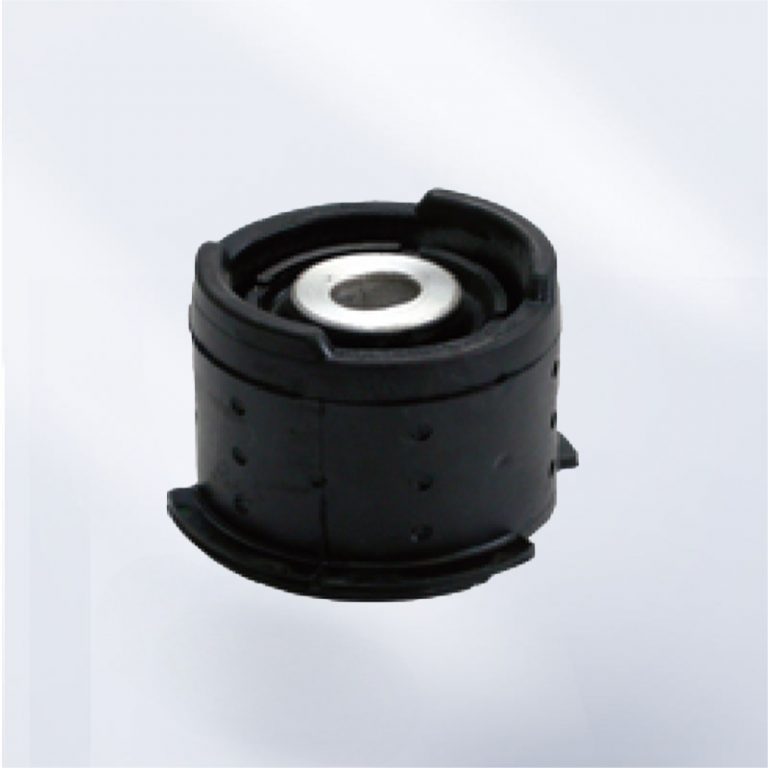
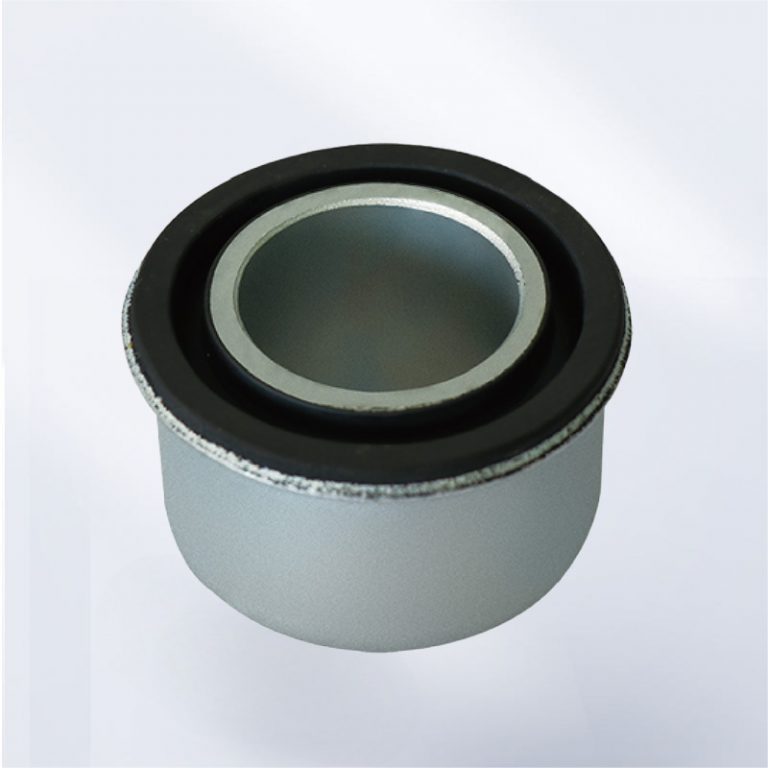
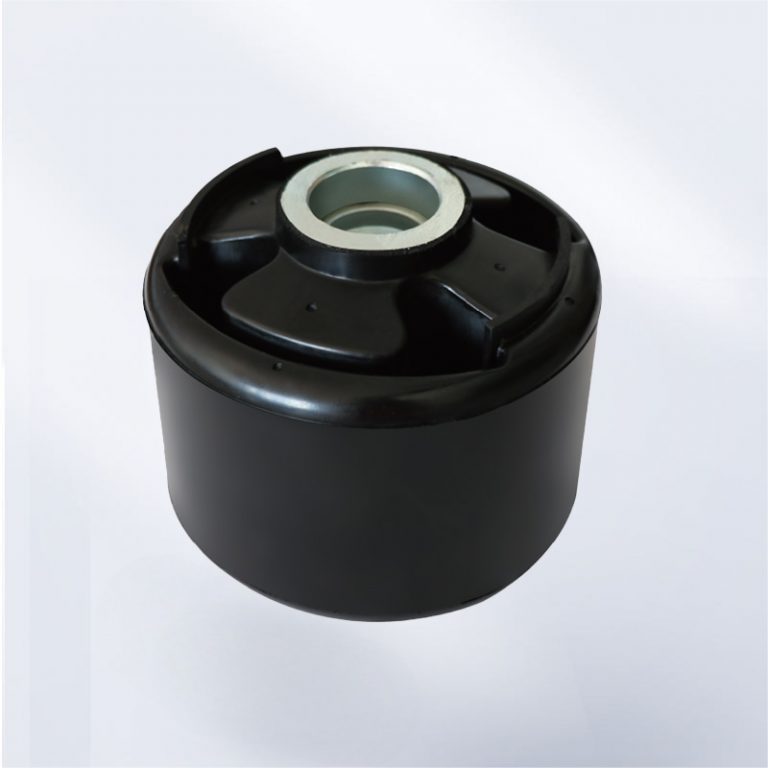
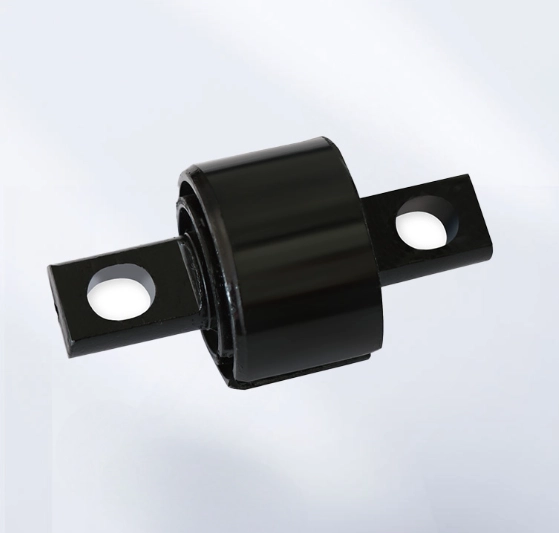
For those seeking high-performance options, thrust rod bushing solutions offer low axial stiffness for good vibration isolation performance combined with high radial stiffness for system stability. These characteristics make them ideal for heavy-duty applications where both comfort and structural integrity are priorities.
What Are the Key Performance Indicators for Thrust Rod Assemblies?
Multiple performance indicators need assessment for reliable operation under harsh conditions when choosing or evaluating thrust rod assemblies.
Load-Bearing Capacity Under Dynamic Conditions
An effective assembly needs to manage changing loads while maintaining its shape and structural integrity. The system must support both stationary weights and moving forces which occur during braking and cornering operations.
Resistance to Fatigue, Corrosion, and Environmental Stressors
Materials experience deterioration when exposed to moisture and salt spray and temperature fluctuations and mechanical vibrations for extended periods. The assemblies maintain their structural integrity through the use of treated metals and sealed bushings which protect them from these harsh conditions.
Testing Standards Met by Meichen’s I-Type Thrust Rod
The I-type thrust rod undergoes thorough testing to verify its fatigue life and tensile strength and environmental resistance performance which exceeds OEM specifications in all operational conditions.
When Should a Thrust Rod Be Replaced or Upgraded?
The replacement of worn-out suspension components at the right time stops the spread of system failures which helps you avoid future maintenance expenses and delays.
Signs of Wear in Bushings or Mounting Points
The following signs indicate a worn-out thrust rod: excessive movement at connection points and visible bushing cracks and metallic noises during operation and uneven tire wear patterns.
Impact of Degraded Components on Suspension Stability
The deterioration of assemblies creates misalignment problems which generates excessive stress on suspension components including springs and shock absorbers. The entire fleet requires more frequent maintenance because worn-out assemblies result in poor handling precision.
Recommended Replacement Intervals with Meichen Components
The actual service intervals depend on usage patterns and environmental conditions but Meichen components are built to last through commercial operations by using durable design elements that reduce equipment downtime and increase return on investment.
How Does Installation Affect the Efficiency of These Assemblies?
The correct installation of premium components stands equally important to product selection because improper setup will cause them to fail early.
Alignment Accuracy and Torque Specifications
The improper alignment of components leads to side-loading that creates excessive wear on bushings and joints. The correct installation of specified torque values remains essential because excessive force can damage internal components and insufficient force will lead to joint loosening when the system experiences vibration.
Influence of Bushing Preload on Operational Efficiency
The amount of initial force needed to start bushing movement depends on preload which determines the tradeoff between ride comfort and control stiffness. The wrong preload values result in either excessive material deformation or premature failure because of excessive interface stress.
Meichen’s Engineering Support for Proper Installation Practices
The global support network of Meichen provides detailed technical documentation which enables you to obtain top-tier products and expert assistance for optimal vehicle platform integration while minimizing risks from incorrect installation procedures.
What Makes Meichen a Reliable Partner for Suspension Components?
The selection of a supplier requires more than cost considerations because it involves choosing partners who deliver lasting value through their ability to ensure product quality and offer diverse products and reliable support systems.
In-House Manufacturing and Quality Control Processes
Shandong Meichen Industry Group Co., Ltd. The company controls its entire production process from raw material acquisition to final assembly testing which results in uniform quality for all products shipped globally.
Broad Product Portfolio Including I-Type and Custom Solutions
Their catalog provides scalable solutions for standard I-type thrust rods and custom applications that match specific chassis geometries and load profiles without sacrificing performance standards.
Global Support Network Through
Their multilingual service teams based in major markets worldwide ensure that support remains accessible to businesses operating in any region or globally.
FAQ
Q1: What is a thrust rod assembly used for?
A: It stabilizes axle positioning by managing axial loads during acceleration or braking within heavy-duty suspension systems.
Q2: How does a torque rod differ from a thrust rod?
A: Torque rods resist rotational forces along the drive axis; thrust rods counteract linear (axial) displacement between axle and chassis.
Q3: When should I replace my thrust rod bushing?
A: Replace it when there’s noticeable noise during movement, visible cracks in rubber components, or increased play at mounting points indicating wear.