Air suspension setups deliver a comfortable journey. They appear in high-end cars and sturdy trucks. Yet, a faulty air suspension leak brings a major fall in function. This impacts the car’s travel ease, control, and protection. Spotting and repairing a leaking air suspension without delay can stop further harm to the setup. It also avoids high repair bills later. This piece explains ways to spot, check, and handle air suspension leaks in practical terms. By following these steps, vehicle owners gain better understanding of common problems. They learn simple actions to keep systems running well over time.

What causes a leaking air suspension?
A leaking air suspension usually stems from various parts breaking down. These parts include air bags, control valves, air lines, or the air pump. As years pass, rubber seals and similar elements in the setup wear out. This happens from constant heat exposure, air pressure, and everyday use. Any crack or opening in the air bags or lines lets air escape. As a result, the vehicle drops low. The pump then labors excessively. Routine care and quick fixes for small troubles help avoid major harm to the whole suspension arrangement. Owners who stay alert notice changes early.
How to diagnose a leaky air suspension?
The initial move in checking a leaking air suspension involves spotting the clues of trouble. When the vehicle dips on a single side, particularly at rest, a leak in an air bag might be the cause. Moreover, the pump making noise more often than normal points to an issue. Unusual sounds like air escaping also signal potential problems. These signs build up gradually. Drivers who pay attention catch them in time. Early detection leads to easier solutions and less expense overall.
What are the symptoms of a leaking air suspension?
A key indicator of a leaking air suspension shows as the vehicle dropping, often on one side. Owners might see the car positioned lower than typical. It could tilt toward one direction, even during parking. Sometimes, the setup does not lift the vehicle upon starting. The pump works extra hard in those moments. Another clue comes as a whistling sound. This suggests air slipping from the system. Additionally, the arrangement struggles to hold proper height while moving. These effects reduce driving comfort. They also raise safety concerns on the road. Recognizing such patterns helps in taking prompt action to restore normal operation.
How to detect air suspension leaks?
Several approaches exist to find air suspension leaks. These range from basic visual checks to detailed methods. Each technique suits different skill levels among owners. Simple ones require minimal tools. Advanced options provide precise results. Combining them ensures thorough evaluation. This leads to accurate fixes without guesswork.
1. Bounce Test: Push firmly on each corner of the vehicle. If it fails to rise back to standard level or keeps moving after you let go, a leak could be present. This quick check reveals suspension weakness. It works well for initial assessments at home.
2. Soapy Water Test: Spread soapy solution over the air bags and lines. Bubbles forming show where air escapes. This method pinpoints exact spots easily. It remains effective for visible components without special equipment.
3. Listening for Sounds: Pay close attention near the air bags and lines for a steady hiss. Such noises often mark leak locations. Quiet environments make this test reliable. It helps in narrow areas hard to reach otherwise.
4. OBDII Scanner: Use an OBDII scanner if available to scan for error messages tied to the air suspension. These codes highlight specific faults. Examples include air bag breakdowns, pump troubles, or direct leaks. This tool offers detailed insights for complex diagnostics. It saves time by guiding repairs directly.
How to fix a leaking air suspension?
Repairing a leaking air suspension means targeting the leak origin. This could involve air bags, lines, the pump, or valves. The following outlines practical ways to handle each part. Step-by-step actions ensure safe and effective work. Proper tools and care prevent added damage during fixes. Owners with basic skills can manage minor issues. For deeper problems, expert help proves wise. Overall, timely repairs maintain vehicle reliability and extend system life.
Step 1: Inspect and replace damaged air springs
Air bags frequently cause leaks in the system. When inspection shows one torn or empty, replacement becomes necessary. Swapping the faulty air bag returns the vehicle’s level and function. Choose reliable substitute parts that fit the exact model requirements. This step restores balance quickly. It also prevents strain on other components. After installation, test the height to confirm proper adjustment.
Step 2: Check hoses and connections
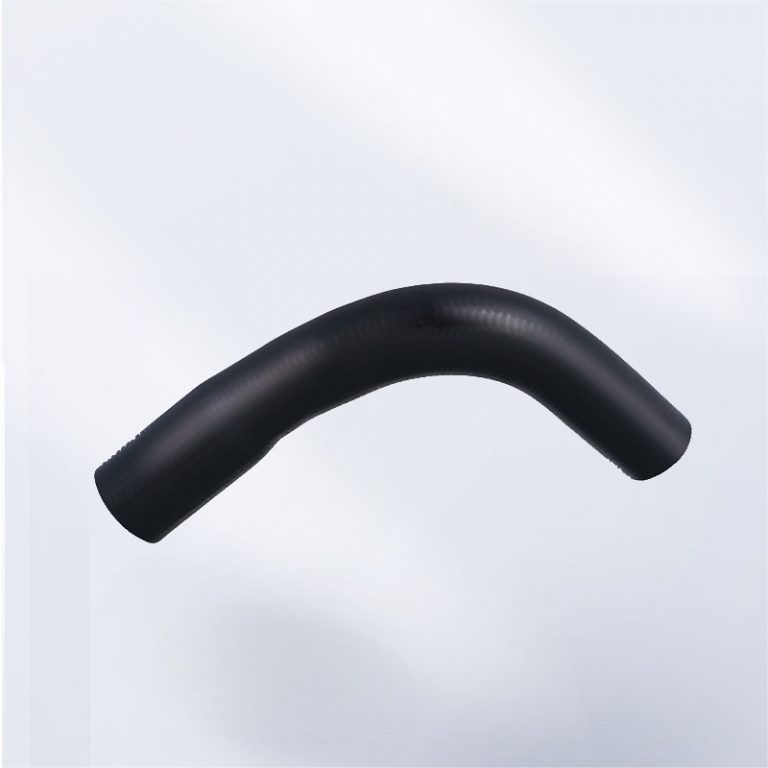
Examine every line and joint for splits, air loss, or general damage. Swap out worn lines right away. Make sure all attachments hold tight to block escapes. These actions stop air from leaving through weak points. Regular reviews catch issues before they worsen. Tight connections maintain pressure levels. As a result, the system operates efficiently. This approach cuts down on frequent maintenance needs over time.
Step 3: Test and replace the compressor if needed
The pump handles air pressure upkeep in the suspension. When it runs too often, it struggles against the leak demand. Testing its output reveals if replacement fits. Installing a new pump resolves ongoing strain. This fix eases the system’s workload. Performance improves noticeably afterward. Monitor usage post-repair to verify normal cycles. Such steps safeguard long-term durability and avoid breakdowns.
Step 4: Consider switching to traditional suspension
When the air setup grows old or repair expenses mount, shifting to a standard coil spring arrangement makes sense. This choice offers greater toughness and steadiness. It involves fewer parts prone to failure. The transition simplifies upkeep routines. Vehicles handle better in varied conditions. For those seeking durable options, this path reduces hassle. It provides peace of mind through reliable travel experiences.
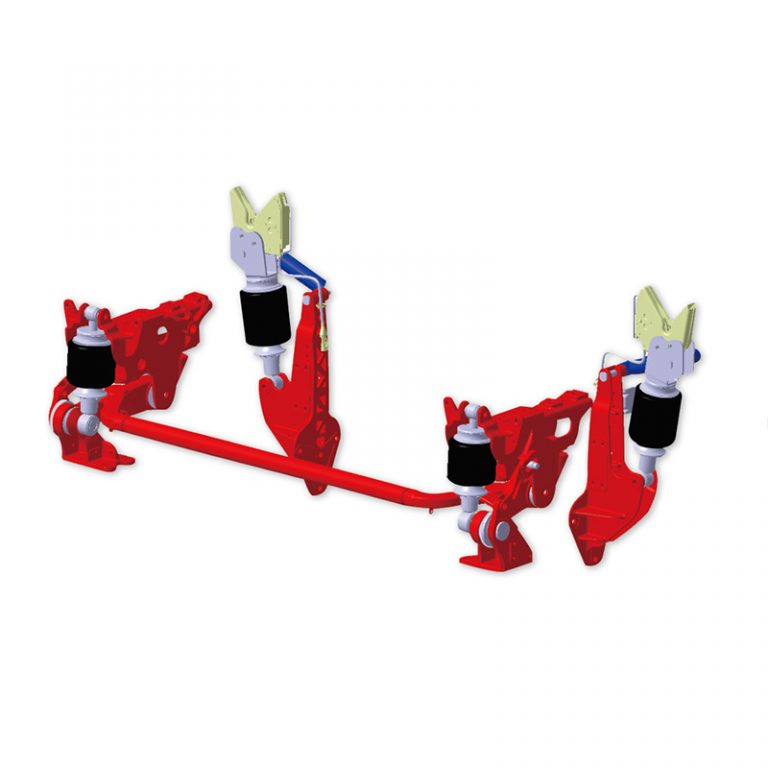
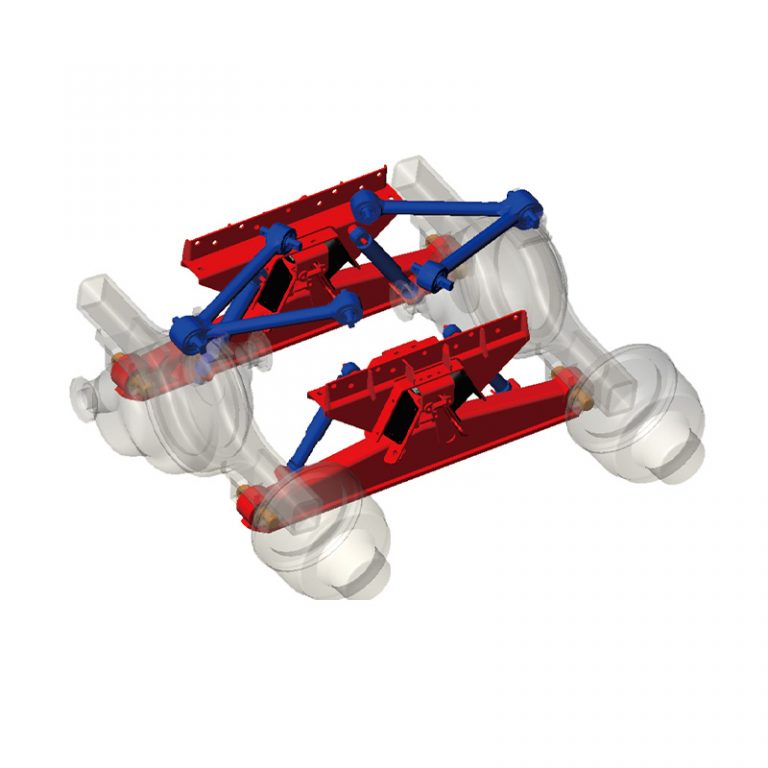
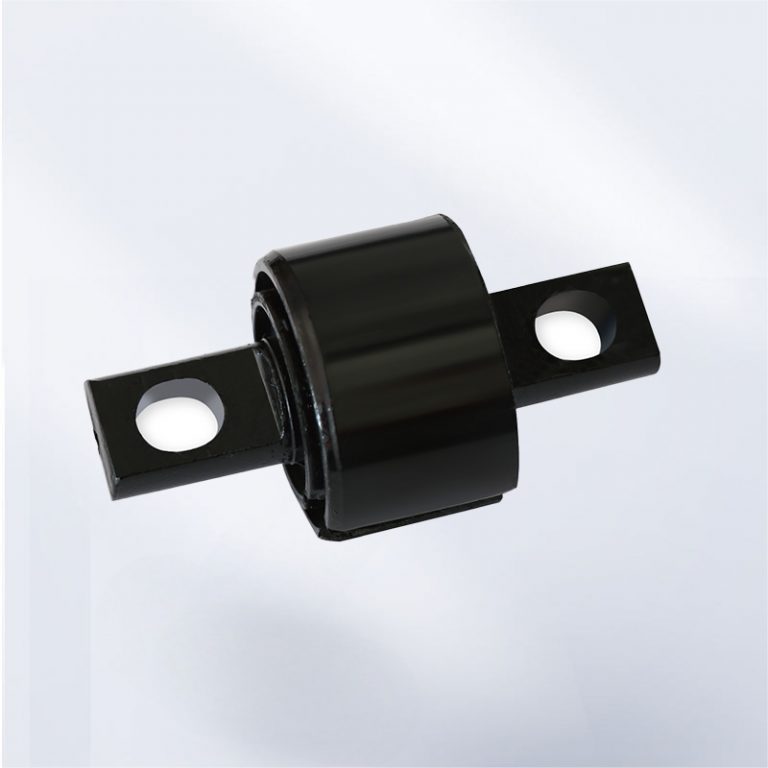
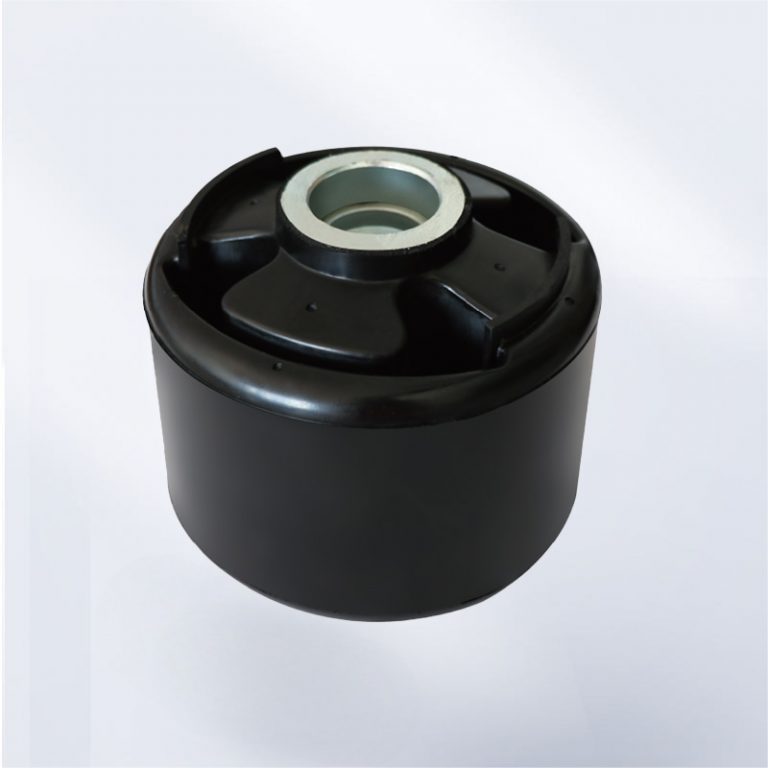
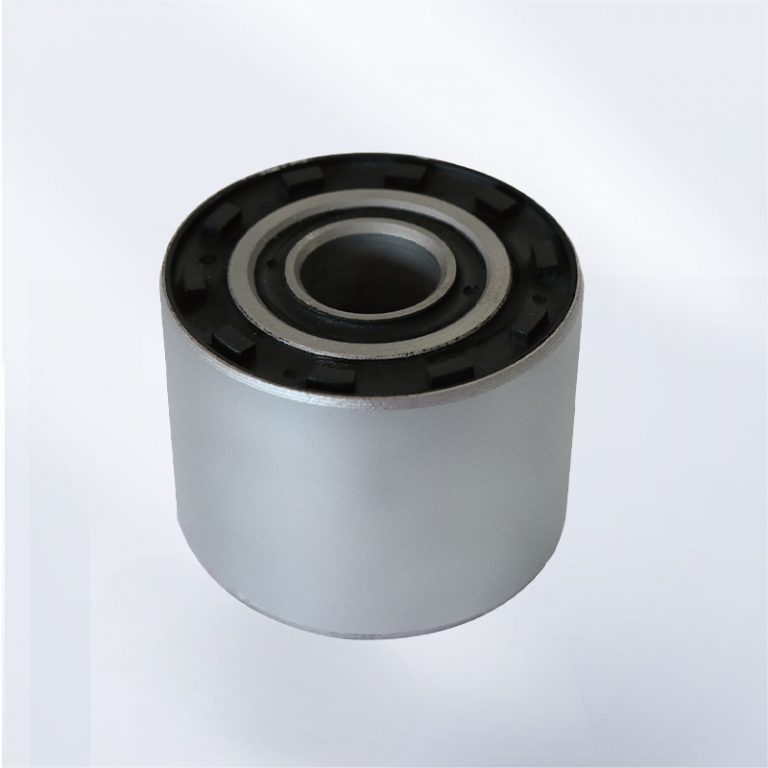
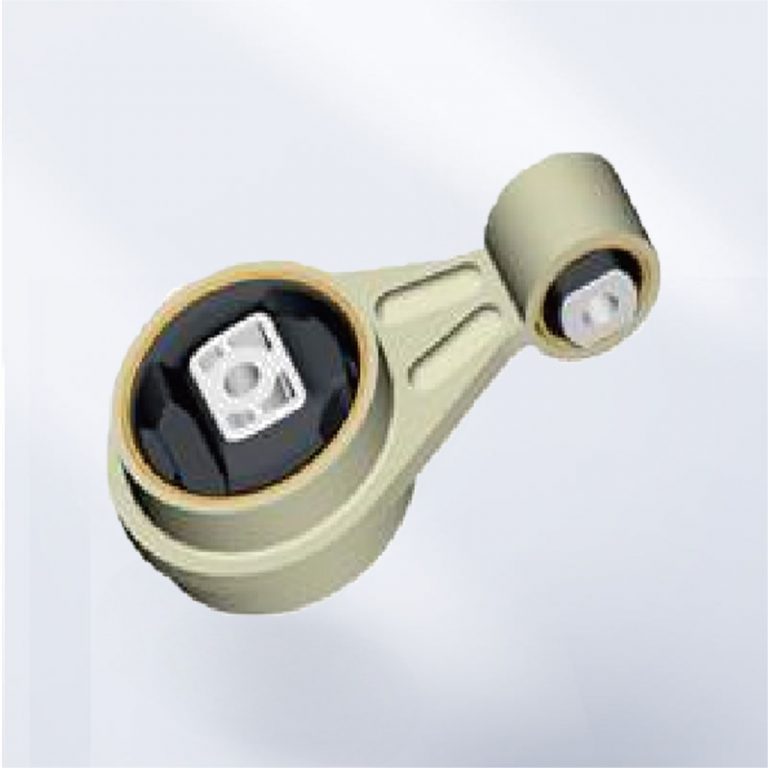
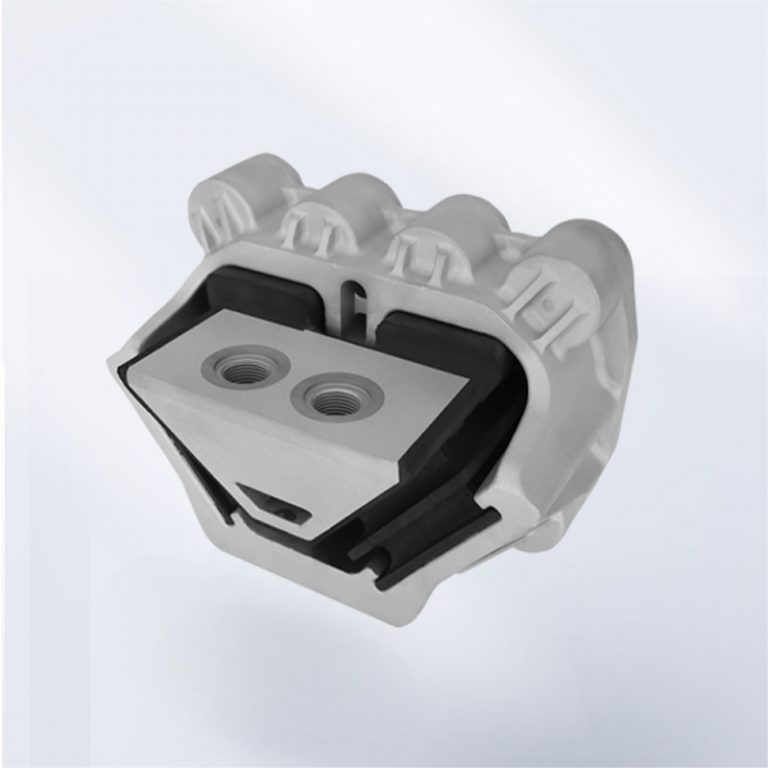
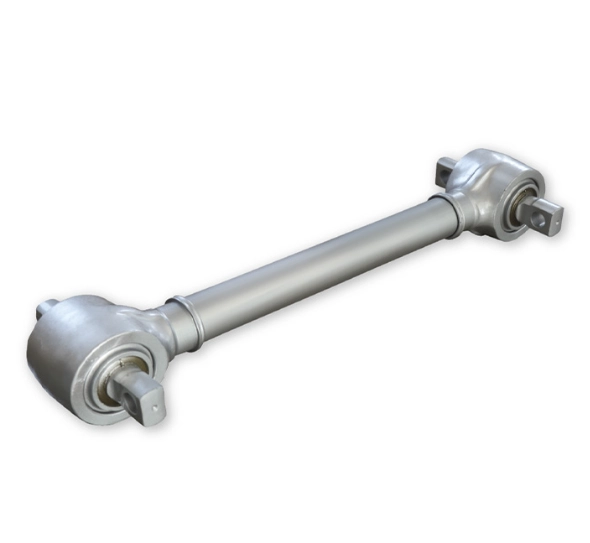
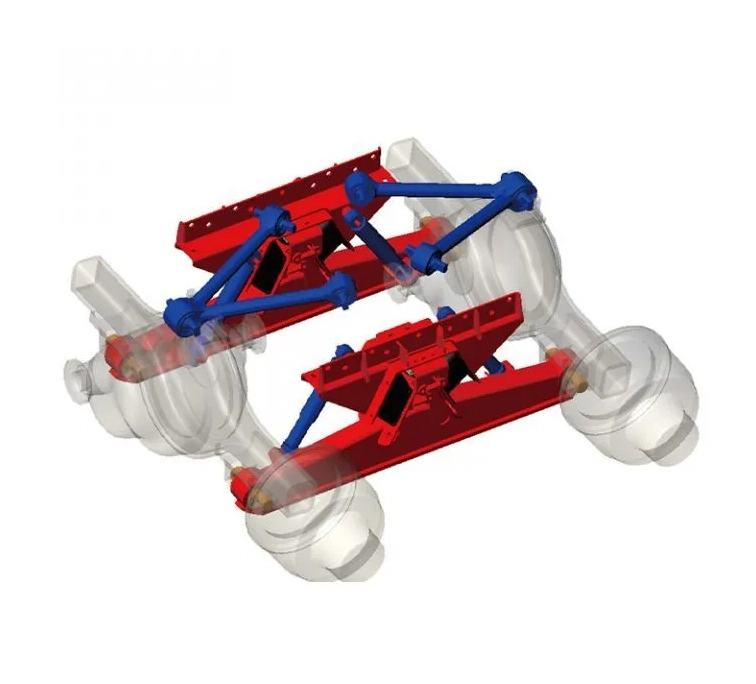
If you’re considering alternatives to air suspension, the Cab Suspension Product could be a great option. It offers a robust solution that ensures excellent vehicle performance under different conditions, making it an ideal alternative for those who want to avoid frequent air suspension repairs. This product stands out for its strong build. It fits various truck models seamlessly. Users report consistent results in rough terrains. Switching to it often lowers long-term costs. It supports better load handling too. Overall, it serves as a practical upgrade for fleet operators and individual drivers alike.
For those seeking dependable suspension solutions beyond standard air systems, Meichen has built a solid reputation in the field of commercial vehicle suspension technology. With years of experience in designing and manufacturing heavy-duty suspension components, Meichen focuses on delivering stable performance, strong load-bearing capacity, and long service life under demanding road conditions. Its cab suspension systems and related products are engineered to reduce vibration, enhance driver comfort, and maintain consistent vehicle stability.
Meichen’s product solutions are widely applied in trucks and commercial vehicles where performance and long-term cost control matter most. By combining advanced manufacturing processes with strict quality control standards, Meichen supports customers who value durability, safety, and consistent ride performance.
If you are evaluating suspension upgrades or looking for a more durable alternative to aging air systems, reaching out to Meichen can be a practical next step. Their technical team provides professional guidance based on vehicle type, operating environment, and load requirements, helping customers select the most suitable suspension solution. Whether you manage a logistics fleet or operate heavy-duty trucks in demanding conditions, Meichen offers responsive support and customized recommendations.
FAQ
Q1: How can I tell if my air suspension is leaking?
A1: Look for signs such as sagging on one side of the vehicle, the compressor running frequently, or hearing a hissing noise. Conducting a bounce test and using soapy water can help identify the source of the leak. These methods provide clear evidence. They guide owners toward targeted fixes. Early awareness prevents escalation of problems.
Q2: What causes air suspension to leak?
A2: Leaks are commonly caused by worn-out air springs, cracked hoses, damaged valves, or a faulty compressor. The rubber components in the system can degrade over time due to heat, pressure, and constant use. Environmental factors play a role too. Road debris adds stress occasionally. Understanding these triggers aids in preventive measures. Regular checks mitigate risks effectively.
Q3: How long does an air suspension last?
A3: Air suspension systems typically last between 8 to 10 years or around 100,000 to 150,000 miles, depending on driving conditions and maintenance. Regular inspections and care can extend the system’s lifespan. Harsh weather shortens duration sometimes. Gentle habits prolong it. Owners benefit from scheduled services. This keeps performance steady across years.