When you handle equipment, cars, or setups that face jolts or shakes, you understand the need to lessen those impacts. Rubber dampers provide a basic but strong fix for this issue. These parts take in jolts, cut down shakes, and guard your gear. As a result, they boost protection, ease, and lasting use.
A top maker of shake control setups, Meichen, focuses on rubber dampers, suspension systems, and air spring products. The firm brings plenty of background in crafting and building solid items that endure tough work settings. This applies whether in cars or large-scale machines. Through its focus on standards and broad trials, Meichen supplies answers that fit your exact demands. These range from bettering the ease of car interiors to securing the toughness of factory gear.
What Are Rubber Dampers?
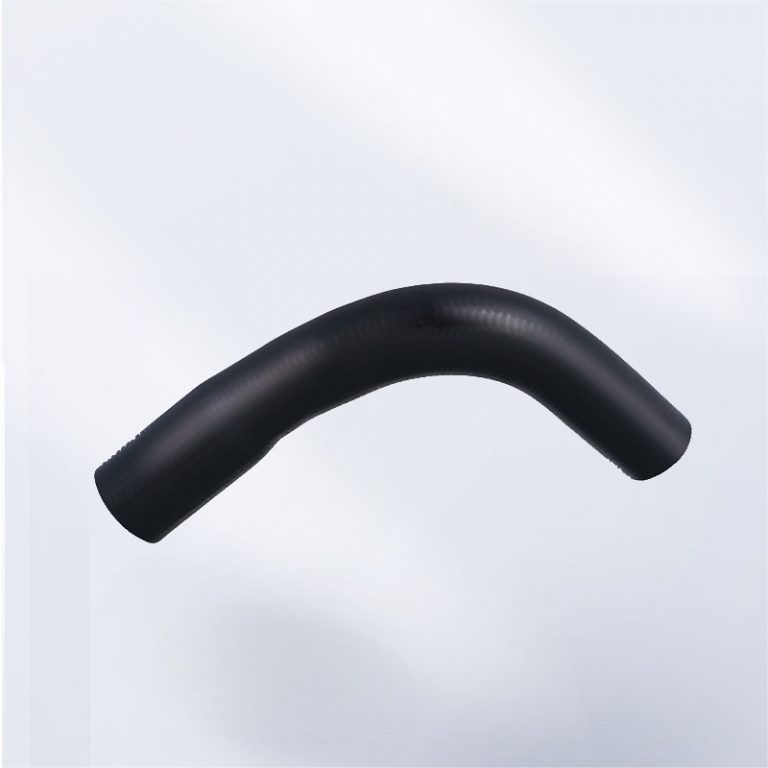
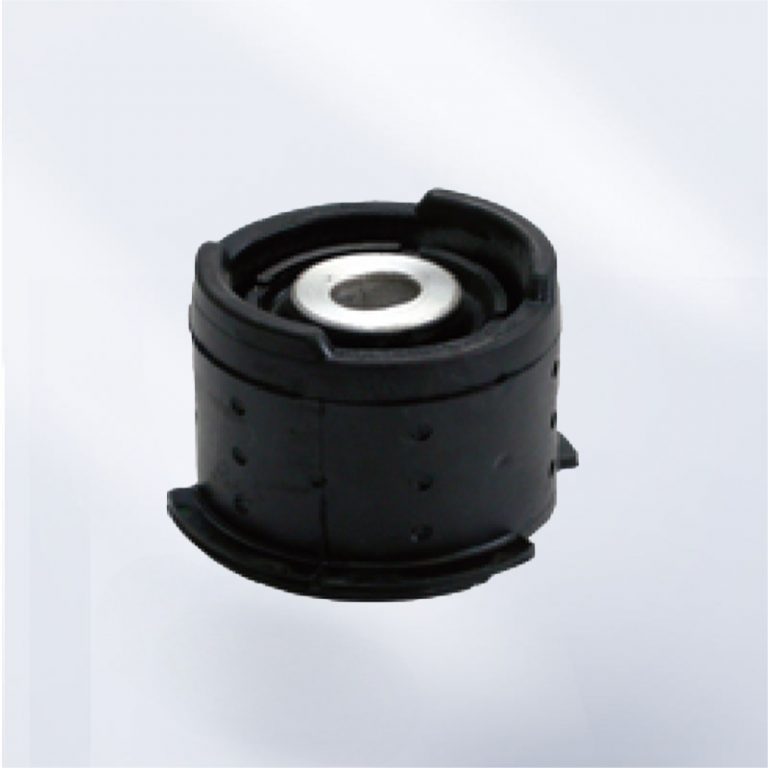
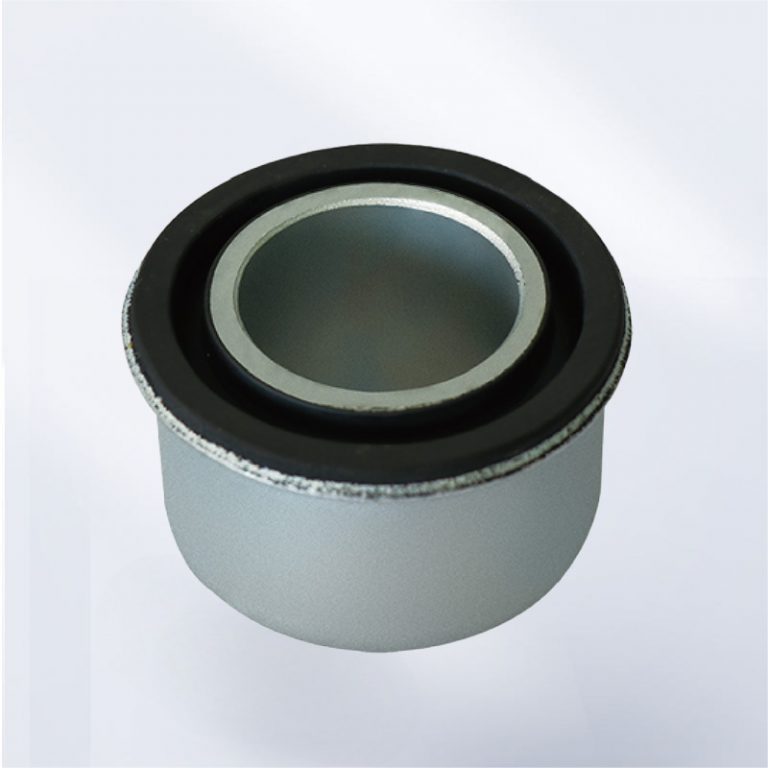
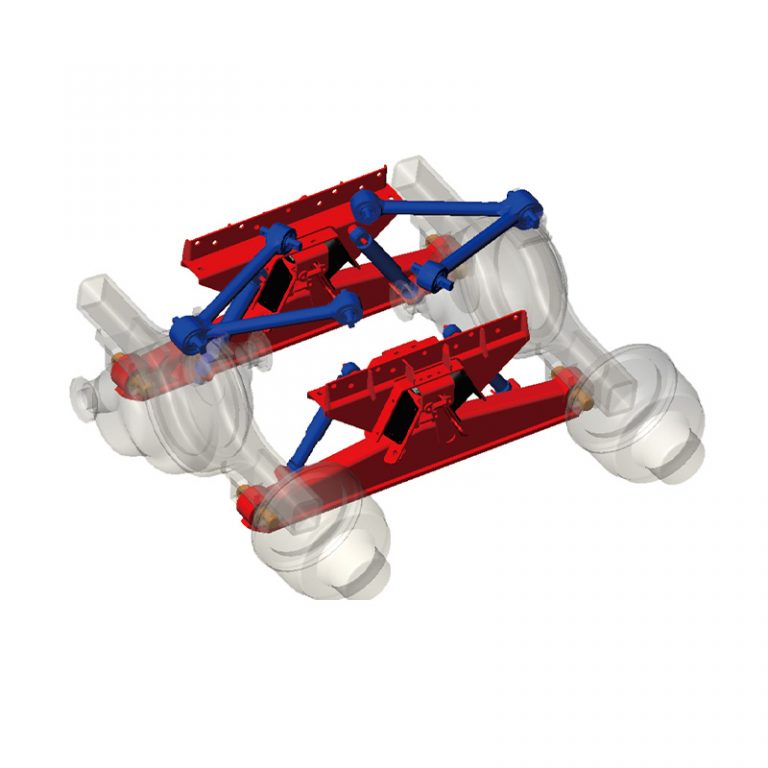
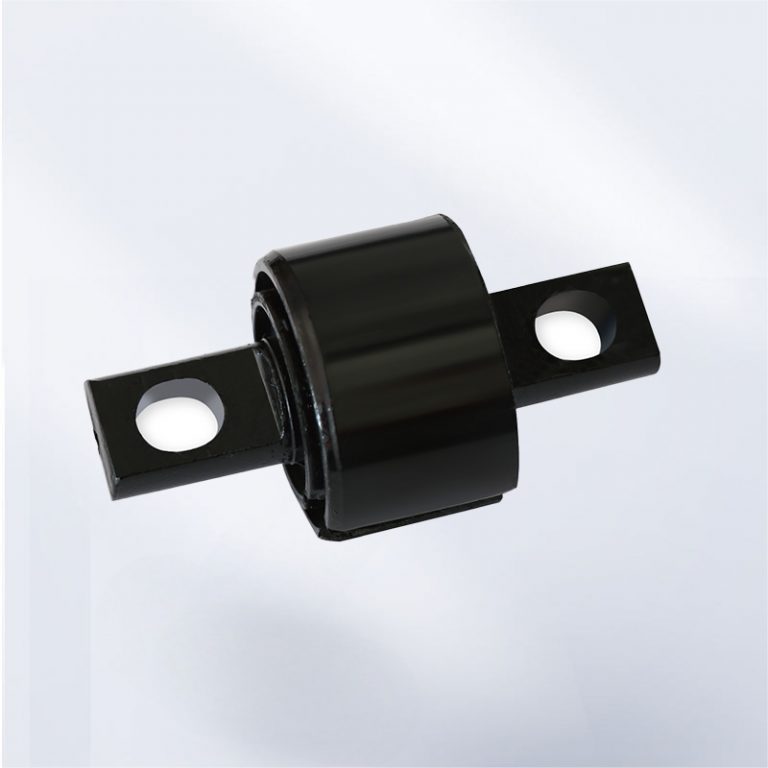
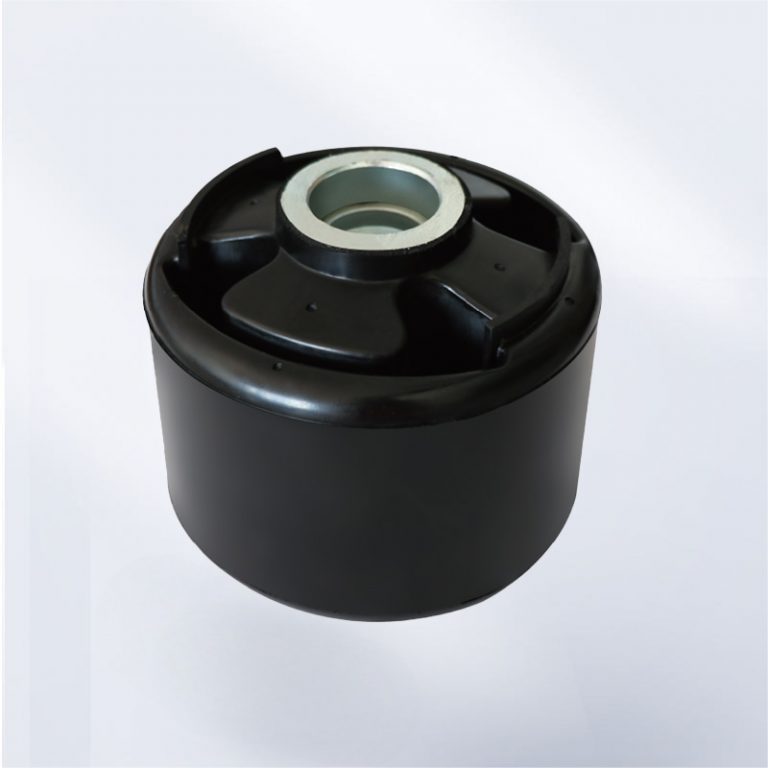
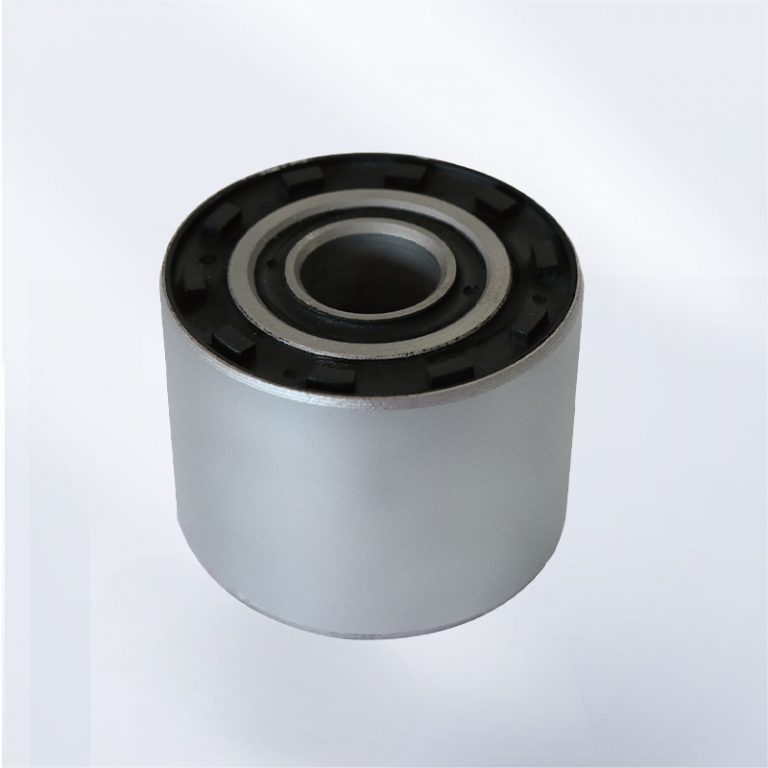
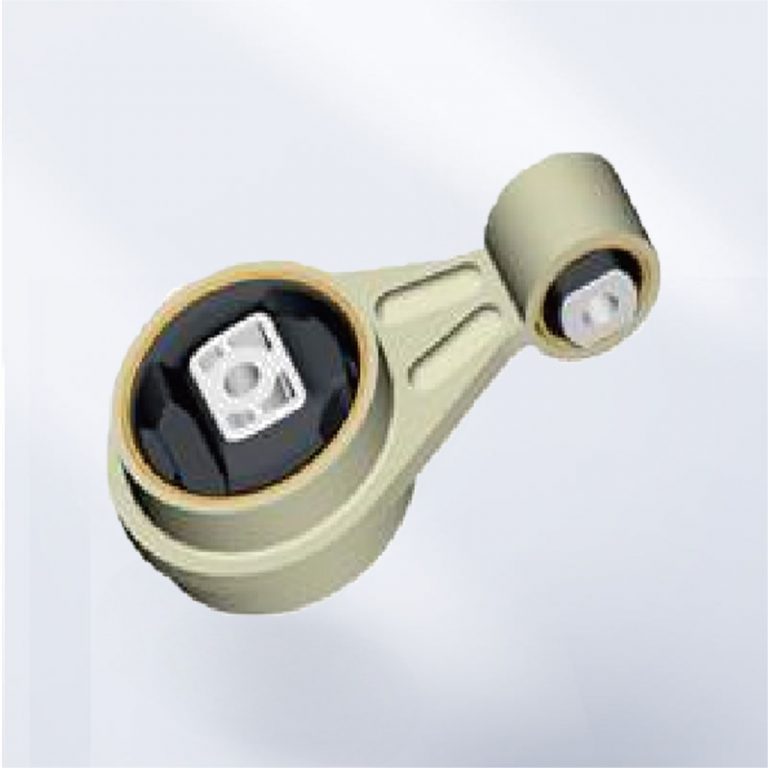
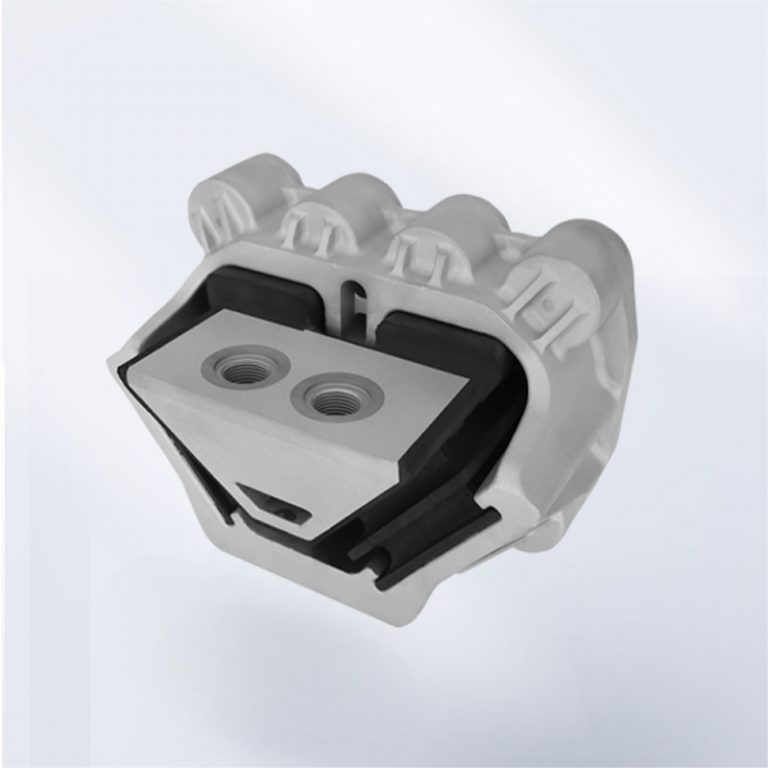
Rubber dampers serve as key parts to take in jolts and shakes in mechanical setups. Built from pliable, sturdy rubber mixes, these dampers bend to capture force from impacts. Then, they snap back to their first form. You commonly see rubber dampers in suspension systems, engine supports, frame links, and air spring products. Such dampers hold an important job in lessening the pass of shakes and hit forces between linked sections.
How Do Rubber Dampers Work in Real Systems?
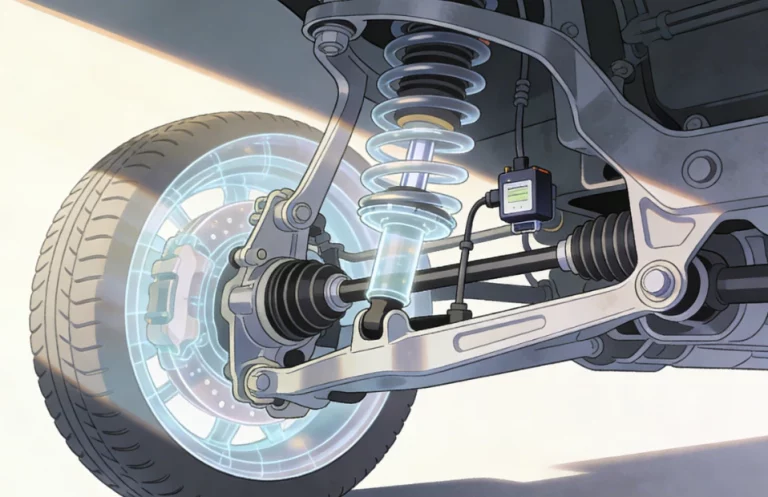
The main task of rubber dampers involves spreading out force from jolts and shakes by bending under load. They work like pads between two firm faces. In this way, they lower the force that might otherwise move through the whole setup. In car suspension and air spring systems, rubber dampers aid in steadying movement. Thus, they make the setup safer and more pleasant for riders and users alike. Be it a car crossing a bumpy path or a heavy machine in use, rubber dampers make sure that extra shakes do not cause ongoing harm.
Why Are Rubber Dampers Effective in Shock Absorption?
Rubber proves a fine choice for jolt taking due to its bounce, bendability, and ability to fight off damage. Rubber dampers work well since they mix toughness with the power to bend without splitting. This lets them capture big amounts of force without breaking down. Builders shape them to handle both warm and cool levels, getting old, and steady strain.
Why Is Material Choice Important for You?
The success of a rubber damper relies mostly on the blend picked. Various rubber types, like EPDM, NBR, NR, and CR, get chosen by the work conditions of the setup. These blends aim to give strong resistance to tiredness, air pollution, and long-run strength. For case, rubber dampers made for car and factory systems face tests to manage heat from freezing points to hot motor spaces. When you pick the best blend, it makes certain the damper will hold up longer and work finer as time passes.
Comparison of Common Rubber Materials for Dampers
According to Meichen’s technical specifications, here is how different materials perform across key criteria:
| Material Type | Heat Resistance | Oil Resistance | Key Characteristics & Applications |
|---|---|---|---|
| EPDM | -40 to 150°C | Poor | Excellent weather and aging resistance; widely used in cooling systems. |
| NBR | -30 to 120°C | Excellent | High fuel and oil resistance; ideal for fuel delivery systems. |
| VMQ (Silicone) | -55 to 250°C | Fair | Outstanding temperature range; used in high-heat air intake and turbo systems. |
| FKM (Viton) | -20 to 250°C | Superior | Exceptional chemical and high-heat resistance for demanding environments. |
| NR (Natural Rubber) | -50 to 80°C | Poor | High elasticity and fatigue resistance; best for general vibration damping. |
Enhanced Safety in Automotive and Industrial Applications
The protection of riders and gear users comes first. Rubber dampers play a vital part in stopping harm from too much jolt loads. With time, repeated jolts and shakes can bring on part breakdowns. This happens often in suspension systems, engine supports, and factory machines.
How Does This Improve Safety for You?
Rubber dampers lessen the top forces sent to frames, wheels, and interiors. Therefore, they help guard the car’s main build and the folks within. In car uses, they keep wheels closer to the path. This cuts the chance of crashes from weak grip. For large machines, rubber dampers stop overstrain on joints. Plus, they keep the gear steady. As such, they lower risks of failures or mishaps while running.
Improved Ride Comfort and Operator Experience
In cars and machines, ease holds a big part in the full user sense. Too much shaking causes tiredness, unease, and lower output. Rubber dampers boost ease a lot. They do this by blocking shakes right at the start. Hence, they ensure the trip stays smoother for riders and users.
How Does This Change Daily Operations?
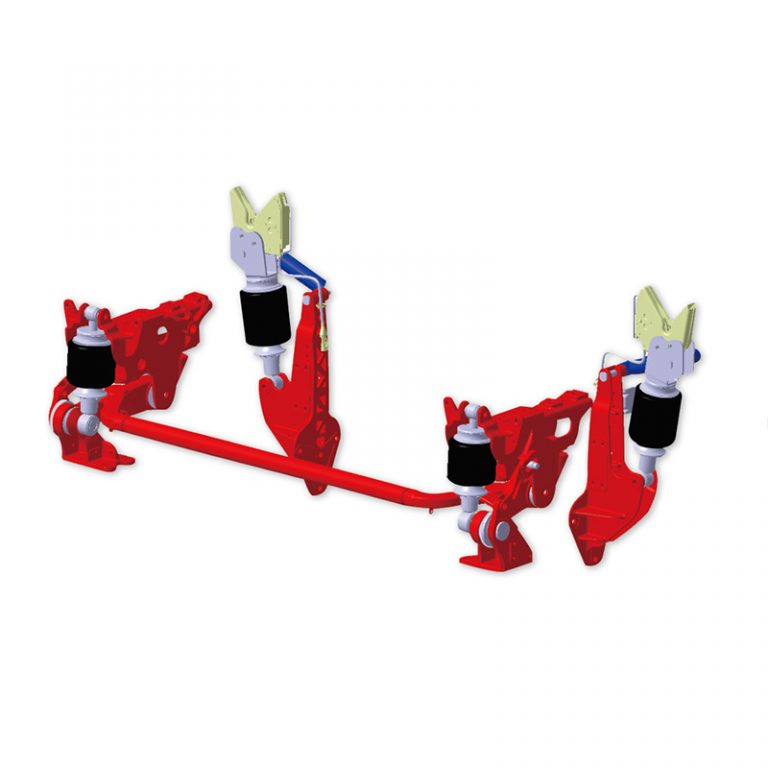
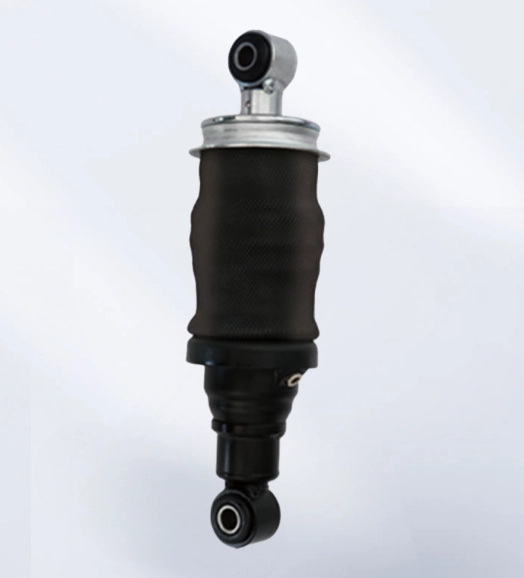
In cars, rubber dampers prove key for cutting interior sounds and bettering trip quality. This matters most in rough areas. The drop in shaking helps users stay sharp and at ease over long hours. Such factors matter greatly in avoiding tiredness. Likewise, for building machines or large cars, rubber dampers shield users from hard shakes. This lifts work rates and cuts body stress. To illustrate, items like Cab Air Spring Products greatly better trip ease. In turn, they guarantee a steadier and nicer sense for the user.
Longer Service Life for Key Components
Ongoing jolts and shakes rank among the top reasons for damage and breakdown in mechanical setups. Parts like bearings, holders, tubes, and joins often quit early from the steady pressure they face. Rubber dampers stretch the life of these main parts. They do so by taking in the jolt before it hits weak spots.
Why Does This Save You Trouble?
Rubber dampers cut the force sent to nearby parts. Because of this, they stop early tiredness and damage. Such action brings fewer swaps of parts, lower fix bills, and wider gaps between services. Research on car suspension systems shows that lessening shakes greatly stretches the life of wheels, frame parts, and suspension pieces. In machines, this can add years of use without costly fixes.
Noise Reduction in Chassis and Suspension Systems?
Sounds from shakes can pose a large issue in cars, big trucks, and factory setups. Without good control, shakes can become loud sounds. These disrupt the user’s attention and the nearby area.
How Does Rubber Help With NVH?
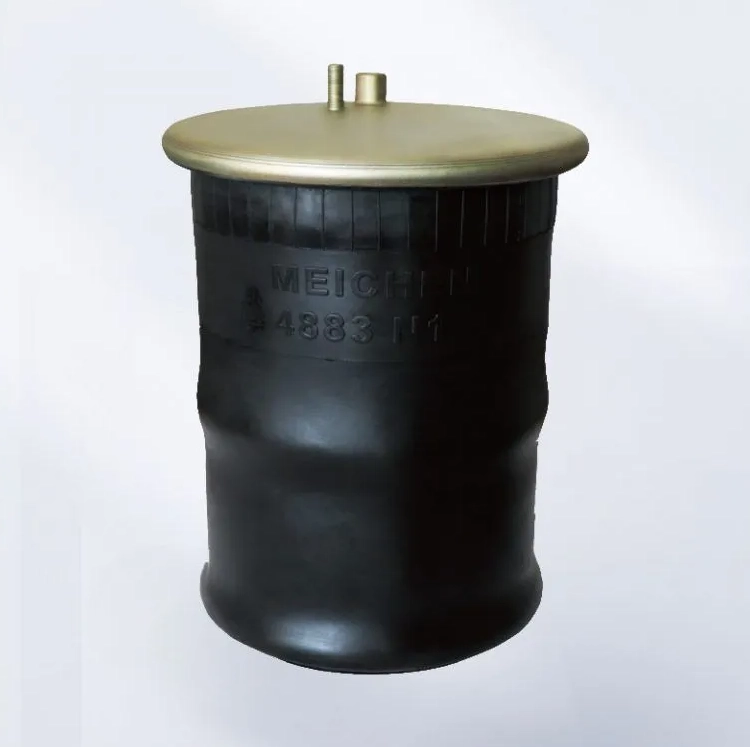
Rubber dampers excel at managing noise, vibration, and harshness (NVH) in many setups. They block shakes before those spread to nearby metal builds. Thus, rubber dampers cut down the sounds from mechanical parts. In frame and suspension systems, they lessen noise carried by the build. This results in quieter interiors and a finer sense for users and riders. For example, items like the Chassis Air Spring Product sharply lower noise and shake levels. This makes them a fine pick for both private and business cars.
Adaptability Across Harsh Operating Conditions
Builders craft rubber dampers to face a broad set of surroundings. From the sharp heat in motor spaces to contact with strong chemicals or steady weight in factory uses, rubber dampers keep their work level over time.
Can Rubber Handle These Conditions?
Rubber dampers get specially mixed to deal with sharp settings. From the high warmth of car motors to the chill and damp spots in outside machines, rubber blends get shaped to fight heat swings, oil contact, and setting breakdown. Trials confirm they meet the calls of actual uses. This flexibility turns rubber dampers into a dependable option for cars, building machines, and power setups. Those need to run day by day without surprise stops.
For tailored solutions and high-quality rubber dampers, Meichen is here to help. Whether you need shock absorption for vehicles or industrial systems, Meichen’s expert team is ready to provide the perfect fit for your needs. Contact Meichen today to learn more about how Meichen’s products can enhance performance and durability in your projects!
FAQ
Q1: Are rubber dampers only used in vehicles?
A: No. Rubber dampers also find use in factory gear, building machines, and power setups to manage shakes and guard parts.
Q2: How long do rubber dampers last?
A: A rubber damper’s life hinges on work settings, but strong designs can hold for years, even with nonstop running.
Q3: Do rubber dampers need regular maintenance?
A: In general, rubber dampers call for little upkeep. Yet, check them during normal services to confirm they work right.
Q4: Can rubber dampers help reduce both noise and vibration?
A: Yes, rubber dampers shine at cutting noise and shakes. They aid in lessening NVH (Noise, Vibration, Harshness) by blocking shakes before those hit nearby builds.