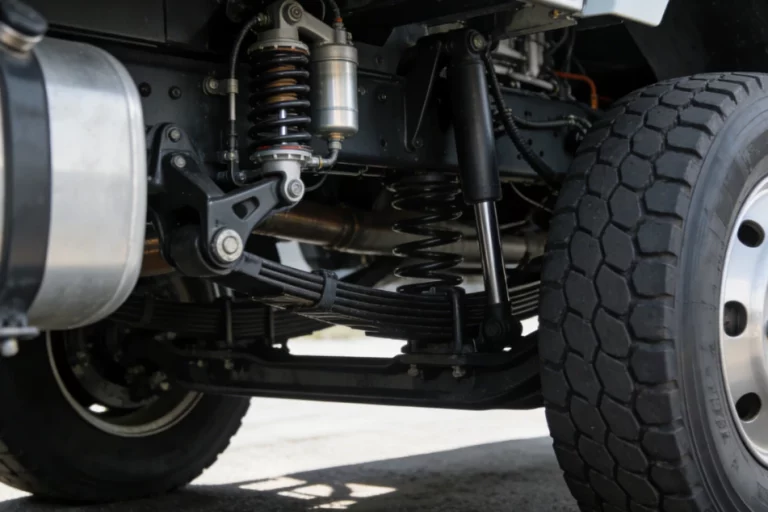
Modern vehicle suspension systems in commercial and heavy-duty applications depend on thrust rods and thrust arms to achieve alignment and distribute forces while minimizing chassis deflection. The identification of thrust rod or thrust arm problems becomes crucial for successful repairs and affordable maintenance because of their critical role in suspension systems.
The selection of dependable suspension components which have undergone thorough testing becomes essential for all businesses involved in OEM production and aftermarket replacement and heavy vehicle servicing. Shandong Meichen Industry Group Co.,Ltd. operates as a national high-tech enterprise which focuses on developing automotive suspension systems and vibration reduction systems and fluid delivery products. Their wide range of products includes bushings and complete thrust rods made for harsh environments which match both commercial vehicles and specialized machinery requirements. The Meichen Global website provides access to their full product range while their product catalog section and industry news section and about us page offer additional information.
What Are the Key Differences Between a Thrust Rod and a Thrust Arm?
The thrust rods and thrust arms operate independently in suspension systems to perform separate functions which work together for system operation. Your ability to identify structural and functional differences between them will determine the accuracy of your diagnostic process.
Structural Design and Load Distribution
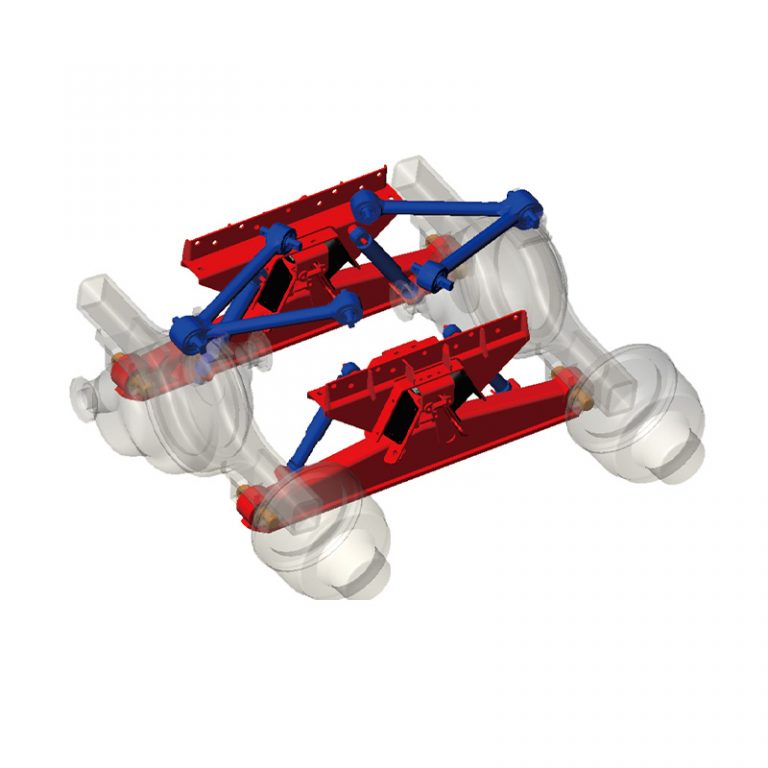
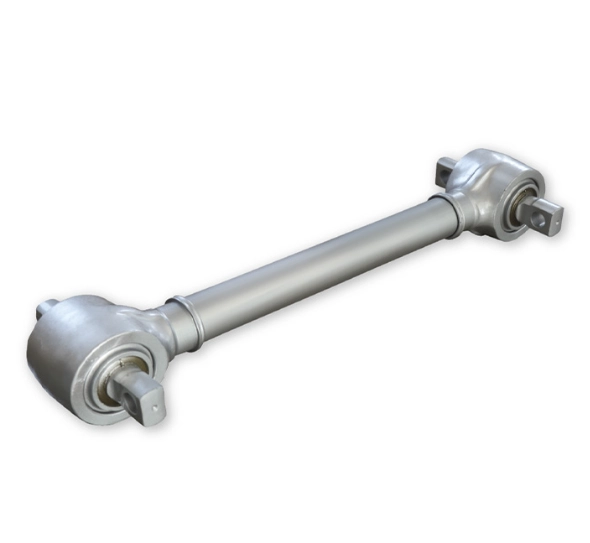
The design of thrust rods includes basic shapes which are either I-type or V-shaped to handle primarily axial forces. The thrust rod structure includes a shaft body and connecting parts and optional reinforcing elements which create a strong force transmission path for braking and traction forces. The design of thrust arms requires additional complex elements because they need to distribute both axial and lateral forces.
Functional Role in Suspension Systems
The main purpose of a thrust rod exists to link the frame and axle for force transmission between traction and braking systems but thrust arms function to maintain vehicle stability during turning and sudden braking events. The dual operational role of thrust arms makes them essential for vehicle handling performance especially when independent suspension systems are used.
Material Composition and Durability Factors
The selection of materials between these components serves as a defining factor. The materials used for these components consist of alloy steel and carbon steel and aluminum alloy and rubber and plastics and other materials. The components which include bushings need to resist both thermal expansion and high-speed mechanical vibrations. The lifespan of elastomers under dynamic stress conditions depends directly on their material quality variations.
How Can You Identify the Source of a Bushing Leak?
The process of fixing suspension problems requires proper identification of bushing leaks which stem from either thrust rod or arm failures. The failure to determine which component needs replacement will result in extra part replacements and longer periods of equipment shutdown.
Visual Inspection of Component Interfaces
Start by performing a direct visual check of pivot points and bushing housings. The presence of leaks or seepage in these areas indicates that the seals have deteriorated or the elastomer material has reached its fatigue limit. The presence of fluid accumulation between the frame and axle axial connection indicates a problem with the thrust rod assembly.
Wear Pattern Analysis on Adjacent Parts
The system requires analysis of tire wear patterns and suspension system movement. The system shows axial component failure through its uneven wear patterns and uncontrolled vertical movements that do not affect lateral stability. The thrust arm shows signs of damage when the system develops lateral imbalances.
Fluid Residue Characteristics and Location
The origin of the leaked fluid becomes more evident through its viscosity measurements and color appearance and its location where it deposits. The formation of residue near bushing housings on rods that follow an I-shape orientation indicates that the rod suspension path has deteriorated.
What Are the Common Failure Modes of Thrust Rods?
The identification of standard failure patterns enables you to perform advance inspections of specific components before maintenance activities start.
Bushing Deterioration Due to Thermal Cycling
Rubber or polymer bushings will develop cracks and delamination when they stay under constant temperature changes. The material withstands high temperatures but it resists rust and scrapes and maintains its pull strength until it reaches its maximum degradation point from thermal stress.
Mechanical Fatigue from Repetitive Axial Loads
The thrust rods experience extreme axial stress when the vehicle accelerates or brakes. The repeated stress on thrust rods through time will create small cracks in their body structure and welded connections unless they receive protection from modern forging methods.
Corrosion at Mounting Points or Welded Joints
Environmental exposure accelerates oxidation. The lack of proper protective coatings on mounting points makes them vulnerable to corrosion which causes structural weakness.
What Are the Typical Signs of Thrust Arm Failure?
Thrust arm degradation presents differently than rod failure. These signs manifest primarily in vehicle handling rather than ride height or vibration isolation alone.
Excessive Play in Steering Response
The steering precision of worn-out thrust arms deteriorates when the vehicle experiences dynamic loading. The steering system shows delayed responses and increased play when you corner the vehicle.
Clunking Noises During Acceleration or Braking
The arm housing contains bushings which become loose or develop cracks to produce metal contact during torque changes that create audible clunking sounds when shifting between drive modes or during sudden braking.
Irregular Vehicle Height or Alignment Issues
A failed thrust arm will cause suspension geometry distortion which produces uneven ride height and wheel camber problems that lead to tire wear and reduced driving comfort.
How Does Meichen’s Product Line Address These Failure Points?
Product design serves as a crucial element to prevent known system failure points. Meichen uses exact manufacturing techniques and advanced materials to create products which will last long while delivering optimal results.
I-Type Thrust Rod for High Axial Load Applications
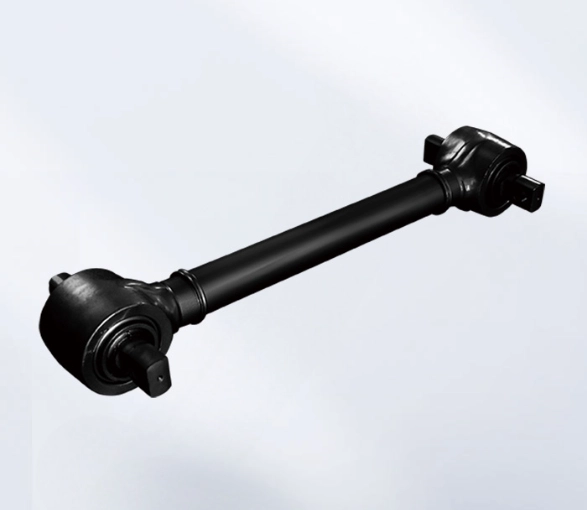
The I-type thrust rod provides linear stability through its reinforced forging construction and precise bushings which makes it suitable for commercial vehicles that encounter regular axial load variations.
V-Shaped Thrust Rod for Multi-Axis Support Needs
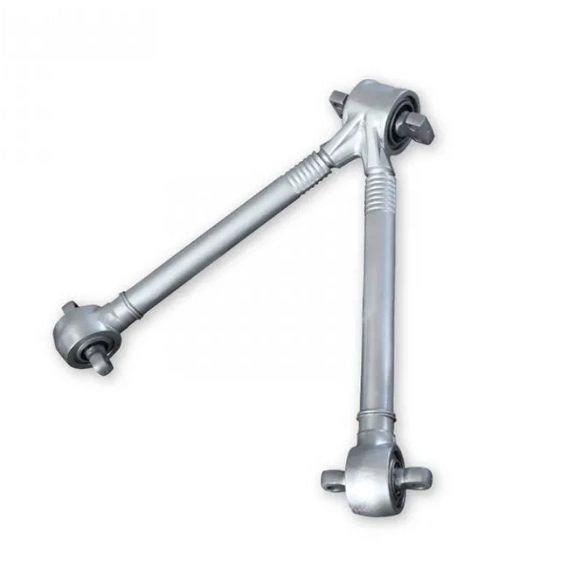
The V-shaped thrust rod configuration provides better lateral force resistance during axial support operations. The V-shaped configuration enables the structure to handle loads from multiple directions while maintaining its axial strength.
High-Durability Bushings for Extended Service Life
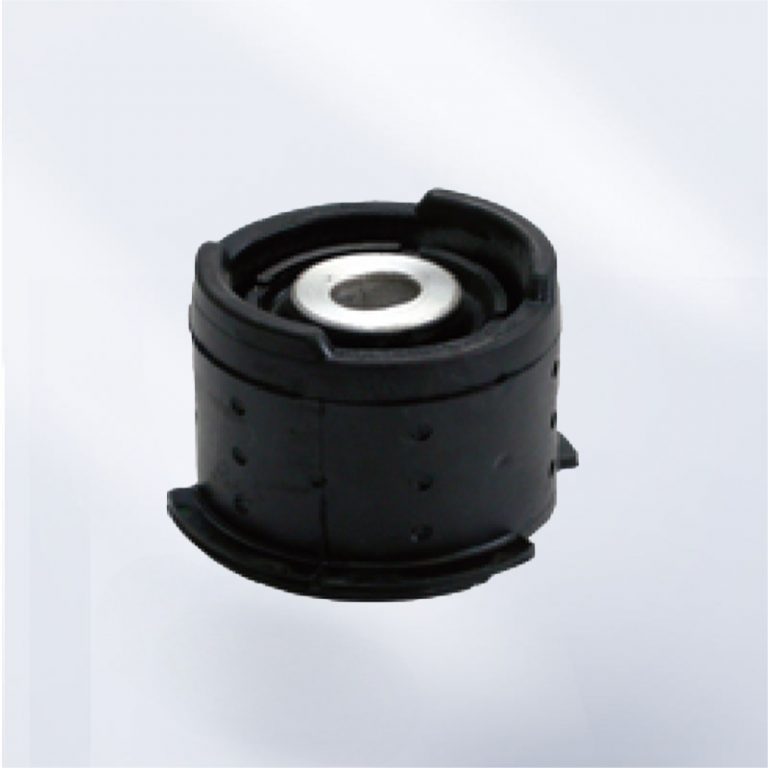
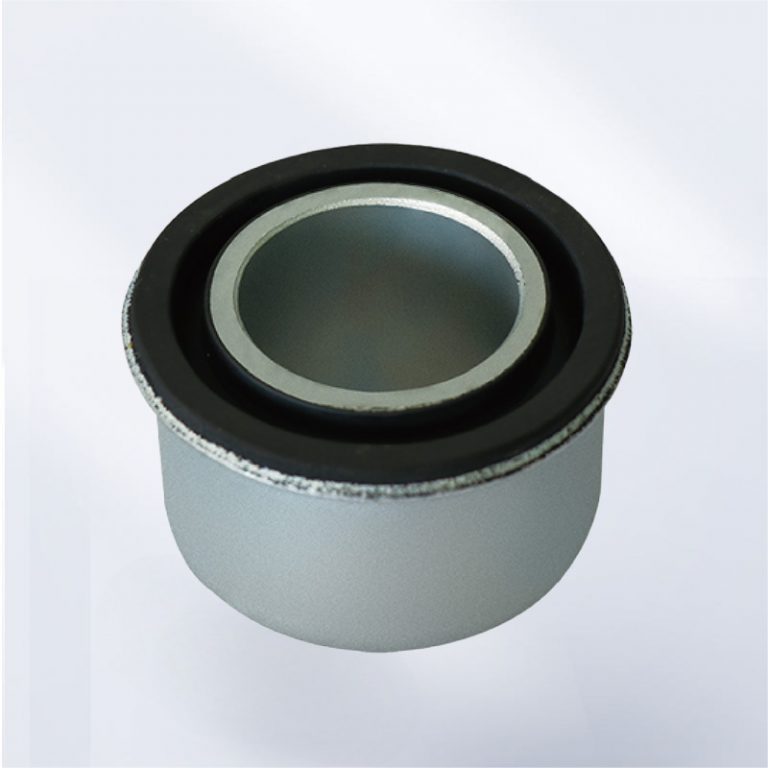
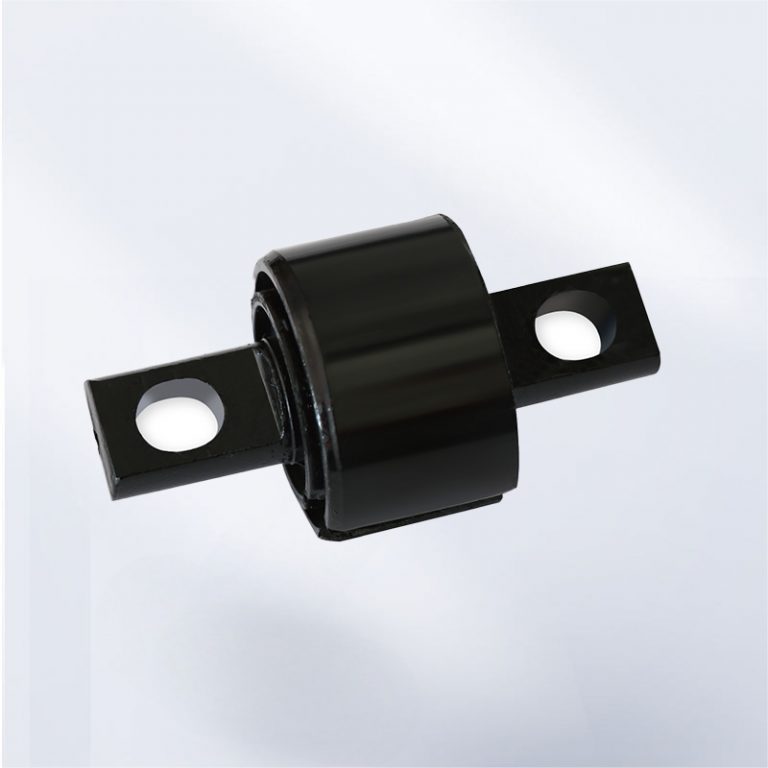
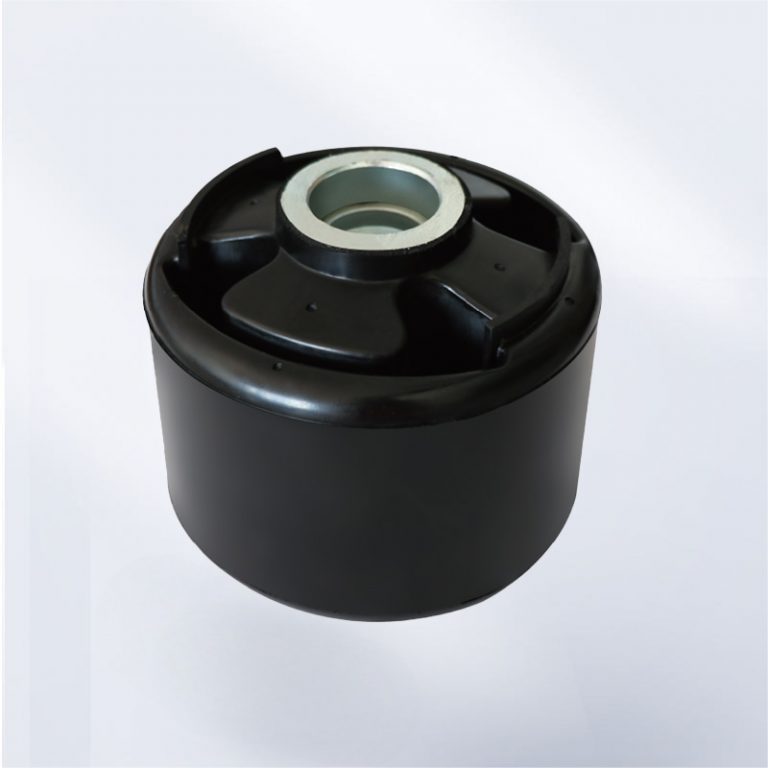
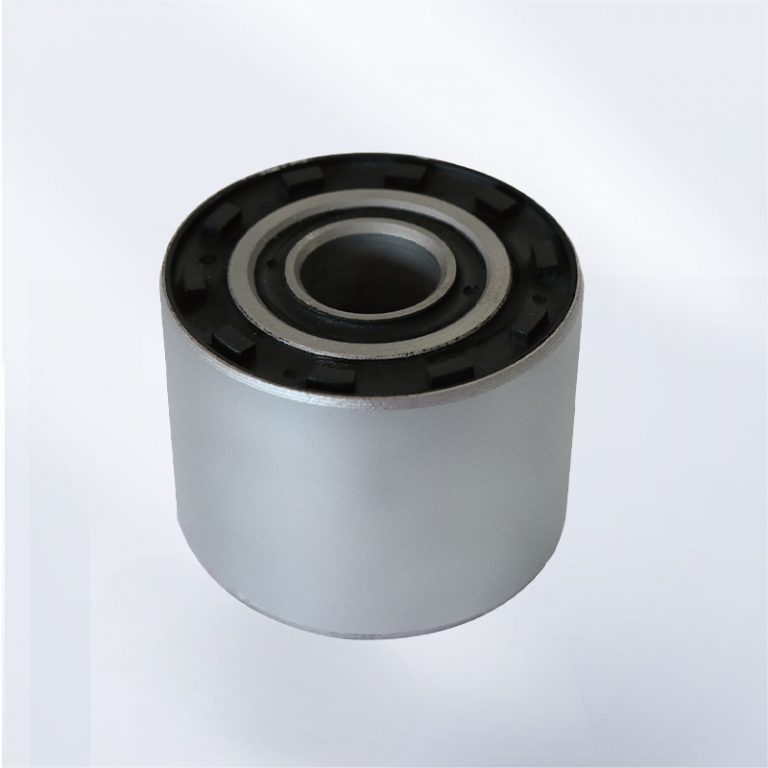
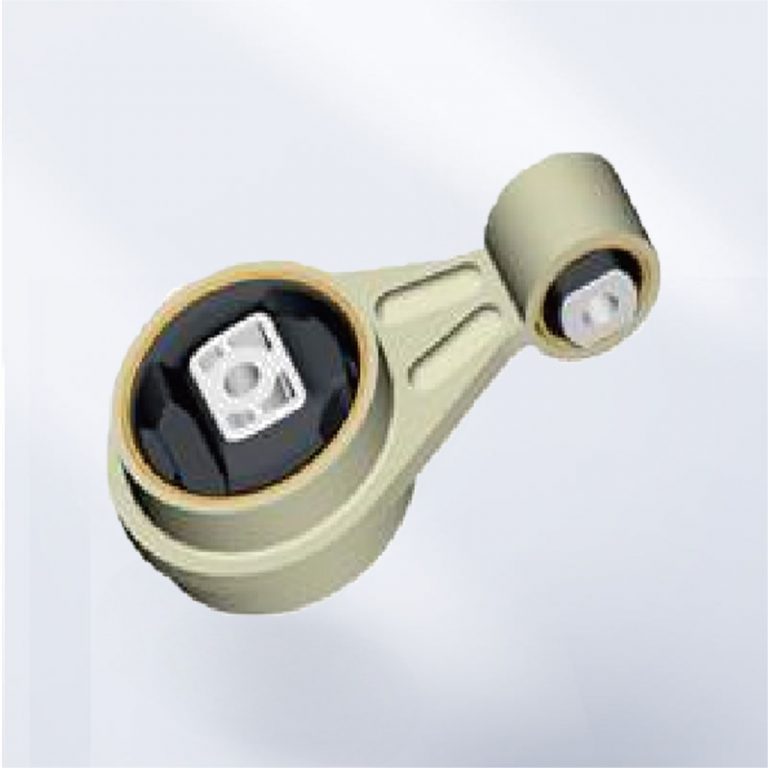
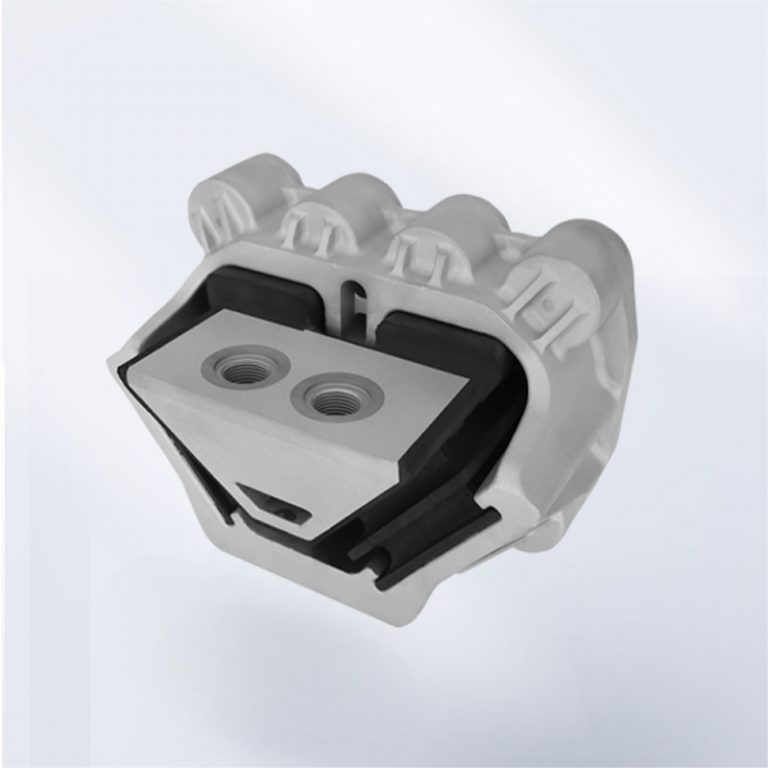
The thrust rod bushings employ advanced elastomers to achieve better sealing performance and extended fatigue life. The bushings provide sustained vibration control through their ability to support both axial flexibility and radial stiffness: thrust rod bushing.
i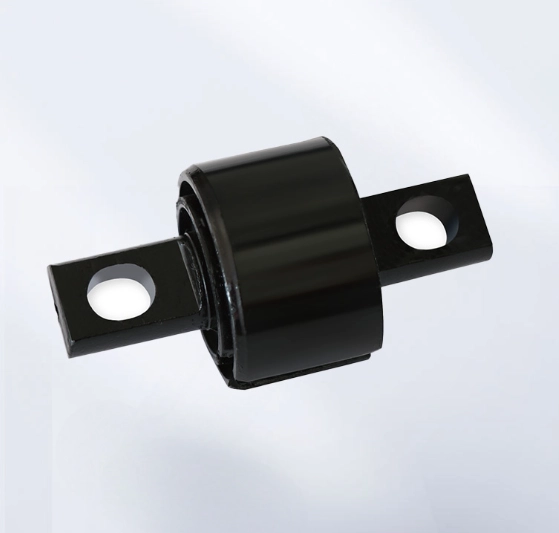
Which Diagnostic Tools Help Pinpoint the Failing Component?
Precision tools enable you to identify failure origins with certainty before starting disassembly work.
Suspension Load Simulation Equipment Usage
The testing method of dynamic testing creates conditions that mimic actual road scenarios while applying weight to the system. The measurement of deflection through various test directions enables researchers to determine if the thrust rod or arm exhibits unusual behavior.
Thermal Imaging to Detect Friction Hotspots
The accumulation of heat at bushing joints indicates that internal damage exists even though it cannot be seen by visual inspection. The temperature rise indicates that bushing wear and mount misalignment have caused friction to increase.
Torque Wrench Testing at Mounting Points
The system needs to test how well torque stays in place at every point where bolts connect. Any measurement that differs from the specified values could show that the rod or arm materials have experienced creep deformation.
When Should You Replace a Thrust Rod Instead of a Thrust Arm?
The selection of replacement components depends on how forces distribute between parts and their ability to work together.
Failure Localized to Axial Force Pathways Only
The diagnostic results show that only linear (axial) motion needs repair because lateral instability remains absent.
Compatibility with Meichen’s Modular Component System
The thrust rod products feature simple integration with OEM and aftermarket systems which enables users to perform quick product swaps without needing complete suspension system replacements.
Cost-Benefit Analysis Based on Wear Distribution Patterns
The process of replacing only essential components helps organizations save time for their workers and decrease their waste of materials. The use of precision-engineered rods for replacement purposes helps organizations save money throughout the entire product life cycle while preserving the structural strength of their products.
FAQ
Q1: What steps can I take to determine if the leak originates from the thrust rod or arm?
A: The inspection of bushing areas for visual signs of leakage together with vehicle movement analysis will help determine the source of the leak. The thrust rod failure causes only axial disruptions but arm failure results in lateral instability.
Q2: Which materials maintain better durability when operating in extreme environmental conditions?
A: The combination of alloy steels with elastomeric bushings provides excellent protection against thermal cycling and corrosion and fatigue stress.
Q3: Can we identify internal bushing deterioration before visual signs of leakage become visible?
A: Thermal imaging tools help detect heat anomalies at joints which typically occur before visible fluid leakage or cracking becomes apparent.
Q4: Where can I find high-performance replacements for heavy-duty vehicles?
A: Meichen Global provides engineered solutions which meet the requirements of commercial transport and construction machinery operations.