The manner in which a vehicle operates frequently relies on aspects beyond direct observation. Noise, vibration, and harshness subtly mold the driving sensation, regardless of whether the context involves a passenger car or robust machinery. Numerous purchasers emphasize engines or suspension elements. Nevertheless, a compact part located amid these features typically determines if the journey remains comfortable or fatiguing.
A closer examination of current automotive frameworks reveals that seasoned producers allocate substantial focus to vibration management. A notable case involves Meichen, a firm acknowledged for fabricating automotive elements spanning diverse systems. This entity possesses a solid array of products that includes powertrain linkages, cooling apparatuses, and rubber-derived options. It bolsters vehicles across passenger, commercial, and industrial domains. The variety of offerings illustrates prolonged efforts in material advancement and structural configuration. The aspect that distinguishes this approach lies in the priority given to endurance, exactness, and functional efficacy over mere documented figures. When acquiring components that influence NVH directly, sustained reliability holds greater significance than preliminary efficiency. Expertise in materials and practical uses proves essential in such scenarios.
Understanding NVH and Its Impact on Vehicle Performance
Occupying a vehicle and sensing a mild tremor via the steering wheel or perceiving a faint rumble during idle operation highlights NVH in action. Noise constitutes the audible aspect, vibration the perceptible sensation, and harshness the accumulating unease that intensifies gradually.
Inadequate NVH extends beyond simple irritation for operators. It frequently indicates underlying concerns, including powertrain imbalance or insufficient component separation. Within commercial vehicles, these factors accelerate component degradation. For passenger cars, they diminish the overall impression of quality, irrespective of the engine’s competent operation.
NVH issues do not manifest instantaneously in every instance. They commonly emerge following prolonged journeys or as the vehicle matures. Managing vibration routes during the initial design phase thus carries substantial importance. This consideration points straightforwardly to a vital element.
What Are Engine Mounts and How Do They Work?
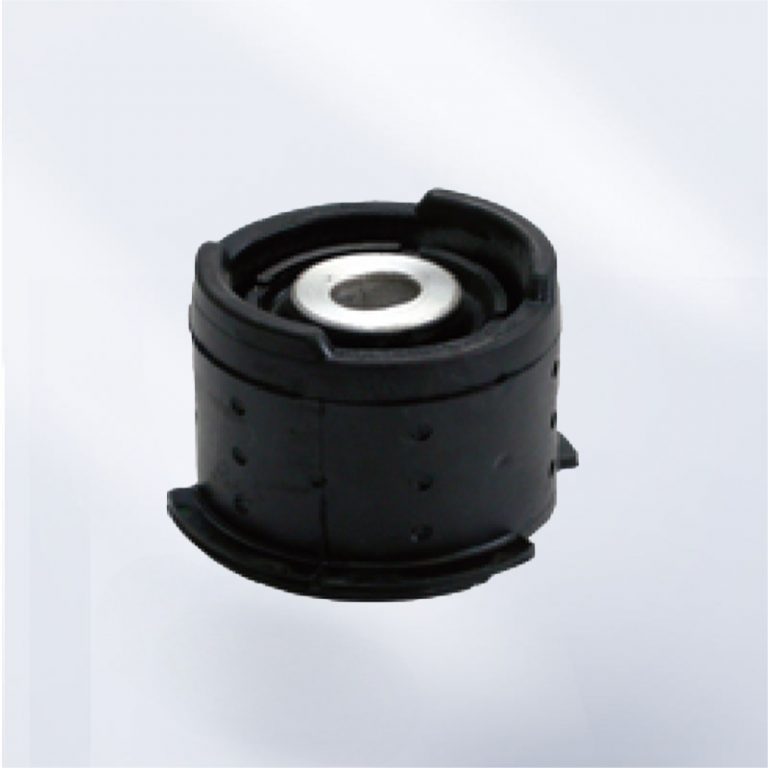
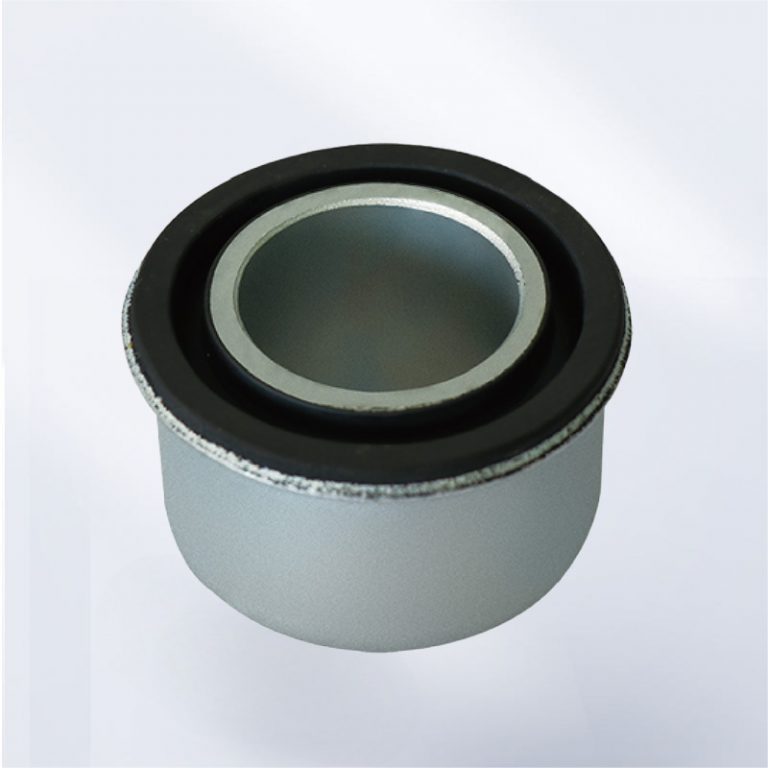
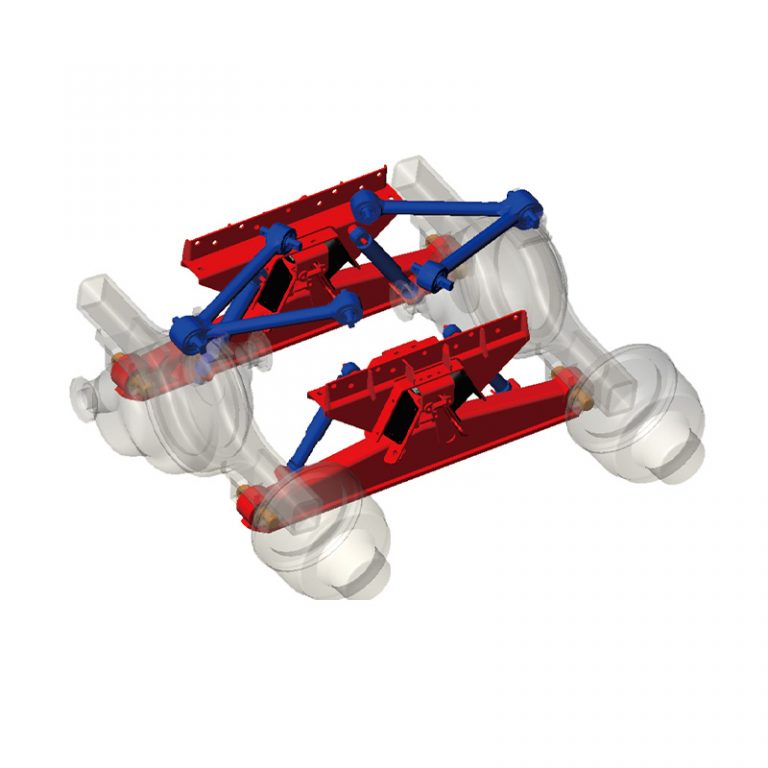
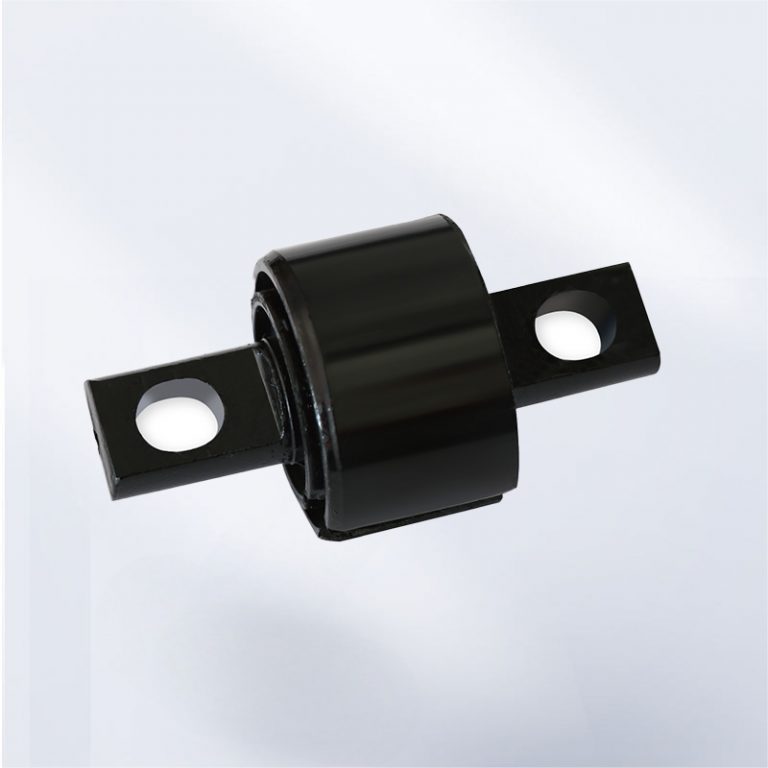
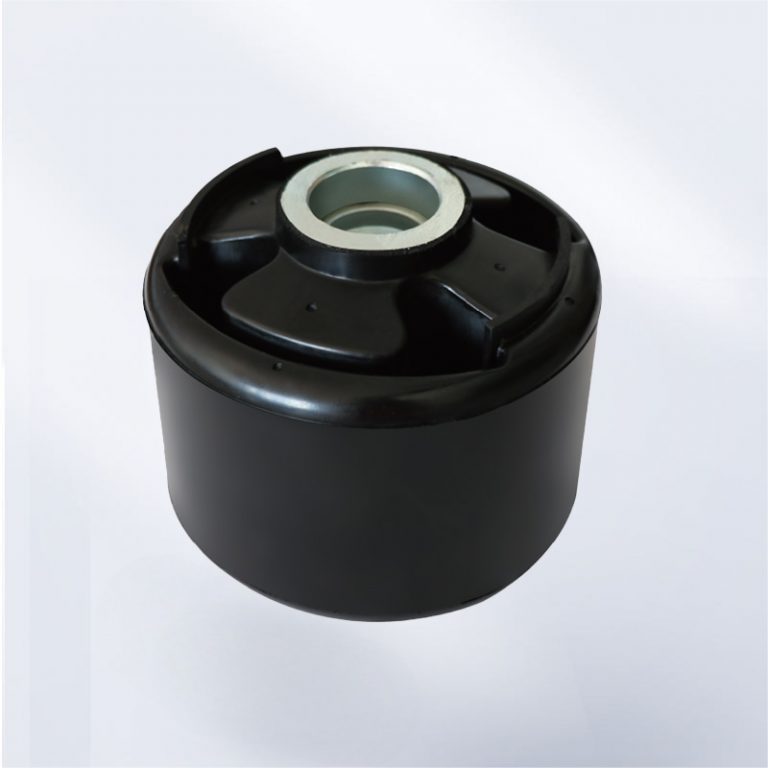
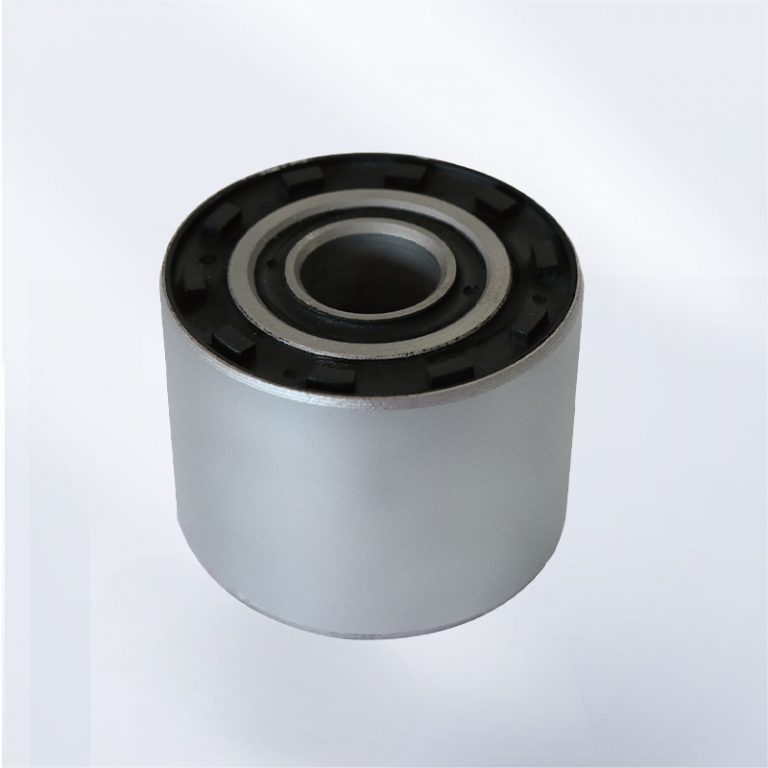
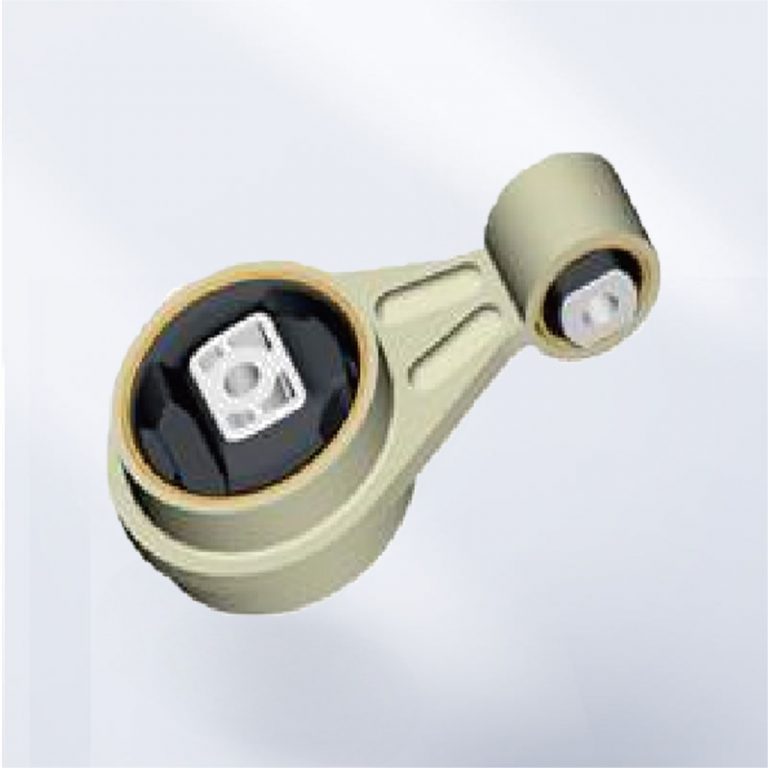
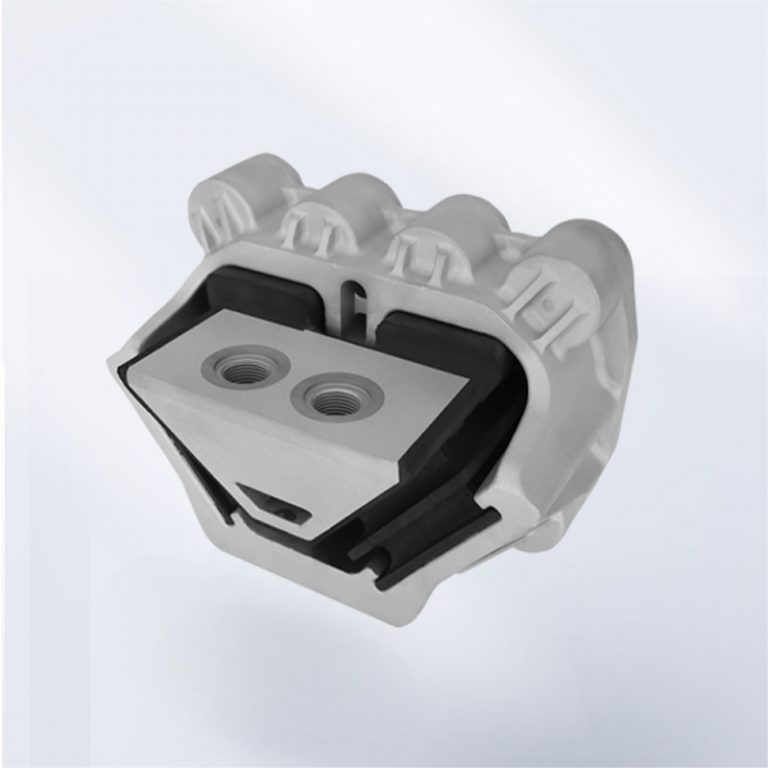
An engine mount secures the engine to the frame. It upholds the powertrain’s mass, regulates its placement, and restricts undesired shifts. Concurrently, it minimizes vibration transfer from the powertrain toward the vehicle body. Additionally, it facilitates the absorption of road-induced stimuli that propagate back into the assembly.
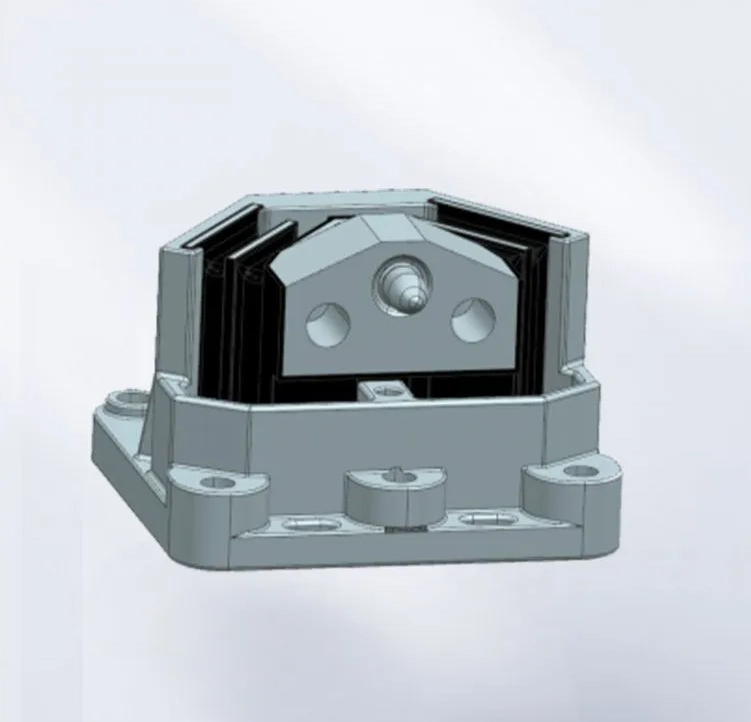
The majority of mounts incorporate metal, rubber, and engineering plastics. Metal supplies the foundational framework. Rubber manages the damping of vibrations. Engine operation produces persistent movement. The mount captures portions of this movement and inhibits its dissemination throughout the chassis.
Such configurations enjoy broad utilization in passenger cars, commercial vehicles, and construction machinery. Although the arrangement appears basic, its effectiveness hinges on the cohesive performance of individual materials.
How Engine Mount Design Influences NVH Optimization?
Engine mounts do not function uniformly across all variants. Two mounts might resemble each other visually yet exhibit distinct responses under operational loads. These variations typically arise from differences in rigidity and damping characteristics.
Excessive rigidity in a mount allows vibrations to penetrate the interior space. Conversely, insufficient firmness permits excessive engine displacement. This displacement may compromise alignment and generate supplementary noise origins. Therefore, achieving a precise equilibrium in design becomes necessary.
Under genuine driving circumstances, the engine avoids complete immobility. It undergoes minor adjustments amid acceleration, deceleration, and transmission shifts. An effectively engineered mount governs these adjustments without imposing additional tension.
Frequency represents a further element commonly neglected. Each material exhibits its distinct inherent frequency. Alignment of this frequency with engine-induced vibrations triggers resonance. Resonance amplifies vibration intensity markedly. Superior design mitigates this risk through modifications to material attributes and structural elements.
Material Selection and Technology Behind High-Performance Engine Mounts
The selection of materials exerts considerable influence on a mount’s enduring functionality. Rubber receives extensive application owing to its ability to dampen vibrations and restore original form. However, rubber variants demonstrate differing behaviors.
Varied operational settings demand tailored material choices. Elevated temperatures, oil contact, and sustained mechanical pressure all impact efficacy. Materials like EPDM and additional elastomers thus gain selection for their robustness and opposition to degradation over time.
Practically speaking, such selections ensure that mounts resist cracking, stiffening, or rapid loss of pliability. Subsequent to these alterations, vibrations intensify, occasionally absent any evident alerts.
Particular configurations integrate rubber alongside engineering plastics or strengthened strata. This integration enhances overall steadiness while retaining necessary adaptability. Adjustments to material choices align with specific environmental demands, a standard practice within contemporary automotive fabrication.
Applications of Engine Mounts Across Different Vehicle Types
Engine mounts find employment in an extensive spectrum of vehicles, each category imposing particular stipulations.
Passenger cars prioritize user comfort. Operators anticipate subdued vibrations, particularly during idle phases. Modest enhancements yield evident improvements in everyday travel scenarios.
Commercial vehicles place greater emphasis on longevity. These units bear substantial payloads and endure prolonged operational durations. Mounts in these contexts must endure persistent strain without efficacy decline.
Construction machinery confronts more demanding environments. Pronounced vibrations, irregular ground conditions, and severe atmospheric factors challenge materials extensively. Mounts here necessitate simultaneous provision of resilience and vibration mitigation.
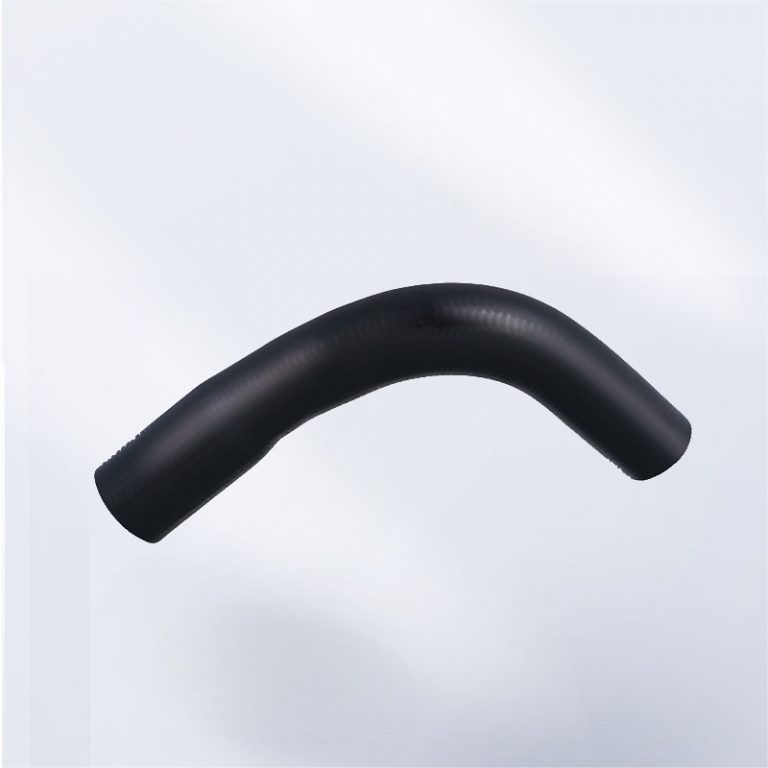
Mounts interact collaboratively with supplementary systems. Cooling linkages, for instance, satisfy criteria encompassing vibration regulation, containment, and thermal management. These interconnected systems foster reliable vehicle performance across diverse operational scenarios.
Why Choosing the Right Engine Mount Supplier Matters
Opting for substandard mounts frequently unveils difficulties at later stages. Elevated vibrations, atypical auditory disturbances, and accelerated deterioration in proximate elements serve as prevalent indicators.
Preliminary financial savings appear beneficial initially. However, extended maintenance demands escalate costs significantly. Certain situations may jeopardize safety through component misalignment or relaxation.
Dependable suppliers emphasize meticulousness and uniformity. Subtle discrepancies in dimensions or compositions alter operational outcomes. Rigorous oversight of tolerances and manufacturing prowess thus assumes critical relevance.
Adaptability constitutes an additional consideration. Vehicle requirements diverge across models. Certain applications demand augmented damping, while others require enhanced firmness. Suppliers equipped to formulate products from schematics or prototypes afford enhanced versatility and optimal results.
Conclusion: Optimizing NVH Starts With the Right Engine Mount
NVH regulation encompasses multiple components, yet engine mounts assume a fundamental position. Positioned between the powertrain and vehicular framework, they bear responsibility for vibration containment prior to propagation.
Effective mount performance delivers a more even journey, diminished auditory levels, and superior endurance. Inadequate performance renders even robust engines coarse in sensation.
Selecting appropriate design and material transcends mere technical evaluation. It influences user perception of the product. Vehicles exhibiting quietude and steadiness convey elevated sophistication, notwithstanding static other parameters.
FAQ
Q1: What does an engine mount actually do?
A: It connects the engine and the frame, supports the powertrain, controls movement, and reduces vibration transmission to the vehicle body.
Q2: How do you know if an engine mount is failing?
A: Common signs include increased vibration, unusual noise, and visible engine movement during operation.
Q3: Are all engine mounts made from the same materials?
A: No. Materials vary depending on the application. Metal, rubber, and engineering plastics are often combined to balance strength and damping.
Q4: Can engine mounts affect other vehicle systems?
A: Yes. Poor mounts can increase stress on nearby components such as cooling connections and structural parts.
Q5: How do you choose the right engine mount for your application?
A: You should consider vehicle type, working conditions, load requirements, and vibration control needs. Custom solutions often provide better long-term performance.