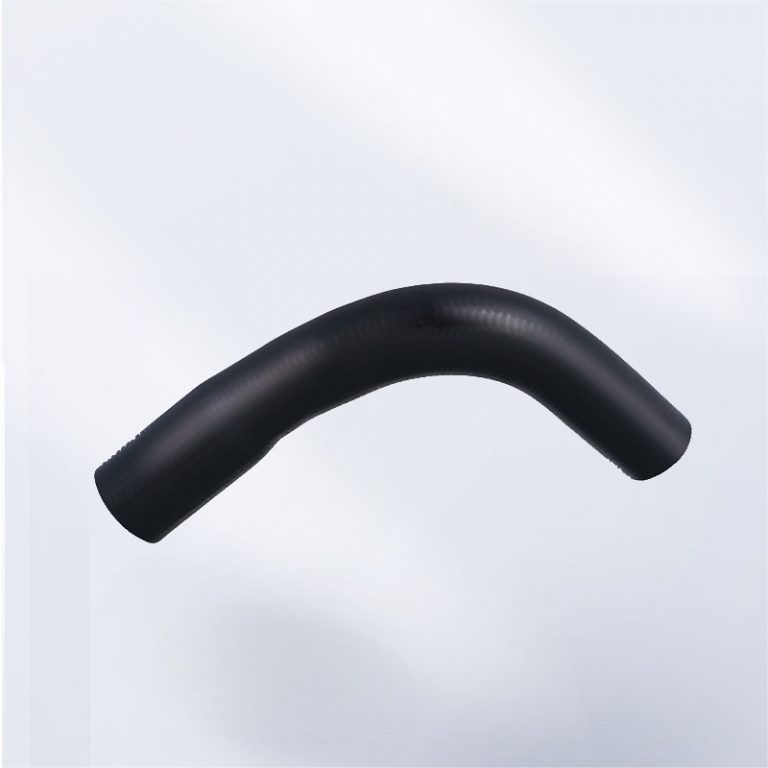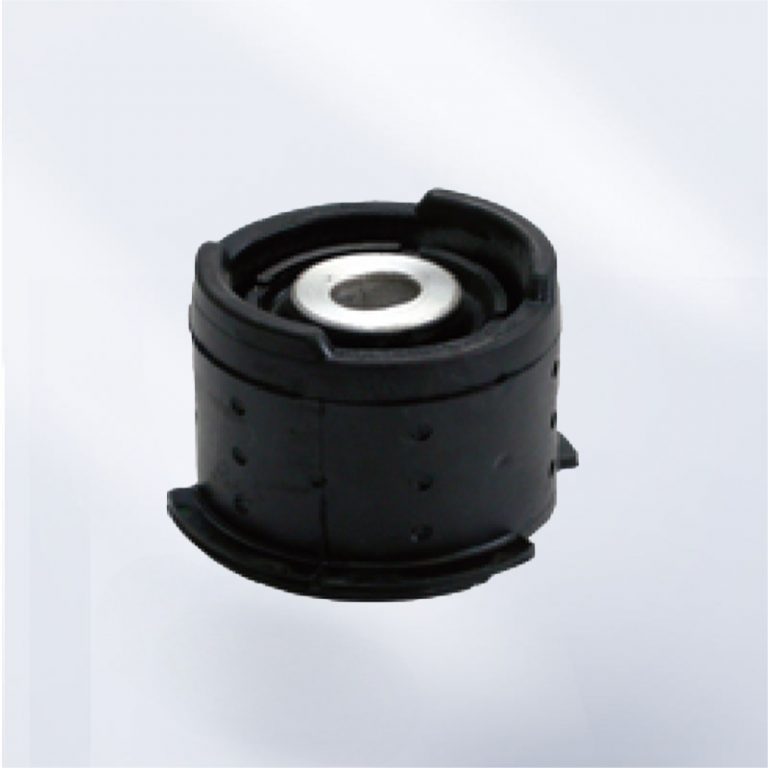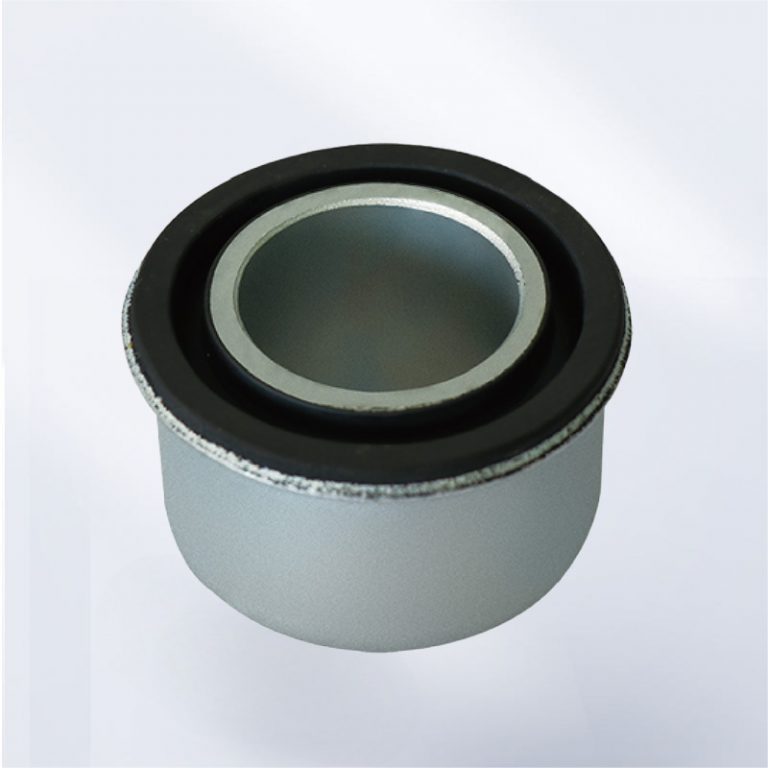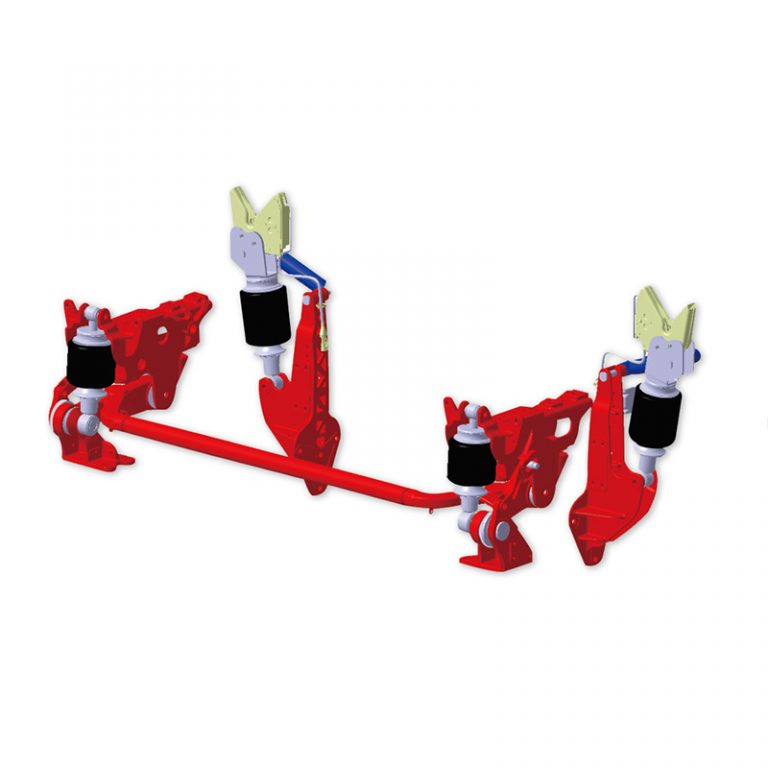
The automotive sector is reaching a point where minor parts bear significant duties. Silicone hoses might seem basic, but they steadily aid various setups that maintain a car’s steadiness and dependability. They carry coolant, deliver intake air, and assist in managing pressure within engines and heat control units. If a hose breaks down, the whole setup can suffer impacts.
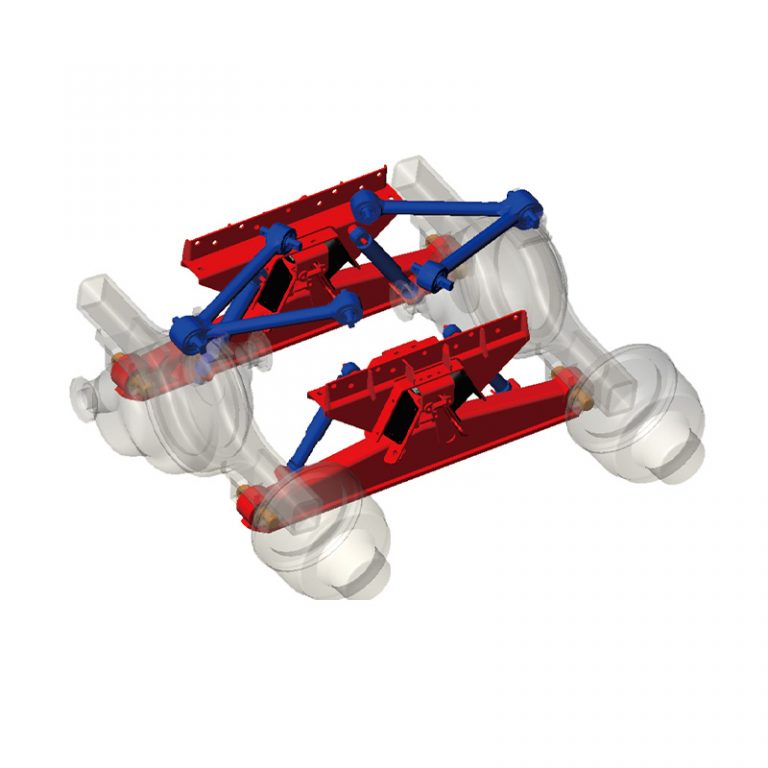
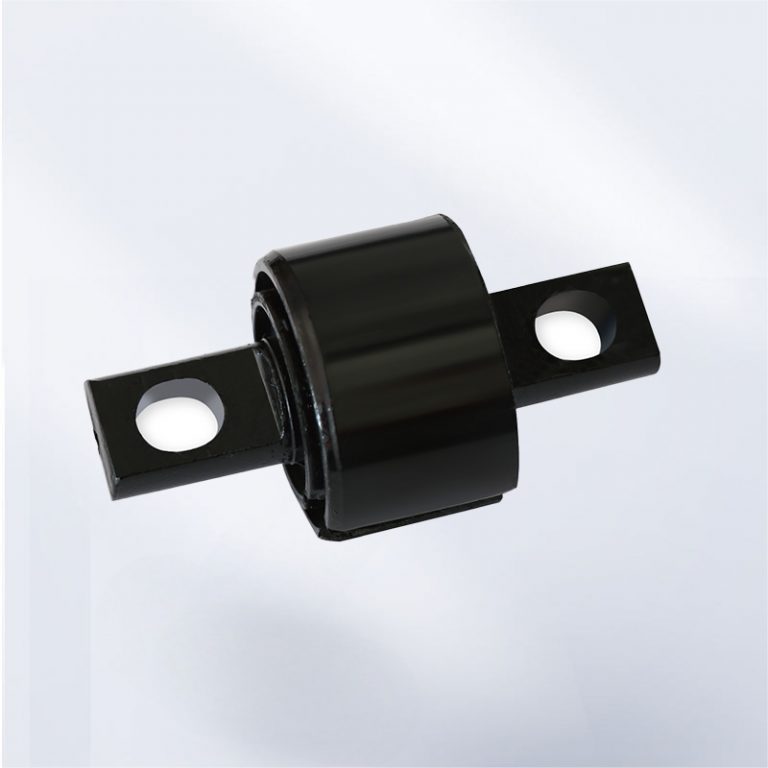
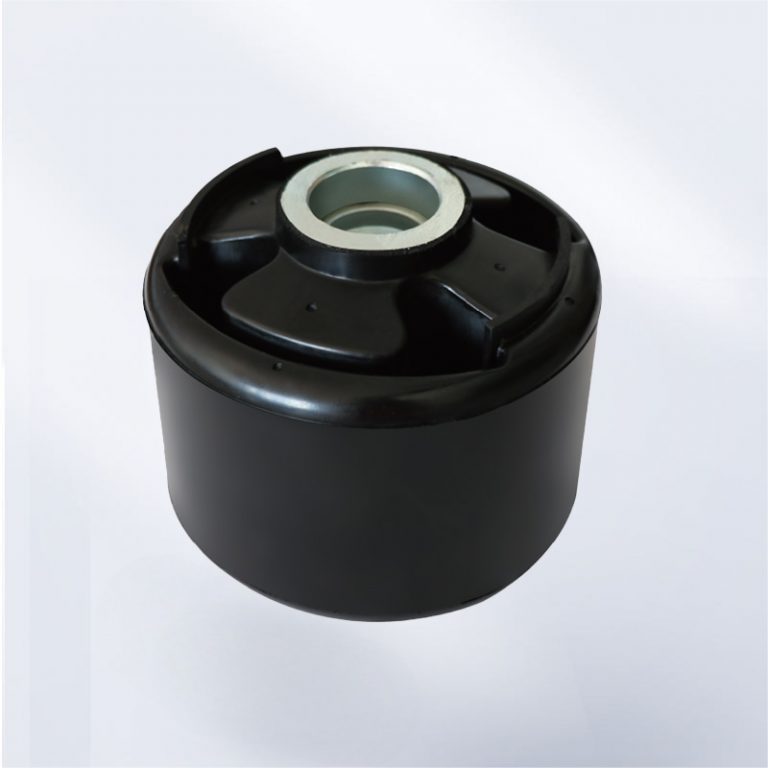
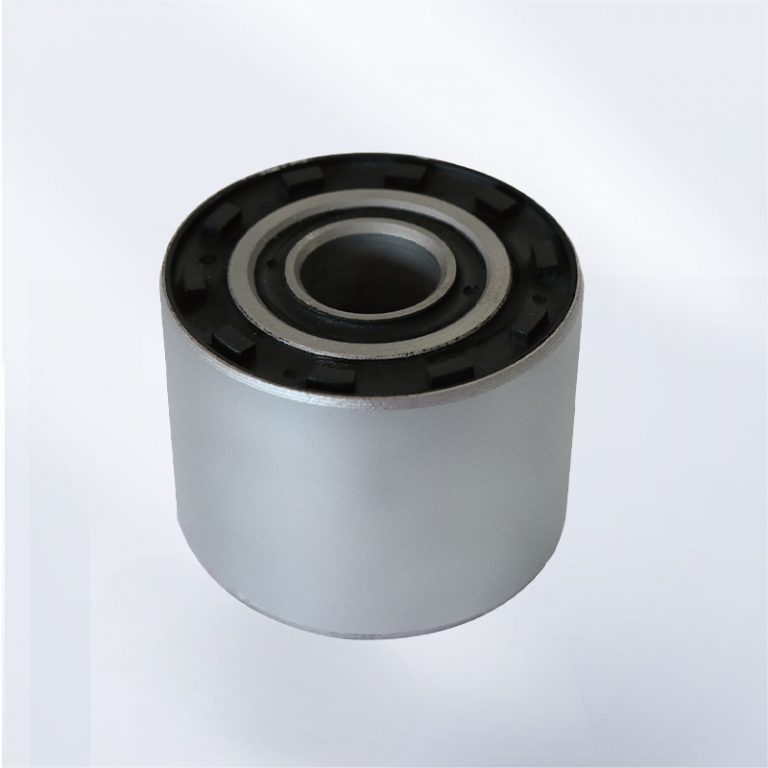
For those involved in automotive technical work, buying, or component supply, lasting power and trustworthiness always rank as primary issues. Meichen focuses on automotive rubber and fluid pipeline systems. Meichen has invested years in gaining skills in intake setups, cooling setups, and suspension parts. With broad production sites and forward testing labs, it aids vehicle builders via full item growth, checks, and fitting skills. Its technical groups merge substance planning, model review, and lasting check so hoses can cope with tough work settings.
Gazing toward 2026, silicone hose tech will keep advancing. Power shifts, light car builds, and intricate heat setups are sparking fresh needs. Makers now seek hoses to outlast greater warmth, firmer force loops, and extended use spans than previously.
What Changes Are Coming to Automotive Silicone Hose Technology?
Automotive planning continues changing as power units grow more effective and cars head to power shifts. Parts once seen as basic now get replanned to back tougher setups. Silicone hoses count among those parts.
Automotive fluid pipelines find broad use in cooling setups, intake setups, turbocharger links, and other drivetrain units. These hoses need to hold seal skill and build strength even as warmth and force shift swiftly.
Current cars add heavier load on these pipelines. High-output engines create extra heat. Meanwhile, mixed and electric cars bring added cooling paths.
Why Are High-Performance Materials Becoming More Important?
Substance knowledge holds a key spot in the coming of automotive hoses. In rough engine spots, a hose must fight high warmth, substance contact, and wear.
Present mix recipes hold various rubber substances like FVMQ, FKM, VMQ, HT-AEM, HT-ACM, NBR, and other stretchers built for fluid pipelines and shake control goods.
Such substances get picked based on the work setting. Some deal with severe warmth more effectively. Others work well in oil-heavy air or coolant states.
For intake and fluid pipeline setups, the work warmth span can hit from about −55°C to 250°C. This relies on the car plan and work states.
This broad span shows why silicone-based substances stay vital.
A further point is wear defense. Rubber parts face steady shakes and heat loops amid car runs. Forward silicone mixes keep stretch longer. This cuts the chance of splits or loss over periods.
How Are Structural Designs Improving Hose Performance?
Substance gains by themselves fail to fix all issues. Build planning holds equal weight.
Current automotive hoses frequently employ multi-layer builds. Support layers like aramid fibers raise burst force defense and machine strength. These layers let hoses endure firm force beats made in turbocharger and intake setups.
A further clear shift sees swapping heavy metal pipes for lighter substances. Automotive planners more often mix plastic pipelines, stretcher links, and rubber hoses to form lighter setups. In numerous cases, plastic pipes act as the main build. Rubber hoses then offer bendy links among parts.
This method lowers weight and boosts shake uptake. It also eases fitting amid car making.
How Does Intelligent Manufacturing Improve Hose Quality?
Quality oversight proves vital for automotive hoses. Even a tiny flaw might spark coolant loss or force drop.
Current making lines now use machine shaping systems fitted with laser check tools. These devices watch the outer width of hoses in real moments. They also auto-adjust making speed when shifts show up.
Production sites further use loss spot systems that check each hose via various review stops. Check info gets noted and kept so technicians can follow item quality amid the full making loop.
Behind the making lines, labs run scores of check items. These span substance traits, wear lasting power, warmth jolt, and wear defense. Such checks confirm if hoses can outlast true car states prior to market reach.
Where Are Silicone Hoses Used Most in Modern Vehicles?
Silicone hoses appear across a car. Their core role is to carry air or fluid while holding the setup sealed and steady.
Why Are Cooling Systems a Key Application?
Cooling setups rely much on bendy pipelines. Hoses link radiators, coolant holders, pumps, and heat rule units. They bear coolant among these parts while managing warmth shifts and machine shakes.
Current coolant hoses frequently use substances like EPDM or heat-stretchers backed with fiber layers. These builds lift lasting power and force defense.
Electric cars add fresh twists. Battery packs, motors, and power gear all need warmth rule. Thus, coolant pipelines now spread over more spots inside the car.
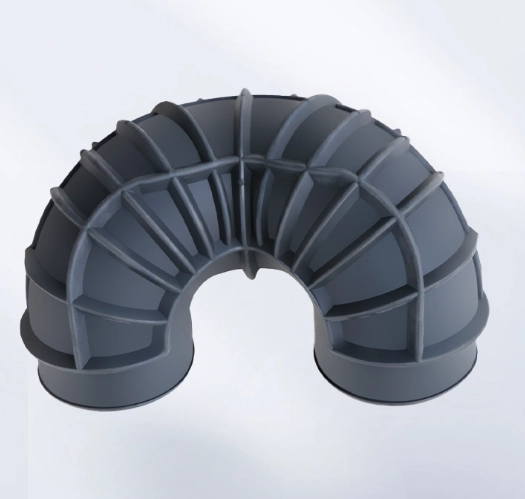
How Do Intake And Turbocharger Systems Use Silicone Hoses?
Intake setups and turbochargers make notable heat and force. Hoses in these setups carry air or oil-gas blends among air filters, turbochargers, intercoolers, and engine intake paths.
Certain intake hose builds mix stretchers with support layers like aramid fibers. These layers aid hoses in holding form even amid quick air flow shifts.
Makers further more often supply hose groups over lone parts. Built-in links and fast-link joints ease setup amid car fitting.
What Challenges Does The Silicone Hose Industry Face?
One major issue stands in matching high output with cost oversight. Forward silicone mixes and support substances raise making costs. Automotive makers steadily urge providers to cut costs while keeping lasting power.
Raw substance price swings further shape making plans. Numerous rubber mixes depend on chemical bases that change in cost over times.
Check standards form another issue. Automotive hoses must clear firm lasting checks. These cover wear tests, force burst tests, warmth jolt testing, and setting mimics. Labs fitted with PVT check systems and lasting test bases hold a key role in these reviews.
What Will Automotive Silicone Hoses Look Like In The Future?
First, multi-substance merging will grow more usual. Coming hose groups may mix plastics, stretchers, and support fibers into one build planned for set vehicle bases.
Second, digital making will widen. Machine watching systems and info-led making rule will cut shifts and lift steadiness across broad making volumes.
Third, green aims will sway substance growth. Studies slowly center on re-use stretchers and cleaner making steps.
Lastly, car power shifts will keep reshaping heat rule. Electric cars use more twisted cooling nets than old engines. Silicone hoses will stay vital since they blend bendiness, heat fight, and long use span.
FAQ
Q1: Why Are Silicone Hoses Widely Used In Vehicles?
A: Silicone hoses tolerate high temperatures, resist chemical corrosion, and remain flexible for long periods. These characteristics make them suitable for cooling systems, intake systems, and turbocharger pipelines.
Q2: What Temperature Range Can Automotive Hoses Handle?
A: Depending on material formulation and system design, some automotive hose systems can operate between approximately −55°C and 250°C.
Q3: What Materials Are Commonly Used In Automotive Hose Manufacturing?
A: Common materials include VMQ silicone rubber, FKM fluororubber, HT-AEM, HT-ACM, NBR, and other elastomers used in fluid pipeline systems.
Q4: How Are Automotive Hoses Tested For Durability?
A: Manufacturers perform fatigue tests, pressure burst tests, aging tests, and environmental simulations using specialized laboratory equipment to verify long-term reliability.
Q5: Will Electric Vehicles Increase Demand For Silicone Hoses?
A: Yes. Electric vehicles rely on advanced thermal management systems for batteries and electronics, which increases the need for durable and flexible coolant pipelines.