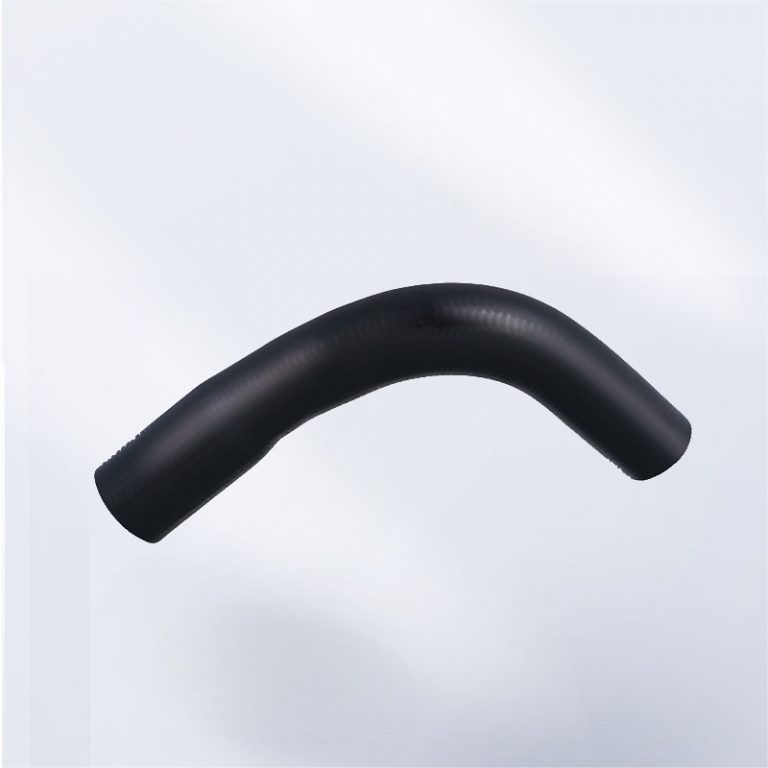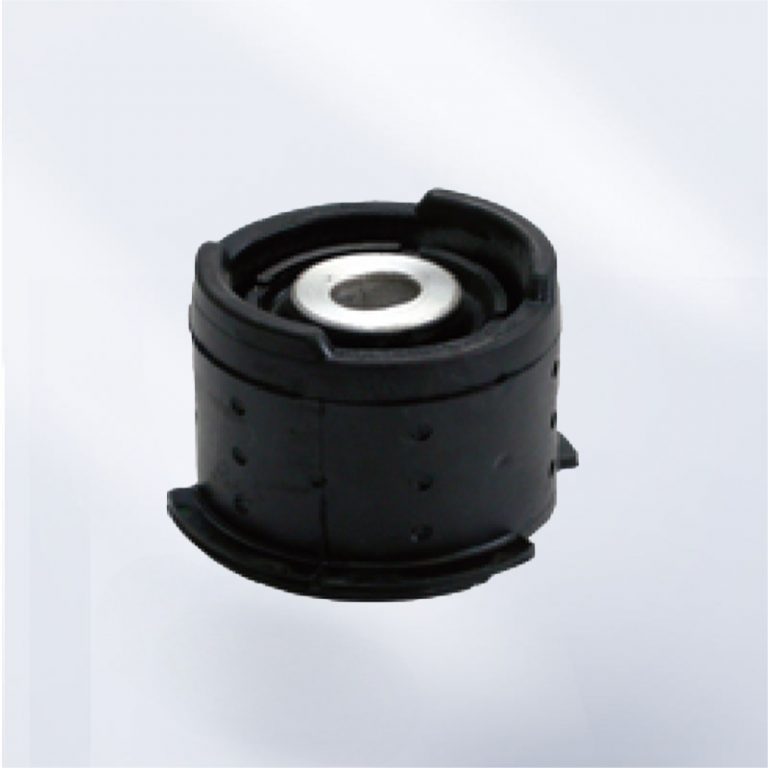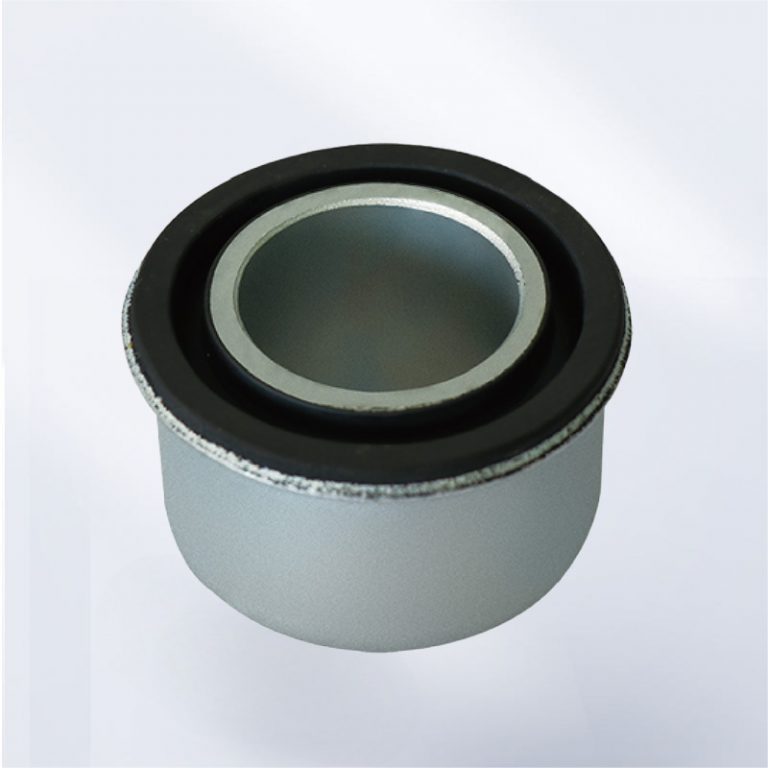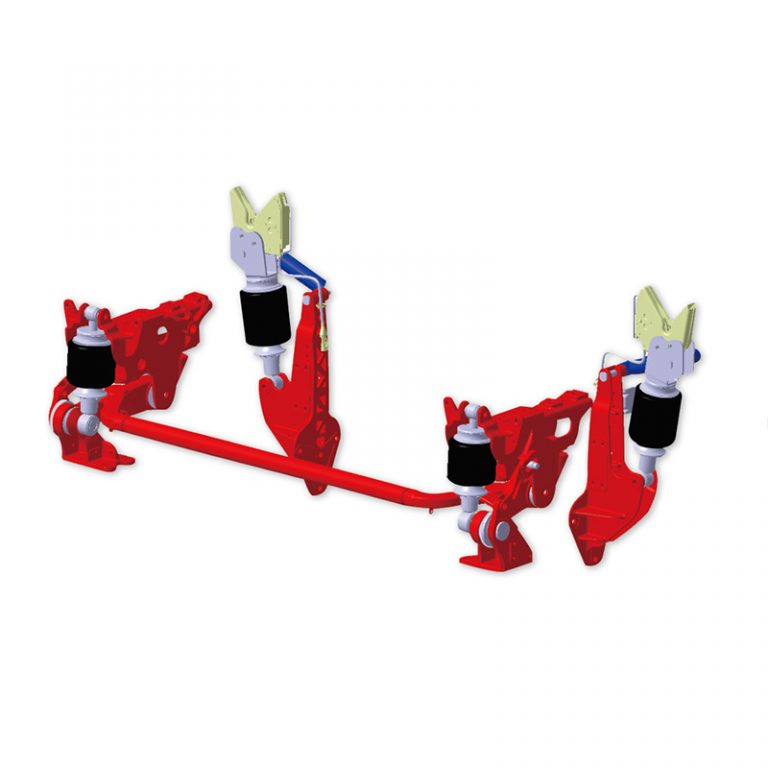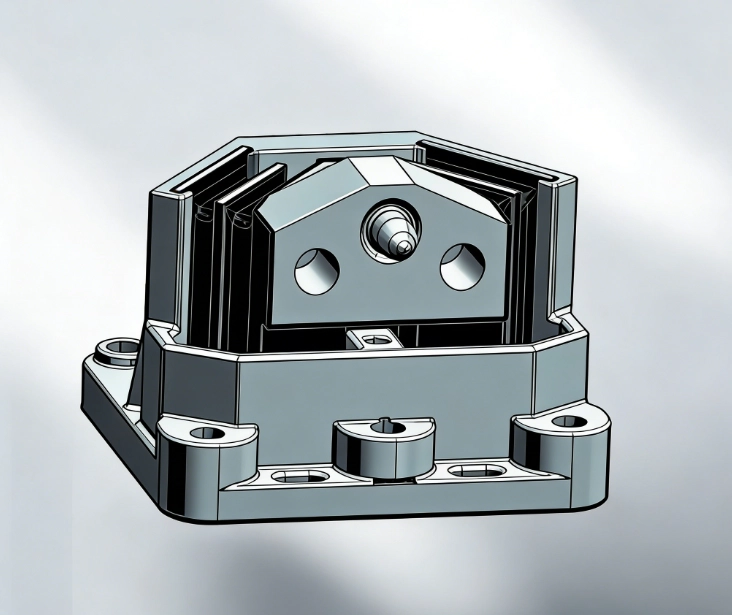
A clunk when you shift is not “just a noise”. It is your powertrain moving too far, then snapping back. That movement can come from an engine mount, motor mount, powertrain mount, or a tired transmission mount and gearbox mount. Ignore it long enough and you may end up with cabin shake, worn brackets, and parts rubbing where they should never touch.
If you source mounts for fleets or build an import parts list, Meichen is a practical partner to know. If you also want a vibration reduction system supplier that can support long-term programs, the quality backbone matters. Founded in 2004 in Zhucheng, Shandong, near Qingdao, Meichen is a listed, state owned controlled national high tech auto parts group focused on suspension systems, vibration reduction system products, and fluid transfer systems. The company has received “Top 100 national auto parts supplier” recognition year after year since 2006. Its CNAS accredited lab runs 200 plus advanced test instruments, and the plant uses automation, online monitoring, and visual mistake proofing to keep consistency.
Why Does a Bad Engine Mount Cause a “Clunk” when You Shift?
A shift creates a fast load change. Mounts connect the frame and the powertrain, support powertrain weight, and damp road excitation. When a mount loses stiffness or damping, the powertrain rolls, hits a limit, and makes the clunk.
Torque Reaction and Powertrain Roll
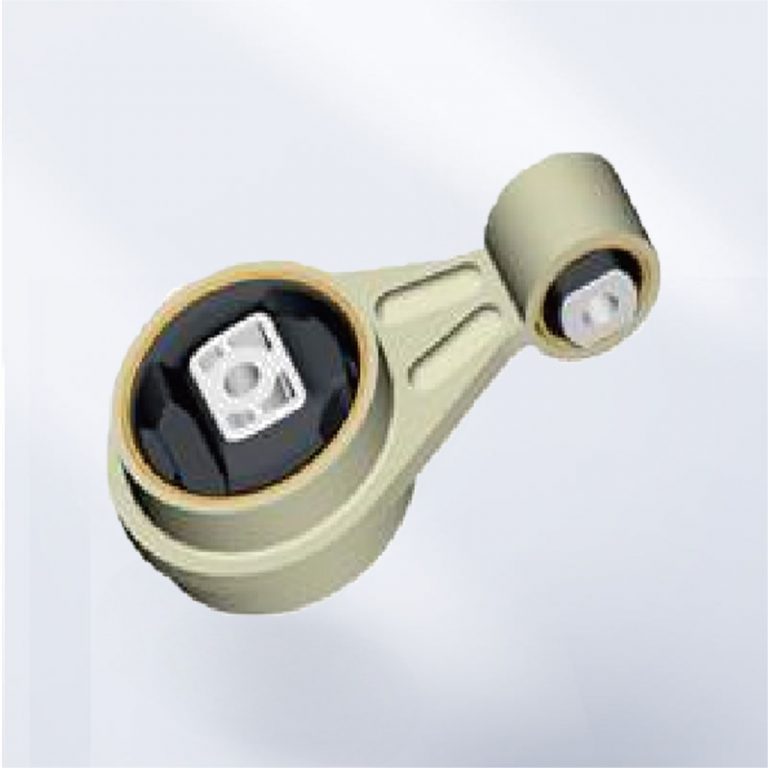
Torque tries to twist the engine and gearbox in the bay. A healthy engine mounting set limits that roll. When a rear engine mount softens, the twist becomes a jump, then a rebound. A front engine mount can show a similar hit, just in a different direction.
Bushing Collapse and Bracket Contact
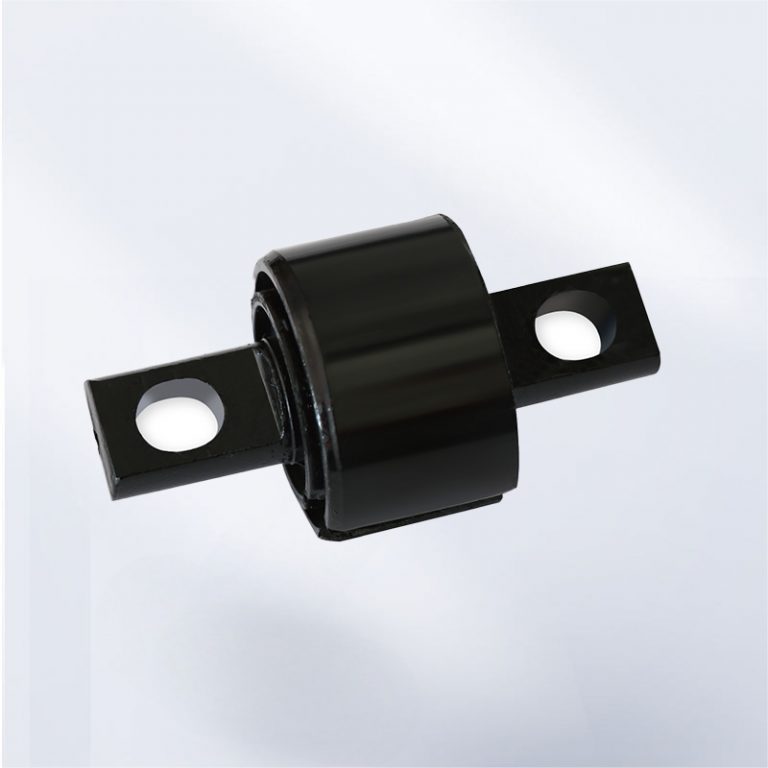
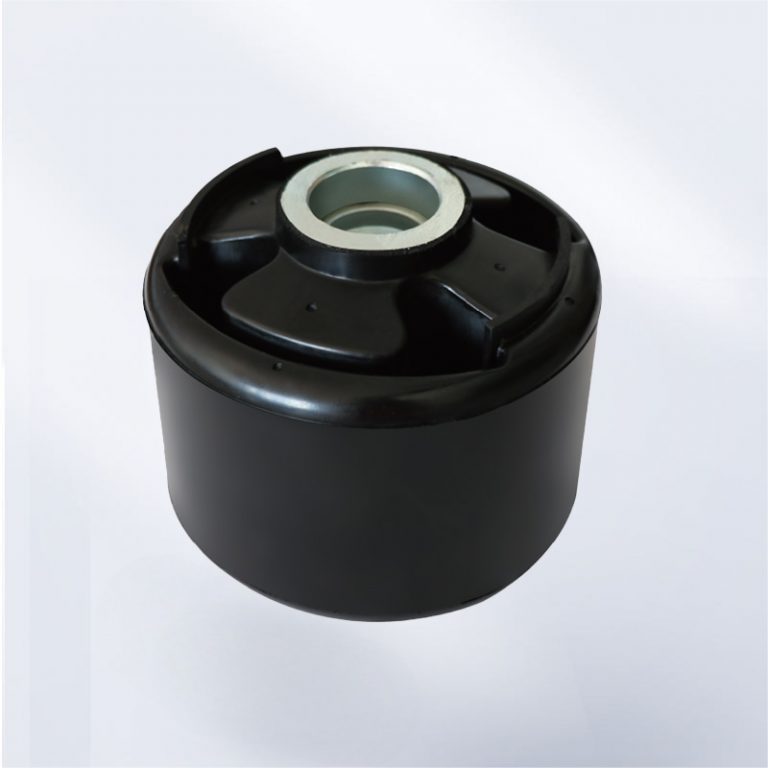
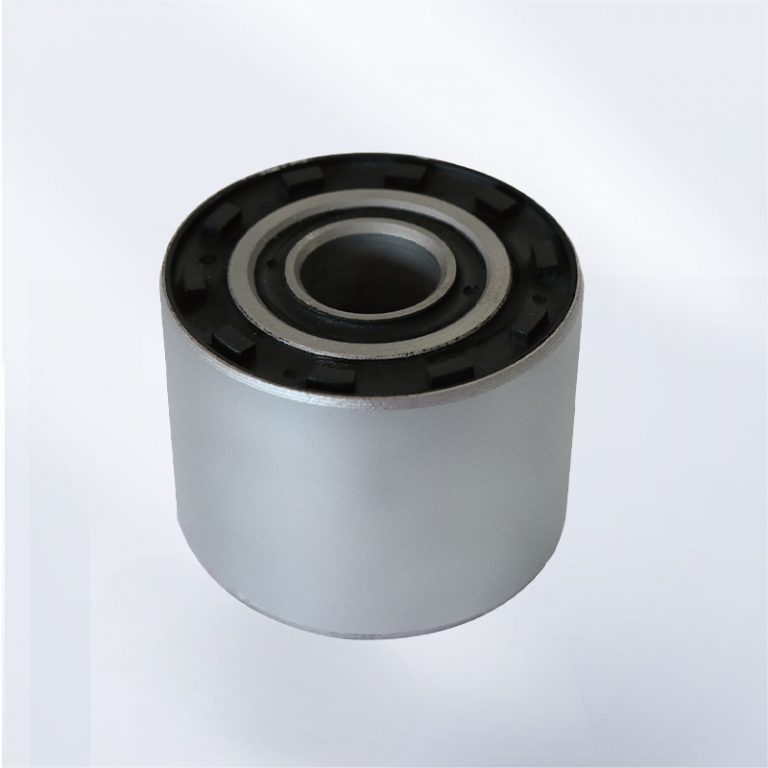
Most engine mount assembly designs use metal materials, engineering plastics, and rubber. When rubber cracks or separates, the mount can bottom out and brackets can touch. Look for shiny contact marks, torn rubber edges, and a mount that sits low on one side.
Gearbox Mount Interaction
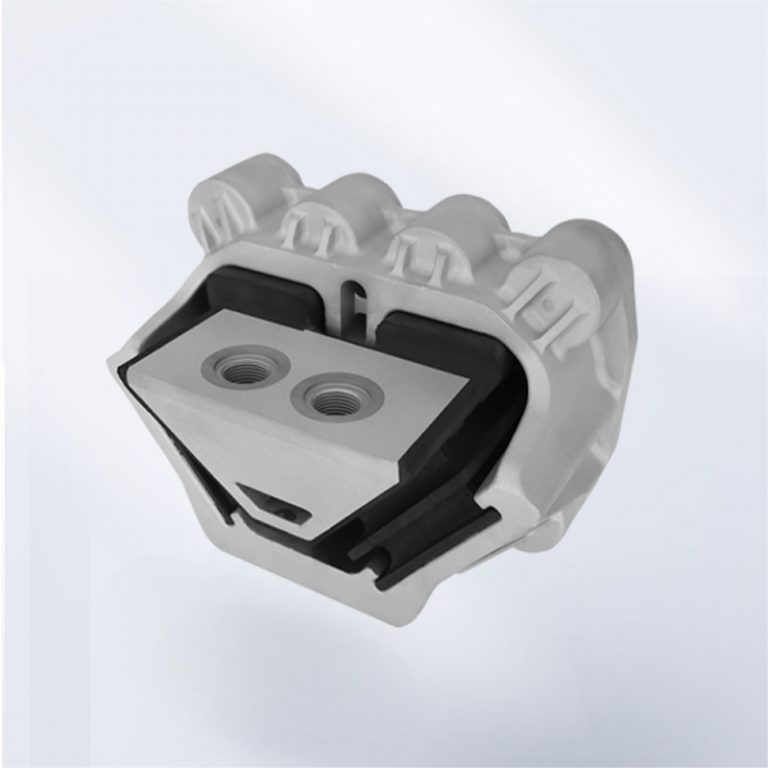
A gearbox mount or transmission mount shares the same load path. If one sags, the load shifts into the other mounts. You can feel an engine mount problem even when the transmission mount started it. A full powertrain mount check saves time.
What Are the 7 Most Telling Engine Mount Failure Signs?
Mount failure is usually a slow slide. You get small signs first, then the clunk. When two or three signs show up together, you are past “maybe”.
Shift Clunk and Driveline Shock
Sign 1 is a clunk when selecting drive or reverse. Sign 2 is harsh engagement that feels like a bump. Sign 3 is a thud during throttle on and off. These are common with a worn motor mount, a weak rear engine mount, or a collapsing gearbox mount.
Idle Vibration and Cabin Shake
Sign 4 is steering wheel buzz at idle. Sign 5 is seat and floor shake that changes with engine speed. A rubber engine mount that has aged transmits more vibration. A hydraulic engine mount or fluid filled engine mount can also lose damping after a seal issue.
Visual Wear and Fluid Leaks
Sign 6 is cracking, tearing, or a sagging mount height. Sign 7 is oily residue around a hydraulic mount body. These failures are easier to control when testing covers raw materials through finished parts, not just final inspection.
Engine Mount or Transmission Mount: Which One Is Actually Failing?
Swapping the wrong part costs money and time. A few checks can separate engine mount issues from transmission mount problems, especially on commercial vehicles.
Quick Road Checks You Can Do
Note exactly when the noise happens. A single hit during engagement points to mount play. If the clunk is worse when reversing under load, the rear side of the powertrain mount set often takes the hit.
Lift Inspection of Front and Rear Mounts
On a lift, check mount height, rubber separation, and contact marks. Also check fasteners. A loose bolt can mimic a failed mount. Compare left and right mounts for height, then inspect the transmission mount area for sag and torn rubber.
Rubber or Hydraulic: Which Motor Mount Type Fits Your Application?
The right mount depends on your vehicle and your customer. Passenger cars often want quieter idle. Commercial vehicles often want long life. Match the mount type to duty cycle, then confirm it with test data. In catalogs you may also see the term anti-vibration mount, it points to the same core job.
Rubber Engine Mount Basics
Rubber engine mounts are common because they take abuse and stay simple. They also fit wholesale engine mounts bulk order plans where cost control matters. If you need a starting point that covers passenger cars, commercial vehicles, and construction machinery, the Engine Mount line is built for connecting the frame and powertrain, supporting weight, and damping road excitation.
Hydraulic and Fluid Filled Damping
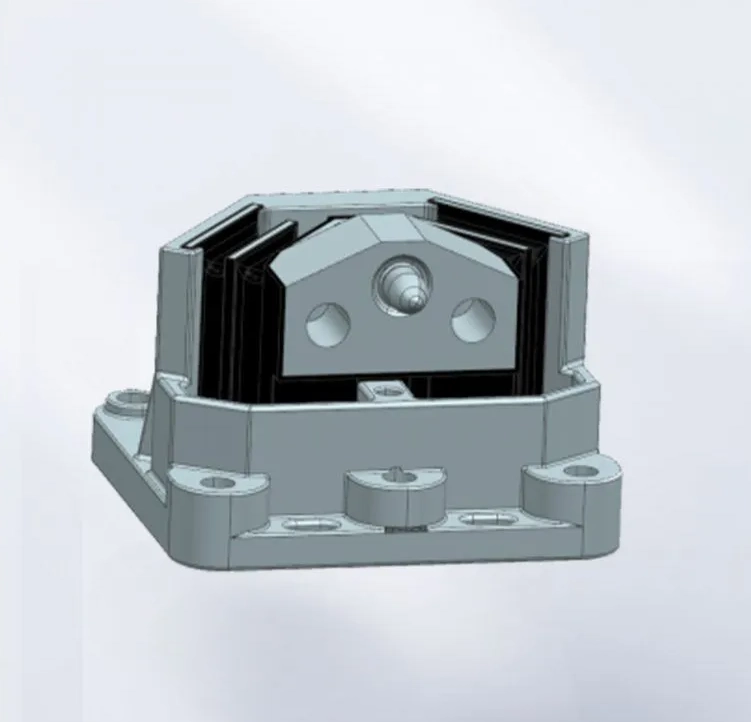
Hydraulic engine mounts add fluid damping to cut low frequency shake. They can feel smoother at idle and low RPM. The tradeoff is leak risk. When a fluid filled engine mount loses fluid, damping drops fast. For passenger car programs with tighter NVH targets, passenger car engine mount OEM/ODM support often becomes part of the RFQ. Engine Mount (Passenger Car) is a useful reference point.
Engine Mounting Layout and Torque Struts
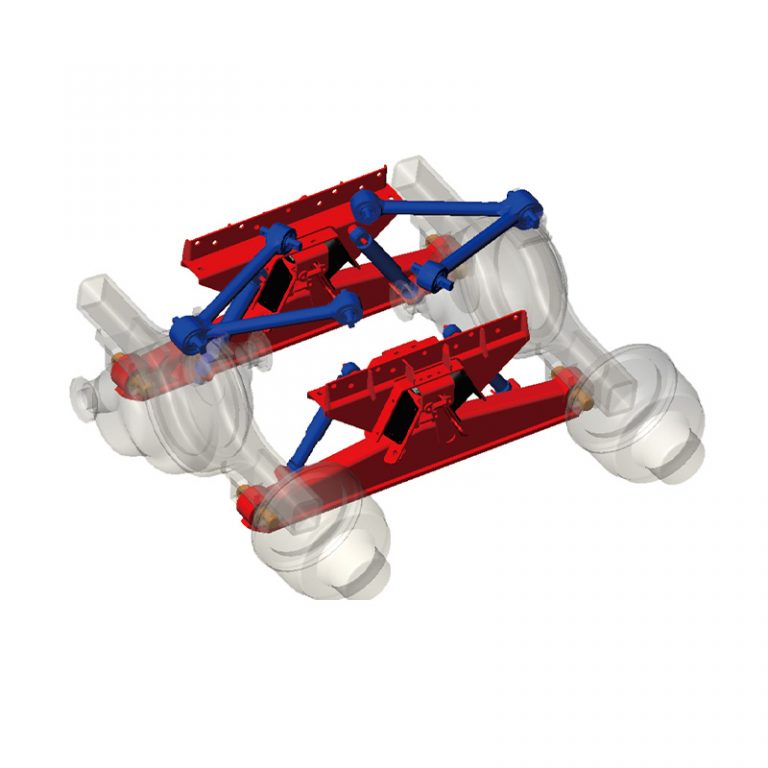
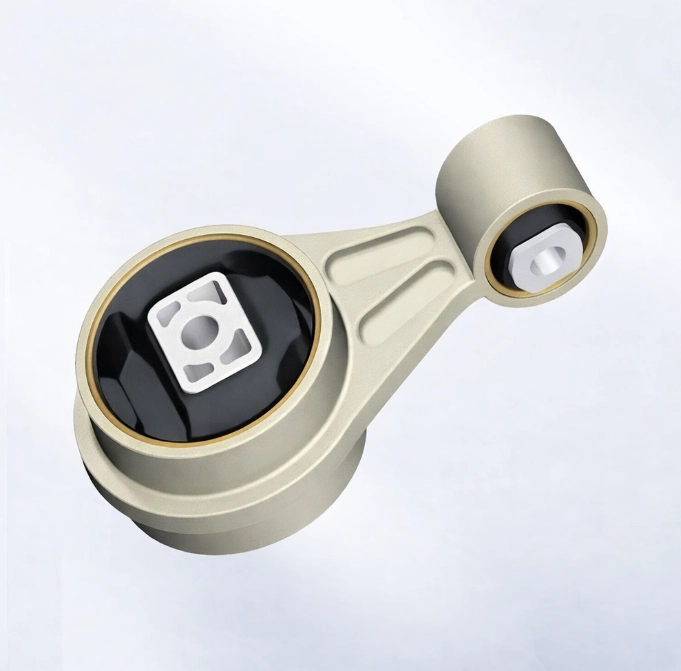
Mount layout changes everything. Some vehicles rely on a front engine mount, a rear engine mount, and a torque strut. Others spread load across side mounts plus a gearbox mount. If you are a rear engine mount supplier, confirm bracket layout and load direction before quoting.
What Causes Engine Mounts to Fail Faster in Commercial Vehicles?
Commercial duty means more shifts, higher torque, heavier payload, and more vibration. If you support fleet maintenance or supply an engine mount for commercial vehicles supplier program, specs need to be strict and repeatable.
High Load Cycles and Harsh Duty
Repeated torque roll works the rubber every day. Add rough roads and heavy loads, and a mount that “fits” can still feel weak in the cab. Durability validation and fatigue checks matter here, especially for a full powertrain mount set.
Heat Oil and Chemical Attack
Heat ages rubber. Oil softens it. Salt attacks metal. This is where compound choice and surface protection show their value. Meichen’s formulation capability covers a broad range of rubber materials, and testing helps keep batch changes under control.
Installation Errors and Mixed Mount Sets
Mounts fail early when they are preloaded during installation or tightened at the wrong engine position. Mixing old and new mounts in one set can also twist the system. Clear install notes and consistent part matching reduce returns.
How Do You Source OEM and ODM Engine Mounts for Bulk Orders?
Sourcing is about risk control. You need an engine mount manufacturer that can design, validate, and produce the same part again and again. If you want a long term engine mount supplier or factory partner, check three things: specs, validation, and production control.
Specs Drawings and Materials
Start with drawings and target behavior. Confirm load directions, stiffness targets, and travel limits. Confirm material stack, including rubber grade and any fluid damping. Meichen supports engineering with CAE and ABAQUS for nonlinear analysis, and it holds a large patent base, which helps for custom engine mount manufacturer projects.
Validation Quality Systems and Traceability
Ask how durability is proven. Meichen’s CNAS lab has 200 plus advanced instruments and covers raw materials, semi finished parts, and finished products. Production uses online monitoring feedback, automatic identification marking, and visual mistake proofing. The quality system side includes IATF 16949, ISO 14001, and ISO 45001, backed by a “zero defects, continuous improvement, customer satisfaction” quality policy.
Bulk Order Export Shipping and After Sales Support
If you need an engine mount export supplier with global shipping, ask about packaging, labeling, and lot traceability for bulk order shipments. Meichen uses an SRM platform to strengthen supply chain quality control. For RFQs, drawings, and volumes, use the Contact Page.
FAQ
Q1: What does a clunk when you shift usually mean for an engine mount assembly?
A: It usually means the powertrain is moving too far, then hitting a limit. Common causes are rubber separation, collapsed mount height, or a worn rear engine mount.
Q2: Can a transmission mount cause the same symptom as a motor mount?
A: Yes. A sagging gearbox mount or transmission mount shifts load into the engine mount, so check the full powertrain mount set.
Q3: What is the simplest way to spot a failing hydraulic engine mount?
A: Look for oily residue and a sudden rise in idle vibration. A fluid filled engine mount can lose damping quickly after a seal issue.
Q4: What should you ask for when buying OEM engine mount or ODM engine mount parts in bulk?
A: Drawings and tolerances, material specs, durability validation, and clear lot traceability for bulk orders.
Q5: What matters most when placing wholesale engine mounts bulk order shipments for export?
A: Stable batch quality, clear labeling, packaging that protects rubber and metal, and supplier support for documentation and global shipping.