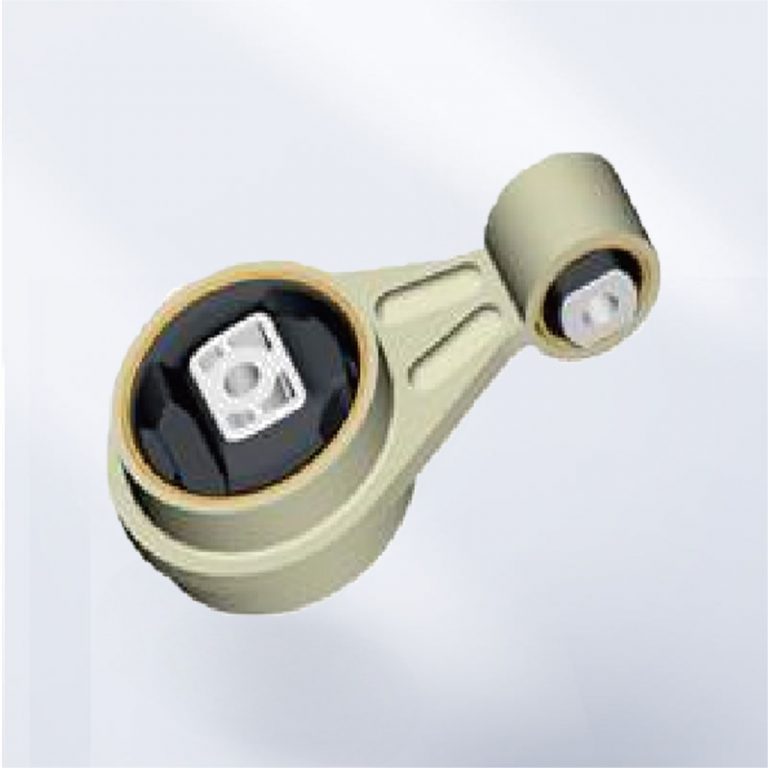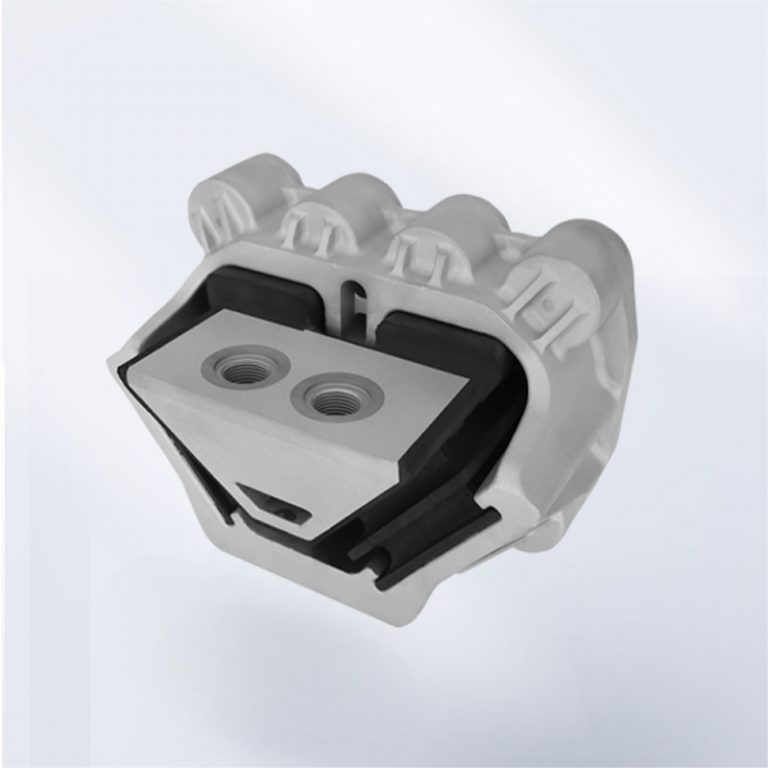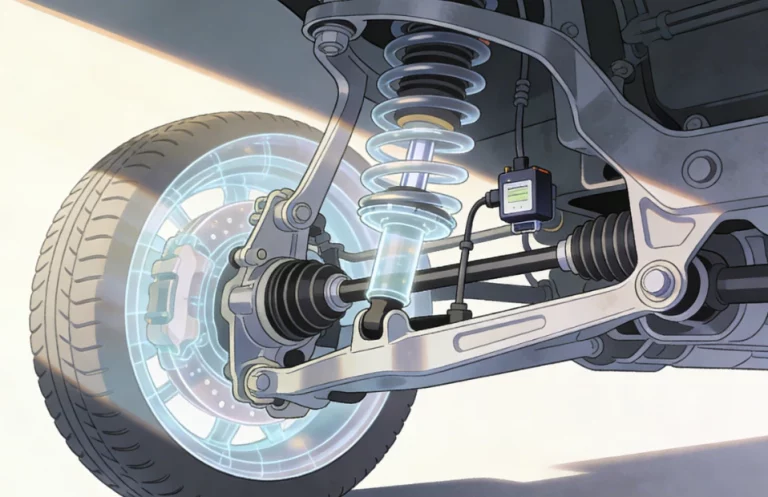
Steering wheel vibration troubles many drivers on a regular basis. People often point fingers at tire problems or brake faults right away. However, they tend to ignore key parts in the suspension setup. Thrust rod bushings play a vital role in this area. These components help keep the vehicle steady and absorb road impacts effectively. Once they start to wear down, shakes can spread freely across the frame and reach the steering wheel without much resistance.
For those looking into better options for their car’s suspension needs, consider the skills offered by Meichen. Meichen brings close to twenty years of fresh ideas in car parts. It stands as a national high-tech business with worldwide reach. Meichen focuses on car suspension setups, systems that cut down shakes, and fluid handling mechanisms. Their thrust rods stand out with smart designs. These include the carefully made I-type thrust rod. They also offer the sturdy V-shaped thrust rod. Such products set new benchmarks for strength and efficiency in trucks and heavy equipment used in building projects.
What Causes Steering Wheel Vibration During Driving?
Degraded Thrust Rod Bushings and Their Impact
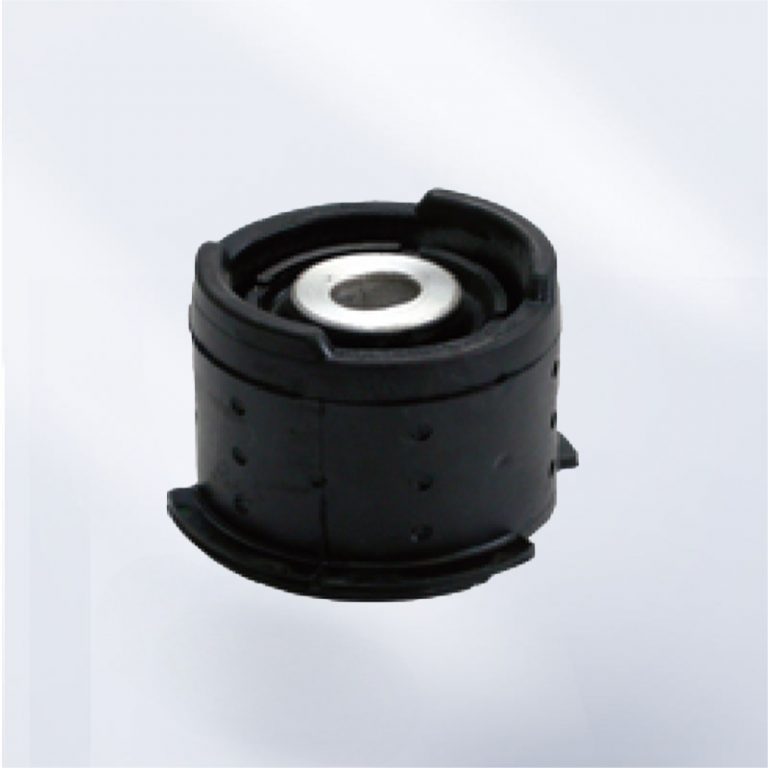
When thrust rod bushings break down over time, they no longer handle jolts well or quiet road shakes properly. Therefore, drivers might notice more direct input in the steering setup. This happens particularly on rough roads. Bushings that bend out of shape permit extra motion. That motion sends shakes into the passenger area. In turn, it affects how comfortable the ride feels and how the vehicle responds to controls.
Imbalanced or Damaged Tires and Wheels
Tire and wheel units that lack proper balance or suffer from physical harm can create wobbles at certain speeds. These wobbles pass along the steering shaft. As a result, they create feelings similar to those from old bushings or poor suspension setup. It remains crucial to check these through routine tire care. Yet, one must also look at the condition of suspension pieces to get a full picture.
Brake System Irregularities Under Load
While stopping the vehicle, a pulsing sensation in the brake pedal or steering wheel might occur. If so, the issue could stem from bent brake discs or calipers that do not release smoothly. Such problems produce uneven stopping power. That power echoes through the front suspension and steering parts. Mechanics need to tell these signs apart from those linked to thrust rod bushing wear. Only then can they make a correct judgment on what needs fixing.
Could Thrust Rod Bushings Be the Overlooked Culprit?
Role of Thrust Rods in Suspension Geometry Control
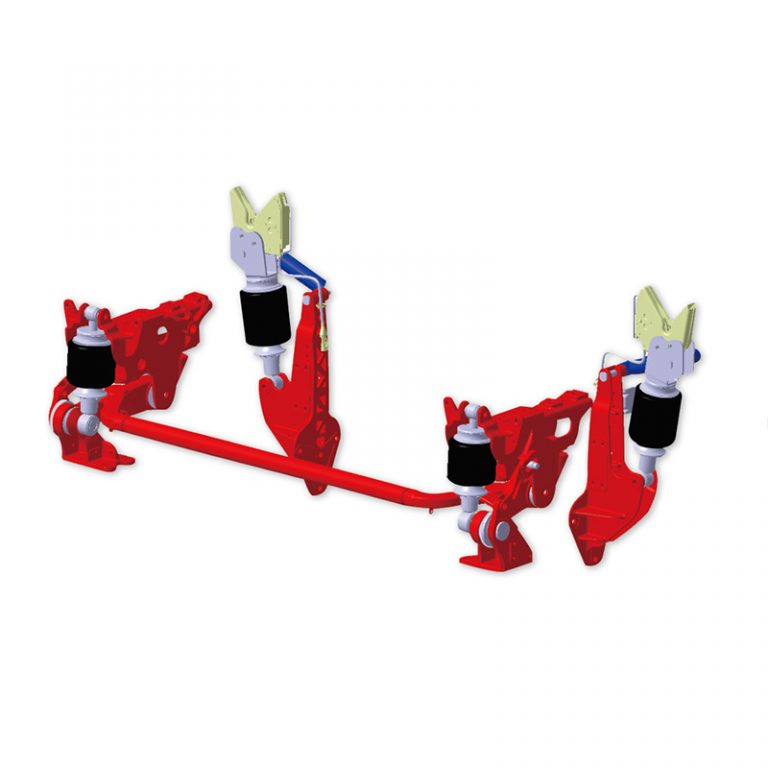
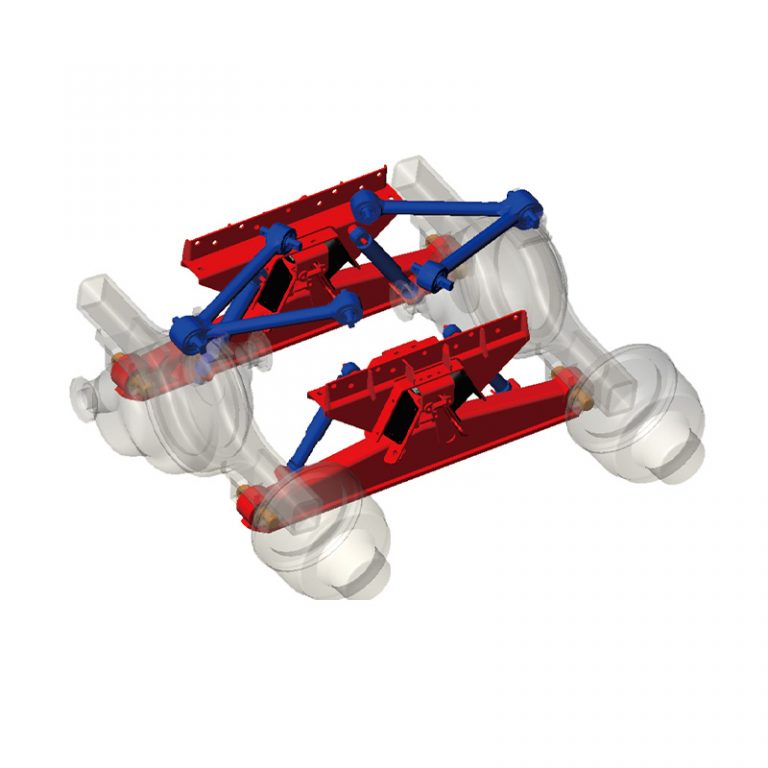
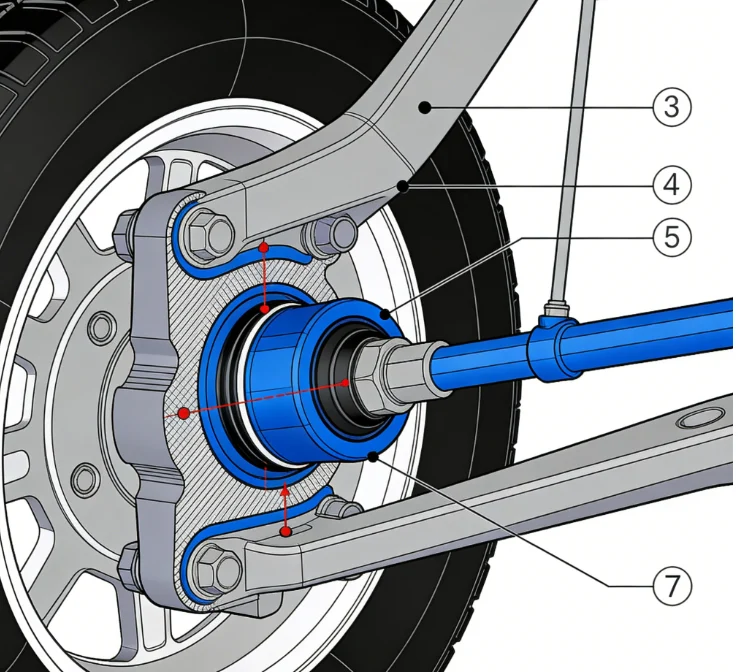
Thrust rods hold an essential spot in how suspensions are built. In car uses, thrust rods carry out a key task. They support the bulk of the weight from loaded trucks. At the same time, they keep the axle in line and fight back against forward-backward pushes from speeding up or slowing down. Because of this, they prove necessary for steady direction keeping. Without them working right, the vehicle might drift or feel loose on the road.
Bushing Wear Leading to Excessive Play and Feedback
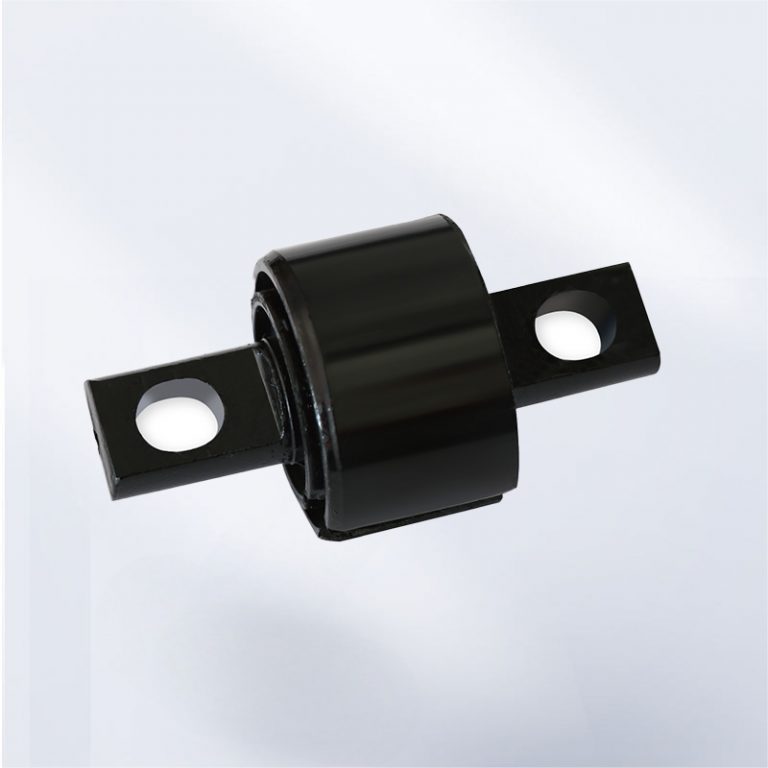
Bushings lose their bounce as they age and get used. This loss creates looseness in the overall setup. Consequently, the axle shifts more than it should. Worn bushings fail to block shakes well. That leads to shaky steering control. Gradually, small signs of bushing trouble can grow into big steering problems. These issues show up more clearly during fast driving or when carrying heavy cargo. Drivers then face reduced safety and comfort on longer trips.
Diagnostic Challenges in Identifying Bushing Failure
Finding out if thrust rod bushings have failed presents real difficulties. The warning signs include shakes, odd knocking sounds, and uneven vehicle behavior. These signs often match up with other problems like worn ball joints or brake troubles. That similarity makes it hard to spot the true cause. Without close checks or tools meant for this purpose, diagnosis becomes even tougher.
How Do Meichen’s Thrust Rods Address These Issues?
Precision-Engineered I-Type Thrust Rod Design
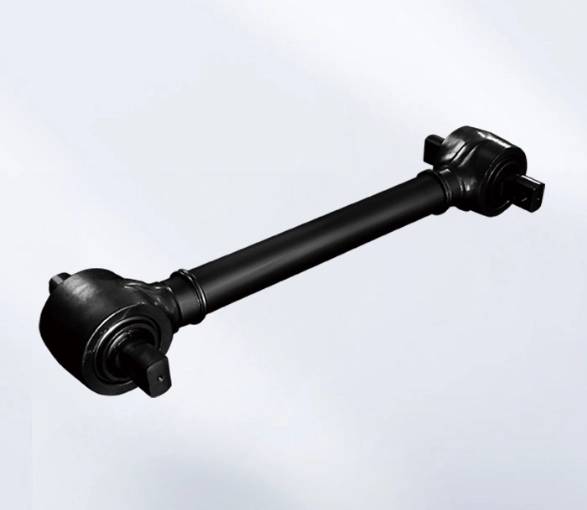
Meichen’s I-type thrust rod stands ready to handle strong straight-line pressures with very little bending. Automobile thrust rod serves as a crucial car part. It mainly fits into the chassis framework. These rods link the body frame to the axle. They make up for weaknesses in leaf spring arrangements. Moreover, they pass along pulling and stopping forces smoothly. This works well across different types of vehicles, from everyday cars to tougher models.
Reinforced V-Shaped Thrust Rod for Heavy-Duty Applications
Vehicles that need extra side-to-side help and even spread of pressures during active use find a good match in Meichen’s V-shaped thrust rod. The V-type thrust rod can also bear lateral force. That feature suits it perfectly for work trucks in tough spots. Examples include sites for construction work or routes for long-distance hauling. These rods help maintain control even when conditions get rough.
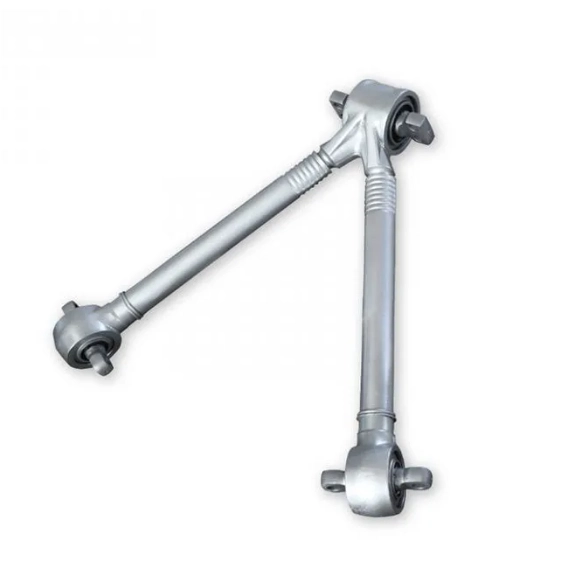
High-Performance Elastomer Bushings for Vibration Isolation
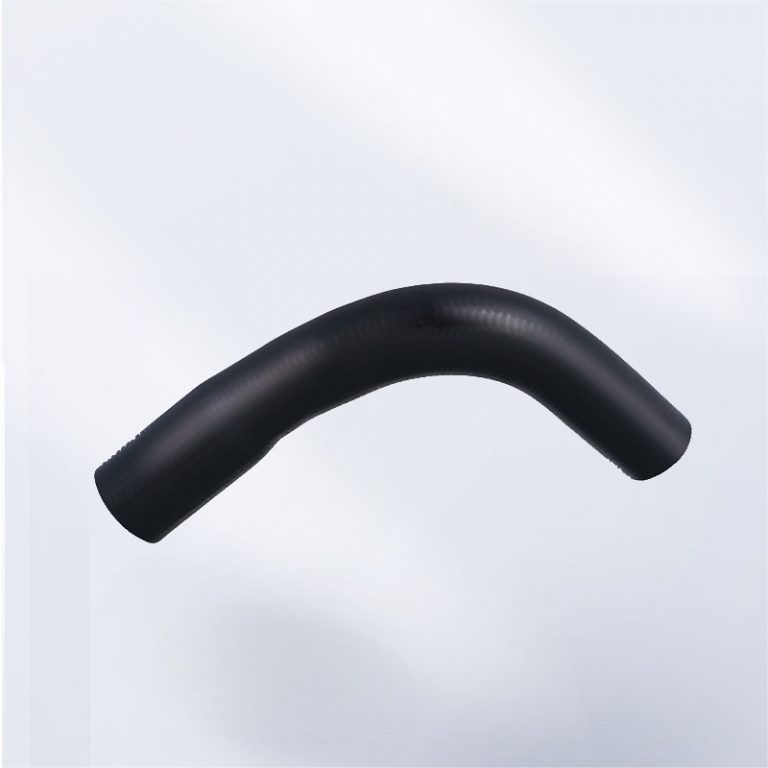
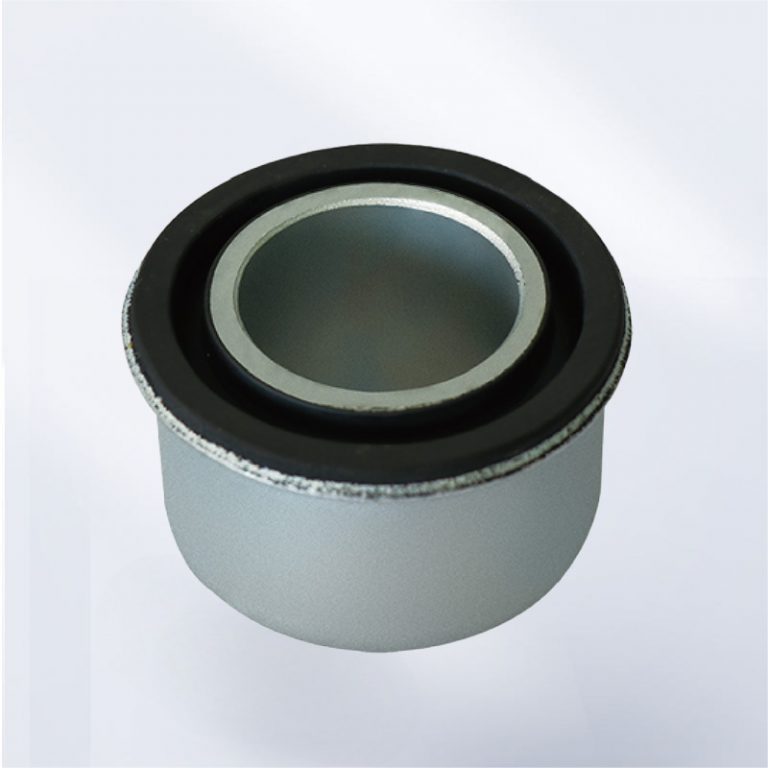
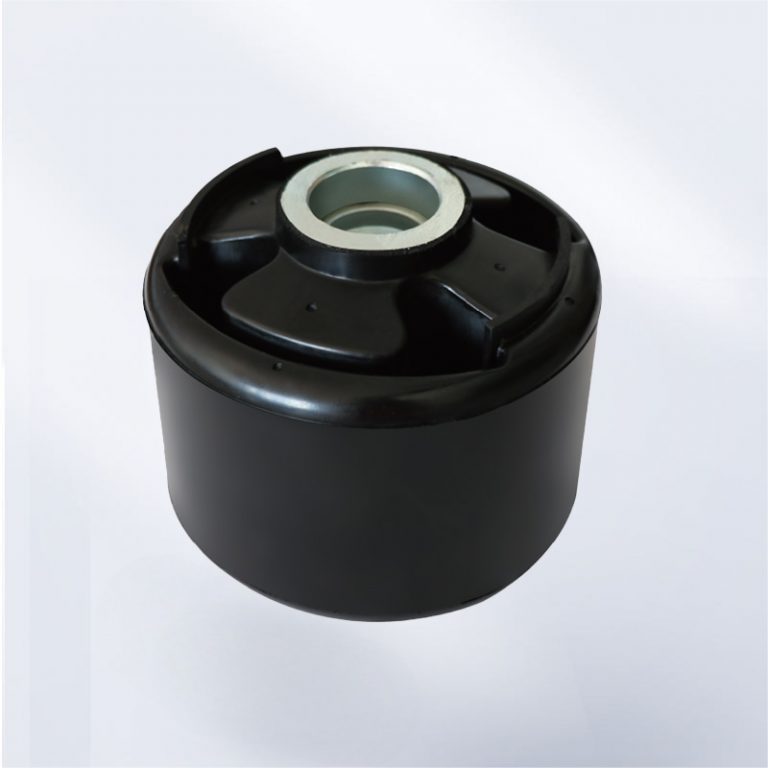
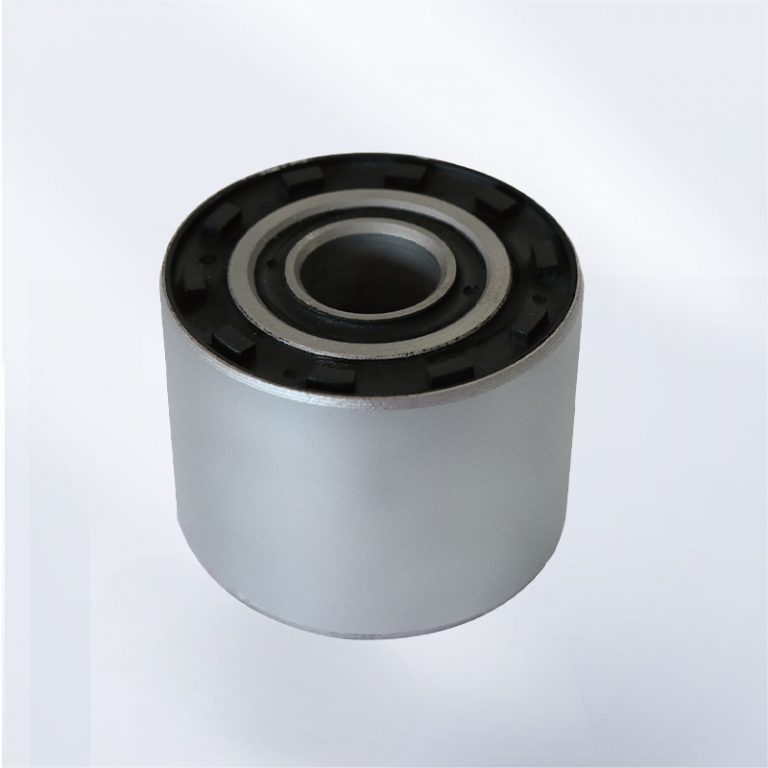
Meichen equips its thrust rods with bushings crafted from special rubber-like materials. Proprietary elastomer formulations achieve both resilience and effective vibration suppression. These substances get designed to offer the best shock absorption. At the same time, they stand up against damage from weather or wear. As a result, the bushings last much longer in real-world use. This setup keeps the vehicle smoother and quieter over time.
When Should You Replace Your Vehicle’s Thrust Rods?
Observable Signs of Bushing Deterioration or Failure
A quick look around might show splits in the rubber, puffed-up bushings, or oil seeps near the attachment spots. These serve as strong hints of wear setting in. When such clues appear, owners should act fast to swap them out. Delaying could lead to bigger harm in the frame or how the suspension lines up. Regular visual scans help catch problems early and save on repair bills later.
Unusual Steering Response or Vehicle Instability at Speed
Signs like the car pulling on flat paths, heavy trembling in curves, or slow reaction to wheel turns point to trouble in the thrust rods. These problems cut down on how sure drivers feel behind the wheel. They also speed up wear on tires and strain other parts. Addressing them promptly restores normal handling and boosts overall safety during drives.
Maintenance Intervals Based on Load and Driving Conditions
Cars that rack up lots of miles or tackle bumpy paths require checks more often than others. Fleet operators in business gain a lot from set schedules. These should cover thrust rod reviews every 50,000 to 80,000 kilometers. The exact timing depends on how hard the vehicle works daily. Sticking to such plans prevents surprises and keeps operations running smoothly without big interruptions.
How Does Bushing Material Influence Performance?
Comparison Between Rubber and Polyurethane Compounds
Standard rubber bushings provide great shake control at first. However, they break down quicker when faced with heat or constant pressure. Polyurethane types hold up better against such stresses and keep their shape longer. On the downside, their firmness means they let more road noise and vibes reach inside the vehicle. Choosing between them depends on what the driver values most in terms of comfort versus toughness.
Influence of Material Hardness on NVH Characteristics
Materials with greater stiffness improve how solid the setup feels overall. Yet, they can worsen the noise-vibration-harshness levels inside the cabin. Softer options, by contrast, make the ride gentler and quieter. Still, they might permit too much shifting when the vehicle carries weight or hits bumps. Finding the right level of firmness ensures a good mix of stability and smooth travel.
Meichen’s Material Innovation for Optimal Balance
Meichen employs cutting-edge substances to boost how well shakes get dampened and how long parts endure. This smart approach comes from years of research work. They partner with places like South China University of Technology and the University of Waterloo in Canada. Meichen’s testing facility holds national CNAS approval. It features over 200 pieces of top-tier gear for detailed checks. All this guarantees high standards that users can trust for reliable results.
Why Choose Meichen as Your Trusted Supplier?
Proven Manufacturing Expertise Across Global Markets
Meichen started operations back in 2004. Today, it operates as a state-level high-tech firm with shares traded publicly under state ownership. The business has delivered parts to big names in the industry. These include Volvo, GM, Ford, and IVECO. Their reach covers markets for work vehicles around the world. This experience builds confidence in their ability to meet diverse needs effectively.
Rigorous Quality Control and Product Testing Standards
Each thrust rod faces strict trials for endurance, pulling strength, and response to moving weights before it leaves the factory. These steps confirm it can handle various stresses and surfaces without failing. The making process relies on modern methods like robotic welding and constant oversight systems. Together, they ensure every piece meets top safety and performance marks.
Comprehensive Product Support Through Engineering Collaboration
Meichen provides full help from the design stage right through to after-purchase care. They do this across different areas with a team of 120 skilled engineers. The group aids original equipment makers in tailoring products. They use advanced software such as ABAQUS for complex stress modeling. This support helps clients solve unique challenges and improve their vehicle designs efficiently.
What Are the Long-Term Benefits of Upgrading Thrust Rods?
Enhanced Driving Comfort Through Reduced Vibrations
New thrust rods bring back even balance to the suspension. They also cut down on shakes felt inside the vehicle. Drivers gain better concentration on extended journeys. The overall travel becomes much more even and pleasant. Such changes make daily commutes or work runs far less tiring.
Lower Maintenance Costs Due to Extended Component Life
Strong bushings made from lasting rubber cut the chances of breakdowns. They also space out repair times nicely. Owners end up replacing fewer items overall. This approach lowers the full expense of keeping the vehicle in good shape over many years. It proves especially helpful for those running multiple units in a fleet.
Improved Safety Through Consistent Suspension Geometry
Solid thrust rods keep the axle positioned correctly even under changing pressures. That setup delivers steady control in turns, stops, or sudden moves. These qualities play a big part in steering clear of crashes. Upgrading thus adds a layer of protection that benefits everyone on the road.
FAQ
Q1: How do I know if my thrust rod bushings need replacement?
A: Look for cracked rubber, deformed bushings, fluid leakage near mount points, or unexplained vibrations during driving.
Q2: Can worn thrust rods affect alignment?
A: Yes. Worn thrust rods introduce excessive play that misaligns axles, leading to uneven tire wear and unstable handling.
Q3: What makes Meichen’s thrust rods more durable?
A: Meichen uses proprietary elastomer formulations combined with robust steel shafts tested under dynamic loads to ensure long-term performance.
Q4: Are I-type or V-shaped rods better?
A: I-type rods are ideal for standard axle control while V-shaped thrust rods can also bear lateral force, making them better suited for heavy-duty applications.
Q5: Where can I find technical specs or purchase information?
A: Visit Meichen’s product catalog or reach out via contact page for personalized support.