Selecting an air spring influences vehicle steadiness, repair frequency, and the endurance of essential parts. Numerous purchasers prioritize cost initially. Then, they encounter issues such as gas escape, inadequate ride smoothness, or prompt breakdown. Such situations often result in greater expenses over extended periods.
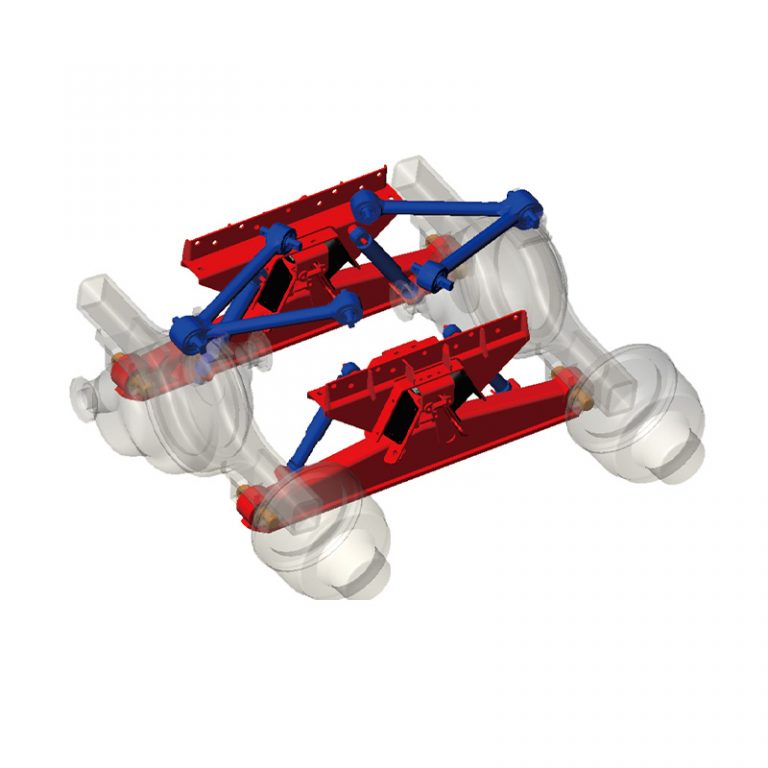
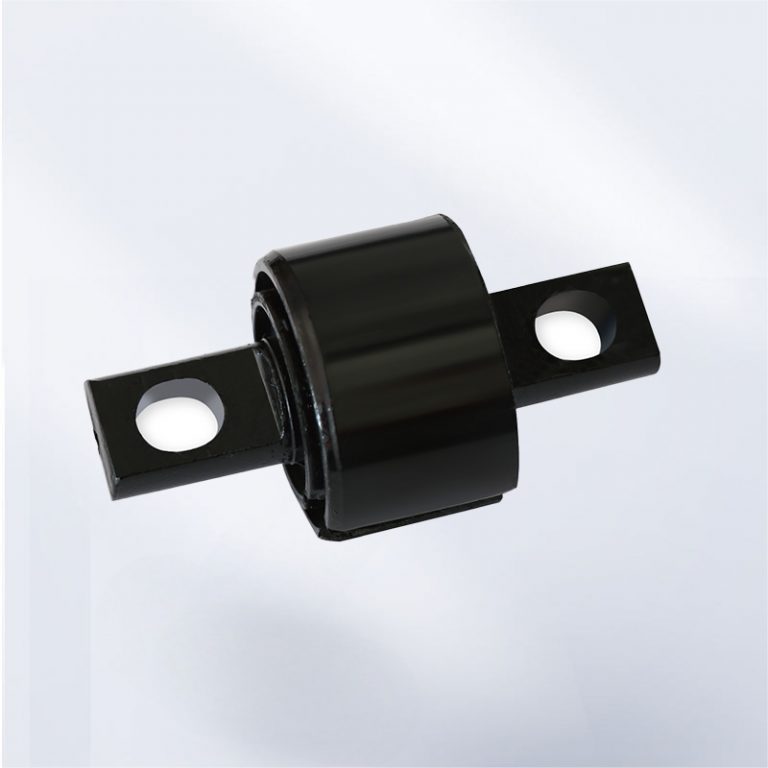
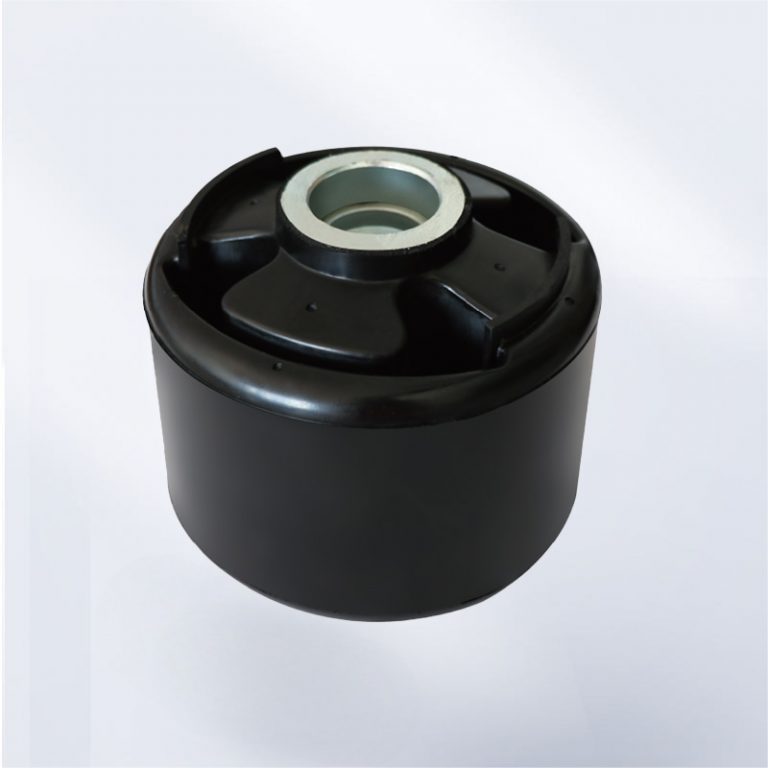
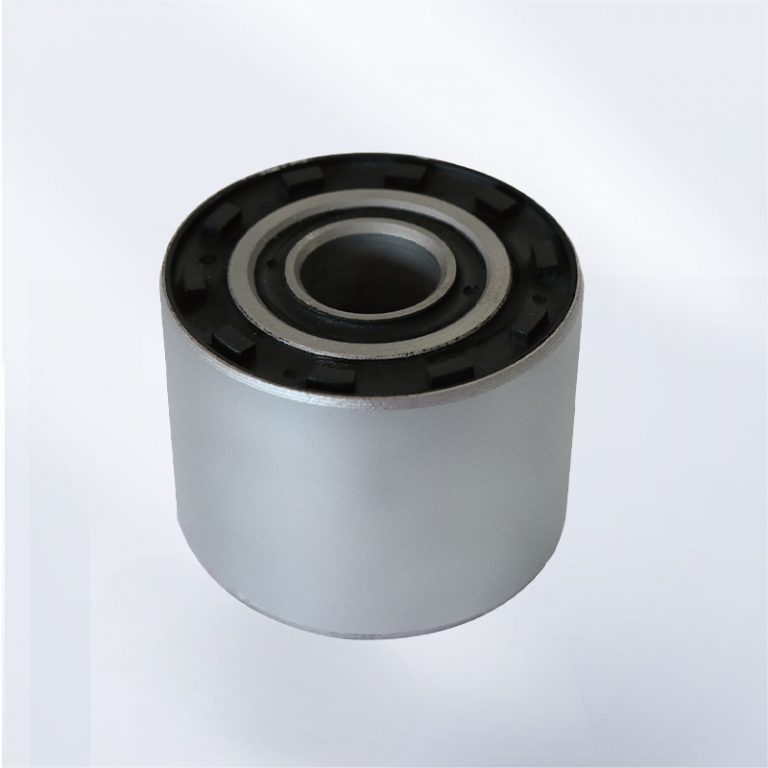
From a sector perspective, established producers like Мейхен deliver enhanced dependability. Their items serve passenger cars, commercial vehicles, and construction machinery extensively. Extended involvement with rubber, metal, and system integration enables creation of parts that manage actual roadway scenarios, beyond mere laboratory evaluations. Their Cab Air Spring Products aim to bolster cab frameworks, lessen shaking, and sustain consistent operation amid varying weights. For selections in rigorous applications, this background provides a distinct advantage.
What Defines Air Spring Quality?
Quality originates from the substances employed. A standard air spring merges rubber, metal, and at times engineering plastics. These elements need to function in harmony. If the rubber proves overly pliable, it deteriorates rapidly. Conversely, if it appears excessively rigid, the separation of vibrations weakens.
Within vehicle setups, rubber elements require tolerance for elevated warmth, deterioration, and abrasion. Comparable substances appear in cooling systems, fuel systems, and intake systems. There, they cope with heat and pressure daily. The identical standard pertains to air springs. Superior rubber retains its suppleness across years, whereas inferior rubber stiffens or fractures.
Sealing effectiveness represents a further vital aspect. A minor gas escape diminishes weight-bearing ability and disrupts equilibrium. Gradually, this causes irregular elevation and additional strain on adjacent components.
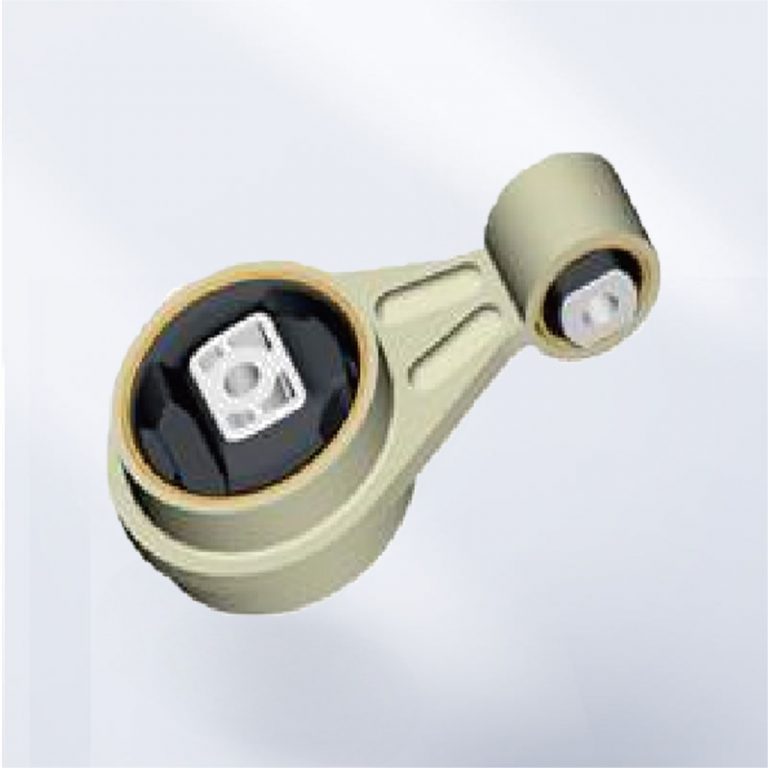
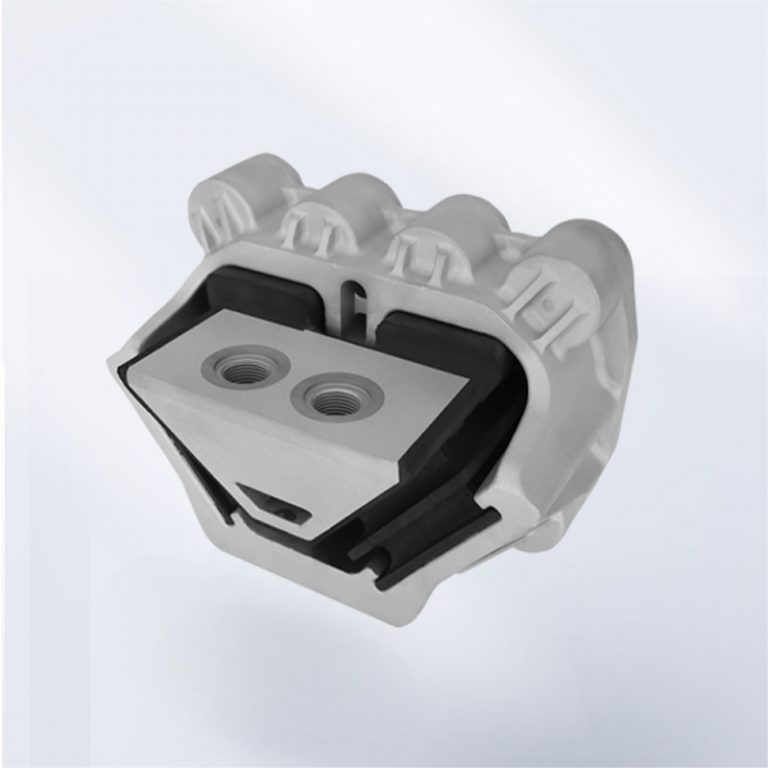
Exactness holds importance too. A superior air spring preserves its form beneath weight. This assists in regulating shifts and maintaining system steadiness. Such action resembles how various vehicle parts uphold and position substantial systems while minimizing vibrations.
How Can Durability Be Accurately Assessed?
Air springs endure ongoing compression and extension. In robust vehicles, this occurs without interruption.
Resistance to rubber deterioration proves essential. Substances face warmth, oil, particles, and occasionally substances. High-caliber rubber maintains pliability following prolonged service. Lesser materials turn fragile and begin fracturing.
Endurance against fatigue carries equal weight. Cyclical weight applications generate internal tension. If the layout fails to spread that tension uniformly, vulnerable areas develop. Once present, breakdown becomes inevitable.
Actual conditions influence outcomes as well. Improper alignment, excess weight, or undue motion can reduce operational duration. A thoughtfully crafted item typically includes some leeway for these factors. Thus, it avoids instant collapse when circumstances fall short of optimal.
What Determines Load Performance in Air Springs?
Load performance determines if the air spring manages genuine operational demands. It needs to bear mass while preserving system poise.
Air springs modify internal pressure according to weight. Consequently, they uphold even ride levels. In commercial vehicles, this feature remains vital. Excessive level variations render control unreliable.
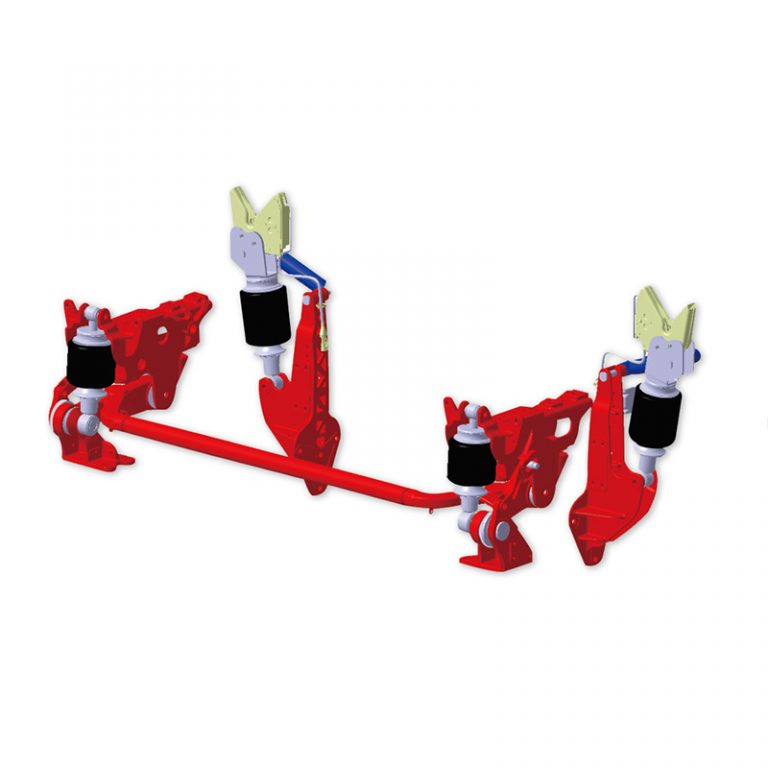
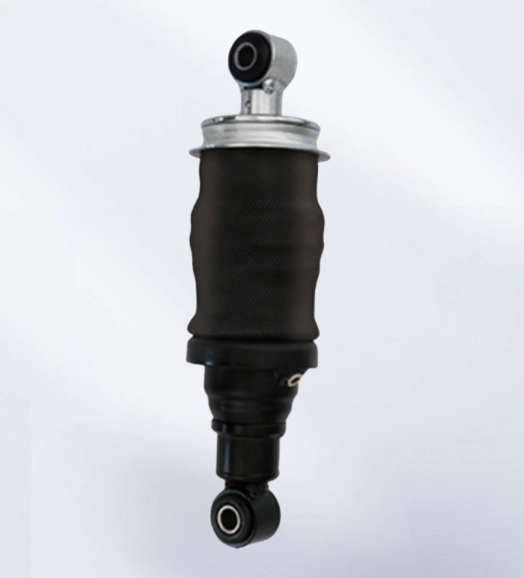
Cab Air Spring Продукты intend to uphold the cab and cushion roadway jolts simultaneously. As a result, this enhances steadiness and curbs abrupt shifts during heavy cargo transport.
Weight allocation serves as another crucial element. An effective air spring disperses force uniformly. Therefore, it lessens tension buildup and prevents premature collapse. Additionally, it bolsters stopping steadiness since the vehicle retains balance.
Occasionally, weight alterations occur swiftly. For instance, when a truck transitions from even paths to uneven ground. The air spring requires rapid adaptation without forfeiting equilibrium.
Why Is Vibration Isolation Critical for Performance Evaluation?
Vibration influences beyond mere ease. It affects security, operator weariness, and the longevity of vehicle elements.
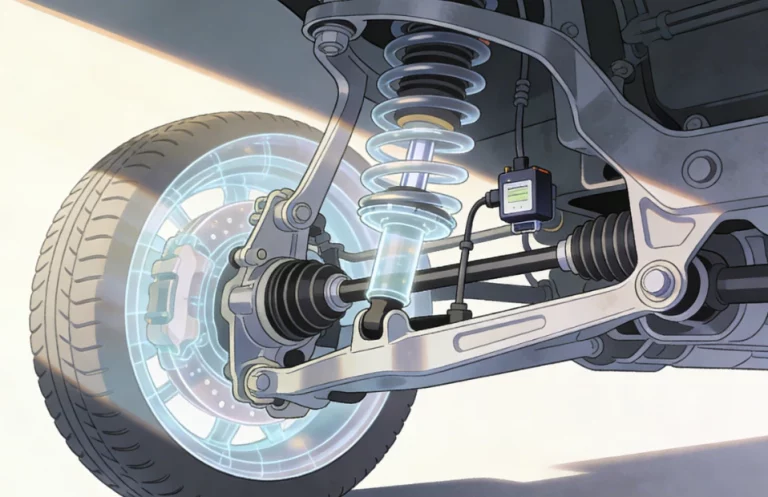
Air springs diminish vibration passage from roadways to the cab. They serve as adaptable links that take in impacts. This mirrors how specific vehicle parts curb vibrations in drivetrain arrangements.
Should vibration management falter, the effects become apparent readily. The interior seems coarse, operators tire more swiftly, and elements degrade faster. Eventually, upkeep expenses rise.
Effective vibration separation relies on substance pliability and layout configuration. The internal chamber must adjust fluidly to pressure shifts. Meanwhile, the external framework requires firmness.
During extended travel, minor gains in vibration mitigation yield evident benefits.
How Do Design and Structure Affect Overall Performance?
Configuration exerts a substantial influence on effectiveness. Two air springs might appear alike, yet their core builds can perform quite distinctly.
Form and layering configuration shape how the air spring copes with weight and motion. Certain configurations emphasize pliability, whereas others offer greater firmness. The appropriate equilibrium varies by use.
Across numerous setups, reduced axial firmness paired with elevated radial firmness yields improved outcomes. Hence, it permits motion in necessary areas while ensuring framework solidity.
This approach applies similarly to other vehicle parts that regulate twisting and shifts. A harmonious configuration enhances both ease and endurance.
Attachment configuration represents yet another detail. If the air spring links inadequately to nearby elements, tension distributes unevenly. Consequently, this accelerates degradation. A solid configuration disperses force more uniformly and heightens trustworthiness.
What Role Does Manufacturing Capability Play in Product Reliability?
Even optimal configurations demand steady fabrication.
Fabrication impacts substance excellence, framework soundness, and general effectiveness. Warmth and pressure in production shape subsequent rubber conduct. Minor adjustments can produce substantial variances in endurance.
Exactness carries significance likewise. Premier fabricators achieve stringent limits and generate uniform items. This facilitates proper fitting and anticipated operation for the air spring.
Tailoring provides further benefit. In various uses, off-the-shelf items fail to satisfy all criteria. Fabricators possessing OEM and ODM skills can refine configurations per particular demands.
Broad-scale fabrication introduces additional hurdles. Uniformity gains paramount importance. A dependable fabricator applies rigorous quality oversight to curb discrepancies and avert flaws.
How to Choose the Right Air Spring for Your Application?
Selecting an appropriate air spring demands thoughtful review, though the method remains simple.
Initially, verify weight demands. The item must manage routine and maximum weights. Basing choices solely on typical weight risks complications.
Next, evaluate surroundings. Warmth, particles, and substance contact all shape effectiveness. Substances must align with these elements.
Then, assess compatibility. The air spring needs to integrate with the setup and coordinate well with additional parts. Inadequate compatibility causes fitting difficulties and diminished effectiveness.
Afterward, reflect on operational span. An economical choice might endure less, thereby elevating cumulative costs across time.
Lastly, weigh the fabricator. A trustworthy provider supplies steady excellence and expert assistance. This aids in preventing issues amid fitting and usage.
Вывод
Assessing an air spring necessitates examining multiple aspects collectively. Excellence, endurance, and weight effectiveness all prove relevant. If any falters, the whole arrangement suffers.
Superior substances withstand warmth and abrasion. Robust configuration allocates tension uniformly. Reliable weight effectiveness maintains vehicle poise. Dependable fabrication ensures uniformity throughout.
When these elements align, the outcome yields an item that operates effectively in practical settings and persists longer in challenging surroundings.
Часто задаваемые вопросы
Q1: What is the most common cause of air spring failure?
A: Air leakage is the most common issue. It usually comes from poor sealing, material aging, or installation problems.
Q2: How long does a high-quality air spring typically last?
A: Service life depends on load and environment, but a well-made air spring can last several years under normal conditions.
Q3: Does higher load capacity always mean better performance?
A: No. The air spring should match your actual load range. Too much capacity can reduce flexibility and comfort.
Q4: Can air springs improve driver comfort significantly?
A: Yes. They reduce vibration and shock, which helps lower fatigue and improves overall driving experience.
Q5: Is customization important when selecting air springs?
A: In many cases, yes. Custom designs can better match specific systems and improve durability and performance.