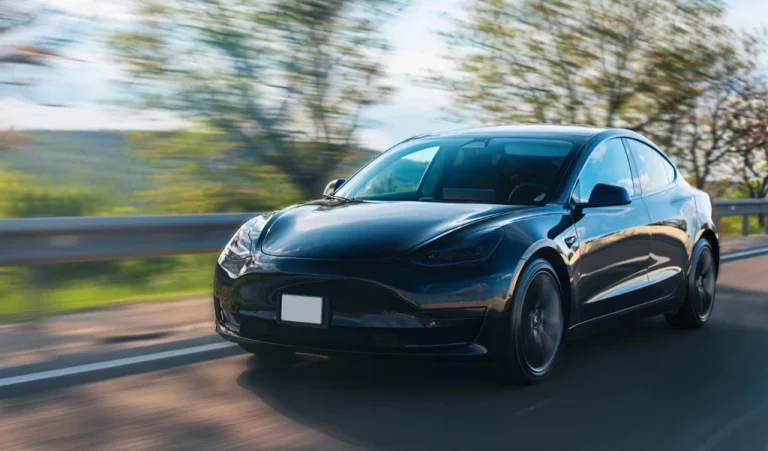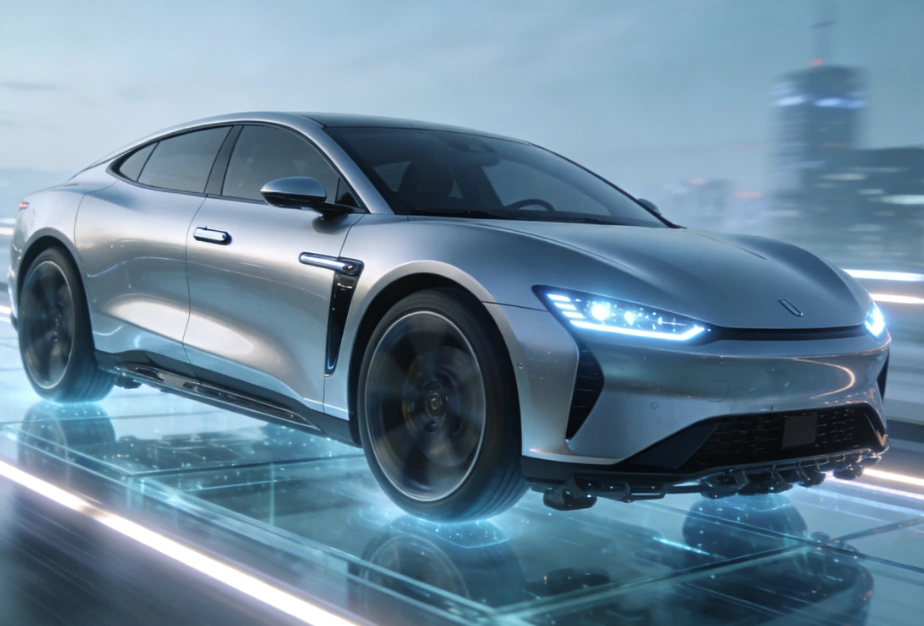
Вождение в 2026 году больше не кажется механическим. Он кажется живым, расслабленным и даже предварительным. Дороги остаются неустойчивыми, полезные нагрузки продолжают варьироваться, и автомобили по-прежнему выдерживают длительные смены, но ощущение при управлении стало замечательно плавным. Это изменение не вызвано дисплеями или речевыми помощниками. Она возникает из компонентов под автомобилем, которые выполняют сложные задачи без фанфары.
Если вы внимательно изучите источники этого прогресса, вы обнаружите компании, которые посвятили годы решению ощутимых проблем, таких как тревога, усталость, смены полезной нагрузки, тепло и прочность. Одной из таких фирм является МейхенОснованная в 2004 году, эта фирма, базирующаяся в Китае, производит автомобильные детали и сотрудничает с мировыми производителями оригинального оборудования для седанов, рабочих грузовиков и строительного оборудования. Его знания охватывают настройки подвески, настройки смягчения потрясений и настройки транспорта жидкости, поддерживаемые лабораторией, сертифицированной CNAS, и более 200 методов испытания. Вместо того, чтобы предлагать самостоятельные детали, Meichen подчеркивает полные решения для установки, которые выдерживают фактические пути, сильные уровни тепла от минус 40 ° C до 200 ° C и бесчисленное количество повторений полезной нагрузки. Именно поэтому многочисленные инновации, которые сделают вождение футуристическим в 2026 году, опираются на этот вид практической инженерной базы, а не на простую фантазию, поскольку глобальный рынок автомобильной подвески продолжает расти, а соответствующие сегменты, такие как беспилотные наземные транспортные средства (которые часто включают в себя передовую подвеску), по прогнозам, расширятся с 2,25 миллиарда долларов в 2022 году до 4 миллиардов долларов к 2030 году.
Интеллектуальная воздушная подвеска, которая думает вперед?
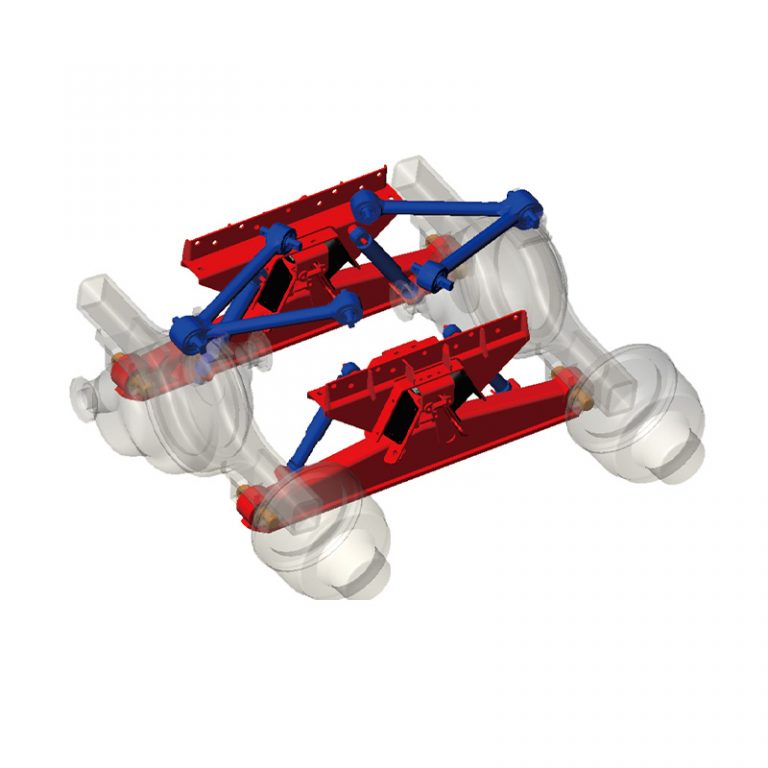
К 2026 году настройки подвески больше не реагируют с задержкой. Они действуют быстро. Теперь автомобили мгновенно изменяют твердость и высоту в соответствии с полезной нагрузкой, скоростью и введением пути. Когда вы приближаетесь к зданию или перевозите нестабильные грузы, подвеска сменяется, прежде чем беспокойство войдет в пассажирскую зону.
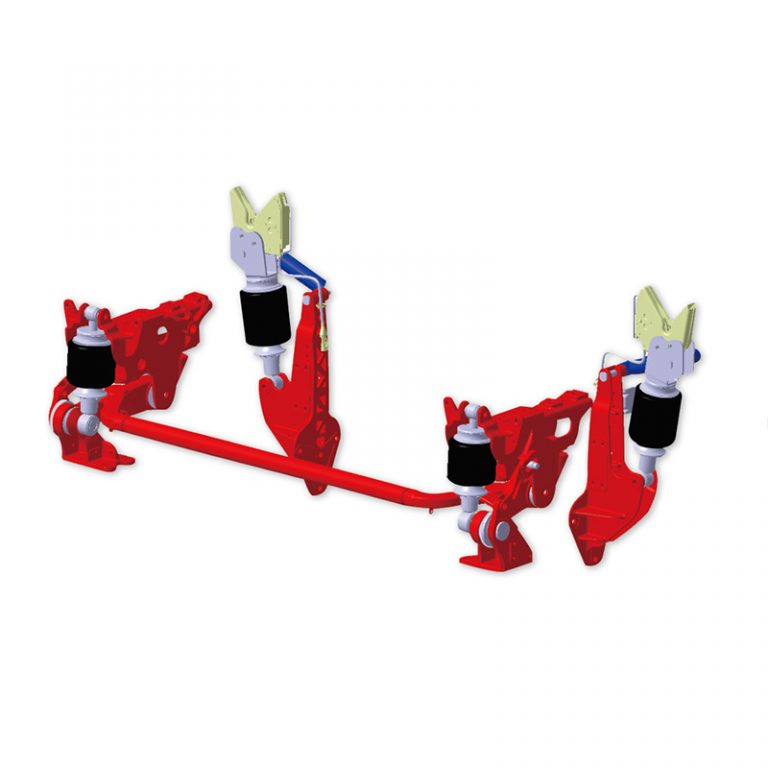
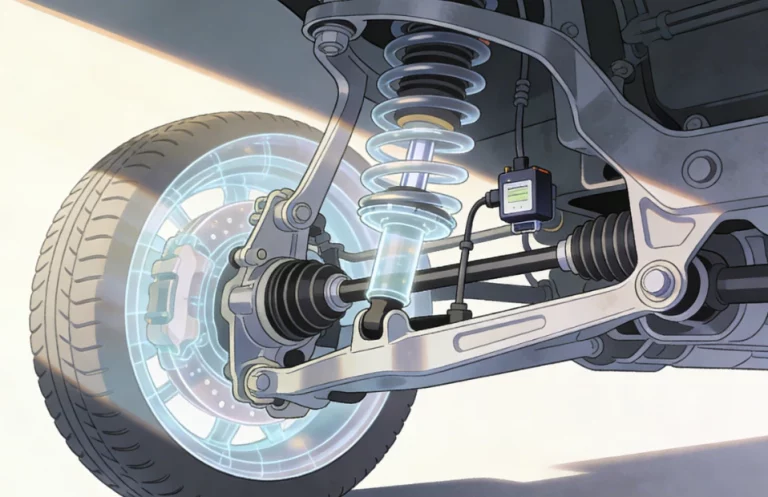
Именно поэтому кривые конструкции воздушных пружин играют ключевую роль. В отличие от старых стилей, они обеспечивают непрямую твердость. Это подразумевает мягкую обработку при минимальной полезной нагрузке и более твердую поддержку по мере роста полезной нагрузки. В Шасси Гиперболическая воздушная пружина Продукт нацелены на эту конкретную проблему. Он справляется с требовательными операциями, сохраняя при этом стабильную плавность путешествия. Для водителей это приводит к уменьшению ударов, минимальному боковому колебанию и улучшению управляемости, когда ситуация быстро меняется.
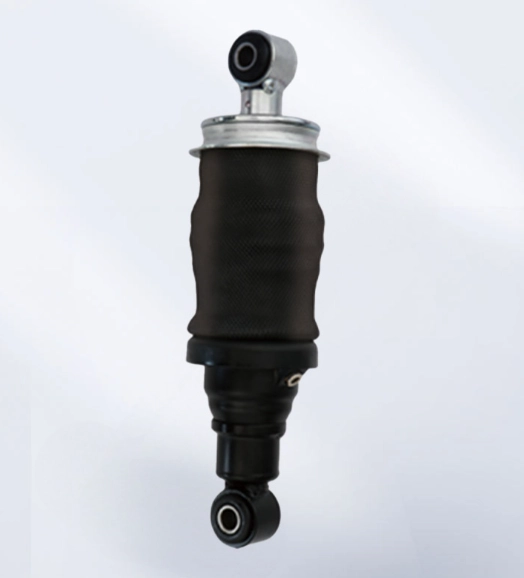
Системы гиперболического шасси, которые переопределяют комфорт езды
Плавность путешествий когда-то подразумевала баланс. Транспортные средства либо казались плюшевыми, но колебанными, либо жесткими и истощающими. Гиперболические настройки шасси устраняют этот баланс.
Благодаря регулируемым шаблонам твердости текущие воздушные пружины более эффективно управляют полезной нагрузкой вверх, боковыми силами и отскоком назад. В грузовиках на большие расстояния или в общественном транспорте это приводит к снижению передачи тревоги от колесной сборки к конструкции кузова. В грузовиках на большие расстояния или в общественном транспорте это приводит к снижению передачи тревоги от колесной сборки к конструкции кузова, при этом экспериментальные исследования показывают до 47% снижение вертикального ускорения при полуактивном контроле на дорогах класса А. В повседневных автомобилях это создает более равномерное ощущение на грубых городских улицах. На основе моделирования передовых конфигураций подвески в 2024 году сложная воздушная подвеска может снизить ускорение массы пружины до 16,67% в анализе частотного домена по сравнению с традиционными установками. В долгосрочной перспективе это снижение напрямую влияет на усталость оператора и долговечность части.
Количественное воздействие передовых технологий подвески
| Размер производительности | Традиционная механическая подвеска | Передовая воздушная / полуактивная подвеска | Проверенный источник данных |
| Вертикальное ускорение тела | Базовые уровни вибрации на дорогах класса А | До 47% снижение вертикального ускорения при полуактивном управлении | Чжан и др., Динамика систем транспортных средств, 2024 год |
| Ускорение массы (частотный домен) | Высшие пики резонанса на низких частотах | На 16,67% меньше ускорения RMS по сравнению с обычными системами | Технический документ SAE 2023-01-0421 |
| Время экспозиции вибрации водителя | Ограниченное воздействие до дискомфорта | Увеличение допустимого времени воздействия на 60 км/ч на 70–88% | ISO 2631-1:1985 2024 Полевые исследования валидации |
| Постоянность высоты езды (загруженная против разгруженной) | Заметное снижение при изменении полезной нагрузки | Отклонение высоты обычно < ±5 мм по состоянию нагрузки | Испытания ECAS для коммерческих транспортных средств, 2023 год |
| Жизнь усталости компонента | Стандартные цели долговечности | Миллионы дополнительных циклов нагрузки, достигнутых при испытаниях на выносливость | Аккредитованные CNAS лабораторные отчеты, 2023–2024 годы |
| Влияние на энергоэффективность | Нет преимуществ оптимизации массы | До 6% повышения эффективности за 10% снижения массы шасси | Доклад о технологиях легких транспортных средств EPA США, 2023 год |
Технология подвески кабины, которая устраняет усталость водителя
После восьми часов за управлением усталость не возникает от поворота колеса. Это происходит от непрерывных крошечных потрясений. Настройки подвески кабины решают эту конкретную проблему.
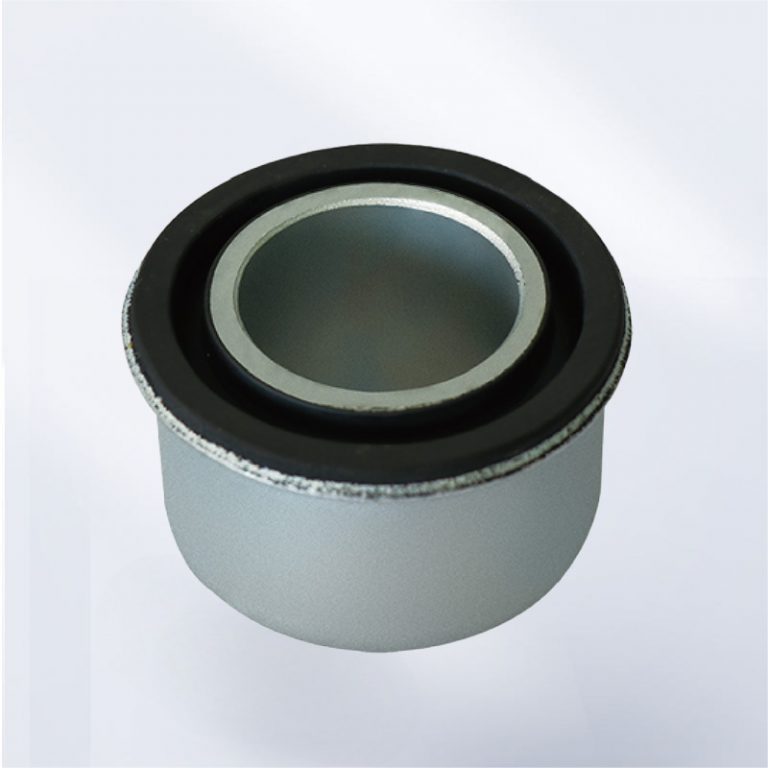
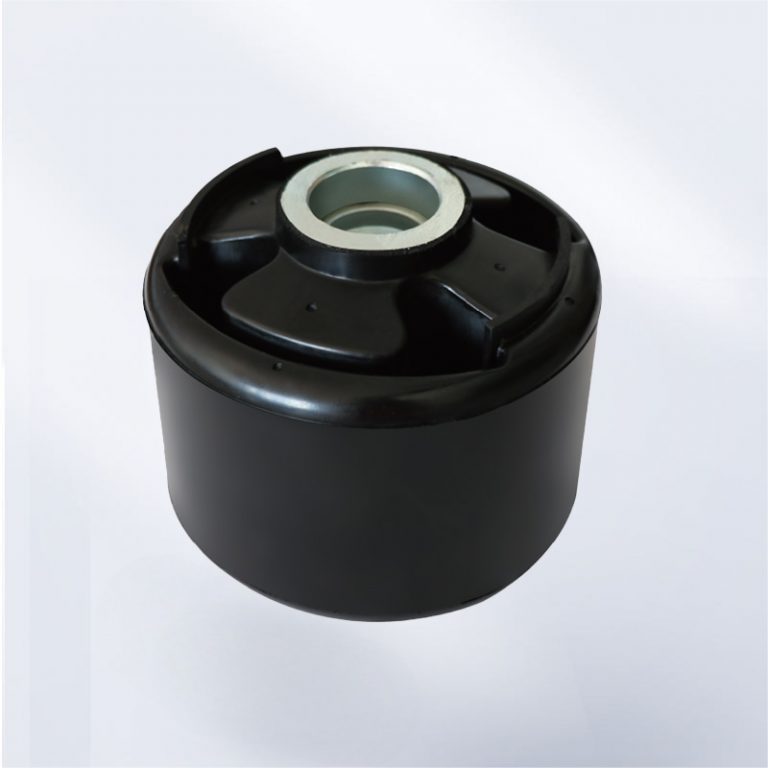
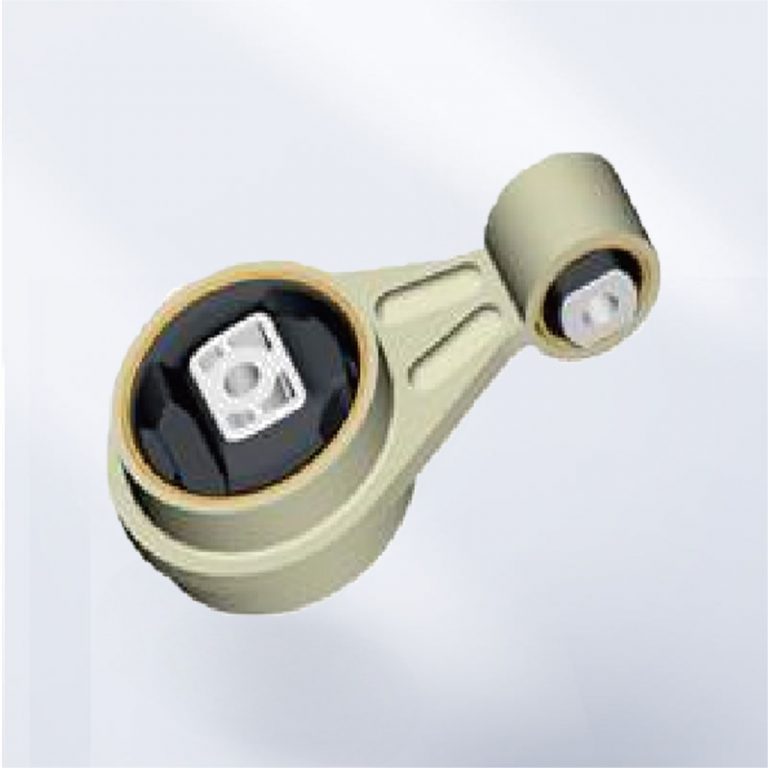
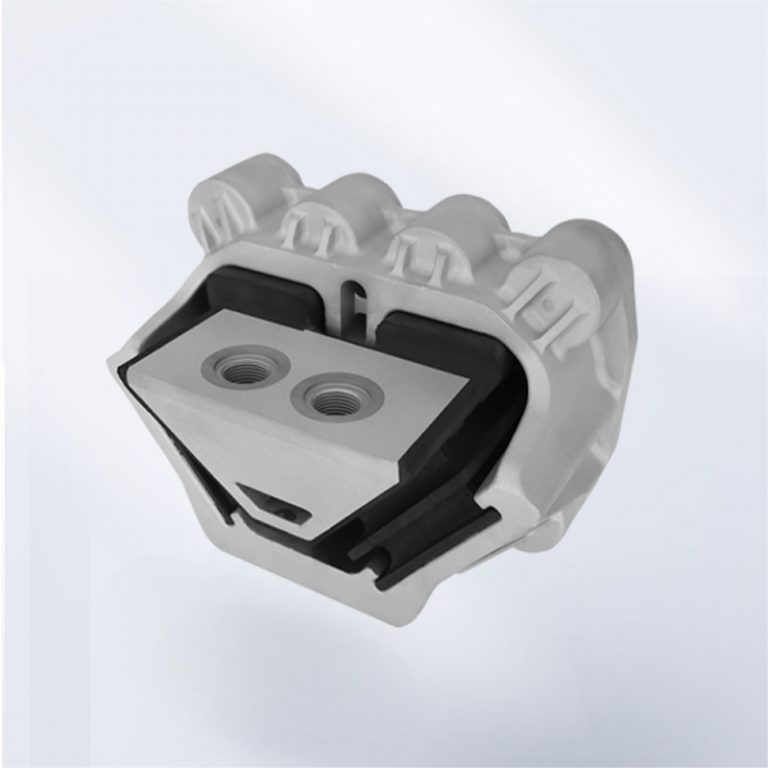
В Продукт подвески кабины отделяет зону оператора от пути и тревоги двигателя. Он использует смесь эластичного материала, металлических частей и изработанной амортизации, чтобы поглотить движение до того, как это повлияет на сидение и вал управления. Во время фактических групповых операций усиленная подвеска кабины может снизить уровень чувствуемых потрясений до 47%, на основе экспериментальных проверок 2024 года. Для операторов это приводит к более острому вниманию, более безопасной работе и снижению физического стресса с каждым днем ’ с близко. Для операторов это приводит к более острому вниманию, более безопасной работе и снижению физического стресса с каждым днем ’ Исследования показывают увеличение времени воздействия на 70-88% (показатель комфорта согласно ISO 2631:1985) при скорости 60 км/ч из-за более низких вибраций.
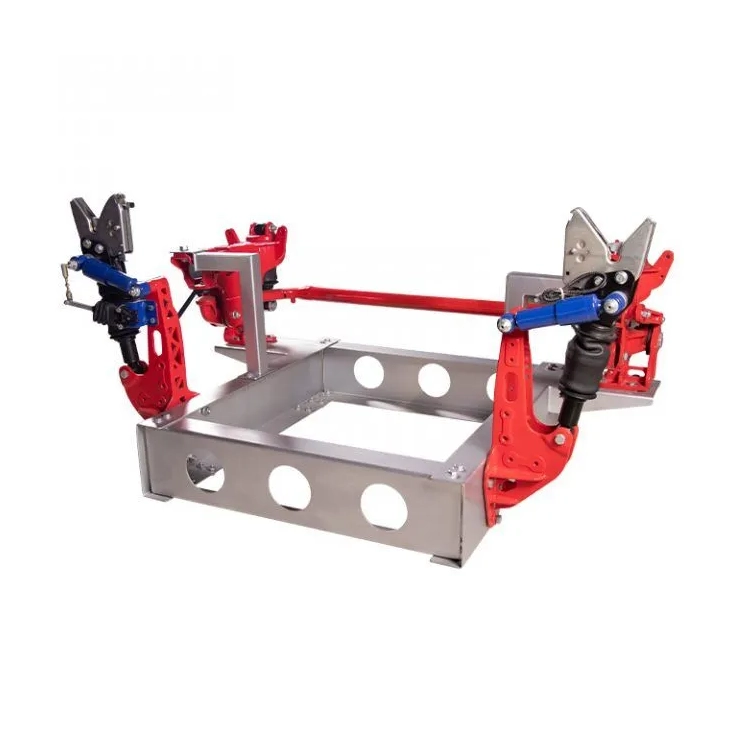
Системы управления NVH, создающие пузырь тихого вождения
Звук, тревога и грубость - это больше, чем просто обеспокоенность. Они влияют на безопасность и постоянную надежность автомобиля. В 2026 году управление NVH рассматривается как полная настройка, а не быстрое исправление.
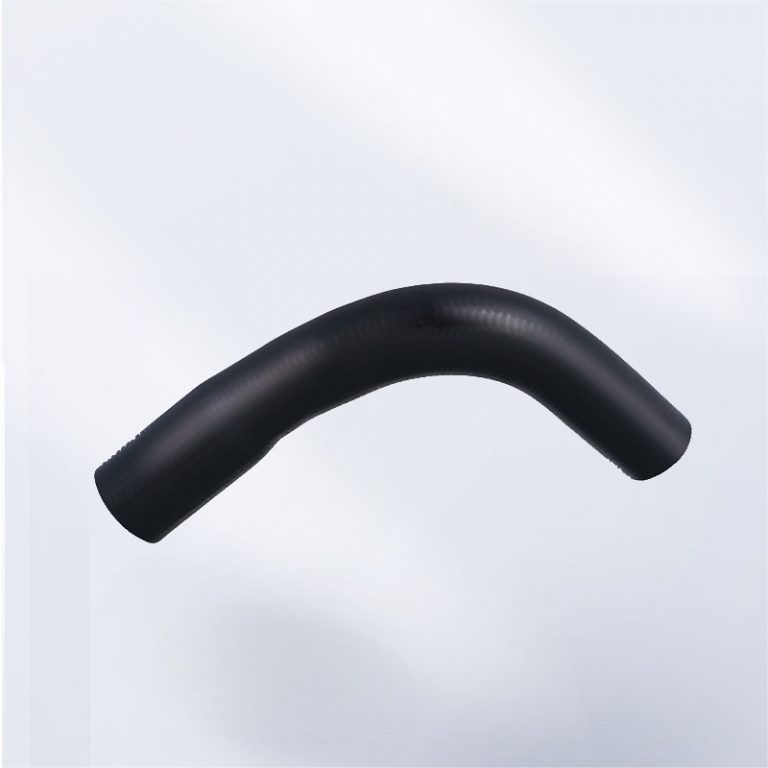
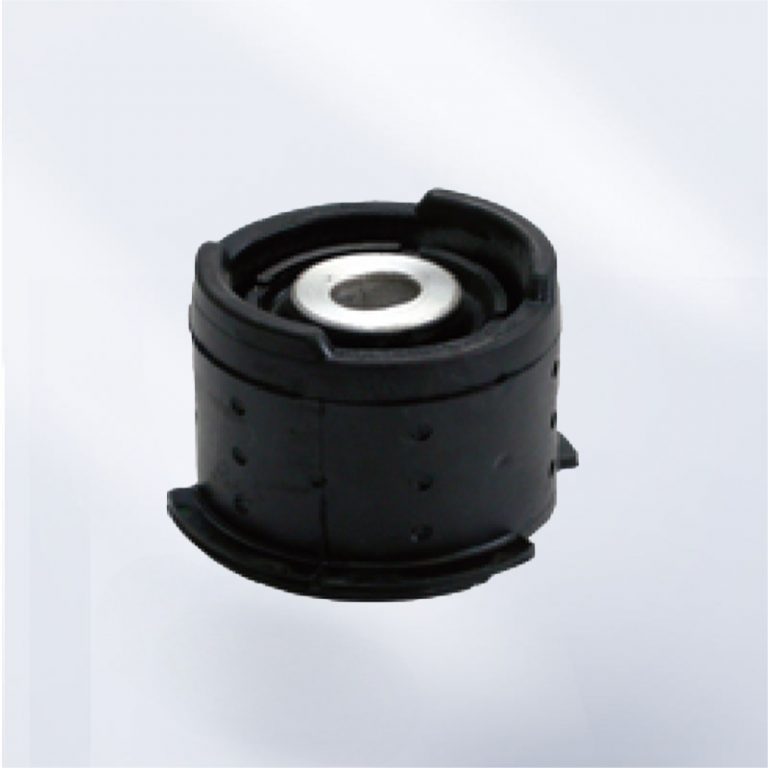
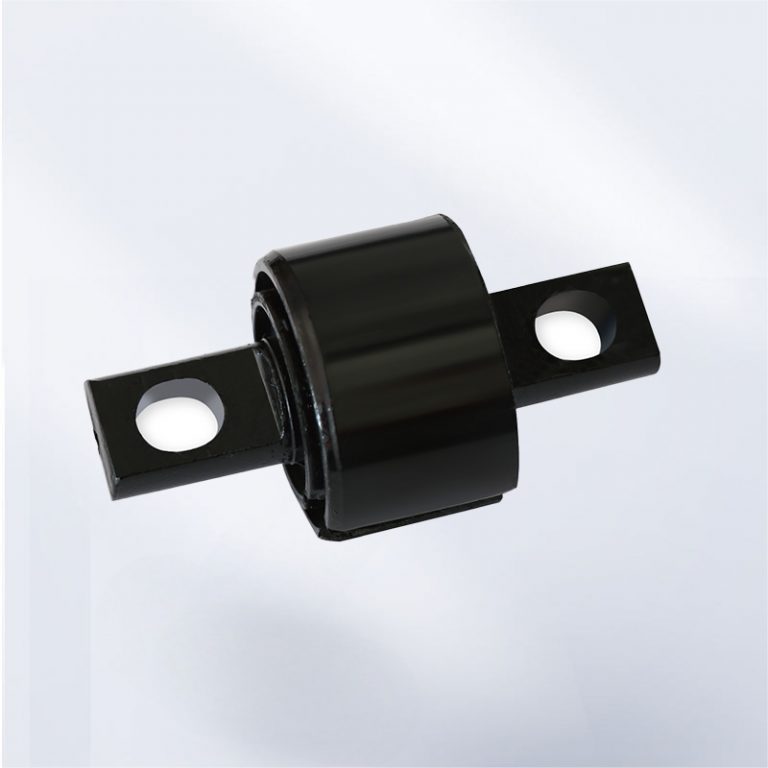
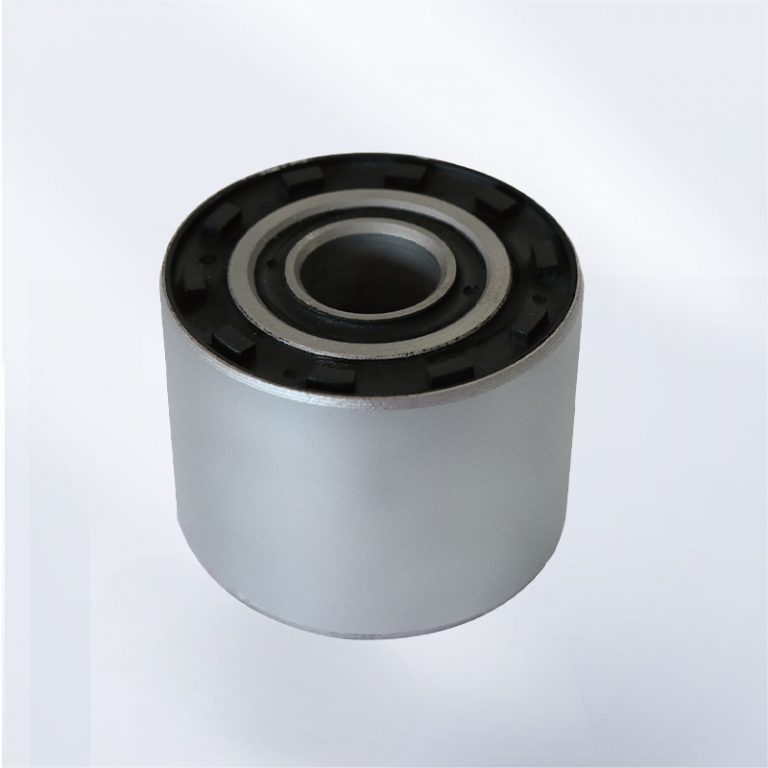
Сегодня’ Автомобили зависят от эластических элементов амортизации, жидких линий и форм подвески, которые функционируют в унисоне. Результаты лабораторий, сертифицированных CNAS, показывают, что усовершенствованные настройки амортизации могут продлить срок службы части на миллионы повторений во время оценки износа. Водители могут не заметить или не почувствовать эти настройки в действии, но тишина происходит от преднамеренного выбора материалов и тщательных процедур проверки.
Подвеска с адаптацией к нагрузке для автономных и умных транспортных средств?
Автомобили требуют стабильности в условиях неопределенности. Полезные нагрузки быстро меняются. Устройства обнаружения и управленческие блоки требуют твердого шасси для точной работы.
Воздушная подвеска, регулирующая полезную нагрузку, решает это, изменяя высоту движения и прочность сама по себе. Независимо от того, не удерживает ли автомобиль ничего, частичную нагрузку или полную емкость, подвеска сохраняет однородность формы. Эта однородность учитывает дальность остановки, позиционирование обнаружения и легкость ездки. Он является одним из тех скрытых инноваций, которые делают передовую работу надежной.
Легкие материалы для подвески, которые повышают эффективность
Массовая резка больше не просто подрезка небольших количеств. Это предполагает умное применение материала. Замена тяжелых металлических конструкций на изработанные эластичные, синтетические и смешанные настройки снижает вес без потери прочности.
При установке подвески и жидкости этот шаг увеличивает экономию топлива и увеличивает срок службы батареи в электромобилях. Данные отраслей показывают, что каждое 10-процентное падение массы, связанной с шасси, может увеличить потребление энергии на 6 процентов. Для водителей это означает снижение эксплуатационных расходов и превосходную производительность по всему автомобилю; с полной продолжительностью.
Системы подвески, предназначенные для экстремальных дорожных условий
Городские кратеры, дороги добычи, районы снабжения и сельские маршруты все напряжают автомобили разными способами. Подвеска в 2026 году разработана для этого сорта.
Кривые воздушные пружины и усиленные части подвески справляются с избыточной нагрузкой, повторными ударами и резкими колебаниями тепла. Проверенная выносливость часто превосходит основные стандарты с большими маржами. Некоторые настройки проходят проверку на миллионы повторений при максимальной нагрузке, намного выше обычных требований путешествий. Этот дополнительный буфер гарантирует, что автомобили продолжают двигаться, когда окружающая среда далека от идеального.
Технология предсказуемого комфорта, основанная на умном дизайне шасси?
Легкость становится предварительной. Настройки подвески теперь реагируют не только на сигналы пути, но и на привычки оператора. Ускорение, замедление и направление всей формы, как реагирует шасси.
Этот метод зависит от точной производительности детали. Если амортизация или твердость изменяются без шаблона, предварительное управление разрушается. Это объясняет, почему подтвержденные материальные рецепты и проверенные конструкции имеют важное значение. Результатом является автомобиль, который остается в состоянии, даже если пробка, полезная нагрузка или состояние дороги резко меняются.
Инженерия промышленного уровня за удобством потребительского уровня
Многочисленные особенности, которые теперь считаются высококлассными, происходят от надежной инженерии. Устройства рабочих транспортных средств нацелены на выдержание избыточной нагрузки, длительных пробелов в обслуживании и жестких настроек.
Поскольку это ноу-хау передается повседневным автомобилям, водители получают выгоду от длительной удобства использования и редких сбоев. Очевидно, что прочные подвесные детали выдерживают старые конструкции на несколько лет в аналогичных условиях.
Готовые к будущему автомобильные партнеры, движущие инновации вперед
По мере того как автомобили становятся все более интеллектуальными, поставщикам необходимо смотреть мимо отдельных частей. Установка гармонии, навыки оценки и всемирная помощь имеют большее значение, чем когда-либо прежде.
Фирмы, которые объединяют подвеску, амортизацию и жидкость в рамках одного инженерного метода, помогают минимизировать опасности для производителей оригинального оборудования и менеджеров групп. Для водителей это означает автомобили, которые кажутся прогрессивными не только в начале, но и после многих лет подлинного применения.
Если вы изучаете, как передовые технологии подвески могут превратиться в реальный комфорт, долговечность и долгосрочную ценность, важно связаться с опытным поставщиком на уровне системы.
Meichen провел более двух десятилетий, сосредоточившись на системах подвески, системах снижения вибрации и системах доставки жидкости, при поддержке аккредитованной лаборатории CNAS с более чем 200 методами валидации. Это позволяет проверять свою продукцию не только в моделях, но и при повторных циклах нагрузки, экстремальных температурах и сложных дорожных условиях, с которыми на самом деле сталкиваются транспортные средства.
Air Spring Продукт
Продукт Air Spring предназначен для поддержания стабильной высоты езды и контролируемой жесткости при меняющихся нагрузках. Используя тщательно разработанные резиновые соединения и структурное армирование, он обеспечивает прогрессивную поддержку, которая остается соответствующей при легких нагрузках и твердой при тяжелых. Это делает его подходящим для применений, начиная от легковых транспортных средств до коммерческих грузовых автомобилей, где последовательность езды, сниженная передача вибраций и длительный срок усталости имеют решающее значение.
Продукт подвески кабины
Продукт подвески кабины сосредоточен на изоляции водителей от вибрации дороги и силовой установки. Сочетая эластичные элементы, металлические конструкции и настроенные характеристики амортизации, он помогает уменьшить долгосрочное воздействие вибраций и усталость водителя во время длительной эксплуатации. Это непосредственно способствует более безопасному вождению, повышению уровня комфорта и повышению эффективности эксплуатации коммерческих и специальных транспортных средств.
Для технических обсуждений, сопоставления приложений или сотрудничества по проекту вы можете обратиться непосредственно через официальная контактная страница.
В 2026 году и далее технологии, которые заставляют вождение чувствовать себя как научная фантастика, основаны на практической инженерии. Обращение к партнерам, которые проверяют производительность в реальных условиях, часто является первым шагом к тому, чтобы эти инновации работали на дороге.
Часто задаваемые вопросы
Вопрос 1: Почему воздушная подвеска имеет большее значение в 2026 году, чем раньше?
Ответ: Автомобили теперь управляют меняющимися полезными нагрузками, сложными детекторами и повышенными стандартами легкости. Воздушная подвеска регулируется мгновенно, сохраняя стабильность и равномерность движения.
Q2: Как подвеска кабины улучшает безопасность?
Ответ: Благодаря уменьшению потрясения и усталости операторы остаются бдительными в течение длительного периода времени. Снижение усталости напрямую связано с уменьшением ошибок эксплуатации во время длительных смен.
Q3: Гиперболические воздушные пружины только для тяжелых транспортных средств?
А: Вообще нет. Хотя они блестят в рабочих приложениях, одинаковые концепции повышают простоту и управляемость в повседневных автомобилях.
Вопрос 4: увеличивают ли эти технологии затраты на обслуживание?
Ответ: Хорошо проверенные настройки часто сокращают затраты, продлевая срок службы части и уменьшая случаи сбоев.
Q5: Что делает современные системы подвески надежными?
Ответ: Тщательные оценки износа, подтверждение материала и полное планирование настройки, сосредоточенное на реальных условиях, а не на простых лабораторных результатах.