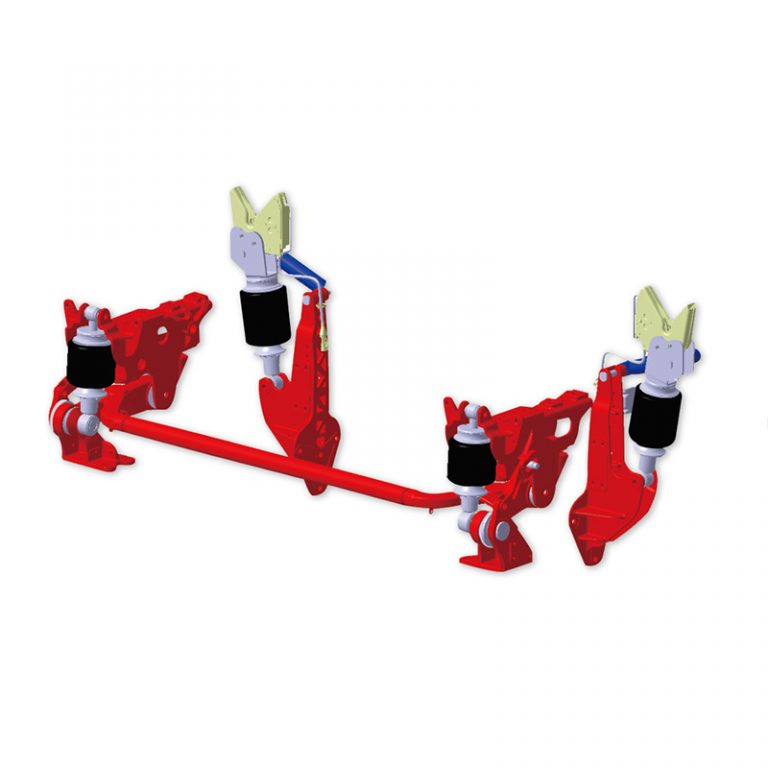
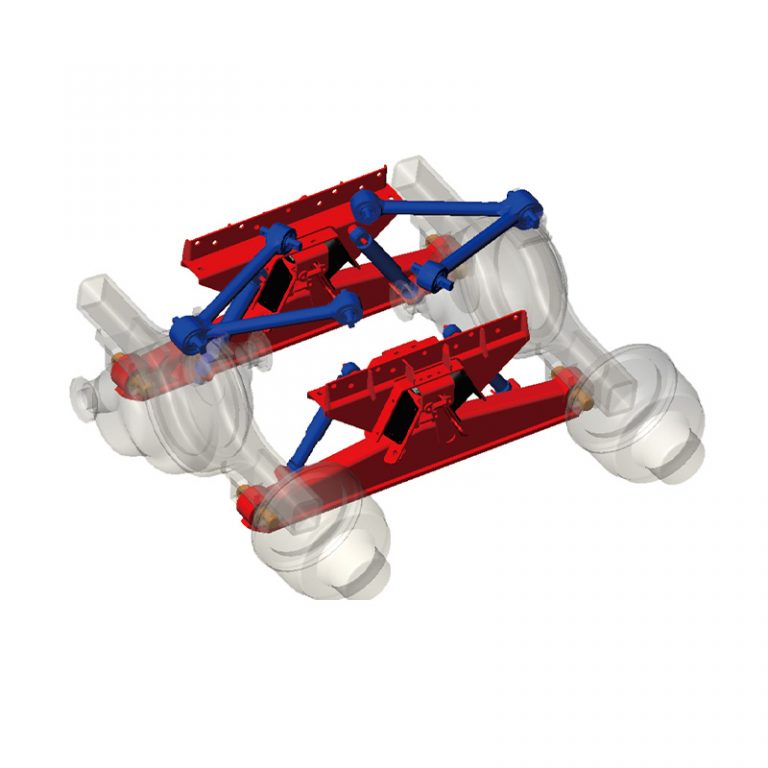
Air suspension systems occupy a vital position in modern cars. They offer improved ride comfort, better weight management, and keener steering response. The global automotive air suspension market hit USD 7.08 billion in 2024. Experts predict it will climb to USD 11.96 billion by 2032. The annual growth rate equals a CAGR of 6.8% between 2024 and 2032. Separately, the global automotive air suspension market hit USD 10.01 billion in 2024. Experts predict it will climb to USD 13.91 billion by 2030. The annual growth rate equals a CAGR of 5.6%. Such progress arises from broader application in large commercial trucks for cargo balancing and security. In those scenarios, suitable maintenance can reduce equipment failures by 20-30%. This happens through quick spotting of problems such as air escapes.
Yet, much like many mechanical devices, these setups require steady oversight and occasional fixes. This guide leads you via six key pointers for managing and mending your air suspension system. In this way, it can function at maximum efficiency for many years.
If you desire trustworthy and high-quality suspension goods, look to メイチェン. Holding over 15 years of involvement in the sector, Meichen stands as a leading figure in creating and constructing advanced automotive suspension assemblies. Such assemblies cover air suspension parts. No matter if you work in the private car, business, or heavy equipment vehicle area, Meichen’s knowledge can help you attain peak results and firmness in your suspension setups. Their broad selection of items seeks to meet the strictest guidelines and align with the specific needs of different vehicle classes.

1. Regularly Inspect Air Suspension Components
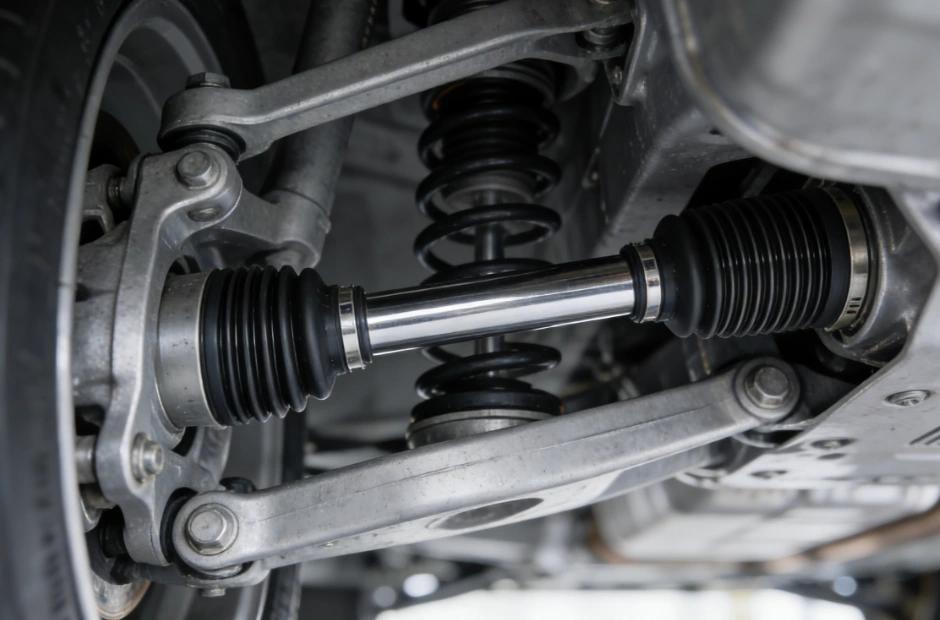
A key initial action for managing your air suspension system calls for routine checks. These setups feature several vital pieces. To illustrate, they consist of air springs, compressors, sensors, and valves. As years go by, these elements may wear out or suffer harm. As a result, such changes might lead to total system breakdowns.
Begin with a detailed visual review of air springs to find splits, gaps, or marks of damage. Air spring leaks arise frequently. Catching them early can halt major harm to the full structure. Moreover, review the valves and sensors to ensure they perform correctly. For instance, a faulty sensor might cause improper air pressure shifts. Therefore, it could create a jarring journey or wider system challenges.
Keep a watchful eye on the compressor as well. It plays a core role in maintaining steady air levels. Should you notice the compressor running too hard or producing strange sounds, it may point to trouble. Routine checks can uncover possible issues in advance. Hence, they save both time and money down the line. Sector data shows that air suspension issues mostly come from leaks. These make up as much as 99% of cases. Workers often find them during basic reviews every 12,000 miles or once a year. Those habits can stretch system durability by 20-50% in tough environments.
2. Keep the Air Suspension System Clean
Wiping down your air suspension system holds great value for its extended usability. Air suspension pieces, in particular air springs, face threats from soil, grit, and stray materials. Market research indicates that buildup of dust and particles can raise wear on suspension elements by 15-25%. Consequently, this brings on premature issues in air springs and valves. Routine wiping can offset this problem. It achieves that by bettering air flow performance and cutting back on rust buildup by up to 30%. Keeping it spotless helps avoid extra wear and guarantees even air passage across the structure.
When wiping suspension pieces, take a soft rag and polish them gently. In spots hard to get at, use pressurized air to dislodge collected soil or waste. Be careful not to damage sensitive features. Among them are sensors or cables. Once you finish wiping, always scan for any traces of harm or breakdown.
On another note, confirm your air tubes stay clear of jams. Such stops can hinder air transit and weaken the setup’s overall function. Upholding cleanliness boosts not just productivity but also the structure’s lasting toughness.

3. Monitor Air Pressure and Adjustments
Sustaining proper air pressure within your suspension setup proves crucial for best results. Faulty pressure levels can spark various troubles. They include poor ride sensation, uneven tire breakdown, or full system stoppages. Fresh statistics show that wrong air pressure causes 10-20% of air suspension faults. Take uneven tire wear as one case. Steady watching can lift vehicle output by 3-5%. This applies especially to battery-powered cars, where fine-tuned pressure boosts travel distance. Often measure air pressure with the setup’s internal dials or added tools for level checking.
Should the setup fail to keep steady pressure, it might hint at a flaw in the compressor or air springs. Under those conditions, address the matter fast to dodge more harm.
As you alter air pressure, first switch off the setup to protect the sensors against injury. Carry out changes bit by bit. And always refer to the producer’s details for the right pressure limits fitting your car type.
4. Replace Worn-Out or Leaking Air Springs?
Air springs make up a basic part of your air suspension setup. They carry the car’s load and provide a smooth trip by cushioning shocks. From ongoing work, air springs may develop breaks or seeps due to constant warmth, moisture, and path strains. This often brings about lower car stance or uneven suspension behavior. Air springs form 34% of air suspension piece failures. Seeps usually show up after 90,000-100,000 miles in normal driving. Prompt swapping can stop broad system harm. Plus, it lowers overall fix costs by 25-40%.
When your car drops too much or the trip feels bumpy, it may mean swapping the air springs. Normal checks on air springs allow spotting tiny flaws soon. If you see any harm, swap them right away to block further setup damage.
Swapping air springs needs caution. It involves setting air pressure right and placing the springs correctly. If the process seems tricky, get help from a specialist or check the car’s fix handbook for instructions.
5. Check the Air Compressor
The air compressor acts as a key member in your air suspension setup. It takes charge of sustaining needed air pressure. If the compressor breaks down, the suspension structure cannot run well. This leads to a harsh trip or outright stoppages.
Signs of a faulty compressor cover odd noises, failure to hold air pressure, or nonstop running. If the compressor shows problems, it likely calls for repair or complete swap. Compressors mark a main weak spot in 20-30% of air suspension troubles. This usually comes from too much use. Standard checks can extend compressor life by 15-25%. They further cut lost time in business vehicles.
In order to strengthen the compressor’s staying power, run frequent looks for wear traces. This might include hunting for oil spills, hearing weird sounds, or making sure the compressor starts and stops properly. Swapping a broken compressor fast shields other setup parts from harm.
6. Lubricate and Replace Suspension System Components
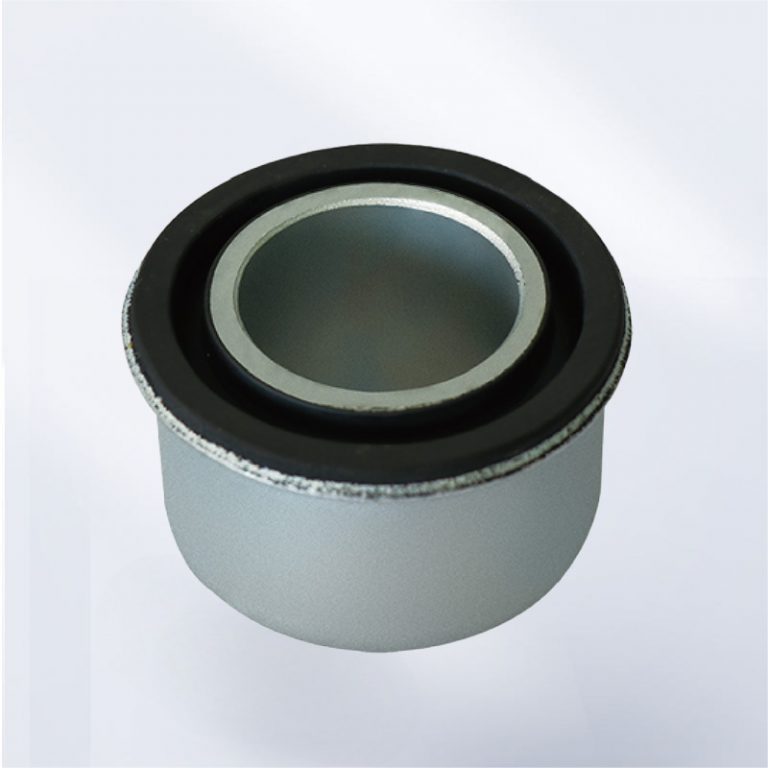
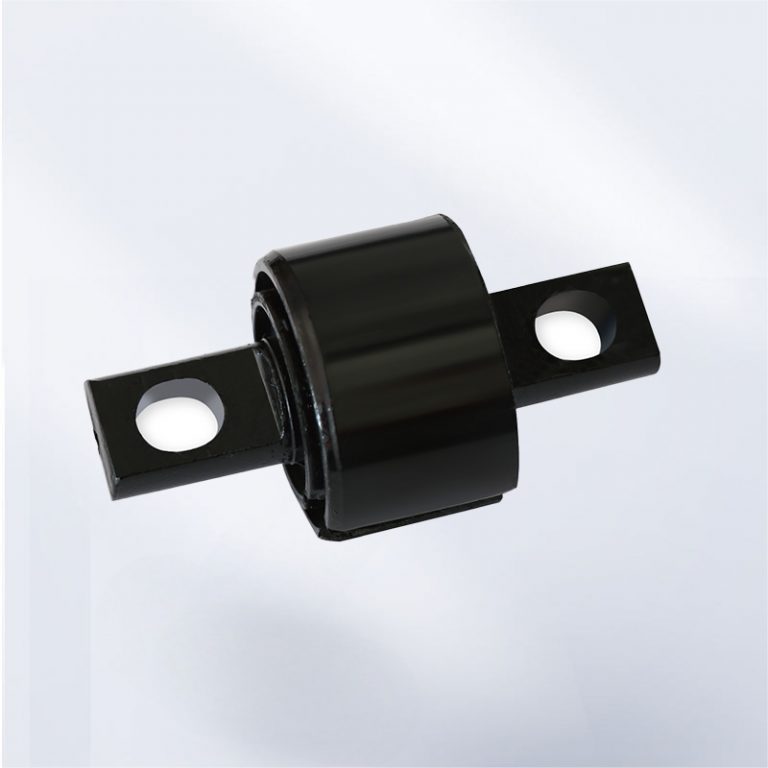
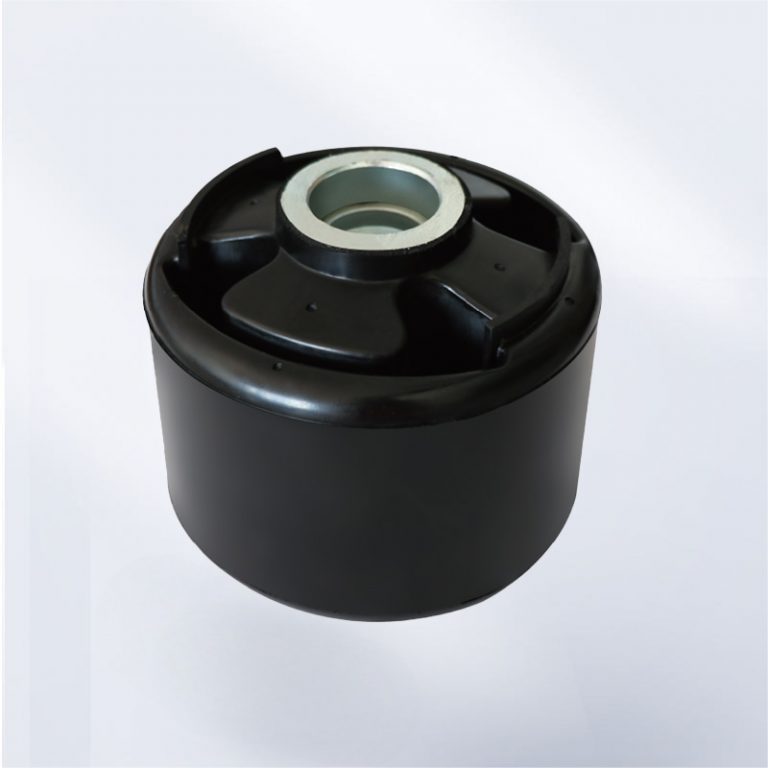
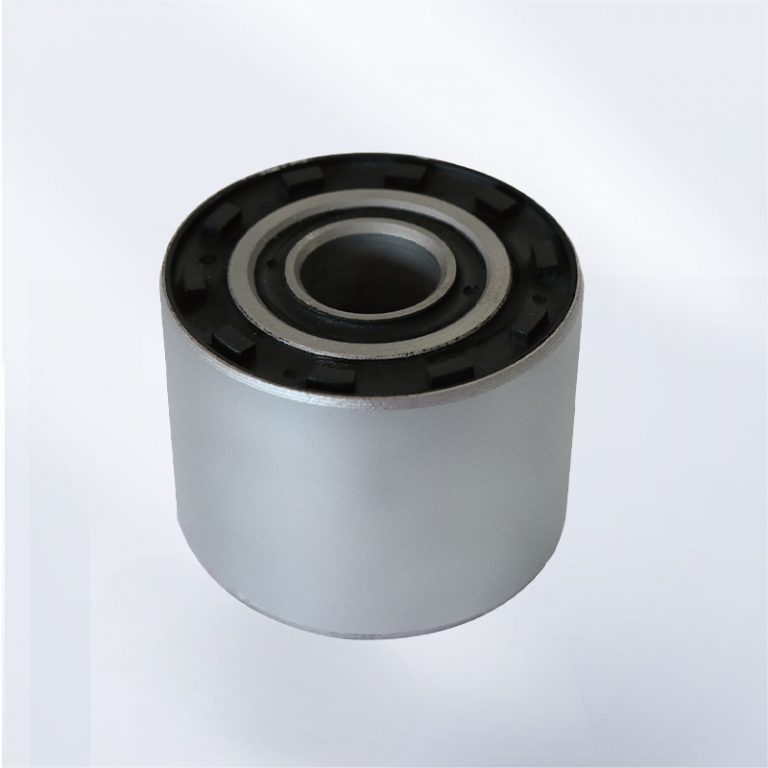
Proper greasing promotes easy action in your air suspension setup. Flexible parts, like bushings, gaskets, and brackets, need ongoing coating to cut rubbing and prevent breakdown. Right greasing can drop friction-based wear in suspension parts by 20-30%. It can further build system life by as much as 50,000 miles. This point matters a lot in air setups where gaskets and bushings endure high force. All the same, these features fade slowly and could require swaps.
Should squeals or funny noises come from the suspension, they could show lacking grease or hurt parts. Regular looks and greasing make sure the suspension setup runs quiet and strong.
While swapping parts, select sturdy goods built for your car. This approach lets the suspension setup keep solid work and protection levels.
Upkeeping an air suspension setup at top shape demands not just fitting care methods but also solid, well-built parts. If you aim to improve, change, or fix air suspension pieces for private cars, business groups, or unique tasks, Meichen brings the skill and item reliability to meet your wants.
Boasting more than 15 years in car suspension making, Meichen offers a full line of air suspension pieces built to hit tough output, lasting, and safety rules. If you seek skill counsel, item specs, or custom suspension answers, Meichen’s design and aid groups are set to lend a hand.
For further info on Meichen’s air suspension tech or to talk about your exact wants, please visit the News & Contact section on the main site and reach out to the group straight away. Skilled help begins with the proper link.
FAQについて
Q1: How often should I inspect my air suspension system?
A: Pros recommend reviewing your air suspension setup at least once per year or after 12,000 miles. But if you notice troubles like weird sounds or lesser ride comfort, review it promptly.
Q2: How can I tell if my air springs are leaking?
A: When your car sinks low or the trip feels rough, it might mean a seep in the air springs. You can also use a soap-water test on the air springs to see bubbles. Those point to seeps.
Q3: Can I clean my air suspension system myself?
A: Yes, you can take care of wiping your air suspension setup by polishing the pieces with a gentle rag and using pressurized air for hard-to-reach places. Just make sure to not hurt fragile parts in the course.
Q4: What should I do if my air compressor is malfunctioning?
A: When your air compressor stops working, swap it fast to avoid more harm to the suspension setup. Pay attention to any odd sounds or check for seep signs to prove the issue.
Q5: How can I maintain the correct air pressure in my suspension?
A: Check air pressure often with the setup’s dial or a separate tool. If pressure goes too high or too low, adjust it per the producer’s rules. Confirm the compressor runs well for exact shifts.