The discussion about engine reliability and efficiency tends to ignore fuel line hoses but these components play a crucial role in maintaining fuel system integrity. The evolving design of engines creates higher operational requirements for fuel line components which need materials that provide better resistance to chemicals and maintain structural strength.
Shandong Meichen Industry Group Co.,Ltd. provides Fuel System Products for OEM applications and aftermarket solutions which fulfill modern automotive standards. The company specializes in creating automotive suspension systems and vibration reduction systems and fluid delivery systems and additional products. Meichen operates as a national high-tech enterprise which implements worldwide development while maintaining professional research and development expertise and strict testing protocols and homegrown production methods. The company delivers customized reliable solutions for ICE platforms and HEV/PHEV technologies through its product range which supports the evolving needs of fuel delivery systems.
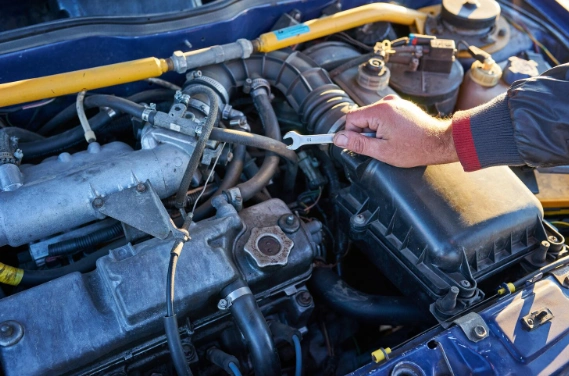
What Makes a Fuel Line Hose Suitable for Today’s Engines?
The modern powertrain design creates more challenging environments for fuel lines to operate within. The selection process for hoses requires more than diameter and length measurements because it needs to match system requirements.
Compatibility With High-Temperature and High-Pressure Environments
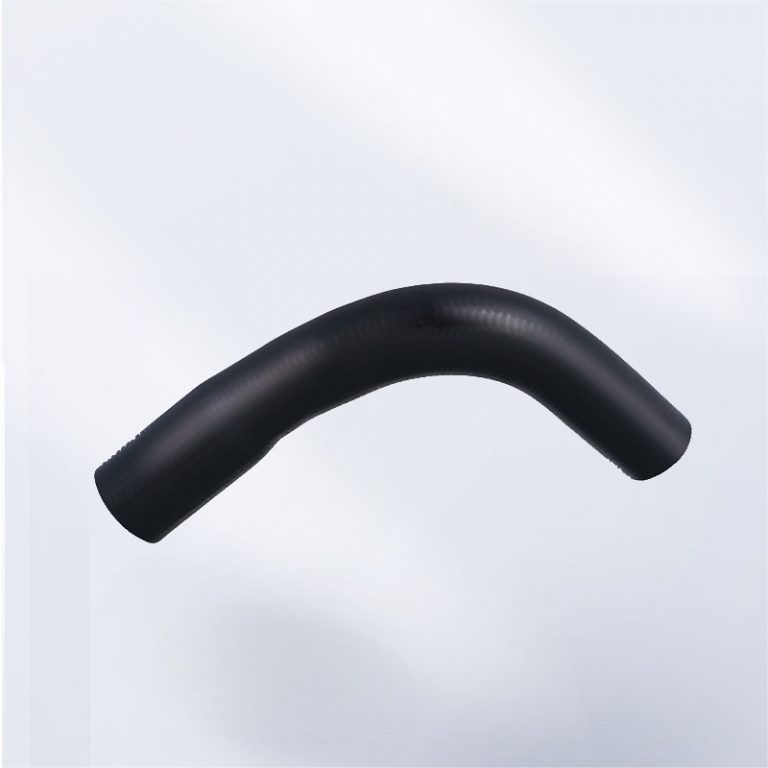
The combination of turbocharging with direct injection in advanced combustion engines produces elevated under-hood temperatures while operating at elevated pressures. The automotive rubber hose serves as a common hose type which operates throughout multiple automotive systems because it provides excellent resistance to high temperatures and aging and wear properties. The essential properties of these materials protect fuel delivery systems from thermal breakdown and prevent damage caused by expansion. The selection of hoses made from multi-layer elastomers and engineered thermoplastics enables them to function properly throughout extended periods in harsh environmental conditions.
Resistance to Ethanol-Blended Fuels and Additives
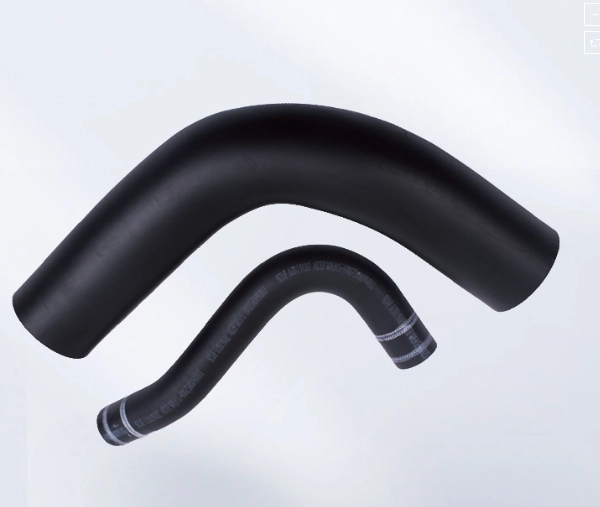
The current fuel market uses ethanol blends which include E10 and E85 as standard options. The corrosive and hygroscopic properties of these chemicals cause damage to standard materials. The hoses need to protect against chemical expansion and both cracking and delamination. The Fuel System Product range includes FKM/THV/ECO and NBR/CSM formulations which provide superior chemical resistance for various contemporary fuel compositions. Fuel oil flows in. The motor operates through the use of that slippery liquid. The material withstands high temperatures and curved shapes without any issues.
Regulatory Compliance and Material Certification
Global regulatory bodies like SAE and EPA define strict standards for material performance and emissions containment. Fuel hoses must meet low-permeation criteria while retaining mechanical integrity over time.
How Do Modern Engine Designs Challenge Traditional Hose Materials?
The optimization of powertrain systems has resulted in higher thermal demands and reduced available space inside the engine compartment. The modifications in the engine compartment require designers to create new approaches for hose design and integration.
Increased Engine Compartment Temperatures
Modern engines with turbochargers enable smaller displacement engines to operate at temperatures that were previously impossible. The technology finds application in automotive systems which include cooling systems and fuel systems and intake systems and turbocharging systems. The materials used in hoses need to maintain their strength through repeated heat exposure because any sign of weakness could result in fuel vapor leaks or reduced combustion performance.
Reduced Space and Complex Routing Requirements
The restricted space in engine bays requires hoses to follow tight curves without losing their shape or collapsing. The flexible design with built-in internal support enables hoses to bend smoothly while preserving their internal diameter for stable fluid flow.
Exposure to Pulsation and Vibration Stress
The fuel system encounters periodic pressure waves because pumps and injectors operate while the engine and chassis produce additional vibrations. The reinforced hose structures successfully absorb all applied forces. The multi-layered construction of Fuel System Product enables both sealing performance and fatigue resistance maintenance.
Why Is Hose Permeability a Critical Factor in Fuel System Design?
The level of permeability determines how well a system meets emissions standards and extends the operational life of its components. The problem extends beyond material selection because it requires complete systems engineering solutions.
Emission Control Regulations and Environmental Impact
The current emissions regulations require fuel system evaporative emissions to meet strict standards. The use of low-permeation hoses helps minimize hydrocarbon leakage into the atmosphere which results in improved air quality.
Fuel Volatility and Containment Efficiency
Modern fuels have higher volatility which makes vapor loss more likely when containment systems fail to seal properly. The combination of multiple materials with high-quality barrier layers creates a vapor-tight seal that maintains performance during thermal changes and dynamic stress.
Material Selection for Barrier Performance
The product range includes NBR/CSM and FKM/ECO and FKM/ECO/AR/ECO and NBR/THV materials. The materials maintain their flexibility and structural strength while preventing permeation across broad temperature ranges.
What Role Does Hose Flexibility Play in Installation and Performance?
The hose needs to flex without breaking because this capability determines both production line speed and system durability.
Ease of Assembly in Confined Spaces
The flexible hose design allows for better routeability during vehicle construction which shortens installation duration and minimizes the chance of incorrect component placement. The current trend of compact powertrain designs makes this feature essential.
Vibration Damping Capabilities During Operation
The flexible design of the system absorbs engine vibrations which otherwise would damage connectors and mounts through premature wear and loose connections.
Compatibility With Quick Connect Systems
The Fuel System Product line includes modern quick-connect fittings which enable quick assembly and leak-resistant connections that benefit both original equipment manufacturers and aftermarket maintenance operations.
How Do You Ensure Long-Term Durability of Fuel Line Hoses?
The engineering process creates longevity instead of relying on assumptions. The service life of hoses depends on material science testing methods which establish their overall reliability.
Resistance to Thermal Aging and Ozone Degradation
The hoses maintain their performance through excellent high temperature resistance and aging resistance and wear resistance which prevents them from becoming rigid or developing cracks because of heat cycles and ozone exposure.
Reinforcement Layers for Structural Integrity
The braided or spiral-wound reinforcement design delivers strength through its ability to flex as needed. The multiple layers function to stop structural collapse which occurs when vacuum pressure builds up during fuel draw operations.
Fatigue Testing Under Realistic Load Cycles
The hoses undergo simulated lifecycle tests which include pressure pulses and temperature cycles and chemical exposure and mechanical vibrations before entering the market.
Are Your Current Hoses Compatible With New Powertrain Technologies?
The development of new powertrain systems demands fuel system components which must adjust to changing requirements while maintaining their original performance standards.
Support for Hybrid and Electrified Vehicle Platforms
The thermal behavior of EVs with range extenders and PHEVs creates new operating patterns. The Fuel System Product range provides solutions for the special needs of ICE-hybrid systems.
Integration With Advanced Fuel Delivery Modules
The fuel line hoses need to connect exactly with all equipment components including pumps and filters and regulators and sensors. The system requires exact pressure stability because any dimensional change will result in operational leaks or sensor measurement errors.
Adaptability to Alternative Fuels Like E85 or Biodiesel Blends
The adoption of non-traditional fuels by OEMs requires chemical stability as a fundamental requirement. The hose construction depends on which tough blends were used. The hose material consists of NBR with CSM for grip. The hose material uses FKM and ECO for heat resistance. The selected material combinations maintain fuel chemistry compatibility while preventing any form of degradation.
Why Should You Consider Meichen as Your Fuel Line Hose Supplier?
The selection of suppliers requires strategic planning because every system component affects the final reliability of the entire system.
Proven Expertise in Automotive Fluid Handling Solutions
The company Shandong Meichen Industry Group Co.,Ltd operates from its base in the High-tech Industrial Park of Zhucheng City within Shandong Province. The company operates as a national high-tech enterprise which expands its operations worldwide. The company performs R&D and validation and production to create hoses that fulfill all OEM requirements.
Comprehensive Product Portfolio Covering Full Fuel System Needs
The solution provides a complete system through vapor lines and filler necks and Fuel System Product which streamlines supply chain operations and enhances system integration uniformity.
Global Manufacturing Footprint With Quality Assurance Standards
The combination of ISO certification at facilities with multiple locations across regions enables both quality control consistency and fast delivery services for worldwide customers. The company delivers products according to global quality standards while maintaining prompt shipping times for all its worldwide customers.
FAQ
Q1: What characteristics of a fuel line hose enable it to function properly with ethanol-based fuels?
A: Hoses constructed from FKM/ECO or NBR/THV materials demonstrate resistance to ethanol swelling and cracking which supports their use in E10 and E85 fuel applications.
Q2: Can flexible hoses handle high-pressure fuel injection systems?
A: Yes, multi-layer reinforced hoses are designed to maintain dimensional stability under pressure while resisting kinks in tight bends.
Q3: Are these hoses suitable for electric hybrid vehicles?
A: Absolutely. The Fuel System Product line is compatible with HEV and PHEV platforms which present unique thermal cycling patterns.