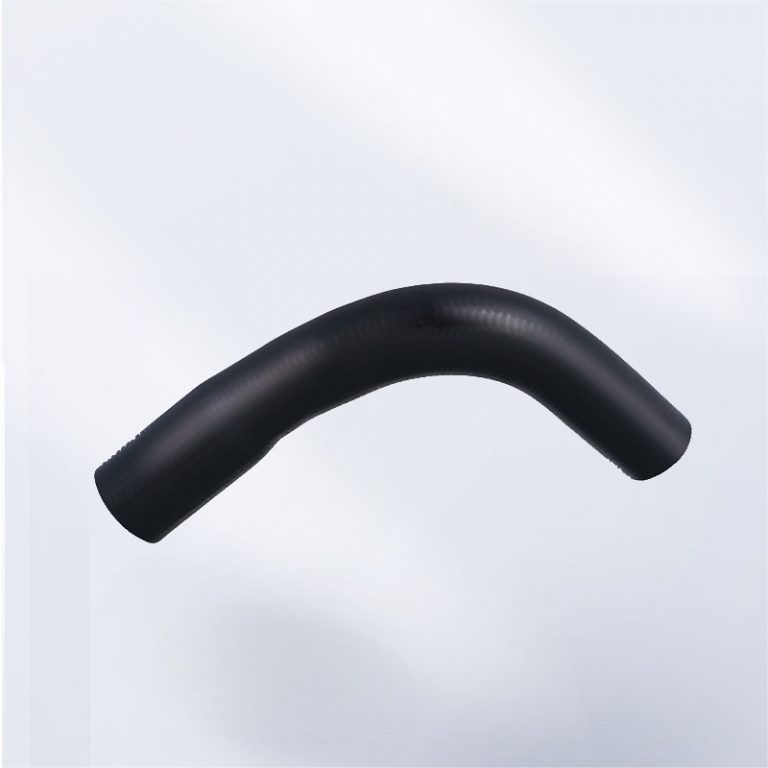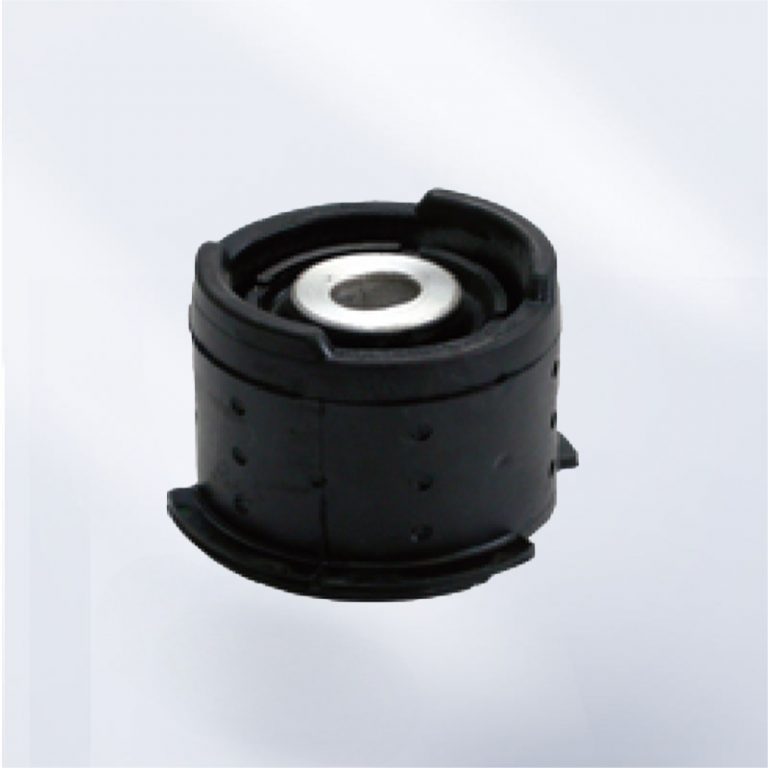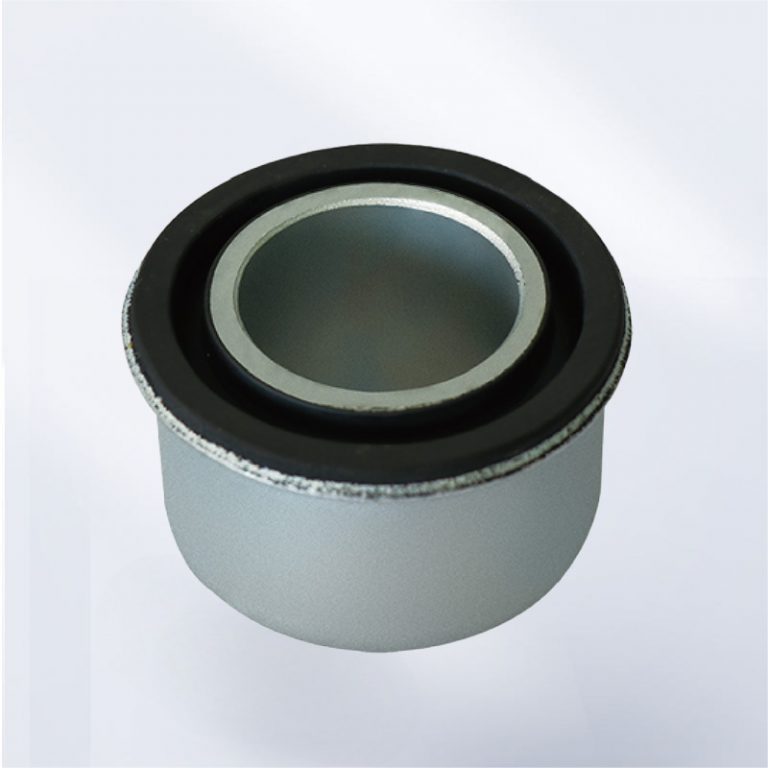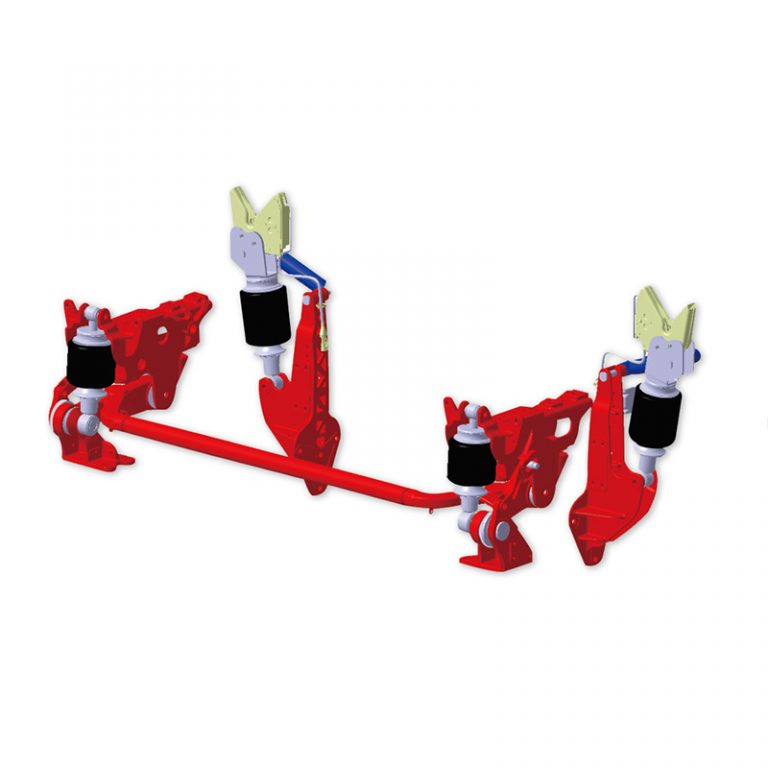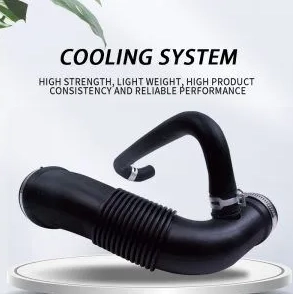
Rubber hoses function as essential fluid transporters which operate in harsh environments to move air and fuel and coolant and other fluids throughout automotive and industrial systems. The hoses develop cracks through time which leads to system failures that cause fluid leaks and reduced system performance and potentially dangerous equipment breakdowns when not identified early enough. The reliability of systems depends on complete knowledge of hose deterioration mechanisms and proper implementation of design methods and installation techniques and maintenance schedules.
System designers and maintainers who select high-performance components from reliable manufacturers will experience significant reduction in system failure risks. Meichen operates as a national high-tech enterprise from Zhucheng City where they develop automotive suspension systems and fluid delivery systems and vibration reduction solutions. Meichen employs more than 1,800 staff members who maintain a robust research and development department to provide reliable solutions for original equipment manufacturers and aftermarket customers. The company produces two main product lines which consist of Air Intake System products and Cooling System Products that use advanced rubber and plastic materials to handle demanding operational conditions.
Why Do Rubber Hoses Crack Over Time?
Rubber hoses develop cracks because they face three main sources of damage which include environmental factors and chemical breakdown and physical stress. The breakdown of hose material occurs through distinct mechanisms from each of these factors.
Material Degradation Due to Environmental Exposure
Rubber compounds face natural damage from outside factors which include ultraviolet radiation and ozone exposure and temperature changes. The surface of rubber hoses starts to oxidize and become hard when they receive direct sunlight or when they are placed near hot components without any protective coverage. The surface develops micro-cracks which expand during temperature changes. The TPV/AR/TPV structure provides excellent coolant resistance and superior NVH performance but its optimal operating range extends from -40 to 100 degrees Celsius thus environmental protection becomes essential.
Chemical Interaction with Fluids
The internal structure of hoses faces the same level of danger as their external components. The combination of strong coolants with oils and fuels leads to chemical reactions that damage specific elastomer materials. The rubber matrix becomes brittle while its elasticity weakens because plasticizers escape from the material during these chemical reactions. TPV materials used in coolant hoses need to fulfill two essential standards which include compressive deformation resistance and coolant resistance to prevent material breakdown.
Mechanical Stress and Fatigue
Rubber hoses experience continuous pressure pulses and engine vibration-induced movement and compact routing-induced bending. The repeated stresses create strain concentrations which result in fatigue cracking. The installation process creates minor misalignments that will speed up the failure process.
How Can Proper Material Selection Prevent Cracking?
The selection of appropriate materials for particular uses plays a crucial role in extending hose operational life. The integration of engineered compounds with structural reinforcements in modern hose systems helps to prevent different types of failures.
Use of High-Performance Rubber Compounds
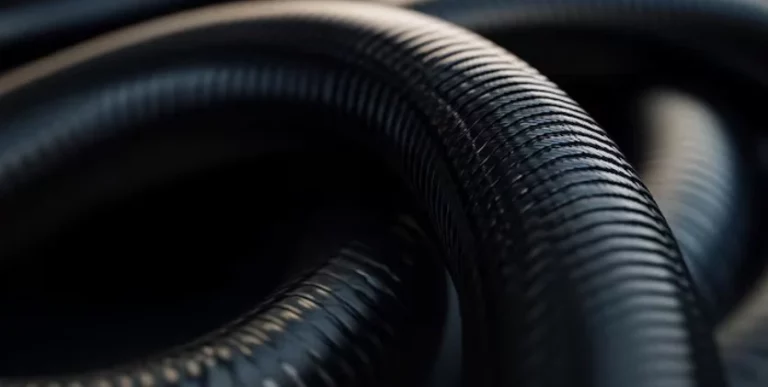
The selection of EPDM and silicone elastomers as high-grade materials depends on their exceptional ability to withstand heat exposure and chemical attacks and oxidative degradation. Meichen provides Air Intake System products through materials which include EPDM and FVMQ and FKM and VMQ and HT-AEM and NBR/PVC blends based on specific application requirements. The materials demonstrate flexibility under hot conditions and they prevent fluid penetration.
.webp)
Integration of Reinforced Structures
The addition of multiple layers in construction methods leads to better durability of the system. The TPV knitting hoses contain an enhancement layer of polyester which increases their burst pressure rating. The reinforcement layer protects the system from pressure-related damage while preserving its flexibility.
Application-Specific Product Design
Meichen’s Air Intake System Products use specific rubber compounds which engineers developed for under-hood applications where hot and oily conditions exist. The customized material selection helps prevent material breakdown which results in extended product operation.
What Role Does Installation Play in Hose Longevity?
The installation of hoses with advanced materials will not prevent early failure when they receive improper installation. The operational durability of equipment depends on correct hose routing and secure connection methods.
Avoidance of Excessive Bending or Twisting
The implementation of routing methods which force hoses to follow abnormal paths creates specific areas of high stress. The repeated mechanical stress in these areas leads to crack development through time. The structure experiences uniform stress distribution when hoses follow natural curves with smooth radii.
Use of Proper Clamping Techniques
The clamping process requires proper torque application. The hose outer layer becomes damaged when clamps apply excessive force but insufficient force causes the hose to move slightly which results in abrasive wear. The correct torque level protects the hose seal from damage while preserving its structural stability.
Compatibility with System Components
The cooling system products from Meichen maintain OEM-defined geometries and component interfaces which reduces installation stress. The system requires no additional post-installation adjustments because it maintains proper hose body tension.
.webp)
How Does Maintenance Affect Hose Durability?
The practices of routine inspection and service scheduling enable organizations to identify early signs of degradation which prevents major system failures.
Regular Inspection for Surface Damage
The visual inspection shows the first signs of damage through outer surface discoloration and swelling and hairline cracks. The appearance of these signs requires immediate inspection because they show both internal material fatigue and exposure-induced aging.
Scheduled Replacement Based on Service Life
Manufacturers use test simulation results to establish product lifespan projections. Meichen hoses undergo extensive validation testing which includes pressure resistance and thermal aging and chemical exposure assessments to determine maintenance schedules based on expected performance duration.
Cleaning and Fluid Compatibility Monitoring
The combination of incompatible fluids produces residual chemicals which cause hose materials to deteriorate through time. The inner lining of hoses must be compatible with fluids to maintain their elasticity and extend their operational period.
Can Environmental Control Reduce Hose Cracking?
The aging process of materials becomes slower when environmental conditions receive proper control before installation and during operational use.
Protection from Direct Sunlight and Ozone Exposure
Rubber surfaces experience accelerated photodegradation when they receive UV exposure. The risk of damage from UV exposure becomes lower when using UV-resistant sleeves and placing hoses in areas that stay away from open-air intakes especially for air intake systems located under the hood.
Temperature Regulation in Operating Zones
Rubber hoses require thermal management systems to stop their materials from expanding too much or becoming brittle. The system should maintain bay temperatures at levels which match design specifications to prevent thermal stress from building up during extended operation.
Storage Conditions Before Installation
Meichen advises storing hoses in dark places with low temperatures to maintain their elasticity until they become ready for use in industrial and automotive applications. The storage conditions determine how long equipment remains usable before installation starts.
What Are the Benefits of Using Meichen’s Rubber Hose Solutions?
Expertly engineered hose solutions provide performance benefits which extend past their durable design. The system achieves safety standards while lowering operational expenses and enhancing overall performance.
Advanced Material Engineering for Durability
Meichen implements polymer technology advancements throughout their Air Intake and Cooling System Products to achieve extended crack protection. The selection of rubber materials for each application depends on their ability to withstand chemical reactions and operate within specific temperature ranges and mechanical stress levels.
In-House Testing and Quality Assurance Protocols
The hoses pass through extensive simulation tests which verify their ability to withstand pressure and thermal aging and chemical exposure. The testing process validates that the hoses operate reliably in actual field environments.
Tailored Solutions for OEM and Aftermarket Needs
Meichen provides customizable rubber hoses which fulfill particular industry standards for both automotive and heavy machinery applications. The engineering team at Meichen works directly with system designers to create customized solutions which perfectly match existing system designs.
How Can Engineers Optimize Hose Design to Prevent Cracks?
The design choices made during the initial phase determine how well a rubber hose will withstand cracking throughout its operational period.
Incorporation of Flexible Geometry in Layouts
The design of routing paths with natural curves helps minimize stress concentrations that occur when the hose operates. The hose body experiences more uniform internal force distribution because the design avoids sudden bends during pressure spikes and thermal expansion cycles.
Strategic Use of Protective Sleeves or Shields
Heat shields and abrasion-resistant sleeves need to be installed on hose surfaces to defend them from external damage that occurs when components touch or chemicals spill—mainly in areas near exhaust manifolds and fluid reservoirs.
Collaboration with Trusted Manufacturers Like Meichen
Meichen provides access to their team of experts who offer specialized guidance about selecting materials and designing systems and extending their lifespan. Their engineering knowledge enables system designers to create high-performance systems while maintaining reliability standards.
FAQ
Q1: What factor leads to rubber hose cracking as their main cause?
A: Rubber hoses experience cracking because of three main factors which include environmental exposure to UV light and ozone and chemical reactions with transported fluids and mechanical stress from bending and pressure changes.
Q2: Which materials offer better resistance against hose cracking?
A: EPDM and silicone-based rubbers demonstrate superior heat resistance and chemical stability than general-purpose elastomers.
Q3: What preventive maintenance can extend a hose’s lifespan?
A: The inspection process should include visual checks for both cracks and deformation in hoses. The scheduled replacement of hoses should occur regardless of visible damage because it extends their operational life. The selection of fluids for hose operation should match the material properties of the hose.