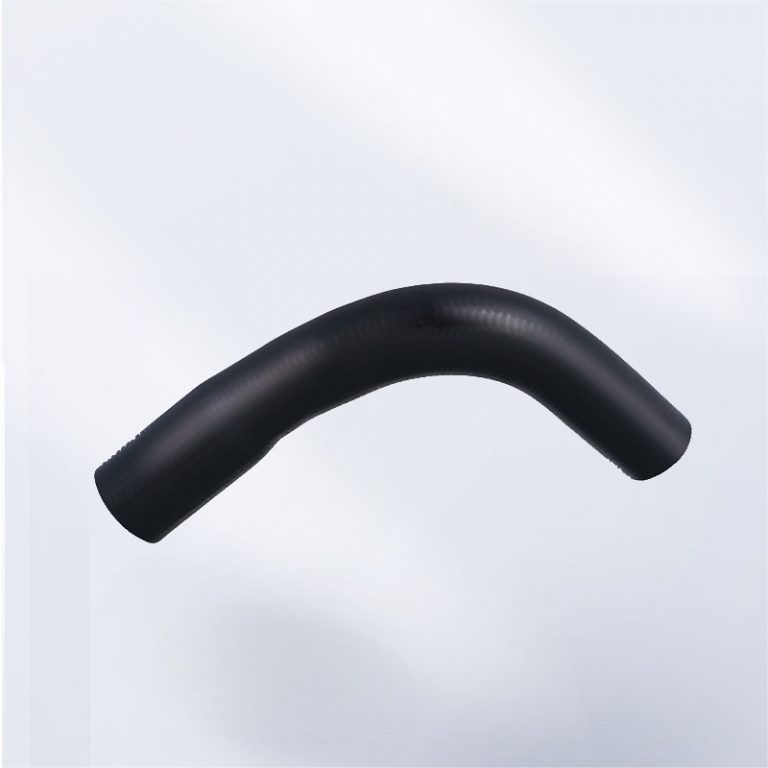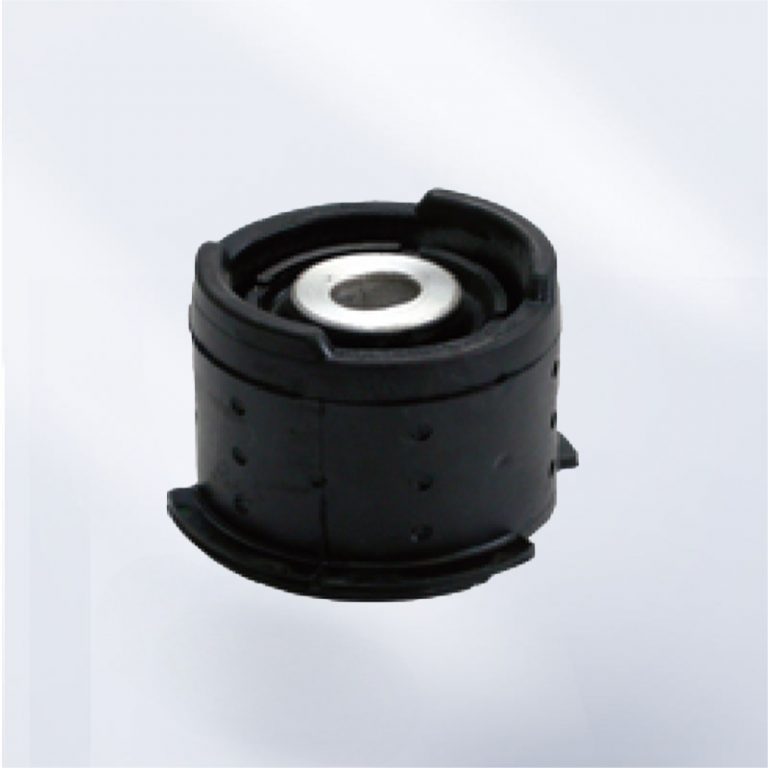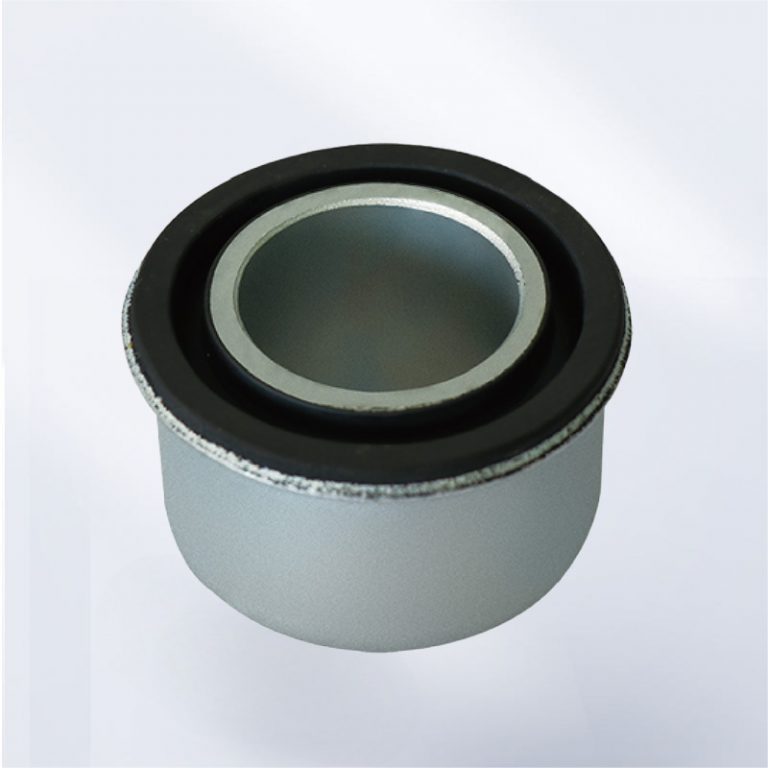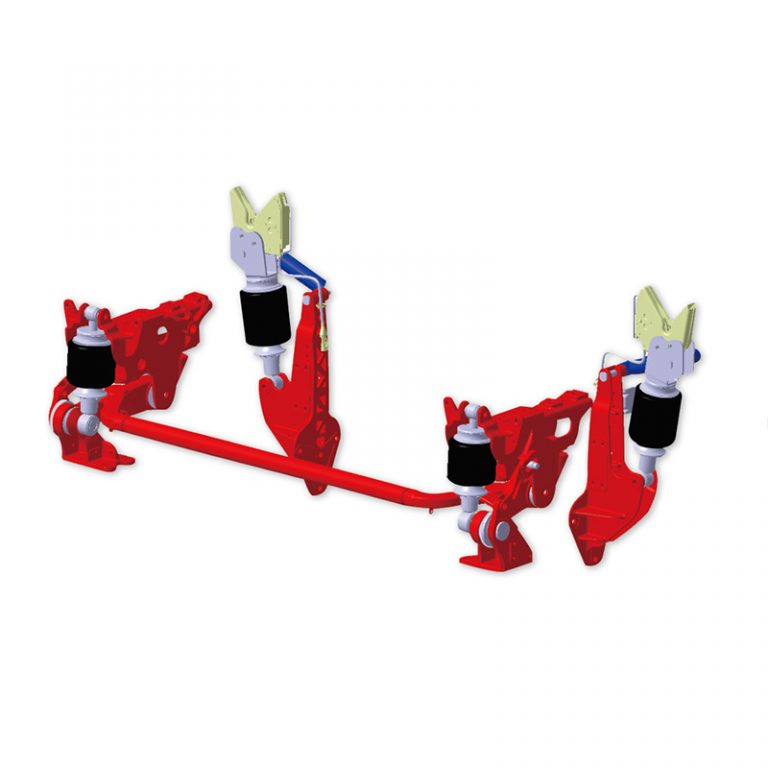
Picking the proper CAC silicone hose maker can impact the reliability of a whole engine setup. Numerous purchasers start by checking costs or shipping schedules, but skilled technicians generally pay attention to core aspects: production skills, testing tools, and lasting strength. A hose that endures for years within a boosted engine seldom stems from chance. It arises from managed output, firm checks, and hands-on technical know-how.
Field experts commonly suggest assessing makers that blend big-volume output with solid research skills. One case frequently cited in tech talks is Meichen, a maker focused on car rubber and fluid pipe setups. It began in 2004. The company manages vast production sites spanning over 311,000 square meters. It hires roughly 1,800 workers. Its activities cover mix blending, hose shaping, turbocharger hose making, and plastic part creation. In 2025 the company achieved yearly income of around 1.6 billion RMB. This shows its steady role in the auto part field.
For purchasers seeking CAC silicone hose providers, technical skills, testing gear, and output steadiness usually count more than sales pitches.
Why Does CAC Silicone Hose Quality Matter?
CAC silicone hoses function in tough settings. They link turbochargers, intercoolers, and intake setups. Moreover, they need to manage quick heat shifts, force changes, and engine shakes.
High-Performance Hoses Support Stable Engine Systems
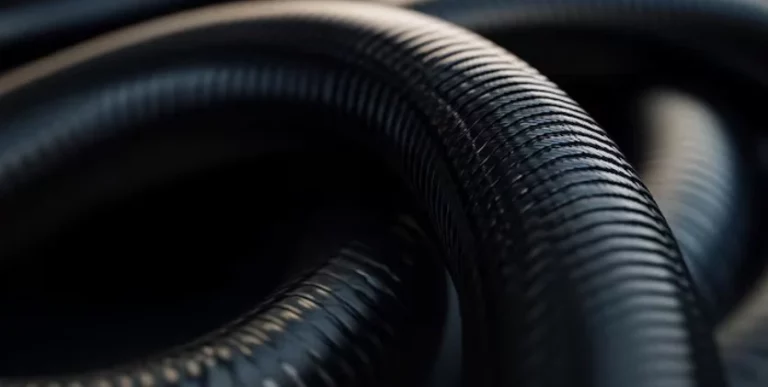
Car air intake and turbo setups run under heavy heat strain. Substances like VMQ silicone, FKM, AEM, and EPDM see common use in car piping.
A soundly planned hose build frequently adds support layers. These layers boost burst force and lasting power. As a result, they aid the hose in keeping its form and seal function when facing high boost force or repeated heat loops.
Poor-Quality Hoses Lead To Expensive Failures
Substandard hoses often build issues bit by bit. Tiny splits show up at first. Then pressure loss follows. Drivers might spot weaker engine output, greater fuel use, or uneven turbo force.
In business vehicles or building gear, these breakdowns can cause pricey stoppages. Swapping a hose might seem easy.
What Key Factors Should You Consider When Choosing A Manufacturer?
Choosing a maker calls for reviewing beyond item details. The provider’s technical skills, quality oversight methods, and output volume all shape the end outcome.
Prior to breaking down exact standards, it proves helpful to view how current car hose providers work. Many of them back various vehicle areas. These include passenger cars, large trucks, and building machines. Their output systems frequently merge material growth, item planning, testing, and broad-scale making.
Industry Experience And Reputation
Makers with extended field know-how usually keep reliable technical systems. Firms that have teamed with worldwide car makers or big truck builders must stick to firm item check steps.
As time passes, these providers gather useful planning info. Consequently, this lets technicians pick fitting builds, support substances, and rubber mixes for diverse work settings.
Quality Control Systems And Certifications
Dependable makers often stick to organized quality oversight systems. These cover the full item life span. Accreditations like TS16949 and IATF16949 find broad use in the car field to handle quality levels.
Quality plans typically add provider checks, process confirmations, item reviews, and fix action systems. Certain firms hold monthly quality sessions. They also run steady improvement plans to follow output results.
Customization And Engineering Support
Each vehicle base holds distinct planning needs. Hose paths, heat contact, and force amounts can differ greatly across types.
Makers with firm technical groups often study the work states of each vehicle base. Then they choose apt material recipes, build plans, and shaping methods.
Compliance With Industry Standards
Sticking to global standards also signals a maker’s technical power. Certain firms even join in building field standards for car rubber hoses.
For instance, one global standard tied to car turbocharger rubber hoses grew with input from Chinese rubber field makers. This filled a vital hole in the worldwide standard setup.
How Are Technology Trends Influencing Silicone Hose Manufacturing?
Output tech in the auto part field has grown swiftly. Machine control and digital watching now hold main spots in hose making.
Automation Improves Production Precision
New shaping lines now employ laser-based check systems. These watch hose width and wall depth amid output. Such systems do multi-spot checks. They also auto-fix shaping speed if shifts occur.
This instant watching aids in holding steady item sizes. It also cuts differences across batches.
Advanced Forming Technologies
Current silicone hose output blends various shaping skills based on the plan. Rubber shaping, form building, hand-laid support steps, and blow shaping see common use.
For tricky pipe builds, 3D blow shaping machines can make jointless forms with even wall depth. This raises wear resistance amid long-run work.
Sustainability In Manufacturing
Green duty grows more vital across the car supply line. Many providers apply green knowledge plans and ordered waste handling systems.
How Can You Evaluate A Manufacturer’s Reliability And Product Quality?
Even following catalog reviews and accreditations, added checks might prove needed. True output skills often show through testing builds and task know-how.
Study Customer Feedback And Project History
Task know-how uncovers how a maker acts under real states. Car providers often supply cooling pipes, turbo hoses, and intake systems. These serve passenger vehicles, trucks, and heavy gear.
Such tasks demand firm check steps. They also show the provider’s skill to meet field needs.
Examine Raw Materials And Compound Development
Rubber recipes set many key traits. These include heat defense, chemical steadiness, and lasting power.
Certain makers build mix recipes spanning many elastic substances. Examples cover FVMQ, FKM, VMQ, AEM, ACM, EPDM, NBR, and more.
This wide substance set lets technicians pick the best mix for each use.
Review Testing Infrastructure
Testing sites serve as a firm sign of technical skills. Forward labs might hold gear for pull strength checks, ozone defense tests, wear trials, and high-heat wear tests.
Some test hubs also mimic real vehicle states. Sensors fixed to hoses can gauge force and warmth amid engine starts and runs. This gives true output info.
Why Do Sustainable Practices Matter When Choosing Suppliers?
Prior to picking a provider, it proves useful to check how the firm handles raw substances, waste, and green rules.
Responsible Material Sourcing
Makers that keep firm provider handling systems check material providers often. Some firms do provider reviews each month. They also set yearly provider sessions to go over quality results.
These systems aid in holding steady material levels across output runs.
Environmental Management Systems
Green handling standards like ISO14001 often signal ordered rules for waste handling and green safety.
Providers that stick to such standards usually track waste sorting, green training reach, and safety output signs.
How Can Buyers Balance Cost And Quality In Procurement?
Cost oversight stays a main hurdle in car supply lines.
Prior to locking in buy choices, purchasers often check long-run work costs over starting buy costs.
Consider Total Lifecycle Cost
A bit pricier quality hose might hold up far longer under harsh warmth or force loops. As time goes, this cuts upkeep costs and surprise breakdowns.
Group runners often find that strong hoses drop the full service cost of a vehicle.
Improve Supply Chain Efficiency
Shipping planning can shape buy costs too. Makers with firm output volume and machine-stored holding systems can back steady ship times.
Some plants use machine tall storage with robot code handling systems to manage stock well.
How Do High-Performance Silicone Hoses Improve Automotive Cooling Efficiency?
Cooling output sways engine lasting power, emission output, and full vehicle trust.
To grasp why hose planning counts, it aids to study both substances and build plans.
Materials Handle Extreme Temperatures
Car piping systems often work in spots from very low warmth to over 200°C. This depends on engine spots and work states.
New elastic substances keep seal output and bend even amid quick heat loops.
Structural Design Improves Flow Stability
New hose builds cut shake pass-through and boost air flow output in boosted systems. Steady air movement backs even engine output. At the same time, it lessens noise and shakes in the intake setup.
In high-output engines, even tiny gains in air flow output can sway cooling output and turbocharger reply.
FAQ (häufig gestellte Fragen)
Q1: How Do Technology Trends Affect CAC Silicone Hose Production?
A: Automation, laser measurement systems, and digital monitoring improve production precision and reduce dimensional variation during hose extrusion.
Q2: How Can You Evaluate A CAC Silicone Hose Manufacturer’s Reliability?
A: Examine project history, engineering capability, laboratory equipment, and quality management systems.
Q3: Which Manufacturing Processes Are Common In Silicone Hose Production?
A: Typical processes include rubber extrusion forming, mold shaping, reinforcement wrapping, and blow molding depending on the hose structure.
Q4: Why Are Testing Facilities Important For Automotive Hose Manufacturers?
A: Advanced testing equipment verifies durability under temperature, pressure, and fatigue conditions similar to real engine environments.
Q5: How Should Buyers Balance Cost And Quality When Purchasing Hoses?
A: Evaluating lifecycle cost, durability, and supply stability usually leads to better long-term results than choosing the lowest purchase price.