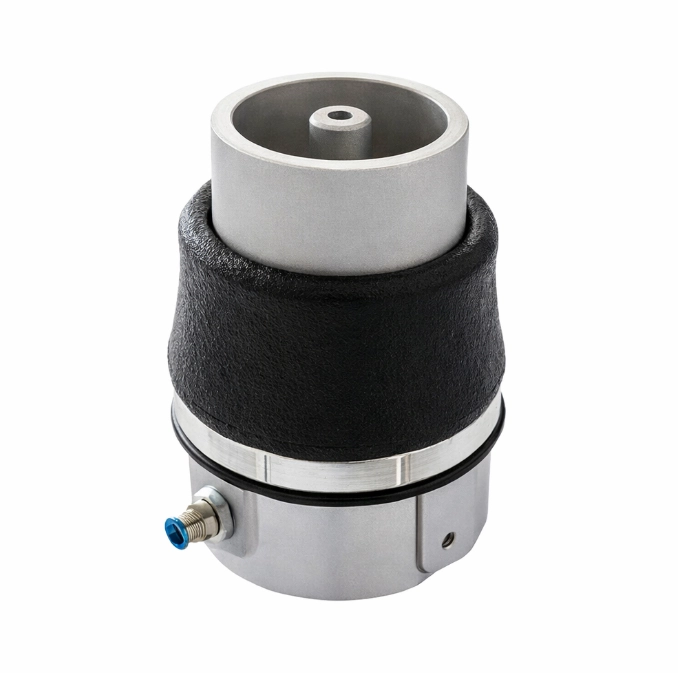
Cab air spring leakage rarely starts as a “big failure.” It usually begins as a small cab air spring air loss that you notice only after a few mornings of cab sag or a harsh ride. If you buy parts for fleets or keep trucks running in tough duty cycles, you care about two things: fewer comebacks and a longer cab air spring lifespan. That is where a supplier’s design, validation, and manufacturing discipline matters. Meichen is a Shandong-based, automotive-grade rubber and metal component manufacturer founded in 2004, with a large production campus and a lab system that has held CNAS accreditation since 2012. Its quality system grew from TS16949 automotive requirements, plus ISO14001 and OHSAS18001, and it runs lean training and closed-loop corrective action as standard practice. In air spring work, that background shows up in the boring but important details: controlled rubber processing, reliable metal structural parts, and fatigue testing at component and system level.
Why Do Cab Air Springs Leak in the First Place?
Cab air springs live in a rough zone. Heat, dust, vibration, and constant motion all stack up. When people ask “why cab air springs leak,” the answer is usually not one single thing. Most common cab air spring leakage problems come from interfaces, rubber aging, and mechanical abuse that builds quietly over time.
Seal and Fitting Micro-Leaks
A lot of truck cab air spring leaking complaints trace back to the air path, not the rubber bellows itself. Push-in fittings, hose ends, valve cores, and threaded ports can seep when surfaces are not clean, when threads get nicked, or when torque is off. The leak is small at first, then cab air spring air loss shows up as slow cab height drop. One practical habit helps: use a soap-water bubble check on every joint during installation and again after the first loaded road run, because vibration can “seat” parts and change leak behavior.
Rubber Aging and Material Breakdown
Rubber does not fail only by tearing. It can harden, develop micro-porosity, or lose elasticity. That is when cab air spring durability falls off and leaks start to appear around folds and stress zones. Manufacturing control matters here. Meichen’s rubber processing setup includes rubber injection machines with online control of temperature, pressure, and time, plus automatic alarms for interruptions. That kind of control reduces batch drift, which is one reason some replacements last and others become cab air spring problems within months.
Abrasion, Misalignment, and Over-Travel Damage
Even a good air spring can be destroyed by bad geometry. Brackets that rub the bellow, misrouted airlines that chafe, or a cab mount that side-loads the spring will cut lifespan fast. Over-travel events matter too. If the cab tops out or bottoms out often, the bead area takes repeated stress. That accelerates cab air spring failure and makes “random” leaks feel mysterious. It is not mysterious, it is repetitive mechanical damage.
What Are the Most Common Cab Air Spring Leakage Symptoms?
Cab air spring leakage symptoms are easy to miss when the truck still moves and the driver adapts. But the signs are consistent. Spotting them early is cheaper than dealing with a roadside failure, and it keeps you from replacing the wrong part when the real issue is upstream.
Cab Ride Height Changes and Morning Sag
The classic sign is height loss after parking. You park at normal ride height, come back later, and the cab sits lower than usual. That points to cab air spring air loss. If only one side drops, look for an airline leak, a fitting seep, or localized rubber damage. If both sides drop evenly, check the common supply path and valves first.
Compressor Cycling and Air System Clues
On vehicles with an air supply feeding the cab suspension air spring circuit, frequent compressor cycling can be a clue. The system keeps chasing pressure because air is escaping somewhere. It feels like “weak air,” but it is usually leakage. This is also why cab air spring leaking under load can be missed at idle. Under load, movement opens tiny gaps and the leak rate rises.
Visible and Audible Leak Points
Hissing near a fold, wet-looking dust patterns around a crack, or fresh abrasion marks where rubber contacts metal are strong signals. A simple bubble test is still the fastest way to locate a leak. Start at fittings, then the top plate and bottom plate, then the bellow folds. Do not skip the basics. Many “bad parts” returns end up being an installation leak.
What Causes Cab Air Spring Rubber Cracking and Early Failure?
Cab air spring rubber cracking is one of the most expensive “slow problems.” It starts as surface checking, then becomes a leak path. In real fleets, cracking often comes from environment plus motion, not from one dramatic event.
Heat, Ozone, and Environmental Exposure
Heat speeds up aging. Ozone causes fine cracking patterns, especially in rubber that sees stretching. If the cab area runs hot or sits near exhaust flow, rubber cracking accelerates. This is not only a material issue, it is also placement and shielding. A small change in hose routing or heat shielding can add real months to cab air spring lifespan.
Oil Mist, Road Chemicals, and Dirt Loading
Oil and fuel mist can attack rubber over time. Road salt, cleaning chemicals, and fine grit also grind into folds. This is where maintenance matters. Cab air spring maintenance is not complicated, it is just regular: wipe the bellow clean, check folds, and remove debris that sits in stress zones. If dirt cakes in the folds, motion turns it into sandpaper.
Validation and Fatigue Testing Discipline
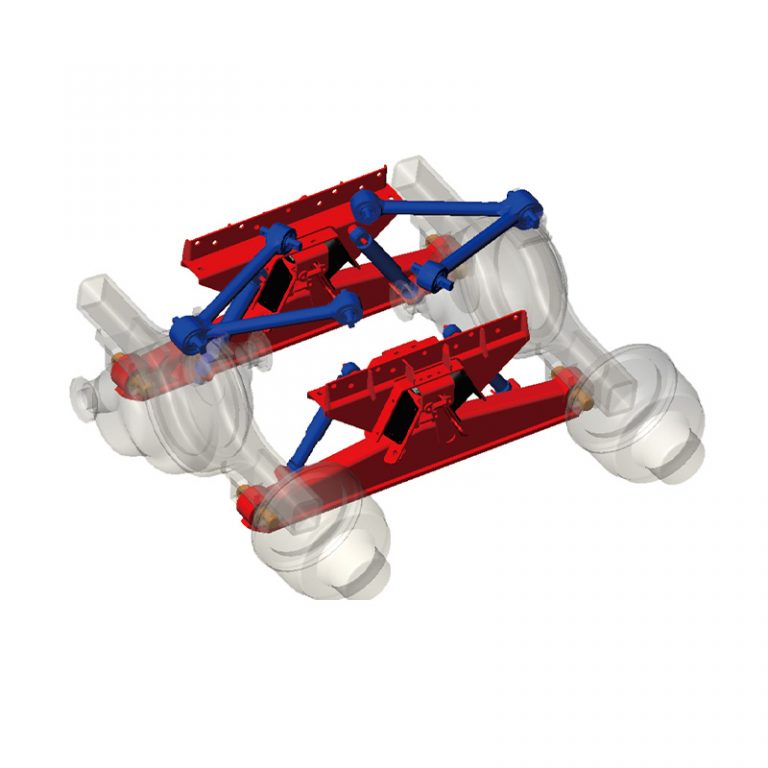
Customers care about durability claims that hold up. Meichen’s suspension development process described in its technical materials includes full project flow from design to road testing, plus virtual simulation such as multi-body dynamics work, static strength analysis, modal response checks, and nonlinear analysis for rubber parts. It also highlights fatigue life testing for parts and fatigue testing for the whole system on test benches.
Why Does Cab Air Spring Leaking Happen After Replacement?
Cab air spring leaking after replacement is frustrating because it feels like the new part is faulty. Often it is not. The leak comes from setup details that do not look dramatic during installation.
Incorrect Installed Height and Alignment
Air springs have a working height range. If you install outside that range, folds pinch or stretch too far. That leads to early cab air spring leakage, then a rapid decline in durability. Always measure installed height at normal cab position. Also check if the spring sits square to the mounting surfaces. A slight angle creates side loading, and side loading creates wear.
Reused Fittings, Old Airlines, and Port Damage
Replacing only the air spring but keeping old fittings is a common cause of cab air spring air loss. The old fitting may have micro-cracks, worn seals, or damaged threads. A quick rule: if the truck had long service, treat airlines and fittings as wear items. Replacing them is cheaper than chasing a leak that returns.
Part Selection and Reliable Replacement Sources
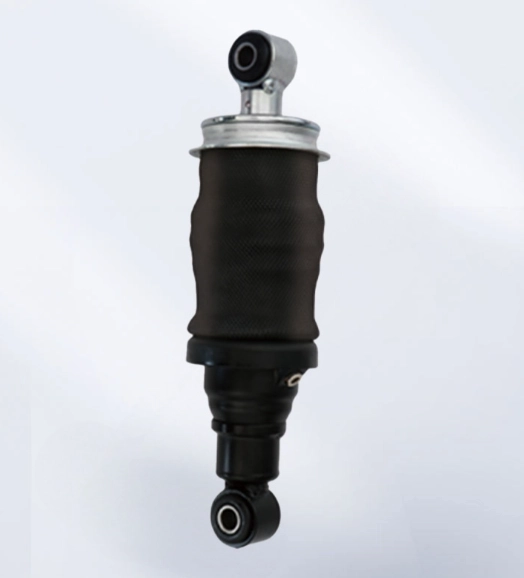
Fitment matters more than many people admit. Even small differences in mounting geometry change stress paths and can create cab air spring problems. If you source replacement parts, use a supplier that can support correct matching and stable production control. For a direct option, you can reference Cab Air Spring Products as the product line designed for cab suspension applications, especially when you want consistent build quality and fewer repeat leak cases.
Why Does Cab Air Spring Leaking Get Worse under Load?
Cab air spring leaking under load is a common pattern. The truck looks fine in the yard, then leaks faster on the road. Load changes geometry and motion. It also changes how folds behave, and folds are where many leaks start.
Fold Stress, Bead Movement, and Dynamic Sealing
Under load, the bellow flexes more and faster. Folds open, close, and twist. Tiny defects that do not leak at rest can leak during motion. This is a key cause of cab air spring air loss that seems random. If the leak appears mainly during driving, check fold zones and the bead area first, not only fittings.
Bottoming Out, Top-Out Events, and Impact Damage
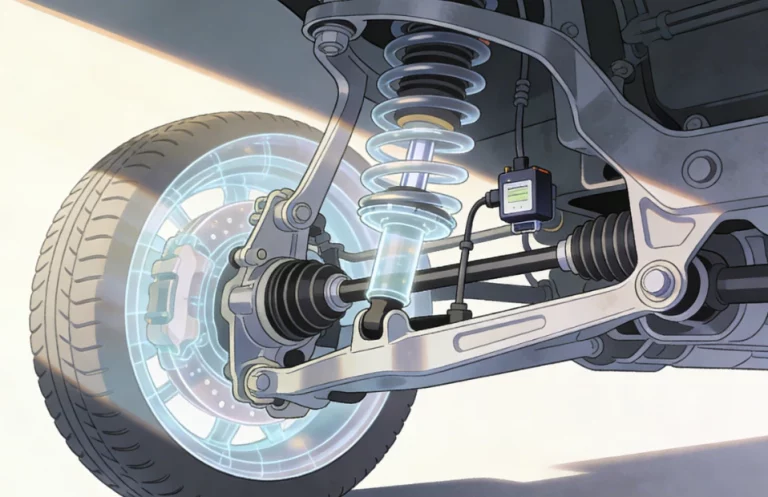
A few hard bottom-outs can damage internal reinforcement, then leakage follows later. This is why “it started leaking suddenly” can actually be delayed failure. Check bump stops, limit blocks, and cab mounts. In Meichen’s air suspension technical notes, limit control is described as shared by rubber buffer blocks and air spring limit structures in some suspension systems. The same principle applies on the cab side.
Bracket Interference and Side Loading
Load can shift the cab slightly. That can bring the bellow closer to a bracket edge or a rubbing surface. Look for shiny rub marks on metal and polished zones on rubber. If you see them, fix alignment first. Replacing the spring without fixing the interference just repeats the cycle.
How Can Cab Air Spring Maintenance Extend Lifespan and Durability?
Cab air spring maintenance is where you buy back uptime. It also makes your purchasing decisions easier, because you get clear failure patterns instead of mixed signals. Simple routines can cut down cab air spring leakage and extend cab air spring lifespan.
Simple Inspection Routines That Catch Air Loss Early
Add quick checks to regular service: cab height check after parking, bubble test on fittings, and a fold inspection with a flashlight. Clean off mud and grit from the bellow. This is basic work, but it stops small cab air spring air loss from becoming a full cab air spring failure on the road.
Air Supply Cleanliness and System Checks
If the supply air carries moisture or oil, rubber and valves suffer. Keep drains working, keep filters clean, and watch for oil carryover. Many causes of cab air spring air loss are not the spring at all, they are poor air quality and leaking connections upstream.
Choosing Parts Backed by Real Engineering and Process Control
If you manage sourcing, look beyond catalog photos. Ask about process control, metal structural capability, and validation. Meichen’s published capabilities include metal structural component production systems such as plasma cutting, laser blanking, forging, welding lines, and painting lines, plus a quality plan that covers supplier quality management, product and process validation, and corrective action loops. Those “factory side” details directly affect cab air spring durability in service. For a broader view of related items and categories, check the Products page when you compare options and plan standardization across a fleet.
FAQ
Q1: What are the fastest ways to confirm cab air spring leakage symptoms?
A: Check cab ride height after parking, listen for hissing near folds, and run a soap-water bubble test on fittings and ports. If the leak increases during driving, suspect cab air spring leaking under load.
Q2: Why do cab air springs leak even when the rubber looks fine?
A: Many common cab air spring leakage problems come from fittings, airlines, valve cores, or port sealing surfaces. Small interface leaks can cause steady cab air spring air loss without visible rubber damage.
Q3: What usually causes cab air spring rubber cracking?
A: Heat, ozone exposure, oil mist, and dirt loading in the folds are major drivers. Once cracking starts, cab air spring durability drops and leakage can follow.
Q4: What should be checked when cab air spring leaking after replacement happens?
A: Verify installed height and alignment, replace aged fittings and airlines, and check for bracket interference. Many “new part leaks” are setup leaks or side loading issues.
Q5: How can you reduce repeat cab air spring failure in fleet service?
A: Use regular cab air spring maintenance checks, keep air supply clean, control travel with healthy bump stops, and source parts with stable manufacturing control and fatigue validation. If you need fitment support, use Contact Us to start a quick technical inquiry.