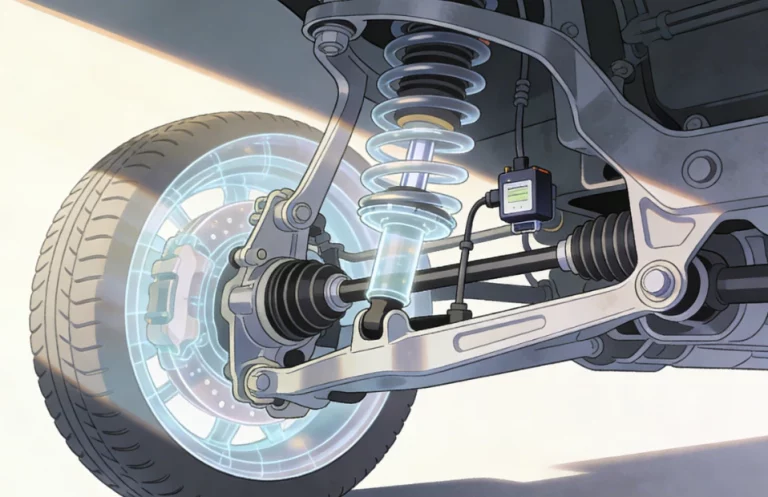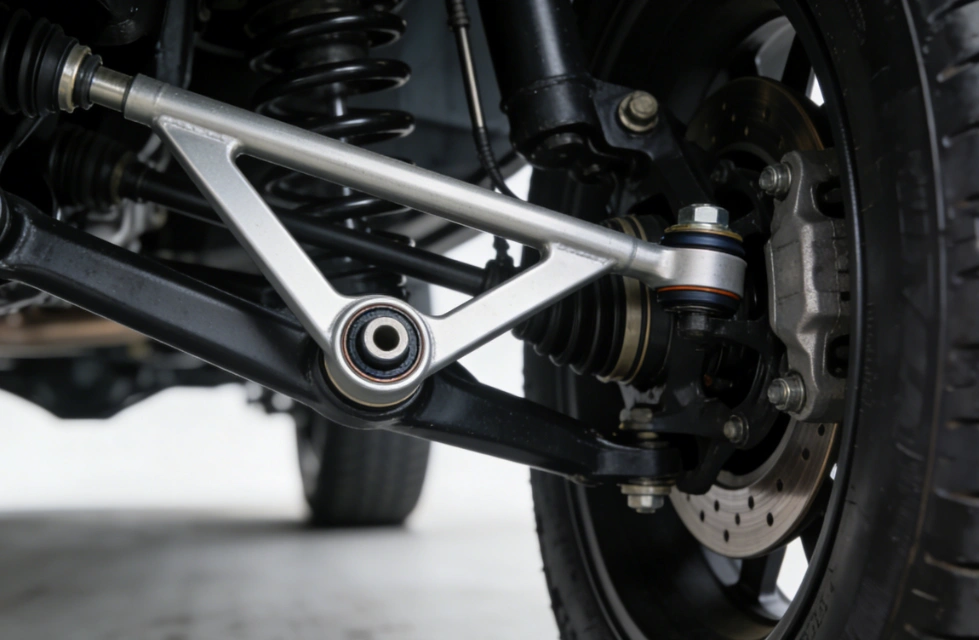
Thrust rods play a vital role in a vehicle’s suspension system. This is particularly true in demanding commercial applications. These components manage the transfer of forces between the frame and the axle. They cope with dynamic loads, such as those from braking, accelerating, and cornering. When thrust rods deteriorate, especially their bushings, issues ripple through the suspension. This impacts tire wear, steering, and overall vehicle stability.
To boost your fleet’s efficiency and safety, prioritize reliable suspension components. This approach also reduces maintenance costs. It is wise to examine the design and construction of these parts. Meichen operates as a national high-tech firm with international expansion. It primarily develops, manufactures, and sells automotive suspension systems, damping arrangements, and fluid handling systems. Their thrust rod products, like the I-type thrust rod for straight-line control and the V-shaped thrust rod for lateral stability, are engineered for precise installation and extended durability in rigorous environments.
Can Degraded Thrust Rods Cause Uneven Tire Wear?
When thrust rods degrade, primarily at the bushing locations, they introduce instability to the suspension. This instability alters how tires contact the road surface. It occurs because the components no longer maintain proper alignment.
Suspension Geometry Misalignment
The bushings in thrust rods serve as cushions and guides for the axle. As these bushings wear out, they cannot preserve the correct alignment between the axle and the chassis. Such misalignment affects toe and camber angles. These changes influence tire grip on the pavement. Consequently, this results in unusual tread patterns. You may notice feathering or wear concentrated on one side of the tires.
Worn thrust rod bushings disrupt the configuration of suspension elements. As a result, tires do not make even contact with the road.
Increased Lateral Movement Under Load
Deteriorated bushings reduce the thrust rod’s ability to control axle shifts under dynamic forces. During corners or braking, this causes excessive side-to-side motion. Tires then skid or scrub on the surface rather than rolling straight. The wear accelerates on the inner or outer edges.
Degradation allows additional lateral axle movement, especially during braking or turning. This hastens wear on inner or outer tire sections.
Inconsistent Wheel Tracking
When damaged thrust rods disrupt wheel alignment, tires lose their parallel orientation. They deviate slightly from the intended path. This produces scrubbing that leads to patchy or scalloped wear on the treads.
Damaged thrust rods interrupt wheel tracking. Tires then scrub on the road and develop irregular wear patterns.
How Do Worn Thrust Rods Affect Vehicle Handling?
Degraded thrust rods create more than just tire problems. They introduce unstable handling that compromises safety and driver confidence.
Reduced Steering Precision
The play from aged bushings delays the connection between steering inputs and vehicle responses. Drivers struggle to maintain lanes or navigate tight curves effectively. Precision suffers in these situations.
Excessive play in thrust rods causes sluggish wheel responses and diminished control accuracy.
Increased Body Roll During Turns
Thrust rods are designed to counter lateral forces. If they weaken, the vehicle tilts more in curves, especially under load. This reduces comfort and heightens rollover risk. It generates discomfort on the road.
A compromised thrust rod system fails to counter lateral forces. Therefore, turning feels unstable and unbalanced.
Brake-Induced Instability
During braking, particularly on uneven surfaces or emergency stops, softened thrust rod bushings permit excessive axle movement. This triggers erratic vehicle behavior, such as rear-end sway. It endangers cargo and nearby traffic. Safety suffers in these scenarios.
In braking, worn bushings allow the axle to shift. This leads to instability and unpredictable handling.
What Are the Mechanical Consequences of Thrust Rod Wear?
Poor thrust rod condition extends beyond tire and handling issues. It initiates a chain reaction in connected vehicle parts. The damage accumulates over time if left unchecked.
Accelerated Component Fatigue
When suspension alignment falters due to worn thrust rods, other elements like control arms, linkages, and mounts endure greater stress. This creates stress concentrations that accelerate wear or cause failures. The added strain shortens their lifespan.
Excessive Vibration Transmission
Bushings primarily absorb vibrations. Once they harden or crack, shocks transmit directly to the chassis without mitigation. This irritates drivers and damages sensitive equipment or mounting points in the cab. Comfort and functionality decline.
Worn bushings diminish damping capability. Road vibrations then reach the main structure unimpeded.
Structural Stress Concentration
Persistent misalignment and force redistribution create stress hotspots on frame mounts and attachment points. Over time, this leads to micro-cracks or deformations in critical structural elements. The frame weakens progressively under such strain.
Why Should Thrust Rod Quality Be a Priority in Heavy-Duty Applications?
In trucking or construction equipment for commercial use, component robustness directly links to uptime and safe operation. Dependable parts ensure smooth operations without interruptions.
Load-Bearing Performance Requirements
Heavy vehicles encounter substantial static and dynamic loads. Thrust rods must support vertical forces and resist twists and lateral pushes. Inferior ones deform under pressure, failing at crucial moments.
Vibration Isolation Efficiency
Effective shock absorption from road irregularities maintains driver comfort and protects onboard systems. Selecting appropriate materials is essential. Only premium rubber compounds retain damping properties over extended periods. This safeguards the entire assembly.
Superior materials ensure vibrations and shocks remain isolated in demanding heavy-duty service.
Safety Compliance and Durability Standards
For commercial fleets to meet regulations, thrust rods must demonstrate consistent performance over prolonged service. Investing in quality parts lowers total ownership costs. It also ensures compliance with required standards. This establishes a reliable operational foundation.
Quality thrust rods help achieve safety regulations while minimizing total ownership repair expenses.
How Do Meichen’s Thrust Rods Address These Issues?
Precise construction distinguishes a basic part from a robust one that endures. Meichen’s I-type and V-shaped thrust rods provide exact fit and maintain alignment under varying loads. They perform reliably in practical stress conditions. Meichen focuses on innovative designs to tackle common suspension challenges.
Precision Engineering for Suspension Alignment
Their component geometries align to preserve accurate suspension kinematics even at full load or dynamic maneuvers. This keeps wheel tracking consistent and minimizes wear on associated parts. It delivers smooth performance over long distances.
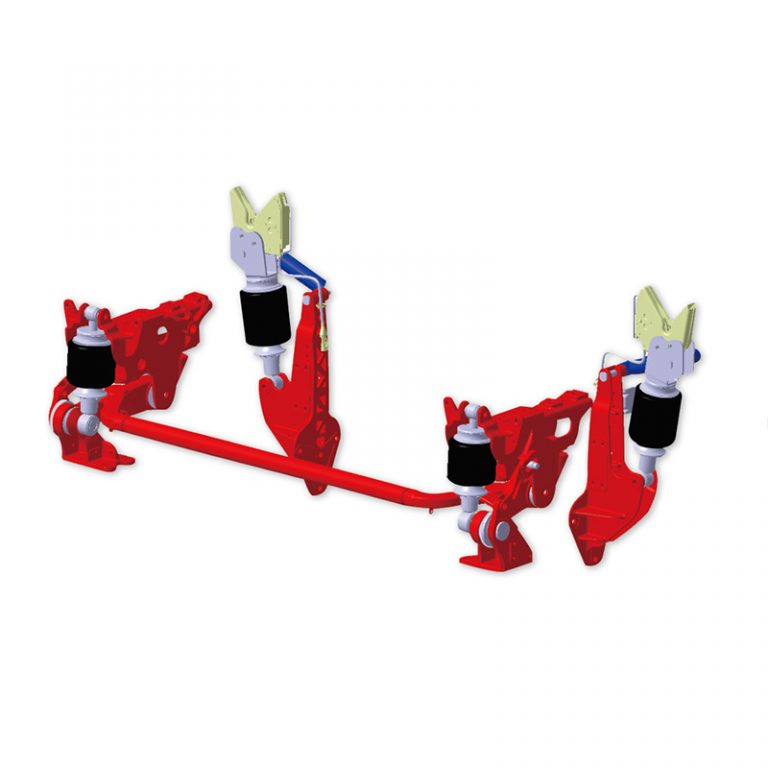
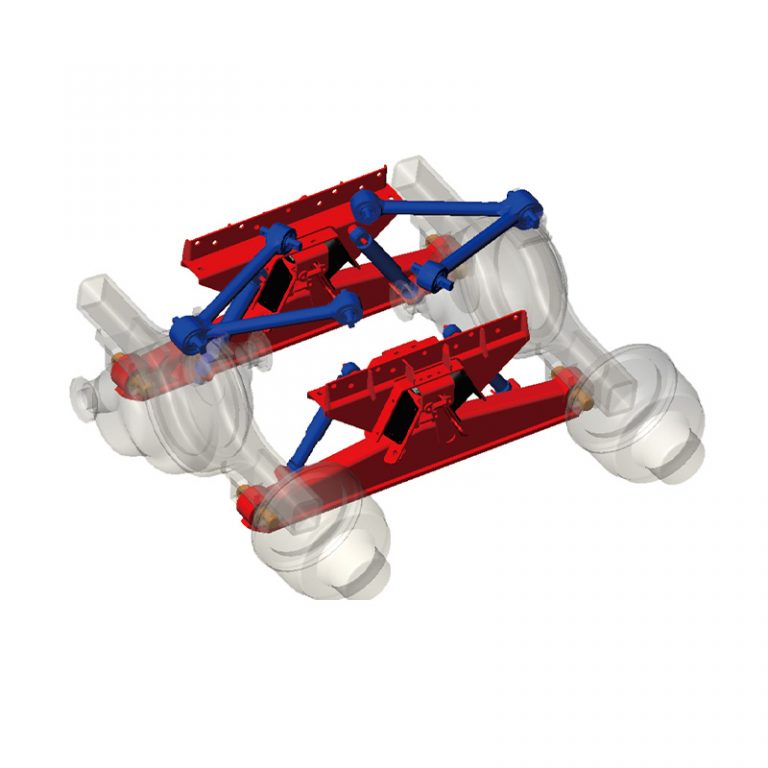
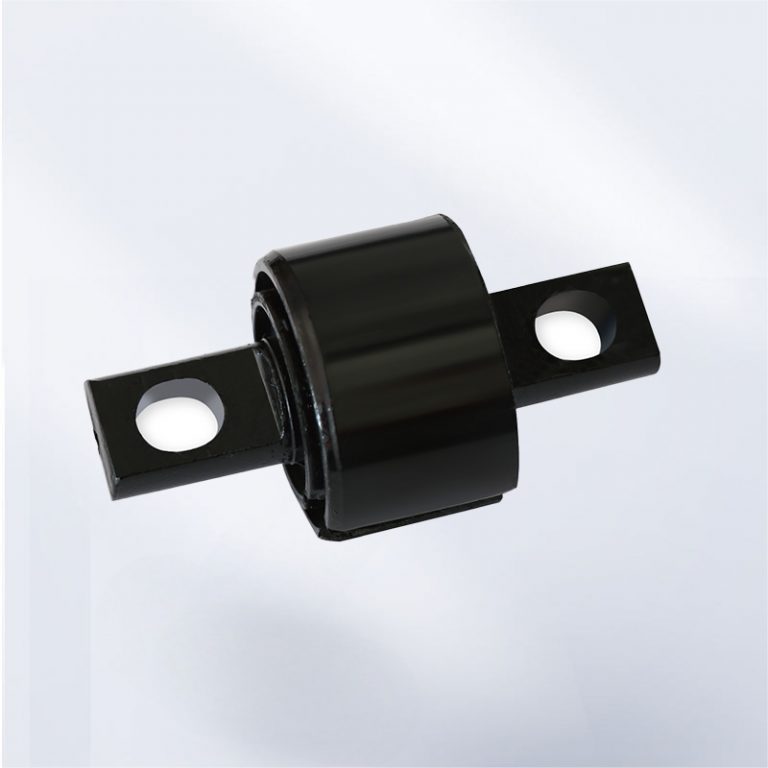
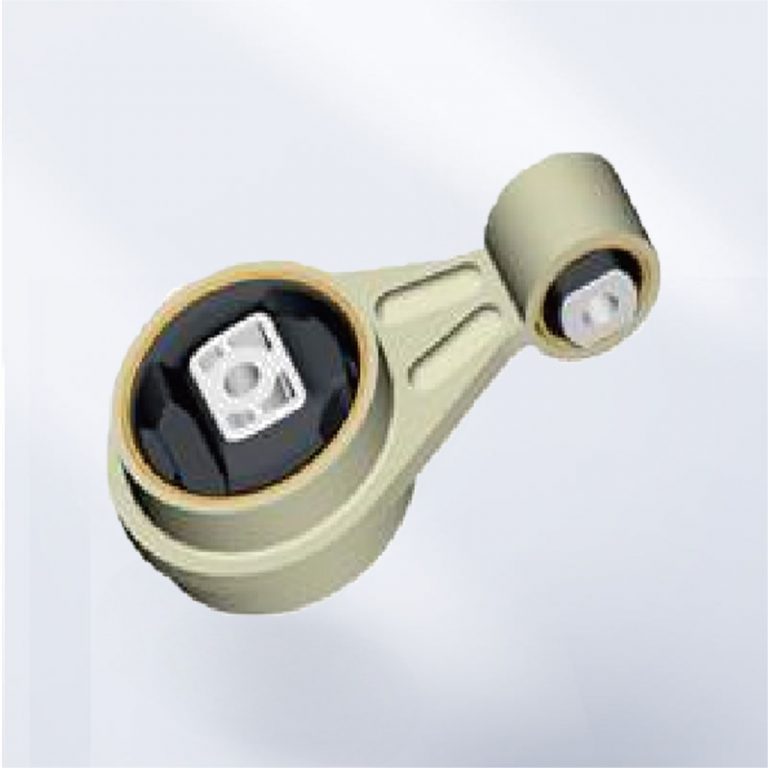
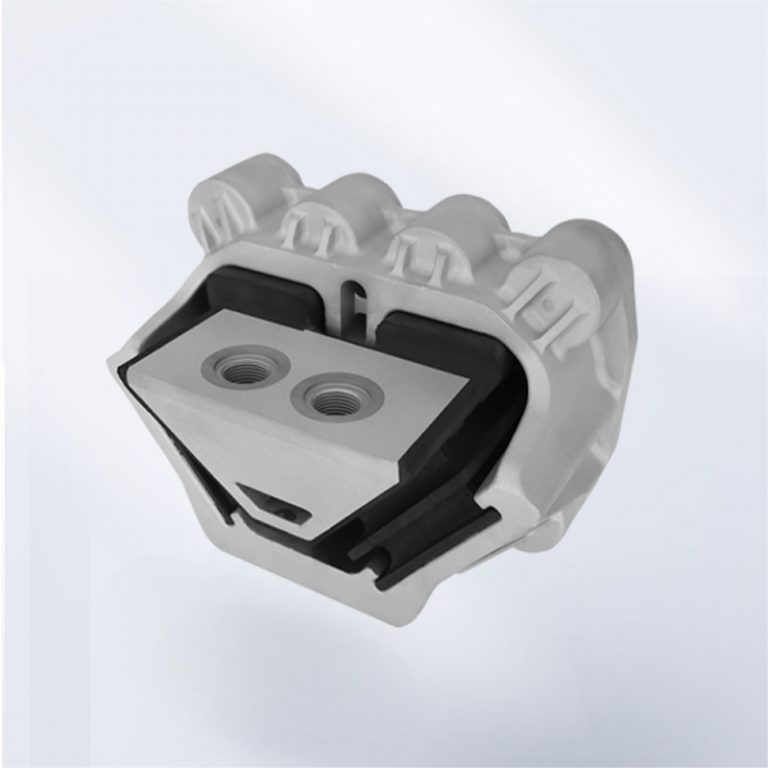
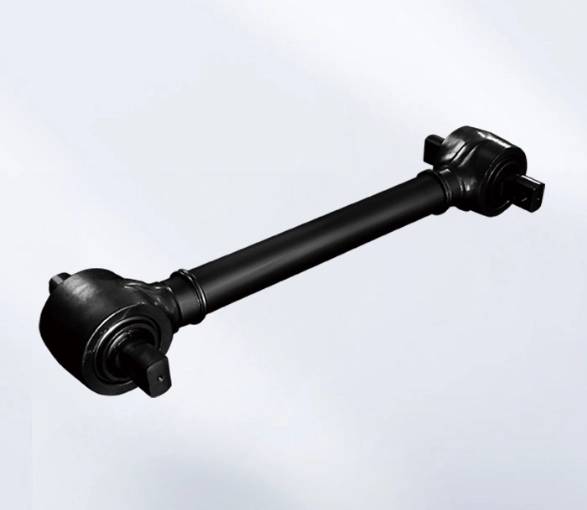
Automobile thrust rod is an important automobile component which is mainly used in automobile chassis system.
High-Durability Bushing Materials
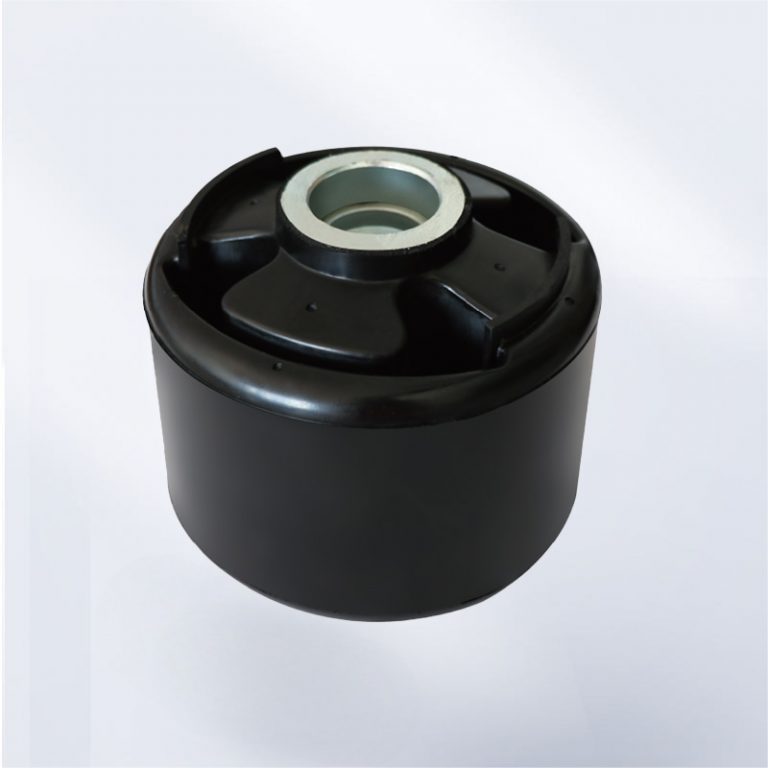
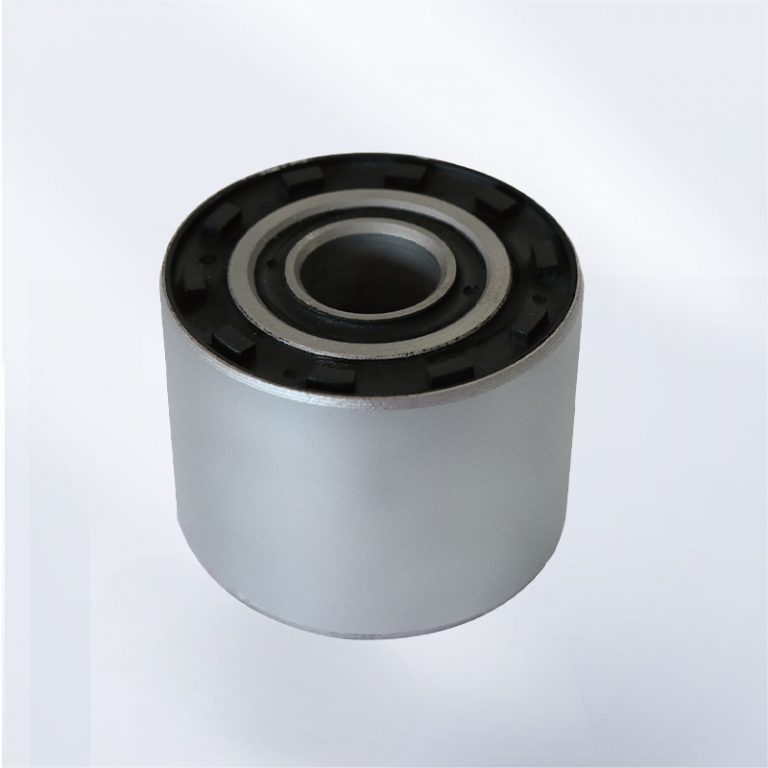
Meichen employs advanced rubber formulations that resist abrasion, temperature fluctuations, and harsh elements effectively. This prolongs service life even in severe environments. Parts endure where others succumb. Meichen’s commitment to material science ensures lasting performance.
Application-Specific Product Offerings
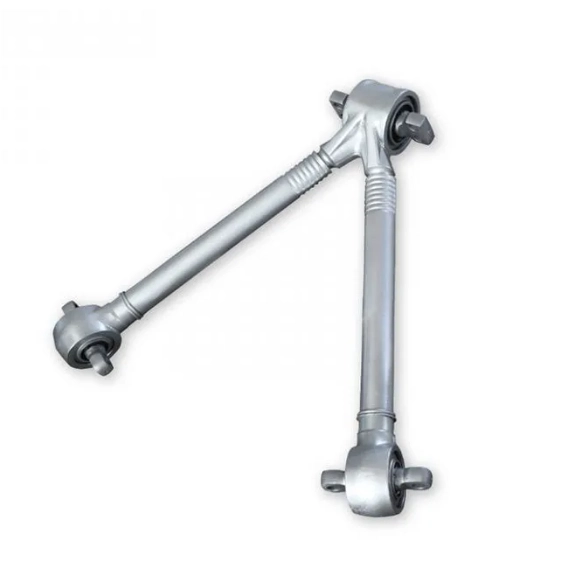
Tailored to your operational demands, whether for longitudinal stability or lateral force management, select Meichen’s I-Type for fore-aft force transmission or V-Shaped for enhanced side support. Each matches the specific task. V-shaped thrust rod can also bear lateral force. Meichen offers versatile solutions for diverse needs.
When Should Thrust Rods Be Inspected or Replaced?
Proactive measures prevent major failures or downtime. Identify signs early to respond promptly.
Evidence of Irregular Tire Wear Patterns
Uneven tread depths or premature edge wear signal bushing fatigue. These indicators demand immediate suspension inspections. Do not delay until problems escalate.
Uneven tread depth across tires often indicates suspension misalignment due to worn thrust rods.
Audible Clunks or Vibrations During Operation
Clunking noises during acceleration or braking typically indicate play in the thrust rod assembly. This stems from deteriorating bushings. Pay attention to these during regular drives.
Noises from the undercarriage during acceleration or braking suggest bushing degradation.
Scheduled Maintenance Intervals in Fleet Operations
For commercial vehicle fleets, routine inspections based on mileage or operating hours maintain fleet consistency. This prevents unexpected breakdowns and ensures uniform productivity. It fosters long-term reliability.
Preventive replacement based on mileage or operational hours ensures continued performance in commercial fleets.
What Are the Benefits of Choosing Meichen as a Supplier?
Selecting a manufacturer with proven engineering expertise guarantees component reliability across various applications. It yields superior overall results. Meichen stands out for its dedication to excellence.
Proven Expertise in Suspension Components Manufacturing
Meichen’s manufacturing proficiency stems from decades of producing high-quality parts for global markets. The company holds recognition as a “National Intellectual Property Rights Model Enterprise.” It has received numerous industry awards since 2006. This heritage informs confident selections. Meichen’s experience drives innovation in suspension technology.
Extensive Product Range with Global Support
With a wide array of suspension products and international distribution networks, Meichen supports numerous commercial vehicle types. From heavy trucks to construction machinery, their thrust rods meet stringent technical specifications. Availability remains straightforward regardless of location. Meichen ensures seamless supply worldwide.
Commitment to Innovation and Customer Satisfaction
Through ongoing research and rigorous quality controls, Meichen delivers dependable solutions that minimize downtime and enhance workflow. Their CNAS-accredited laboratory tests every product to leading industry benchmarks before deployment. Meichen prioritizes customer needs in every aspect.
FAQ
Q1: How does a worn thrust rod cause uneven tire wear?
A: It misaligns the axle position relative to the frame, altering toe angles and causing tires to scrub against the pavement during motion.
Q2: What are common symptoms of failing thrust rod bushings?
A: Audible clunks during gear shifts or braking, increased body roll during turns, steering delay, and uneven tire wear patterns are key indicators.
Q3: How often should thrust rods be inspected in commercial fleets?
A: Inspection should align with scheduled maintenance intervals based on mileage or operational hours—typically every 20,000–30,000 km depending on duty cycle.
Q4: Why choose Meichen for suspension components?
A: Meichen’s proven track record in OE manufacturing, extensive R&D capabilities, and global supply chain support ensure reliability and long-term value.
Q5: What’s the difference between I-Type and V-Shaped thrust rods?
A: I-Type primarily manages longitudinal forces like traction and braking; V-Shaped offers additional support against lateral loads for improved stability.