خدمت محاذاة العجلات مرة واحدة كمهمة عملية في الغالب. سيقوم الميكانيكيون برفع السيارة على منصة، وتعديل الزوايا لتتناسب مع المعايير، والمضي قدما إلى المهمة التالية. ولم يعد هذا النهج ينطبق على مركبات العمل الحالية، ولا سيما تلك المجهزة بالتعليق الهوائي. الاختلافات في الارتفاع، والتحولات في الحمولة المفيدة، وأنماط هزة جميع نتائج محاذاة التأثير بأساليب خفية ولكن مكلفة إذا تم تجاهلها.
تصبح معايير تصميم التعليق والإنتاج حيوية مثل طريقة المواءمة نفسها في هذا السياق. مثال واضح يتضمن ميشنوهي شركة عالمية موردة لقطع غيار السيارات تأسست في عام 2004 وتعمل حالياً ككيان مدعوم من الحكومة يتم تداوله علناً. وتوظف أكثر من 1800 موظف ، وتحتفظ بمختبرات معتمدة من قبل CNAS وتمتلك معرفة واسعة في أنظمة التعليق والتخفيف والسوائل. ميشن تخلق عناصر للسيارات السياحية والشاحنات الكبيرة وآلات البناء. تعتمد إعدادات التعليق على معلومات المسار الفعلية وتقييمات التحمل والاستقرار المستدام بدلا من المفاهيم وحدها. بالنسبة للمشترين الذين ركزوا على متانة الإطارات وسلاسة السفر ونتائج المواءمة الموثوقة ، فإن هذا التركيز الهندسي يوفر فوائد ملموسة.
ما هو محاذاة العجلات ولماذا هو مهم للسيارات التجارية؟
محاذاة العجلات تمتد إلى ما وراء مجرد التعامل المستقيم. في سيارات العمل ، يؤثر على تدهور الإطارات ، ونفقات الوقود ، وتعب المشغل ، والامتثال التنظيمي في مناطق معينة. عندما تضلل التوافق ، تظهر العلامات بسرعة. يحدث التآكل غير المتساوي على حواف الإطارات الداخلية بعد عدة آلاف من الكيلومترات. السيارة تسحب إلى جانب واحد على الطرق السريعة. يقول المشغلون إن الشاحنة لا تشعر بالثبات.
هذه القضايا تحمل وزنا أكبر للشاحنات مقارنة بالسيارات السيدان لأن الحمولات المفيدة تزن أكثر وفترات التشغيل تمتد لفترة أطول.
كيف تؤثر محاذاة العجلات بشكل مباشر على ارتداء الإطارات واستقرار المركبة
أثناء الاستخدام الروتيني ، قد تحمل شاحنة كبيرة حمولة كاملة في وقت مبكر من اليوم وتشتغل فارغة في وقت لاحق. كل سيناريو يضبط موقف التعليق. دون مراعاة هذه العوامل أثناء التوافق ، تفرك الإطارات ضد السطح بدلا من التدفق بسلاسة. في النهاية ، يرفع هذا المقاومة للحركة ويولد الدفء الزائد. ويلاحظ العديد من مدراء الأسطول أن عمر الإطارات يقصر بنسبة 15-25 في المئة ، وغالبا ما لا يدركون أن التوافق يعد المشكلة الأساسية.
لماذا منطق المحافظة التقليدي غير كاف لأنظمة تعليق الهواء?
يعمل الينابيع المعدنية بطريقة متسقة. يتصرف تعليق الهواء بشكل مختلف. تقلبات ضغط الهواء تغير ارتفاع السفر، وتغييرات في الارتفاع تعديل زوايا ذراعي التوجيه. ونتيجة لذلك، قد تثبت أرقام المواءمة المسجلة على مستوى واحد أنها غير دقيقة على مستوى آخر. في كثير من الأحيان تواجه ورش العمل والسائقون هذا الفخ.
كيف يغير تعليق الهواء أساسيات محاذاة العجلات؟
التعليق الهوائي يجلب القدرة على التكيف والسهولة ومرونة الحمولة المفيدة. ومع ذلك، فإنه يخلق أيضا عدم الاتساق. الارتفاع لم يعد ثابتا. قبل فحص عناصر معينة ، من المفيد ربط ارتفاع السفر بتخطيط التعليق. وهذه الجوانب مترابطة ارتباطا وثيقا.
العلاقة بين ارتفاع الركوب وهندسة التعليق
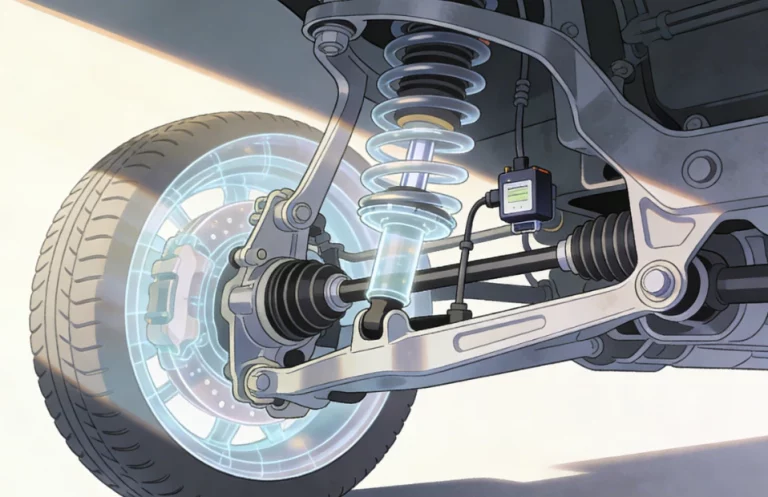
مع ارتفاع ارتفاع الركوب، تدور ذراعي التوجيه للأسفل. عندما ينخفض الارتفاع، فإنها تحول للأعلى. تعدل هذه المحاور قياسات التخمير والإصبع، حتى بدون حركة نسبية بين العناصر الميكانيكية. في إعداد مع أربع وسائد هوائية، يمكن لفارق 20-30 ملم في الارتفاع بالفعل تحويل قياسات المحافظة إلى ما وراء النطاقات المثلى. على سبيل المثال، يمكن أن يسبب تخفيض ارتفاع الركوب بمقدار 2 بوصة (حوالي 50 ملم) انحرافات مثل زاوية الدفع تصل إلى 0.2 درجة، وزيادة الانحراف السلبي بنسبة 1.5 درجة، وتقليل العجلة بنسبة 0.5 درجة، وقراءات أصابع القدم بنسبة 0.3 درجة، مما يؤدي إلى مشاكل غير عادية في ارتداء الإطارات والتعامل معها.
وبالتالي فإن تعديل الارتفاع هو أمر أساسي بدلا من اختياري. وهو يشكل خط الأساس لجميع خطوات المواءمة.
تأثير اختلاف ارتفاع الركوب على محاذاة العجلات وتآكل الإطارات في المركبات التجارية المعلقة بالهواء
| انحراف ارتفاع الركوب | تغيير المحافظة النموذجي الملاحظ | تأثير قياس على إرتداء الإطارات | العواقب التشغيلية | مصدر الصناعة المحقق |
| ± 10 مم | اختلاف أصابع القدم ± 0.1 ° | ارتداء أسرع بنسبة 5-8% | انجراف التعامل الصغير في سرعة الطريق السريع | ورقة تقنية SAE 2019-01-0437 |
| ± 20 مم | تحول كامبر حتى ± 0.7 درجة | 12-18% تخفيض في عمر الإطارات | ارتداء الكتف الملحوظ ، وتصحيح التوجيه مطلوب | TMC الممارسة الموصى بها RP642 |
| ± 30 مم | انحراف زاوية الدفع ≈0.2 ° | تخفيض 20-25% في عمر الإطارات | زيادة مقاومة التدحرج وتراكم الحرارة | دليل هندسة إطارات شاحنات ميشلان |
| ± 50 مم (≈2 بوصة) | زيادة كامبر سلبية ≈1.5 درجة خطأ أصابع القدم ≈0.3 ° |
ما يصل إلى 30٪ ارتداء غير طبيعي | عدم الاستقرار الشديد وفشل الإطارات المبكر | دراسة تعليق المركبات التجارية SAE |
لماذا ارتفاع الركوب غير الصحيح يؤدي إلى نتائج محاذاة خاطئة
أداء المواءمة قبل تحديد ارتفاع التعليق الصحيح يؤدي إلى بيانات مضللة. قد تغادر المركبة المنشأة مصحوبة بدقة للارتفاع غير المستخدم على الطرق. في غضون أيام من السفر ، ارتداء الأسطح غير المنتظمة ، ويزداد عدم ثقة المشغلين في المعدات. هذا النمط يتكبد خسائر في الوقت والإطارات والمصداقية.
ما هي مكونات تعليق الهواء التي تؤثر أكثر على محاذاة العجلات؟
ليس كل أجزاء التعليق الهوائي تؤثر على التوافق بطريقة مباشرة. بعض العناصر تنظم تدفق الهواء. البعض الآخر يضع التخطيط. ويؤدي الخلط بين هذه التقييمات إلى تقييمات خاطئة وإصلاحات غير ضرورية.
يسمح التقاط الأجزاء المهمة بالصيانة المستهدفة والإنفاق حيث توفر أقصى قيمة.
المكونات التي لا تؤثر مباشرة على محاذاة العجلات
الأجهزة مثل الضاغطات وقنوات الهواء وخزانات التخزين وصمامات التحكم تتعامل مع توفير الهواء وتدفقه. إنها تثبت أنها حاسمة لموثوقية النظام العام ، لكنها لا تغير قياسات المواءمة بشكل مستقل. واستبدالها يتجنب الحاجة إلى إعادة التنسيق، بشرط أن تبقى العناصر الأخرى غير ملمسة.
مكونات التعليق الهيكلي التي تؤثر على دقة المحافظة
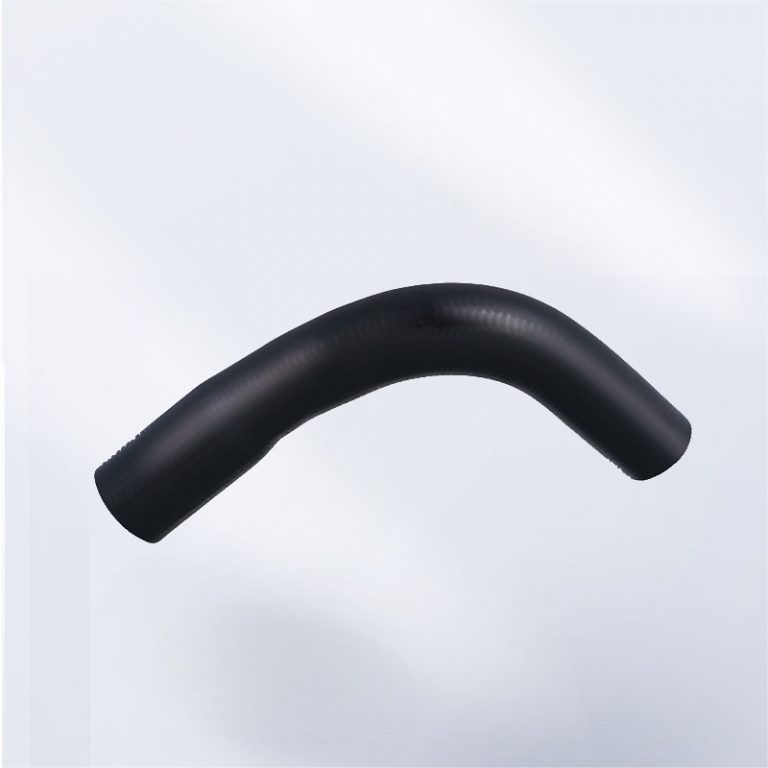
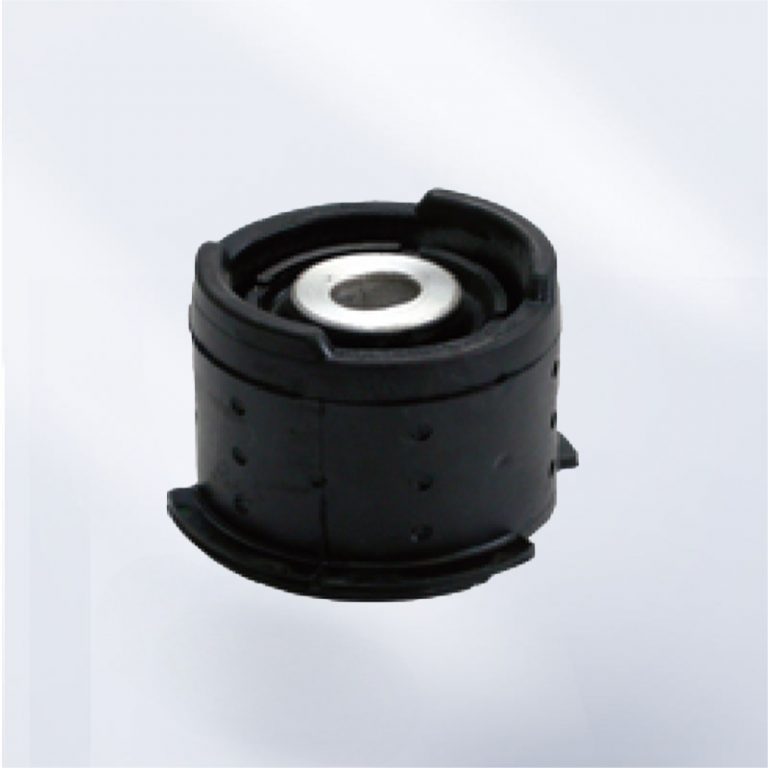
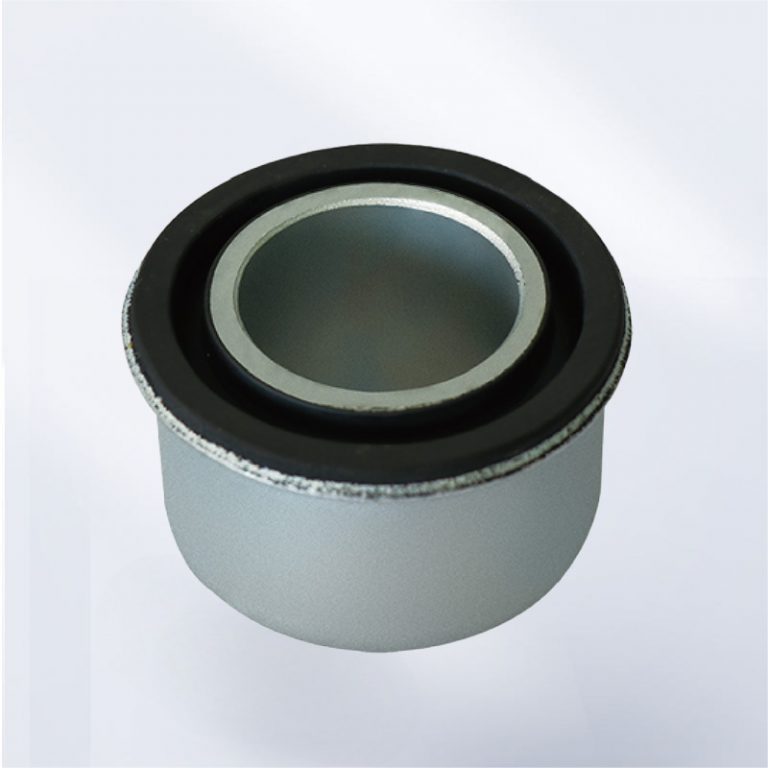
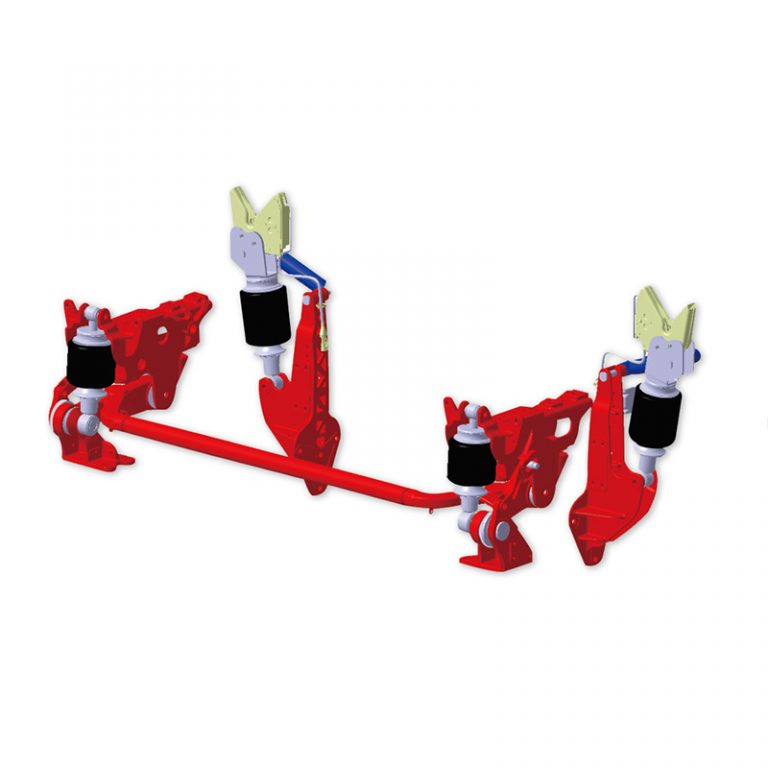
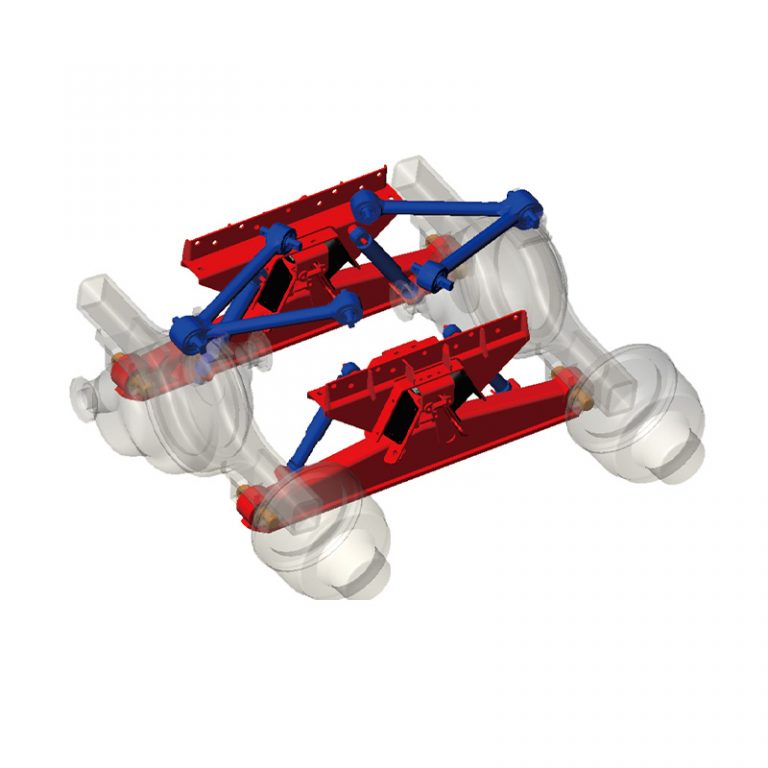
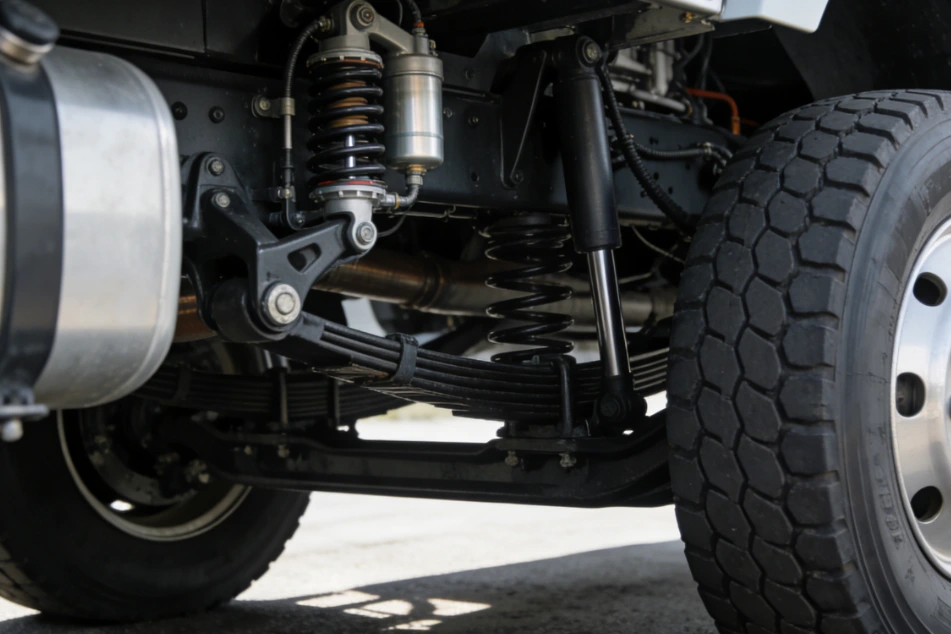
عناصر مثل الينابيع الهوائية ودعم المرفق وأذراع القيادة وقضبان الدفع وإدراجات التعليق تحدد بدقة وضع العجلة. تحدد صلابتها ومستويات الدقة والقدرة على التحمل ما إذا كانت المواءمة تبقى ثابتة عبر الفترات. اختيار المواد دون المستوى أو المقاومة غير الكافية للارتداء يسمح بانحناءات طفيفة التي تحول تدريجيا عن التخطيط تحت الضغط.
الدور الفريد لتعليق الكابينة في أداء محاذاة المركبة؟
عادة ما يتلقى تعليق الكابينة الاهتمام كعنصر سهولة. في الحقيقة ، فإنه يشكل حركة الحمولة المفيدة ، وأنماط الهزاز ، وتفاعلات الإطار. وتعزز هذه العناصر بشكل غير مباشر استقرار محاذاة العجلات ، وخاصة أثناء عمليات الشحن الطويلة والعمليات الصعبة.
حركة الكابينة المفرطة تولد أحمال مفيدة متغيرة. هذه الحركة تعدل مسارات القوة عبر الهيكل والتعليق.
كيف يؤثر تعليق الكابينة على توزيع الحمل وسلوك الهيكل
كابينة ثابتة تقلل من ارتفاعات الحمولة للأعلى والأمام. تقليل الاهتزاز يترجم إلى أقل قوى قصيرة على اتصالات التعليق. تدريجيا، هذا يبطئ تدهور إدراج والحفاظ على قياسات المواءمة بالقرب من القيم الأولية. ويحتاج المشغلون أيضًا إلى تعديلات تعامل أقل على المسارات الخشنة ، مما يعزز ليس فقط السهولة ولكن أيضًا القيادة.
لماذا تعليق الكابينة عالية الجودة يدعم محاذاة أكثر دقة
يتضمن تعليق الكابينة المتفوق مواد مرنة منسقة بدقة وعناصر معدنية وخصائص تخفيف. استناداً إلى نتائج تخطيط وتقييم تعليق Meichen ، تتميز الإعدادات التي تتميز بقدرة التكيف الطولية المدارة والصلابة الجانبية القوية بالتفوق في الفصل بين الاهتزازات مع الحفاظ على صلابة الإطار. هذا التوازن له أهمية بالنسبة للسيارات التي تنقل أنواع مختلفة من المسارات باستمرار.
كيف يدعم منتج تعليق كابينة Meichen محاذاة عجلات دقيقة؟
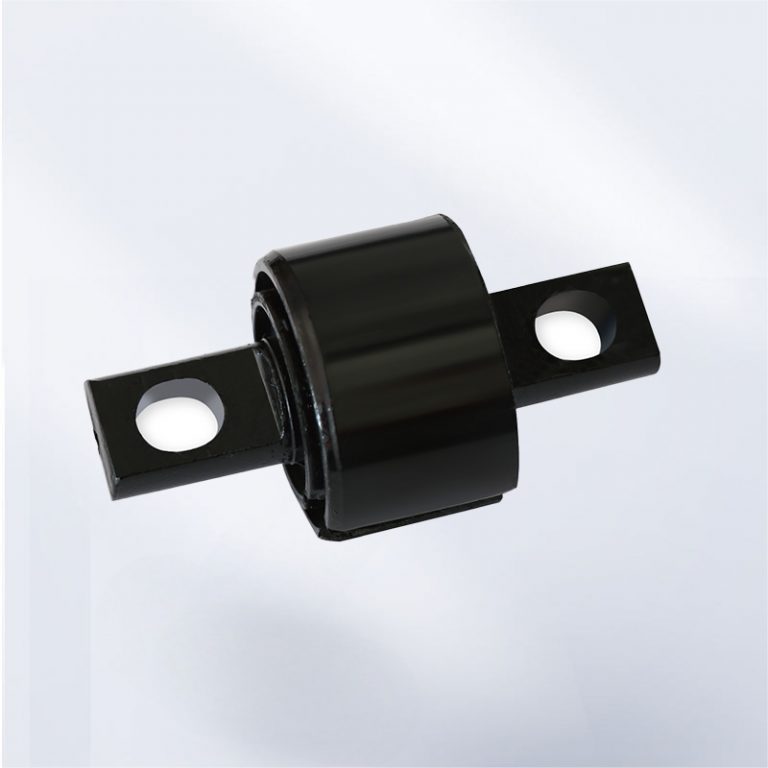
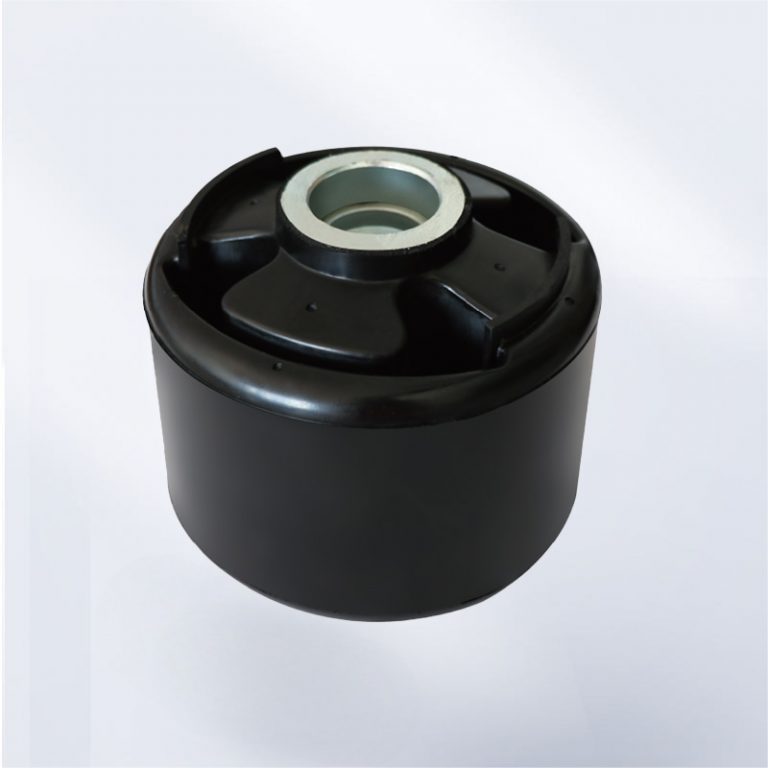
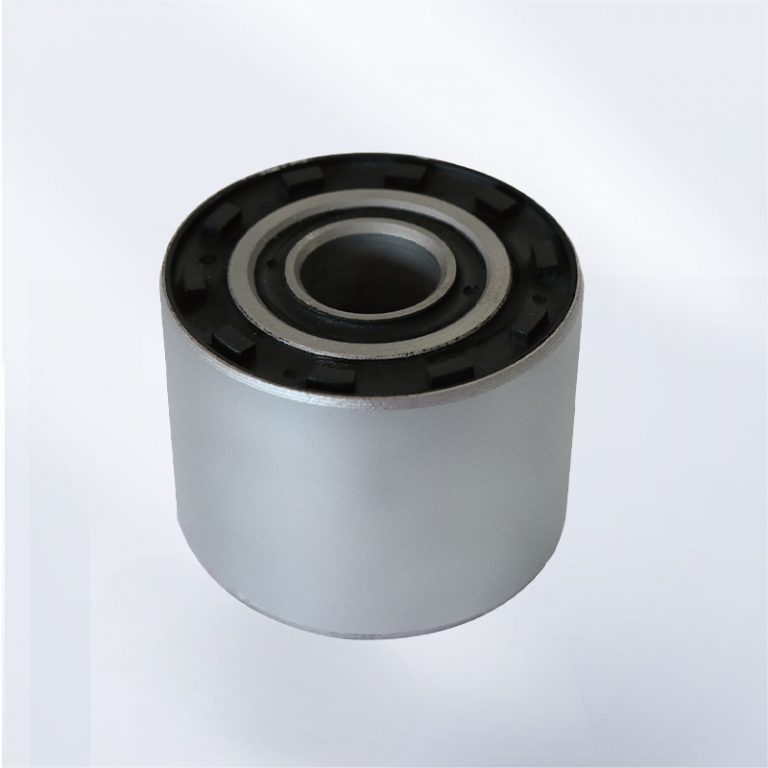
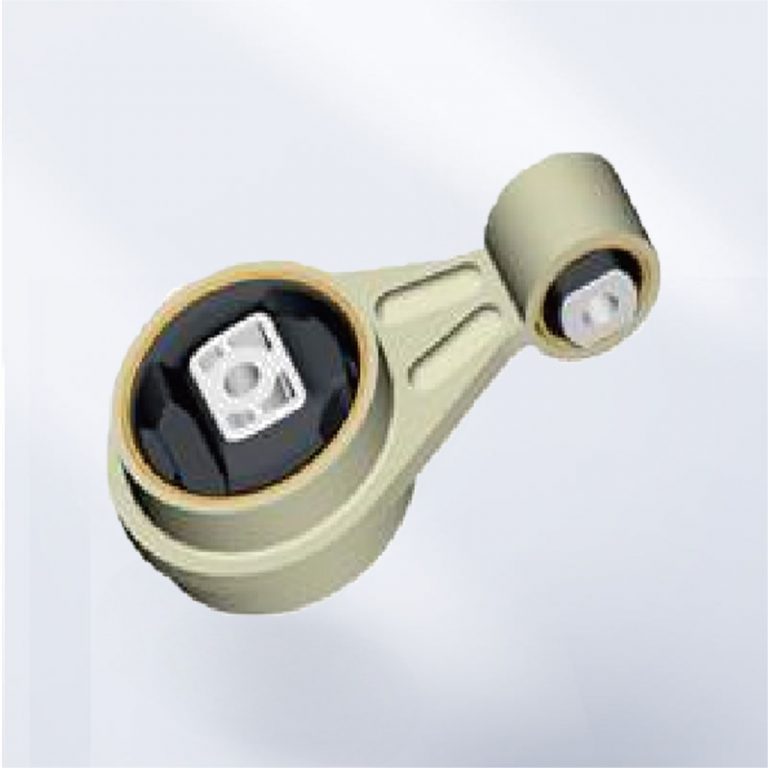
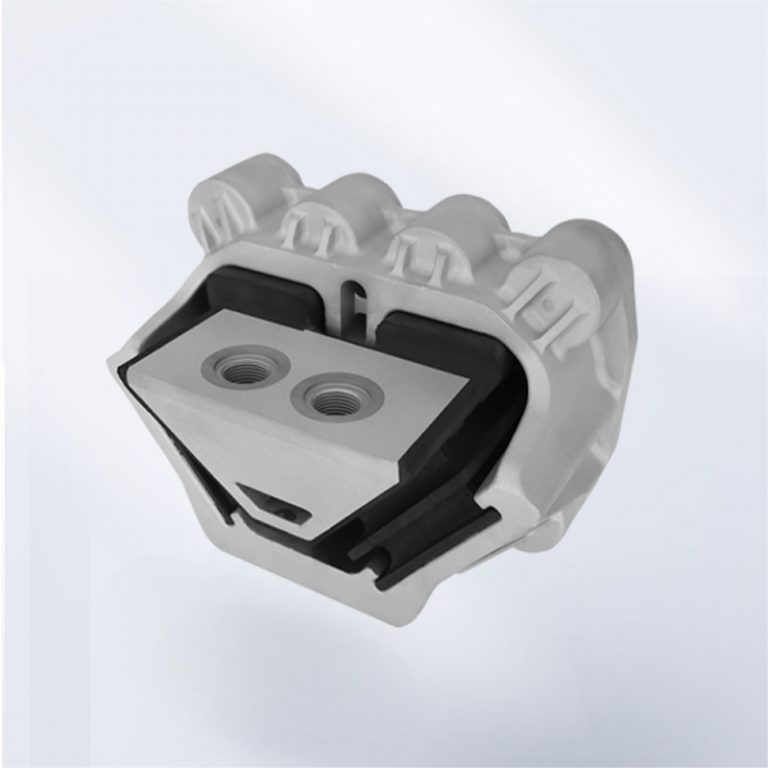
تخطيط تعليق الكابينة لا يدور حول جزء واحد. إنها تتعلق بكيفية تعاون المواد والتخطيط وخصائص التحمل طوال مدة المعدات. وهنا يكمن وضع منتج تعليق الكابينة من ميشن ضمن خطة تعليق شاملة. يمكن للزوار فحص مجموعة بناء المنتج واستخدامه مباشرة من قسم المنتج الرسمي.
ويتضمن التطوير نمذجة الكمبيوتر، واختبارات التحمل المختبرية، وتأكيد المسار. المواد مزيج المعادن، مصممة الاصطناعية، والمرونة للتعامل مع الاهتزاز دون المساس الصلابة.
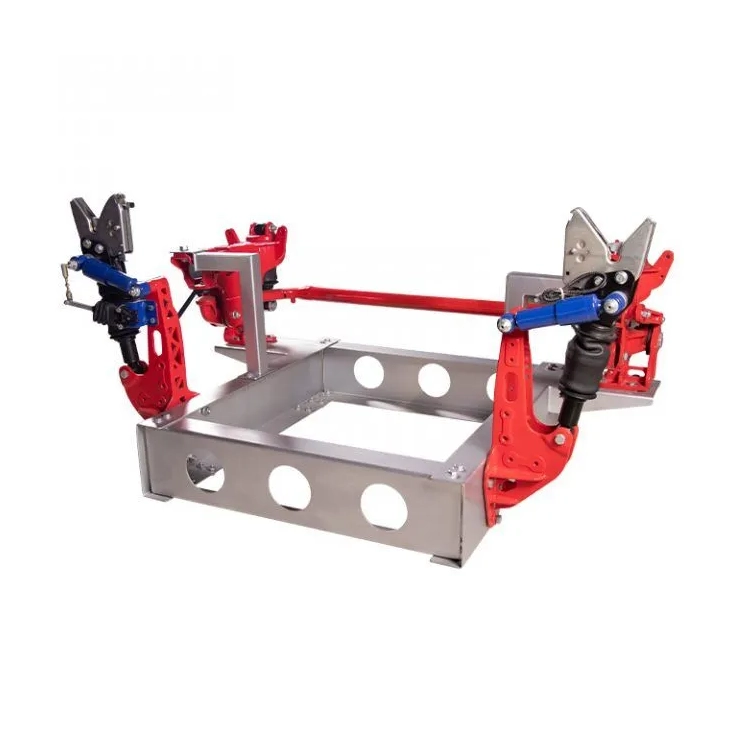
مزايا التصميم الهندسي لمنتج تعليق الكابينة
ويعطي التخطيط الأولوية للانحناء الموجه. التكيف على المدى الطويل يفصل الاهتزاز، في حين أن الصلابة الجانبية تحافظ على موقف الكابينة ثابت ضد الإطار. هذا يساعد في تقييد تحولات الحمولة المفيدة غير المخطط لها إلى إعداد التعليق.
كيف يساعد تعليق الكابينة على الحفاظ على ارتفاع ركوب ثابت
تتفاعل أجهزة الكشف عن الارتفاع مع الحمولة المفيدة للعجلات وكذلك الحركات المتغيرة. كابينة ثابتة تقلل من تعديلات الكاشف غير الضرورية. ونتيجة لذلك، يعمل التعليق الهوائي بكفاءة أكبر ويحافظ على ارتفاعه المحدد بدقة أكبر. خلال رحلات طويلة ، يعزز هذا التوحيد تخطيط المواءمة الموثوق به.
سيناريوهات التطبيق في الشاحنات التجارية والمركبات الخاصة
هذا المنتج يجد استخدام في الشاحنات الكبيرة، آلات البناء، والعتاد المتخصصة. غالبا ما تواجه هذه المعدات حمولات مفيدة غير منتظمة وبيئات صعبة. موثوقة تعليق الكابينة يخفف من الضغط على الأجزاء والمشغلين على حد سواء ، مما يشرح لماذا يربط العديد من المديرين ترقية الكابينة بانخفاض مصاريف الصيانة.
لماذا يجب أن تأتي معايرة ارتفاع الركوب قبل محاذاة العجلات؟
العديد من مشاكل التوافق تنبع من خطأ أساسي. تم تخطي معايرة الارتفاع. واستهدفت أرقام المواءمة قاعدة غير مستقرة.
التسلسل الصحيح لمواءمة تعليق الهواء
ابدأ بتعديل ارتفاع الركوب حسب المبادئ التوجيهية للمعدات. بعد ذلك، إجراء محاذاة العجلات على هذا المستوى. وأخيرا، تأكيد النتائج من خلال تجربة مسار قصيرة. تجاهل المراحل يدعو إلى التقدير. الالتزام بها يضمن النتائج المتسقة.
الأخطاء الشائعة التي تجريها ورش العمل مع مركبات التعليق الهوائي
تطبق بعض المرافق إعدادات من نماذج غير جوية. الآخرون يسرعون المعايرة أو يتجاهلون حالة تعليق الكابينة. هذه العوامل توفر وقت قصير ولكن تؤدي إلى خسائر طويلة في تدهور الإطارات وإيمان العميل.
لماذا يختار العملاء العالميون Meichen لحلول التعليق؟
التعليق ليس مؤهلا كبند أساسي. يعمل كضغط مستمر مستمر. يبحث العملاء الدوليون عن مزودين يظهرون القدرة على التحمل ، مما يتجاوز مجرد التفاصيل المذكورة. ومن المتوقع أن ينمو سوق التعليق الهوائي العالمي للسيارات من 13.64 مليار دولار أمريكي في عام 2026 بمعدل نمو سنوي بنسبة 8.02 في المئة ، ليصل إلى 20.06 مليار دولار أمريكي بحلول عام 2031 ، مدفوعة بفوائد مثل تحسين كفاءة الوقود وتقليل آثار المركبات في التطبيقات التجارية.
وتشمل طريقة إنشاء Meichen مراجعة الهندسة بمساعدة الكمبيوتر واختبار التحقق من الأداء واختبارات التحمل الكاملة. تستوعب مرافقها أكثر من 200 نوع من أنواع التقييم ، والتي تمتد إلى التأمين المرن ، وإعدادات التعليق ، وأجزاء الإطار.
قدرة نظام تعليق متكامل
بدلًا من قطع منفصلة ، تقدم Meichen إجابات إعداد كاملة. تتطور العناصر التعليقية والتخفيفية والسائلة في انسجام. وهذا يقلل من مشاكل التوافق التي غالبا ما تؤدي إلى تحولات المواءمة المبكرة.
قوة التصنيع وضمان الجودة
عمليات التجميع المحوسبة، والتحققات في الوقت الحقيقي، وطرق الجودة القابلة للتتبع تحافظ على دقة ضيقة.
كيف يضيف تعليق الكابينة قيمة طويلة الأجل إلى ما وراء التنسيق؟
دقة المواءمة تقدم المكاسب الواضحة. تظهر المزايا العميقة تدريجياً.
تقليل تكاليف إرتداء الإطارات والصيانة
التخطيط الثابت يضمن حتى تدهور الإطارات. وتشير سجلات المجموعة في كثير من الأحيان إلى فترات تبادل طويلة وتقليل المشاكل على الطرق بعد تحسينات التعليق. تحدث هذه الوفورات دون تغيير روتينات المشغل. في عام 2024، شهدت صناعة الشاحنات انخفاضا بنسبة 1.8 في المئة في تكاليف الإطارات وانخفاضا بنسبة 3.1 في المئة في تكاليف الوقود، والذي يمكن أن يعزى جزئيا إلى تحسين ممارسات الصيانة مثل التعليق والمواءمة المناسبة.
تحسين راحة السائق وموثوقية المركبة
تقليل الاهتزاز يخفف من التعب. يحافظ المشغلون على التركيز على مدى فترات أطول. الأجزاء تتحمل فترات طويلة. وتقاوم هذه النتائج القياس السهل لكنها تظهر بوضوح في المهام العادية.
إذا كنت تقيم حلول تعليق الهواء أو تعليق المقصورة للسيارات التجارية، فإن اتساق التوافق وعمر الإطارات وتكلفة التشغيل على المدى الطويل غالبا ما تكون المعايير الحقيقية - وليس فقط المواصفات الأولية.
للاستشارة التقنية، تفاصيل المنتج، أو دعم تعليق التطبيق المحدد، أنت مرحب بك في اتصل بفريق Meichen. يمكن للمهندسين ومتخصصي المنتجات المساعدة في تطابق حلول التعليق مع تكوين السيارة وبيئة التشغيل الخاصة بك.
أسئلة متكررة
Q1: هل يتطلب تعليق الهواء دائما محاذاة العجلة بعد الخدمة؟
ج: ليس في كل حالة. تصبح المواءمة ضرورية عندما تتغير أجزاء التعليق الهيكلي أو تكوينات الارتفاع. فعناصر توفير الهواء بحد ذاتها لا تؤثر على المواءمة.
س2: لماذا تتلابس الإطارات بشكل غير متساوي حتى عندما تبدو قيم المواءمة صحيحة؟
ج: في كثير من الأحيان ، تفتقر ارتفاع الركوب إلى المعايرة قبل المواءمة. ارتفاع خاطئ ينتج بيانات زاوية مضللة.
Q3: هل يمكن تعليق الكابينة تؤثر حقا على محاذاة العجلات؟
ج: نعم، بطريقة غير مباشرة. تعليق الكابينة الثابتة يقلل من تحويل الأحمال المفيدة التي تسرع بتدهور التعليق وتغييرات التخطيط.
Q4: كم من المرات يجب التحقق من معايرة ارتفاع ركوب؟
ج: يجب أن تحدث عمليات التفتيش بعد إصلاحات التعليق ، أو تبادل الكاشف ، أو عند ملاحظة تدهور الإطارات غير العادي.
Q5: ما الذي يجعل تعليق الكابينة مناسبة للسيارات الثقيلة؟
ج: تمثل التحمل القوي ضد التآكل والصلابة المتوازنة والإنتاج المؤكد تحت تسلسلات الحمولة المفيدة الحقيقية العناصر الأساسية.