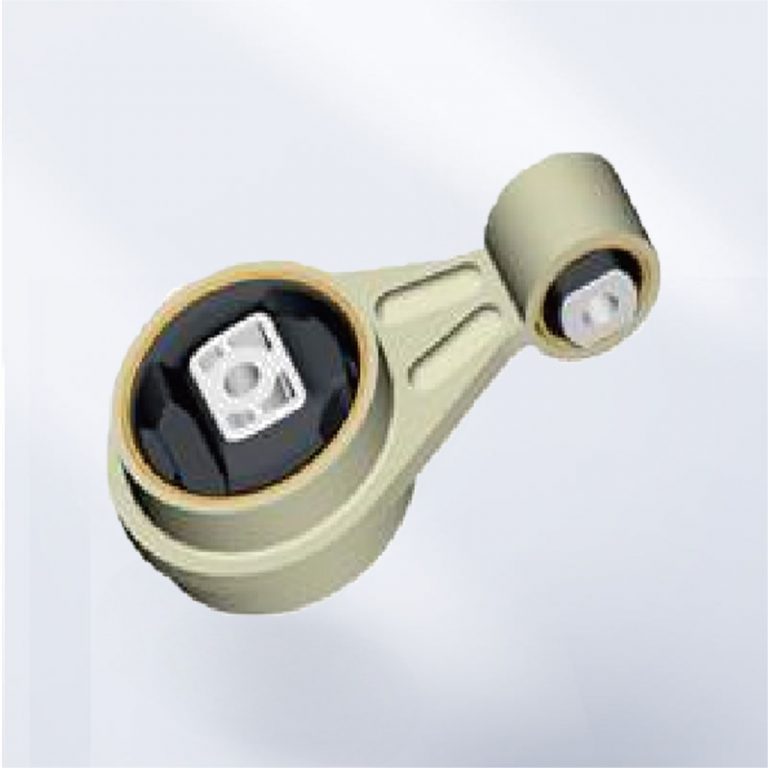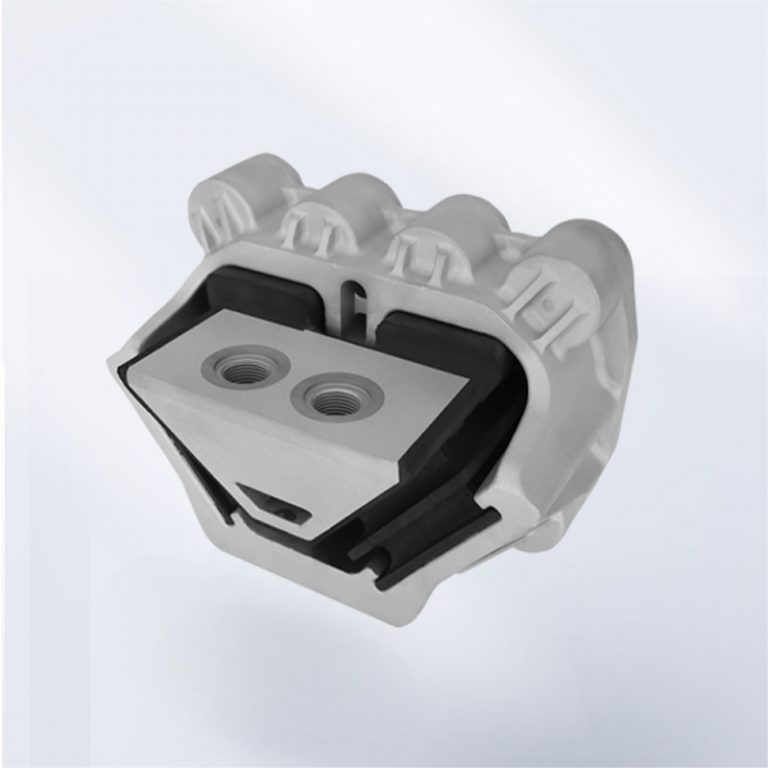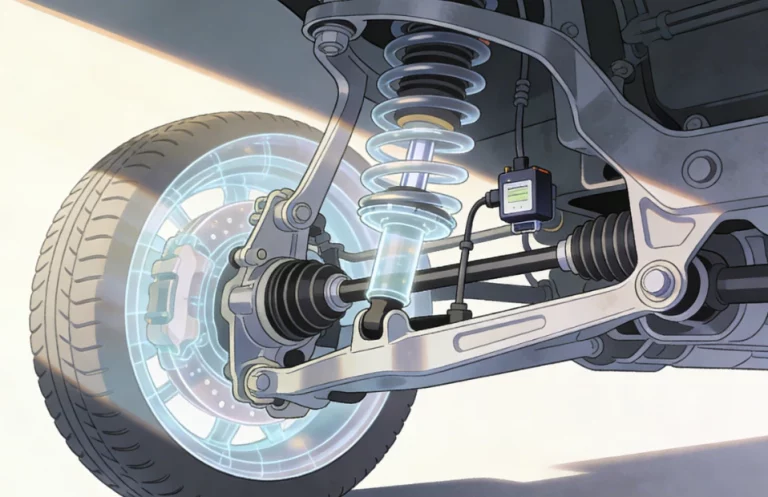
Keeping a vehicle’s undercarriage in good shape often involves paying attention to the signals the car provides before minor sounds lead to large repair expenses. Suspension bushes serve as quiet supporters of your journey, but when they break down, the indicators become difficult to overlook. If you seek top reliability, Meichen is a company worth considering. Established in 2004 and now a publicly listed entity under state ownership, they cover a substantial area of 311,334 square meters in Shandong. As someone experienced in this area, I have observed numerous providers, yet only a few compare to their workforce of 1,800 members and their consistent recognition as a “Top 100 National Auto Parts Supplier” for 14 consecutive years. They stand as the sole Chinese firm in the rubber sector directing the creation of ISO international standards. Whether you oversee a group of sturdy trucks or simply aim to restore smooth performance in your everyday vehicle, their professional system solutions establish a standard for durability and protection.
Is Your Vehicle Making Unusual Clunking Noises?
Sounds typically signal the initial warning that an issue exists beneath the vehicle. When the rubber in a bush deteriorates or splits, metal elements in the suspension begin to strike one another. You may detect a quick “thwack” upon encountering a dip or a heavier thud during speed increases or stops. Such noises prove irritating, certainly, and they also indicate that the suspension’s structure is beginning to falter.
Common Auditory Symptoms of Worn Bushes
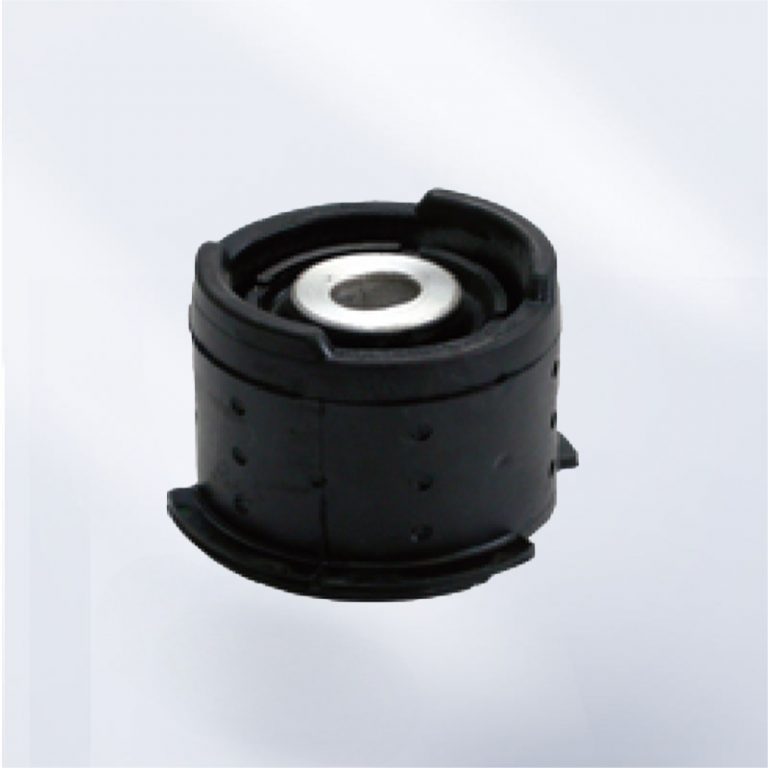
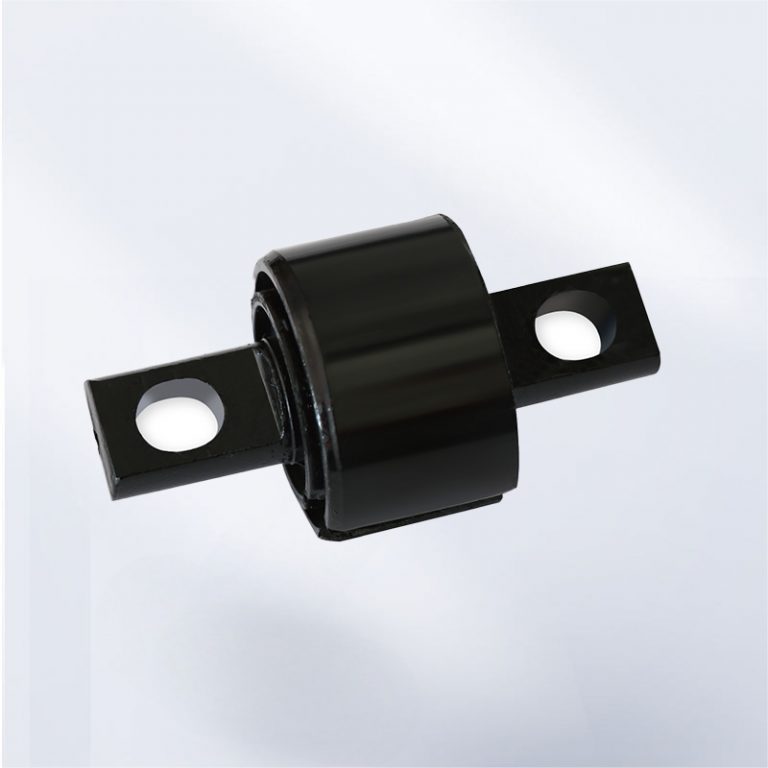
Many operators detect a clattering or creaking noise particularly when passing over raised pavement or bumpy paths. This occurs because the bush fails to cushion the motion between the structure and the wheel support. In robust configurations, a damaged Thrust rod bushing could generate a solid metal strike as the component moves from its position.
Why Bushing Integrity Dampens Road Noise
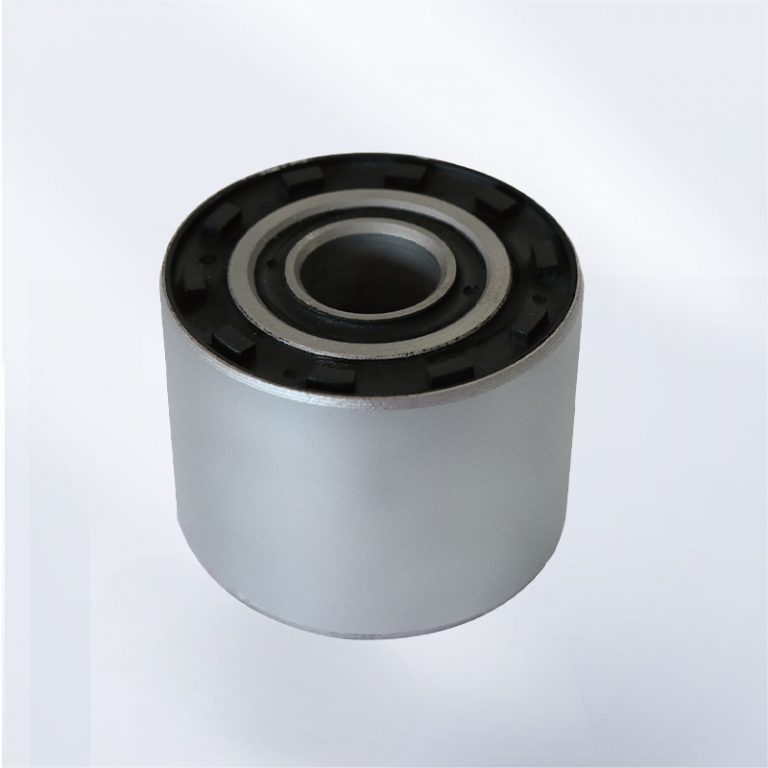
A sound bush functions as a barrier, blocking the transfer of shakes from the engine system and surface to the main body. By employing particular substance blends such as Natural Rubber (NR) or Butyl Rubber (IIR), these items absorb forces effectively. Lacking this protection, the interior amplifies each flaw in the path ahead.
How Specialized Testing Confirms Silent Performance
Superior components receive thorough NVH (Noise, Vibration, Harshness) evaluations using LMS equipment. Engineers position detectors on the items during trials, allowing them to observe precisely how the substance responds to stress and heat variations. This approach guarantees that the elements remain hushed even during startup in challenging settings.
Are You Experiencing Poor Handling or Loose Steering?
If your control feels somewhat sluggish or the vehicle appears to drift independently on open roads, the bushes probably contribute to the problem. The undercarriage depends on these compact pieces to maintain proper positioning while permitting essential shifts. When they soften or rip, the wheels shift in unintended directions, resulting in a driving sensation that seems detached and uneven.
Critical Role of Bushes in Steering Precision
Bushes offer the required give for twisting and tilting while managing side and forward movements. They ensure that linked elements remain steady. Should the side firmness decrease due to rubber breakdown, the setup loses balance, and the sharp response to wheel turns diminishes.
How Liner Products Maintain Proper Alignment
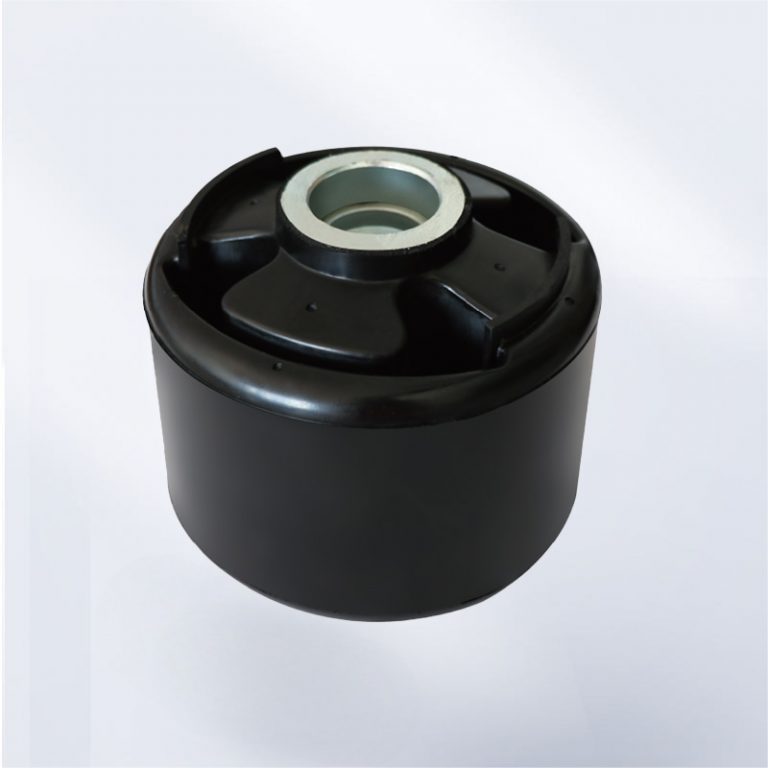
A reliable bush upholds the accurate twisting position of undercarriage parts. In detailed frame layouts, these components regulate the shift and orientation of the engine assembly. Consequently, the vehicle follows a straight path instead of veering across the travel area, a frequent issue when the rubber begins to weaken.
High Stiffness Design for Steering Stability
Effective undercarriage items feature strong side firmness to keep the arrangement solid amid turns. Through methods such as CAE and ABAQUS, creators forecast how an item will manage significant bends and irregular pressures. This planning avoids the floating sensation associated with a degraded undercarriage.
Do You Notice Uneven or Accelerated Tire Wear?
Wheel covers cost a good deal, and few things damage them quicker than faulty bushes. You could observe the sides of your tires eroding much quicker than the central surface. This goes beyond simple positioning problems; it points to excessive looseness in the parts securing your wheels. Even after multiple adjustments, if the bushes have failed, the setup will not last any distance.Studies show that approximately 75.4% of assessed tires exhibit uneven wear profiles primarily due to incorrect tire-road contact, often linked to suspension misalignment.
Why Misalignment Caused by Worn Bushes Destroys Tires
Upon bush failure, the guiding mechanisms can no longer guarantee that the wheels trace a steady pattern in relation to the body. This results in irregular surface erosion on the tires. It resembles attempting to move in footwear several sizes too large; the base slips, causing odd patterns of wear.
Preventing Premature Tire Replacement with Quality Bushes
Swapping bushes proves far less expensive than renewing an entire tire set twice yearly. Items crafted with dependable and established blends, including EPDM or AEM, assist the undercarriage in adhering to its planned limits. This keeps the tires properly grounded on the surface.
Manufacturing Precision for Long Lasting Tread Life
Uniformity in the rubber blend holds utmost importance. Modern blending facilities, such as those from Shinko Japan, employ automatic measurement devices to ensure the mixture remains consistent. This avoids vulnerable areas in the bush that might cause early breakdown and subsequent tire damage.By utilizing Japan Shinko mixing lines with automatic weighing systems , we maintain an internal manufacturing defect rate of ≤4106 PPM and aim for Zero km PPM in delivery. This level of precision is why leading OEMs trust Meichen’s components.
Is the Ride Feeling Harsh or Vibrating Excessively?
Operators should not sense every small stone through their seating. If the journey has turned rigid or if steady shakes pass through the base, the bushes have probably stiffened. With time, warmth and wear convert flexible rubber into a material resembling firm synthetic. Rather than cushioning the impact, the bush transfers it straight to the frame.
Impact of Hardened Rubber on Driver Comfort
Rubber substances possess a defined temperature span, frequently from -55 to 250 degrees Celsius. As bushes near their service limit, they forfeit their low forward flexibility, which usually delivers effective shake separation. The outcome creates a journey that feels abrupt and rough.
Advanced Materials for Superior Vibration Isolation
Producers utilize a wide array of substances including FVMQ, VMQ, and enhanced VMQ to meet various absorption requirements. Selection occurs according to the user’s particular usage context. This tailored approach distinguishes a steady journey from an unsteady one.
Dynamic Testing for Real World Durability
To verify a bush’s endurance against wear, it undergoes endurance trial confirmation. Devices like MTS or SAGInoMIYA rubber testing setups mimic extensive road travel. A component that withstands such conditions certainly manages routine drives or extended routes reliably.
| Suspension Type | Key Characteristics | Advantages | Disadvantages | Ideal Use Case |
|---|---|---|---|---|
| Leaf Spring Suspension | Simple, robust design, uses metal springs | Cost-effective, durable, low maintenance | Heavier, limited adjustability, rougher ride | Heavy-duty trucks, cost-sensitive designs |
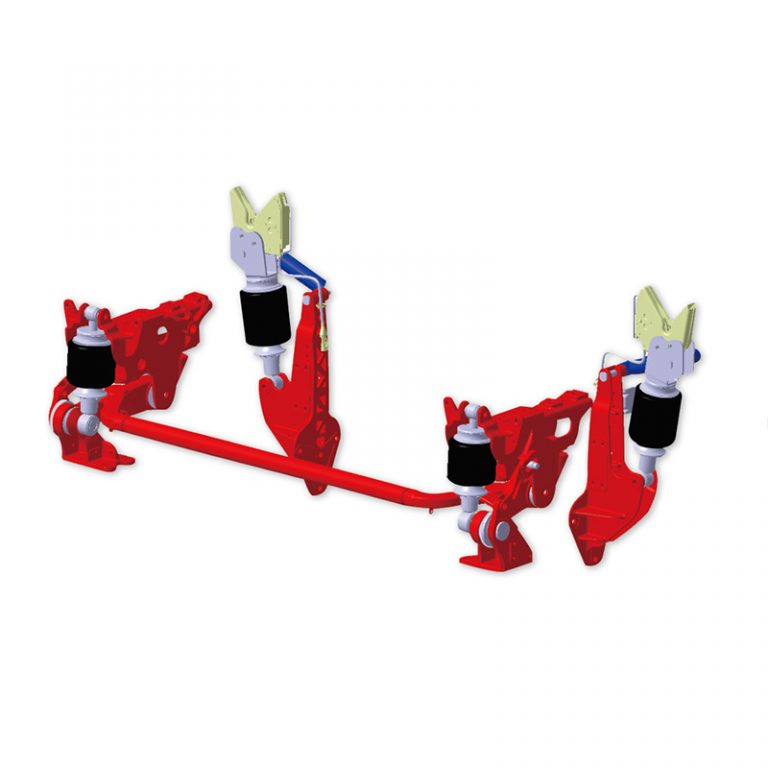
| Air Suspension (Single-Arm) | Uses air bags + guide arm, often with 2 airbags | Lightweight, good lateral stability, cost-effective | Limited ride comfort compared to 4-airbag | Smaller commercial vehicles, low cost requirement |
| Air Suspension (Four-Bag) | Four airbags for optimal load distribution | Smooth ride, improved comfort, better load balancing | Higher cost, more complex maintenance | High-end vehicles, buses, long-haul trucks |
| Coil Spring Suspension | Uses steel coils to support the vehicle’s weight | Provides a smooth ride, good durability | More expensive, requires more space | Passenger cars, SUVs |
Does Your Heavy Duty Vehicle Feel Unstable Under Load?
For individuals operating trucks or building equipment, the risks increase. A broken bush does more than create noise; it can lead to control loss while transporting substantial weight. Undercarriage systems in these machines must channel large forces while linking the wheel support and frame. If the bushes soften, the rear portion of the truck may seem to wobble.When dealing with heavy-duty commercial vehicles, a failing heavy duty thrust rod bushing is often the root cause of rear-axle instability. If you are experiencing ‘dog-tracking,’ inspecting the torque rod bushing (a common industry long-tail term) is essential for safety.
Challenges of Load Bearing in Commercial Chassis
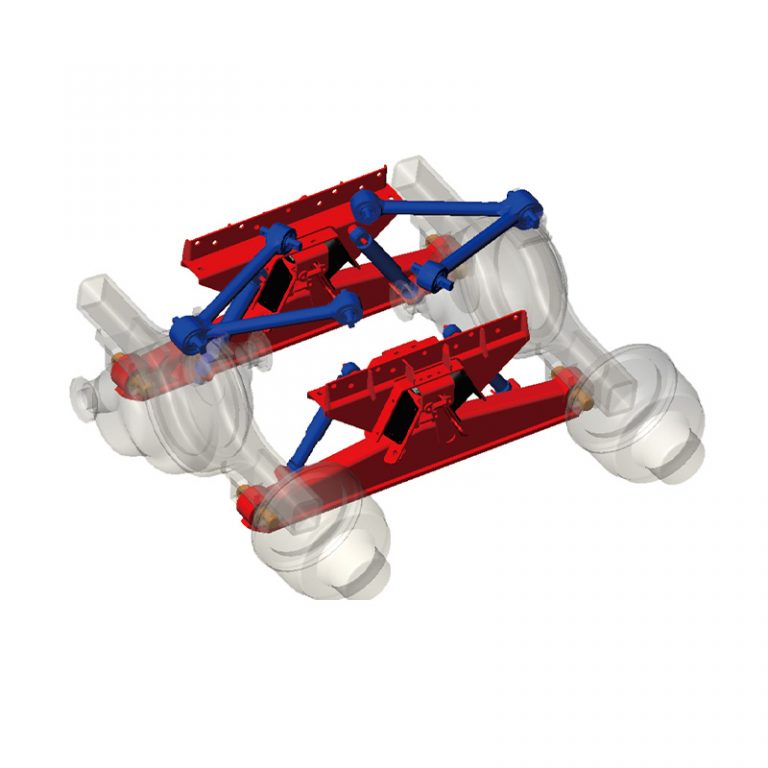
In demanding uses, the undercarriage needs to support and pass downward forces while countering jolts from irregular paths. The Thrust rod bushing plays a key role here, as it aids in delivering pulling and stopping pressures that spring systems alone cannot manage. When worn, the truck may follow an erratic path.
Strength of I Type and V Type Thrust Rods
Two primary designs exist for these rods: Type I and Type V. The V-type holds special significance since it also manages side pressures. The bushes within these rods endure forces from excess weight scenarios. Failure removes that steadiness, particularly under strong stops or quick maneuvers.
Engineering Excellence for Global Commercial Leaders
Premium items supply major players like PACCAR, SCANIA, and VOLVO. These organizations demand components achieving “Zero km PPM” quality levels. Such oversight ensures the bushes withstand severe settings in building and extraction operations.
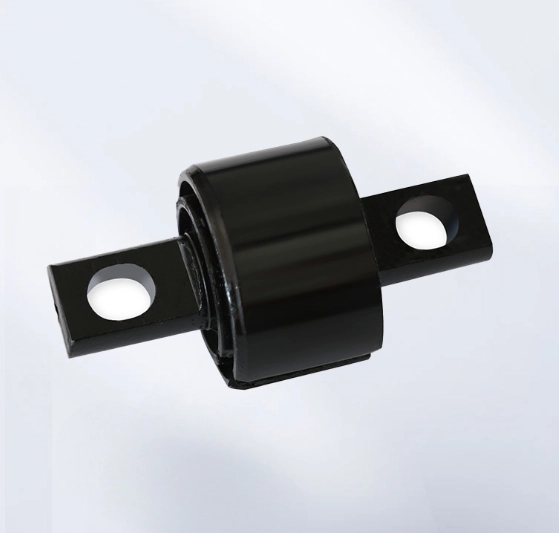
Are There Visible Cracks or Oil Leaks on the Bushing?
At times, the clearest method to determine bush failure involves direct observation. If access under the vehicle with lighting is possible, examine the rubber sections of the undercarriage. Should they resemble a parched landscape with prominent splits, replacement becomes necessary. Additionally, watch for any liquid presence. Certain current bushes qualify as “hydro-bushes” containing fluid for improved cushioning; leaks render them ineffective right away.
How to Perform a Visual Inspection for Failure
Look for indications of rubber separating from the metal core. This separation signifies the bush’s inability to regulate shifts. Occasionally, the rubber may start to disintegrate or form a tacky residue, typically from contact with motor fluids or similar agents.
Resistance to Oil and Chemical Degradation
Effective bushes derive from substances like FKM, AEM, or ACM, offering strong resistance to chemicals and wear.Meichen formulas, such as PA12, undergo long-term thermal ageing at (90±2) °C, maintaining a tensile strength retention rate of ≥85%. This ensures the bush doesn’t degrade when exposed to harsh under-chassis chemicals.If bushes appear distorted, lower-quality materials likely caused the issue.
Robust Quality Assurance for Every Component
Production sites apply automated checks and “visual defect avoidance systems” to identify flaws prior to distribution. This encompasses eight-point thickness evaluations and ongoing size monitoring. By delivery, each item has undergone detailed examination to satisfy elevated criteria.
Why Should You Choose Meichen as Your Global Partner?
Selecting undercarriage components requires a collaborator with established success and strong technical capabilities. Opting for a provider managing all stages from initial blending to complete assembly delivers reliability absent in lesser intermediary firms. This choice brings assurance.
Legacy of Innovation and Global Reach
Achieving revenue of 1.55 billion RMB in 2024 demonstrates a firm with ample means to remain innovative. They maintain a National CNAS certified laboratory and possess more than 204 patents. Beyond producing items, they develop advancements enhancing vehicle functionality.This aligns with the broader automotive rubber molded components market, expected to grow at a CAGR of 6.87% from 2024 onward, fueled by innovations in suspension and NVH technologies.
Leading the Industry in International Standards
Serving as the “President Unit” of the China Rubber Industry Association carries weight. This position places them centrally in standard-setting discussions. Choosing their offerings means acquiring elements constructed to the ISO17324 guideline, one they spearheaded in developing.
Comprehensive Support and Customized OEM ODM Services
For unique demands, they deliver complete OEM and ODM services. Submit images, plans, or actual examples, and their group will craft a customized version. Utilizing tools like Catia and Solidworks, they supply accurate components adhering to precise specifications.
FAQ
Q1: How long do suspension bushes usually last?
A: Duration varies with path quality and operation habits, yet superior bushes feature built-in resistance to long-term deterioration. Producers conduct endurance trials to confirm lasting performance across extended periods.
Q2: Can I replace just one bush or should I do them in pairs?
A: Replacing in pairs always proves preferable. When one deteriorates, the counterpart often follows soon. Matching them maintains even undercarriage structure and control on both aspects.
Q3: What materials are best for heavy-duty truck bushes?
A: Demanding tasks frequently employ tailored mixes like NR (Natural Rubber) for absorption or EPDM and AEM for warmth and fluid endurance. Selection aligns with exact weight and surrounding factors.
Q4: Do you offer custom designs for new vehicle models?
A: Yes, Meichen extends professional OEM/ODM services. They choose suitable forms and substance blends according to your machine type and operational context.
Q5: Is it safe to drive with worn-out suspension bushes?
A: Such operation lacks recommendation. Degraded bushes cause inadequate control, unstable direction, and irregular tire erosion. In severe instances, complete breakdown may result in handling loss, notably in burdened commercial machines.