Railway infrastructure demands that every part works well under tough settings. This ensures safety, steadiness, and lasting strength. Silicone tubes have gained notice as a main material in such challenging spots. They show strong results in different setups. In this piece, you will learn about five clear benefits of silicone tubes in railway infrastructures. It highlights why they serve as a top pick in many uses.
If you seek a reliable maker to provide these fresh materials, Meichen ranks as a top worldwide provider. They focus on advanced fixes and fine quality. They supply excellent silicone tubes for key tasks.
Silicone tubes perfect for high temperature environments
Builders craft silicone tubes to handle sharp temperature shifts. This fits them well for the rough spots in railway setups. From engine areas to brake parts, silicone keeps its form in hot and cold conditions. Rubber often breaks down after long heat contact. But silicone holds its bend and power even in strong heat pressure.
Take cases where engines or setups produce much heat, like train air conditioning or cooling lines. Here, silicone’s skill to manage temperatures from -55°C to 250°C offers a big plus. Such heat tolerance means silicone tubes avoid splits or wear. Thus, they last longer and cut upkeep expenses for railway structures.Silicone-based materials in railway applications, including high-temperature hose assemblies, are designed to withstand operational temperature ranges from -40°C to 150°C, making them ideal for engine compartments and brake systems. This contributes to the growing demand in transportation, where silicone’s thermal management properties support a projected market growth from USD 3.16 million tons in 2025 to USD 3.32 million tons in 2026 globally.
This heat tolerance also covers many mechanical parts. So, silicone fits as a fine answer for items facing high heat or quick temperature swings. As a result, railway firms can rely on silicone tubes for vital tasks. They face less fear of early breakdowns.
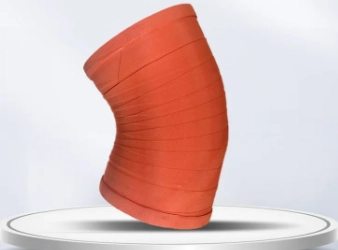
Silicone offer durability and aging resistance
Railway structures face hard settings. Parts there meet UV light, bad weather, and chemical contact. In such spots, lasting power matters a lot. Silicone tubes stand out here due to their fine guard against aging. Other materials might split, stiffen, or drop qualities over time. Yet, silicone stays tough for many years, even with outdoor exposure.
Silicone’s aging guard comes from its skill to keep molecular form. This holds even under ozone, UV light, and wild weather.In railway infrastructure, silicone tubes demonstrate superior durability, with market data indicating that silicone-based adhesives and materials (used in fuel lines and fluid systems) reduce maintenance costs by extending service life under harsh conditions. The global railway adhesives market, which includes silicone formulations for durable bonding, was valued at USD 3.4 billion in 2024 and is projected to reach USD 3.6 billion in 2025, driven by investments in long-lasting rail components. Because of that, silicone tubes work steadily over long stretches. They cut the call for regular swaps and lower upkeep costs for railway managers.
Think of fuel lines or fluid carry systems. There, breakdowns could cause work stops or safety dangers. Silicone tubes bring calm assurance. They remain bendy and strong, backing the long-term steadiness of the structure.
Silicone improve flexibility and ease of installation
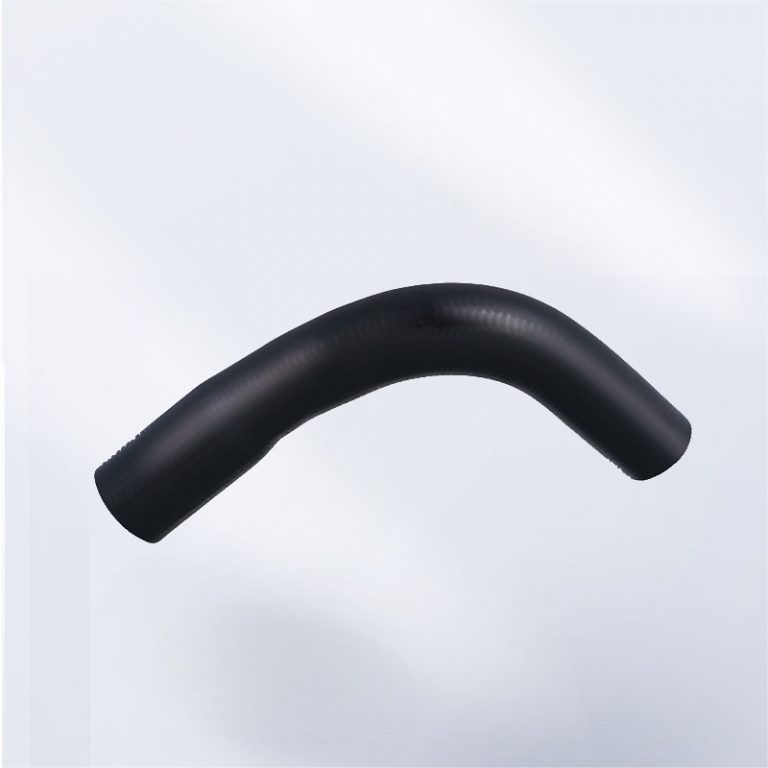
People know silicone tubes for their bendiness. This proves handy in railway setups where room stays limited or tricky. Their skill to curve without losing work lets installers fit them easier. This suits complex shapes in a train’s power setup or HVAC parts.
Plus, silicone’s built-in bendiness means these tubes handle shakes and shifts in the setup without splits or lost function. For example, in railway air intake or brake fluid lines, silicone’s bend helps take in jolts. It stops the tubes from turning stiff or snapping under force.
Their simple fitting and skill to match tight areas let silicone tubes go into spots where hard materials prove tough. This aids even work flow and quicker setup times. In turn, it cuts stop times for fixes and checks.
Silicone effective for vibration and noise reduction
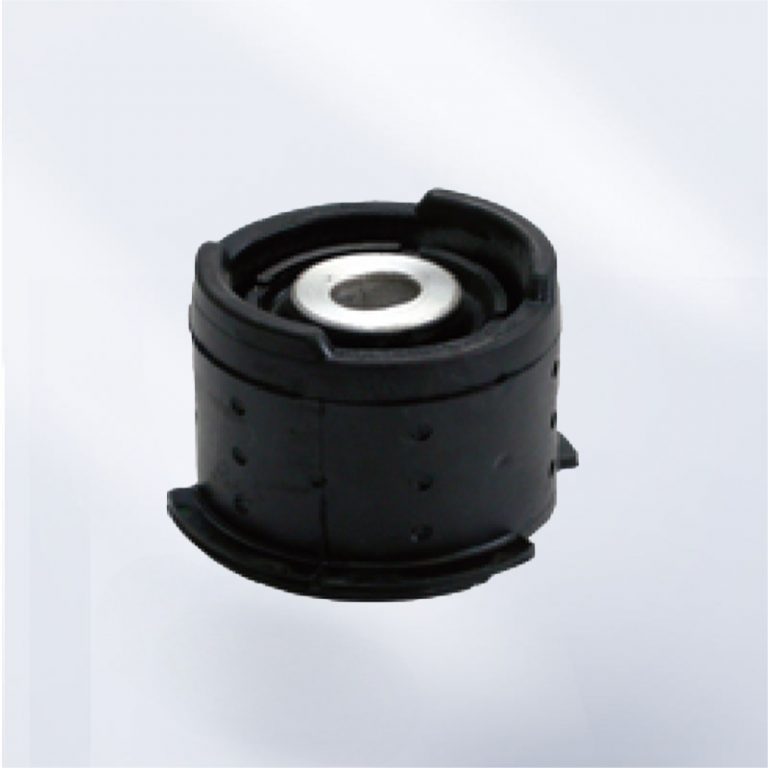
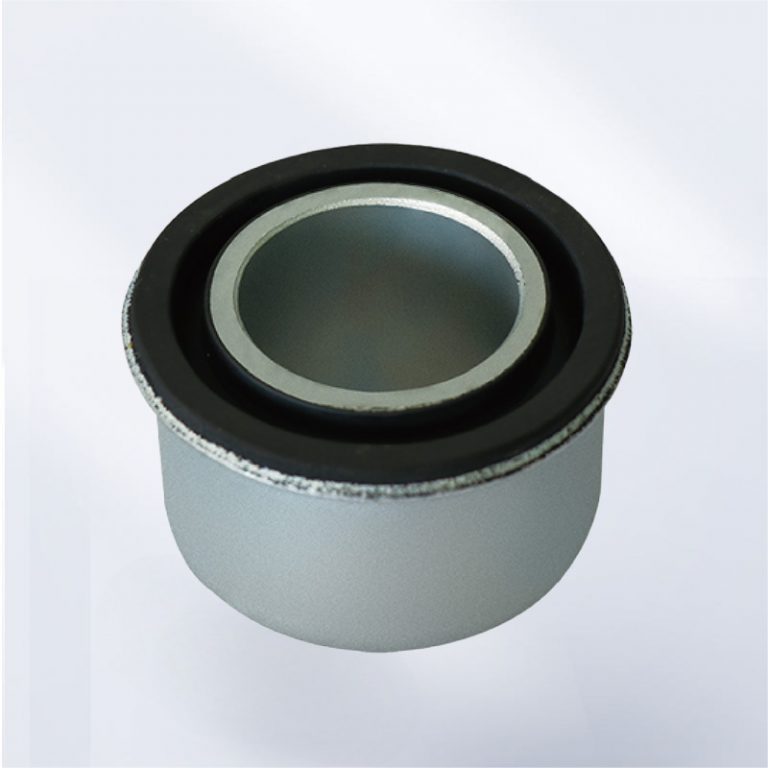
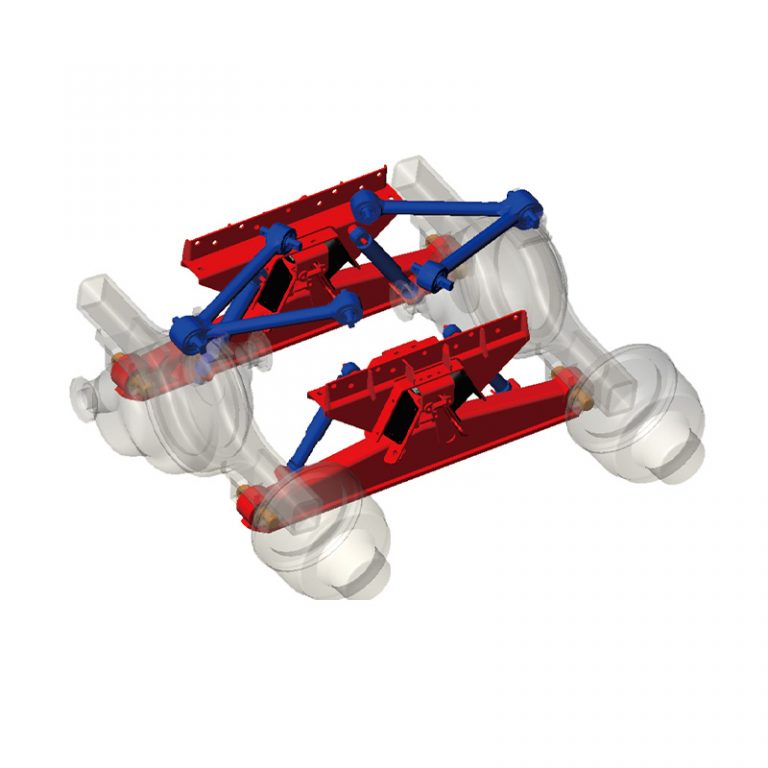
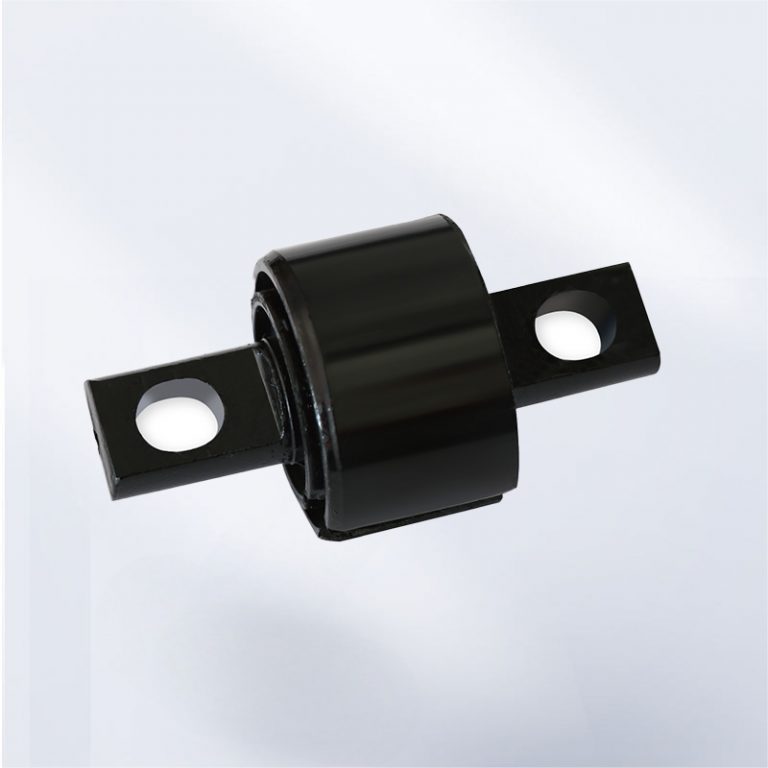
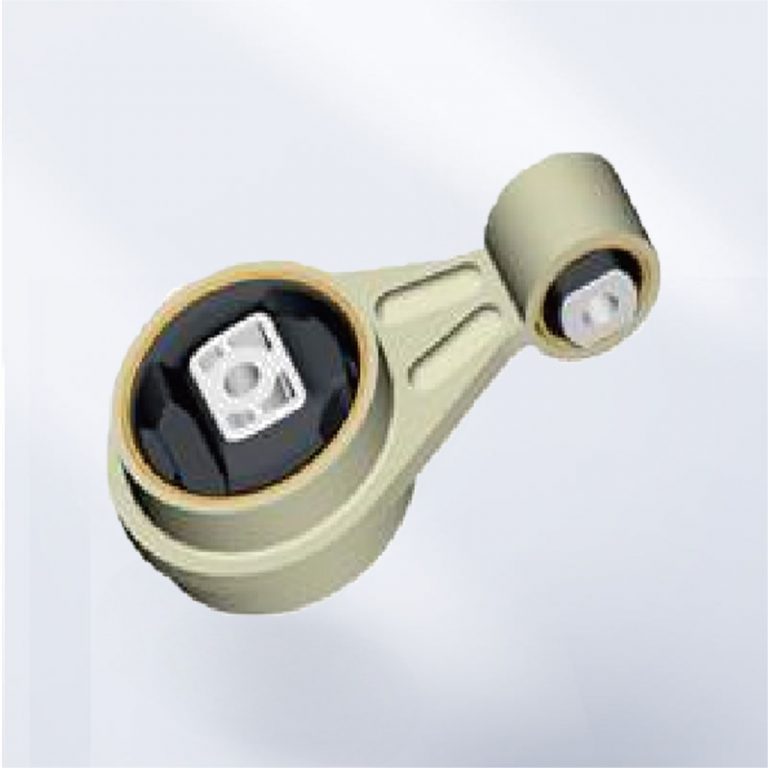
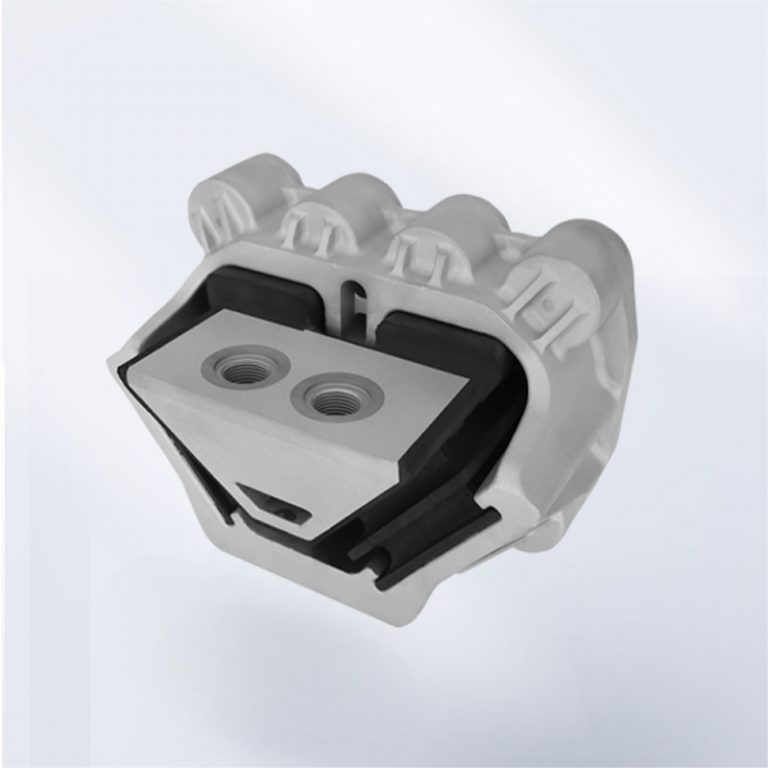
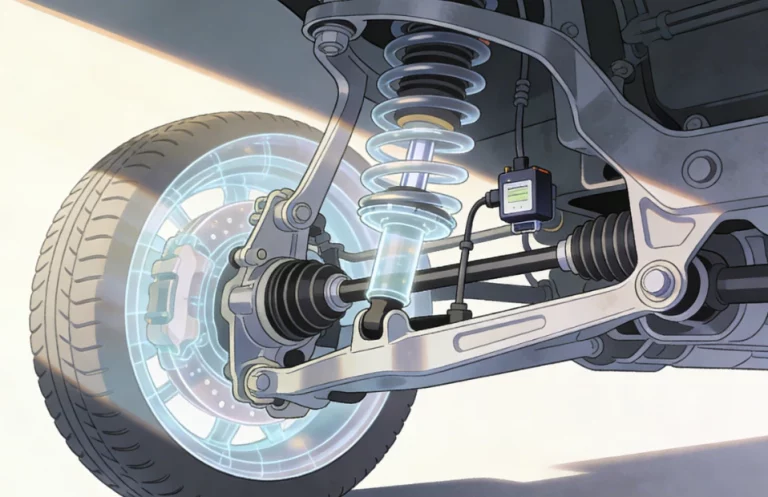
Silicone’s power to soften shakes and cut sound makes it a useful material for railway setups. This shines in parts that touch mechanical items. Be it engine supports or suspension pieces, silicone tubes help lower shakes. Such shakes might cause system tiredness or unease for riders.
The material’s shake-softening traits also drop sound levels. This builds a more comfy and calm space inside trains. By taking in and cutting off mechanical shakes, silicone tubes stop them from spreading through the build. This adds to even and quieter work. The gain shows most in fast trains where shakes and sound run high.
Better shake guard lengthens the life of other parts. It does this by cutting damage from steady moves and jolts. Thus, it backs the full lasting power and trust in the railway structure.
Silicone perform in fluid and chemical resistance
Railways run in spots where oils, fuels, coolants, and other strong chemicals appear often. Silicone tubes guard well against many fluids and chemicals. This makes them a good fit for tasks like fuel lines, coolant setups, and hydraulic parts in trains.
Consider cooling setups where different liquids flow through the tubes. There, silicone’s guard against oil, coolant, and other liquids keeps the tubes whole without wear over time. This chemical guard stops leaks or breakdowns that might bring high repair costs or service breaks.
Besides, silicone reacts little with most chemicals. So, it does not change the work of the fluid it carries. This trait proves key in keeping the output and safety of detailed railway setups that need exact fluid care.
Technical Performance and Application of Meichen Material Solutions
| Performance Metric | Silicone & Composite Materials (VMQ / FVMQ) | Railway & Automotive Application Value | Meichen Technical Support |
| Temperature Range | -55°C to 250°C | Ensures stability in extreme engine heat and arctic infrastructure environments. | National CNAS accredited laboratory with 200+ sets of advanced testing equipment. |
| Aging Resistance | Excellent UV & Ozone resistance | Prevents cracking and hardening during long-term outdoor exposure. | National Intellectual Property Demonstration Enterprise; led ISO17324 international standards. |
| Vibration & NVH | High elasticity & damping | Absorbs mechanical shocks and reduces noise for passenger comfort. | Specializes in performance testing of rubber damping and suspension systems. |
| Fluid Resistance | Superior Coolant & Oil resistance | Maintains structural integrity when exposed to aggressive chemicals and fuels. | Formulations cover FVMQ, FKM, VMQ, and modified VMQ for diverse fluid systems. |
| Manufacturing Quality | Precision Intelligent Extrusion | Guarantees consistent wall thickness and reliability for complex installations. | Equipped with SIKORA online laser non-contact diameter measuring instruments. |
For a reliable and efficient solution in railway infrastructure, silicone tubes from Meichen Industrial Group provide unbeatable performance. If you’re ready to explore Meichen’s advanced silicone tube products for your next project, don’t hesitate to get in touch. Meichen’s expert team is ready to provide customized solutions that meet your specific needs.
FAQ
Q1: Why is silicone better than rubber for railway systems?
A: Silicone provides stronger heat tolerance, bendiness, and aging guard than rubber. This makes it a tougher option for railway systems facing wild conditions.
Q2: How long do silicone tubes last in harsh railway environments?
A: Silicone tubes hold a long life thanks to their stand against aging, UV light, and wild weather. This keeps them working for many years.
Q3: How does silicone help reduce noise and vibrations in trains?
A: Silicone’s shake-softening traits take in jolts and lower sound. This helps create a calmer and more comfy space inside the train.
Q4: Can silicone tubes handle exposure to fuels and coolants in railway systems?
A: Silicone tubes stand strong against many chemicals, including oils, fuels, and coolants. This ensures steady work in fluid setups without breakdown.